“Night Light Show”
October 7th, 2024

photos from joshua l. smith
Film Scores are meant to make you feel a movie scene more deeply, to tie you into a character, emotion, moment, or plot point in a way that facial expressions and dialogue may fail. The best film scores can stand on their own without the movie, and I listen to film scores as my background noise during work and often while I drive.
.
For years, I have wanted to travel to Europe to see Hans Zimmer conduct a concert live; he’s truly one of the best film composers of all time and perhaps can be compared to John Williams in influence.
.
When Hans Zimmer announced his North American tour, Sarah said “let’s go see him for your birthday this year!” He was performing in Chicago, but we both noticed that his Seattle performance was on my birthday – and Sarah has wanted to take me to Seattle because she has enjoyed that town so much.
.
I was giddy, and honestly, Seattle helped build my excitement; we had a fantastic time; I think I could spend a week in Pike Place Market just enjoying all of the vendors, and I could probably spend another two days photographing the Ghery designed Museum of Pop Culture. There’s no “opener” for Hans Zimmer, you sit in your seat waiting…
.
I loved all of it, from the opening vocals from House Atreides, to the Wonder Woman suite, to the Pirates suite and everything in between; Hans has 30-50 different musicians on stage at a time to perform the various pieces. It’s part symphony orchestra, part vocal virtuosos, and part rock band – and each musician has been selected by Hans.
.
…But as the Man of Steel suite played – it moved me. The intensity and build of that score and the climax was an emotional experience for me; I was almost in tears. It was simply incredible – in a way that I can only feel through music.
Oh, and the last performance (before the encore) is a Lion King medley. You have not experienced the Lion King until it is performed live by Lebo M with a chorus.
.
(No, I don’t have a photo, no photo could hold a candle to the concert.)

Oh man, where to start? This was “the story” from this trip; I saw so many very cool waterfalls, but this one, this one was interesting to find. My only directions for this location were that you turned down this particular forestry/logging road, and then “when the road forks, take the right side; the left side is VERY muddy after it rains. Once you cross the bridge, there is a pull over on the right side…” Well, it had just rained, so as I started down the glorified two-tracker, I watched for the fork in the road.
As I drove along it got muddier and muddier, but my Traverse has all wheel drive, so I wasn’t too concerned. Then I crested a hill and there was a small pool of muddy water at the bottom. Since there were tire tracks through it already, I assumed that there wasn’t anything dangerous in the water and I proceeded down the hill, through the mud, and then up the hill. As I crested the other side, there was another depression with more mud but just a little bit wider with more mud. Over the next 3 or 4 hills, each mud hole was a bit deeper and a bit wider.
As I crossed the 6th or 7th hill, the valley below was less of a small pool or muddy water, and almost a pond. It was at this moment that it occurred to me; not only have I travelled farther then the guide indicated, but now I have to turn around and head back through all of those increasingly deep mud puddles that I just made ruts in. Using my genius intellect, I assumed that the best way to avoid being stuck was to go as fast as possible through the puddles. There was one puddle where I felt the rear wheels gripping, but not the front wheels; but in each mud puddle, the Traverse came through.
So how did I find the waterfall? As I drove back on the two-track, I saw the “bridge” … a series of railroad ties laid across the road that I’d missed because I was looking for the fork in the road first.

And yes, my wonderful white Traverse was a bit of a mess for the remainder of the trip. 🙂



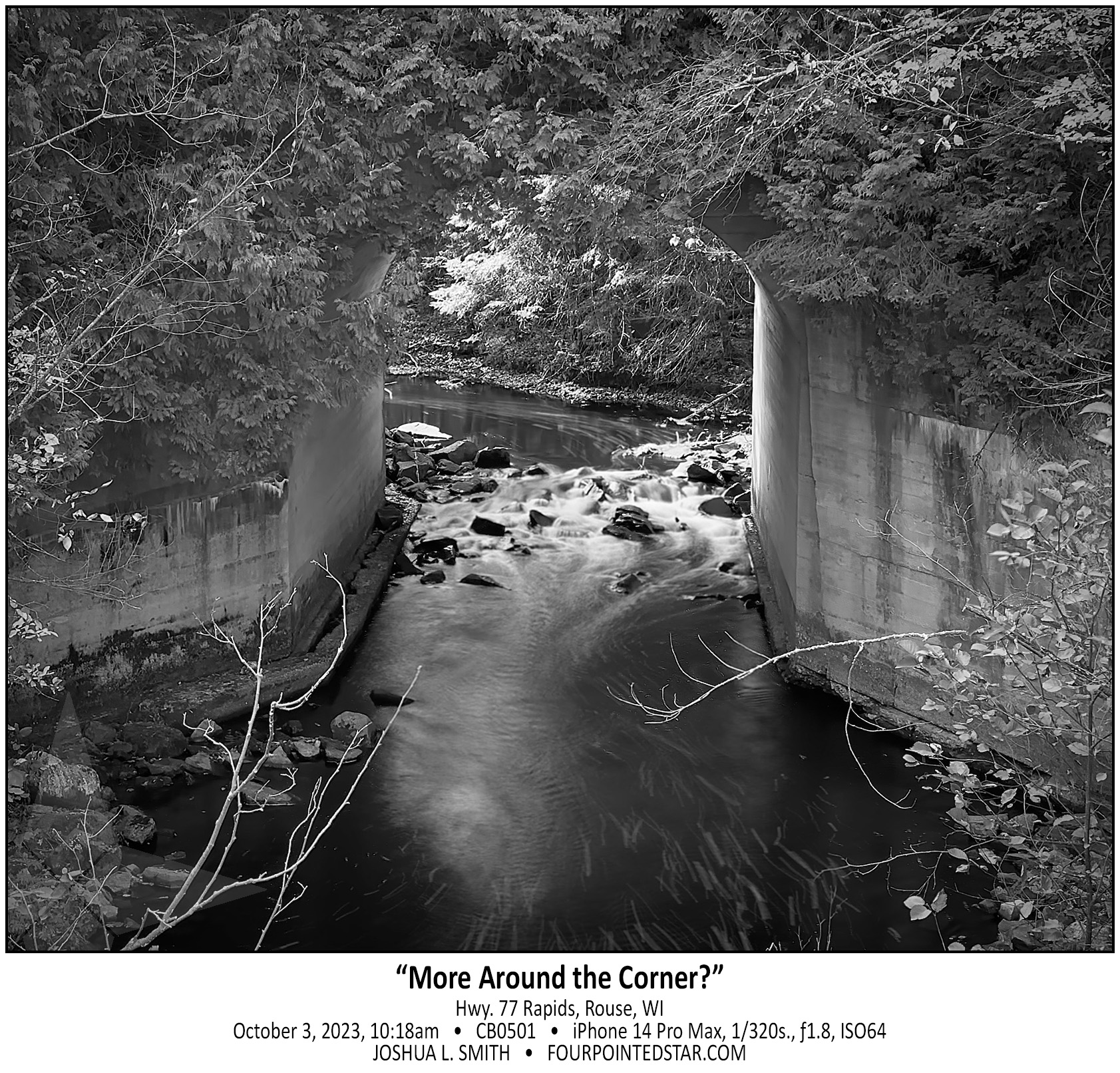
I have 3 waterfall books that indicate that there is a waterfall or at least a larger rapids on this stream, and one of the books indicates that it is easy to reach. Without climbing down into the stream and then walking under the concrete culvert, I can’t tell if there is anything upstream. I also am VERY hesitant to walk upstream without knowing or seeing some indication that the land is still undeveloped at the least. So, this rapids/waterfall/something waits for another trip.

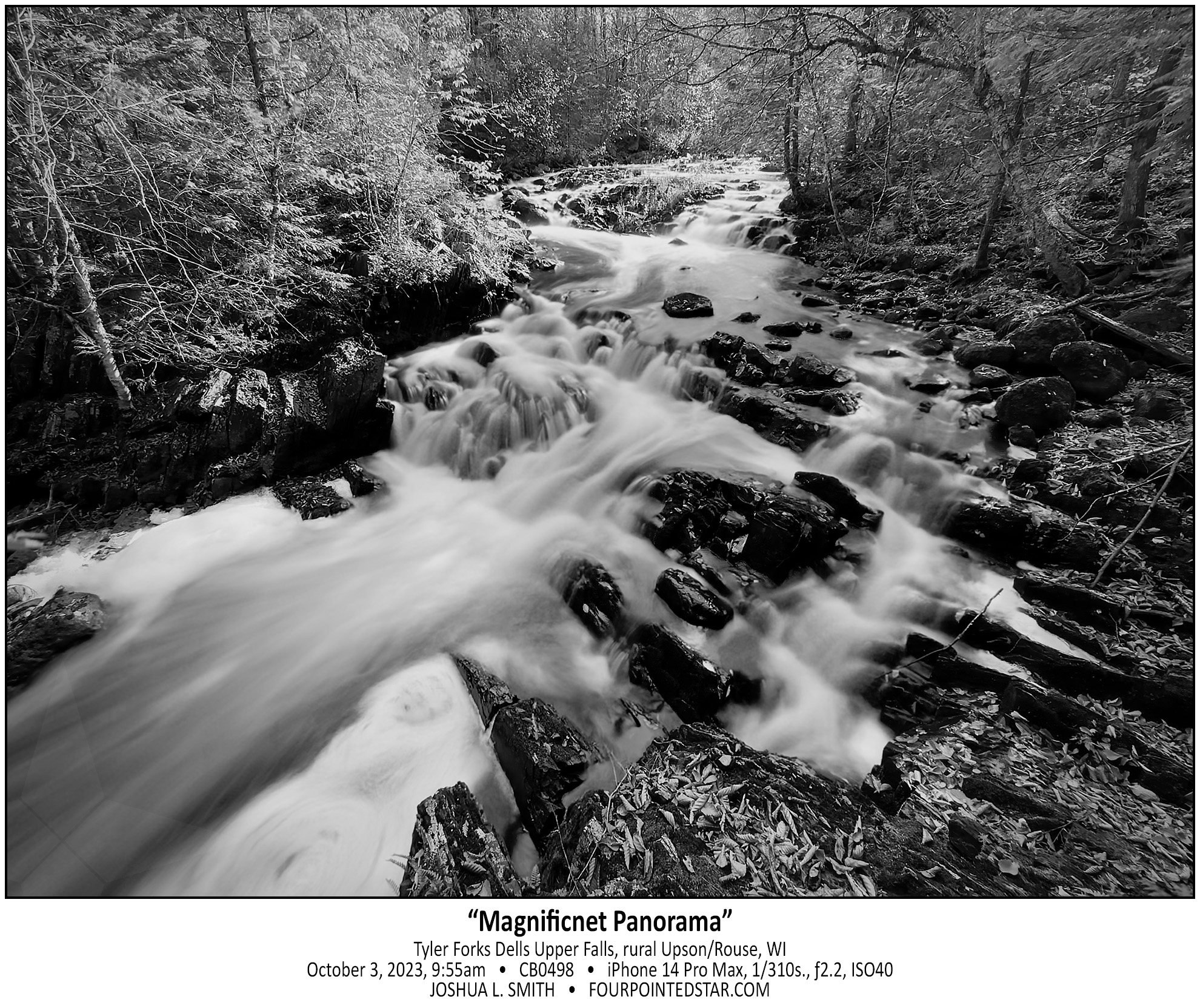
As I crested the hill so that I could see the rapids behind, I was literally awestruck by the view of Tyler Forks Dells Upper Falls. I gasped something like “that’s incredible!” as the scene came into view. The guide that I had stated “a series of small rapids forming an S curve”, but did NOT prepare me for how beautiful the Upper Falls are. The falls at the rear of the image are probably 200-250 feet away, which provides you with a sense of how expansive this view is. Although, you can’t tell it in this monochrome, the pops or orange leaves on the dark rocks, the yellow foaming water, and the sunlight illuminating the far side of the river added to beauty.

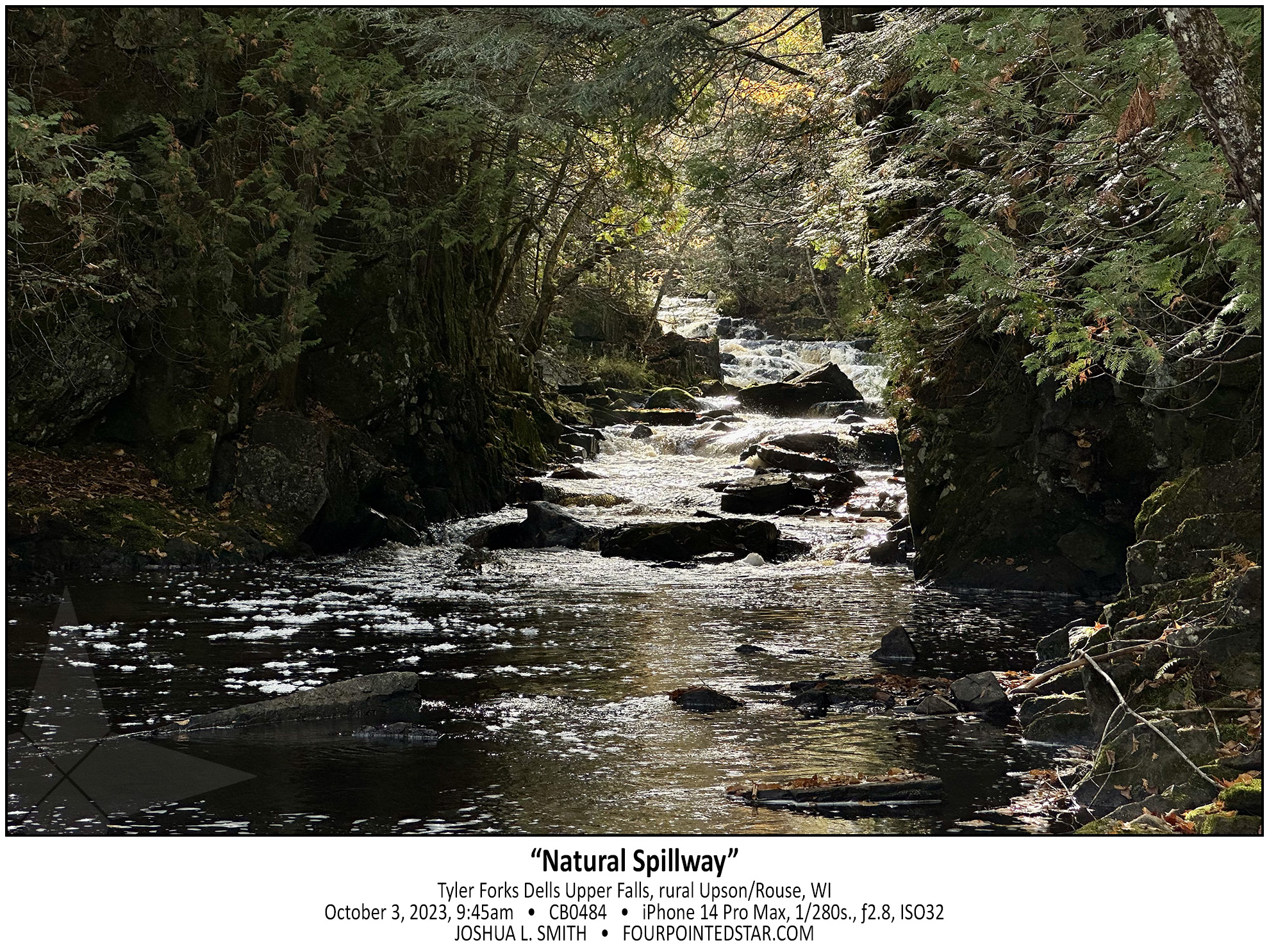
As I walked up from the lower falls which were not very impressive but were very easy to get to; I realized that the land was increasing in height but the river was not. And as this break in the stone cliff came into view, I could tell that Tyler Forks Dells might be quite the sight. But first I had to cross this rock wall that was maybe 15 or 20 feet high.









Upson Falls tumbles over the cascade of rocks and immediately makes a sharp right turn downriver. That sharp turn allows for this spectacular view with the sun rising “up river” and the wonderfully rich hues of morning.
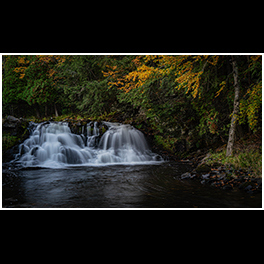
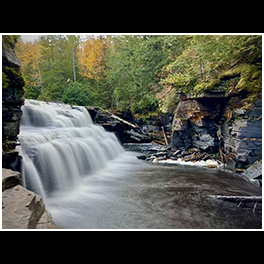
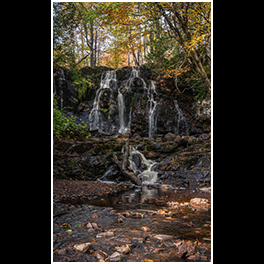
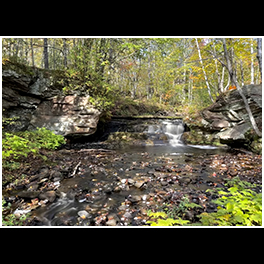
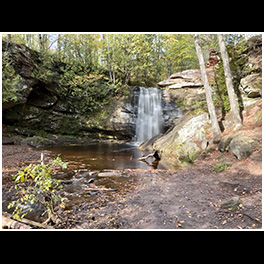
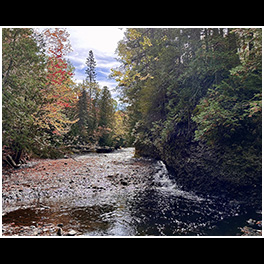
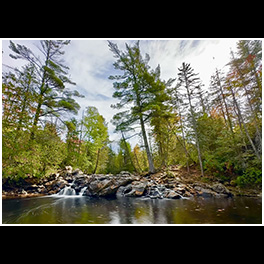
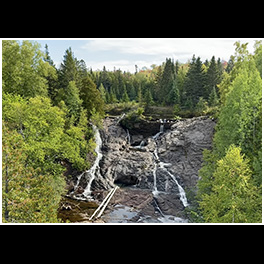
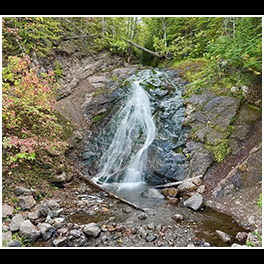
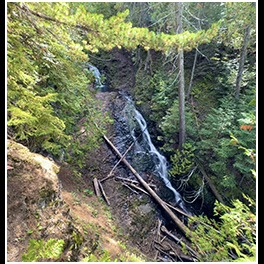
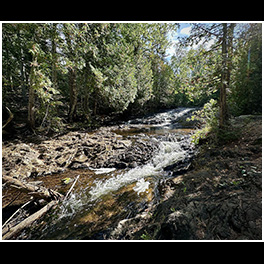
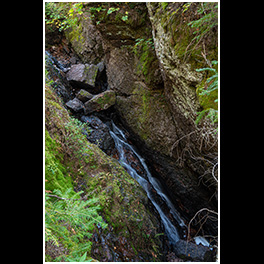


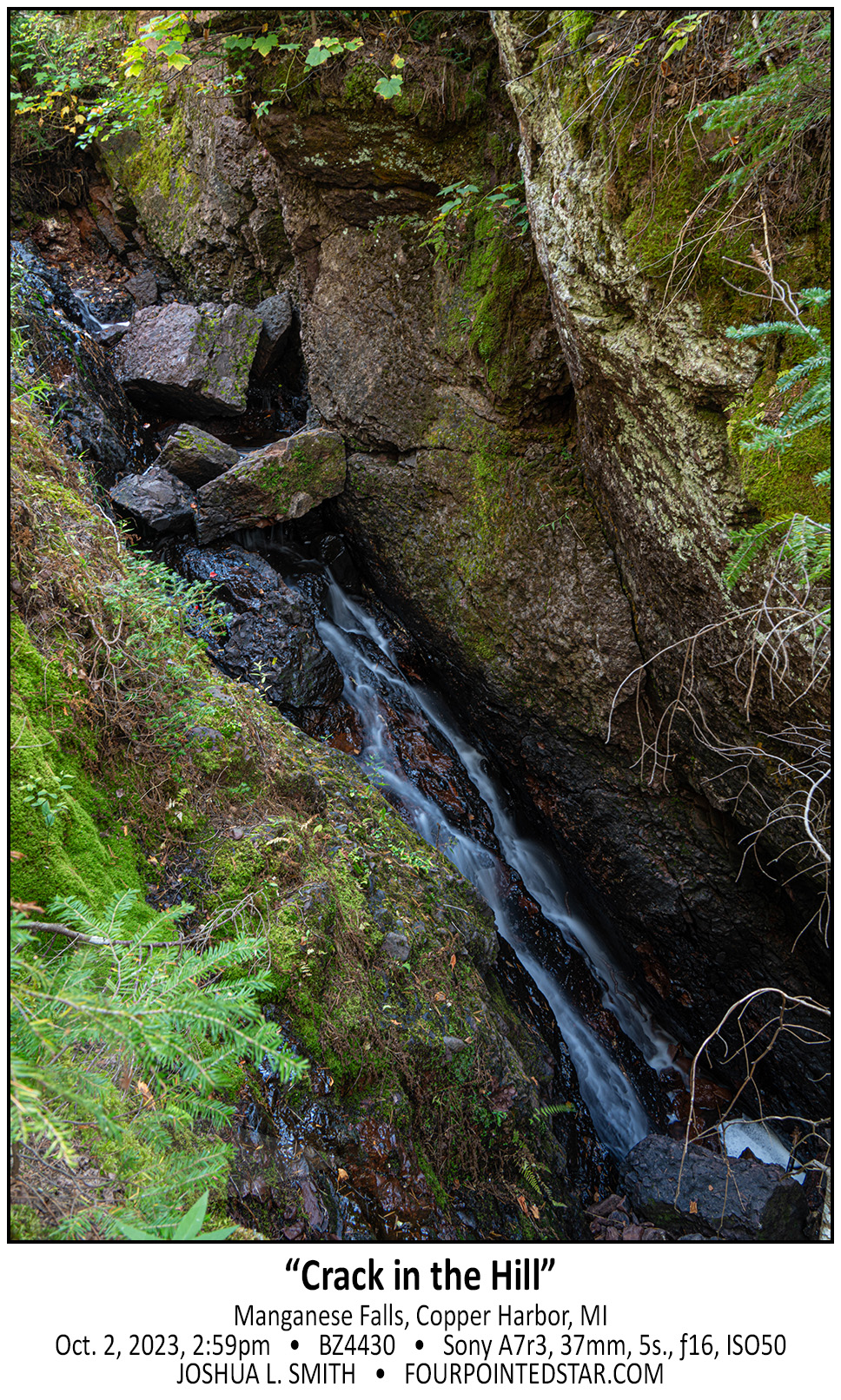
The Keweenaw Peninsula does not have much land area for large rivers to form, and this is reflected in some of the waterfalls. Manganese Falls is a very steep fall, but the stream is only 10-12 inches wide.
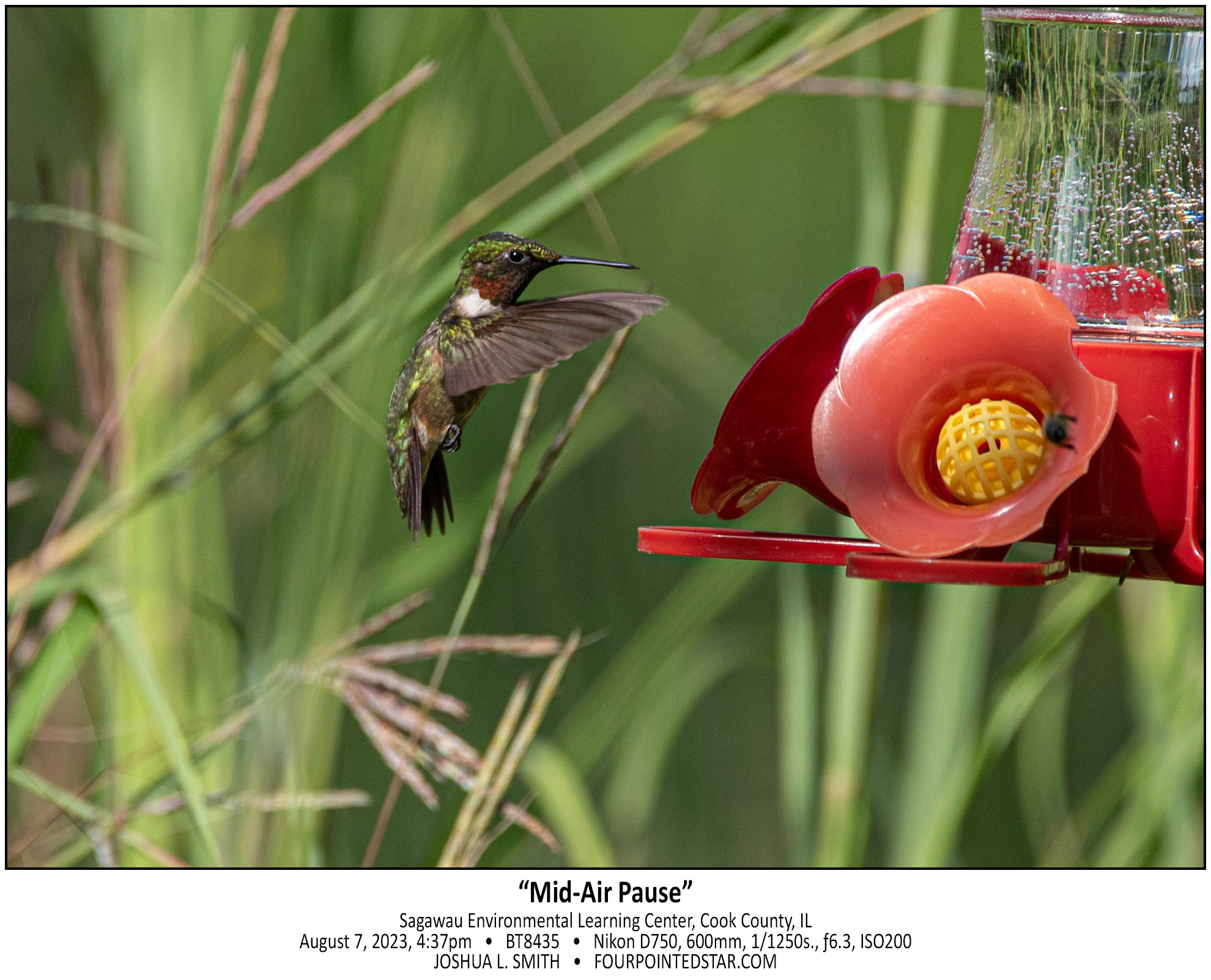
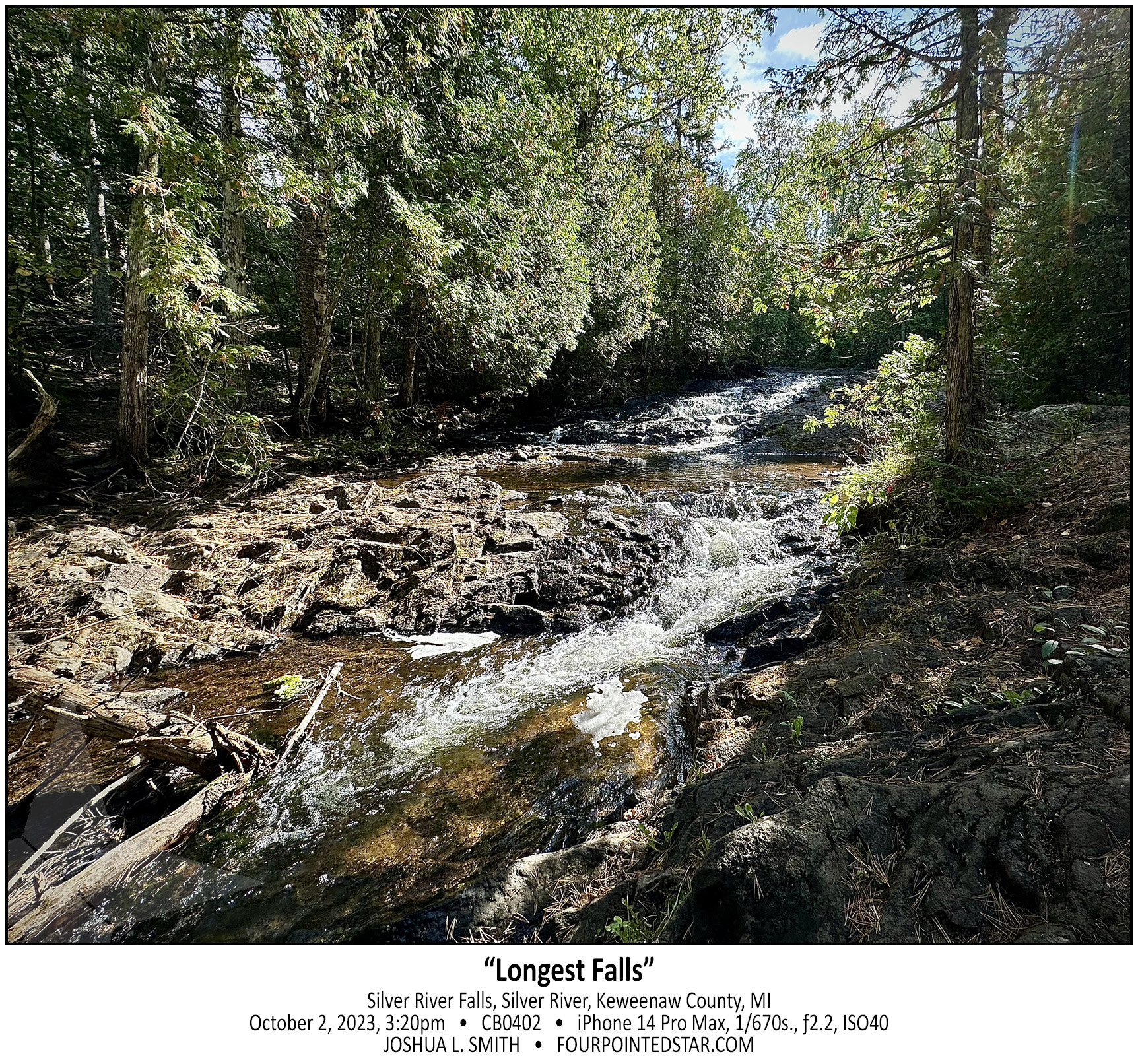
Silver River Falls is another very accessible waterfall. Michigan Highway 26 crosses over the Silver River and there is information describing the falls and the bridge along with some parking. However, Silver River Falls isn’t one cascade; it is a series of several small cascades spread along a few hundred feet of the Silver River. This photo was taken 150 feet or so down the river and there were more cascades further downriver as well.
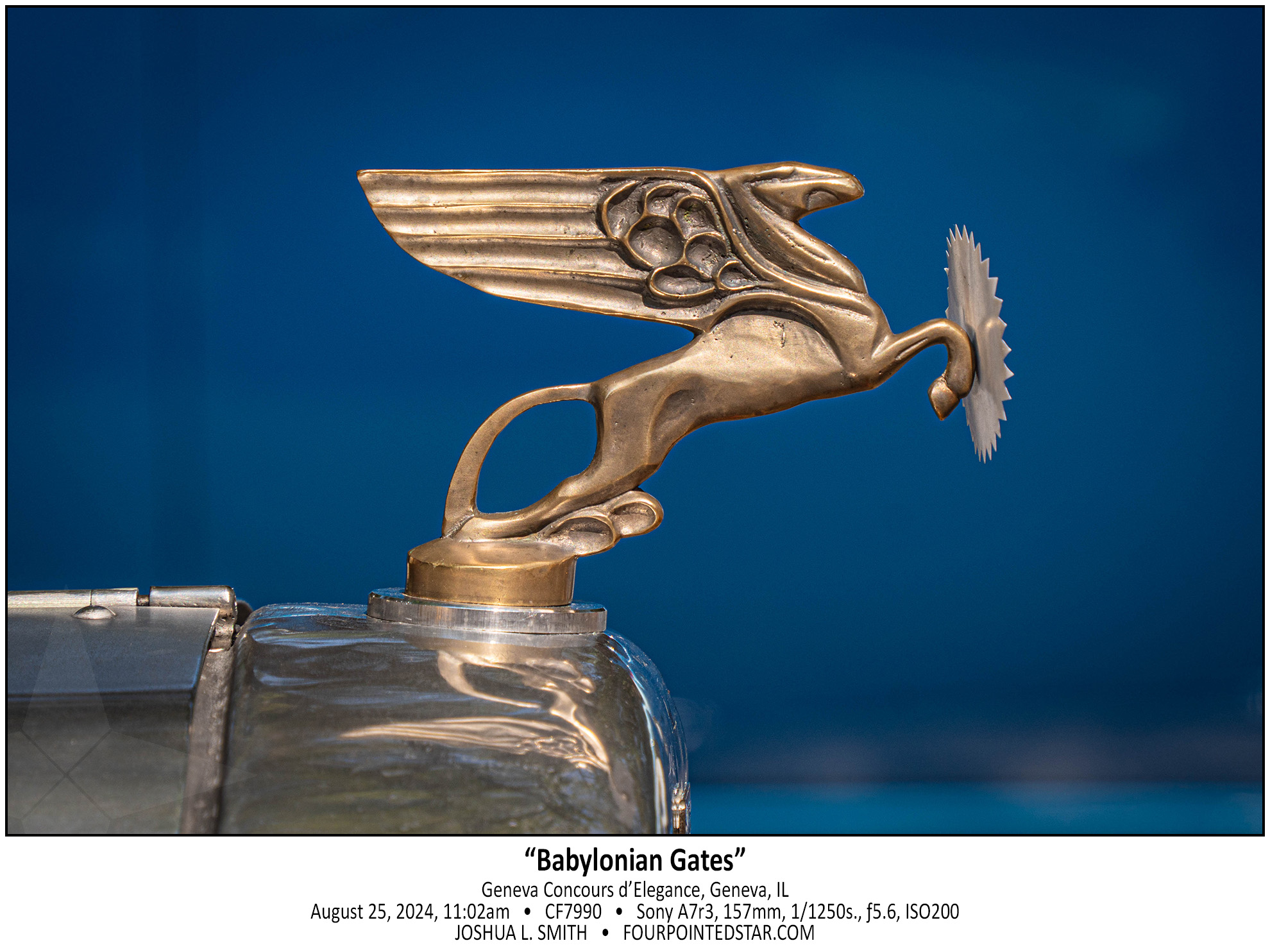
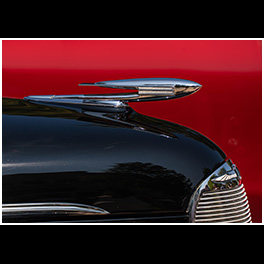
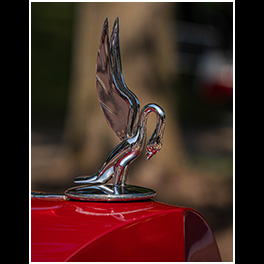
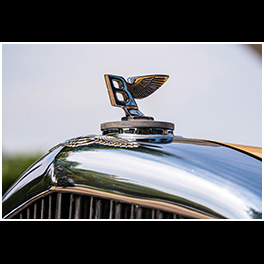
When I first saw this hood ornament, I immediately was taken with how fragile and sharp the front piece was. I was then taken with the luster of the copper color of the animal (perhaps a pegasus?). The copper color and the animal’s shape reminded me of the decorations on the Ishtar Gate, and placing that hood ornament with the rich blue backdrop really completed the enchantment.
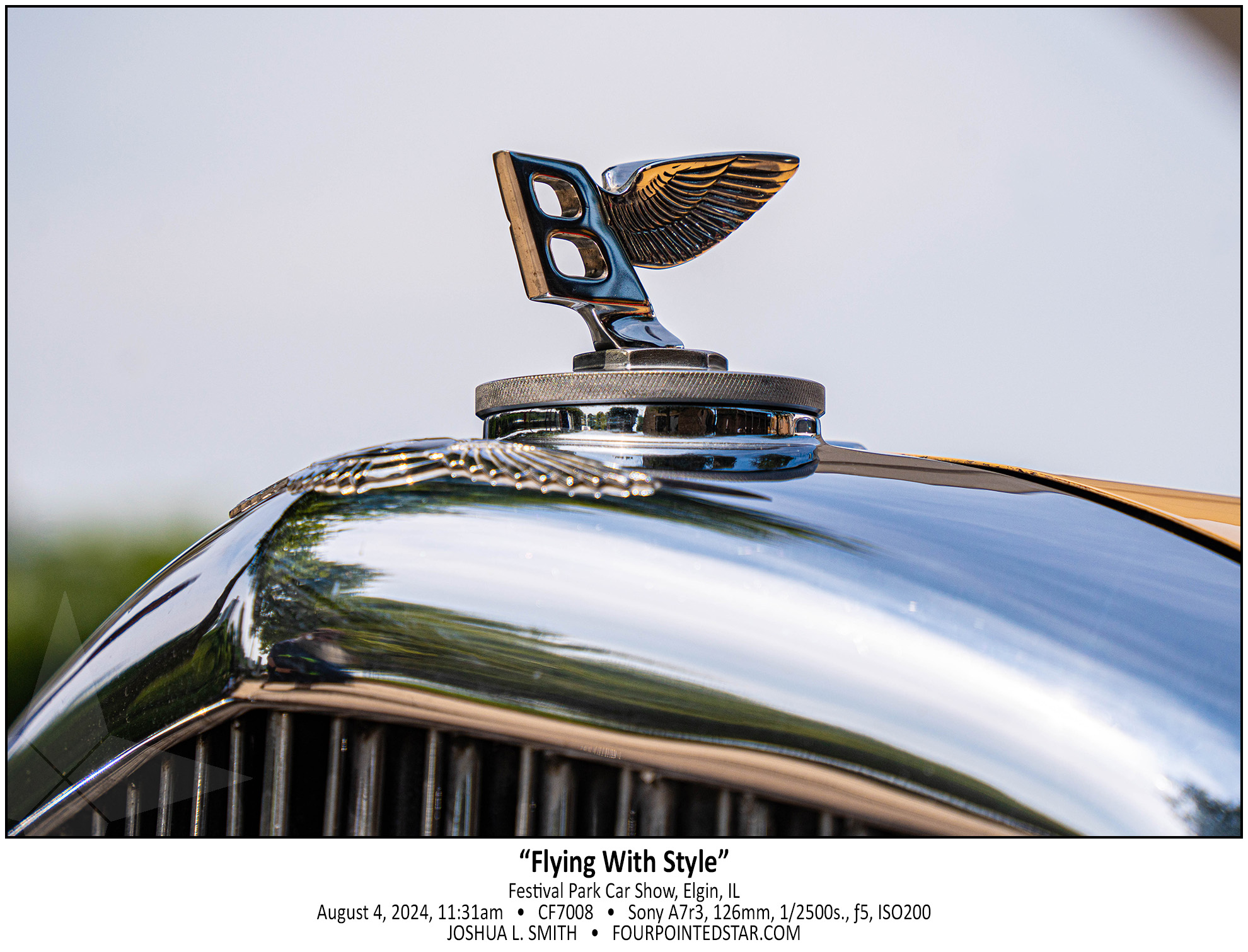
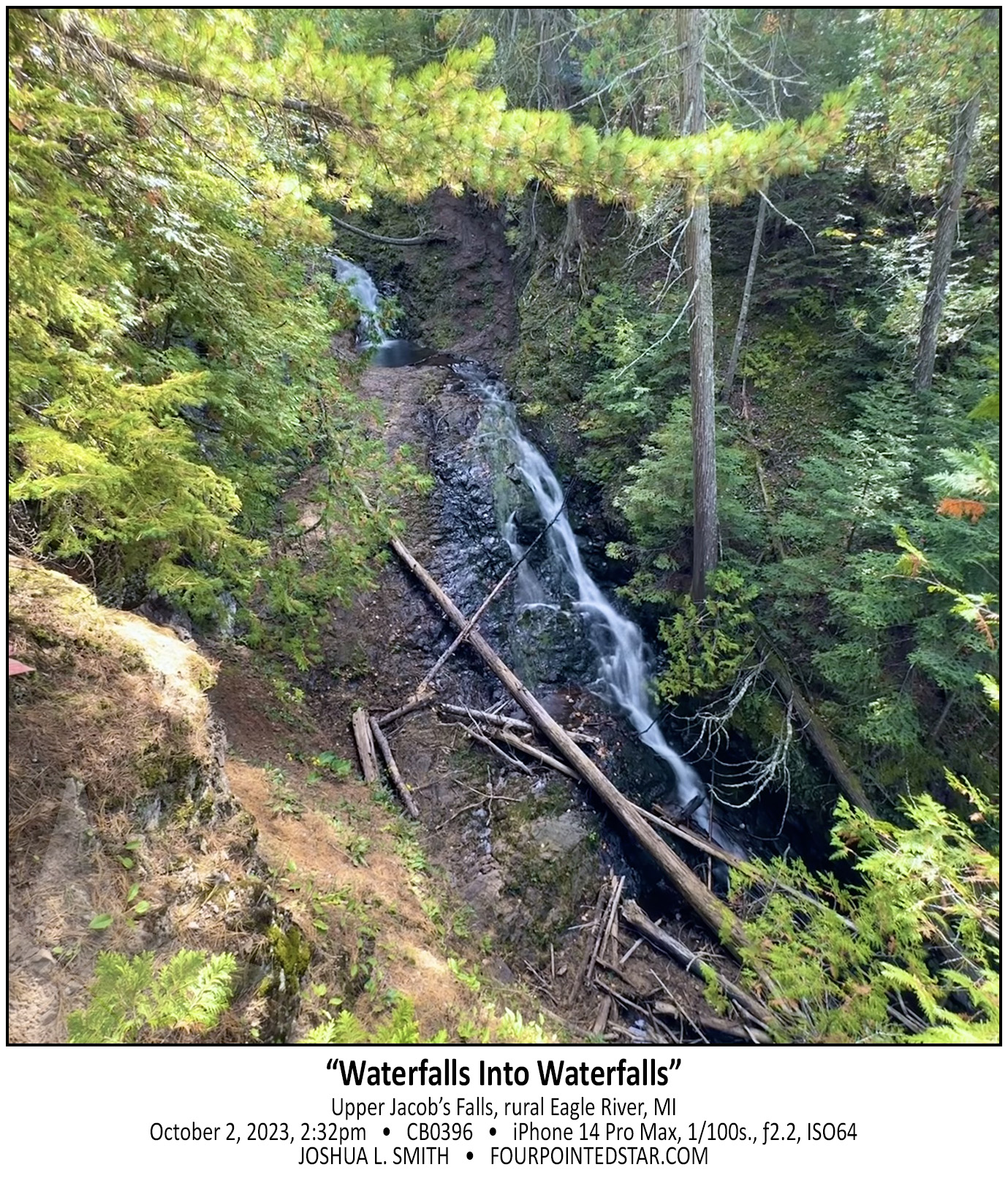
As you climb up the hill beside Jacob’s Falls, the question may cross your mind: “does this all count as one waterfall?” And that is a question that I have wondered many times; how much of a stream’s length must exist between cascades of water before they are considered distinct falls?
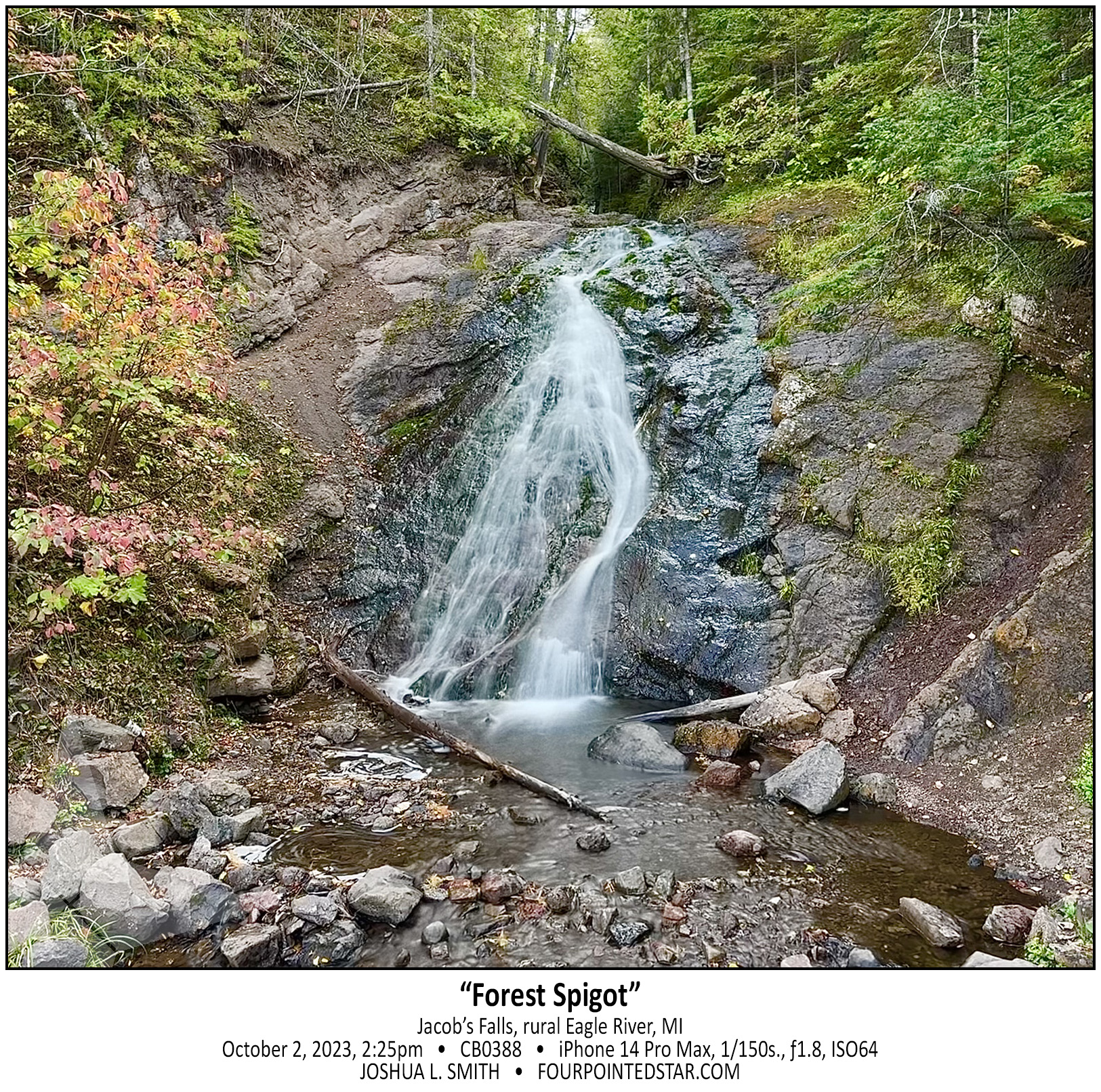
Jacob’s Falls is kinda the perfect Upper Peninsula waterfall. It’s small and unassuming, but literally 20 feet away from the edge of the road. There would be people like myself who would search it out if it were hidden in a forest, but really, the reason that it has a name is because of the highway.
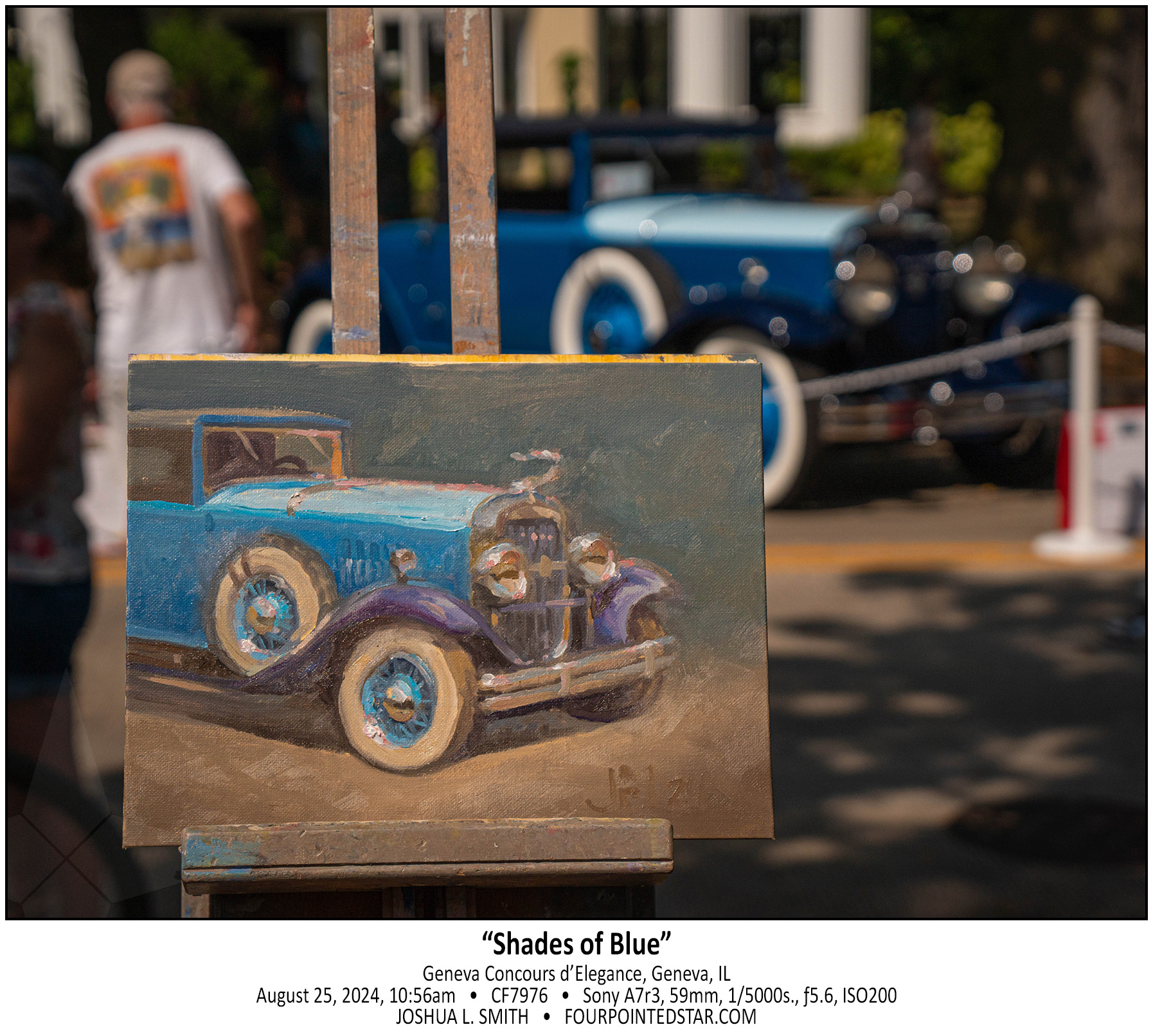
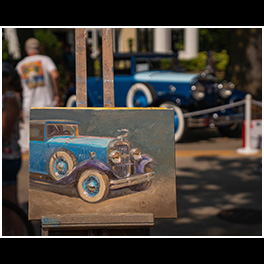
As I walked north through the Concours, I passed by the painter; so I made a point to stop by and say hi on the way back south. John Paul is from California and was just in Illinois for an art collaboration, and chose to come to the Concours to paint a car or two. Also, the blue Cadillac in the painting was detailed by a friend’s dad’s friend; life really is only 6 degrees of separation from painter to the artist who created the subject of the painting.


You can easily view this dam and falls from a pedestrian bridge over the Eagle River, and as I stood on that bridge, I was impressed by the manmade dam that has stood for (I assume) nearly a century or more. But I was also saddened that I will never see this waterfall tumbling down the rock face with the intensity that nature intended.
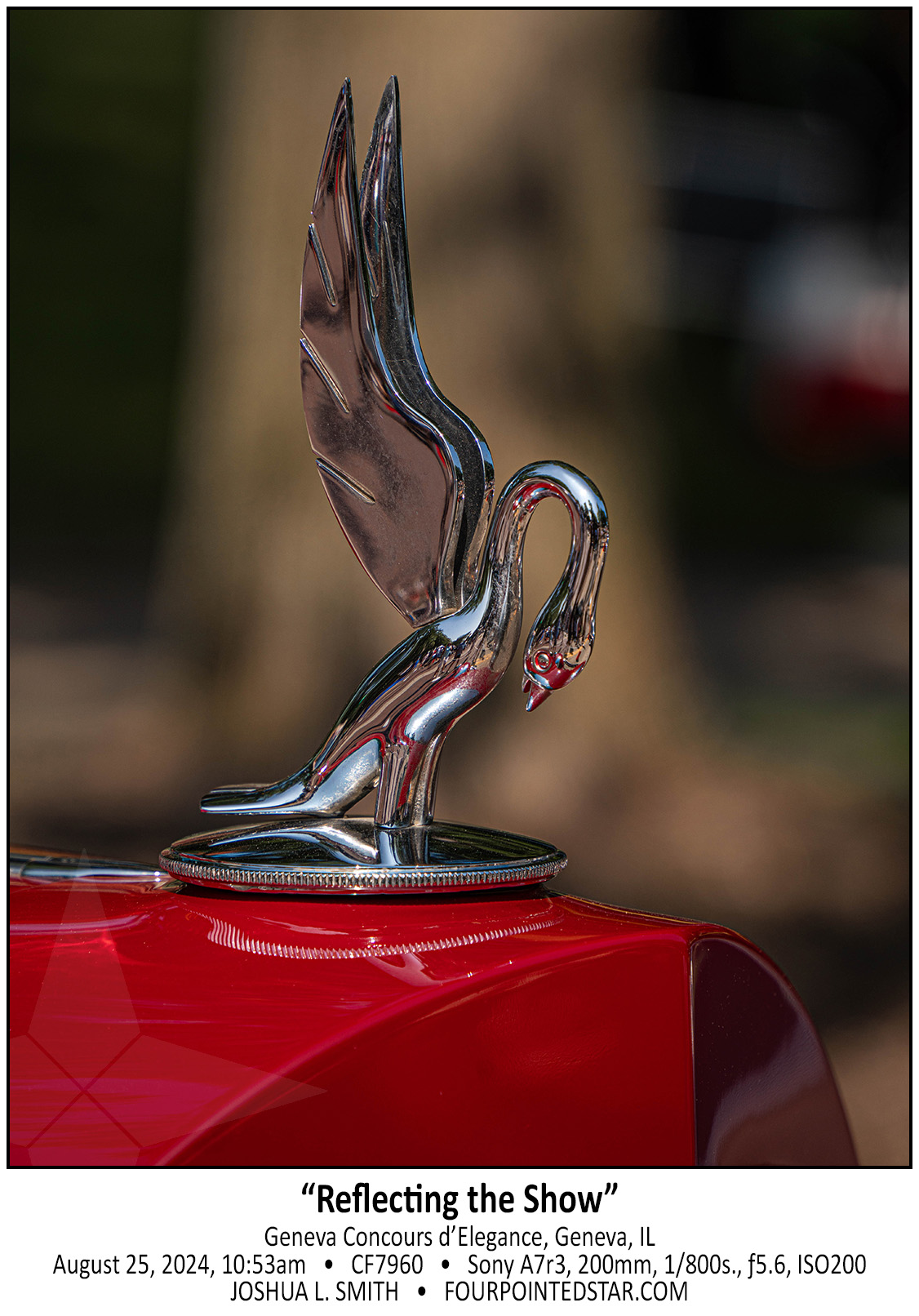
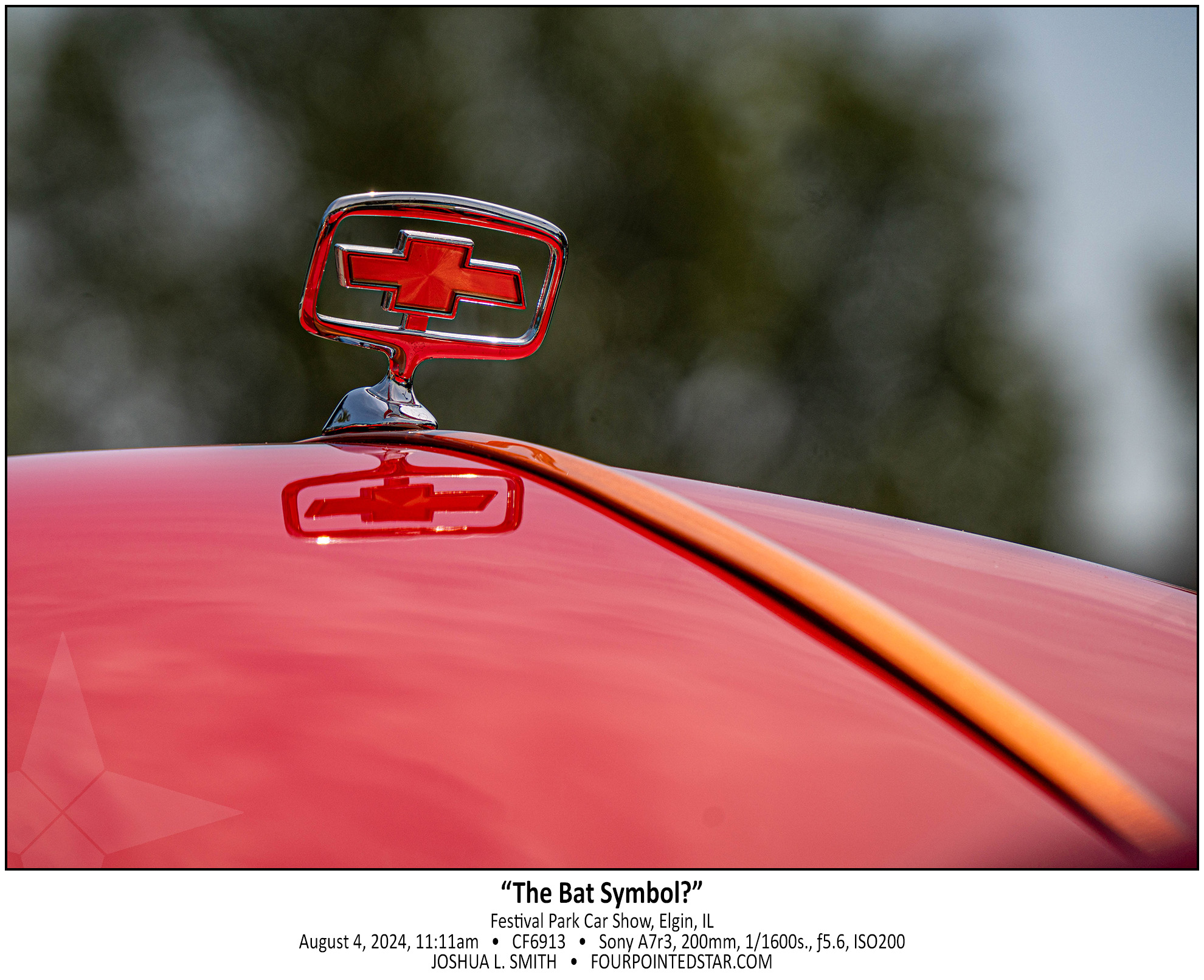
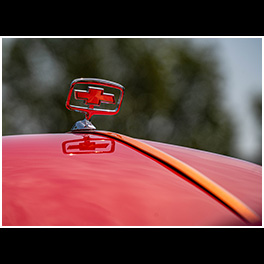
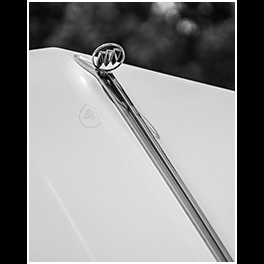
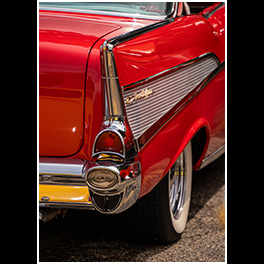
If you take a beginners’ photography class, your instructor is likely to bring up leading lines, rule of thirds, and removing items that aren’t needed as some of the keys to a great photo. I’d like to think that those are the reasons that I love this photo, but it’s probably only because I love the color red combined with the yellow hints in the center-line trim work.

You can imagine the monstrous noise that this small drop would create during the spring flow, but on a random day in early October it’s a peaceful and tranquil scene.
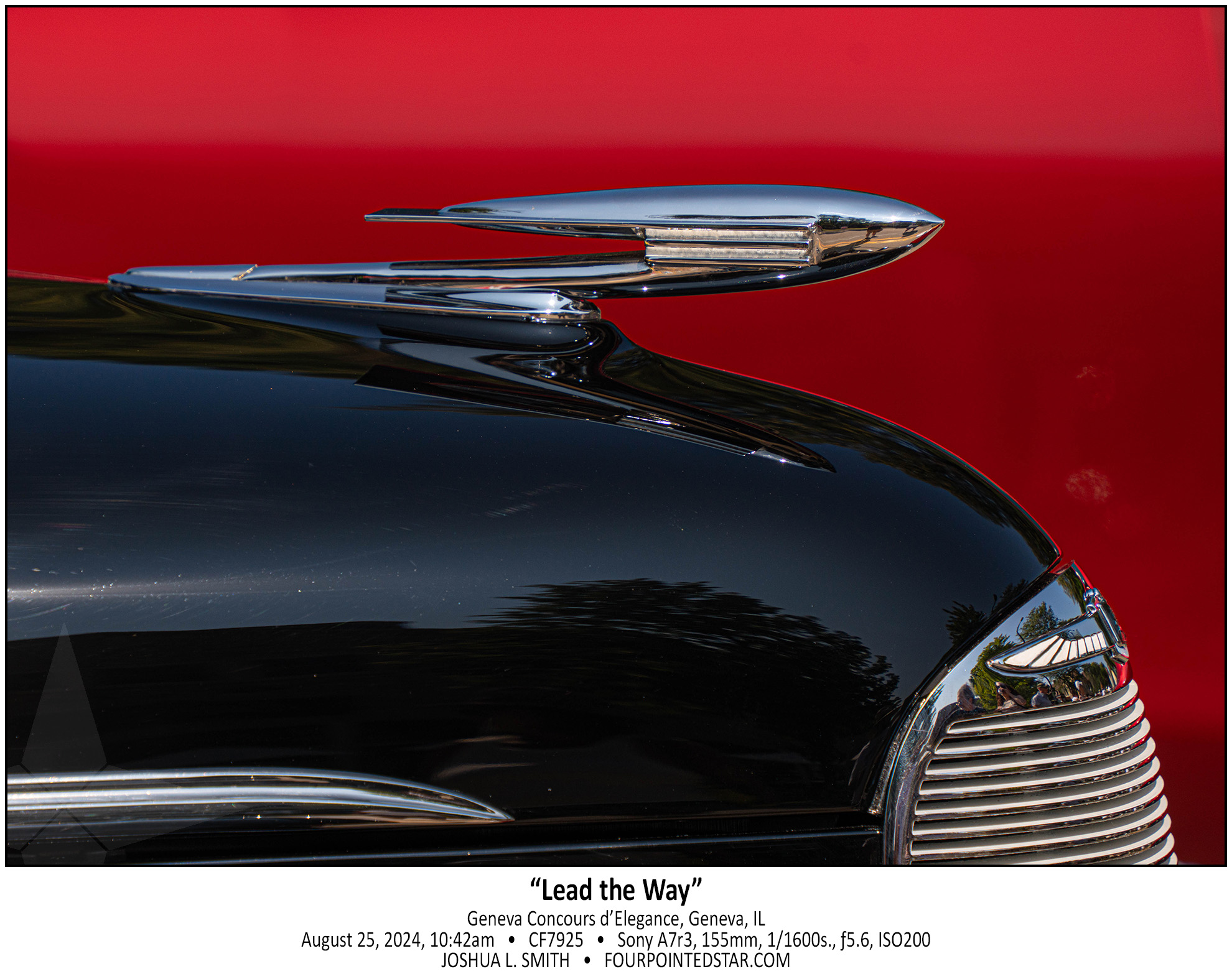
I have mentioned more than a few times that the Geneva Concours can be crowded and those crowds limit the photos that you can capture. In addition to the crowds though is the venue; the somewhat narrow street and shops and businesses also often provide a very cluttered backdrop for photos and the Concours. Which is why I’m thrilled with the simple nature of this photos; the red really brings out the shine of the chrome.

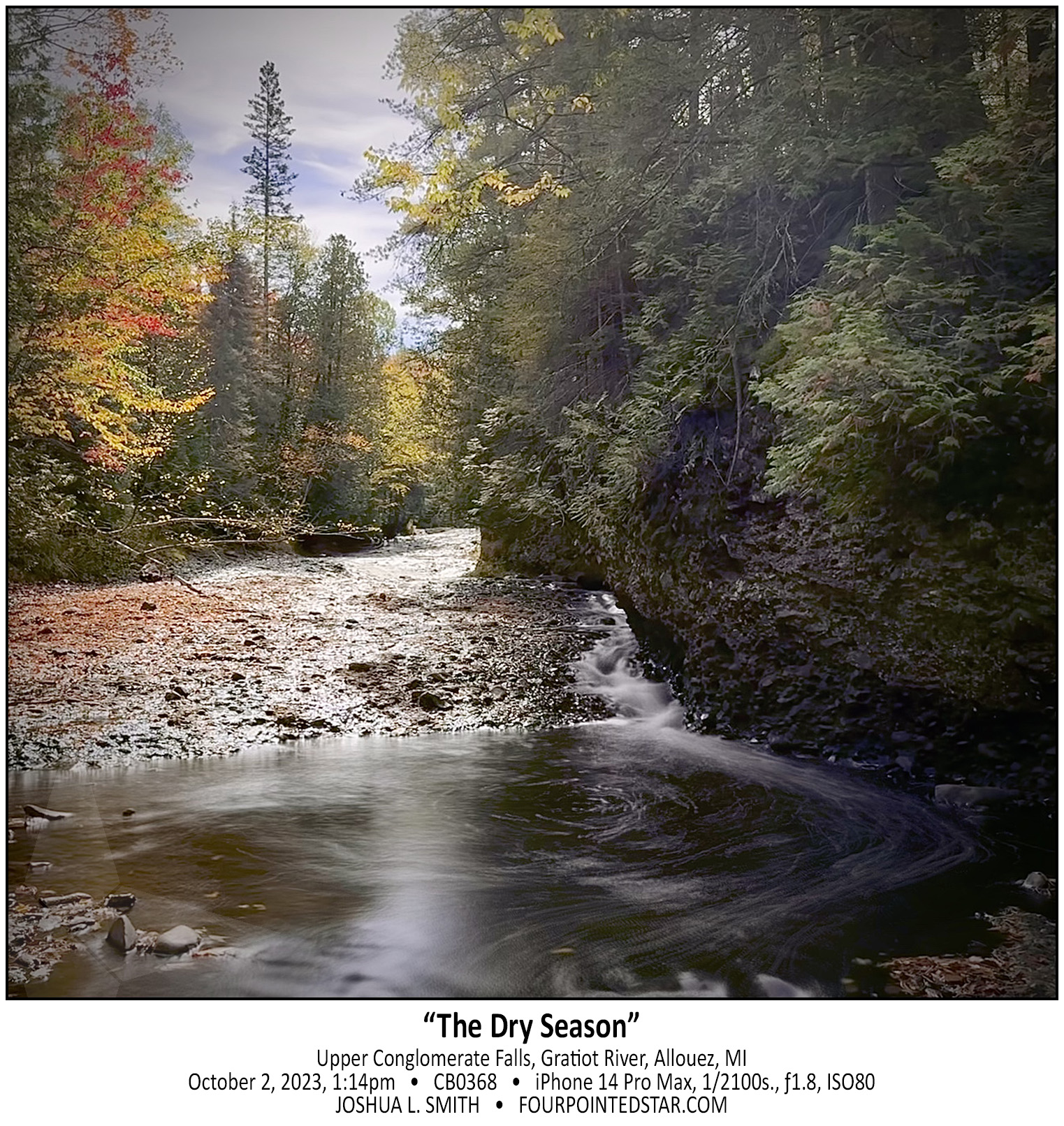
Upper Conglomerate Falls really tested my “what is a waterfall” question. After all, if any river runs dry enough, it will turn into a series of cascades. Getting to this falls was not easy, and it was an overall disappointment. However, the “Upper” part of the name implies a “lower”, and that could lead to a fun falls (or even more disappointment.)

I felt very bad for this little spider; it was just blowing in the wind on this tiny flower and twitching its legs every time that another insect came by. There was just 1 problem, this little spider was about the size of a grain of rice, and the bugs that were coming by? They were several times its size.
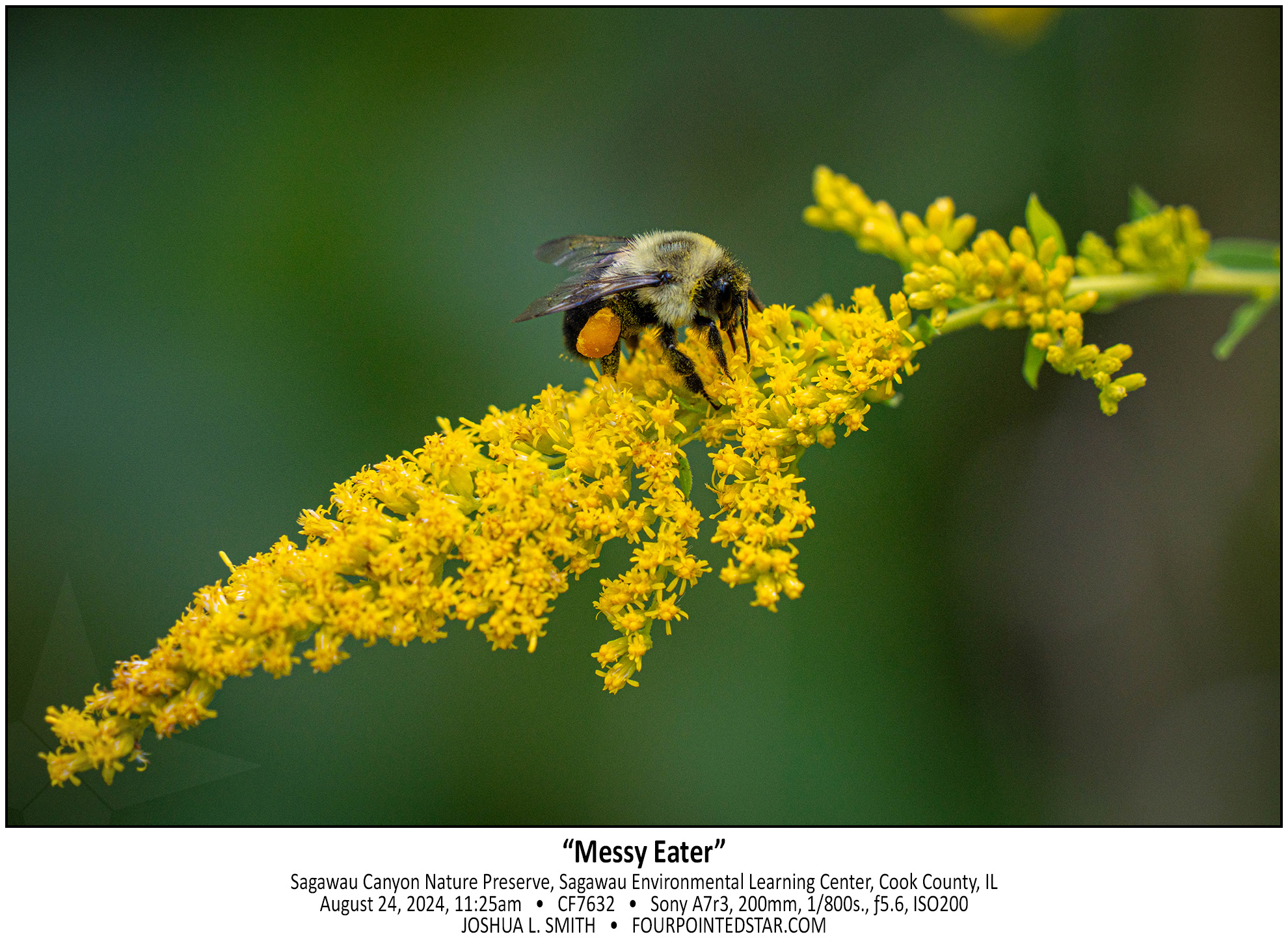
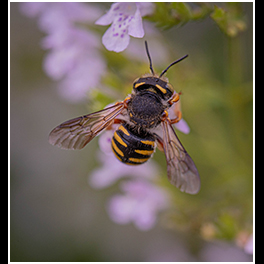
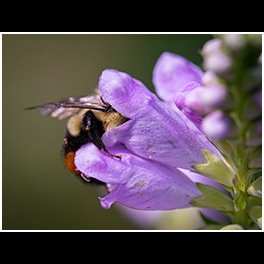
This was the busiest of the busy busy bees. This little worker buzzed all over gathering pollen and in the meantime, got themselves absolutely covered in pollen. Just take a look at this zoomed in version of the same photo!

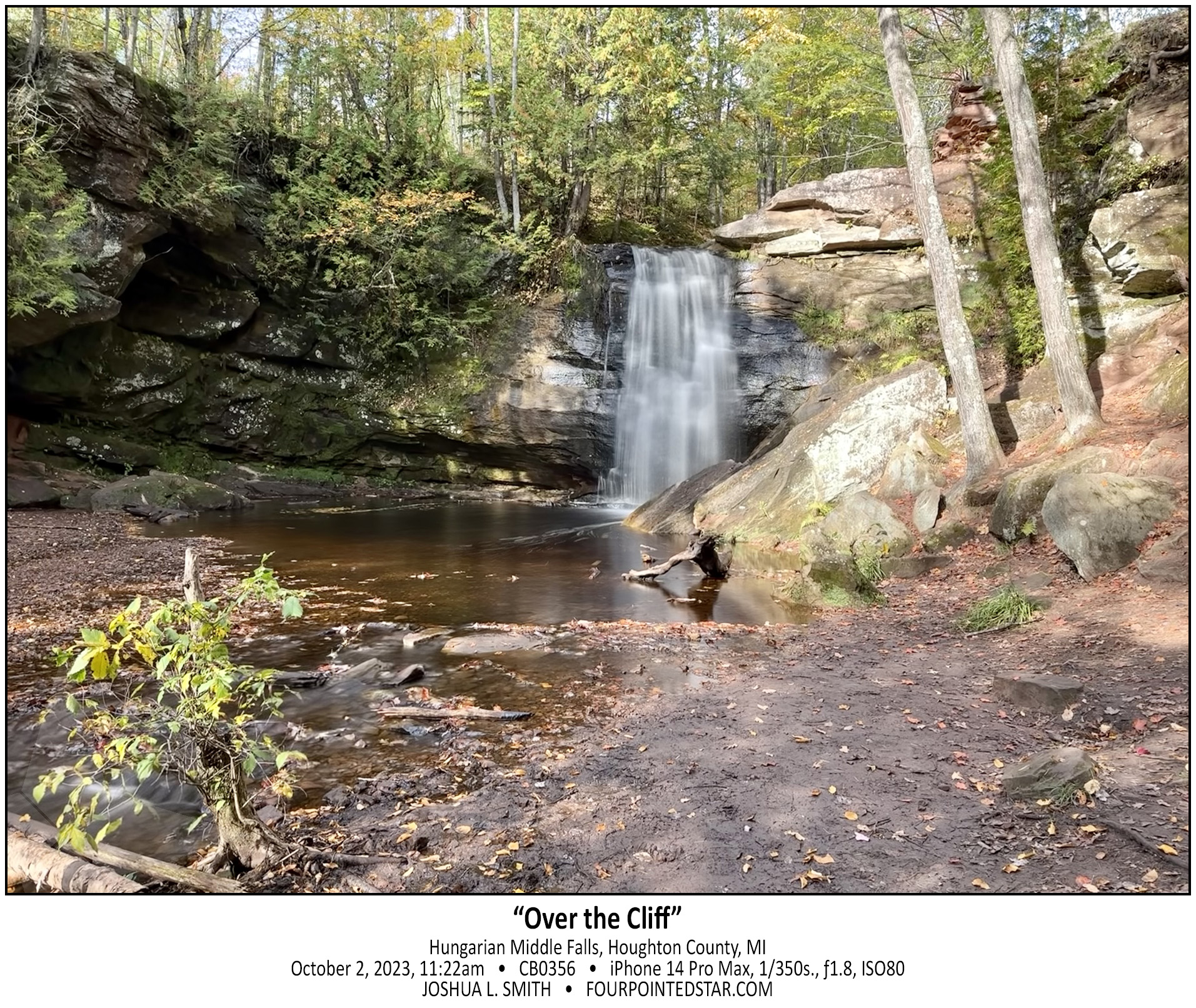
The information that I’d gleaned in the 16 hours since I started asking locals about waterfalls had led me to believe that there were three waterfalls – Upper, Middle, Lower. Once I’d found the third waterfall, I hopped back into my car and headed onto the next stop in my day. I only found out a few days later that the Lower Falls is only a few hundred feet downstream from these falls!

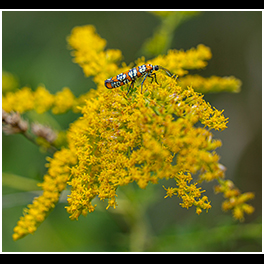
When you’re growing up, you learn “facts” that stick with you and you later learn are more “general rules”. Two that come to mind are “humans have five senses” and “moths have antenna that are fuzzy or comb-like”. Well, this is a Ailanthus Webworm Moth, and not only does it not have fuzzy antenna, but Wikipedia says that until it’s in flight, it resembles a beetle. Second grade science class was just full of lies!
(The senses of motion and balance are great examples of “other” senses.)

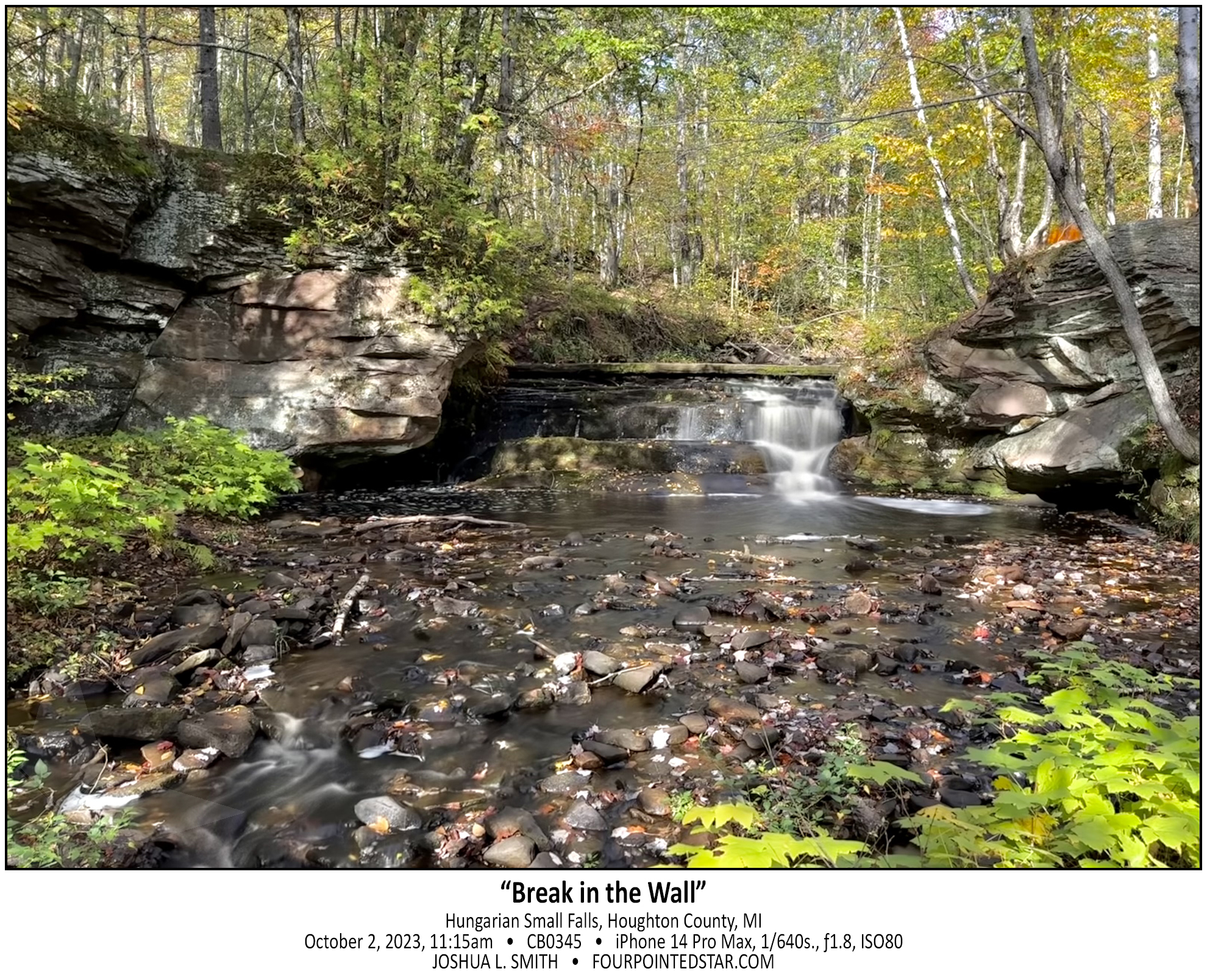
When I first planned my trip to the Keweenaw Peninsula, I planned on spending the day (Monday) visiting most of the lighthouses; any waterfalls that I could find along the way would just be a bonus. After my trip, I purchased Phil Stagg’s excellent “Waterfalls of Michigan” series of books and discovered that there were 6 waterfalls named “Hungarian”; I only visited the middle 3. I guess I’ll have to take a trip back in 2025, right?

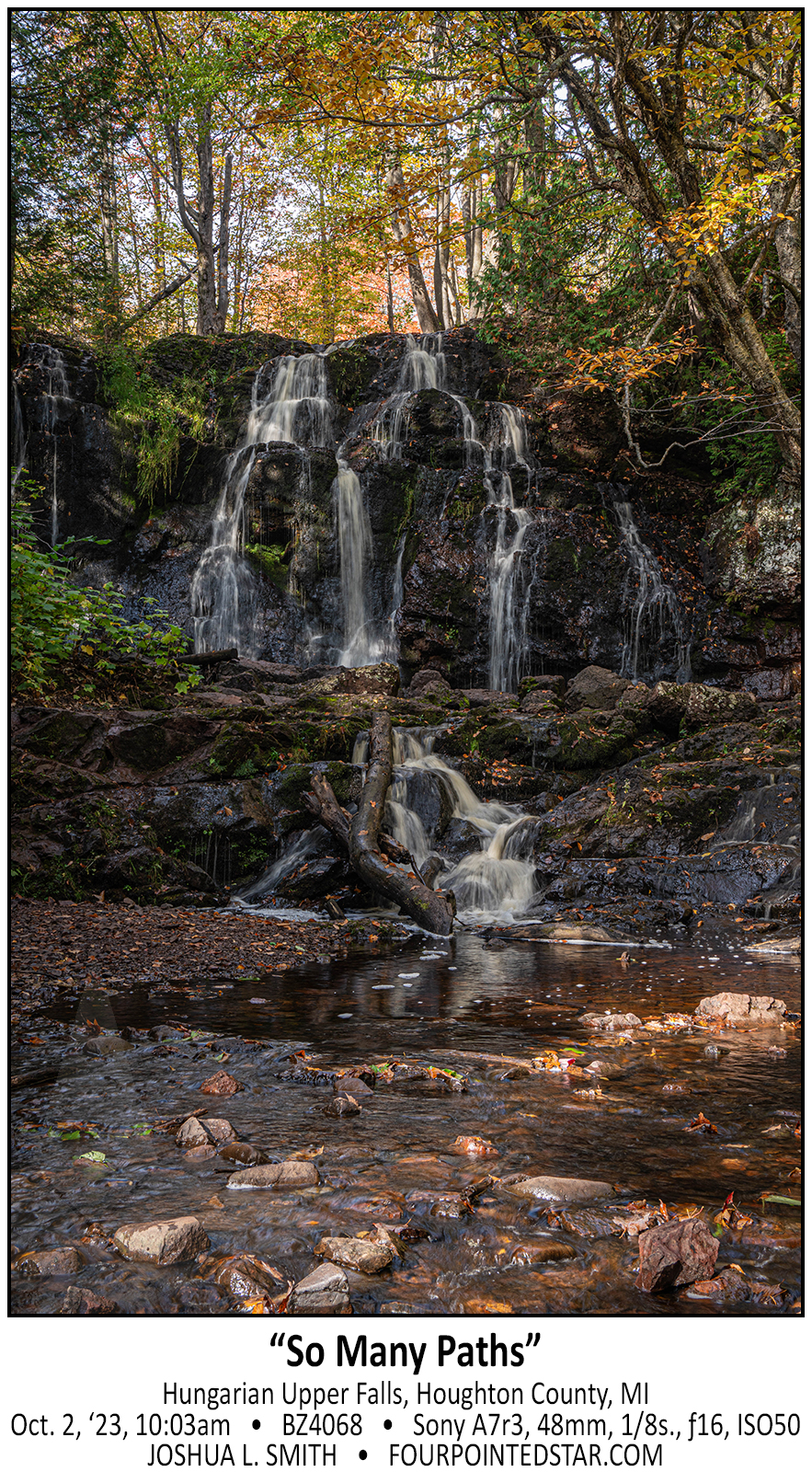
The Hungarian Falls is a series of cascades just outside of Hubbell along Dover Creek. I particularly enjoyed the distinct trickles of water in the Upper Falls.
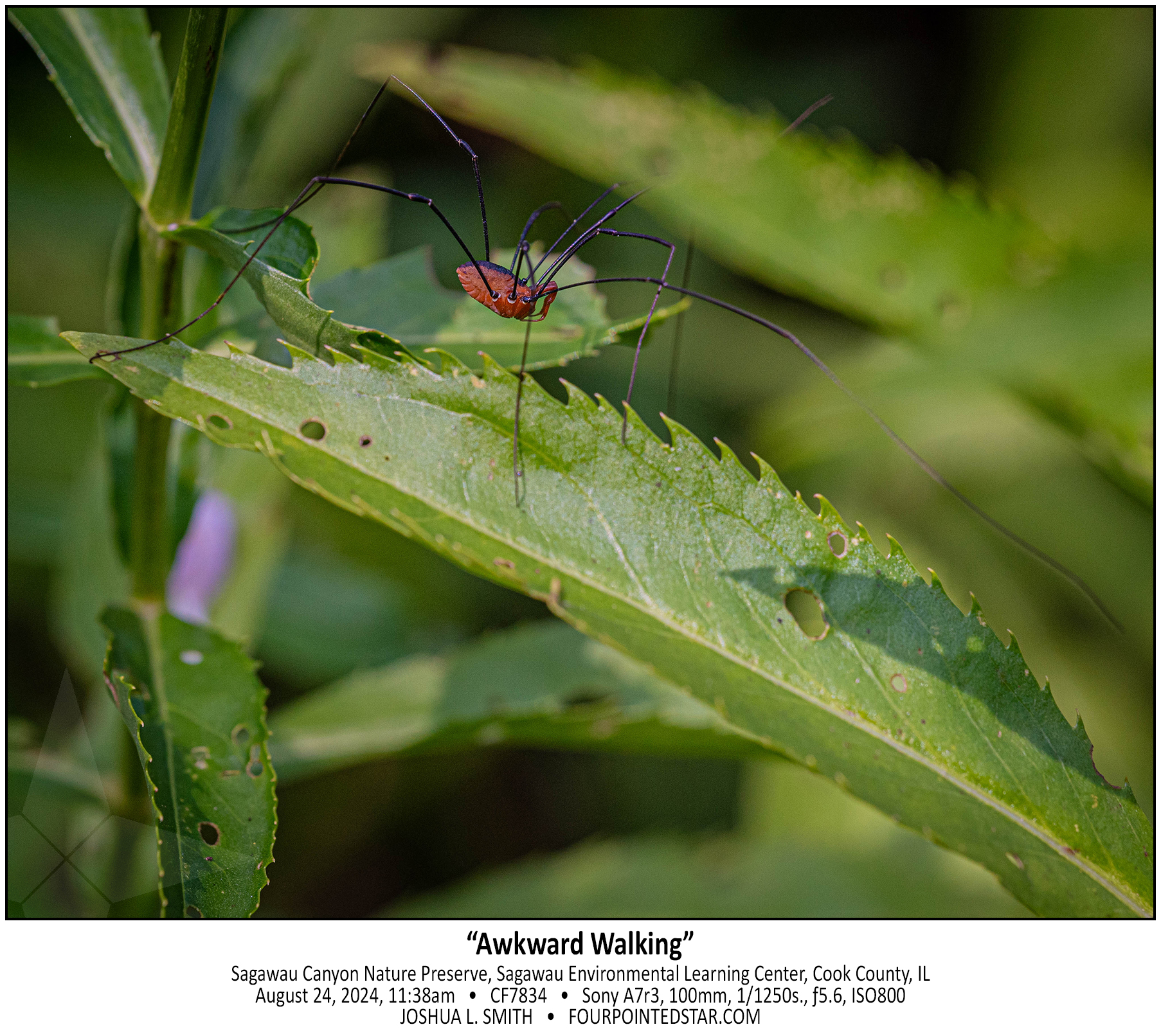

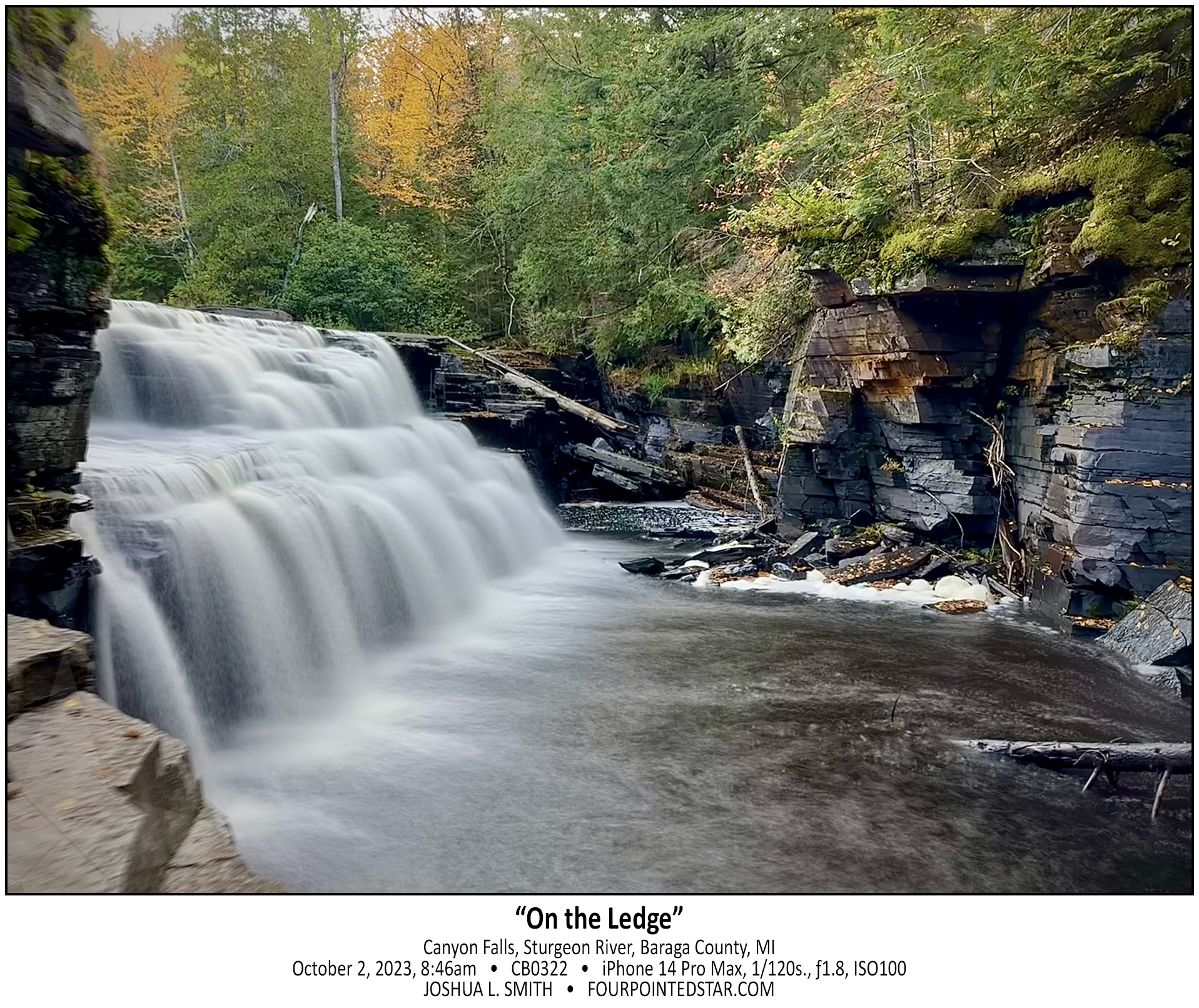
Canyon Falls is an easy hike, and the entire time you wonder “Is there really a Canyon?” and then you HEAR the falls.
It’s actually a little tricky to get to the falls, especially with a tripod and camera, and once you get down this close to the lower portion, it’s still not easy to see the falls in its full glory, since you’re off on the side. But there is no doubt, Canyon Falls is a powerful and loud falls.
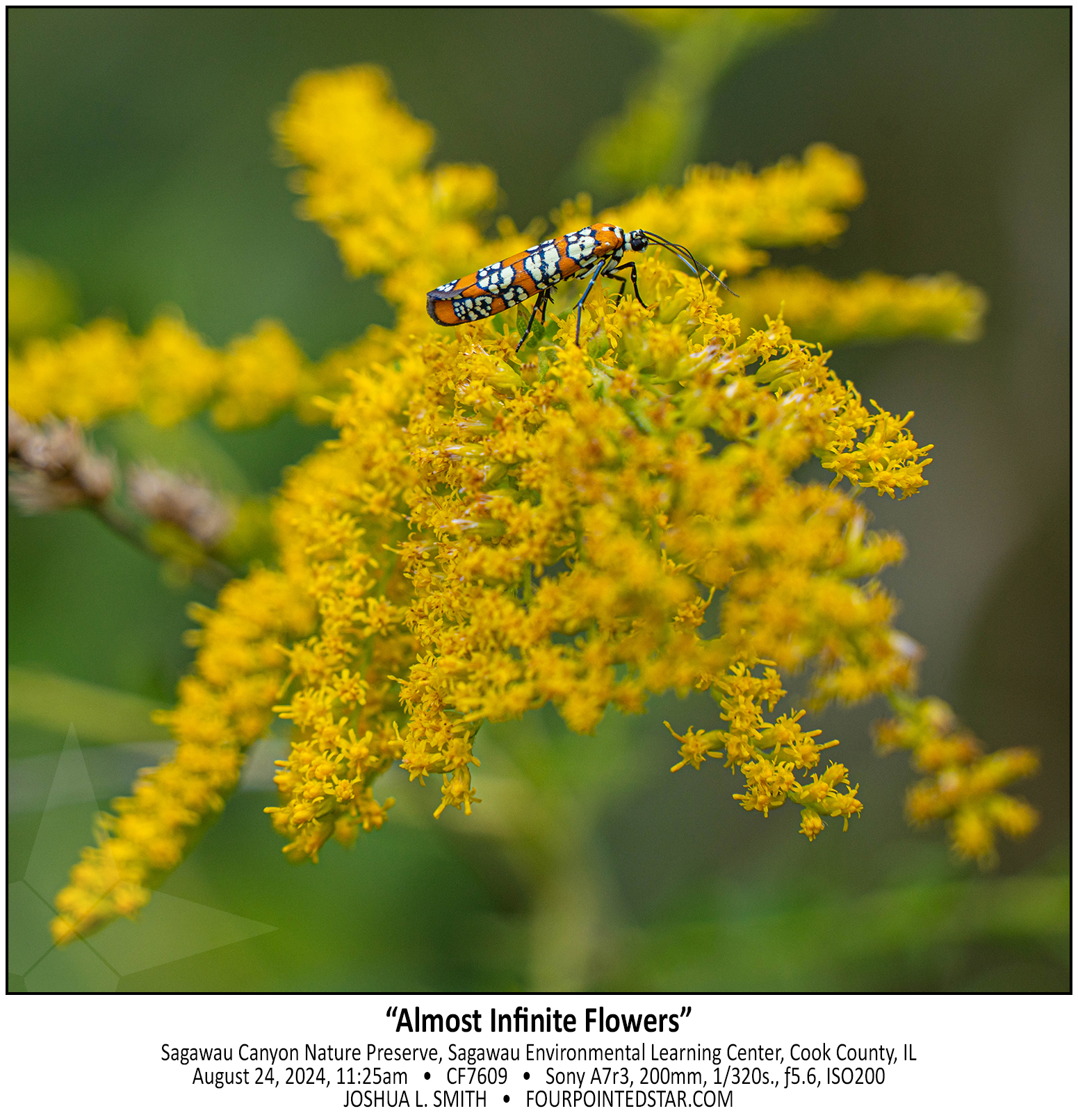
On my visit to the Sagawau Canyon waterfall, you can imagine my surprise when I encountered the same ailanthus webworm moth from the previous photo (and from the photo in 2010.) However, when I looked up the photo from 2010, I found that the photo was from the Sag Quarries Forest Preserve, which is right next to the Sagawau Environmental Learning Center (where the canyon waterfall is located).
This moth wandered all over this particular group of blossoms, seemingly enjoying the buffet. I would love to read an explanation of the coloring for this moth; it doesn’t appear to blend into any flower that I’m aware of.

Back in 2010, I photographed this type of insect with my iPhone. We were on a trip to see a friend on the south side of Chicago, and I remember the photograph because it was one of the first “good enough quality” photos with an iPhone that I’d taken.
Two weeks ago, when I took the above photograph of the same type of insect, I thought to myself “that’s odd that I haven’t see an insect like that in a very long time.” I photograph insects every year, and I wondered why I hadn’t seen such a unique insect in over ten years. According to Wikipedia, they only travel this far north some summers and are more of a southern insect.
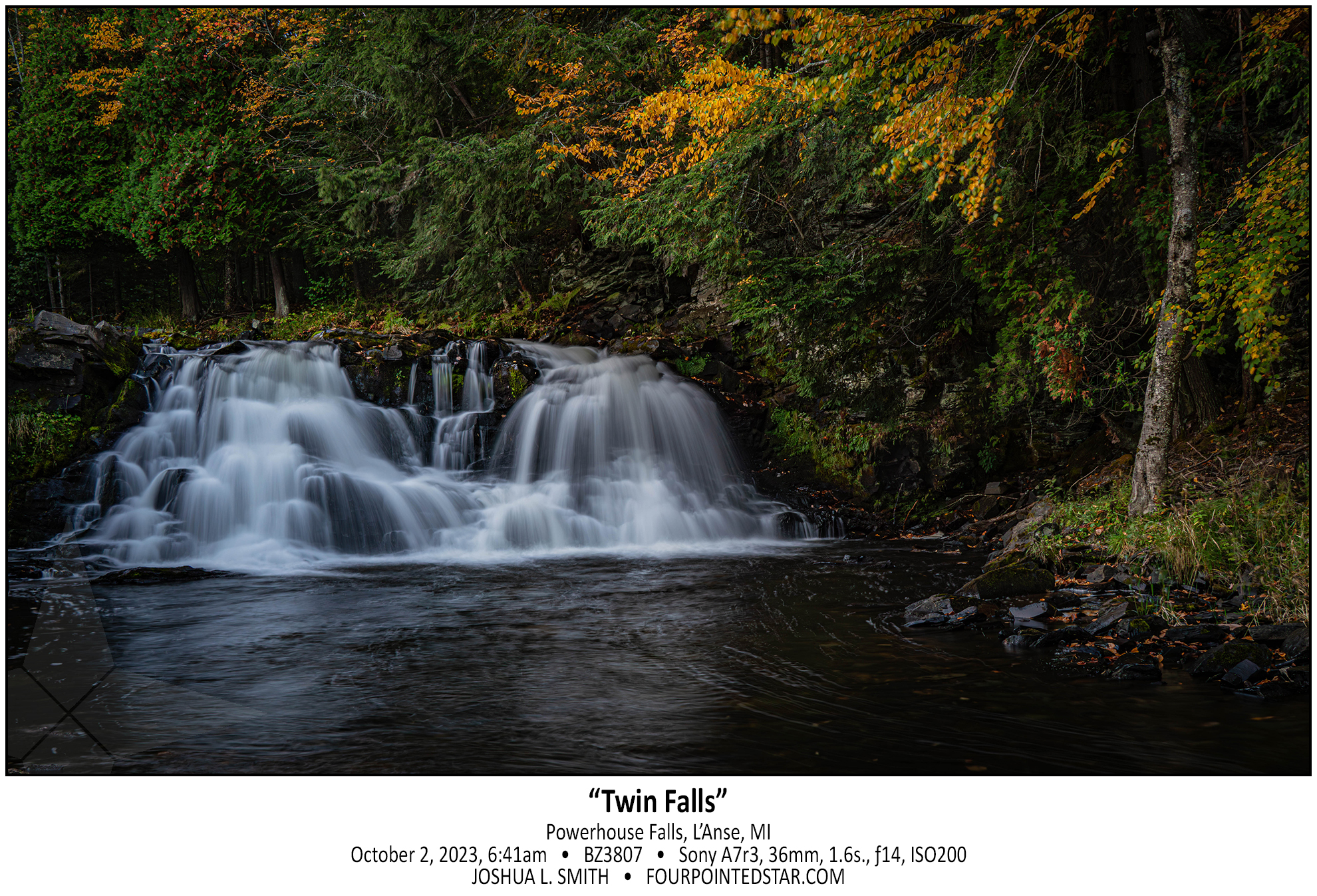
What a beautiful and surprising way to start my trip! I arrived in the U.P. late on Sunday night and asked the employees at the Subway in L’Anse if there were any waterfalls around; after all, I have plenty of lists of waterfalls for Wisconsin, but at that point, I didn’t have any formal list for the U.P. They pointed out that Powerhouse Falls was just outside of town and very beautiful. So, bright and early the next morning, I wandered over to find this absolutely stunning waterfall.
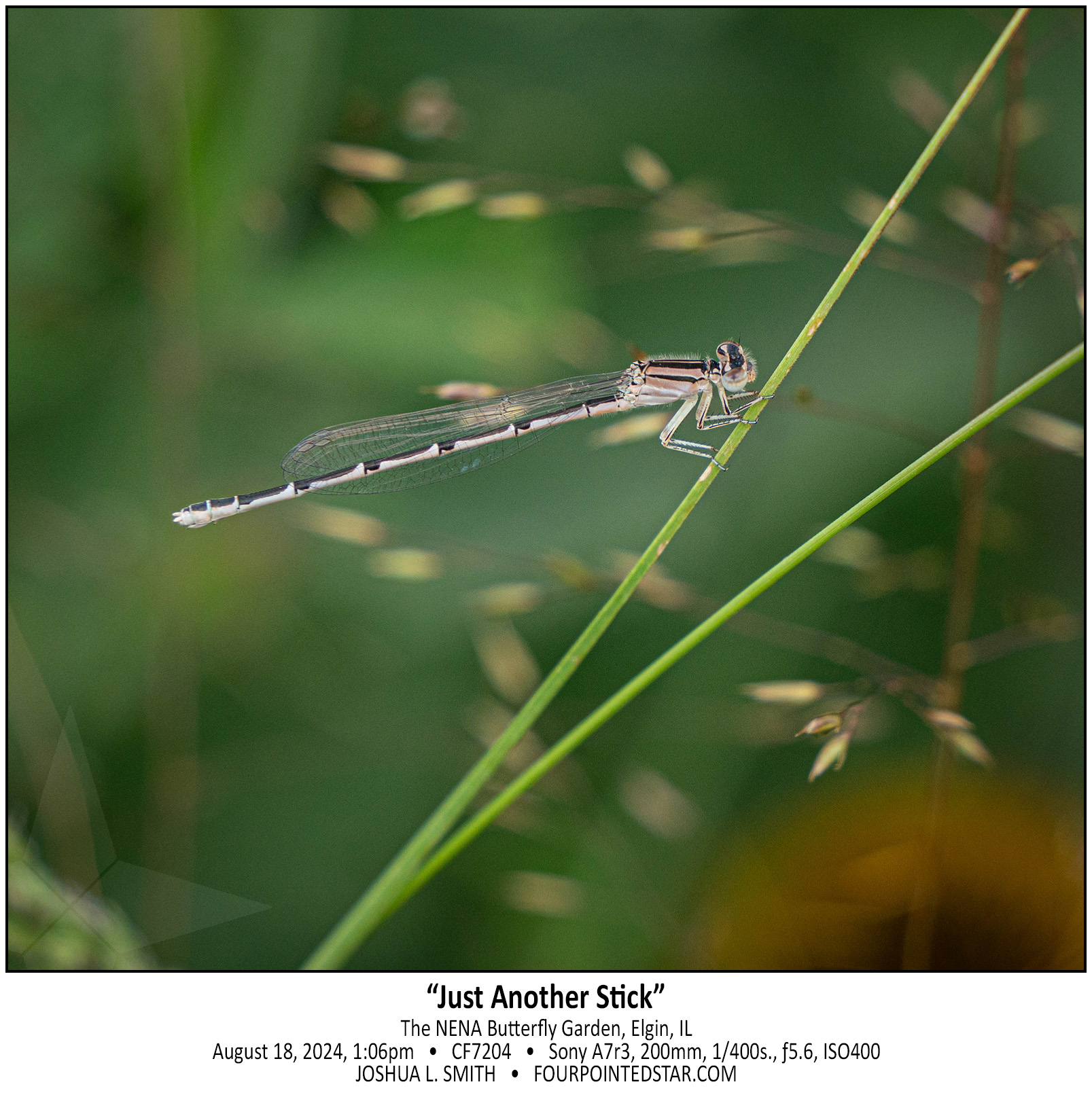
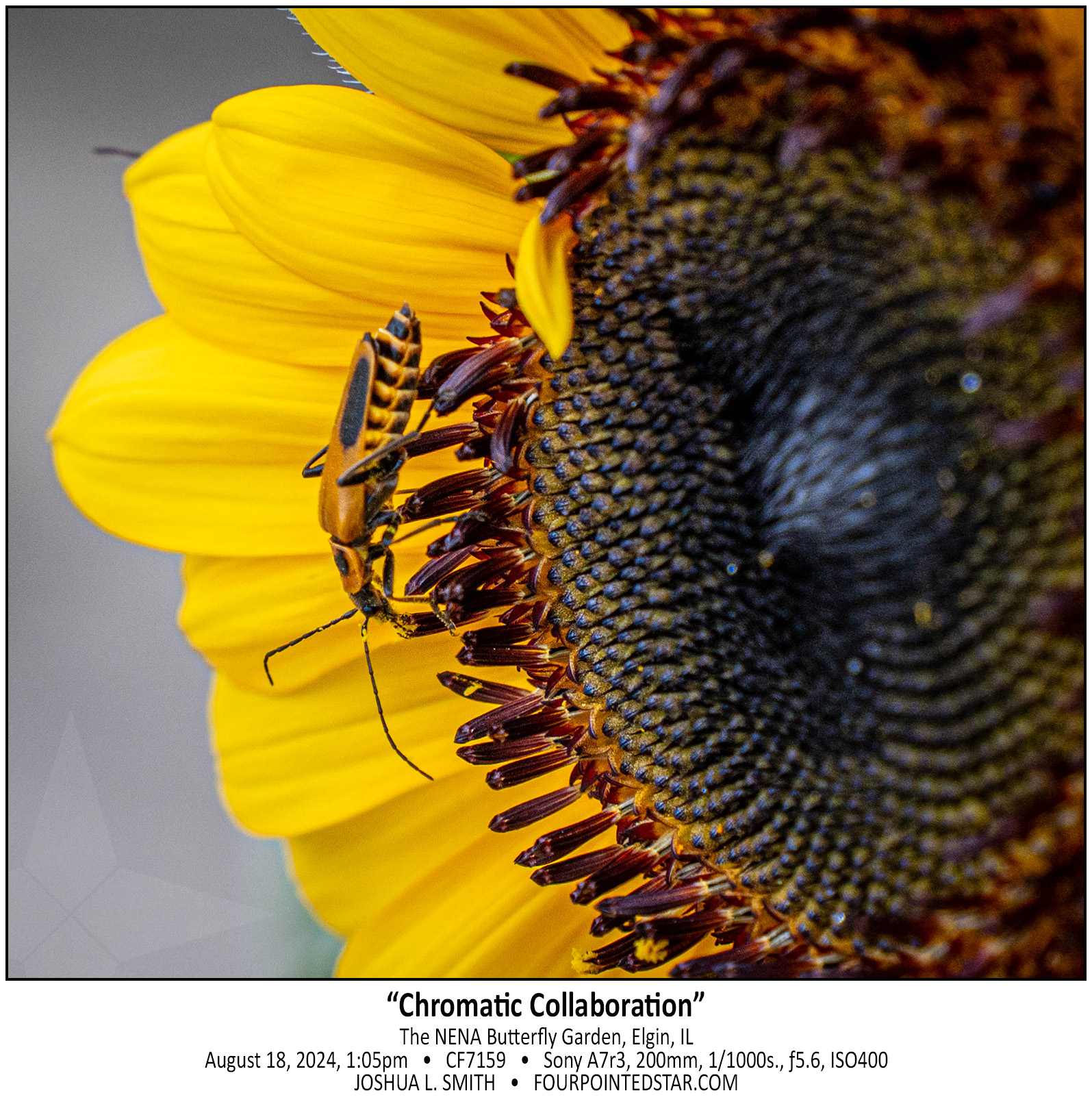
The NENA Butterfly Garden doesn’t just have butterflies, but like the variety of plants and flowers, there is a variety of insects as well. I always love finding these damsel flies and watching their movements.

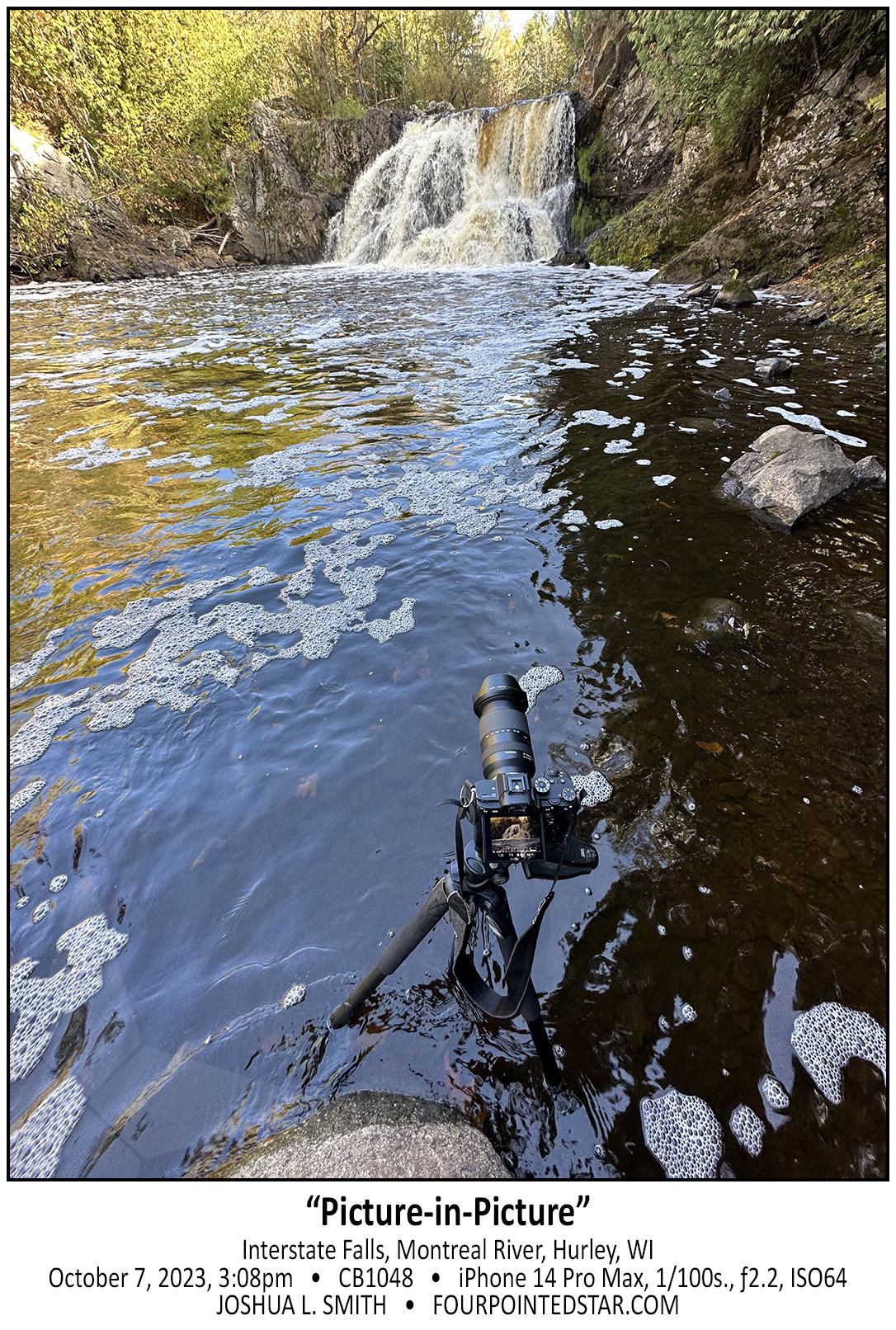
The first week of October last year, I took an epic trip to visit waterfalls in Northern Wisconsin and the Upper Peninsula of Michigan; over the course of the week, I visited and photographed around 60 waterfalls (depending on how you segment certain falls). I’ve wanted to make it up there for years but had never taken the time to plan that trip; then Rich from Chicago Streets and Beyond photography group announced that he would be hosting a waterfall trip over the first week of October which coincides with my birthday … what a perfect birthday present to me!
Over the next 4 months, I’ll be posting a photo from each waterfall in the order that I visited them as well as a video of the falls, and I hope you enjoy taking the trip with me.

If you’ve known me or followed my photography for a while, you’ll know that I love photographing waterfalls. I’ve lived in the Chicago area for the past 15+ years, and I assumed that I knew about all of the naturally occurring waterfalls in Northern Illinois. But…one of my friends visited Sagawau Canyon Nature Preserve; well that sounds cool – a “canyon” in the Chicago area! And when I looked up the location, I found a random photo on Flickr that indicated that there was a waterfall in that canyon!
So, the next free day, I drove down to see the canyon and waterfall. Well, both the canyon and waterfall within are protected areas due to rare and endangered species of plants, and that is why there are very few photos of either. However, if you stand at the right spot on the walking trail’s bridge, you can see the waterfall … in all of its mid-summer trickle! Needless to say, I’ll be back to photograph this location when the stream has more volume.

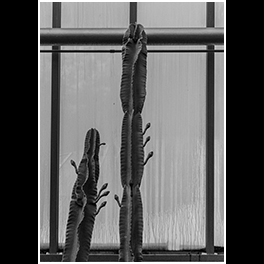
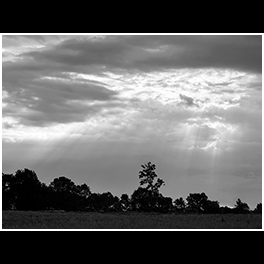
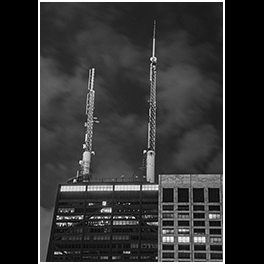
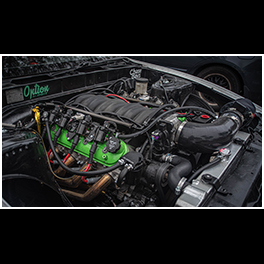













I’m honored to interview Lance Long. He is an accomplished dance photographer, & his skill at capturing dance and movement in the studio and on the stage is exceptional. Lance’s ability to anticipate the movement & then capturing it has always impressed me, and I look forward to talking with Lance about dance, photography, and art.



Since many of the cars were crowded or muddy, I had to come up with a different strategy for photographing at Sonny Acres Farm. So I turned to the iconic nameplates that showed up, including the embossed Porsche on this 928.

ChiTown Exotic Car Club hosted a car show at Sonny Acres Farm. It may have been the oddest site that I’ve been to for a car show; and it had been rainy recently, so it was very muddy. Overall, I did see quite a few rare cars, but it was very difficult to capture interesting photos due to the large crowd and the fact that the cars were so tightly packed.
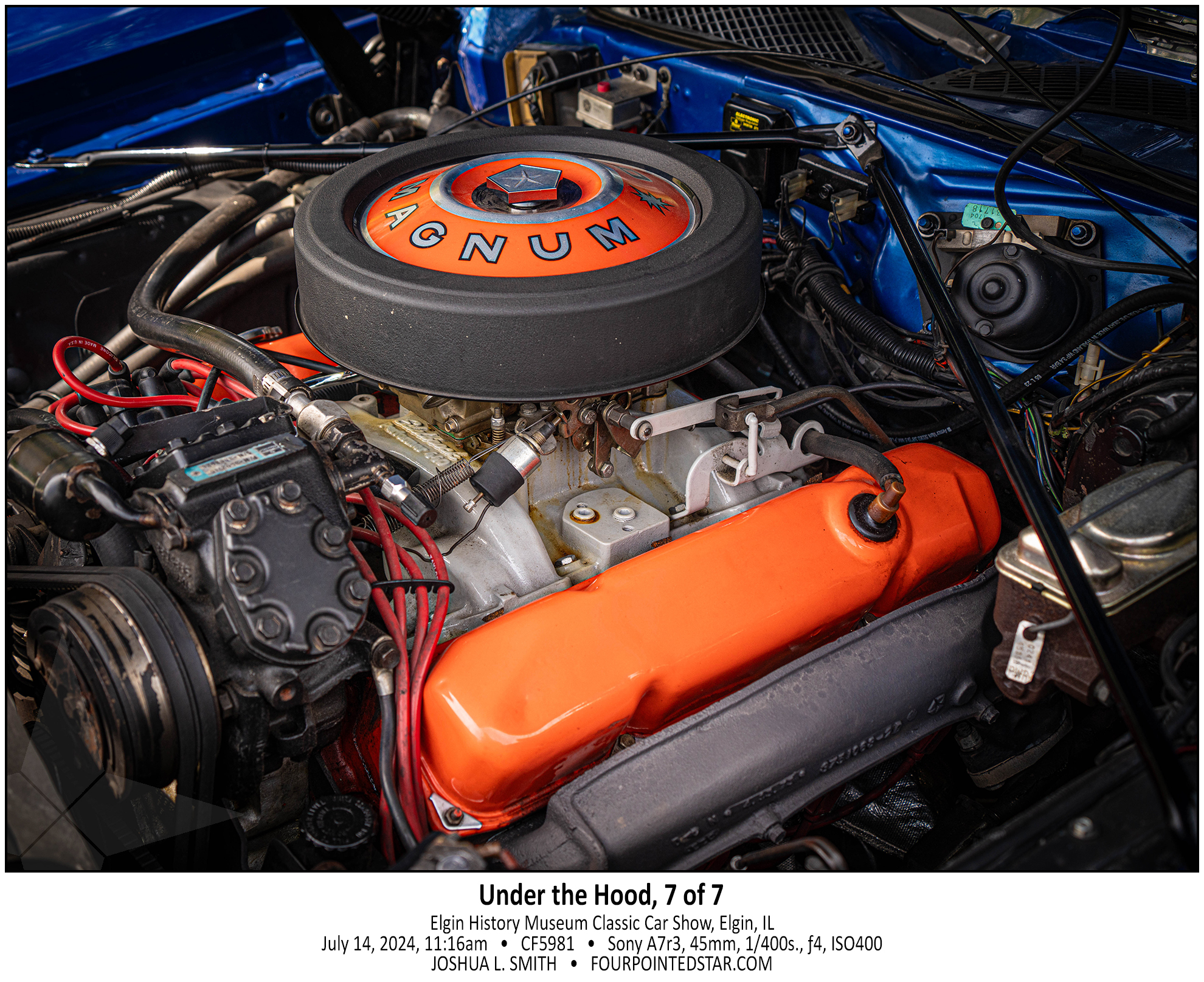

I looked inside of this car and thought, “Did he have to pay someone to paint the engine parts to match the car? Or maybe he painted it all himself?”

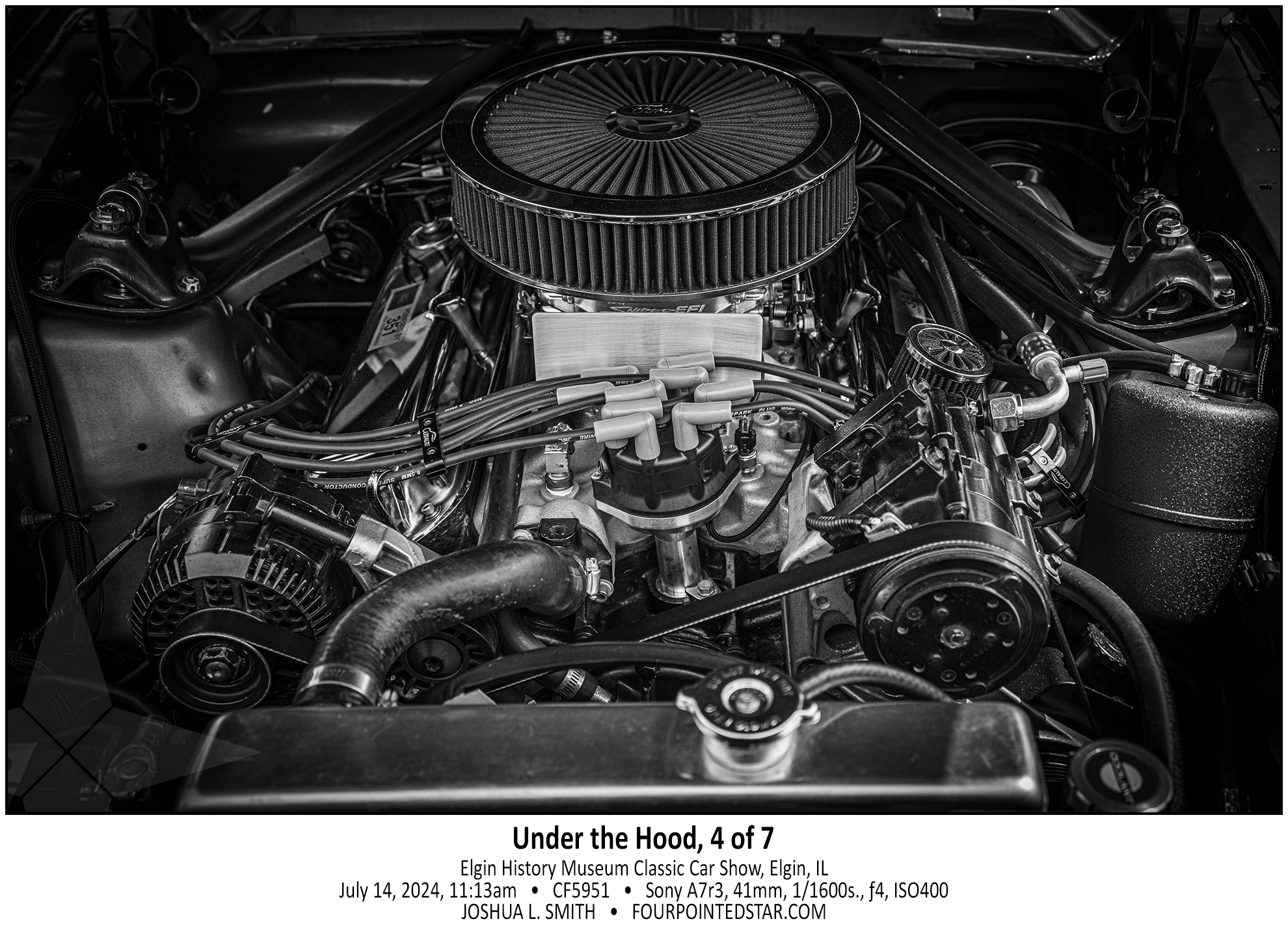
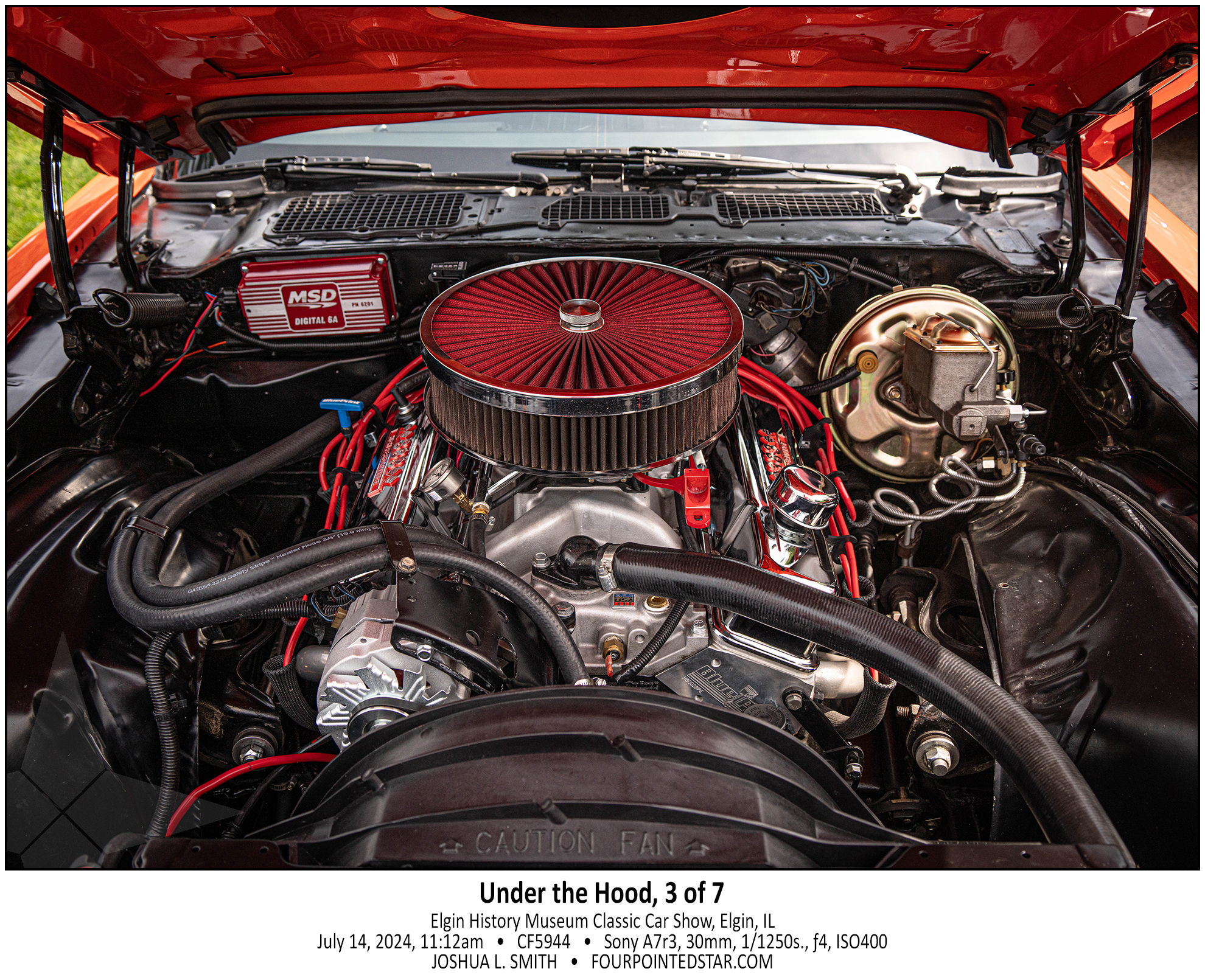
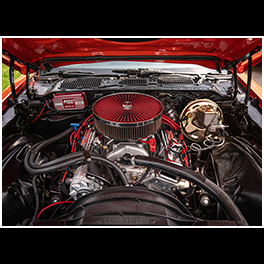
I love the fact that this car’s owner has chosen red accents for his engine but left the dipstick blue. It’s perfect.
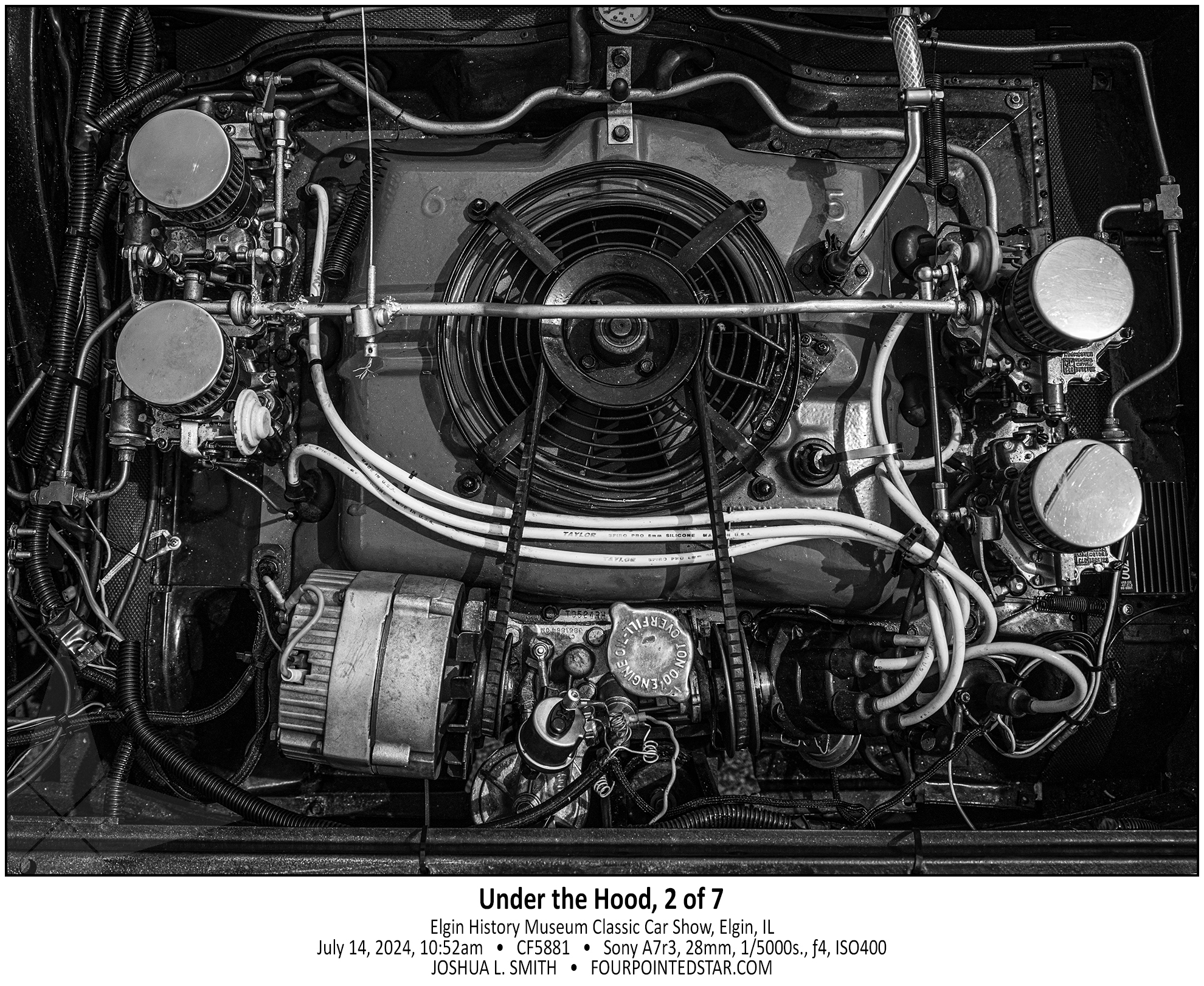
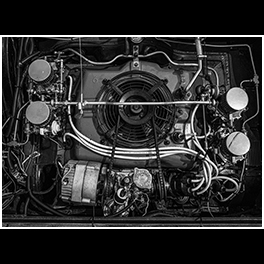
This engine sits flat underneath the Corvair’s “pickup” bed; making it even more of an oddity, not simply because it’s a van front end with a pickup back end.
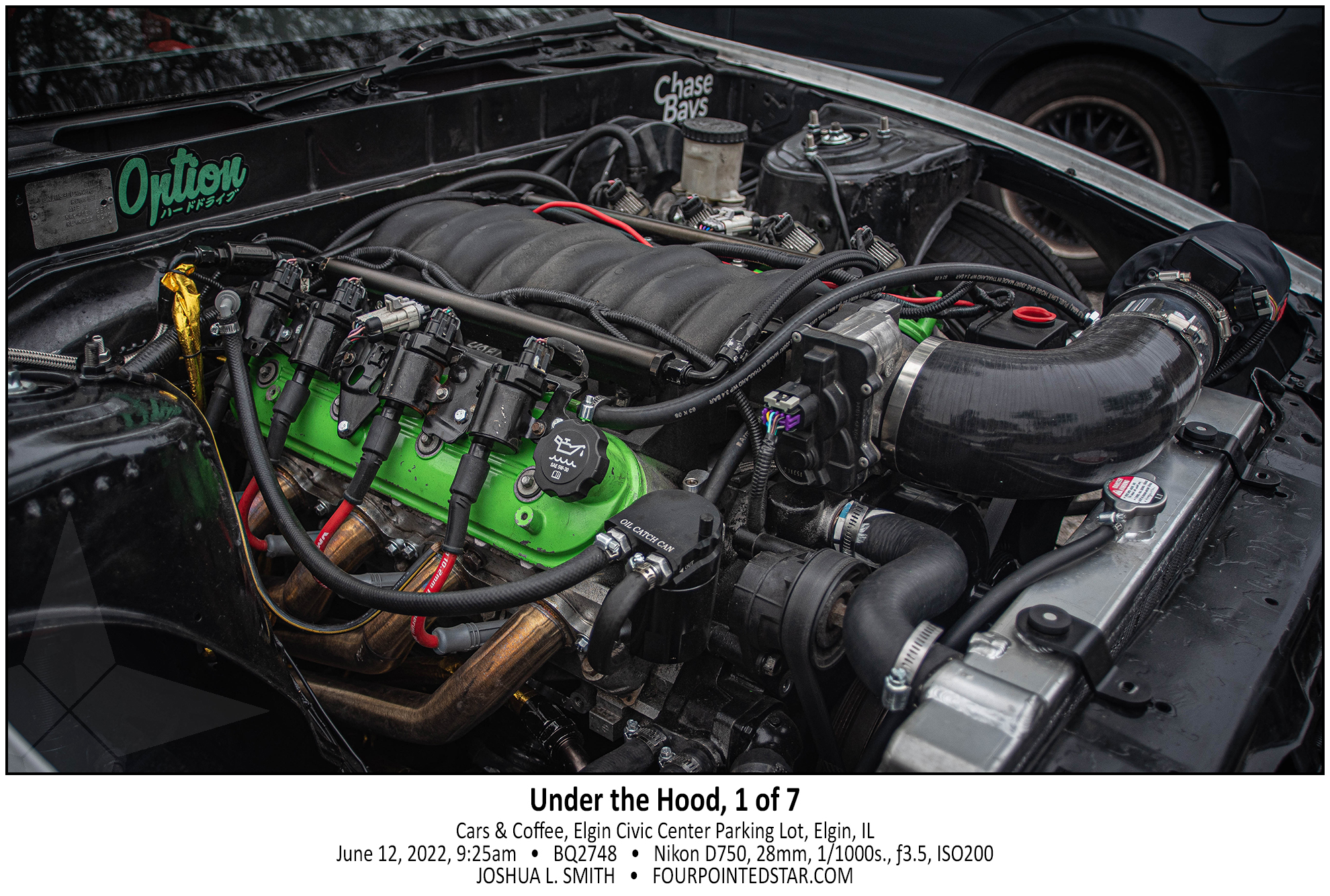
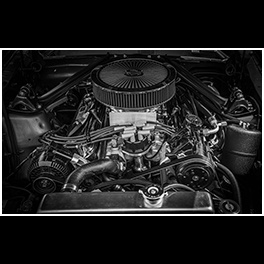
I tend to capture the outside of cars at car shows; I’d say only 5% of my photos are of under the hood or inside the cabin. However, sometimes an engine is visually interesting – this engine is from a Cars & Coffee back in 2022.
Keith was the first Elgin photographer that I met. He’s a full time professional photographer, president of the Elgin Area Camera Club, & on the Board of Directors for Horses & Heroes. He has been a friend for more than 10 years, & I’m excited to talk about running a photo business and still enjoying photography.
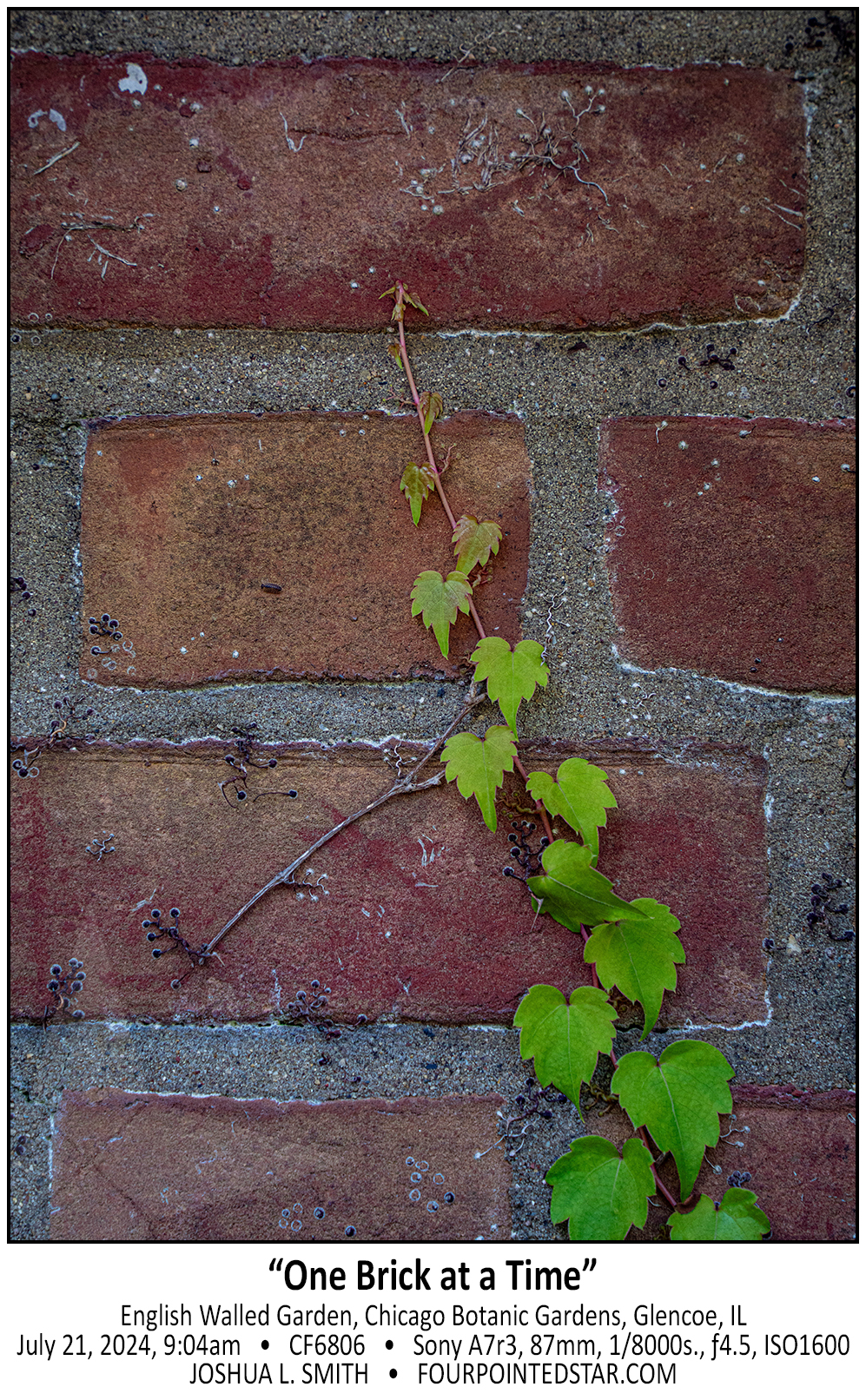
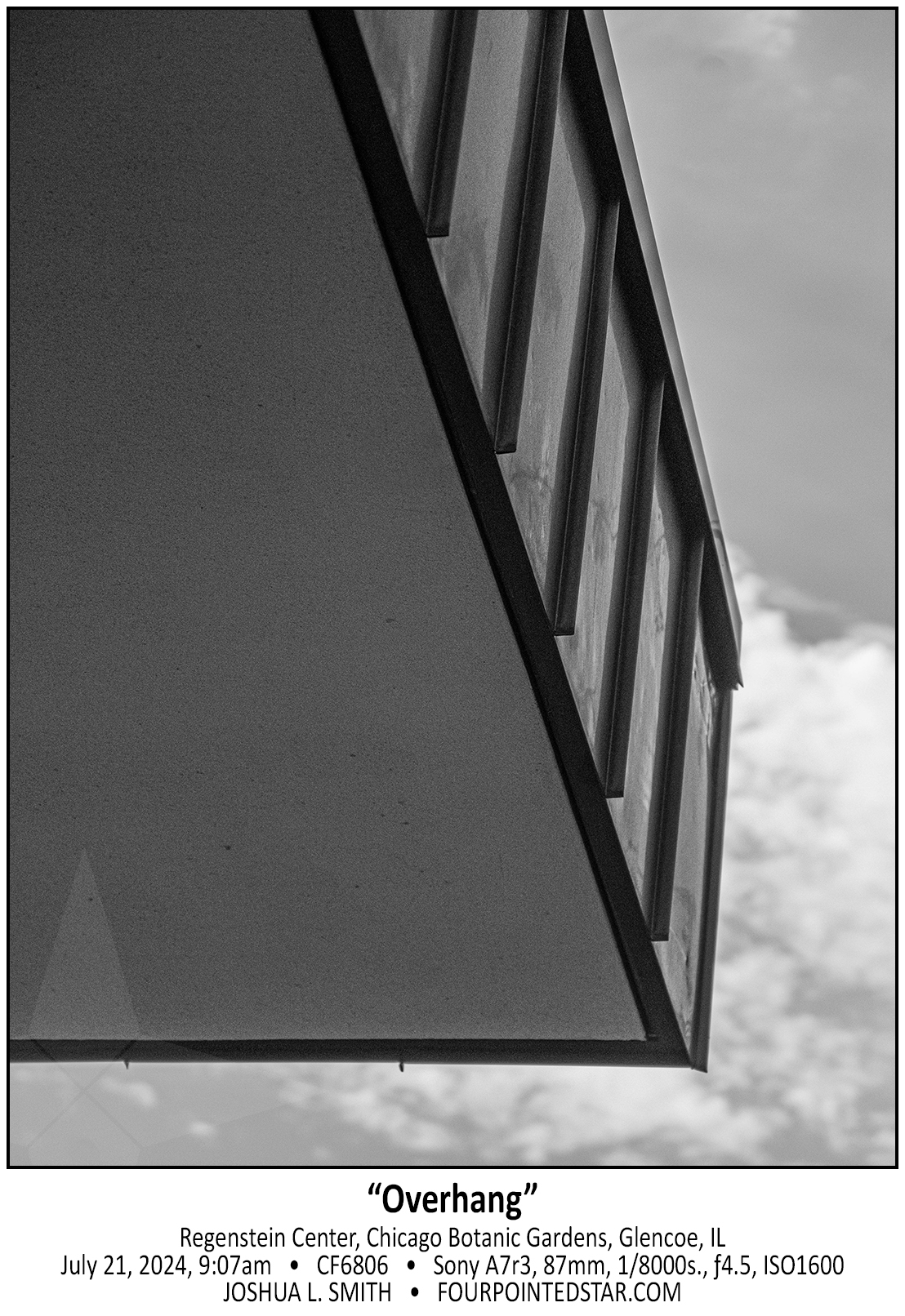
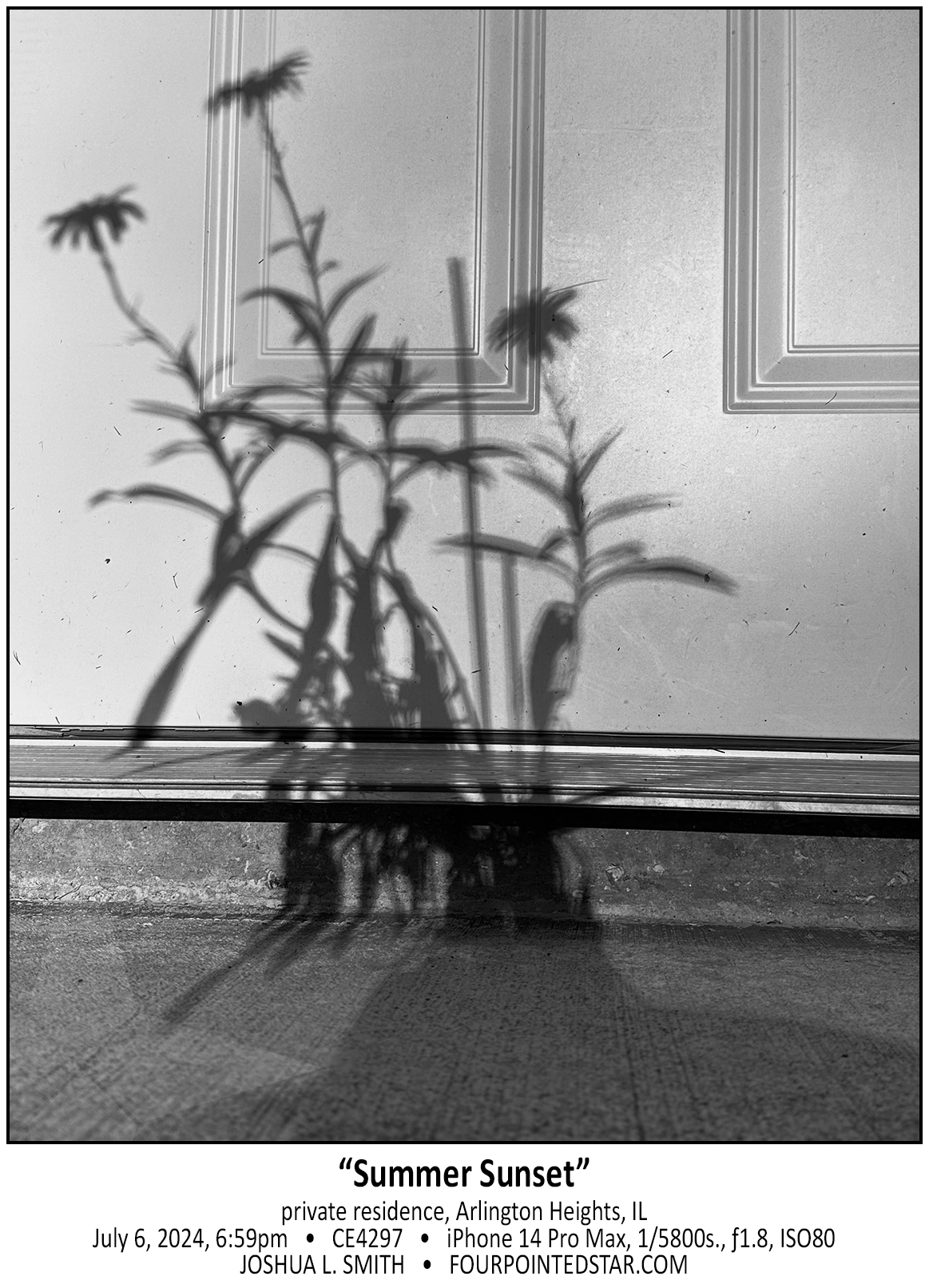
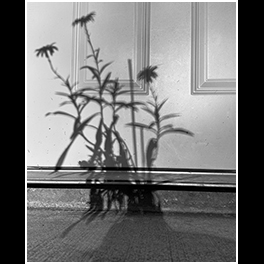
During her interview, Lauri Novak showed us her photo project where she photographed shadows around the house – this photo is an homage to her project!
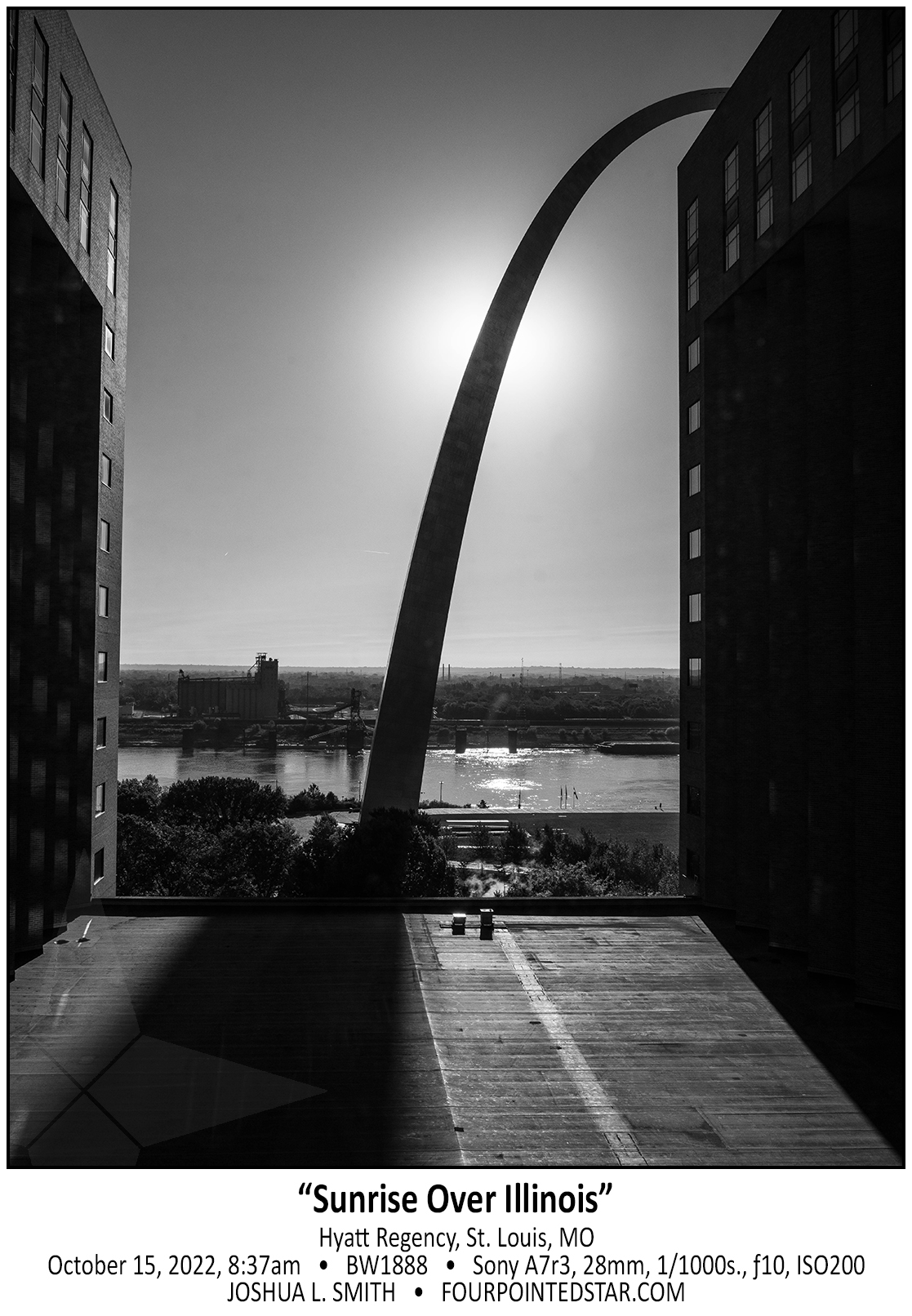
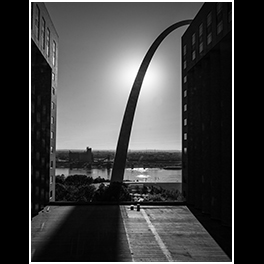
When we visited St Louis with the marching band in 2022, this was the view out of our hotel room. The night before, I wandered around near the Arch, and captured some fantastic photos, but in the morning this was our view – absolutely spectacular!