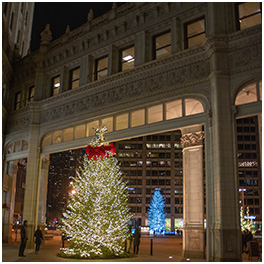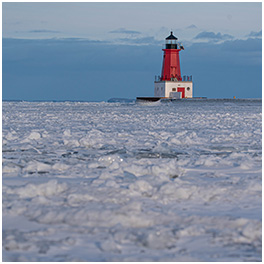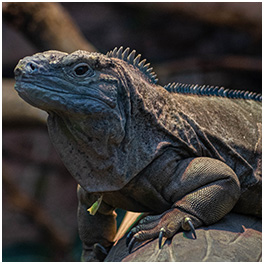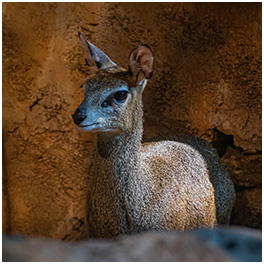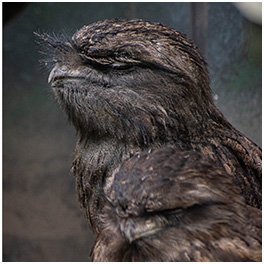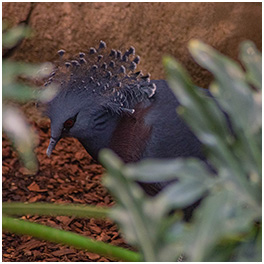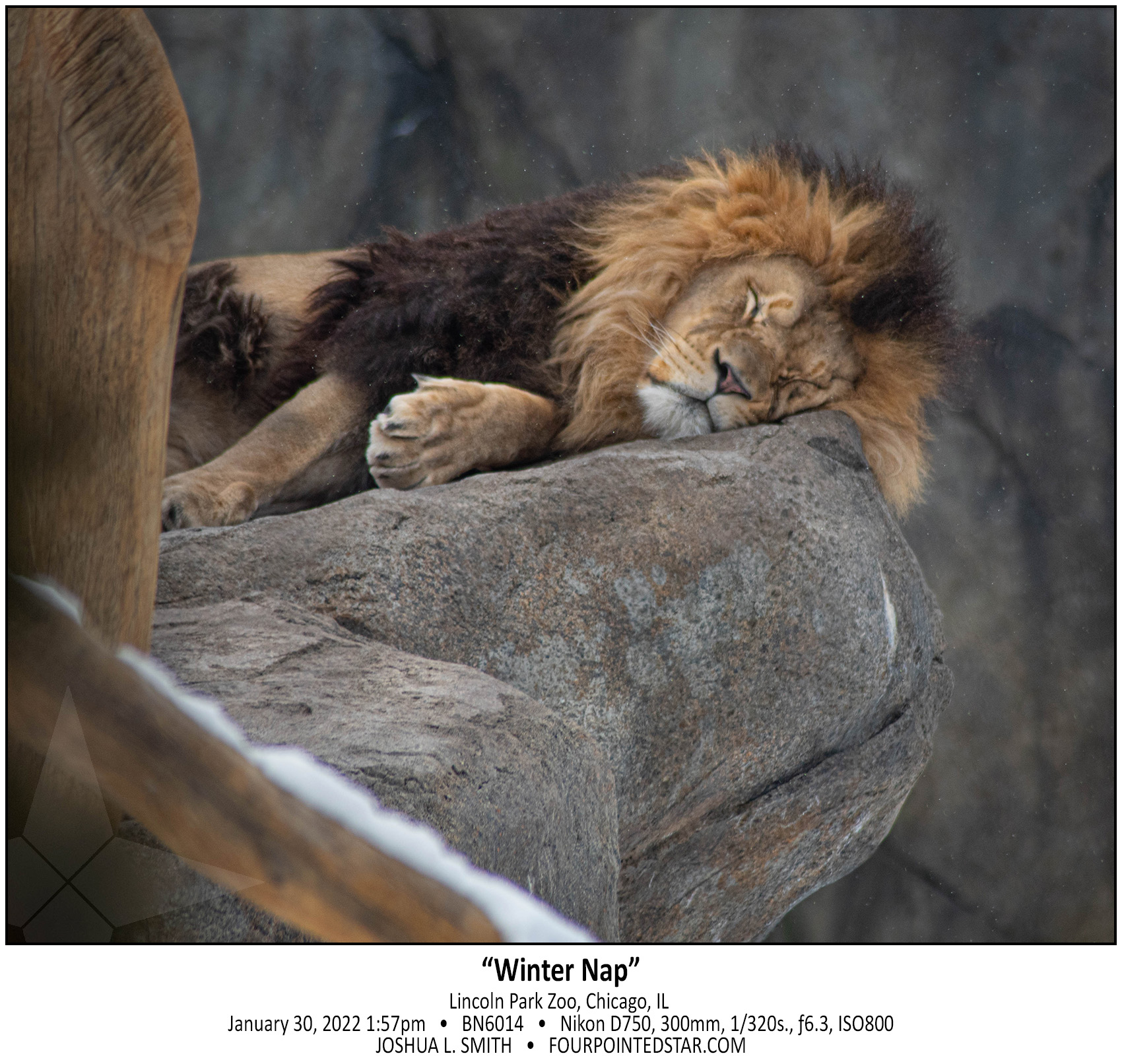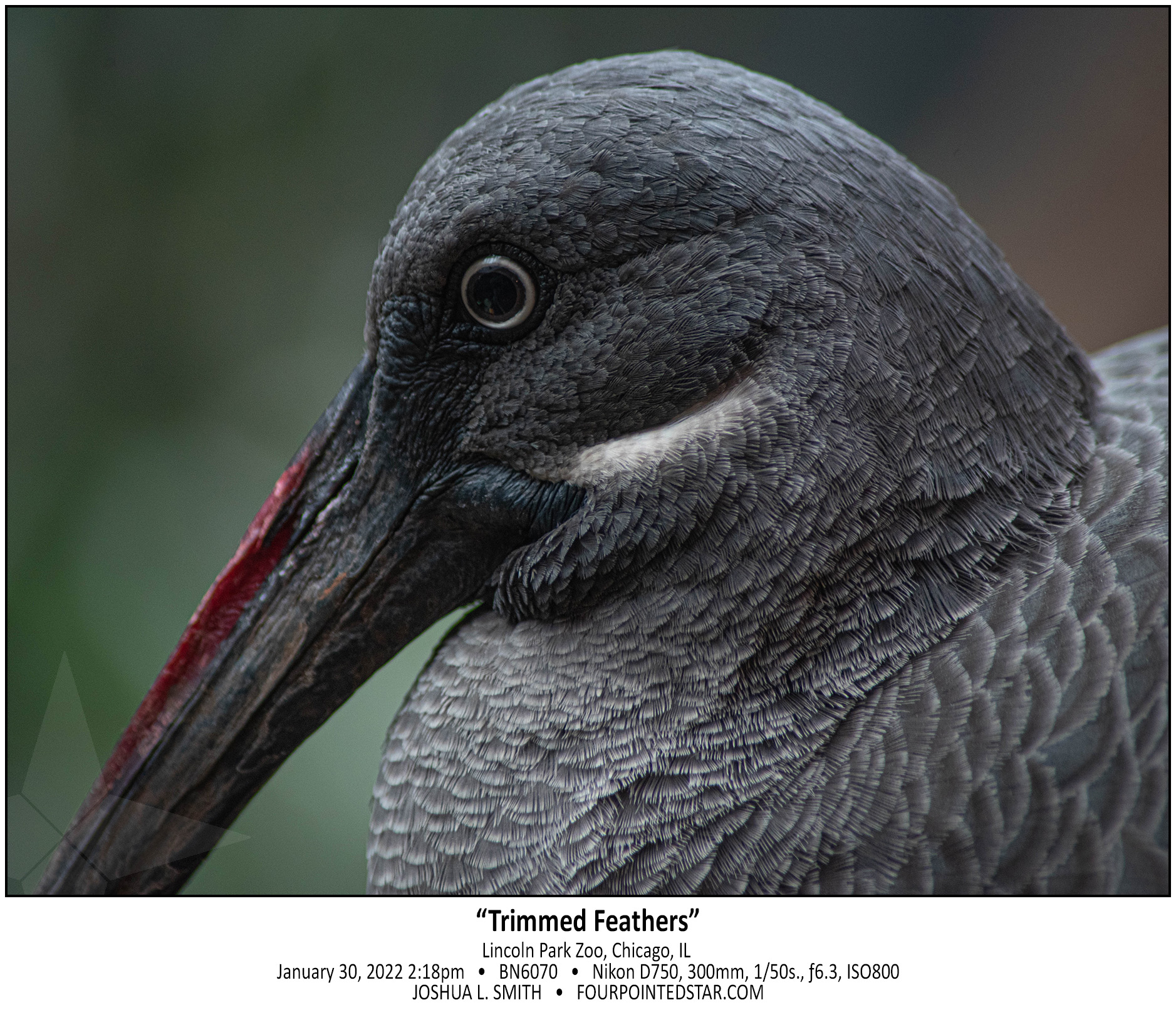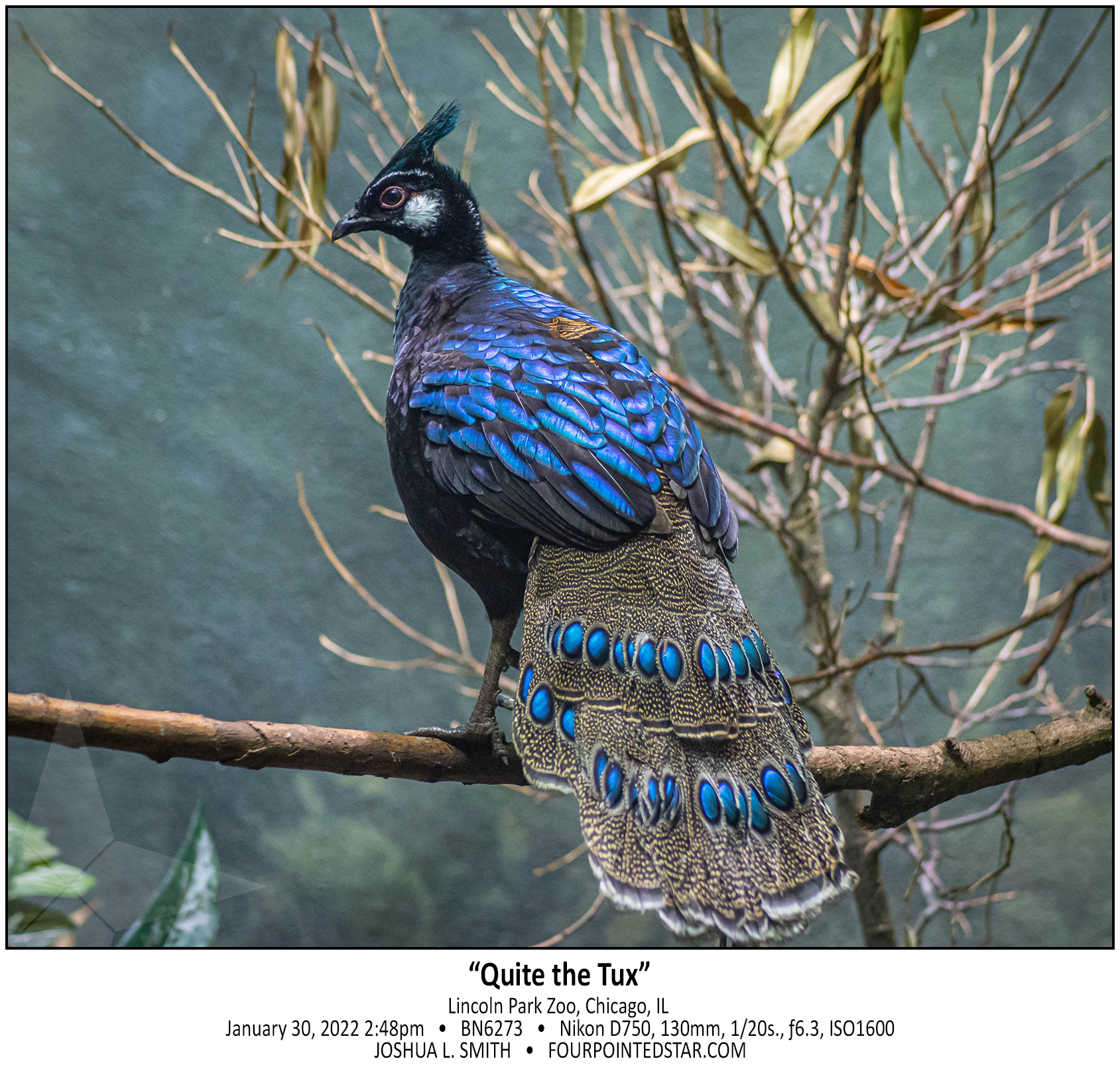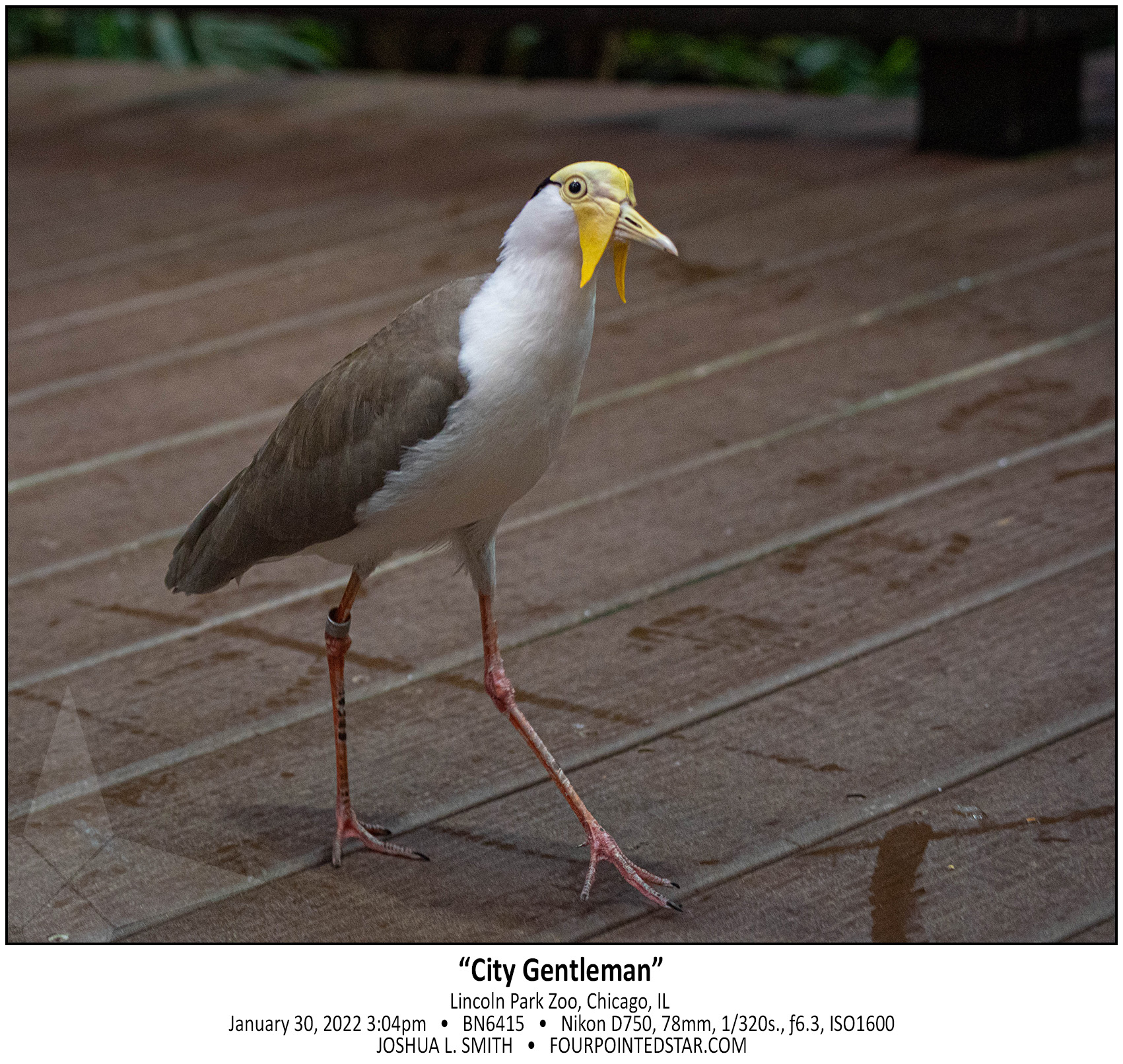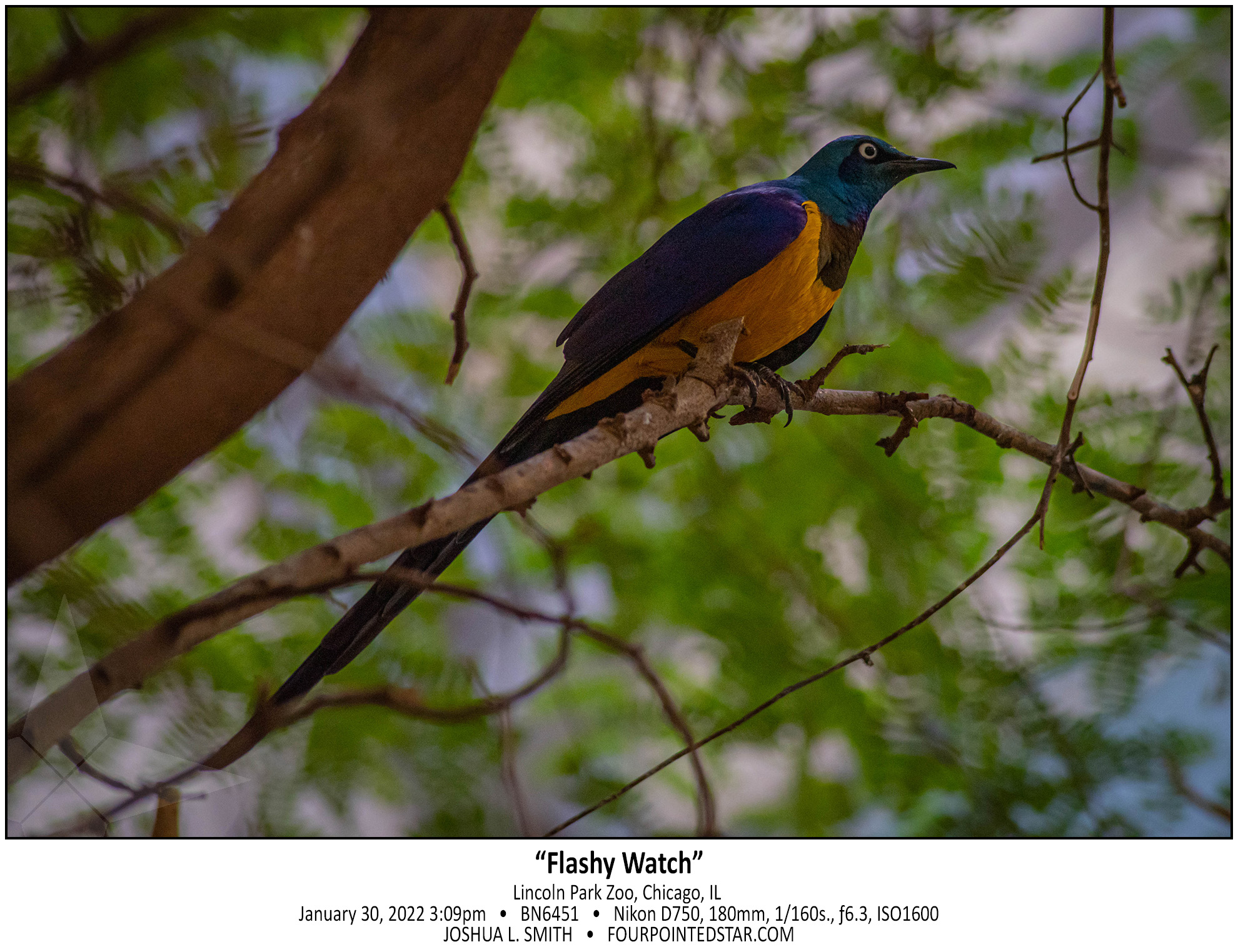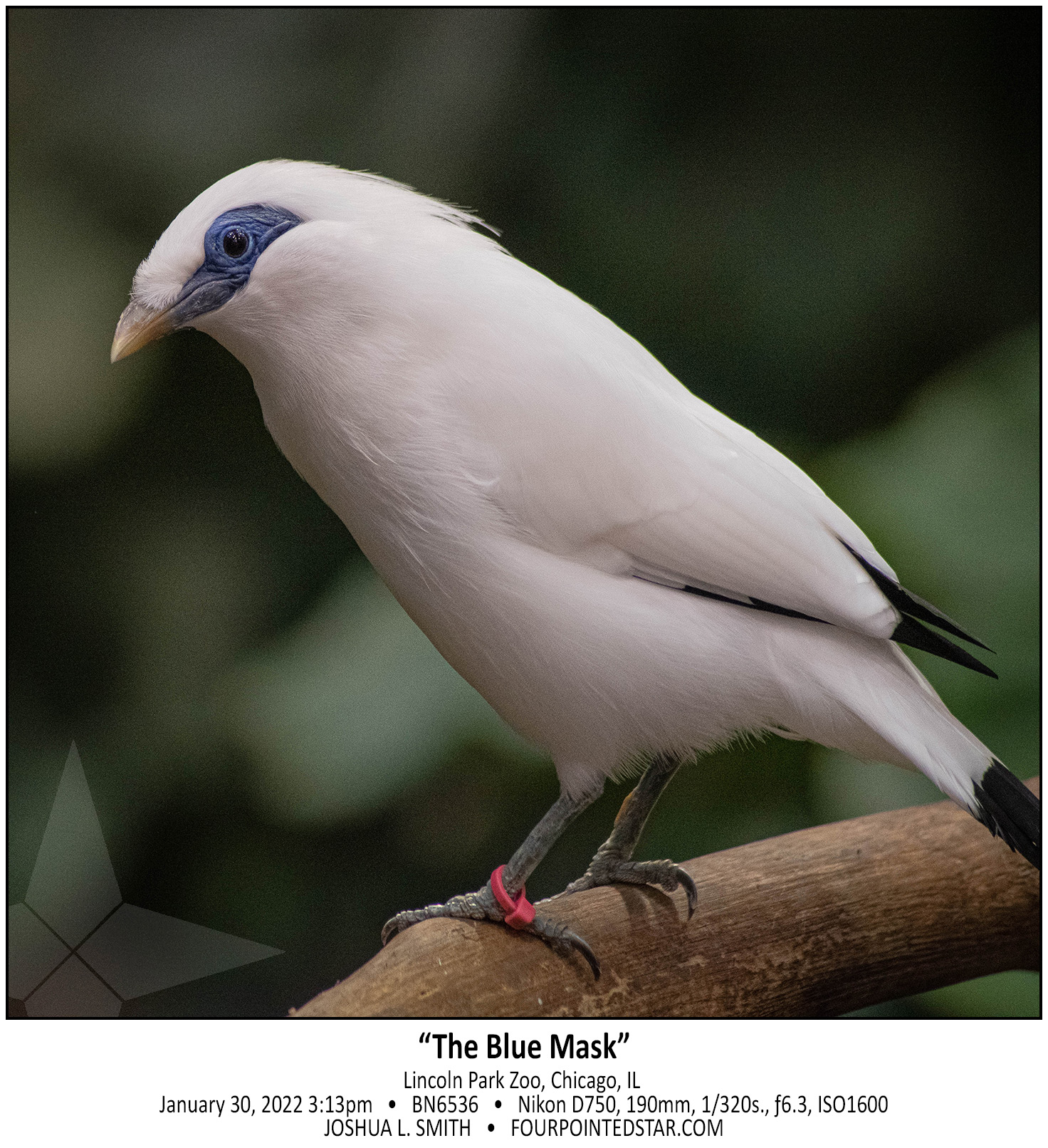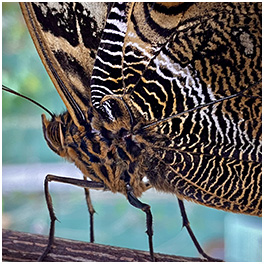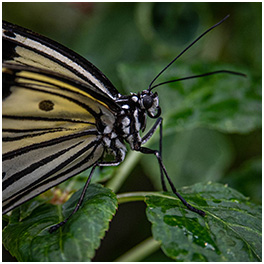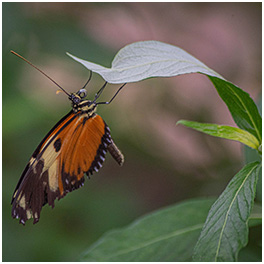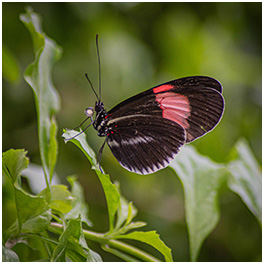

photos from joshua l. smith
.
.
.
.
.
.
.
.
.
.
.
.
.
.
.
.
.
.
.
.
.
.
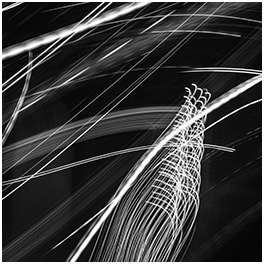
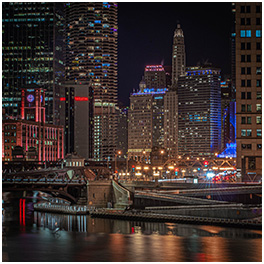
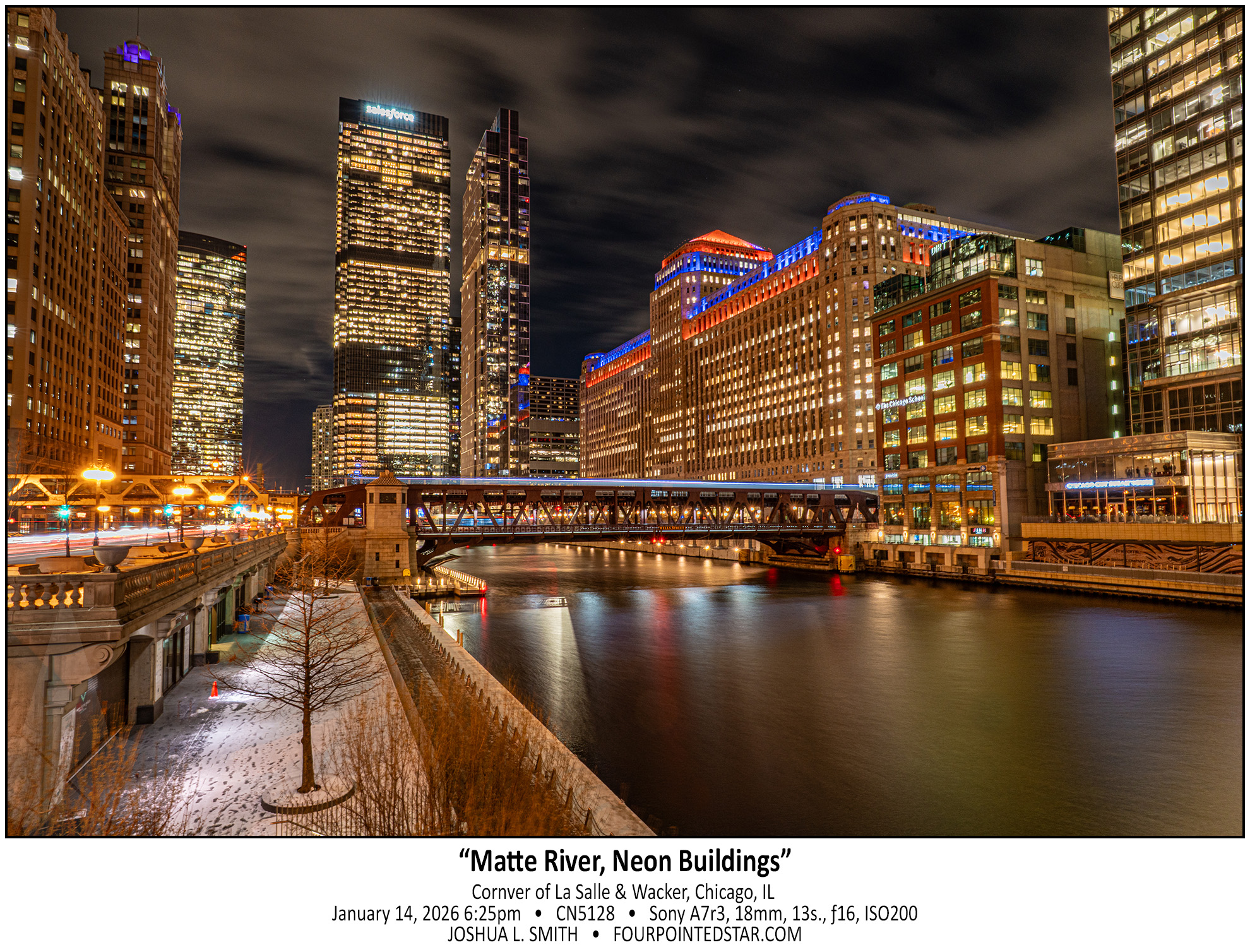
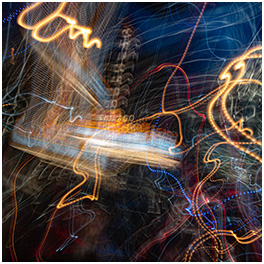
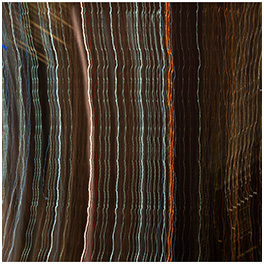
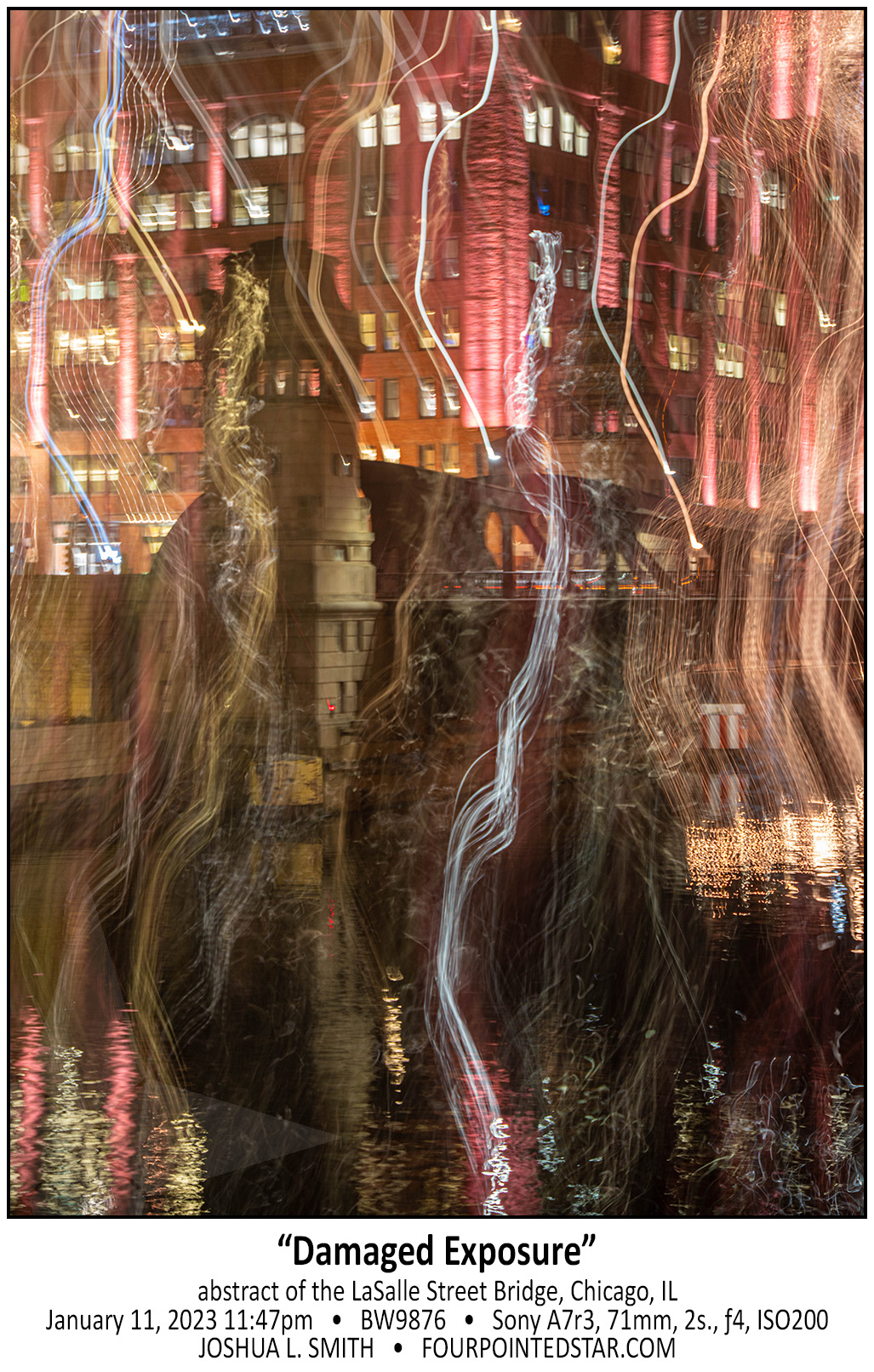
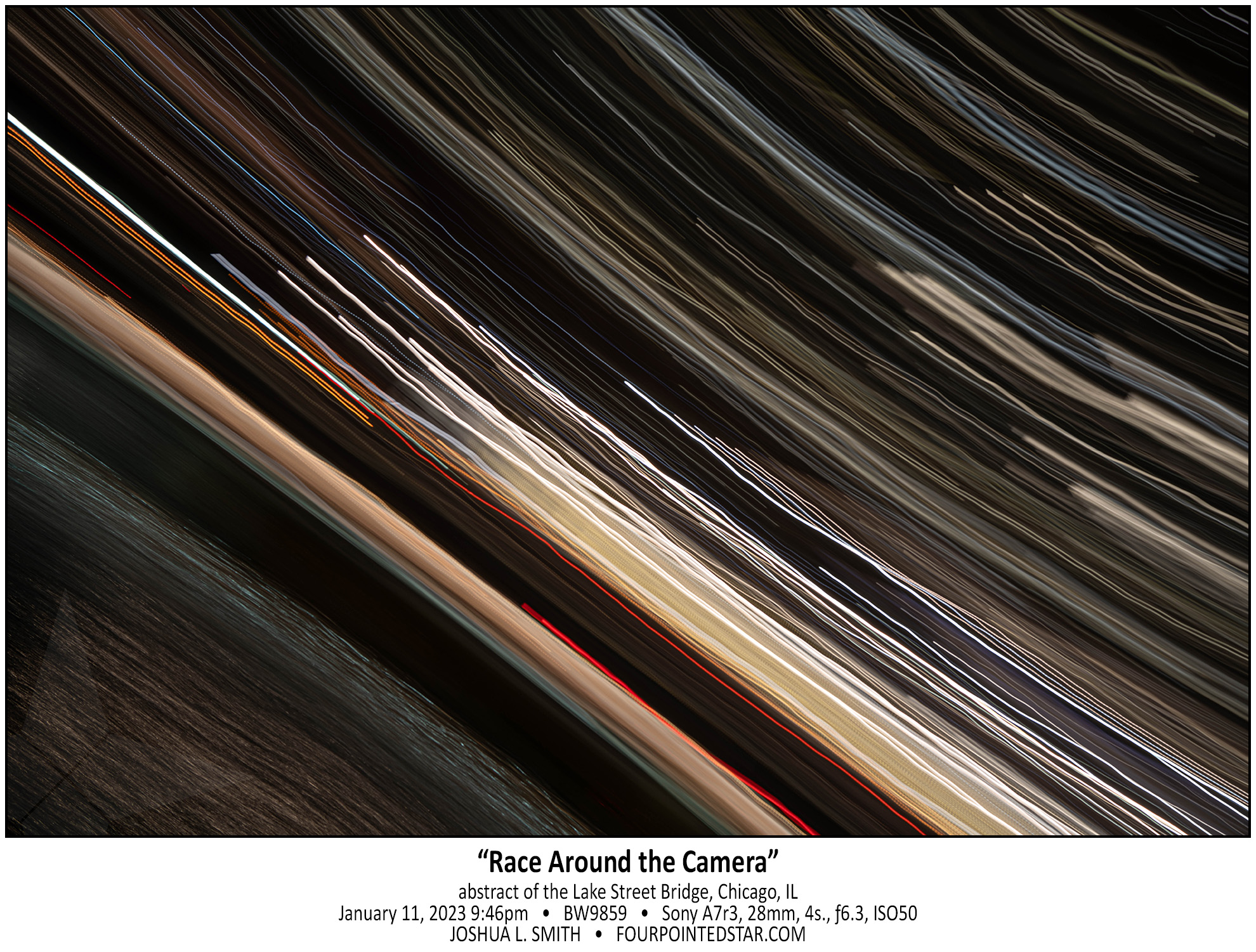
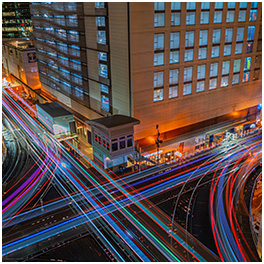
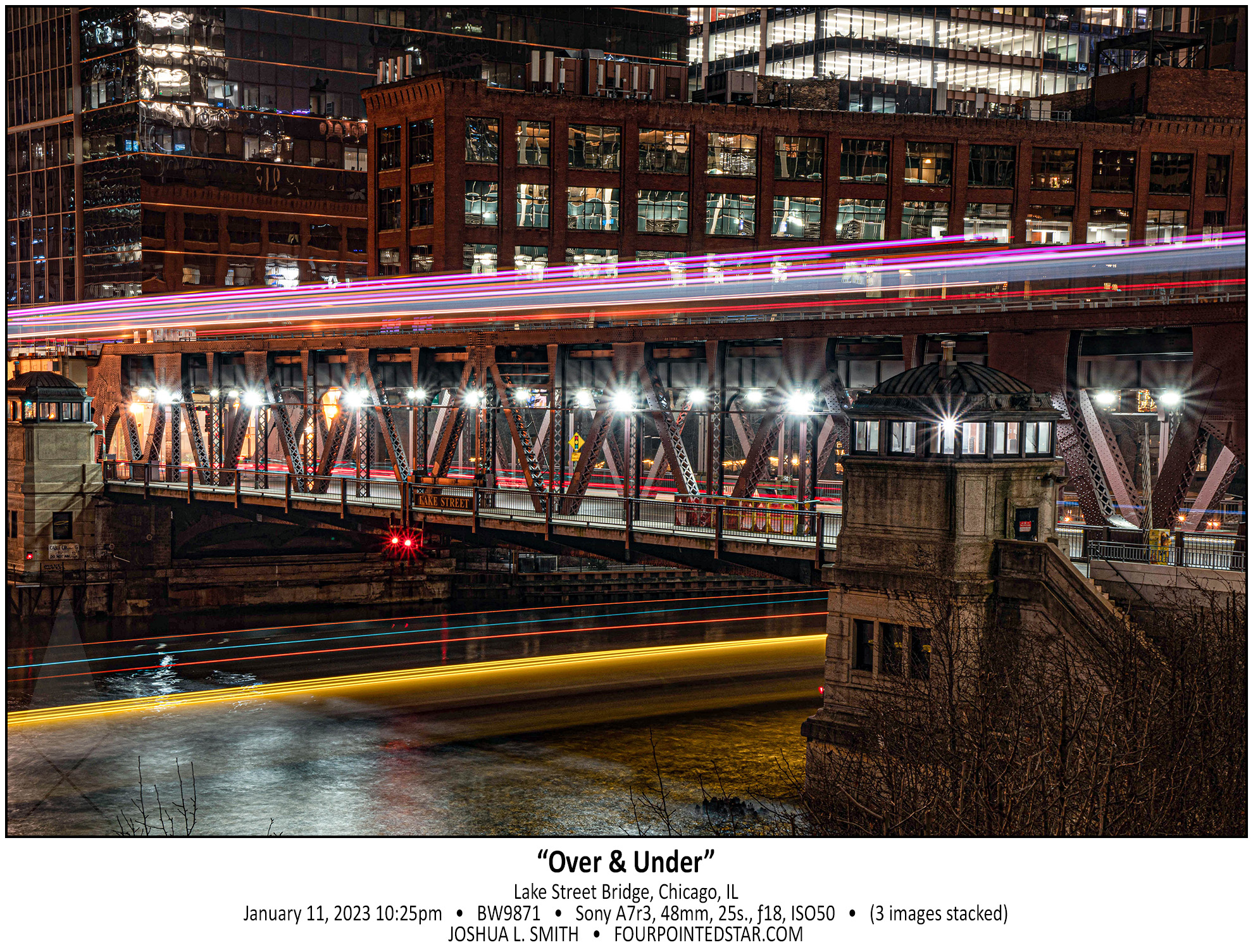
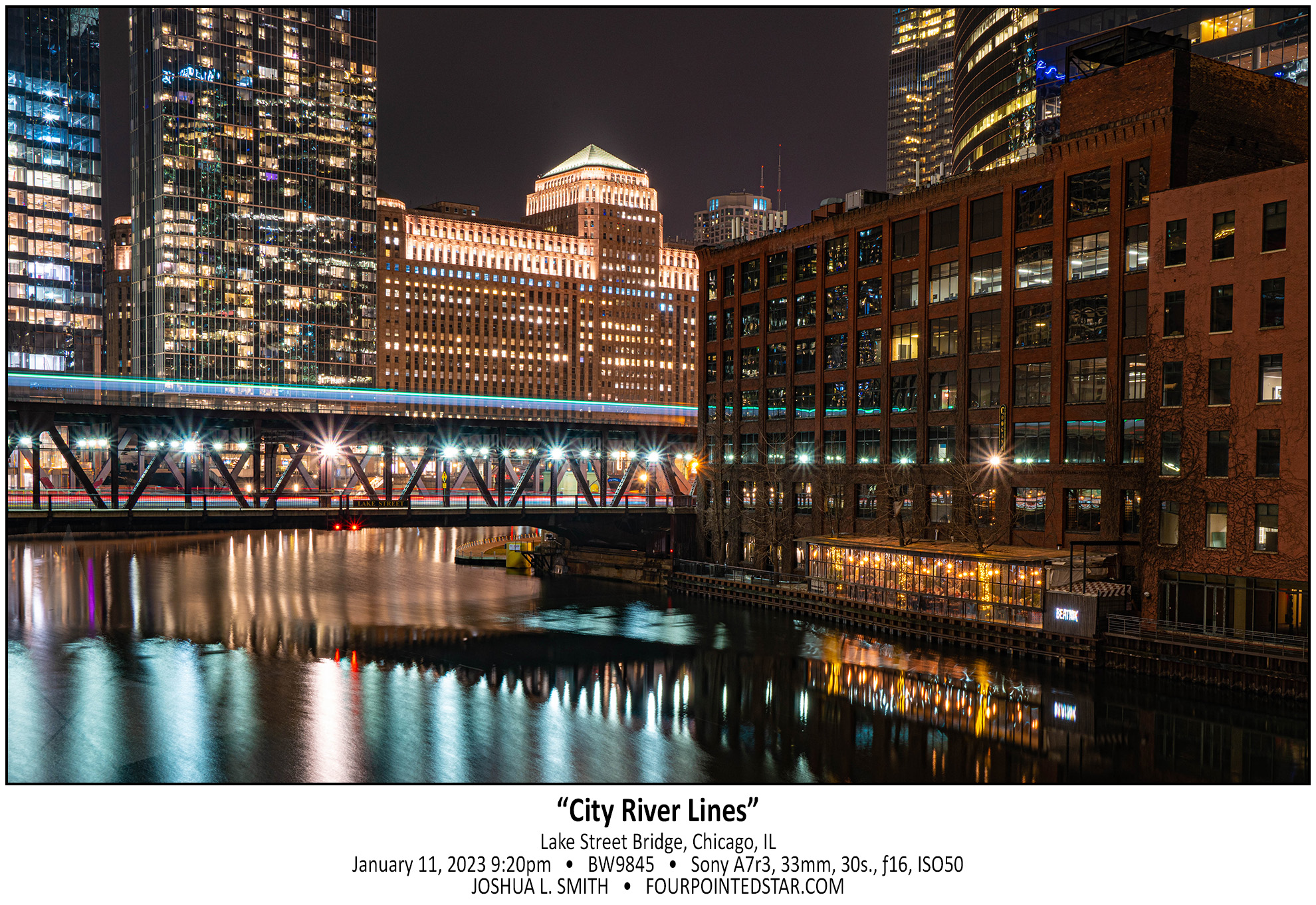
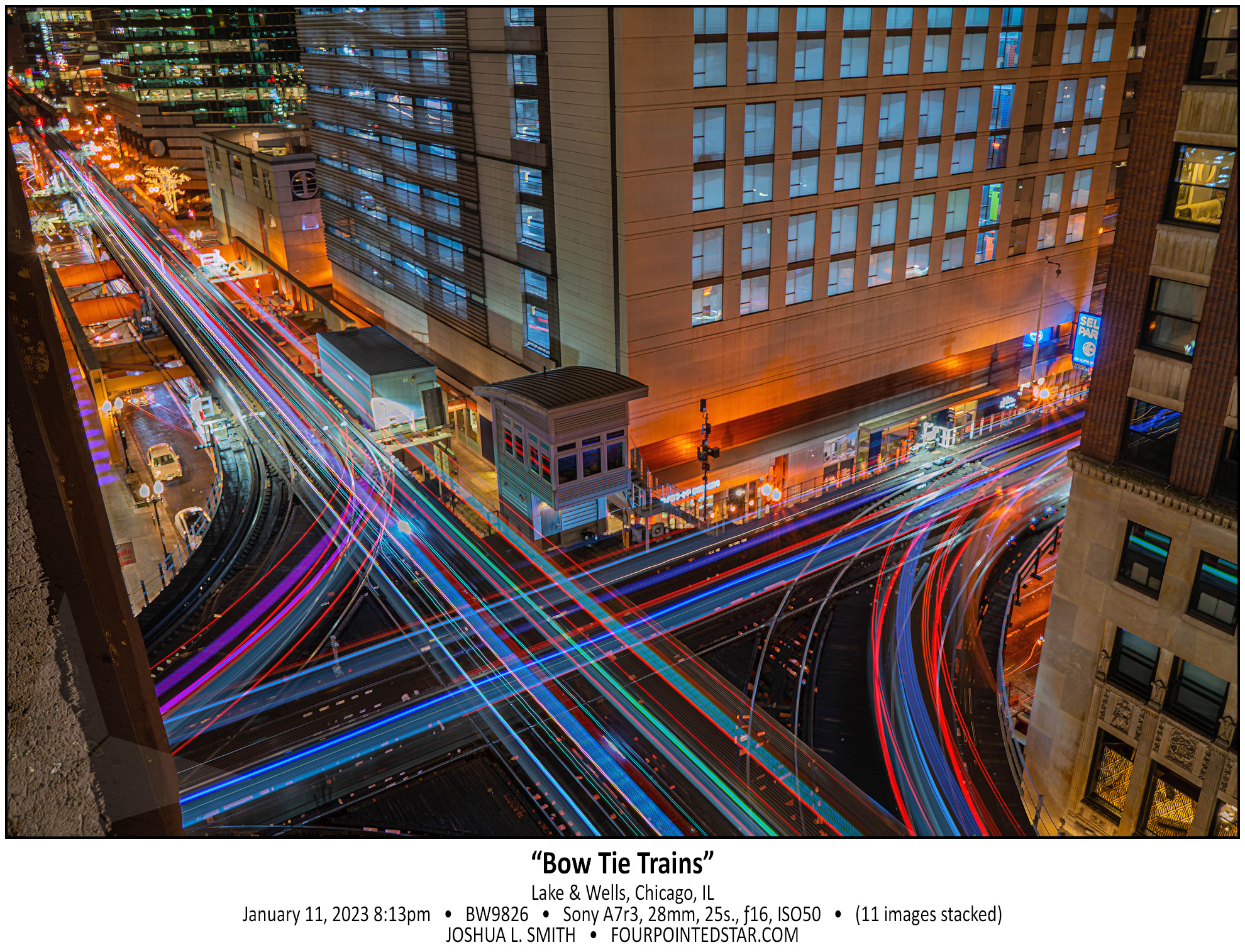
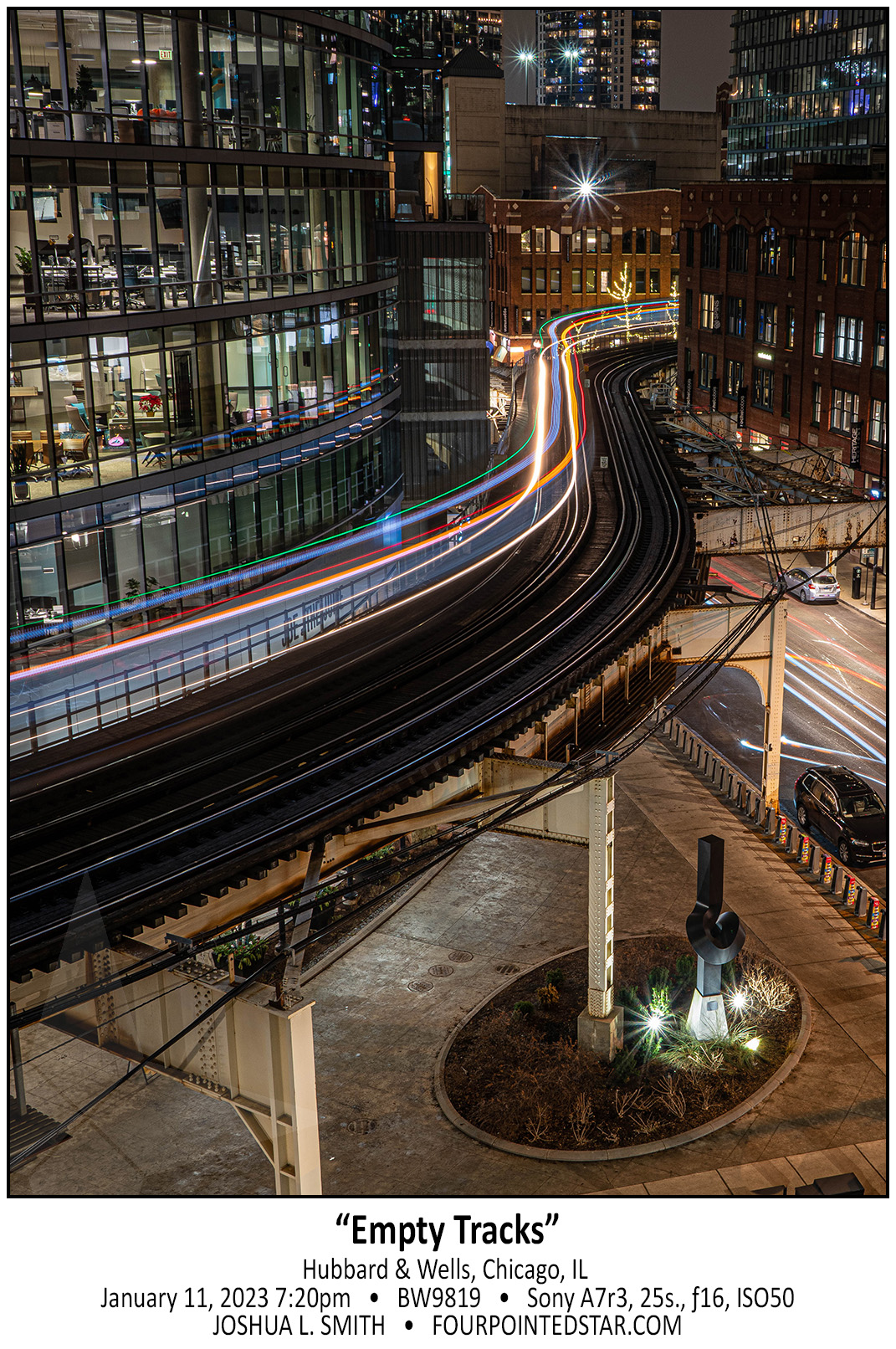
It’s no secret that I LOVE photographing light trails. I will visit the same spot OVER (January 2022) and OVER (January 2022) and OVER (April 2022) and OVER (November 2023) to see if I can get a NEW (November 2020), FRESH (January 2023), or INTERESTING (November 2023) photo.
But consistently I wonder, how can I create an image that challenges me this time – that presents a new challenge. At its core, capturing a light trail is just understanding how the light is moving and the exposure that’s need to not under or over-expose your image. So, how can I create an interesting composition with each visit?
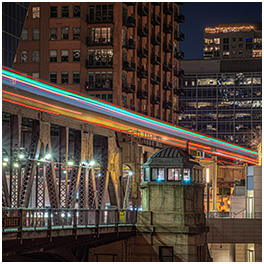
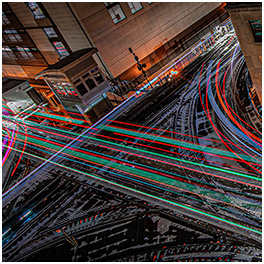
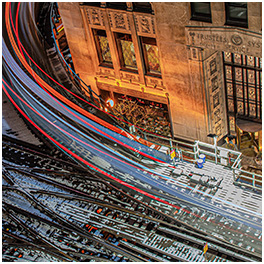
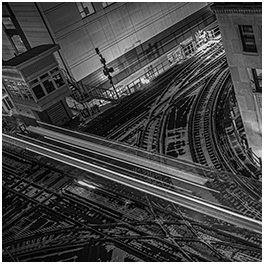
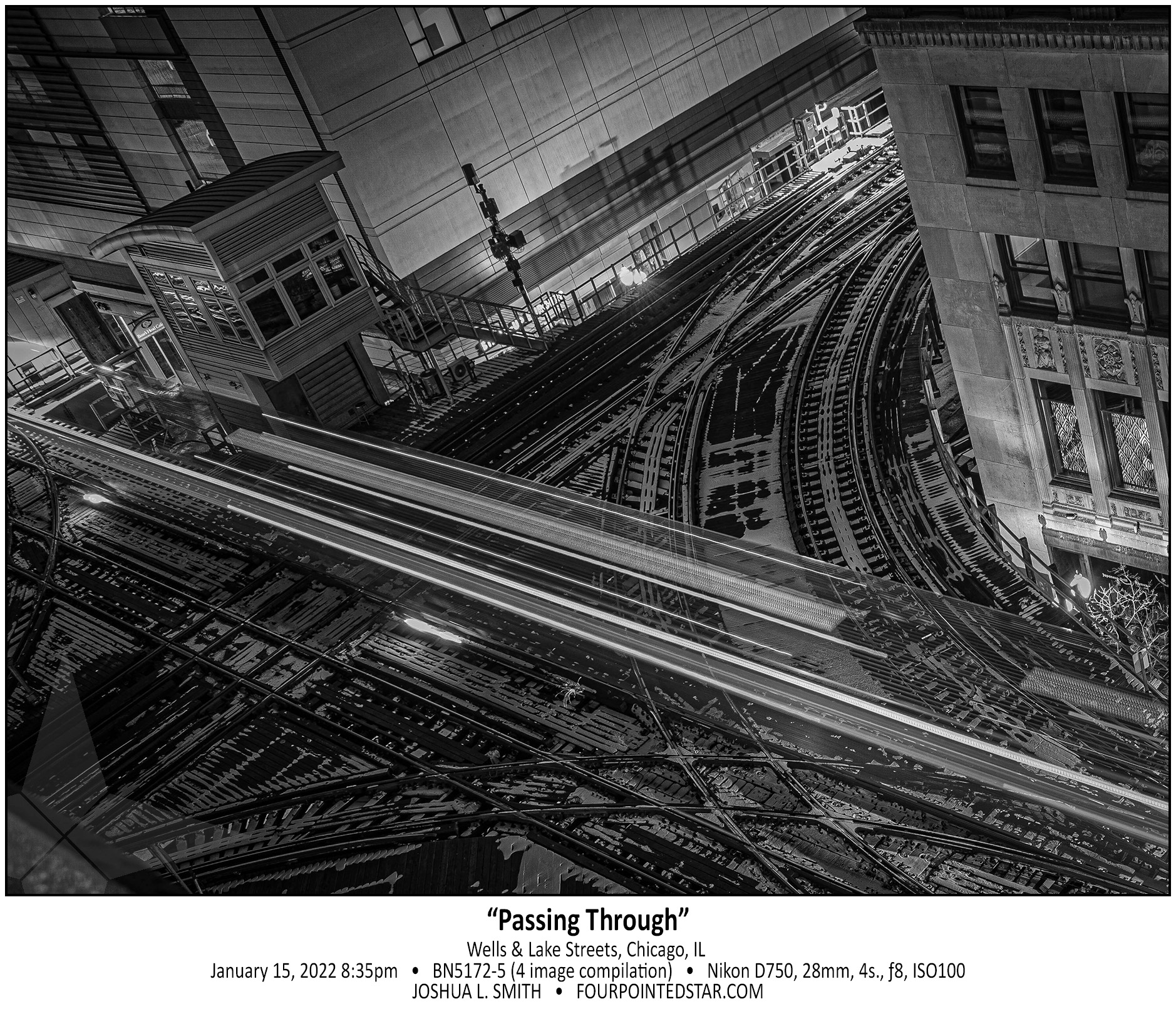
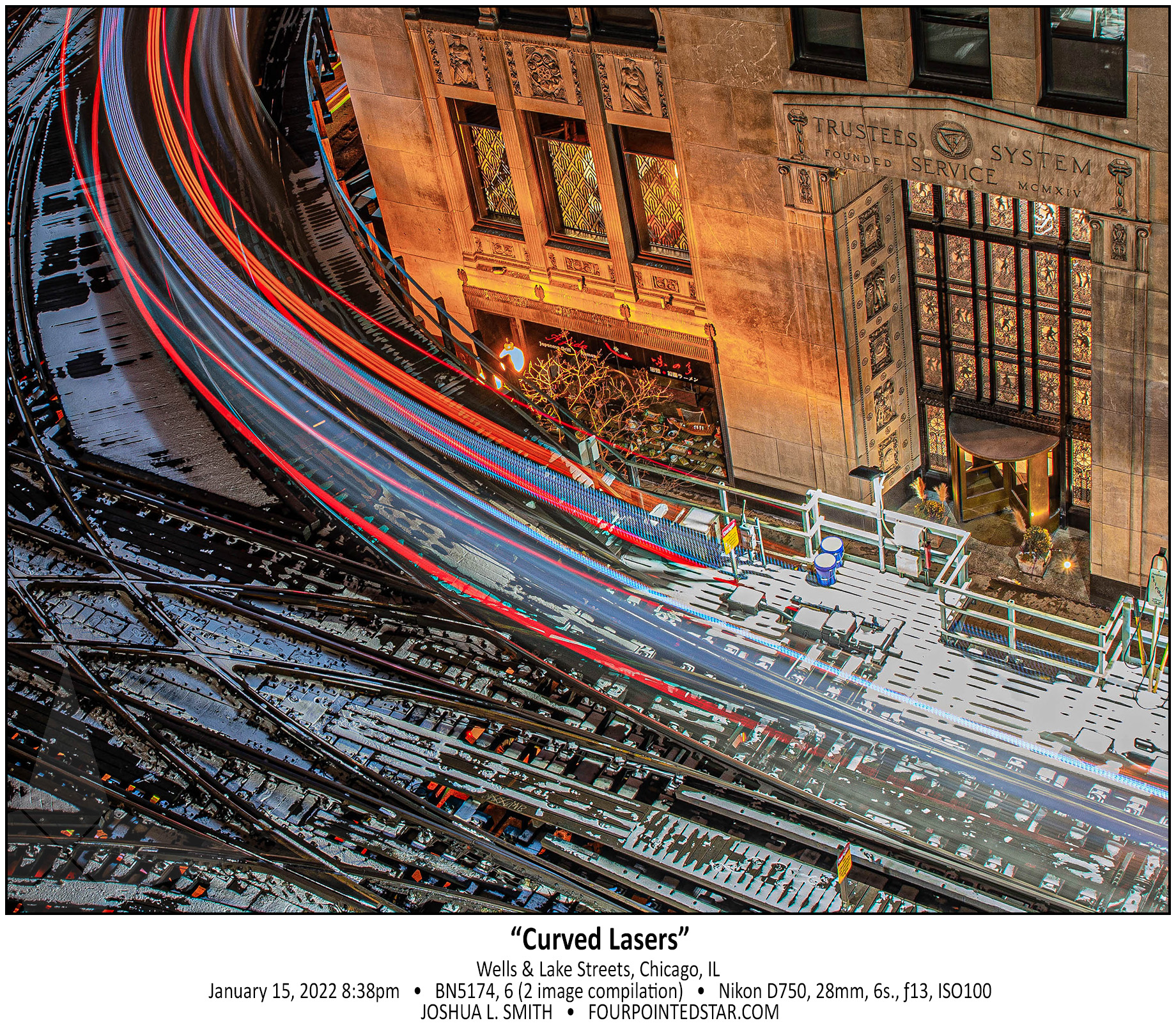
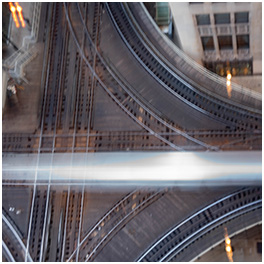
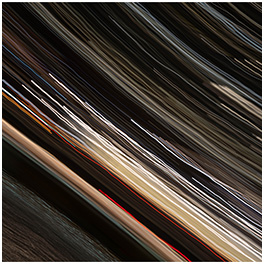
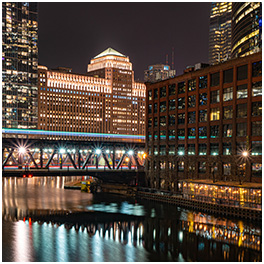
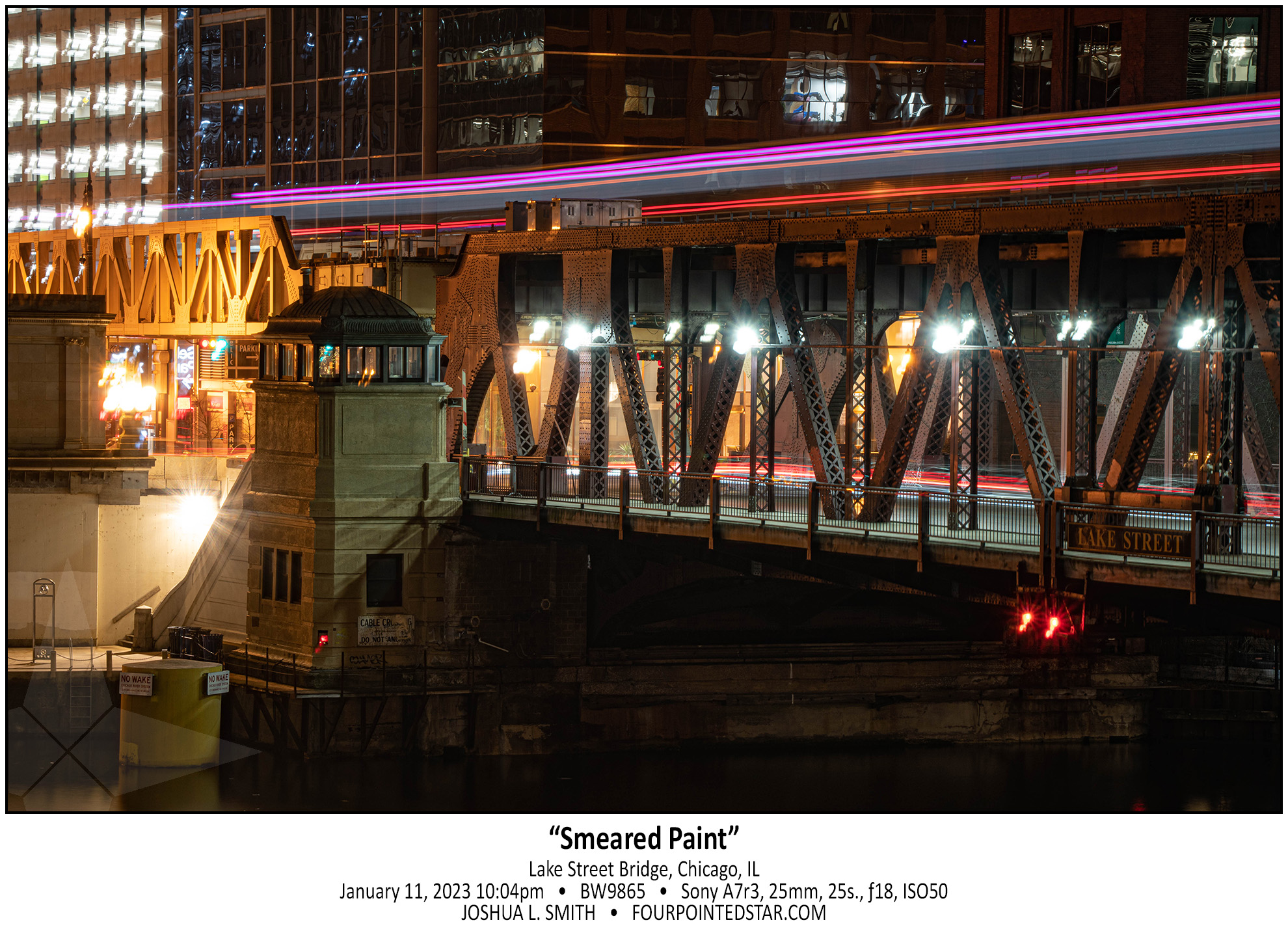
What do you do when the light trails are from trains, when the pattern will only repeat over and over? The backdrop, scenery, and angle can change as seen in the two contrasting images: January 2021 & November 2023
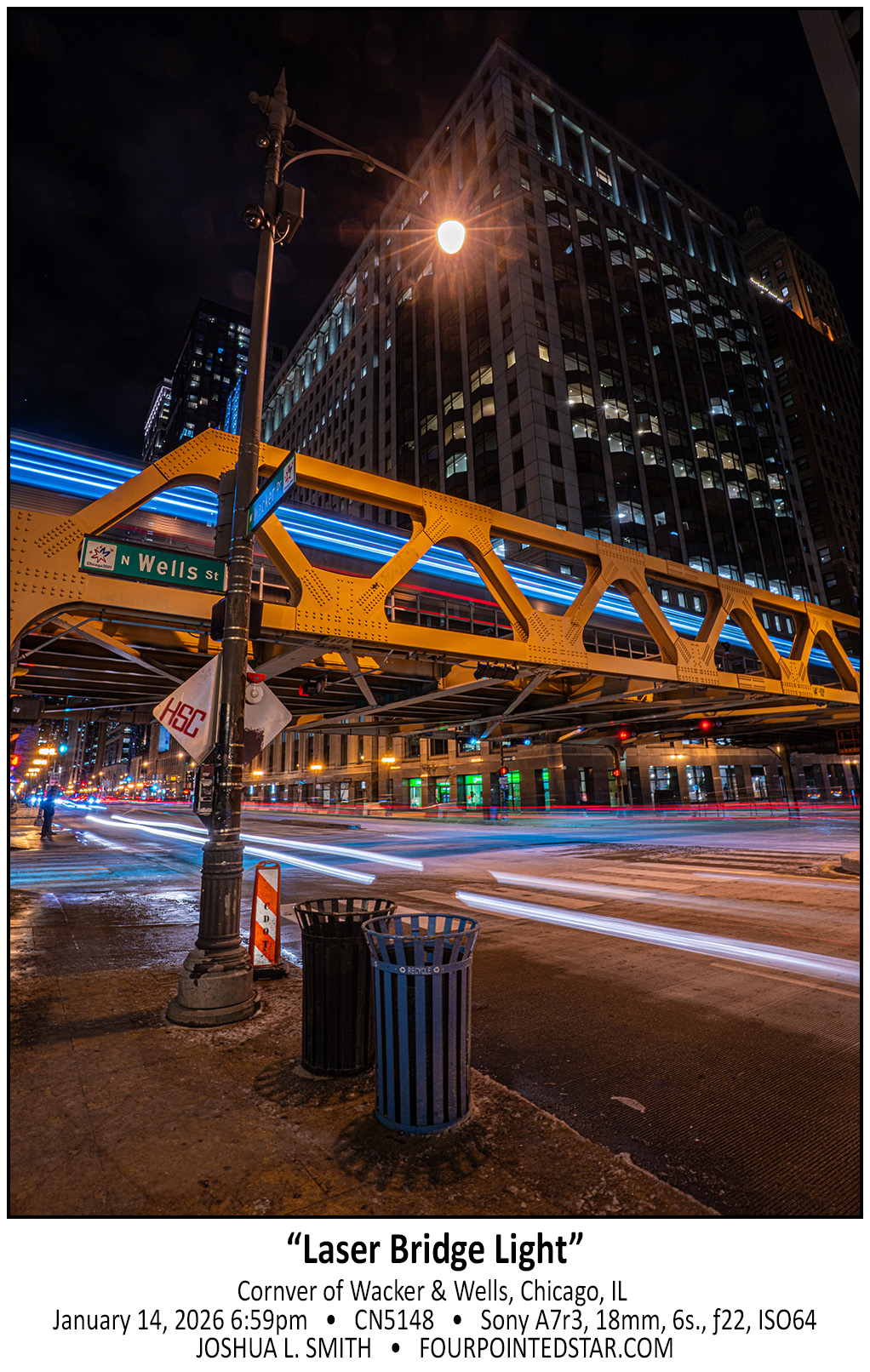
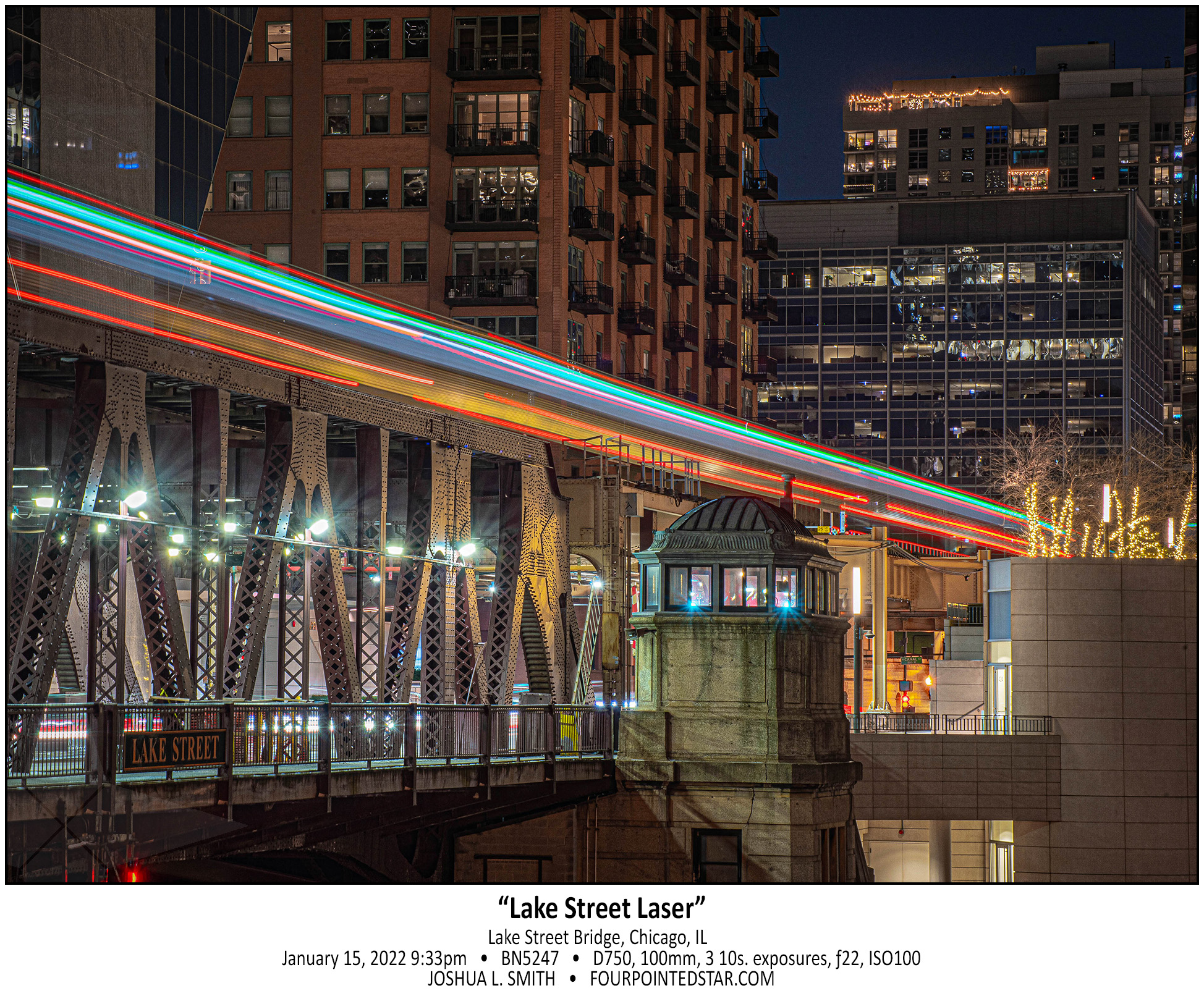
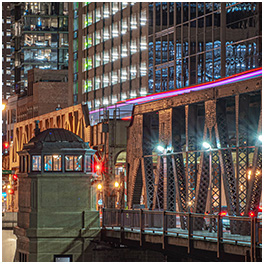
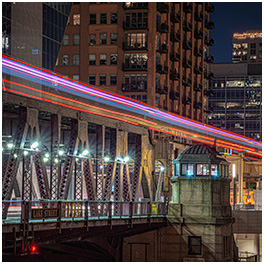
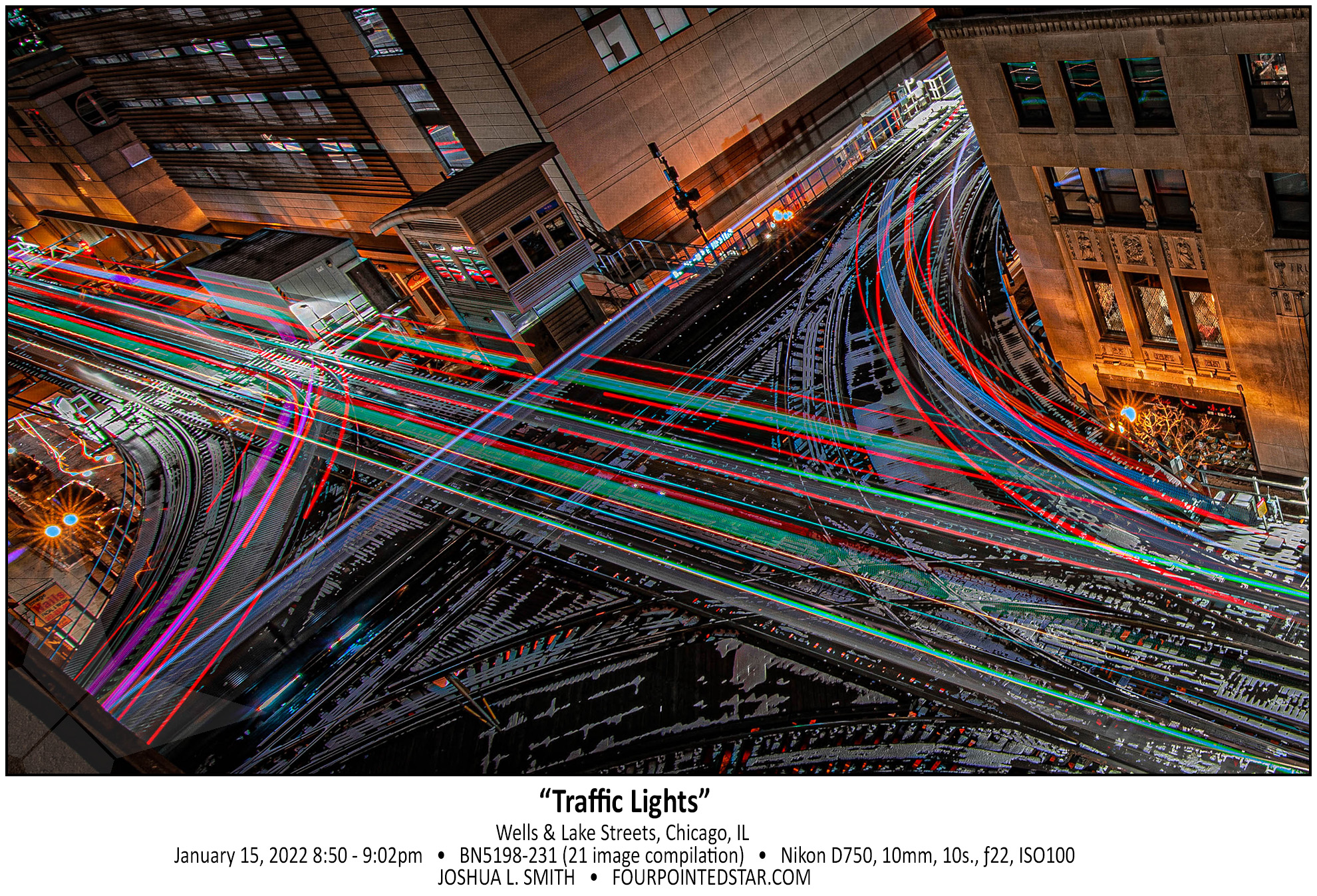
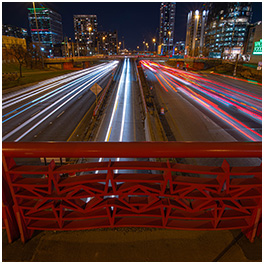
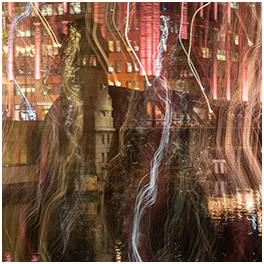
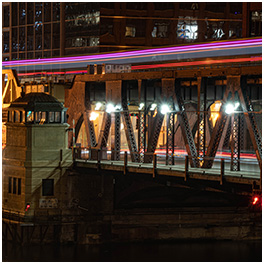
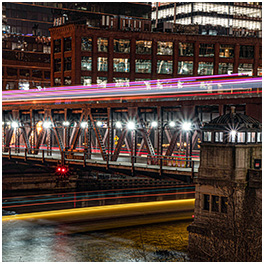
How about if the space is tight and you’re below the action? Maybe you can lean on the really strong angles (November 2023) or depend on the architectural elements and allow the light trails to be an accent instead of the star of the show (also November 2023)? As it turns out, “Laser Bridge Light” (above) is one of my favorite compositions not just from that recent trip downtown, but also of light trails along the river.
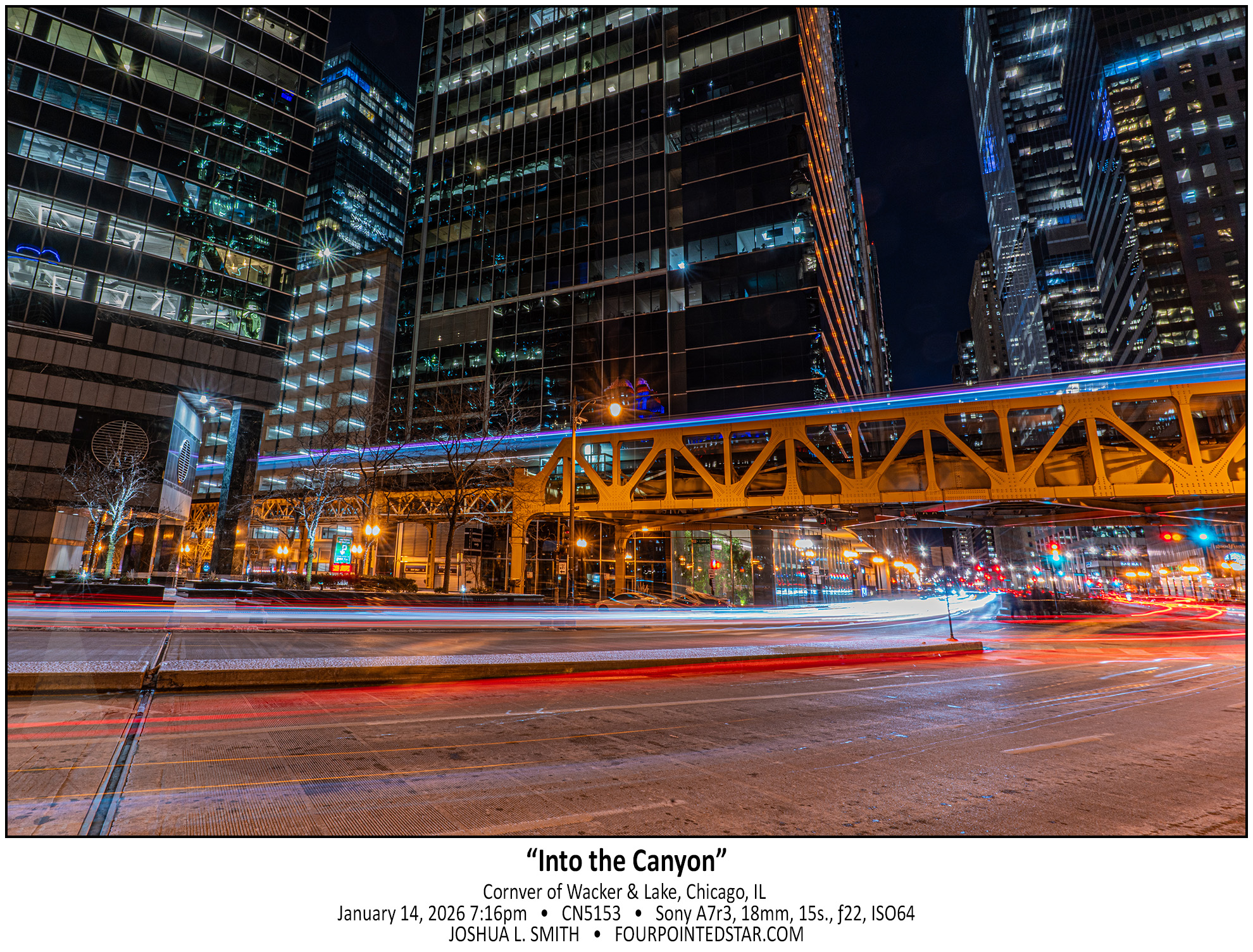
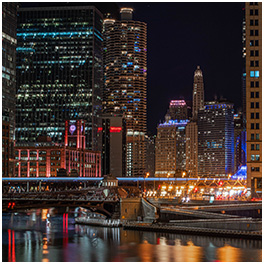
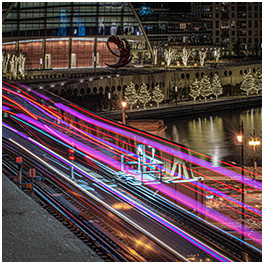
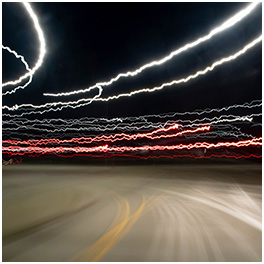
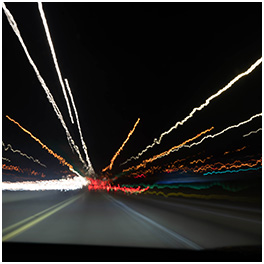
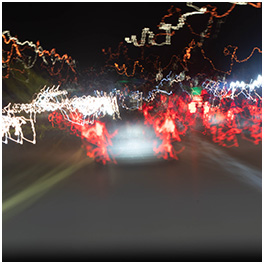
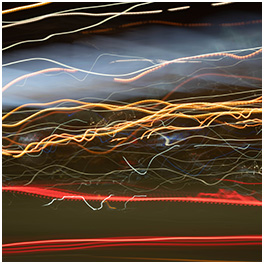
And lastly, there are the images that challenge us compositionally and technically; here the balance of a very wide flat scene combined with the oncoming lights from traffic is more than I can conquer right now. I like this image better than my last attempt (November 2020); and I’ll be honest, previously, I have would have just not attempted to capture the image; but there is a much better image in that scene – I just have to find it.
.
>alternate images<
.



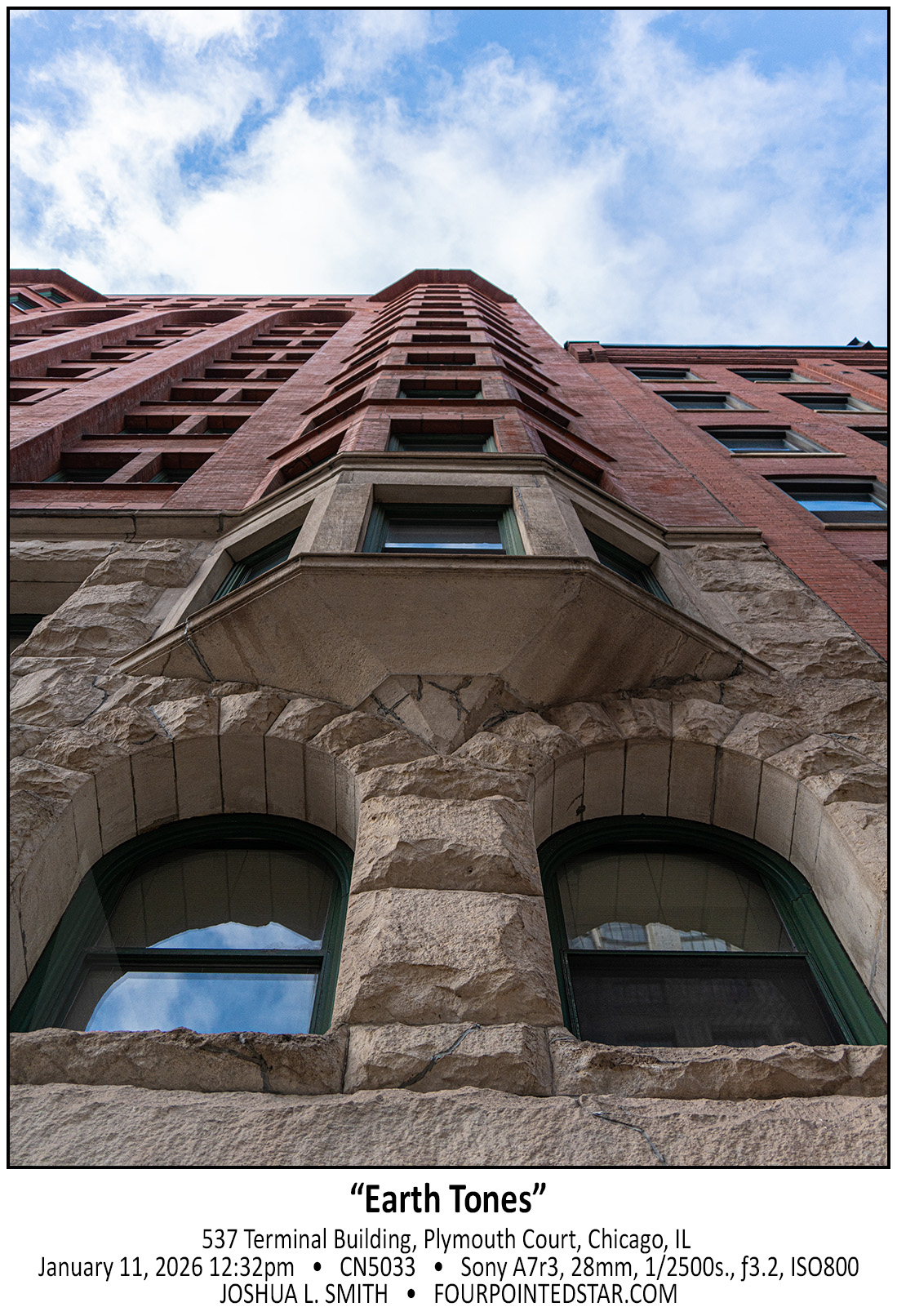
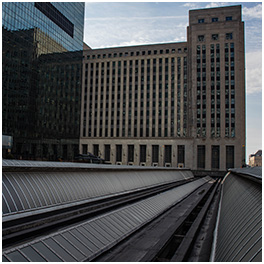
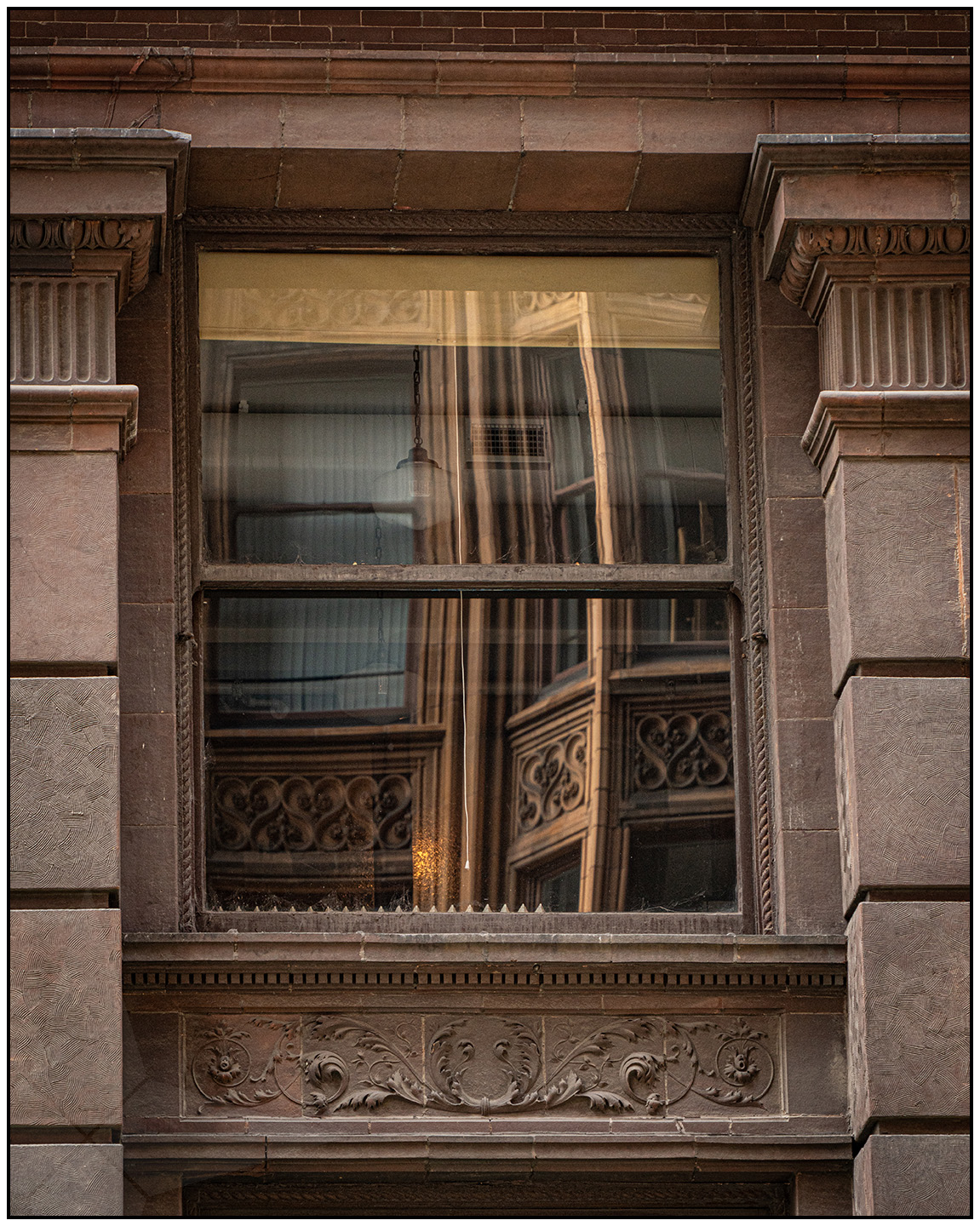
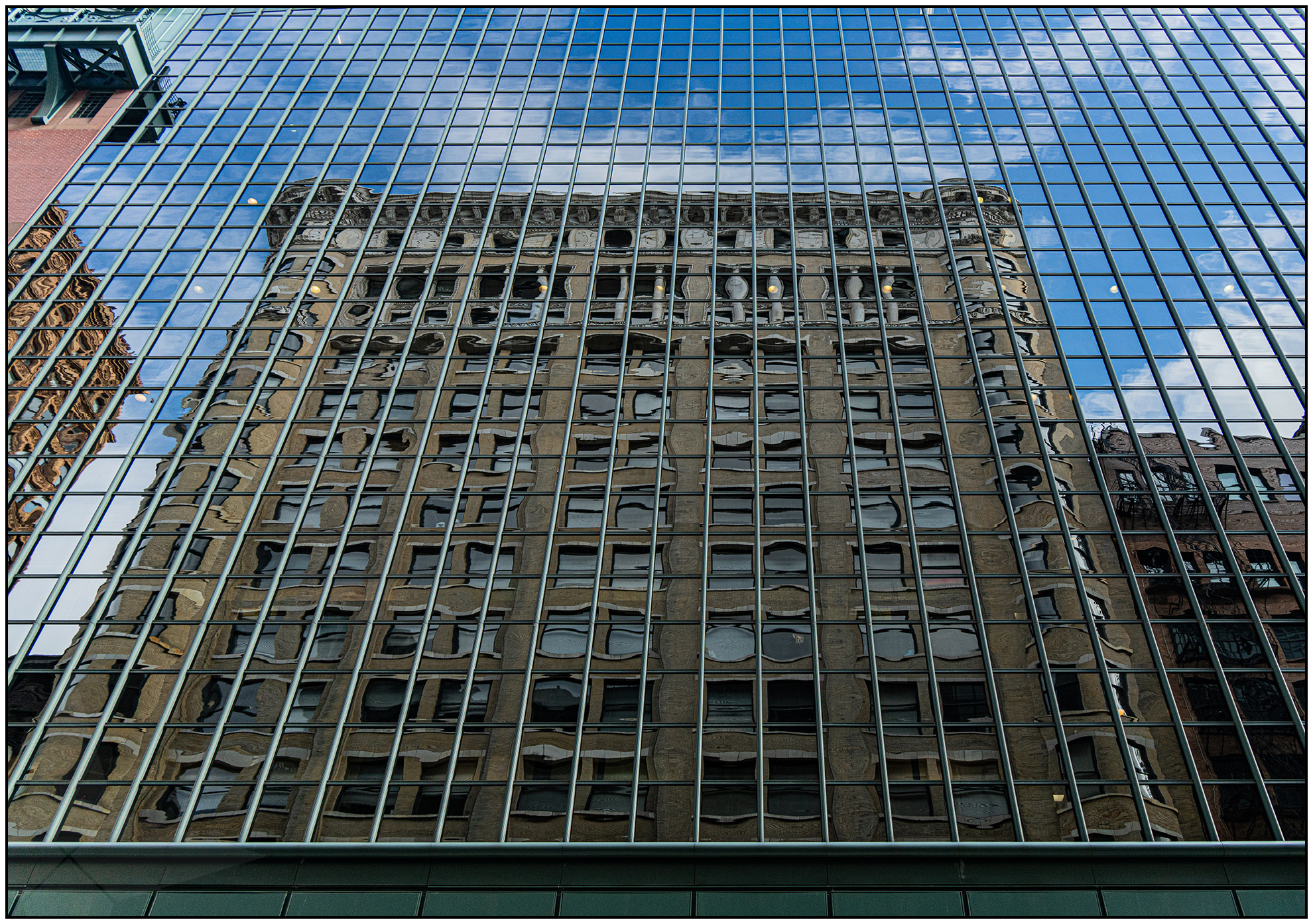
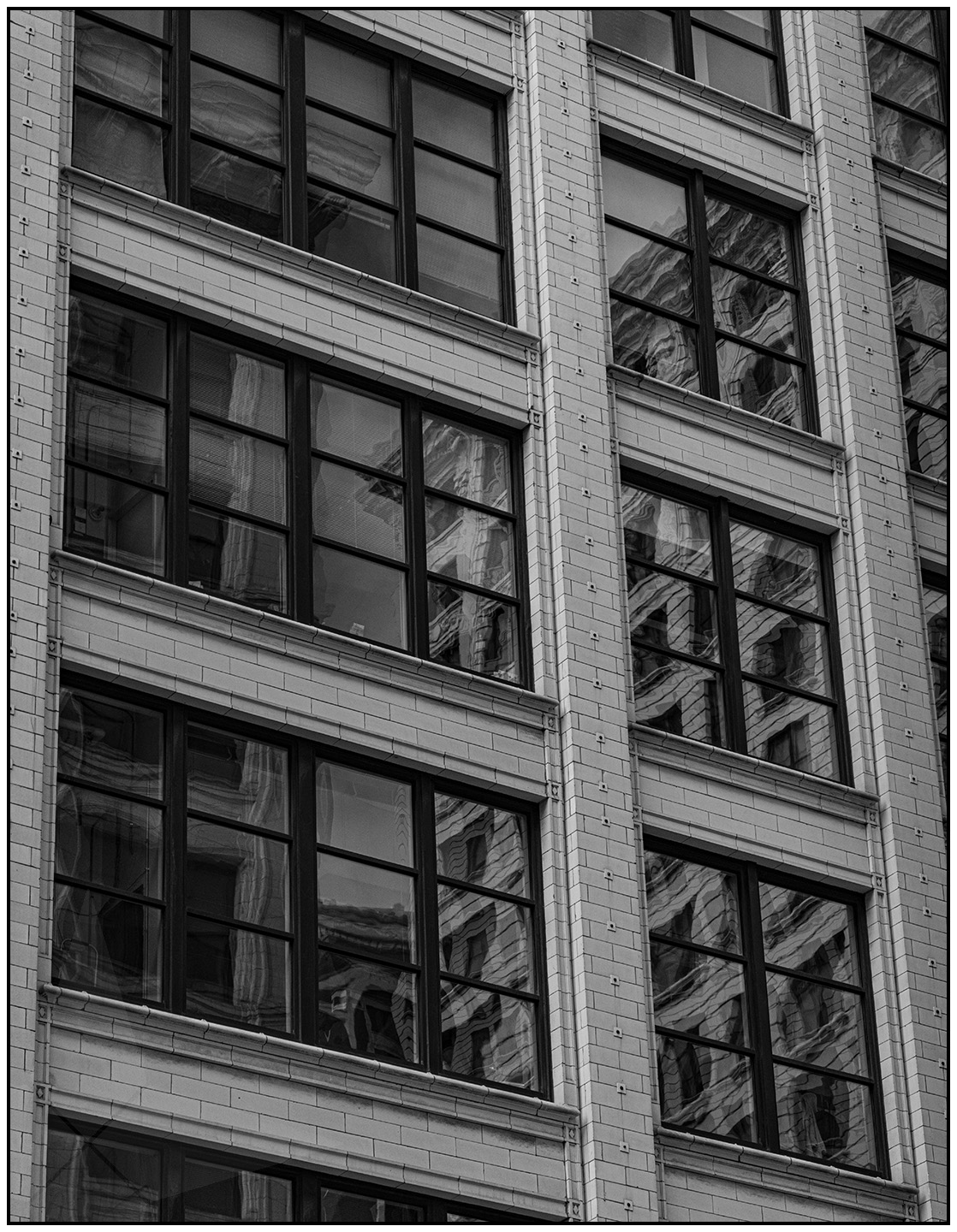
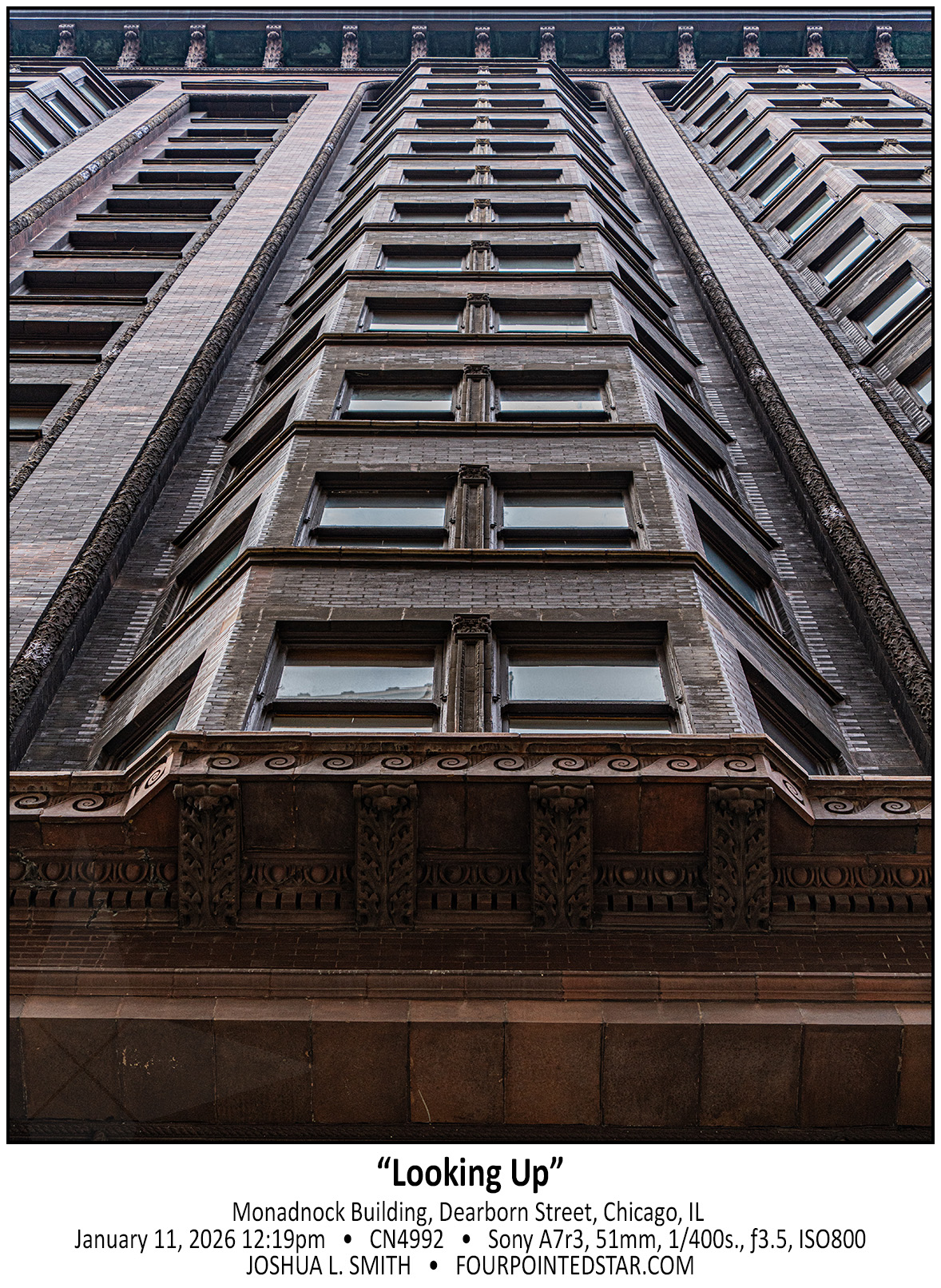
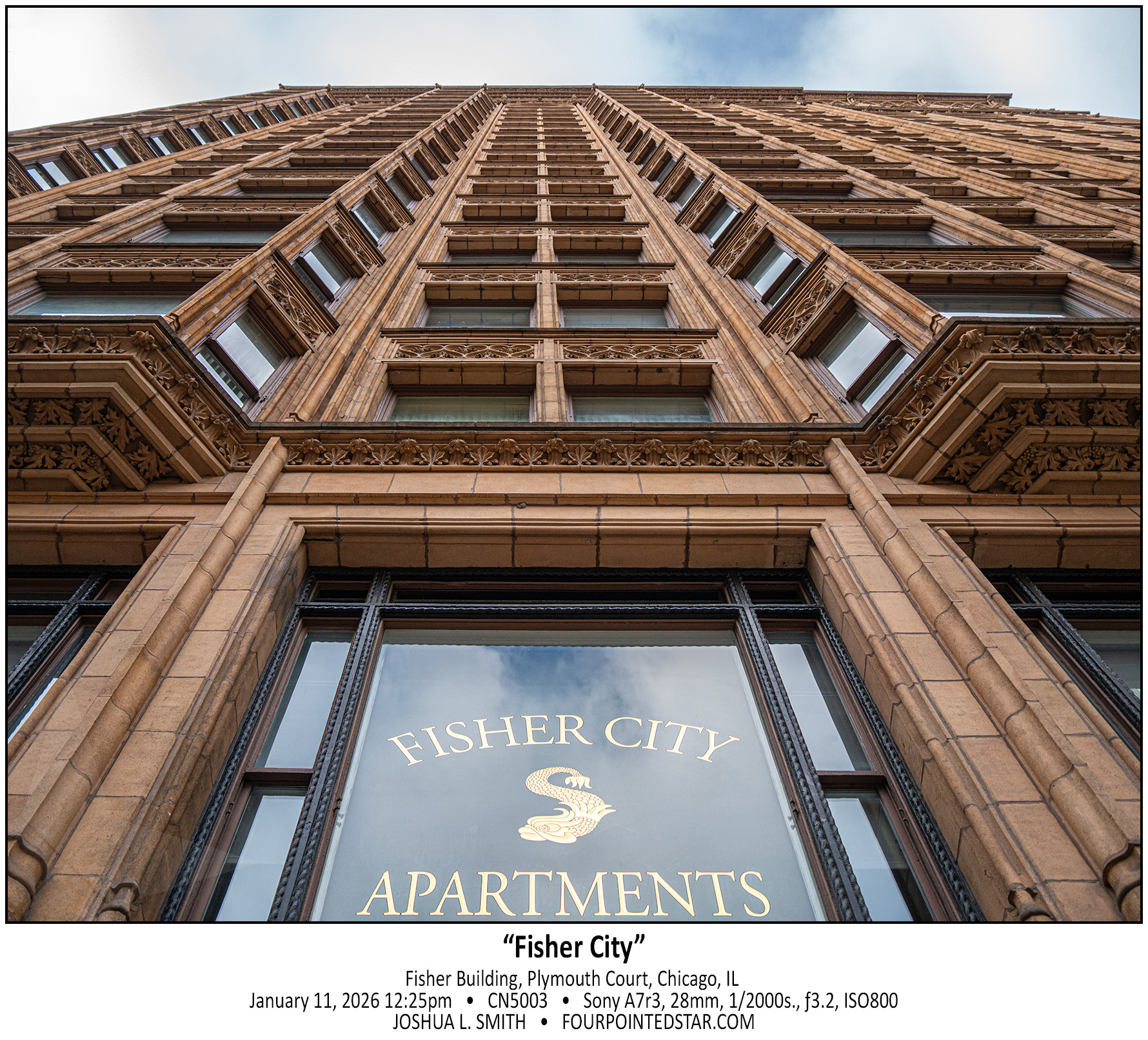
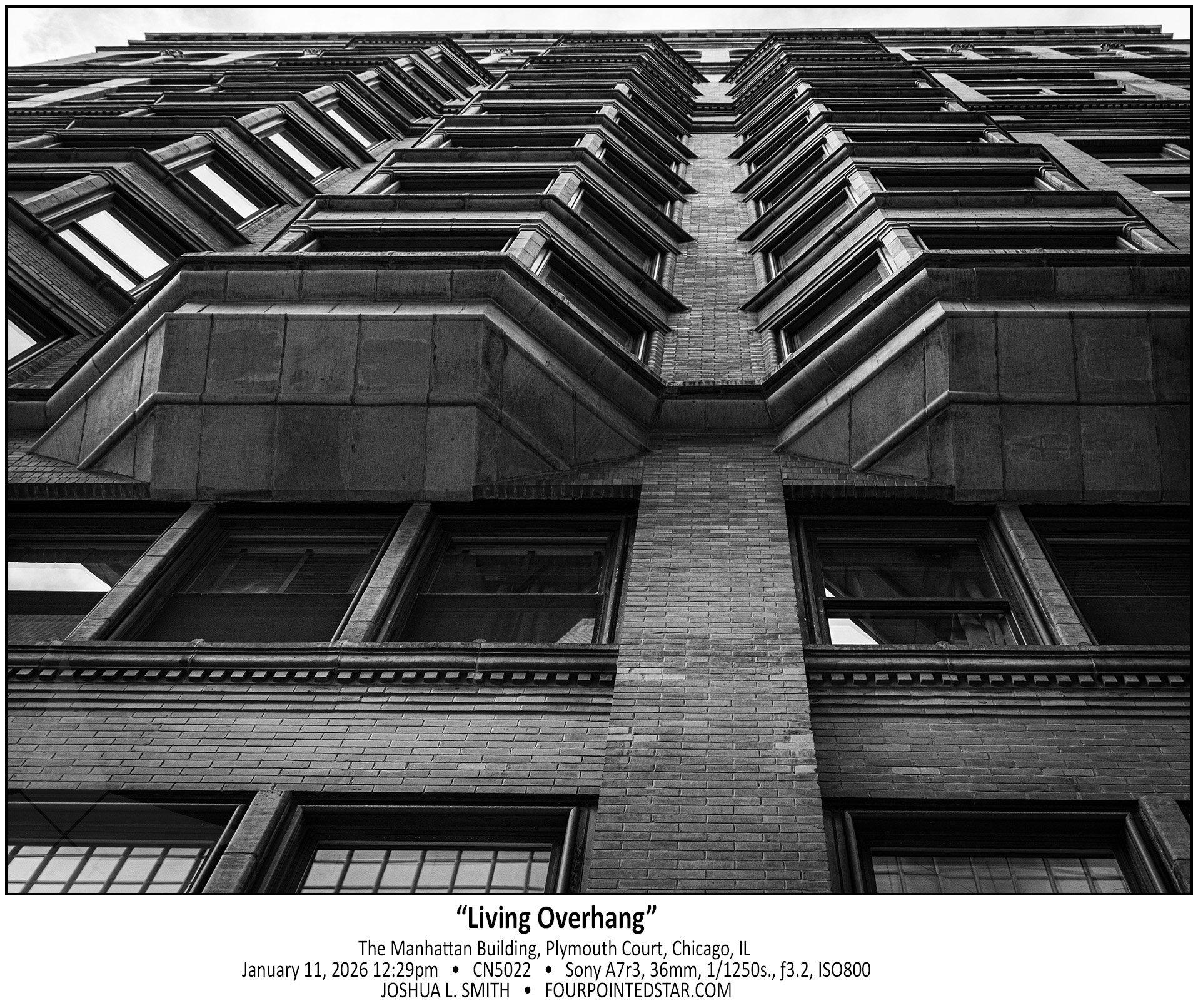
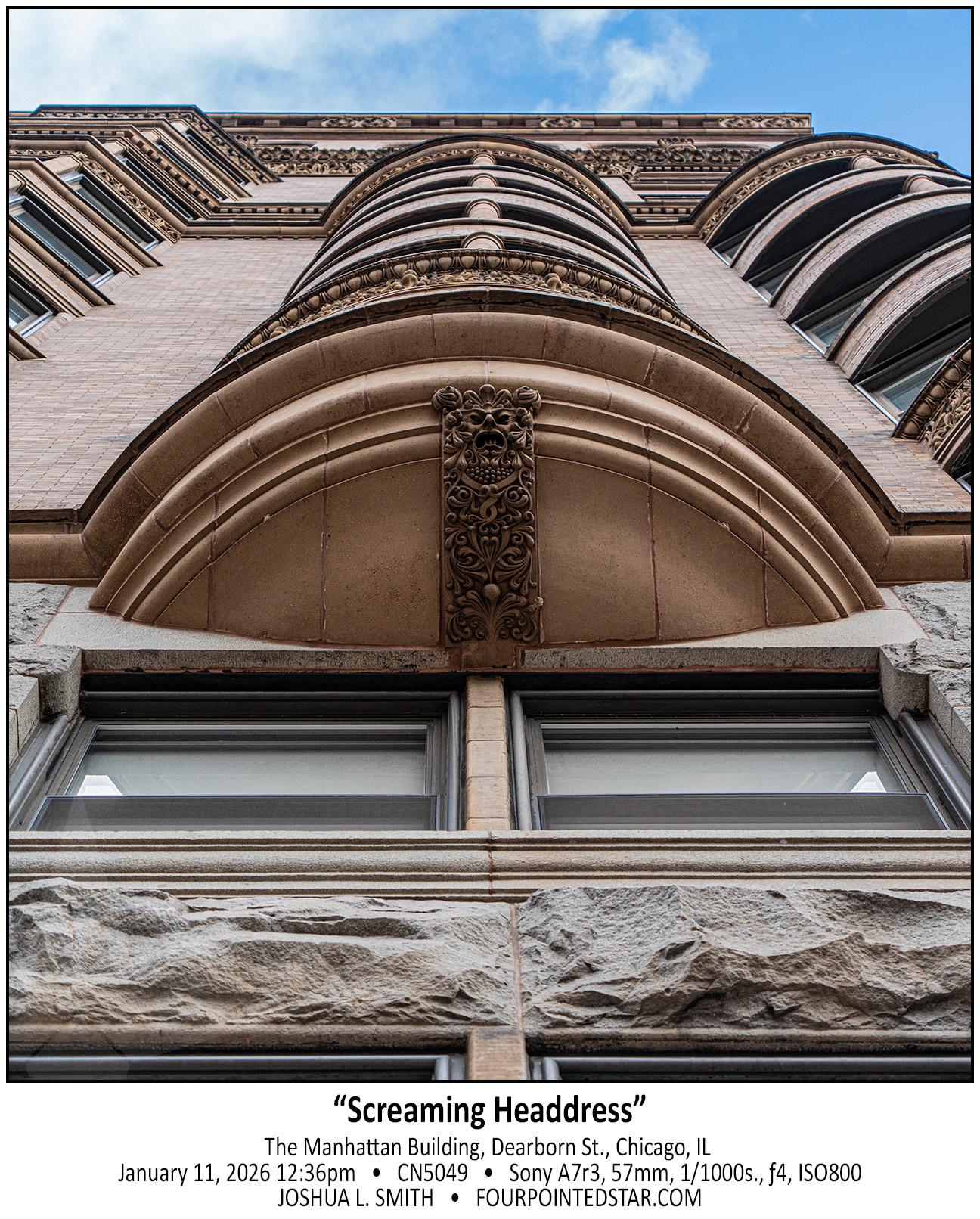
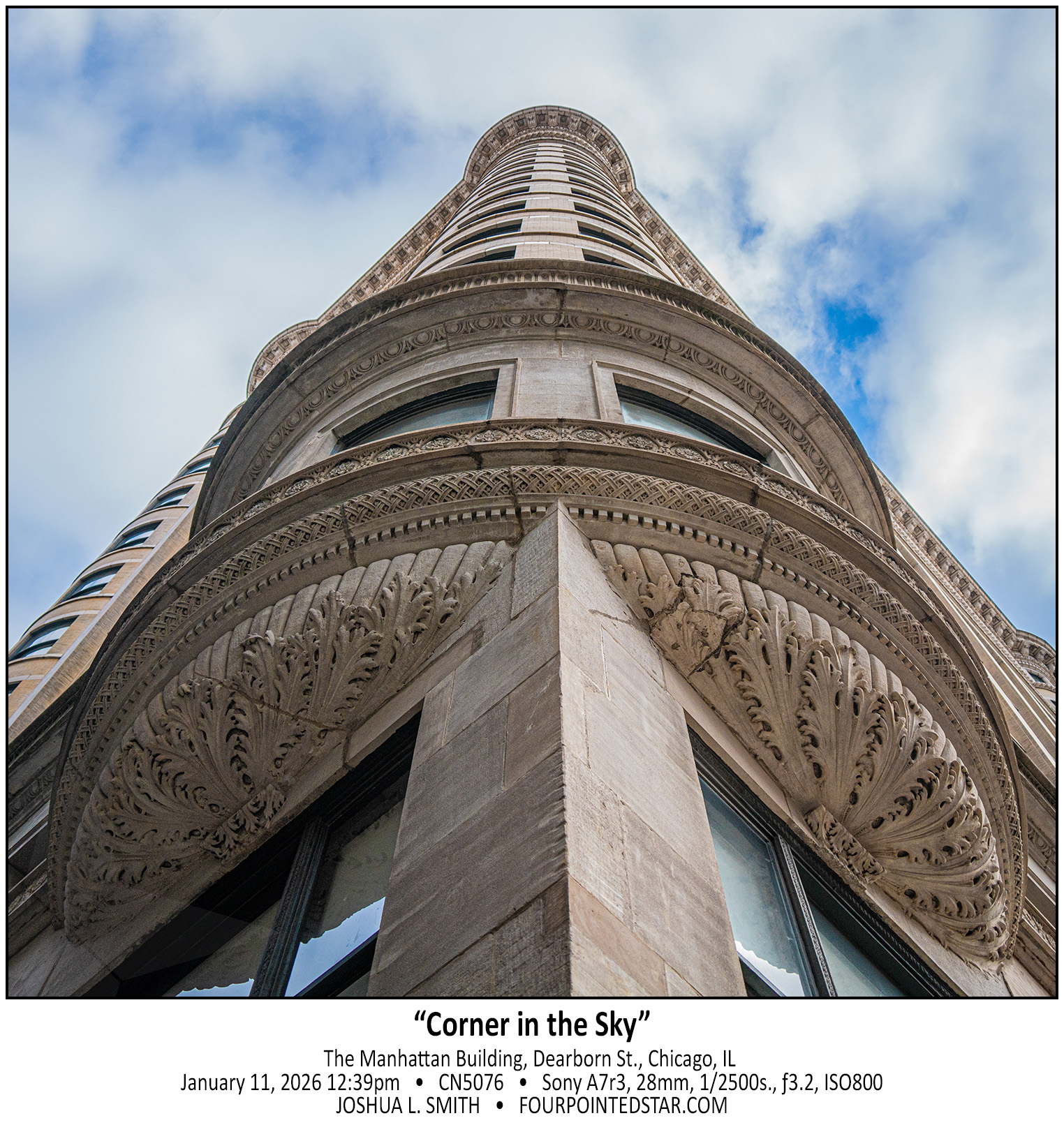
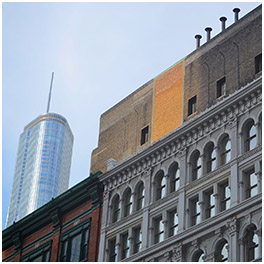
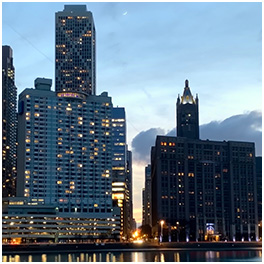
Each time that I explore a new area of Chicago, new details come to life. I’ve noticed that many of the historic buildings around Chicago have these bay windows often similar in style to the “Chicago Window” on them; but as I walked between the Fisher and Monadnock Buildings and then looked down the street, I noticed that this small area had many different examples of these historic bay windows on tall, early skyscrapers.
.
.
.
.
.
.
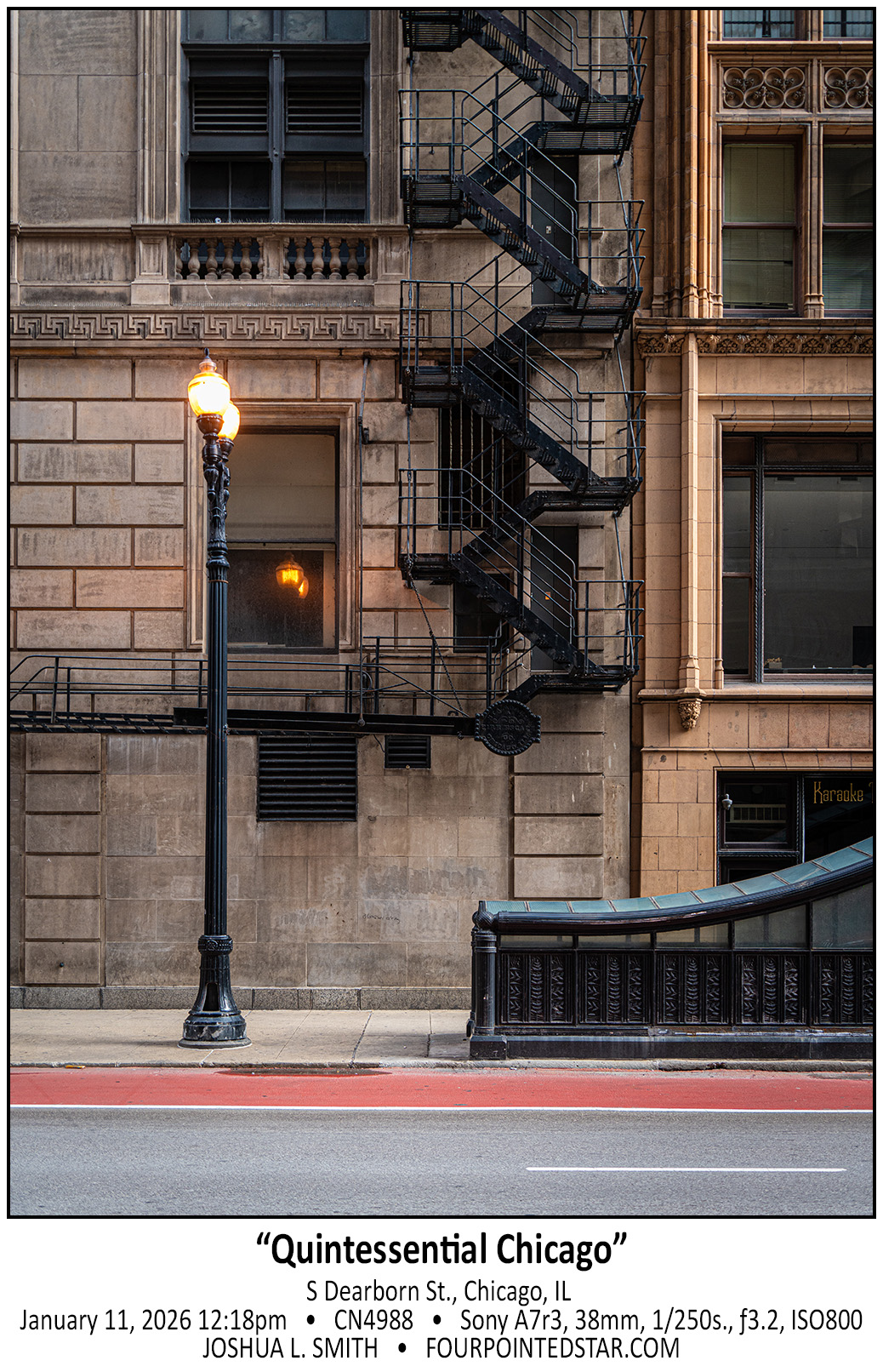
Equally interesting are the exterior fire escapes on many of the older buildings. I know that there fire escapes will lend themselves to great photos, but I’m still searching for those images.
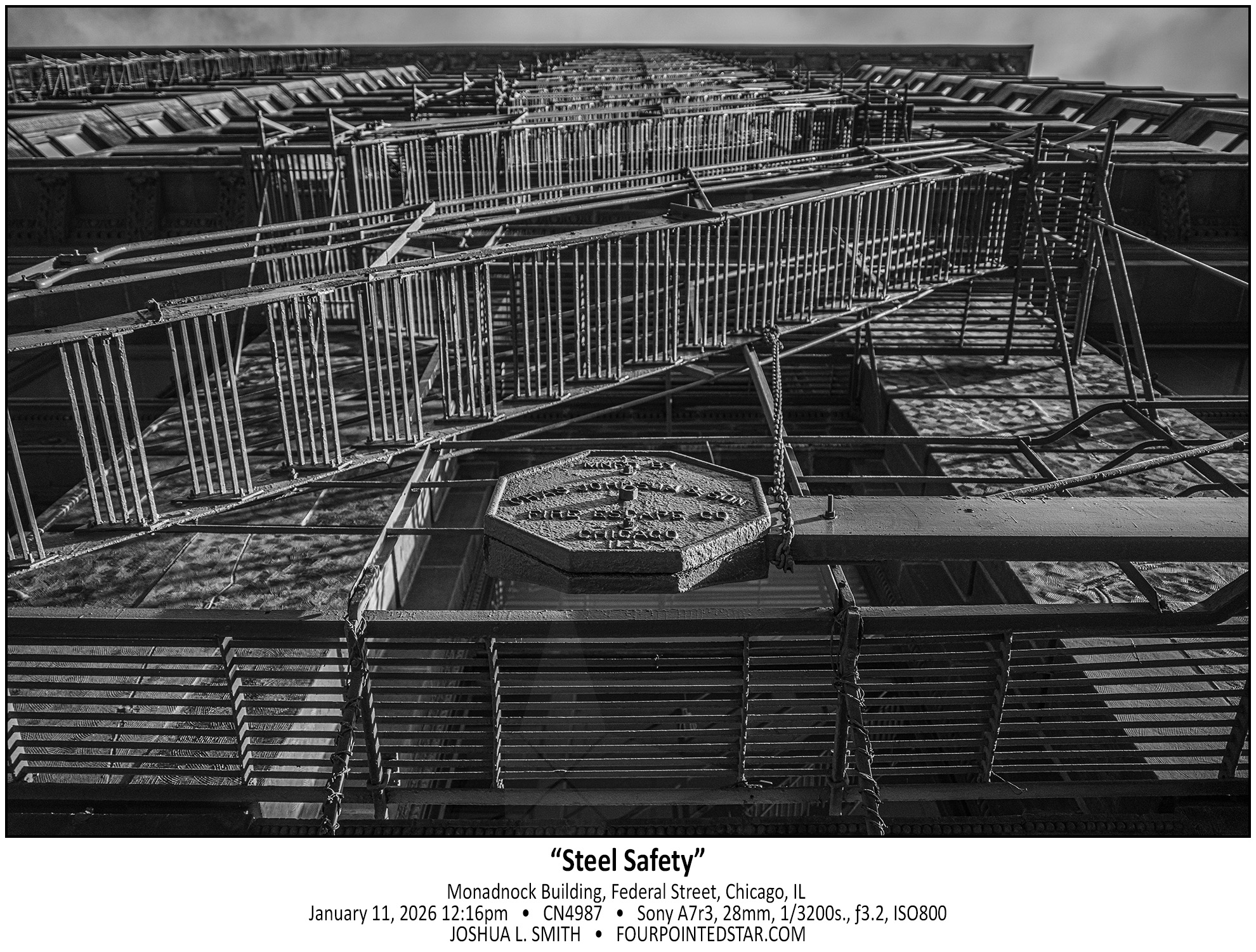
.
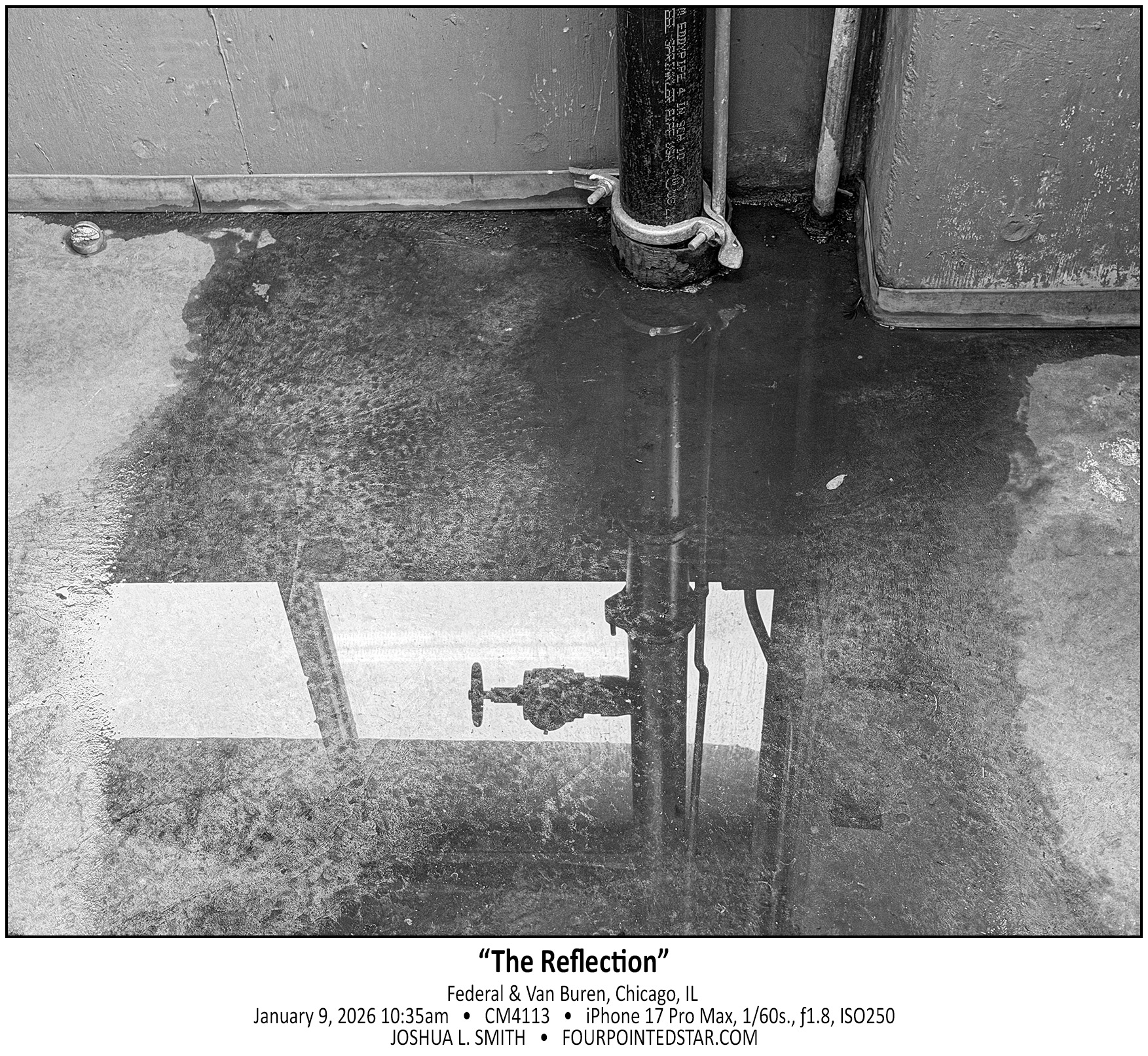
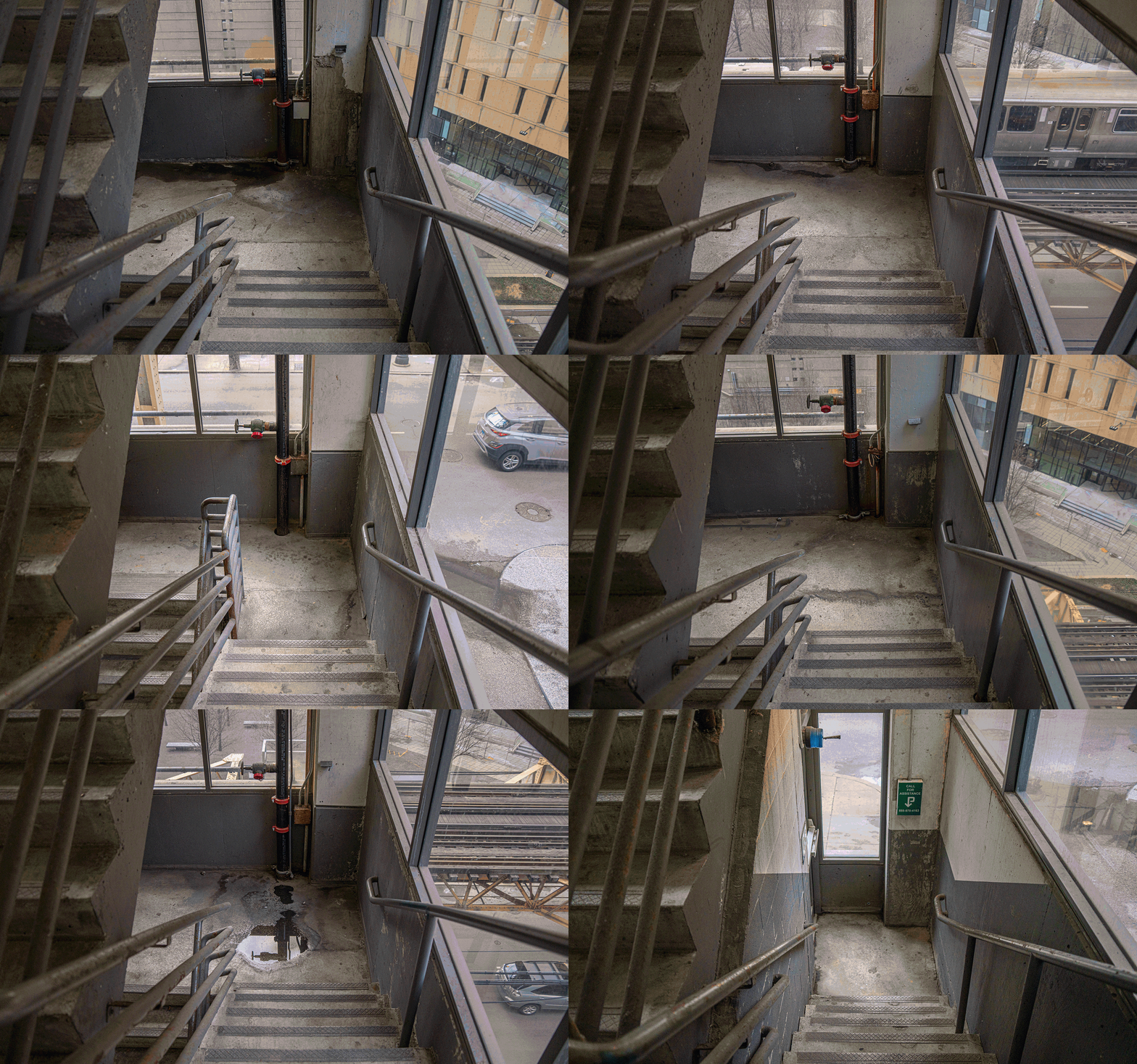
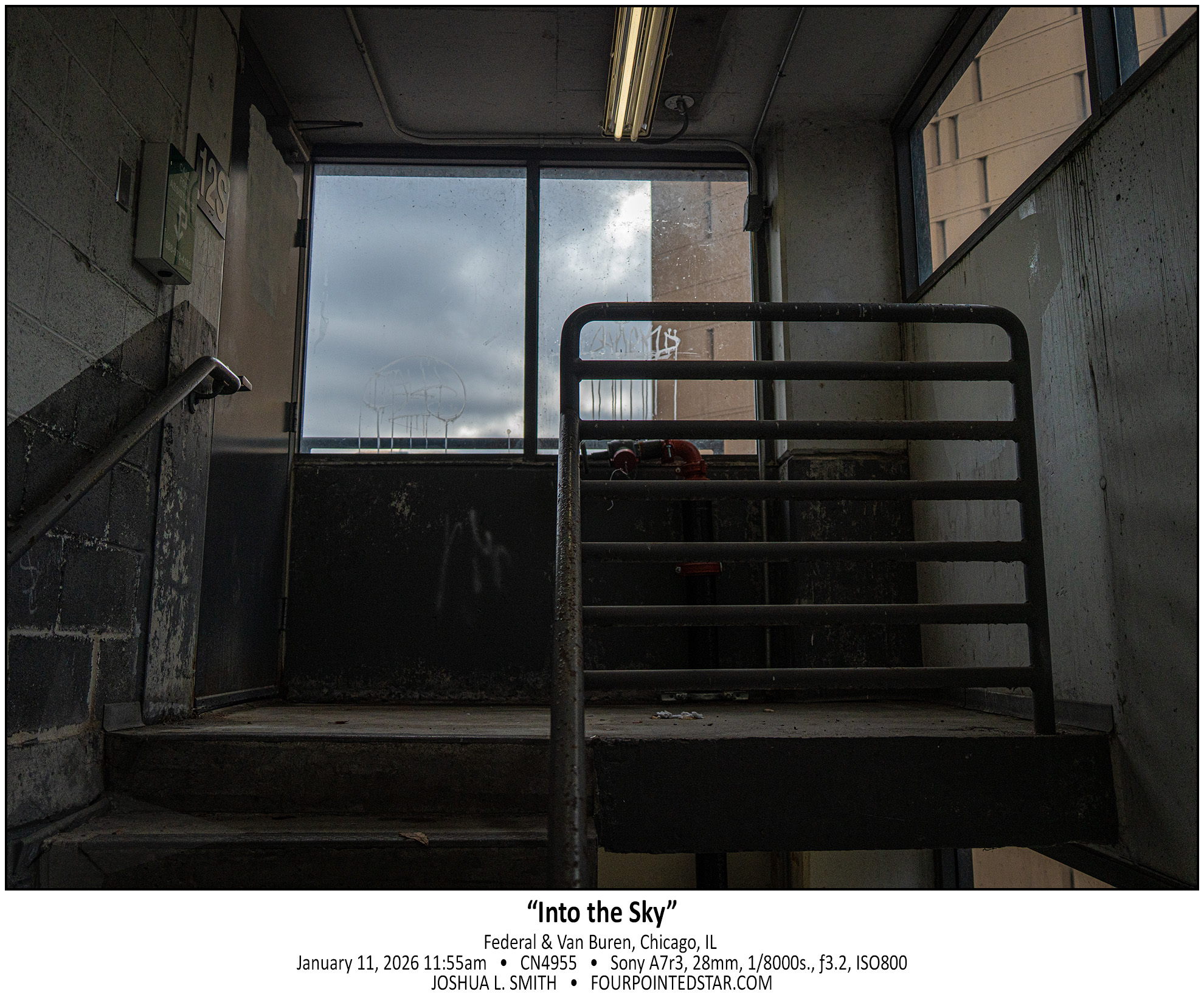
Parking garages offer unique views of Chicago, so anytime that I park in a garage, I walk down the staircase. On my way to visit a client, I saw spotted this puddle’s reflection and in my mind, I wandered off to what I could create with just a boring staircase.
.
.
.
.
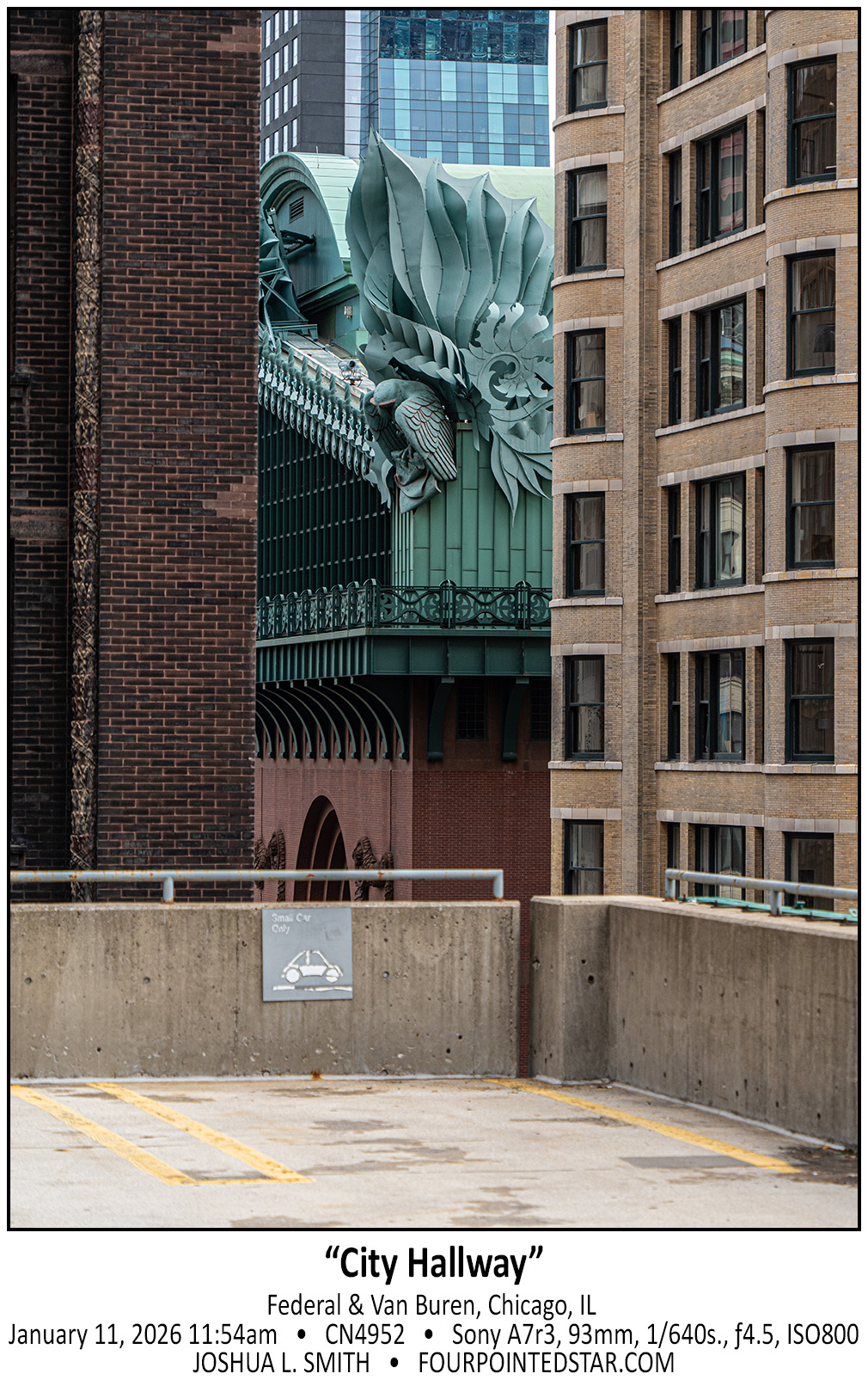
.
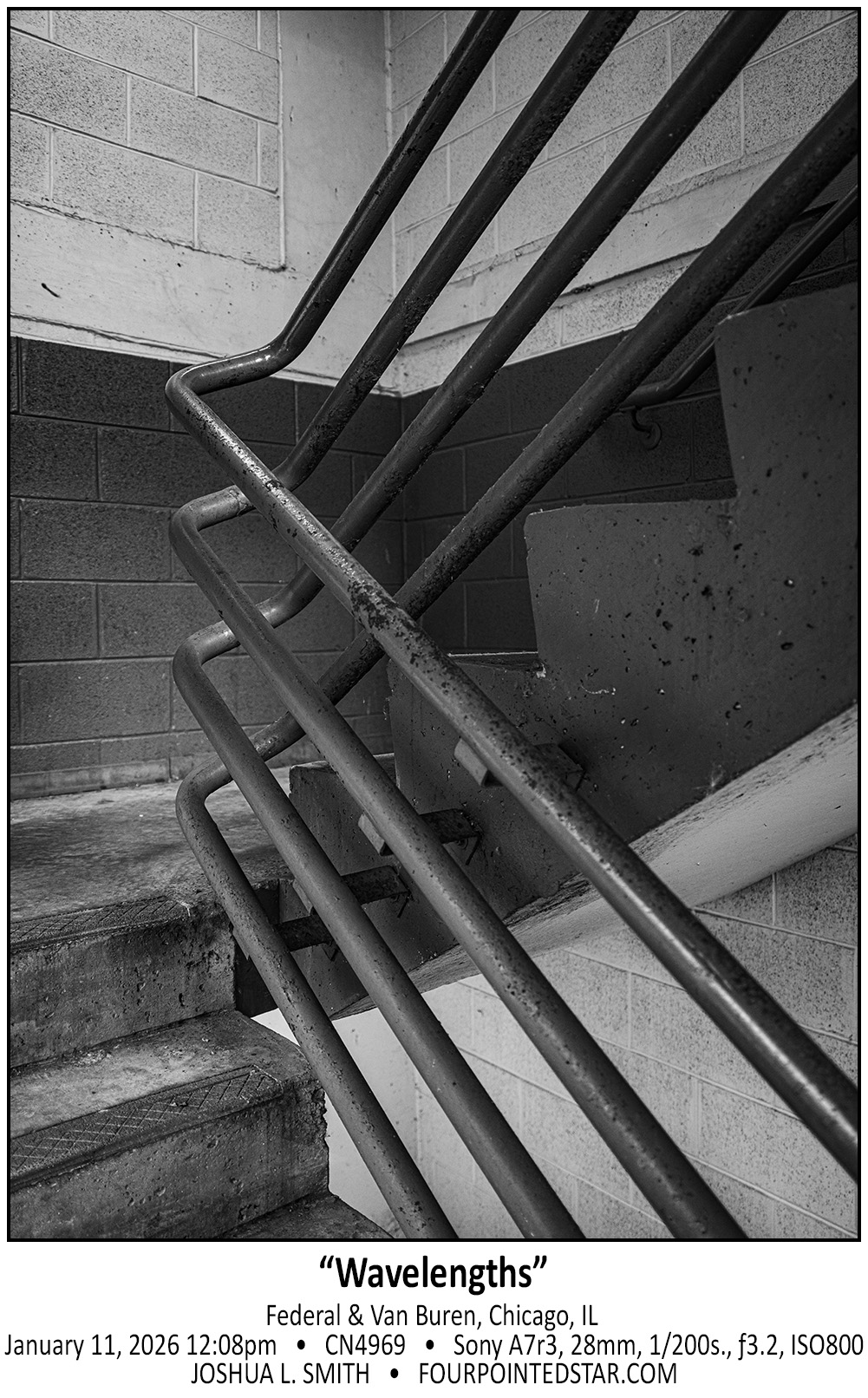
.
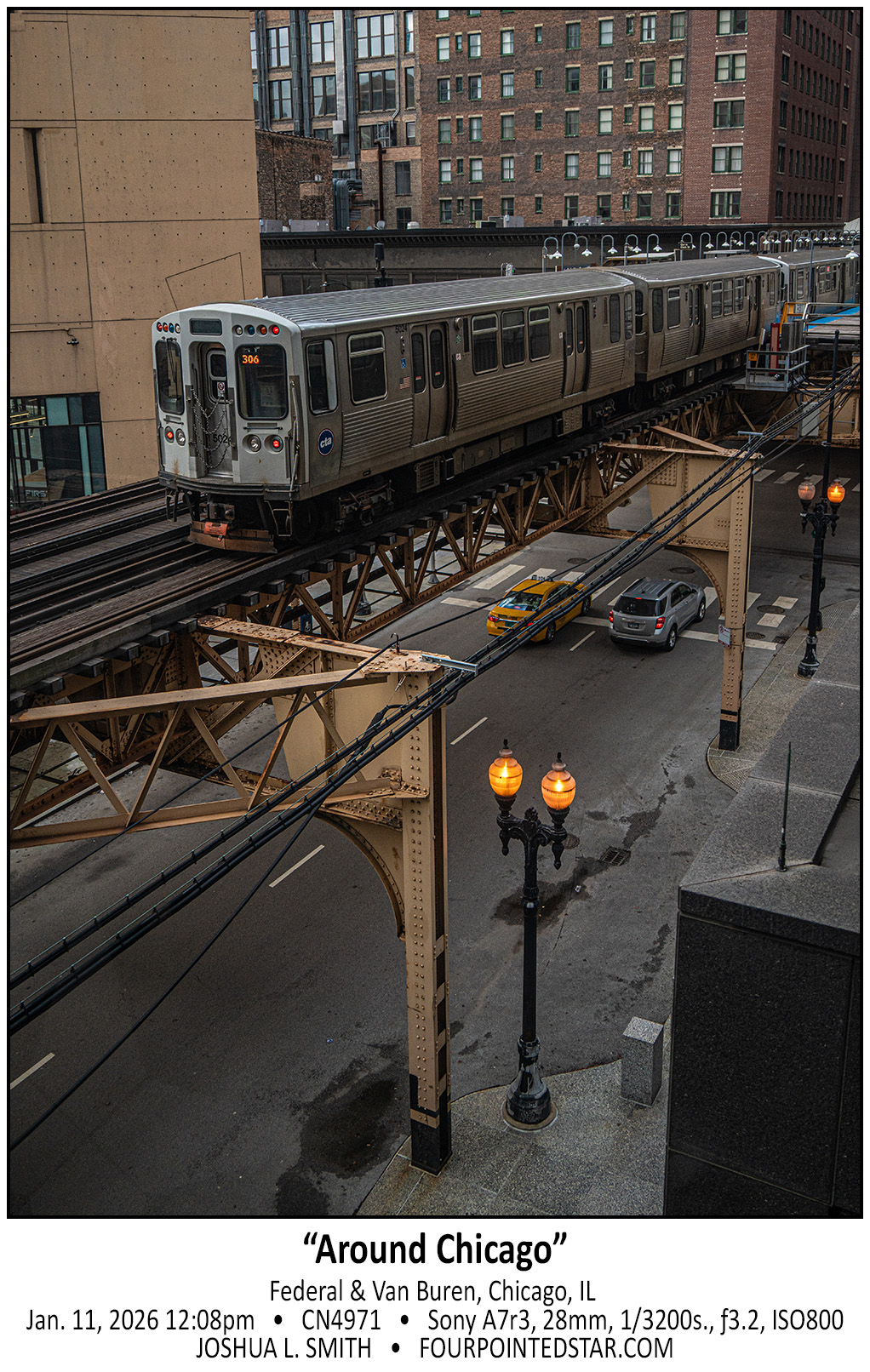
.
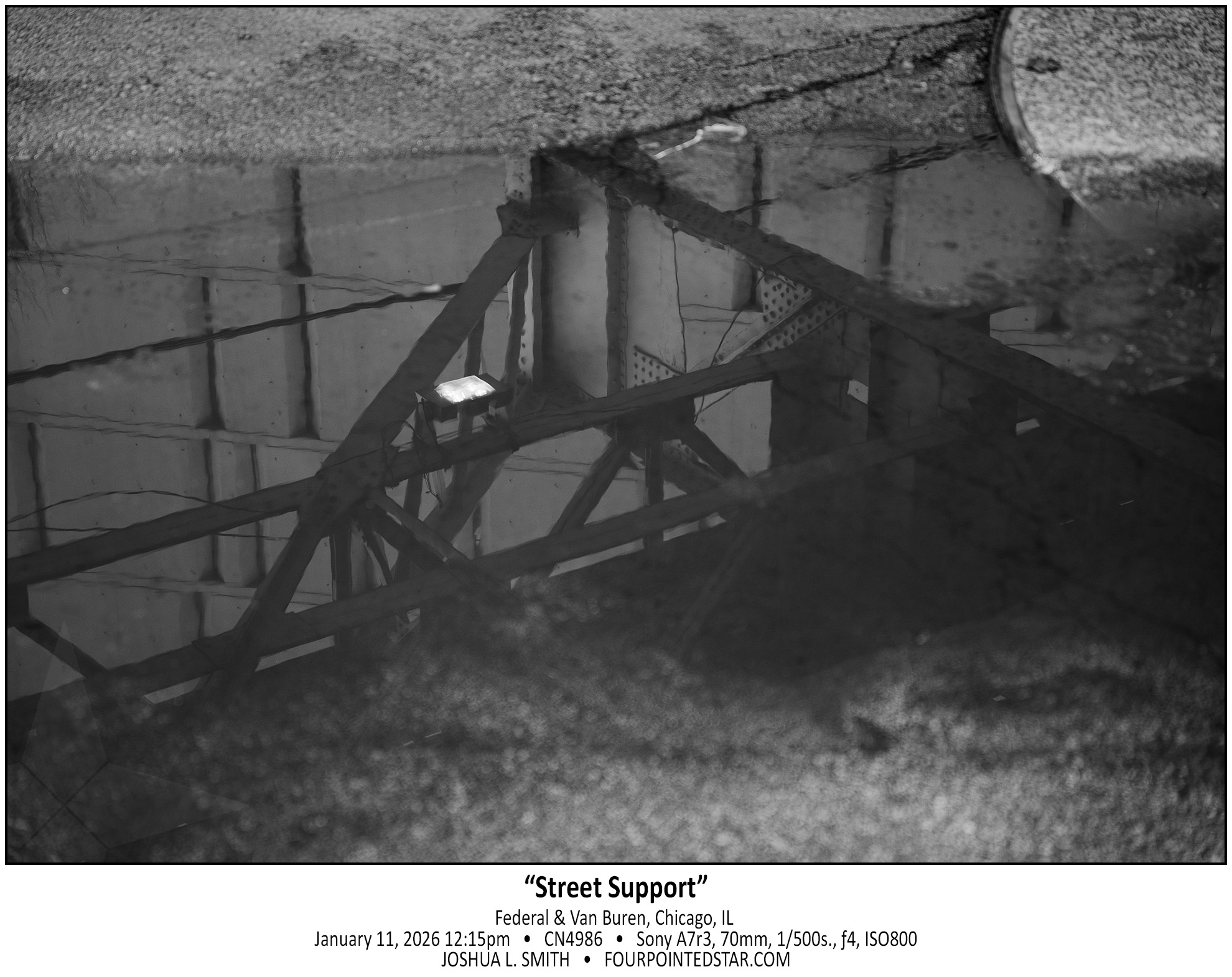
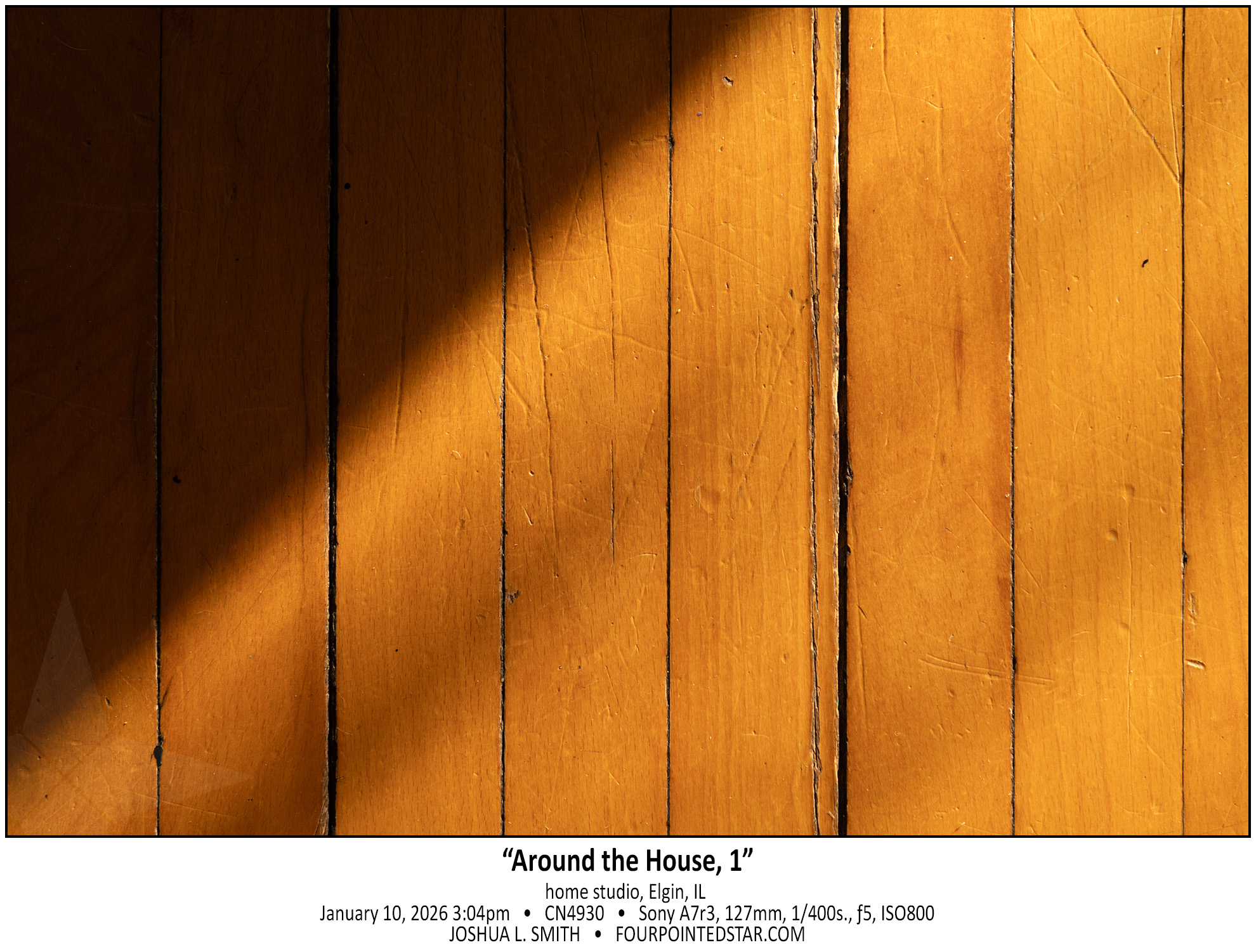
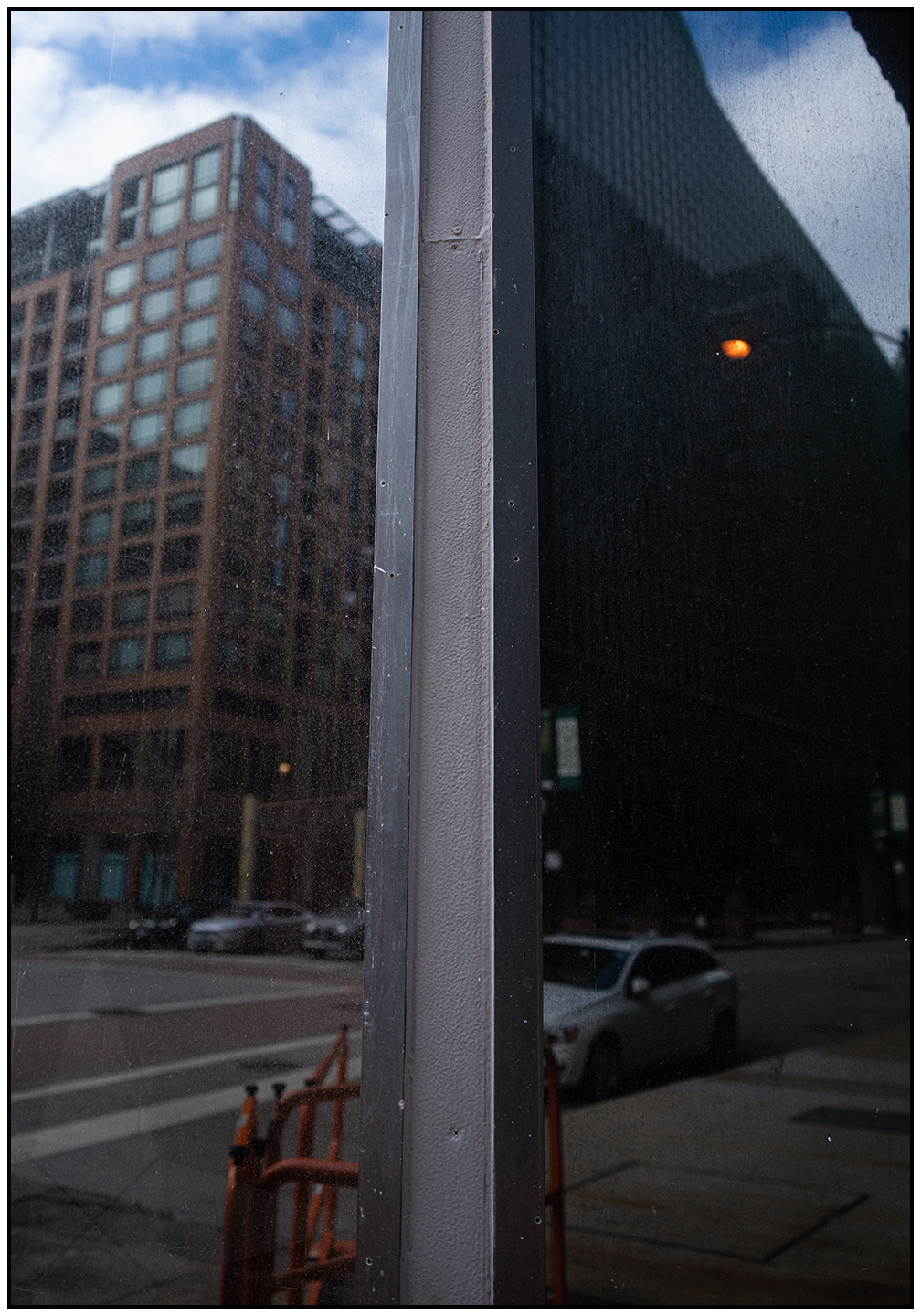
What do you SEE as you walk around your daily life? A photographer friend of mine recently asked about taking photos of another artist’s work; but in reality, aren’t photographers normally taking photos of other artist’s work? Even nature photographers are taking photos of mother nature’s work, right?
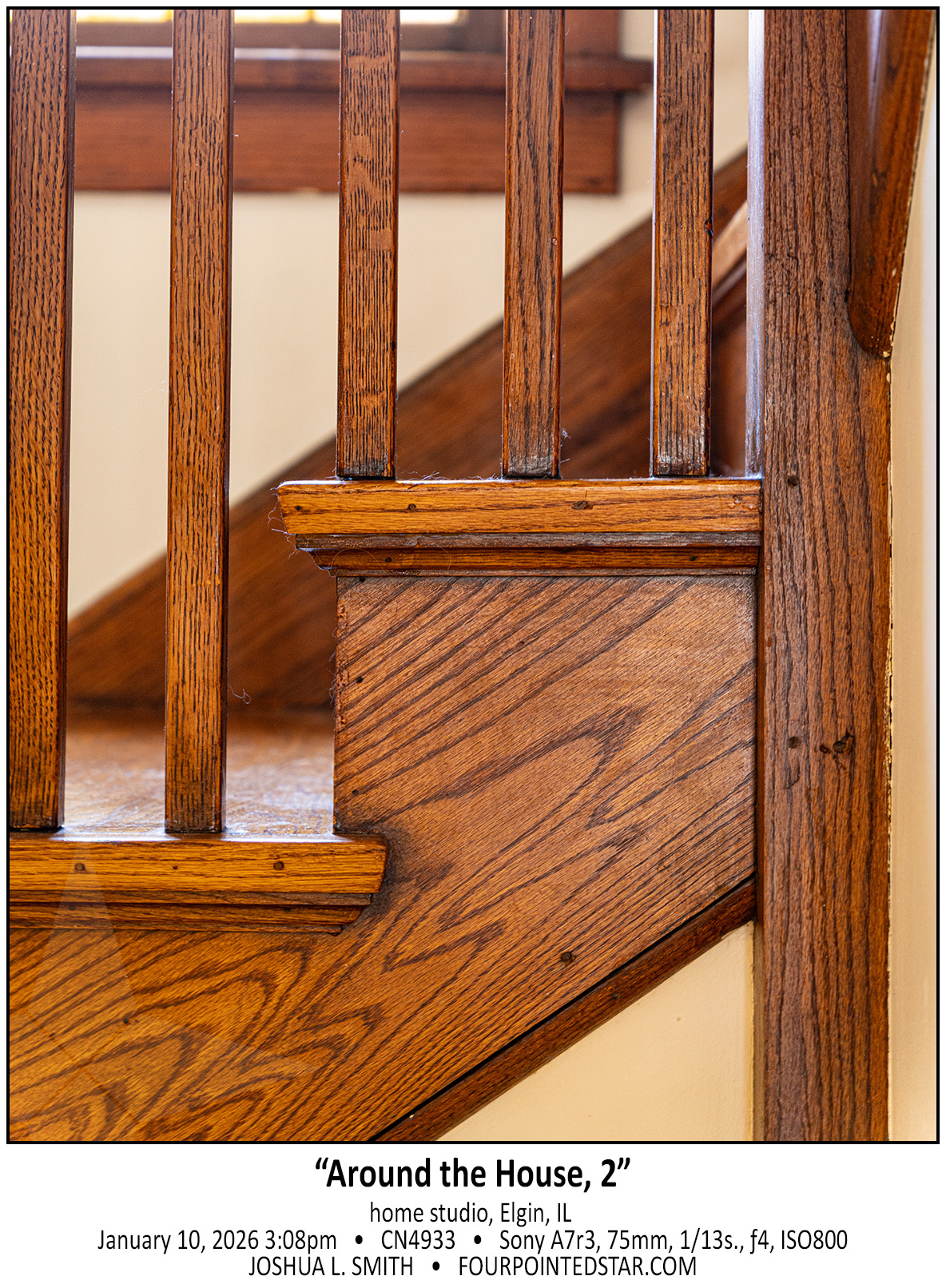
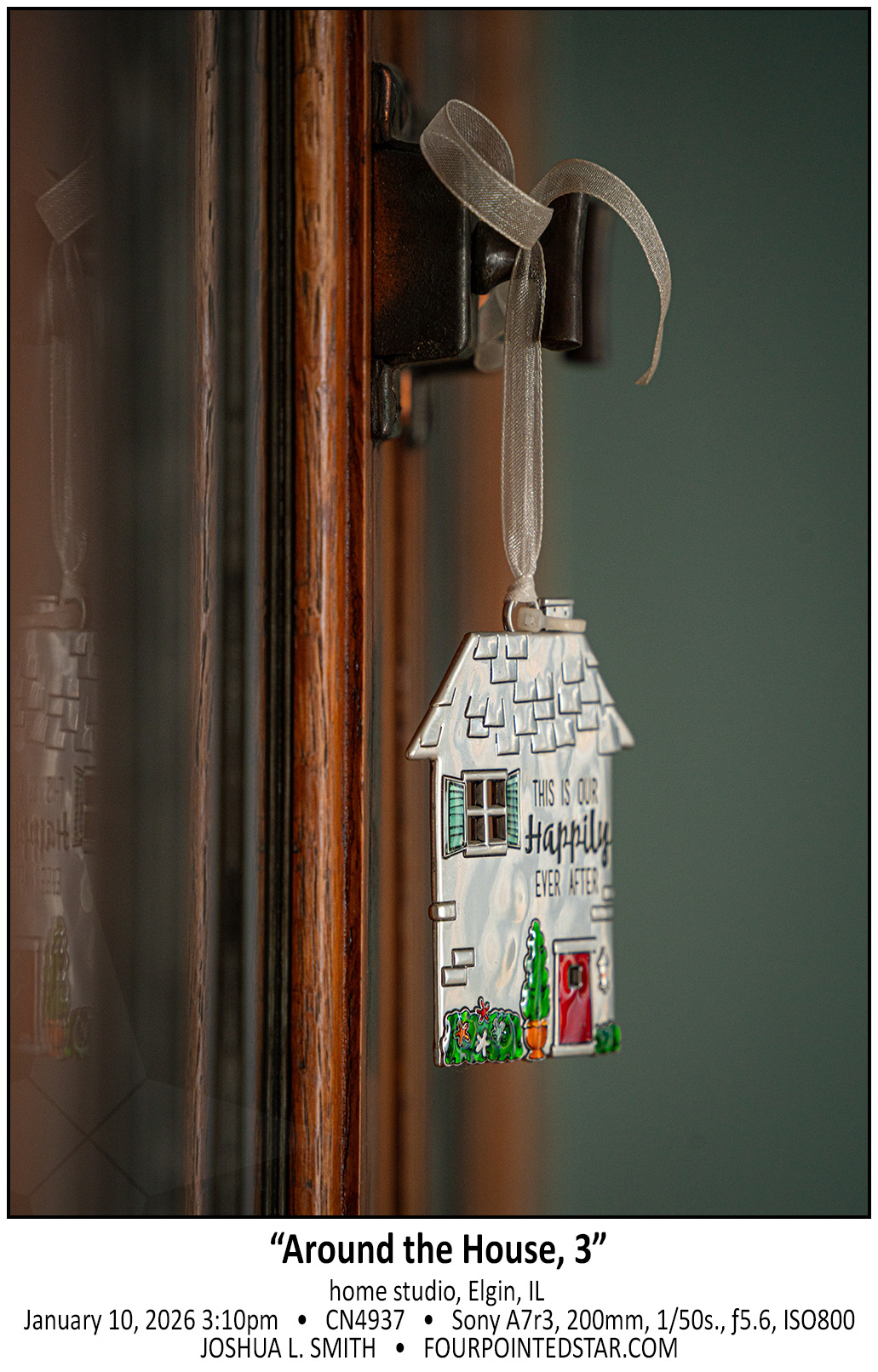
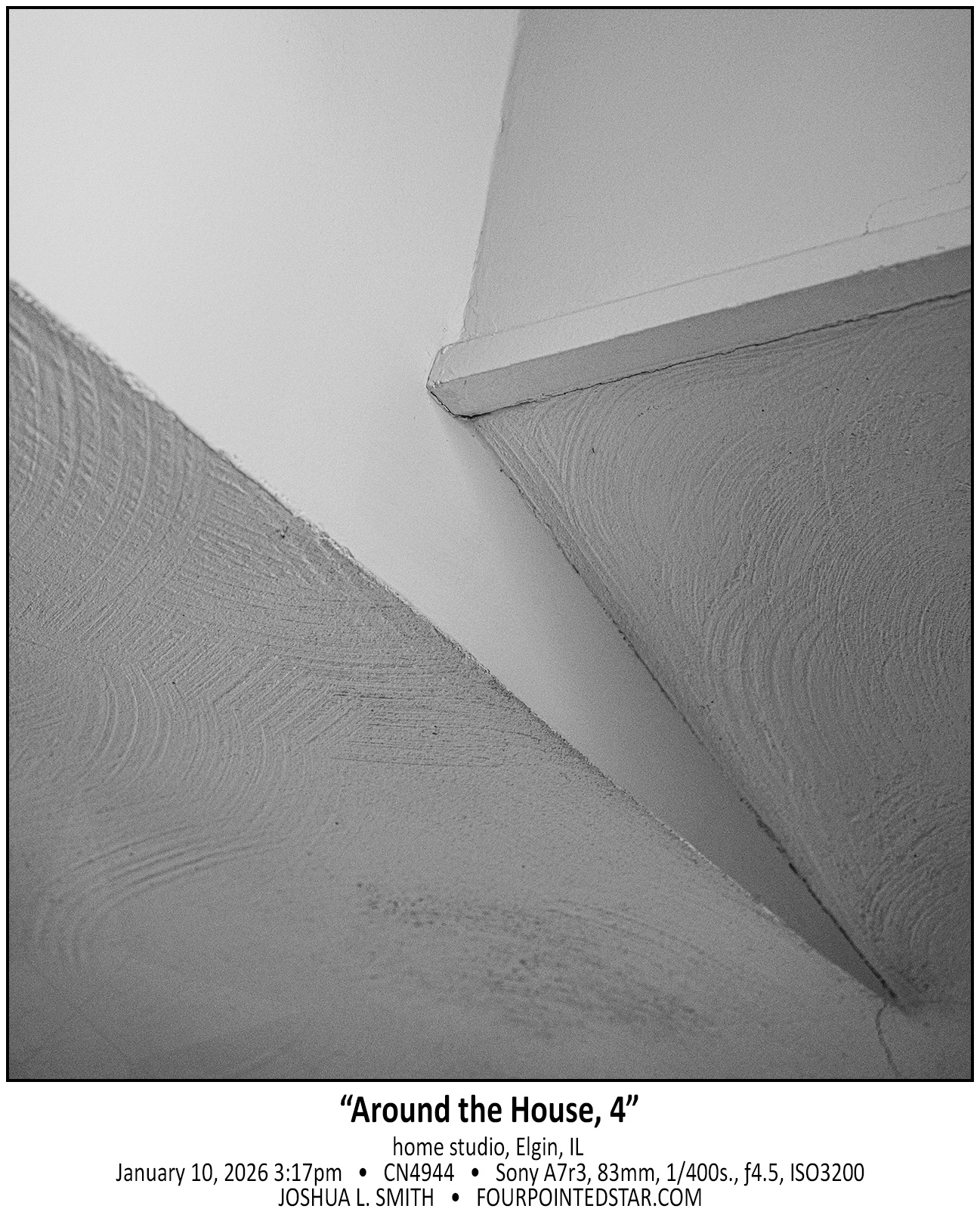
A craftsman who creates an object out of paint, clay, wood, stone, or metal can claim originality, but most of us are taking photos of something we didn’t create; instead we are creating art by adding or interpreting the existing environment or material.
With that in mind, go around your home and create art by adding or interpreting your own personal environment.
.
.
.
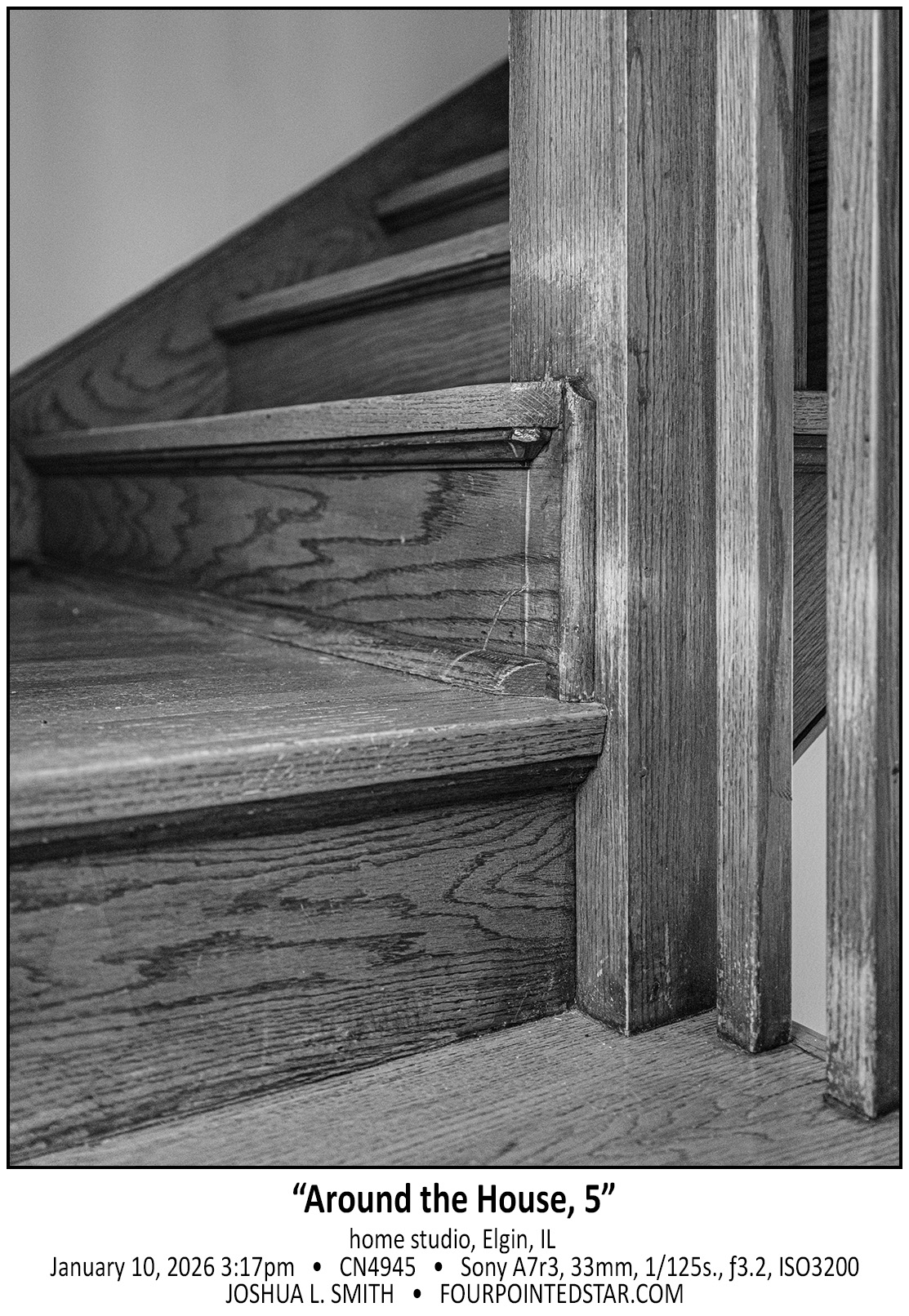
.
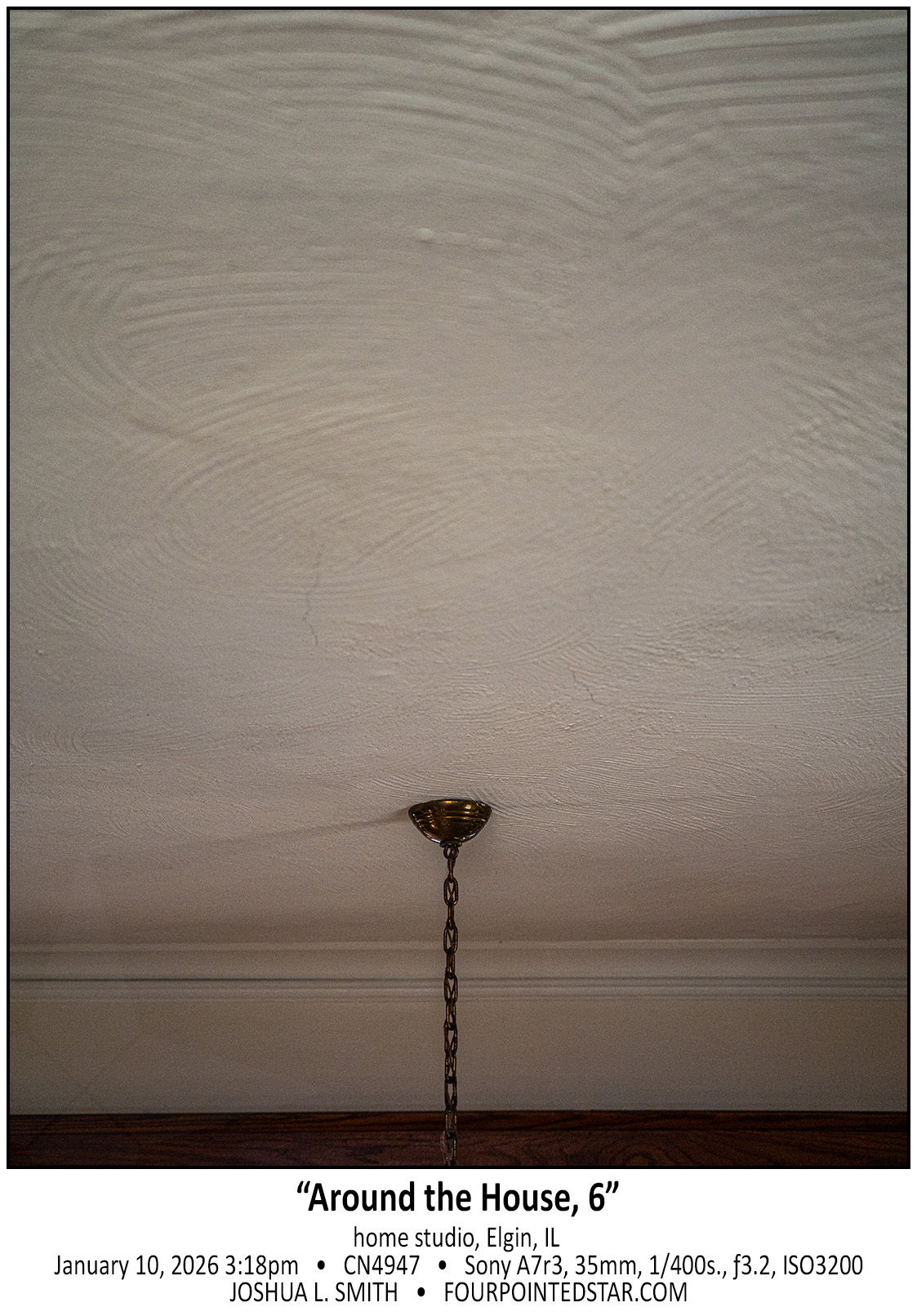
.
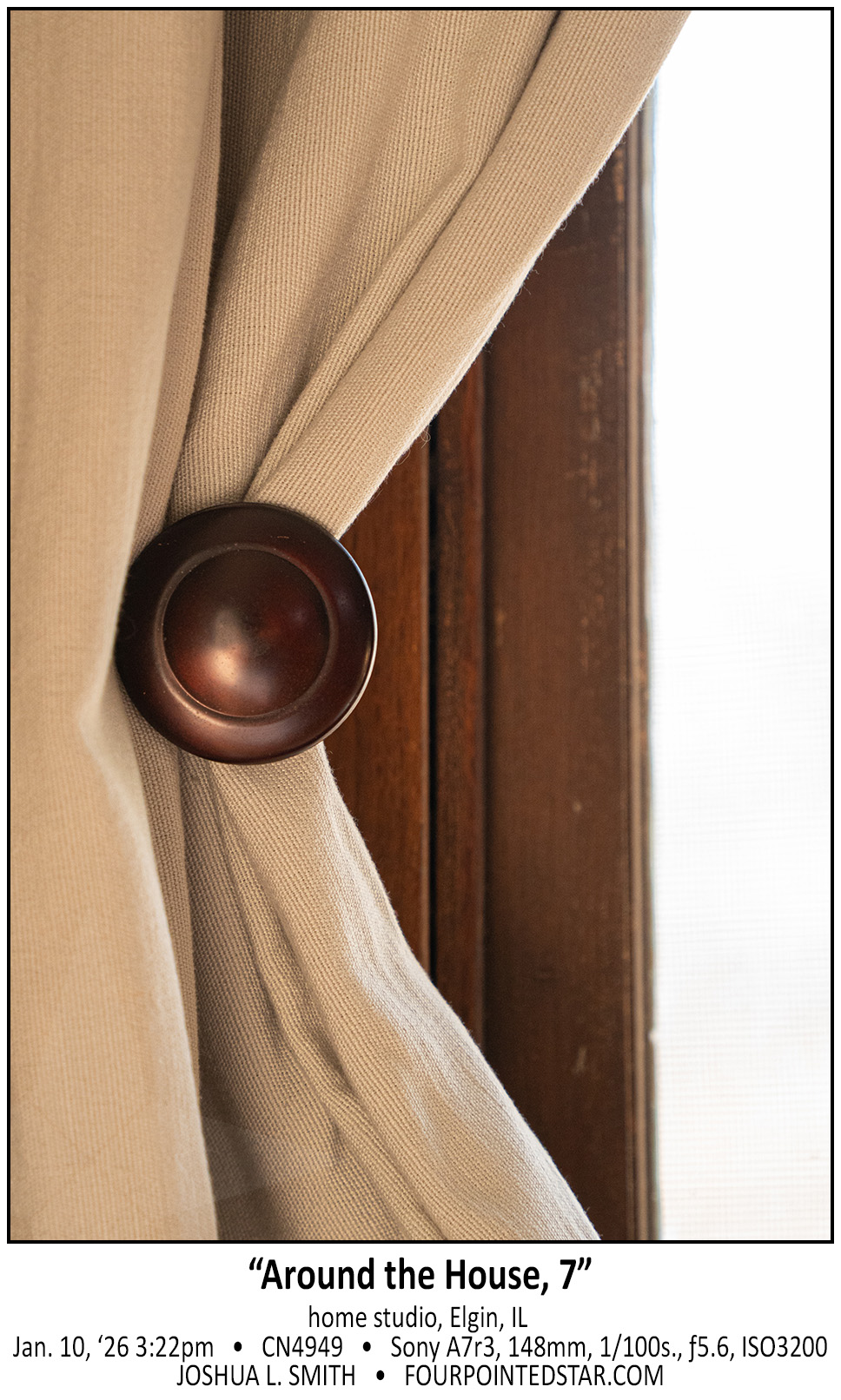
.
>other images<
.






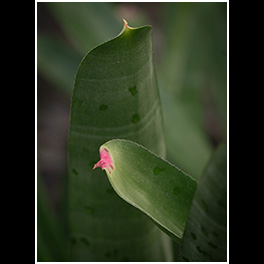
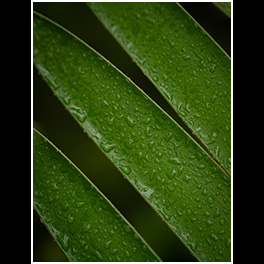
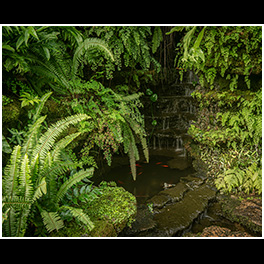
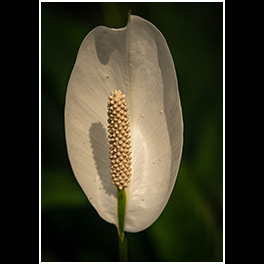
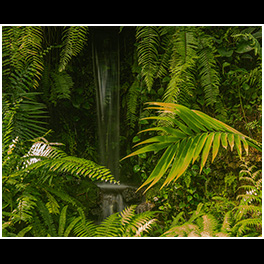
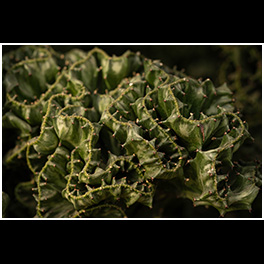
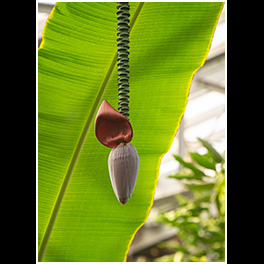
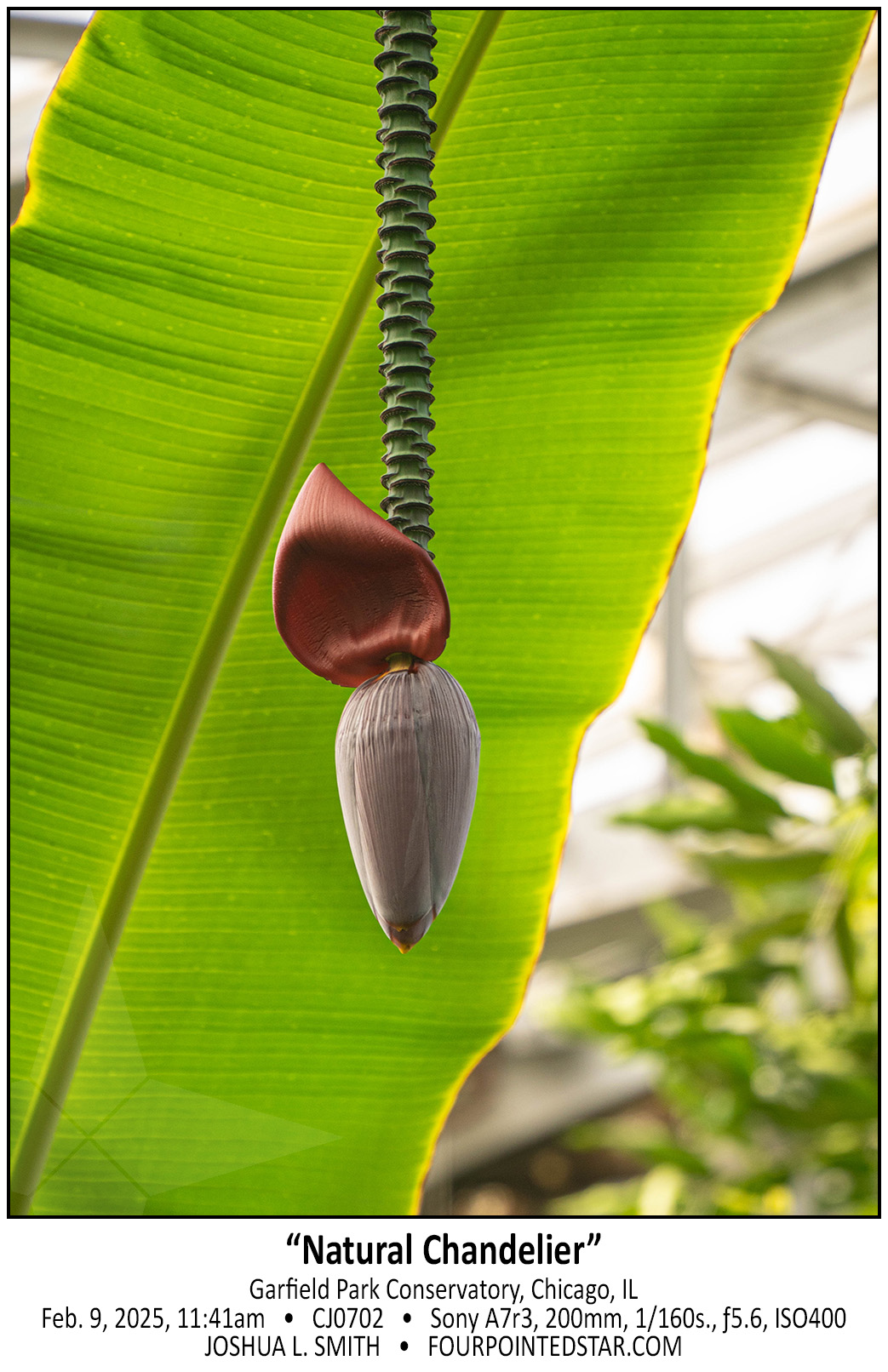



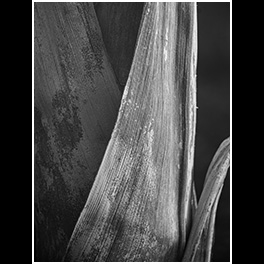
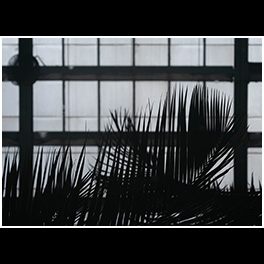
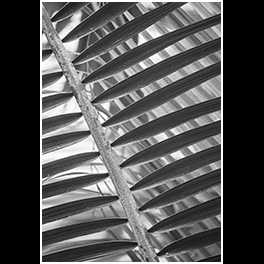
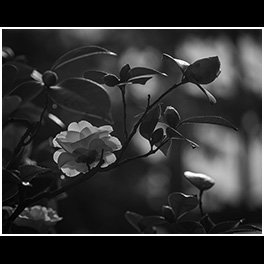
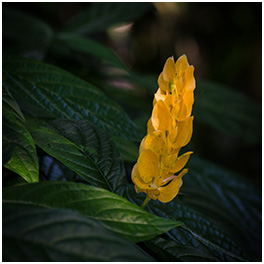
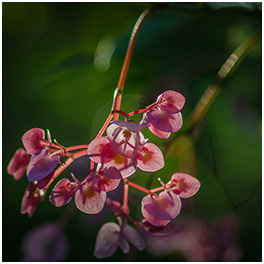
One of my favorite things to do in the winter in Chicago is to visit one of the conservatories to see the plants and blossoms. The splash of color does wonders to invigorate my spirit.
But then I tend to create monochrome images out of my trips because I love the textures.


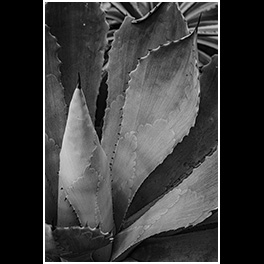
Not every image needs to be award winning; I enjoy looking for abstract compositions, and I’ve photographed this type of plant quite a few times and rarely gotten an image that I liked. But I really like this image – award winning to me.
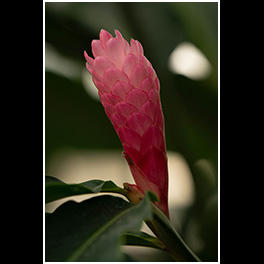
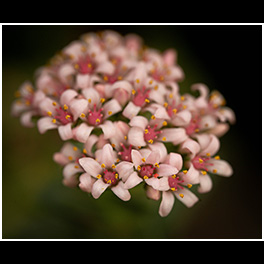
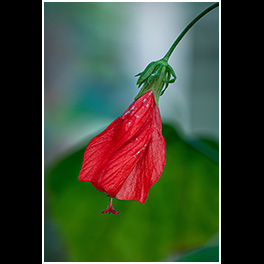
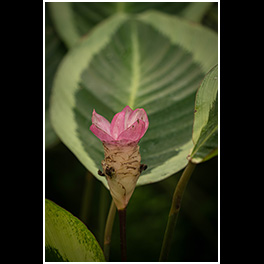
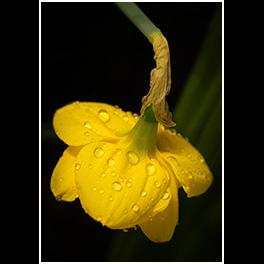


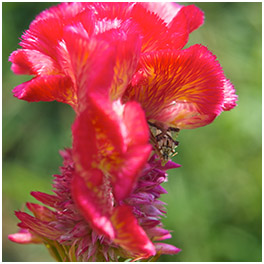
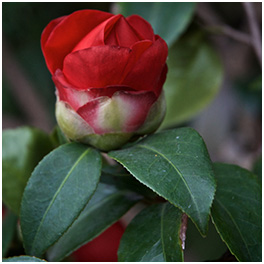
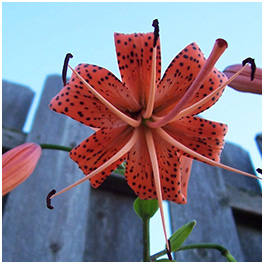
Sometimes a photo is already lined up for you, like this blossom. I did have to stand on my tiptoes to capture the image with the green leaf behind the red blossom, and then take the photo several times in order to get the pistil in focus.

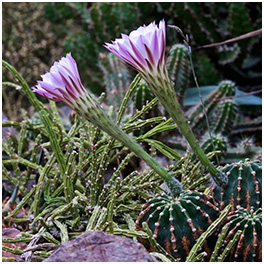
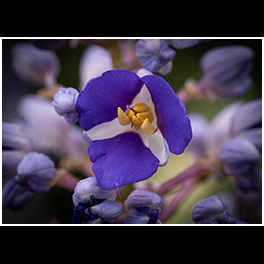
I walked right past this plant while complaining that I hadn’t taken enough photos of blossoms. Sarah kindly pointed out that the purple blossoms were almost radiant; I’d walked right past the plant because most of the blossoms were wilted and past their prime. The yellow stamen are almost creepy.

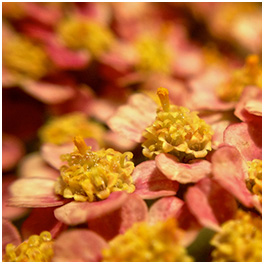
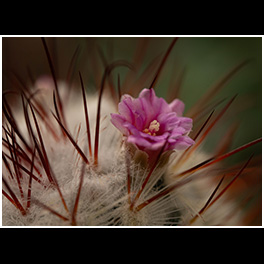
The tiny blossoms on this cactus were the perfect cluster of beauty for my macro lens. The sad thing about macro photos is that I have no clue what the remainder of the plant looks like now.

I love visiting an indoor garden like Chicago’s conservatories in the winter. The garden’s colors and vibrance are refreshing against the backdrop of the grey and browns of our winters.
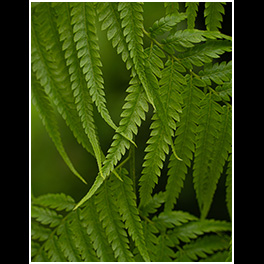

I don’t ever shy away from editing an image from cropping to color correction to contrast; I almost never show an image before editing.
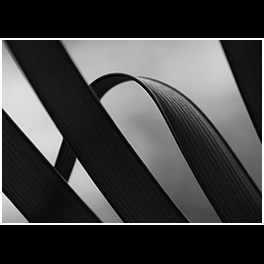
But every once in a while a scene presents itself that needs no editing, like this one. I did crop this, my lens simply didn’t have the reach for the crop that I wanted; and of course, I changed it to black & white. Some won’t like this image, even more will find an aspect to critique; and that’s fine, after all art is subjective.

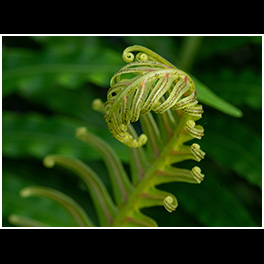
I love converting photos of ferns to monochrome images; they’re almost monochromatic already, simply shades of green. However, in their full color, you can enjoy the yellow and red shades within the greens, as well as the brown details in the fibers and stems. For this curly image, I really enjoyed the peach-fuzz underneath the plant that you wouldn’t normally see.

One of the beauties of nature is the joy of looking closer. Not only does this fern remind me of nature’s zipper, the closer that you look at the plant, the more you can see and learn; the strands on the branch, the spots and texture on the fronds as well as the serration on the edges of the branches.

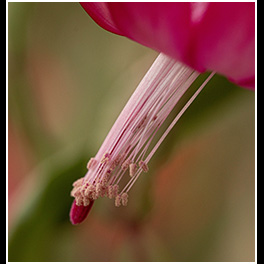
Growing up, my Mom always had Christmas cactus, and if I remember the original plant may have come from her brother had quite the green thumb. I definitely remember playing football in the house with my brother and knocking the plant over and the blossoms falling off and KNOWING that we were in so much trouble.
But when I told my parents that Sarah and I were moving in together, my Mom gave Sarah a cutting of the Christmas cactus as a “home warming gift”.

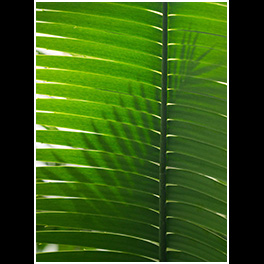
There is not much to say about this image; I love its simple composition.

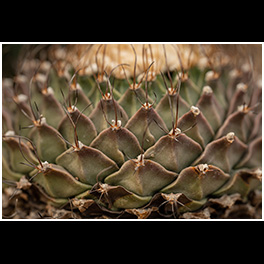
I guess I’ve never really paid attention to the spines on various cactus plants, but I have definitely never noticed a cactus’s spines that are quite as curvy as this cactus’s are! I love the almost “barrier” like feel to the repeating leaves, if that’s what you would call them, and the repeating pattern makes me wonder if there’s a mathematical system behind their arrangement.

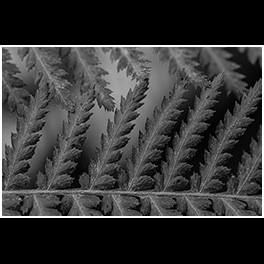
Photographing ferns is a bit challenging; almost like a monochrome image. There isn’t a flower for color or the contrast of bark and leaves; but while a fern may lack in color and contrast, it excels at texture and shape. I love the weave and repetition of these leaves!
…view older images with the thumbnails below…
…view older images with the thumbnails below…

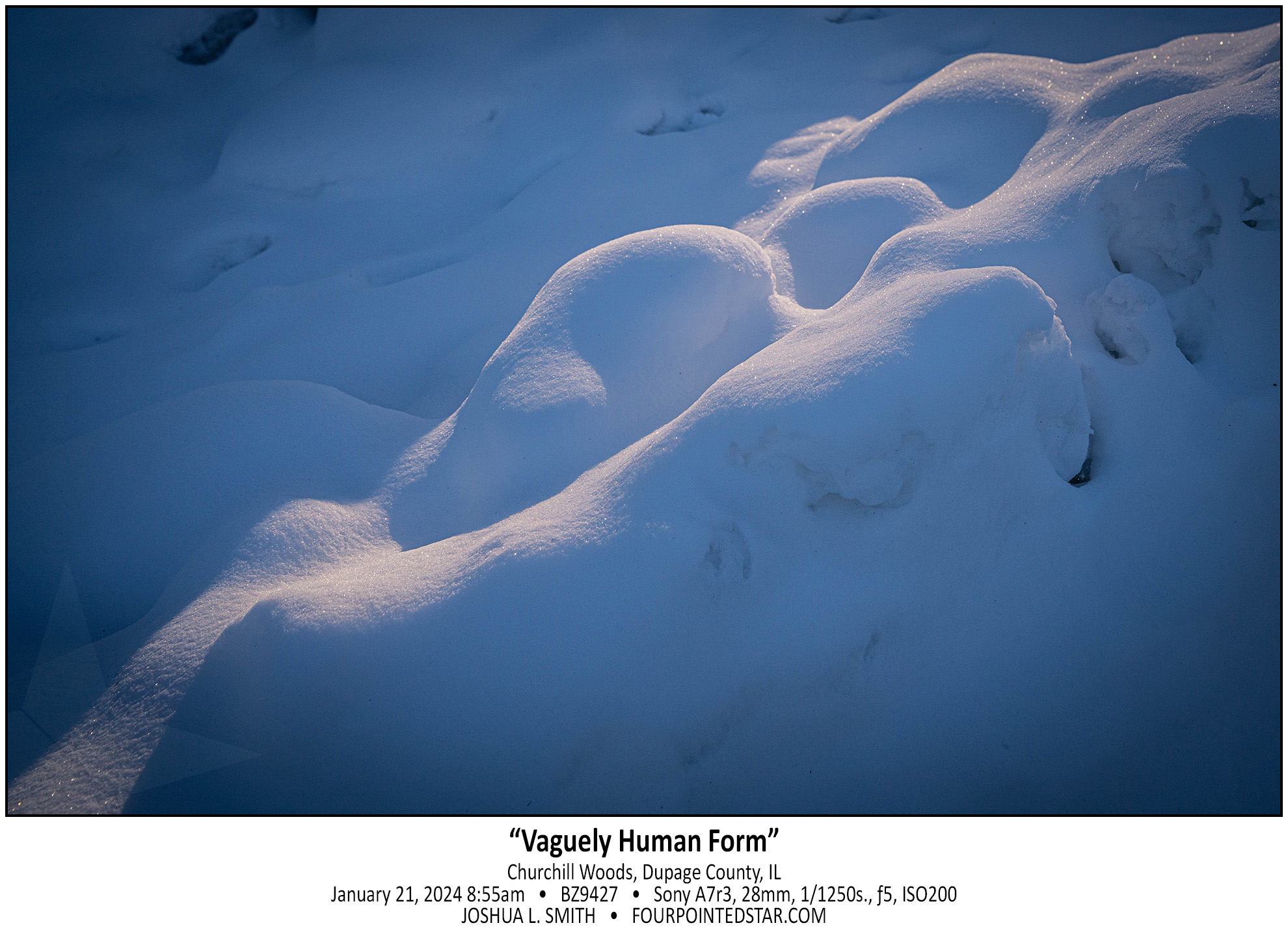
…view older images with the thumbnails below…
…view older images with the thumbnails below…

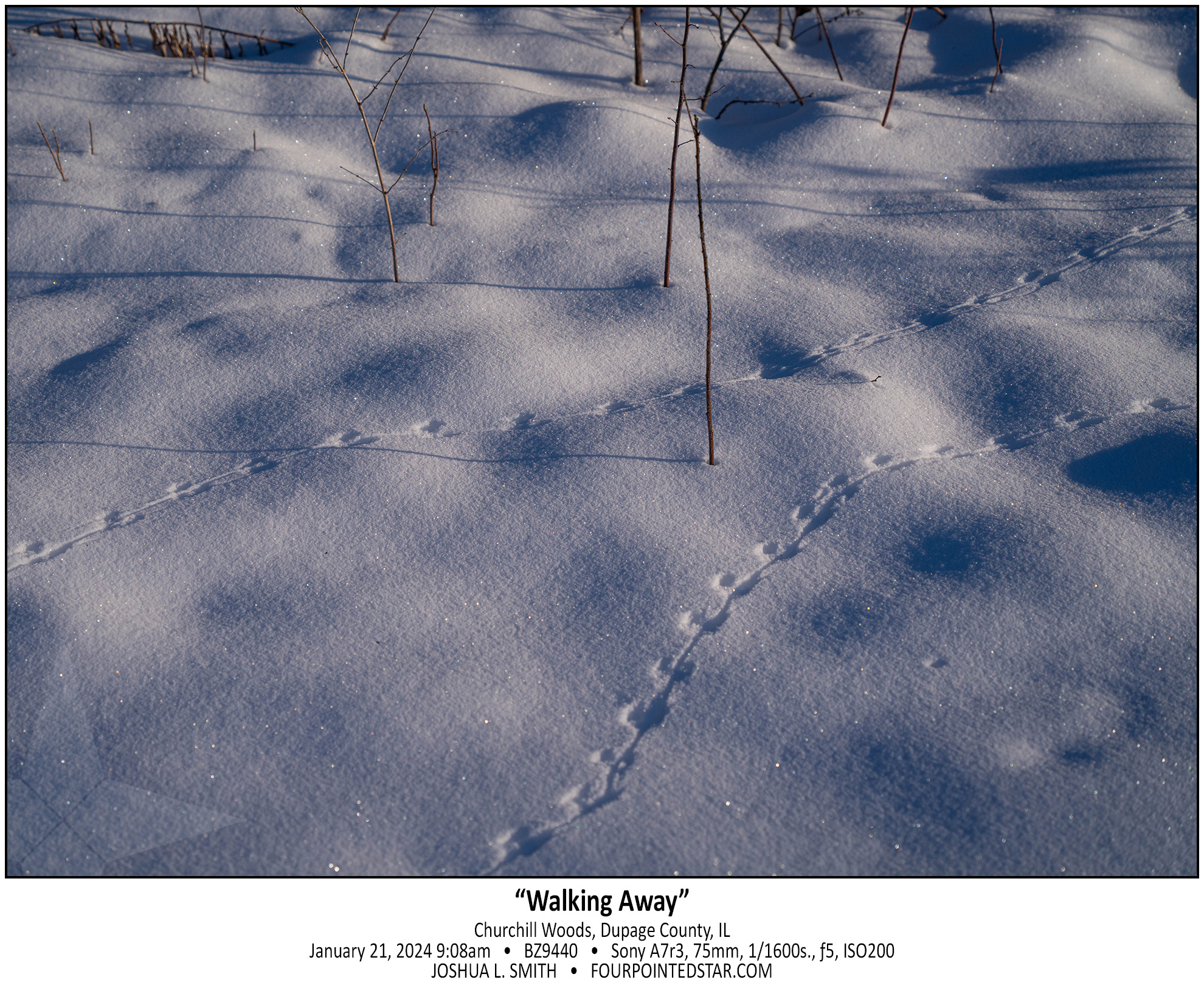
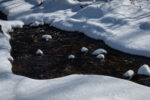
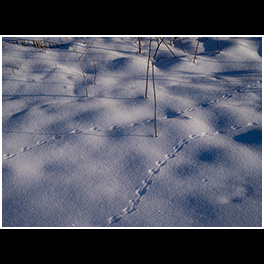
I can’t imagine being a bird and needing to put my tiny feet in the cold cold snow.
…view older images with the thumbnails below…
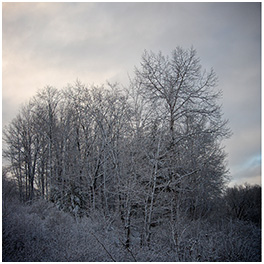
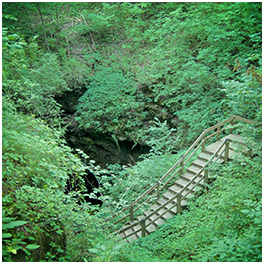

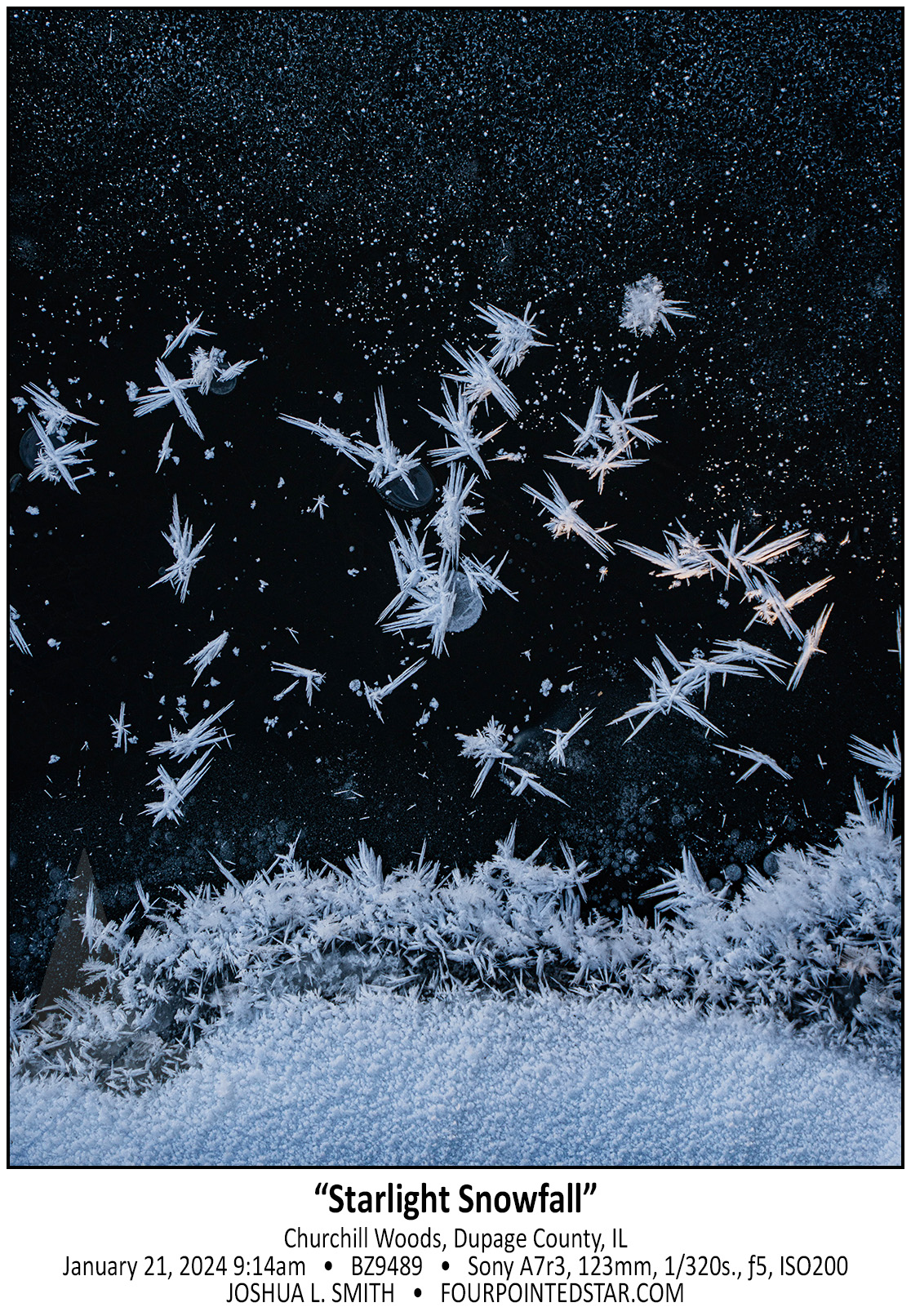
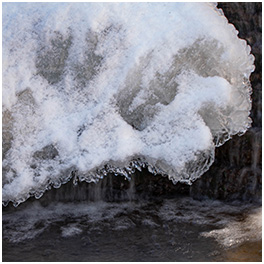
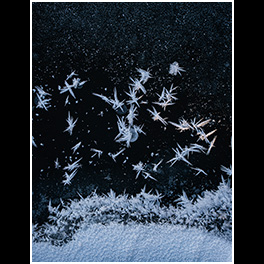
Nature always has such a delightful way of displaying her beauty. As the steam slowly lifted off of the river water and wafted over the shoreline ice, it would condense into these wonderful abstract stars. What a subtle display of beauty on a brutally cold morning.
…view older images with the thumbnails below…
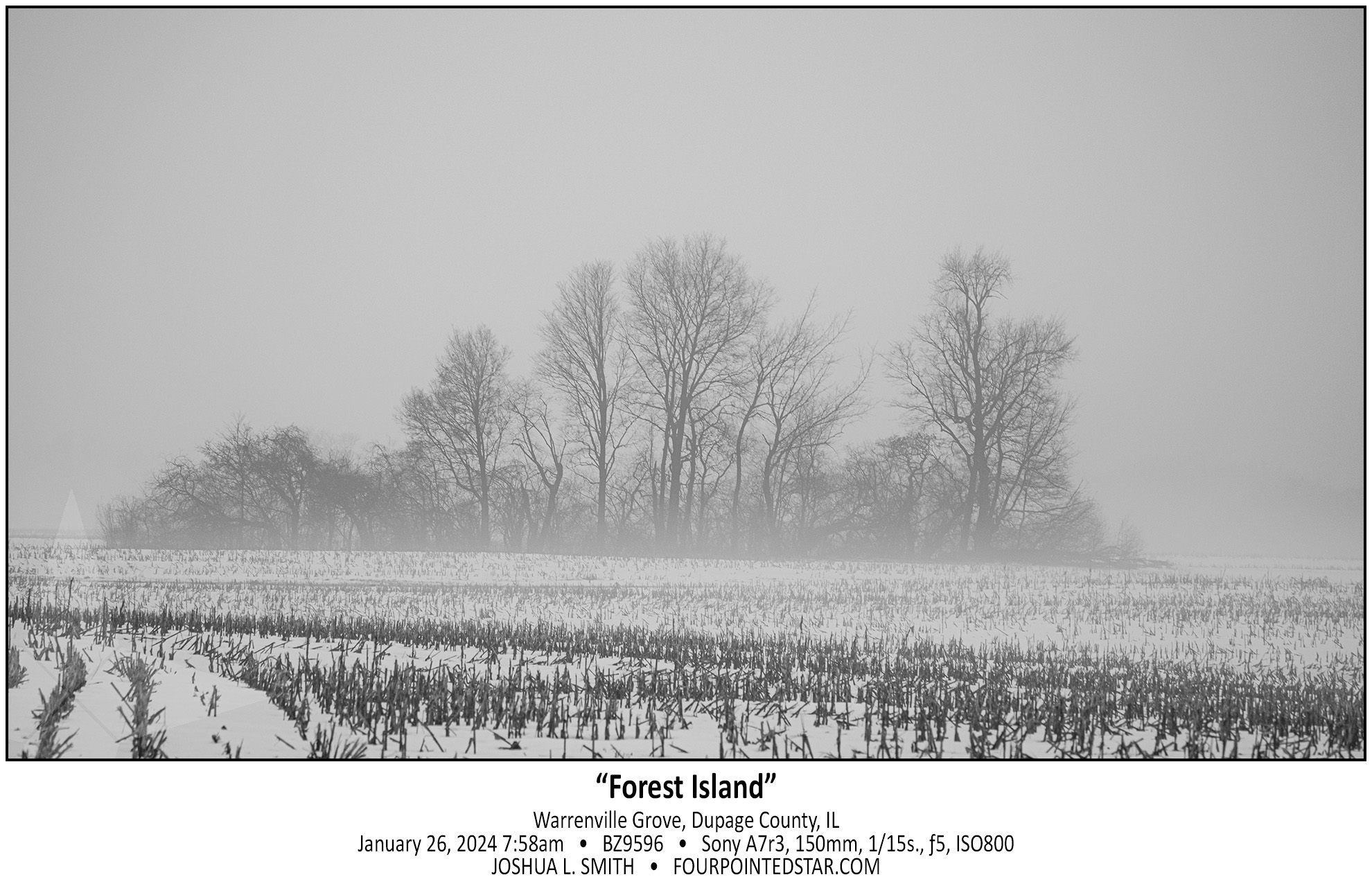
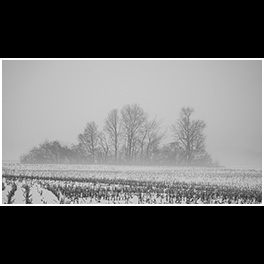
I drive past these wide open fields every morning, and in the winter they are typically very boring. But on Friday morning, the fog was perfect; just dense enough to conceal the horizon, and just thin enough to show the small patches of forest in the middle of the flat fields.
…view older images with the thumbnails below…
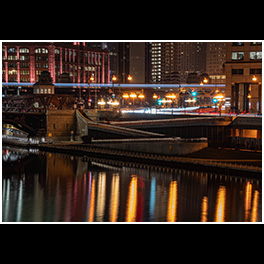

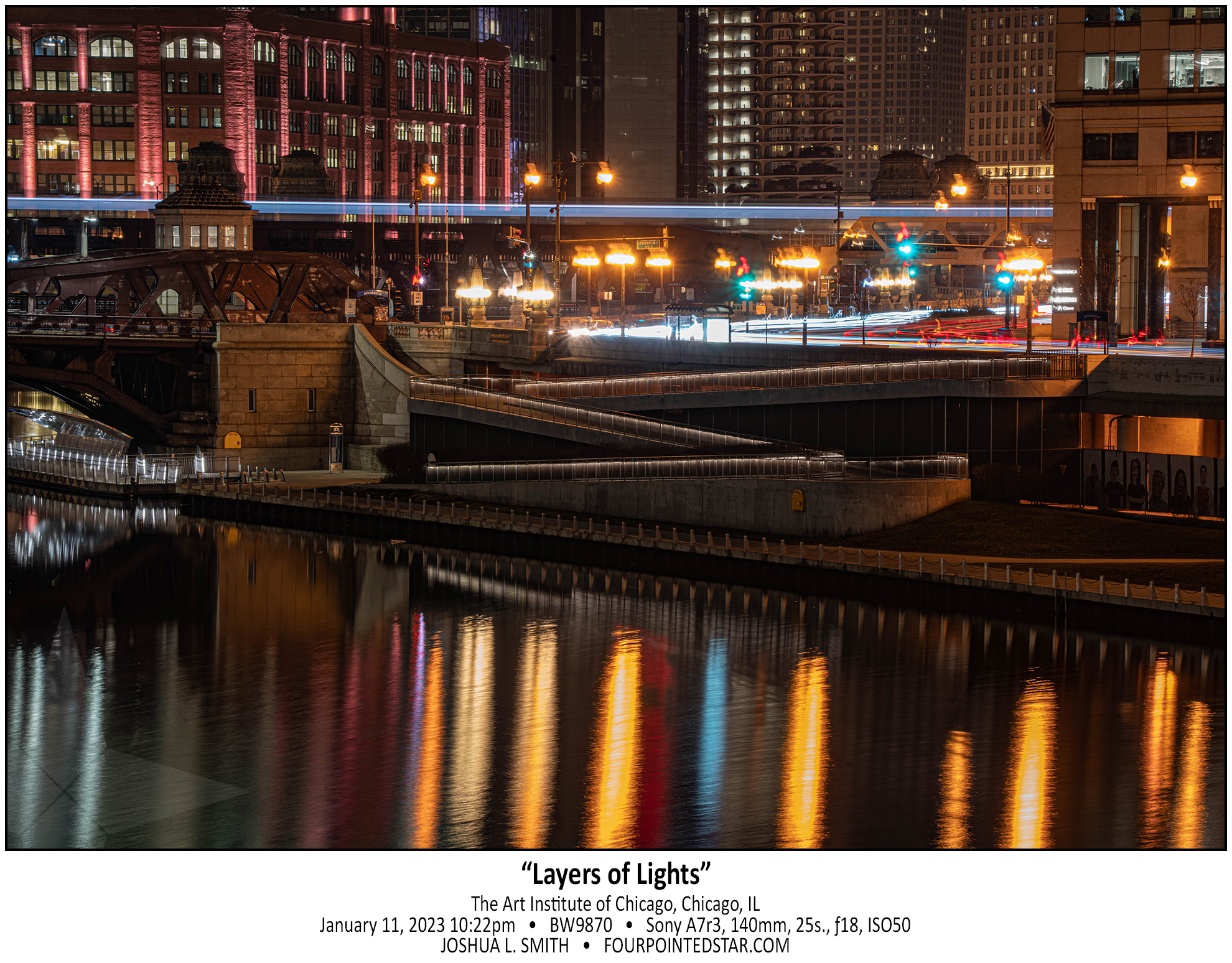
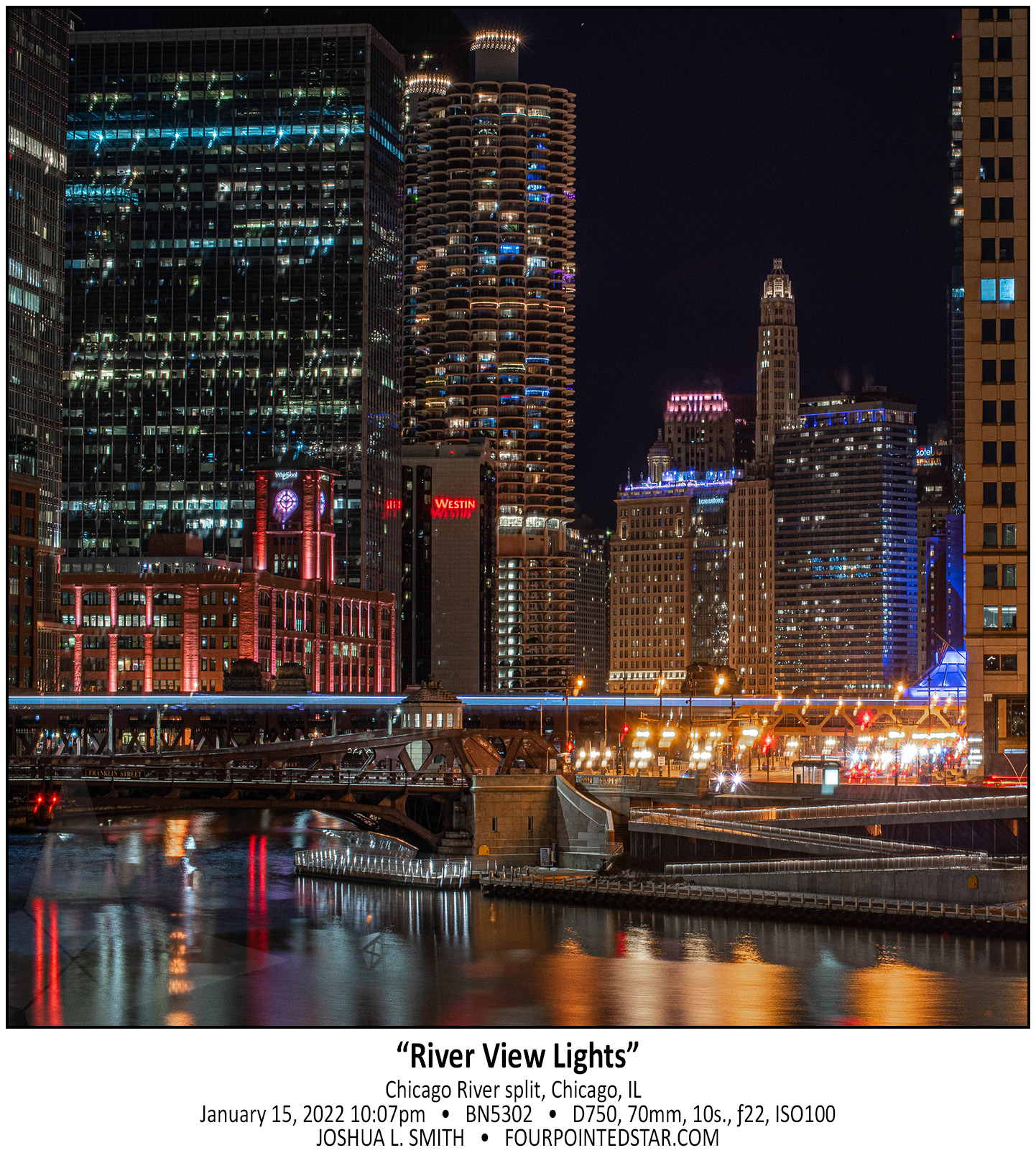
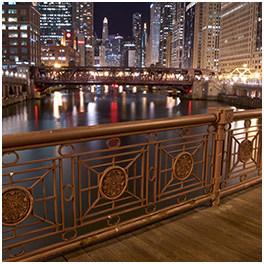
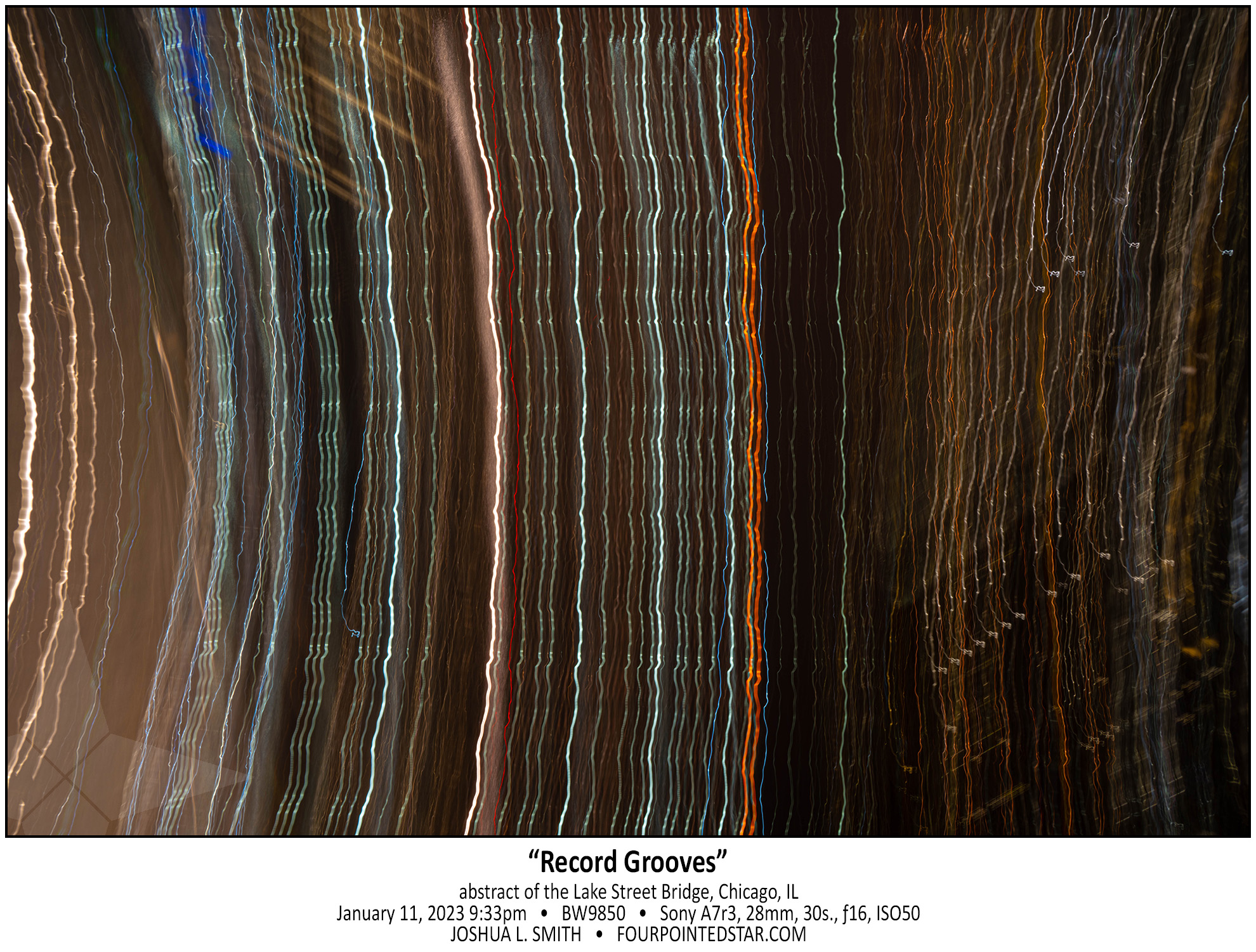
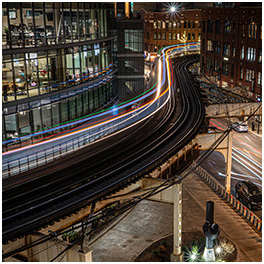
I’ve captured many images from this location over the past 15 years, but it’s only been the past 2 or 3 years that I tried to capture light trails of the Wells Street bridge’s CTA tracks. I love the light trails in this photo, now I just need to capture a bicyclist with lights on their bike riding down the river walk ramp.
…view older images with the thumbnails below…
…view older images with the thumbnails below…

…view older images with the thumbnails below…
…view older images with the thumbnails below…
…view older images with the thumbnails below…

…view older images with the thumbnails below…


…view older images with the thumbnails below…


…view older images with the thumbnails below…
…view older images with the thumbnails below…
…view older images with the thumbnails below…