Tagged: 2026

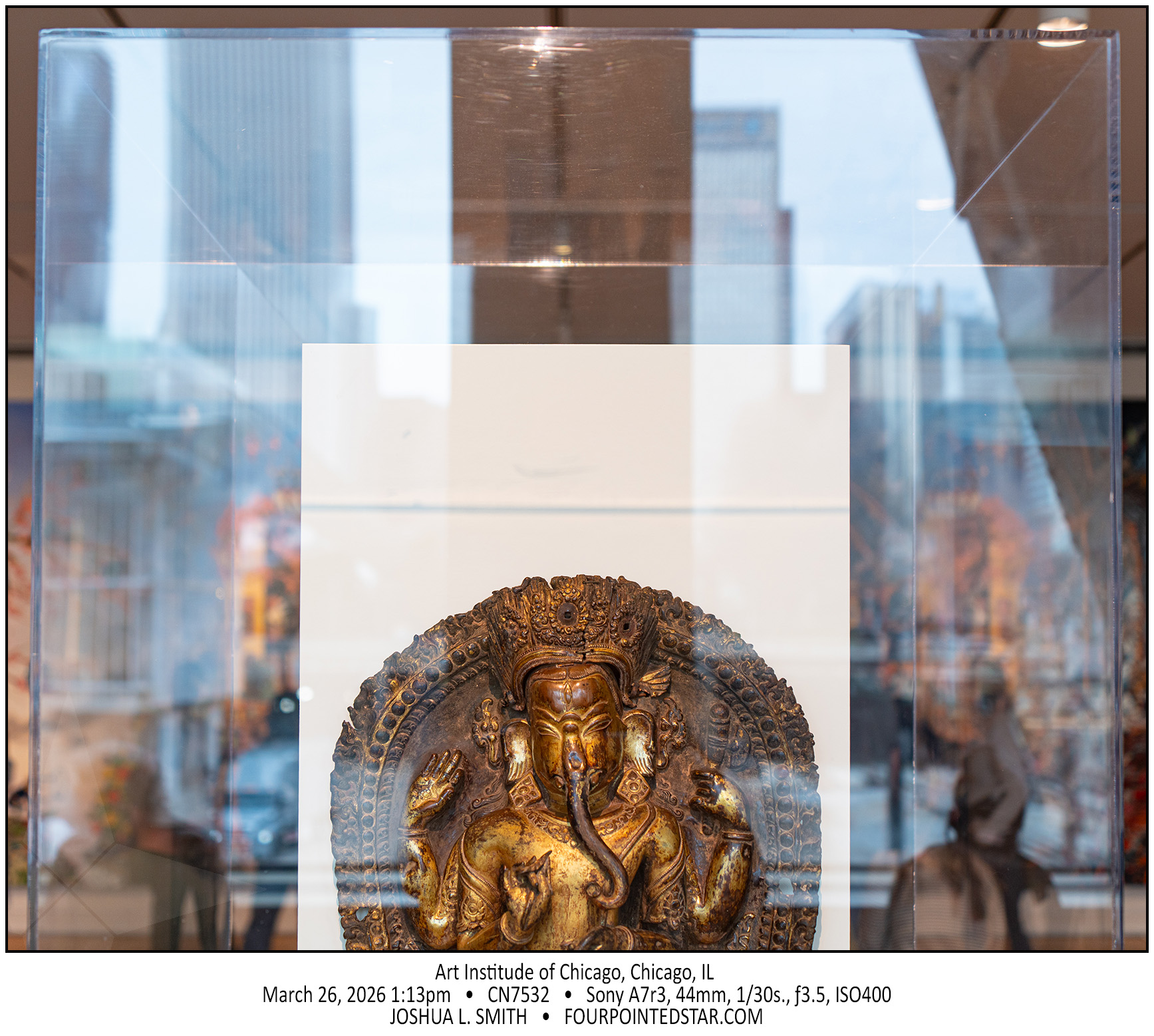
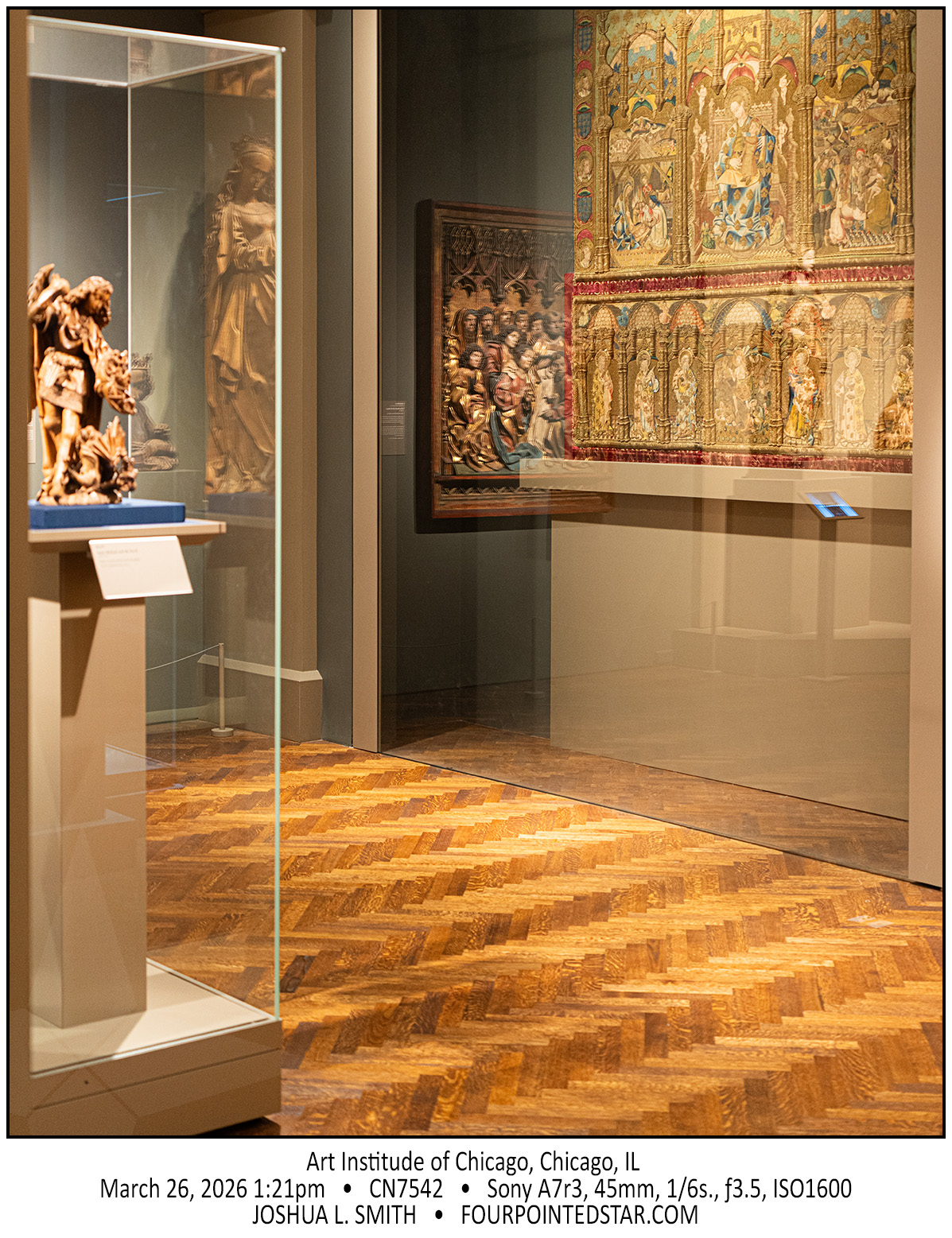
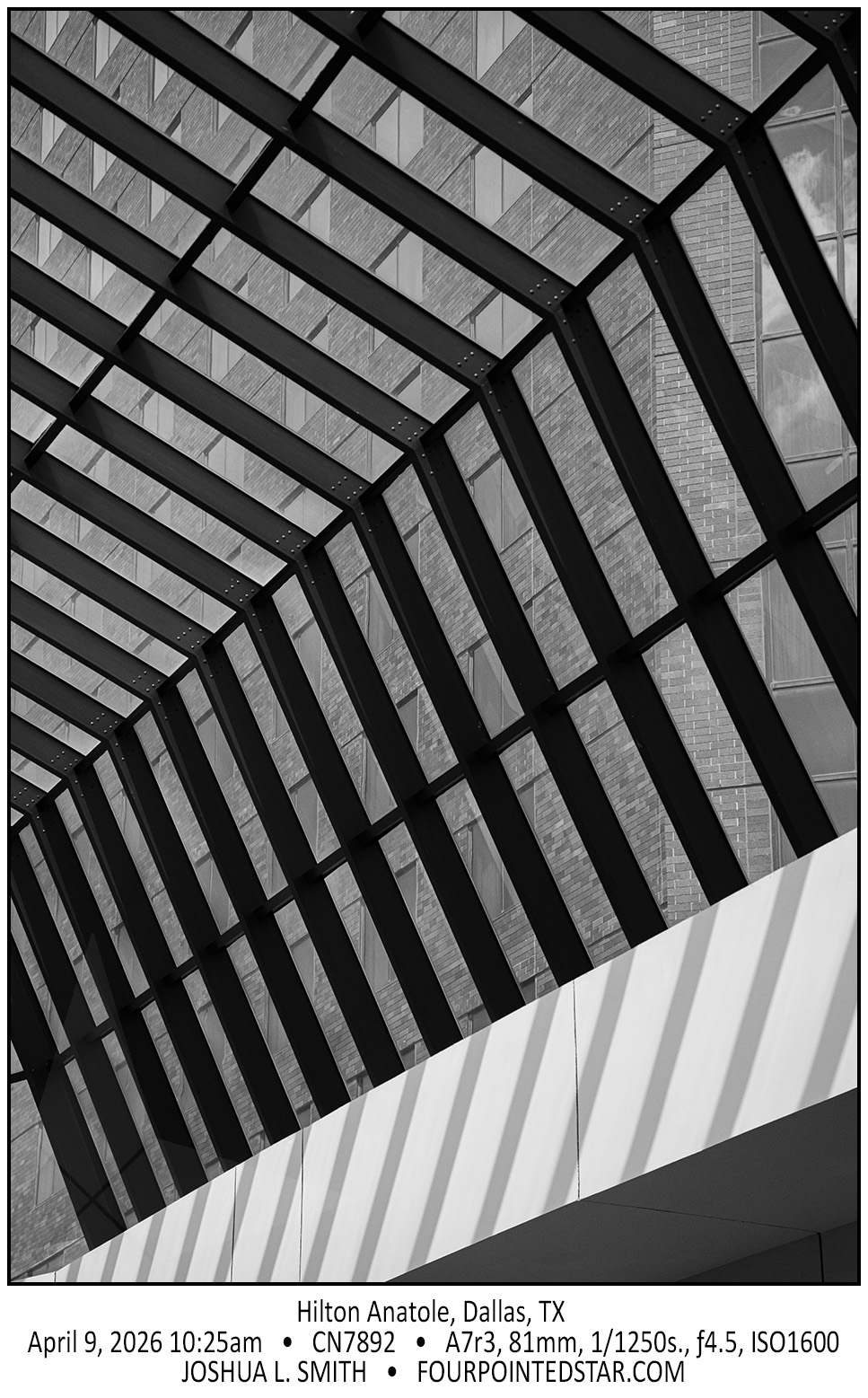
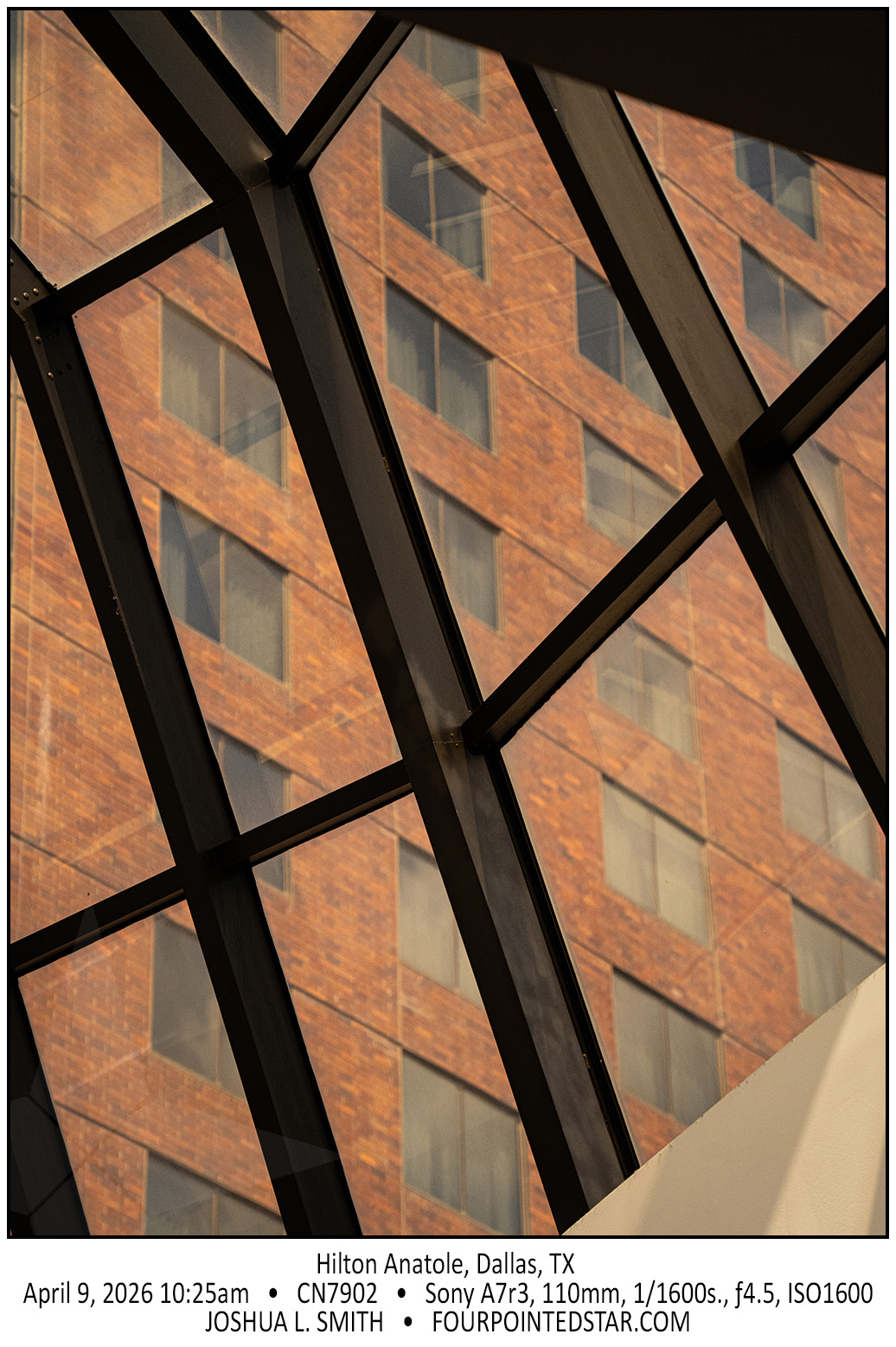
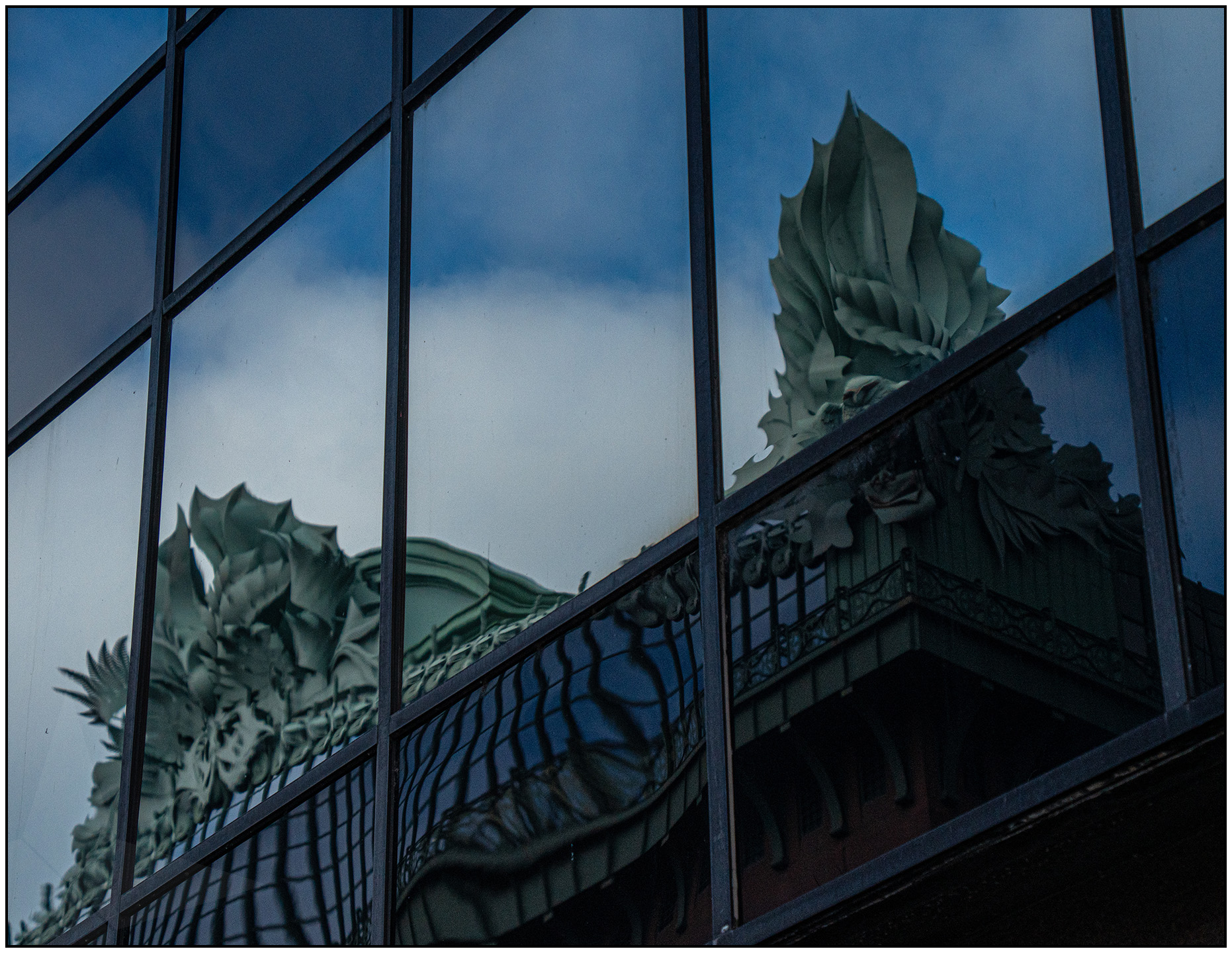
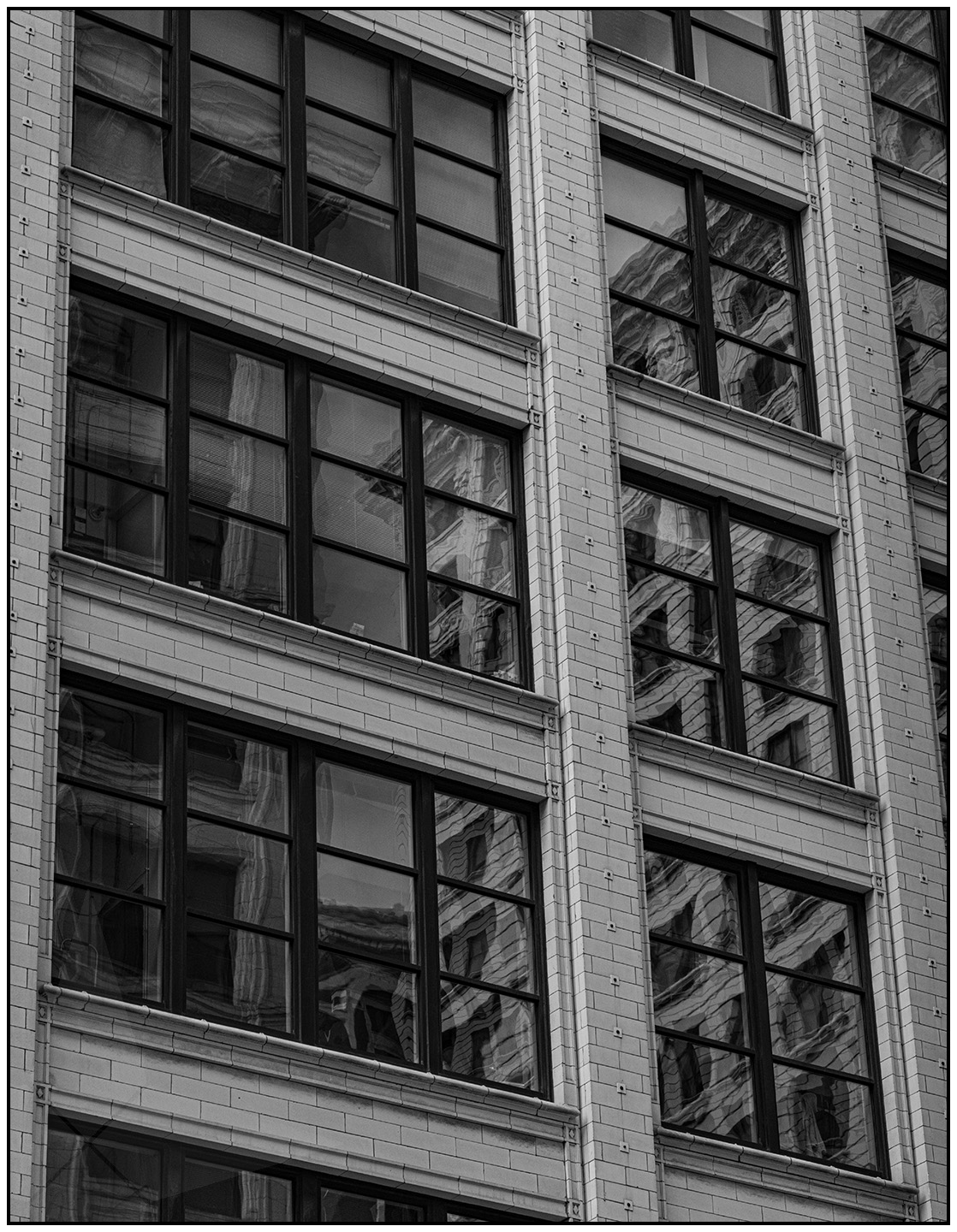
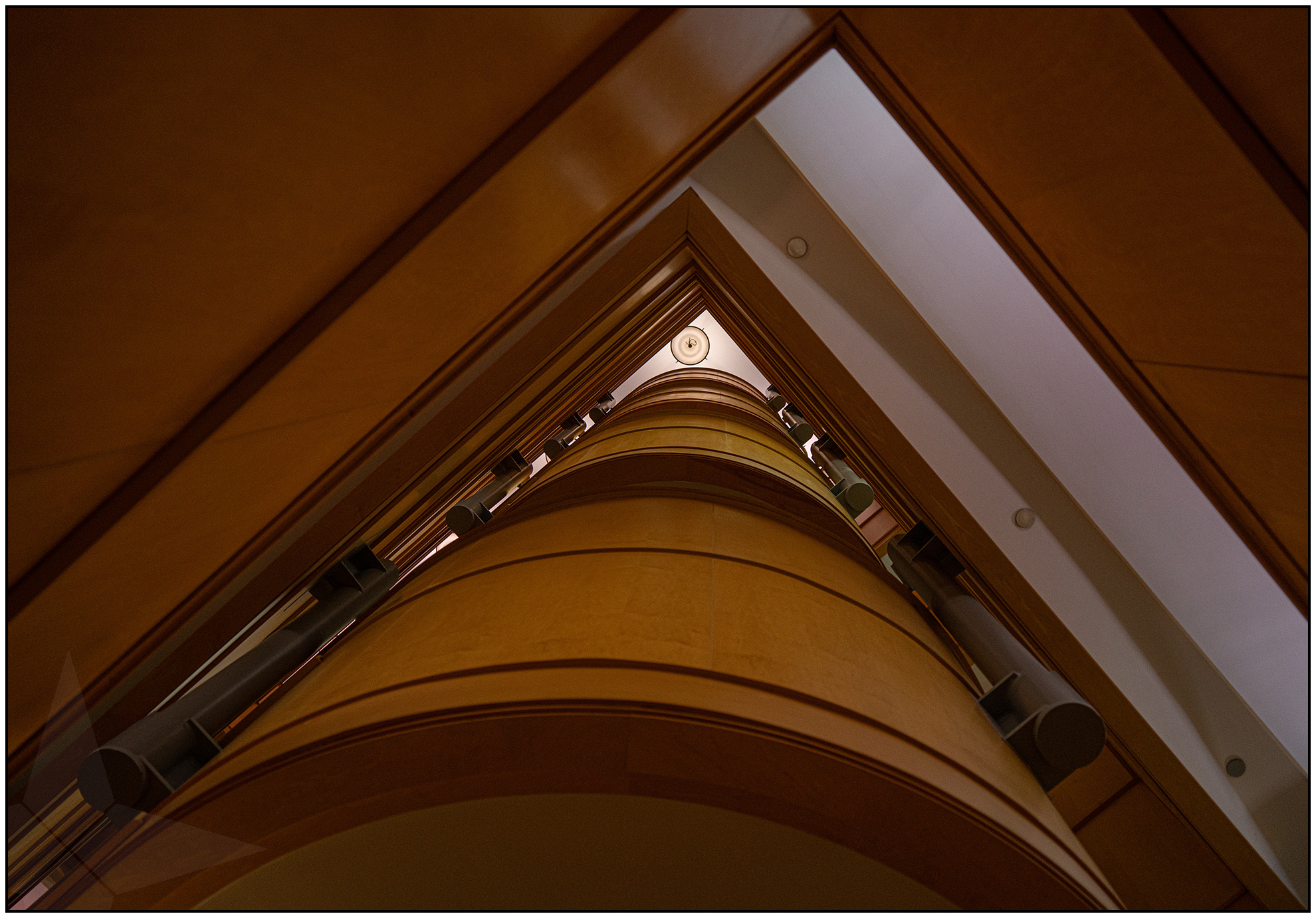
What can you do with Lines?

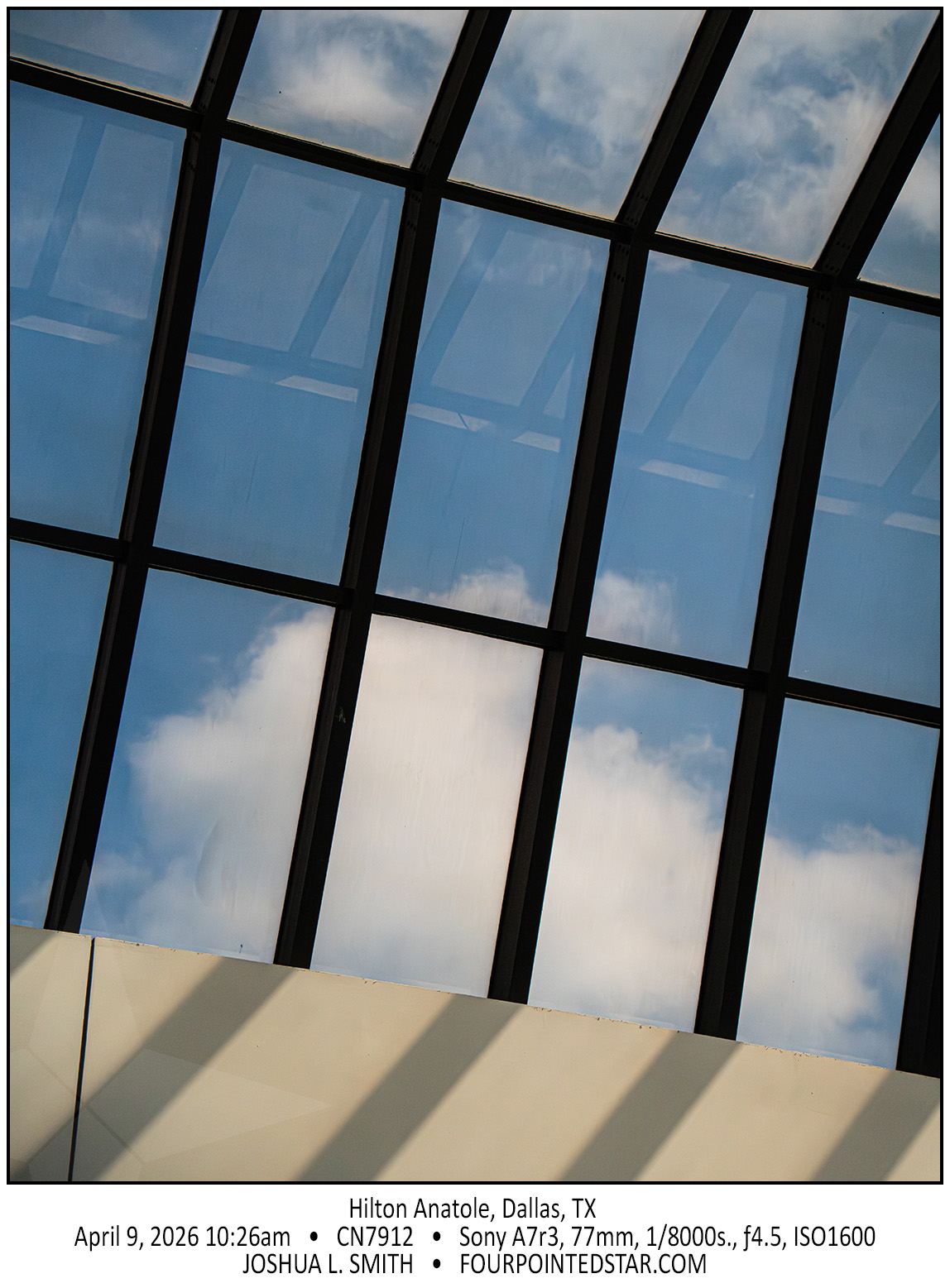
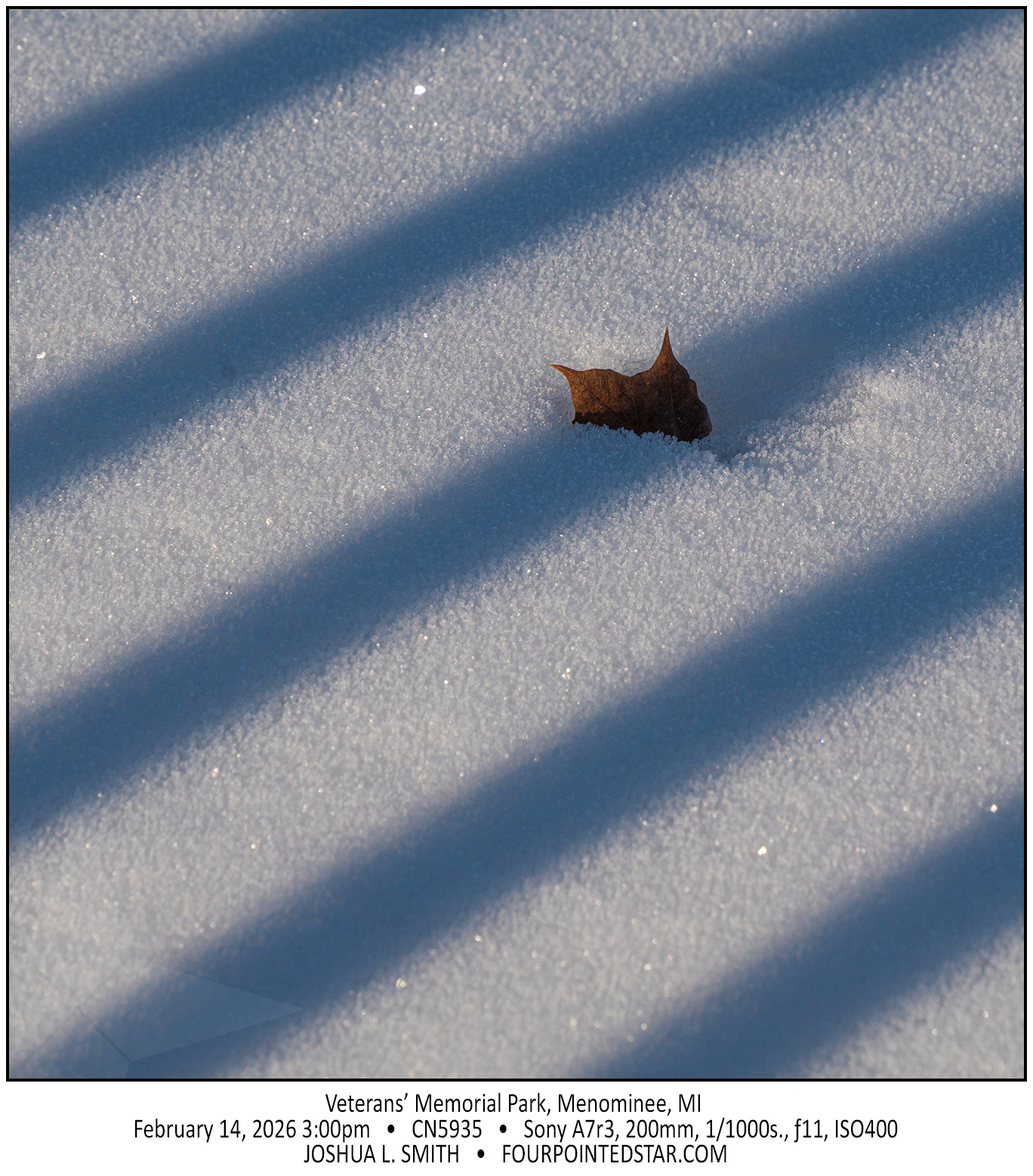
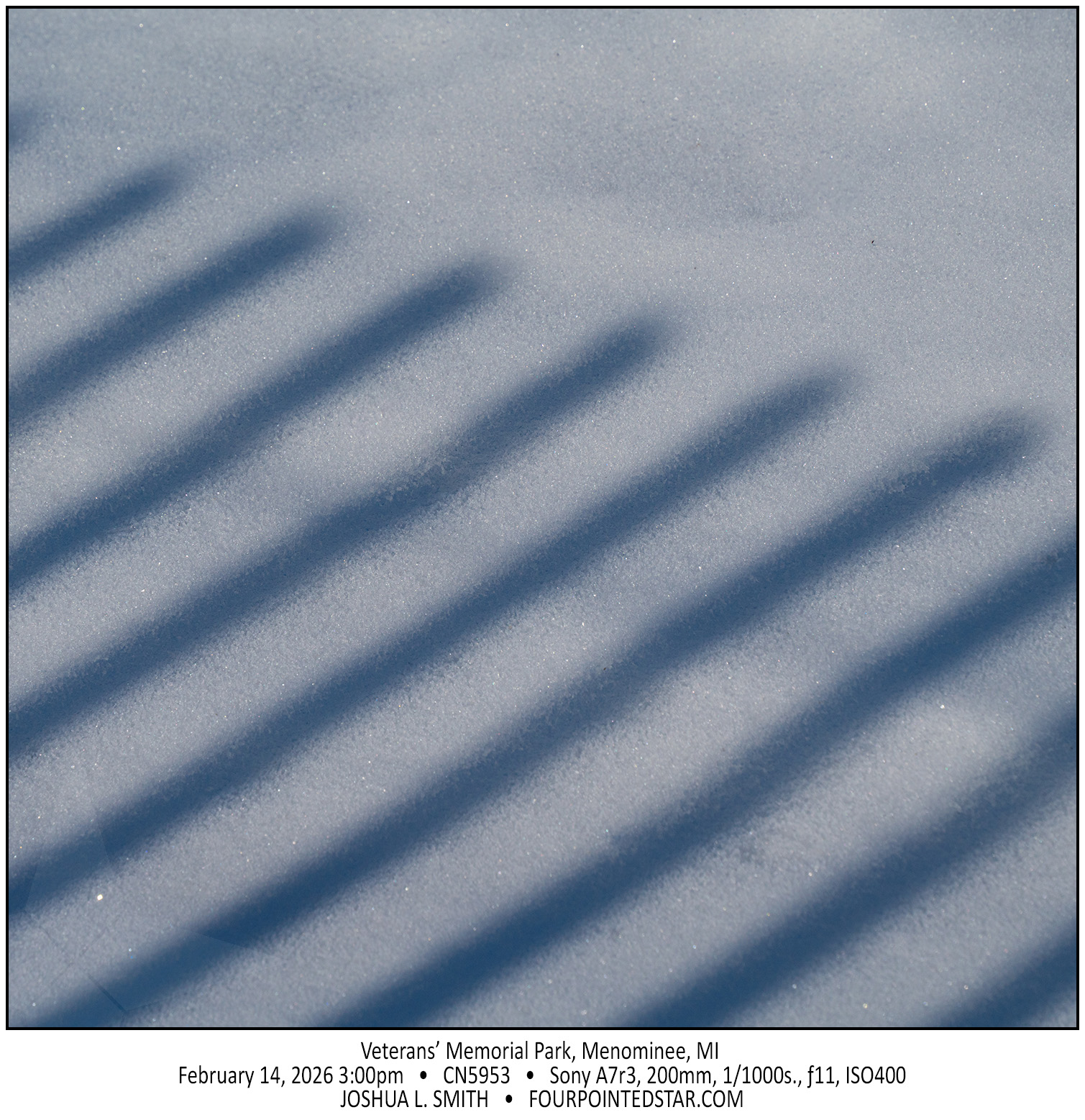
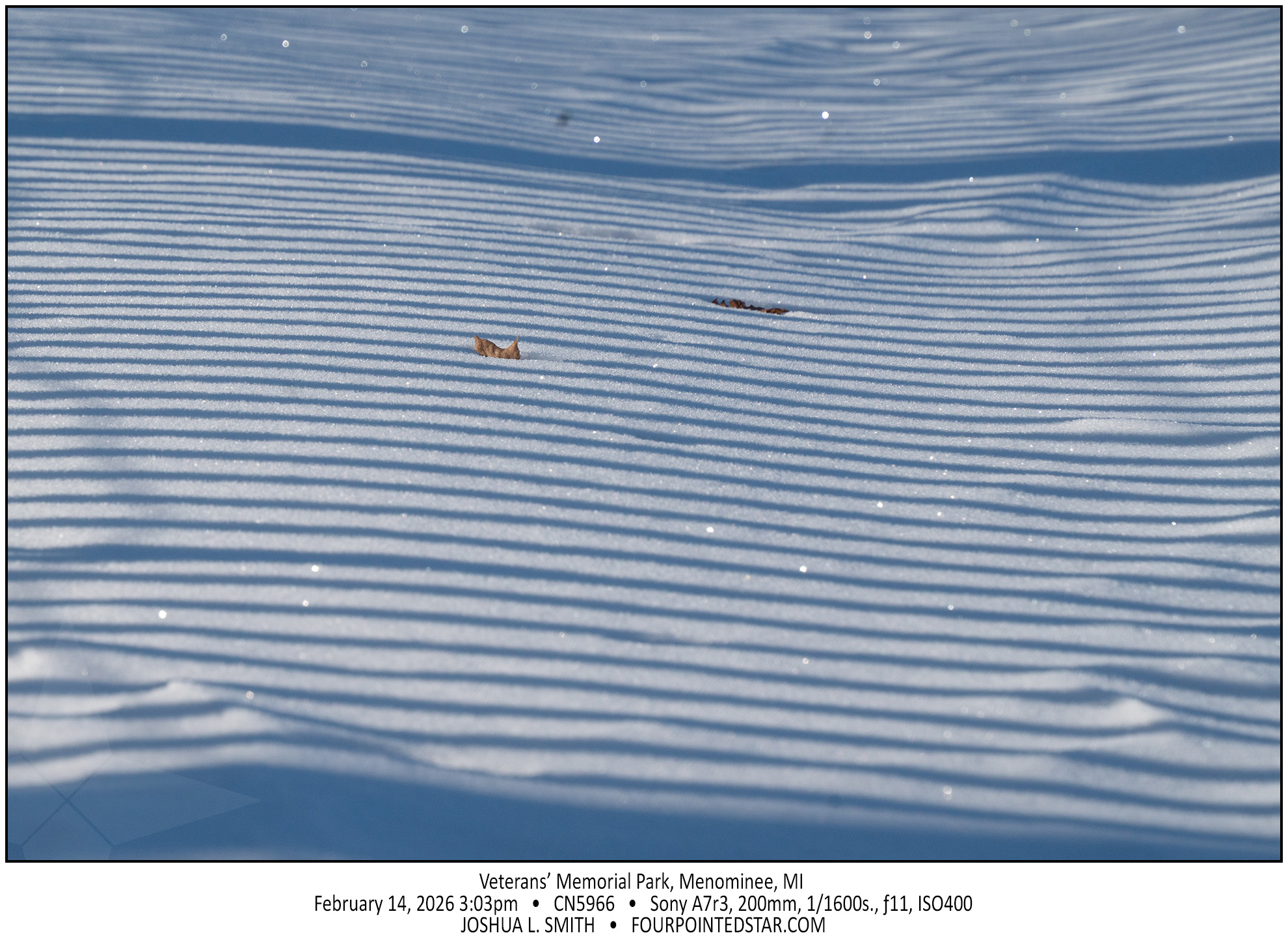
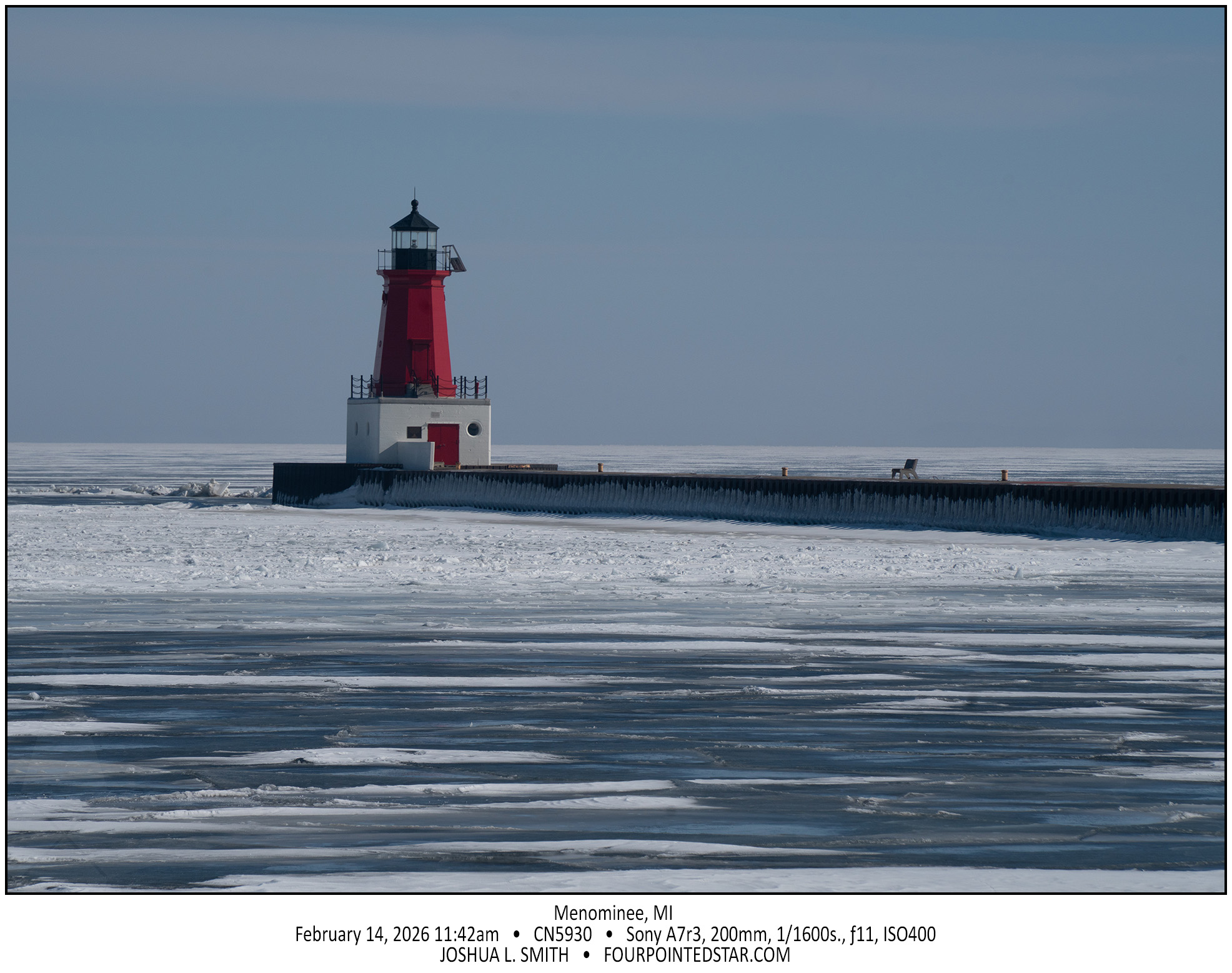
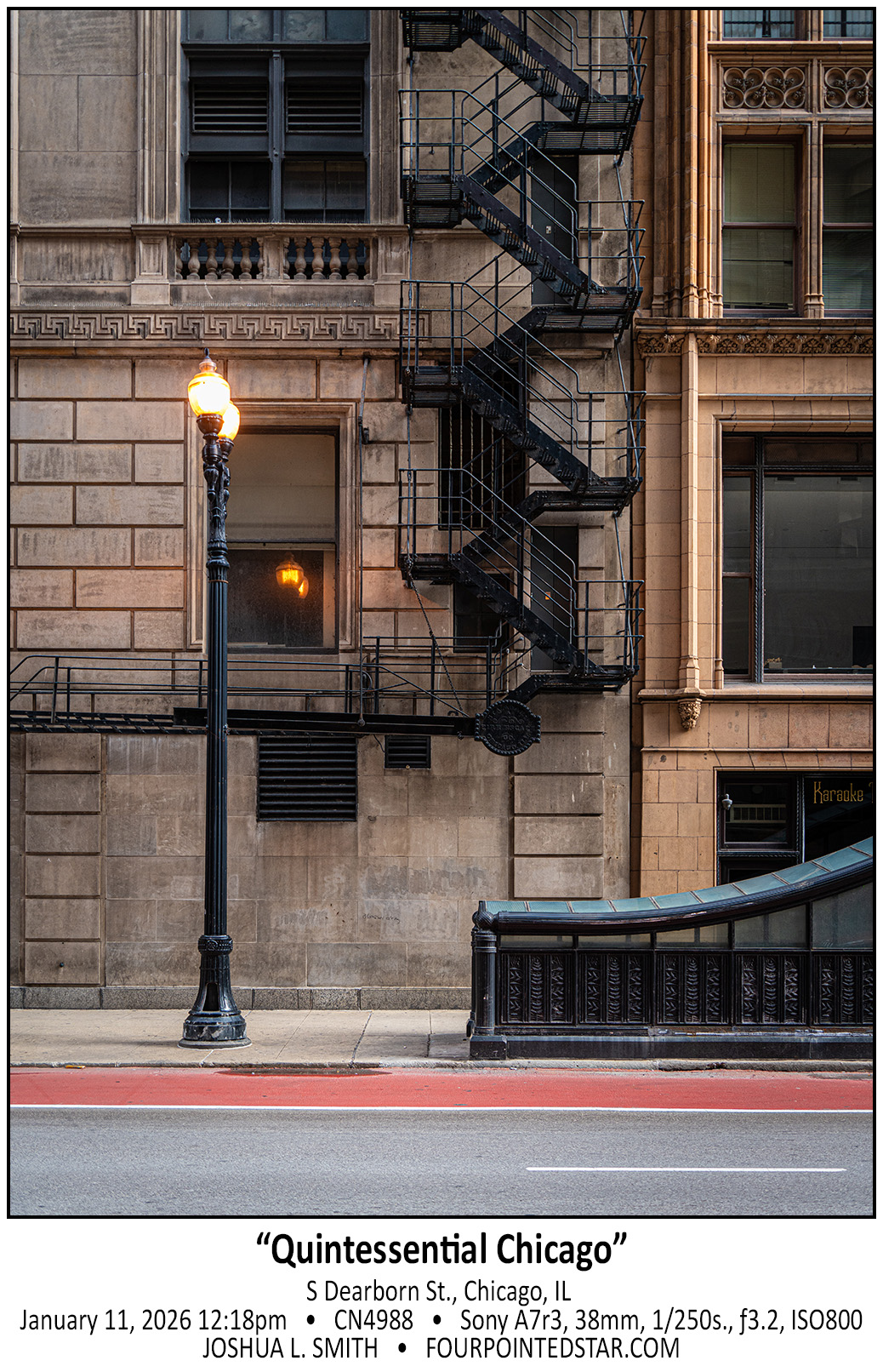
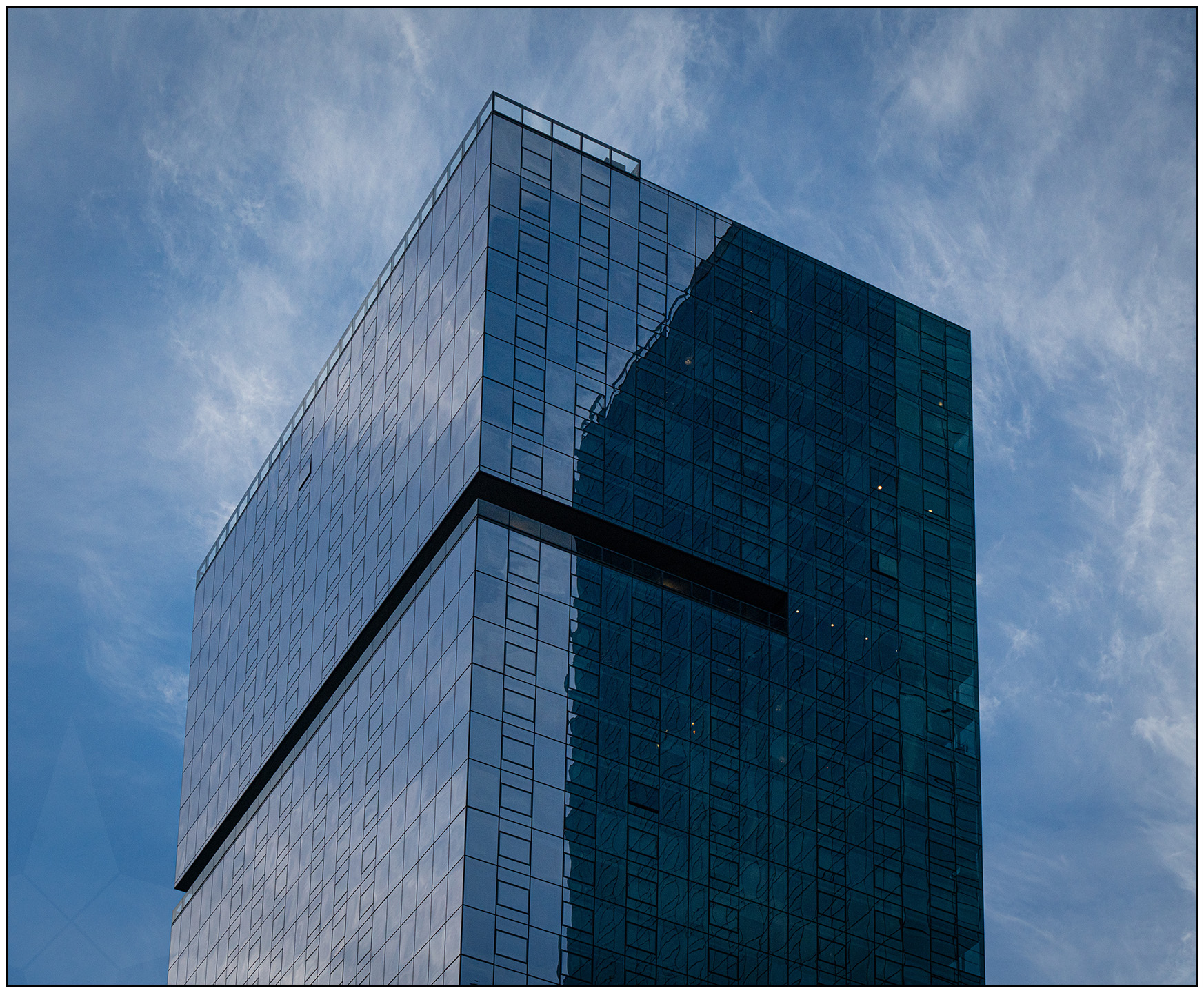
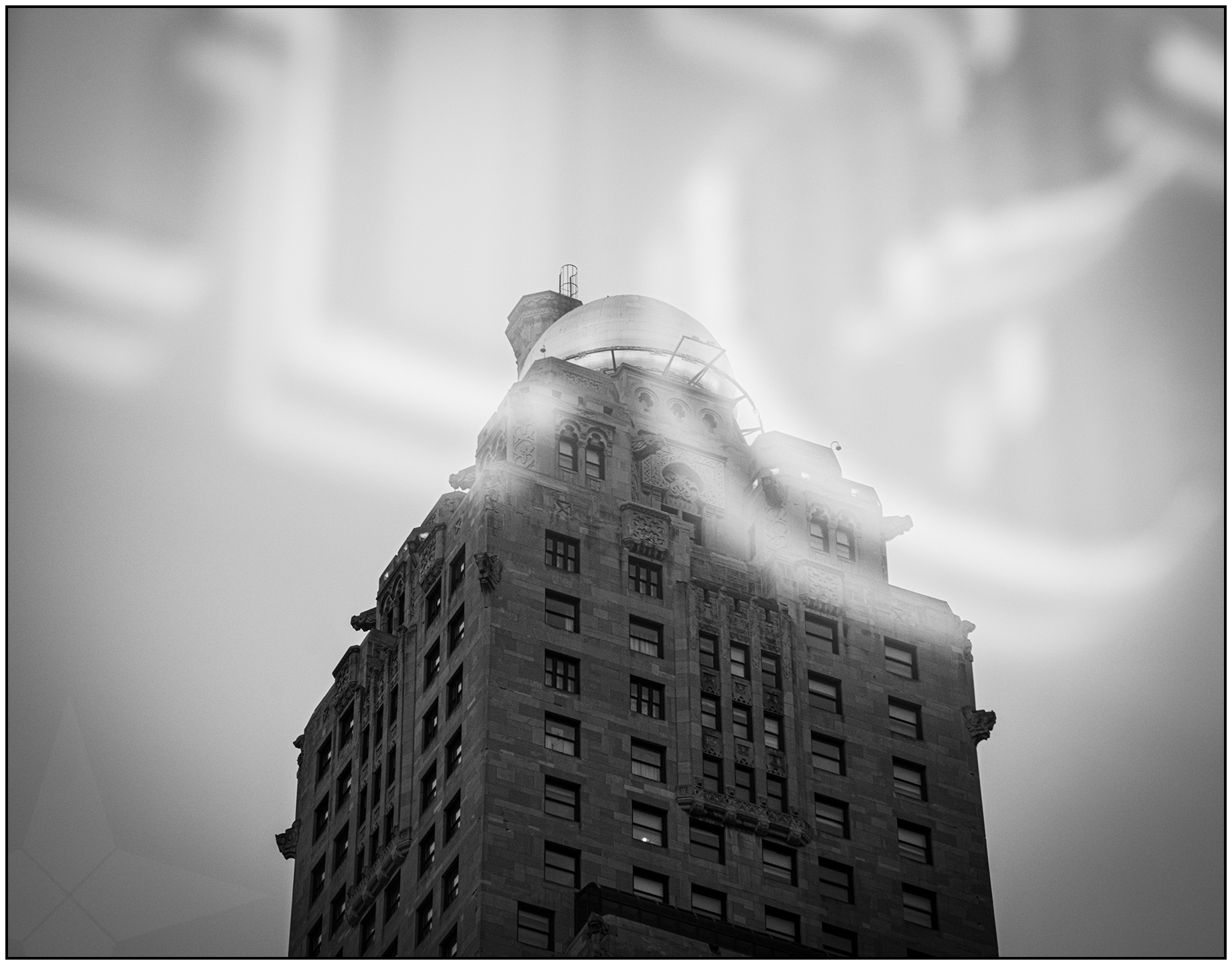
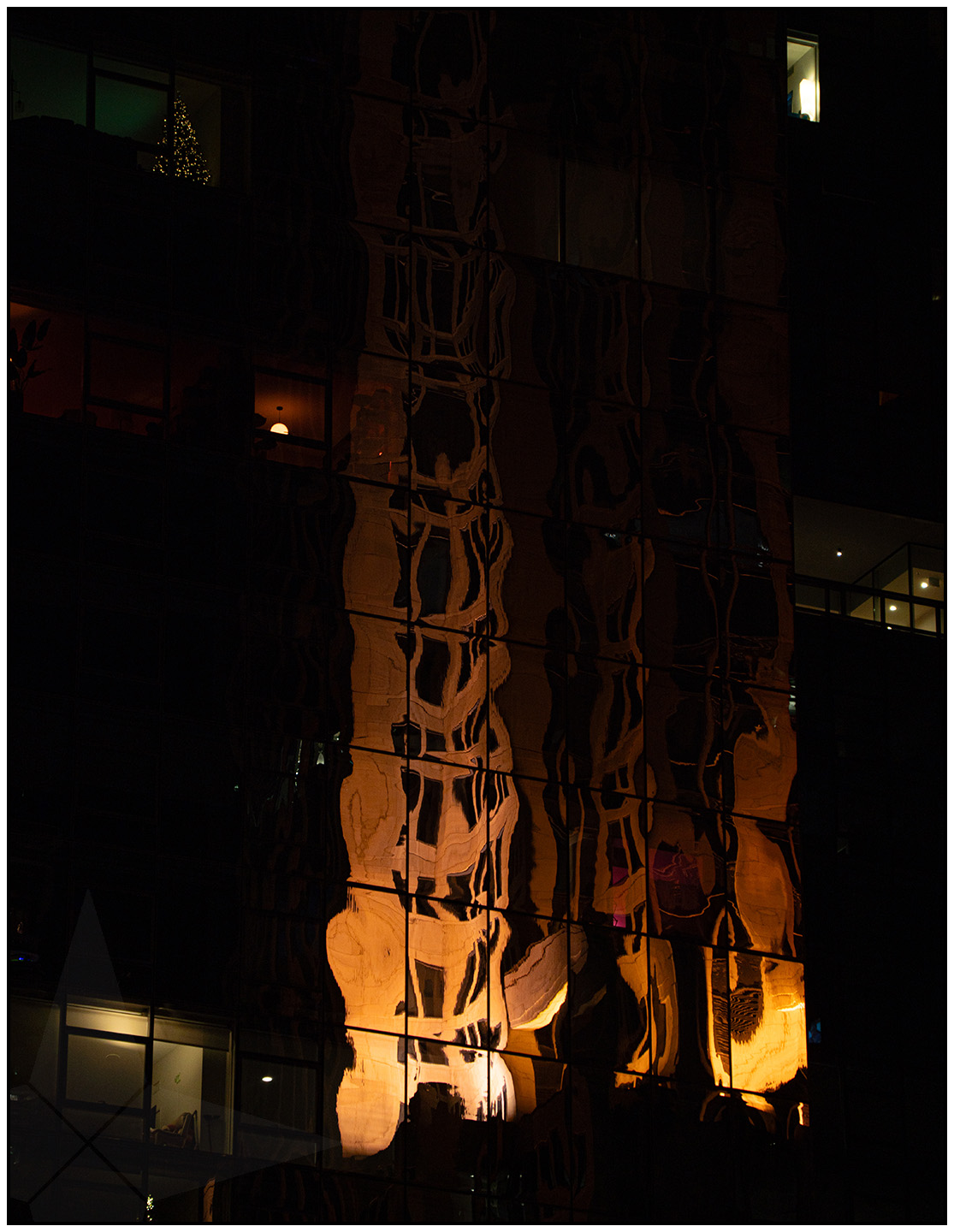
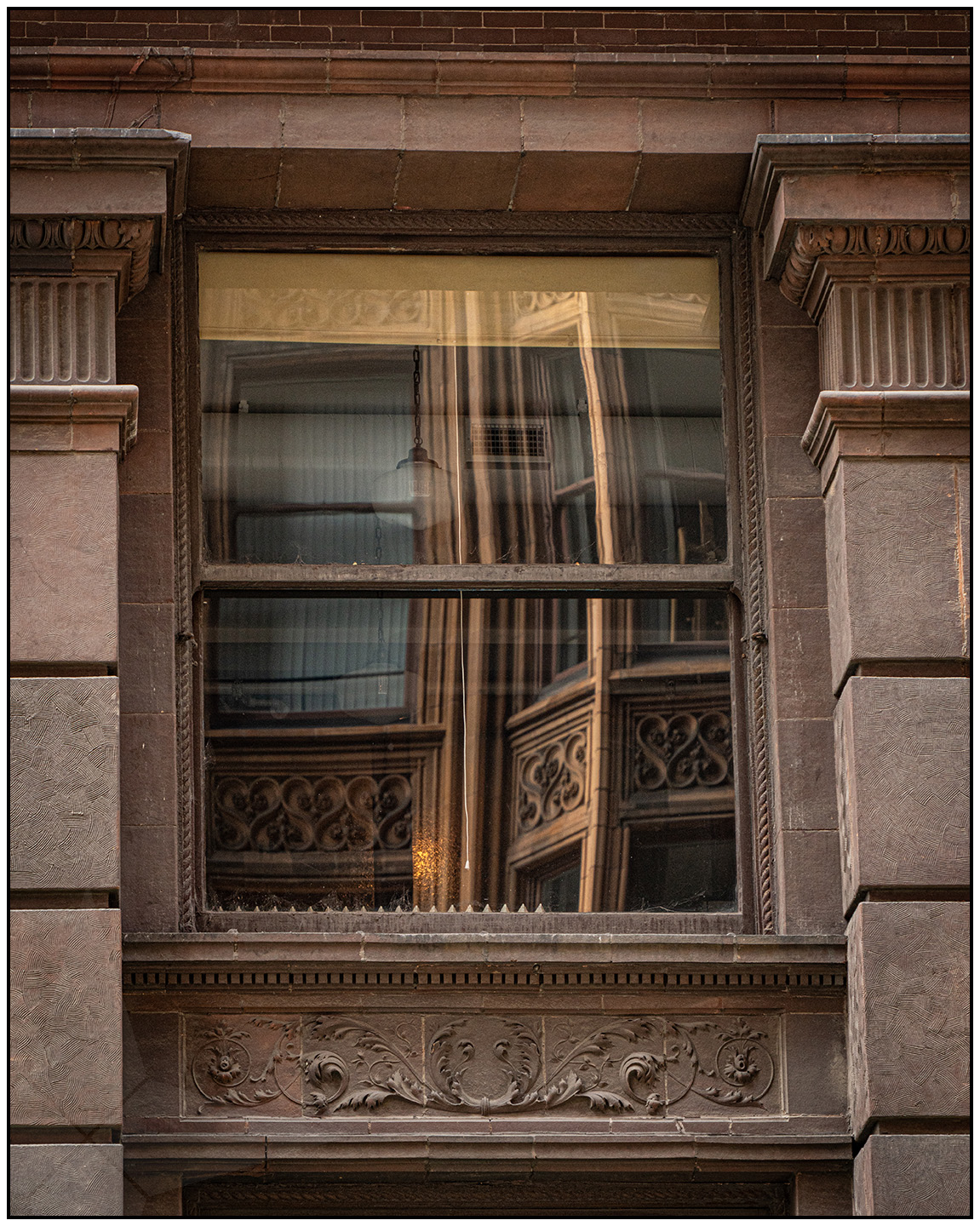
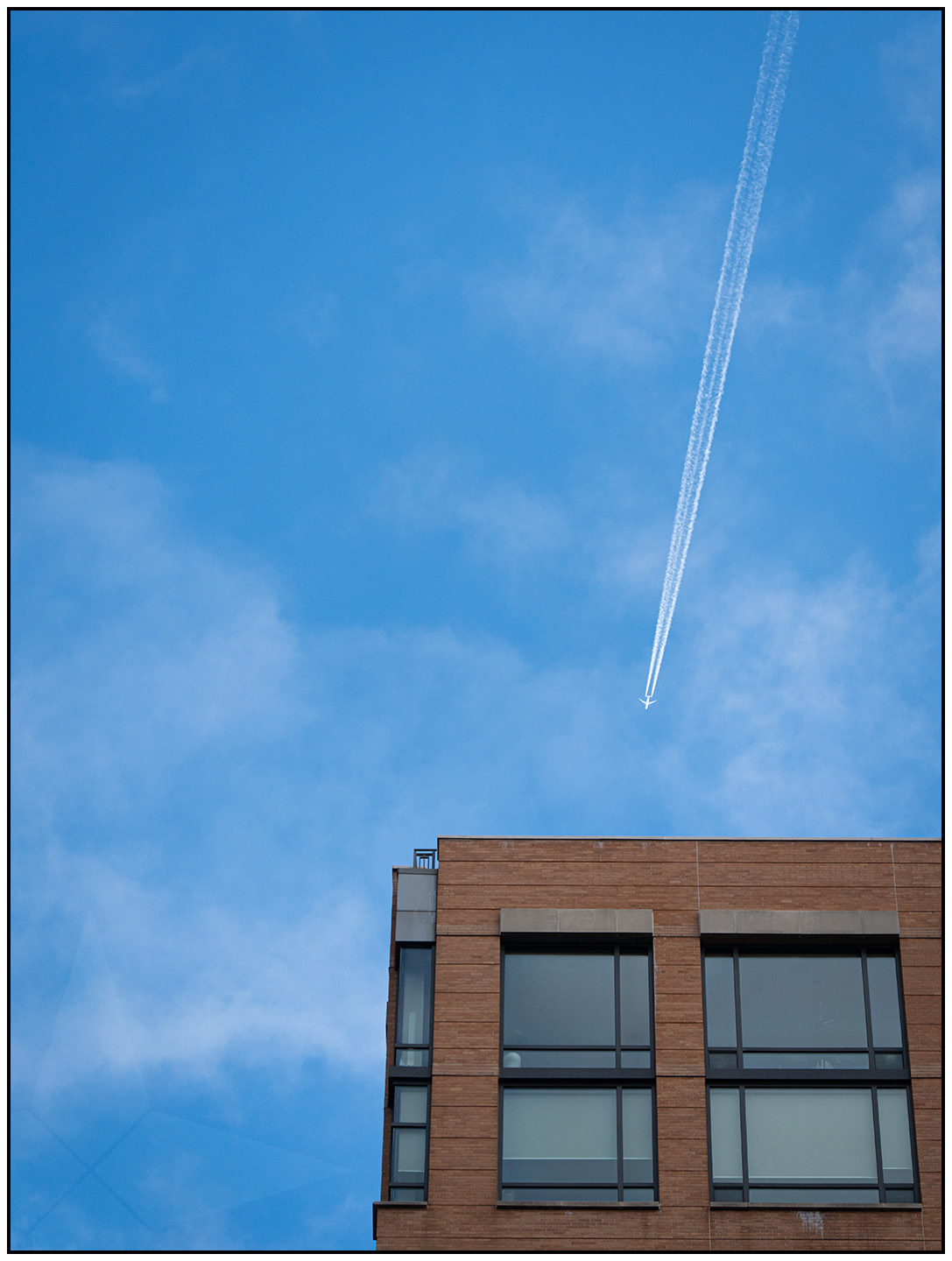
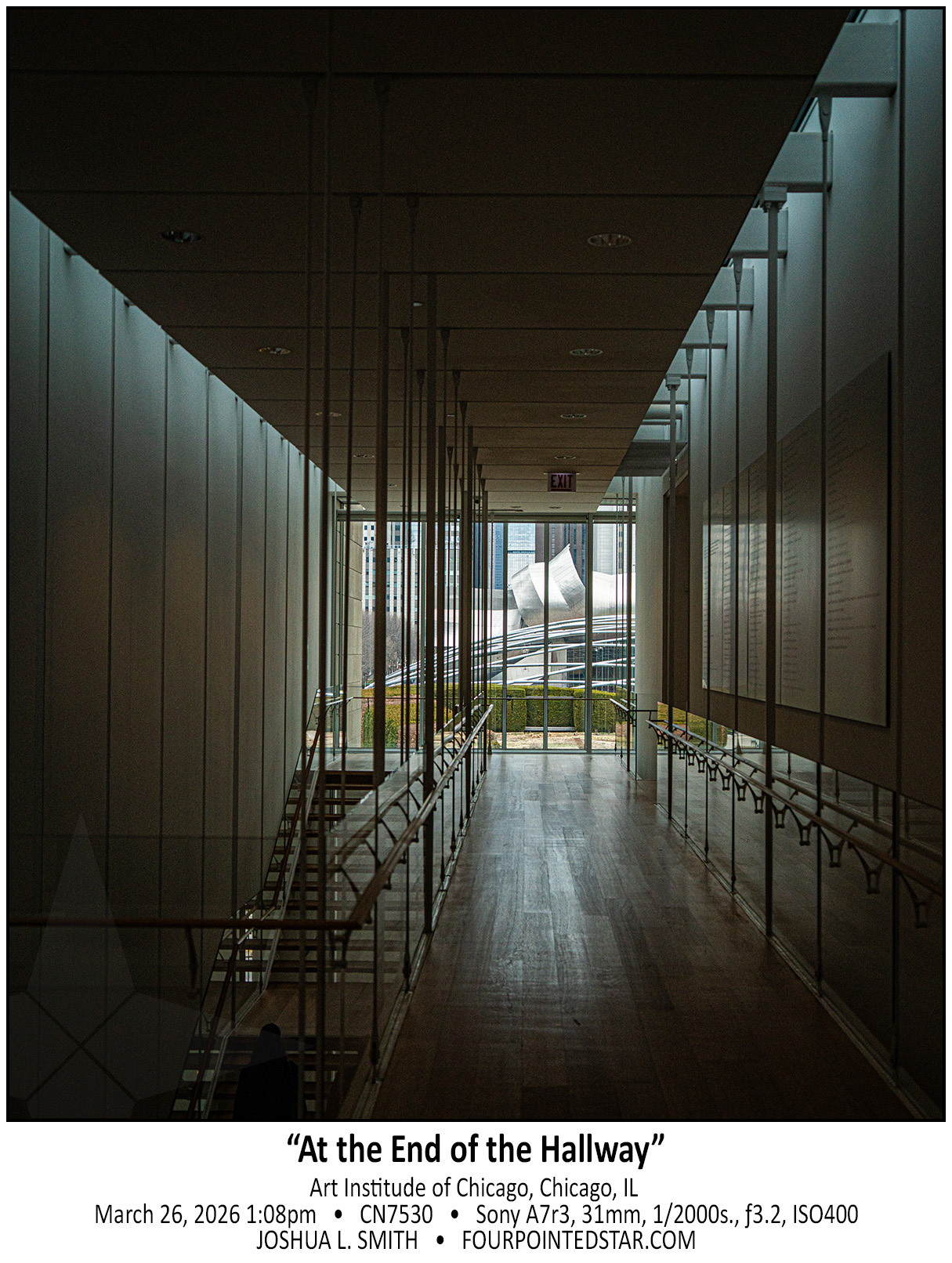
If you attend more than one photography presentation, you’re bound to hear “use leading lines” in some fashion. But how do you use lines in a photograph?

Are they boundaries meant to hold you in the image?
Are they pathways meant to draw you into the image?
Or perhaps they highlight a certain part of the image?

As I work more and more to define the why of how I shoot the way I shoot, I find myself wondering how I am using various items in my photograph. Most of us compose subconsciously with our subconscious forming an image out of the abstract world that we live in. The issue is – our subconscious isn’t that great at drawing rectangles; it’s not that great at noticing the distractions that are in that rectangle; and since our eyes see so much better than our cameras, our subconscious isn’t able to balance light and dark.

So back to lines, I’ve found that if I intentionally look for lines – leading lines, boxes, or highlights – I create better images that are easier to edit. After all, the creative process doesn’t end with pressing the shutter button; but that’s a topic for another day.


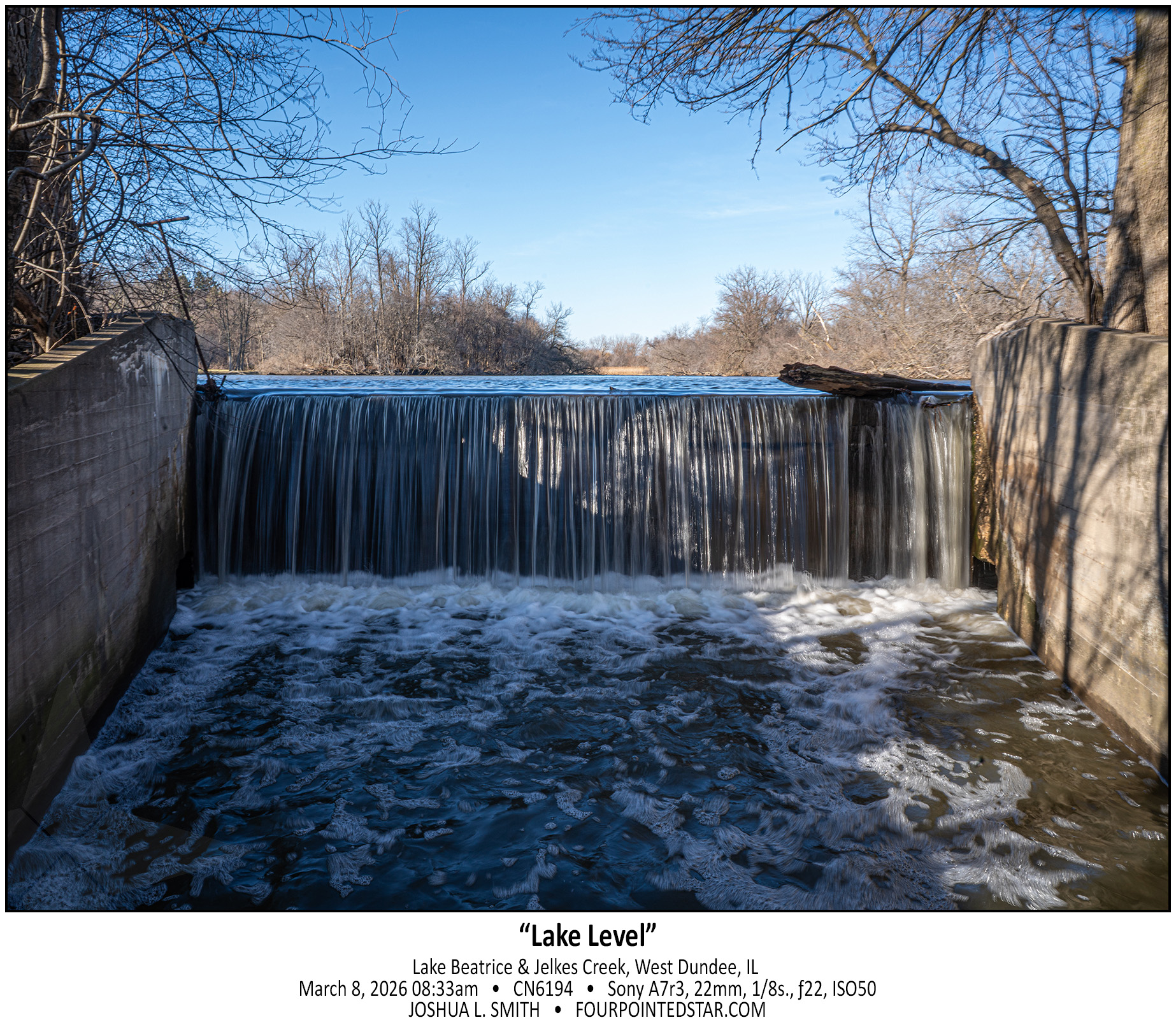
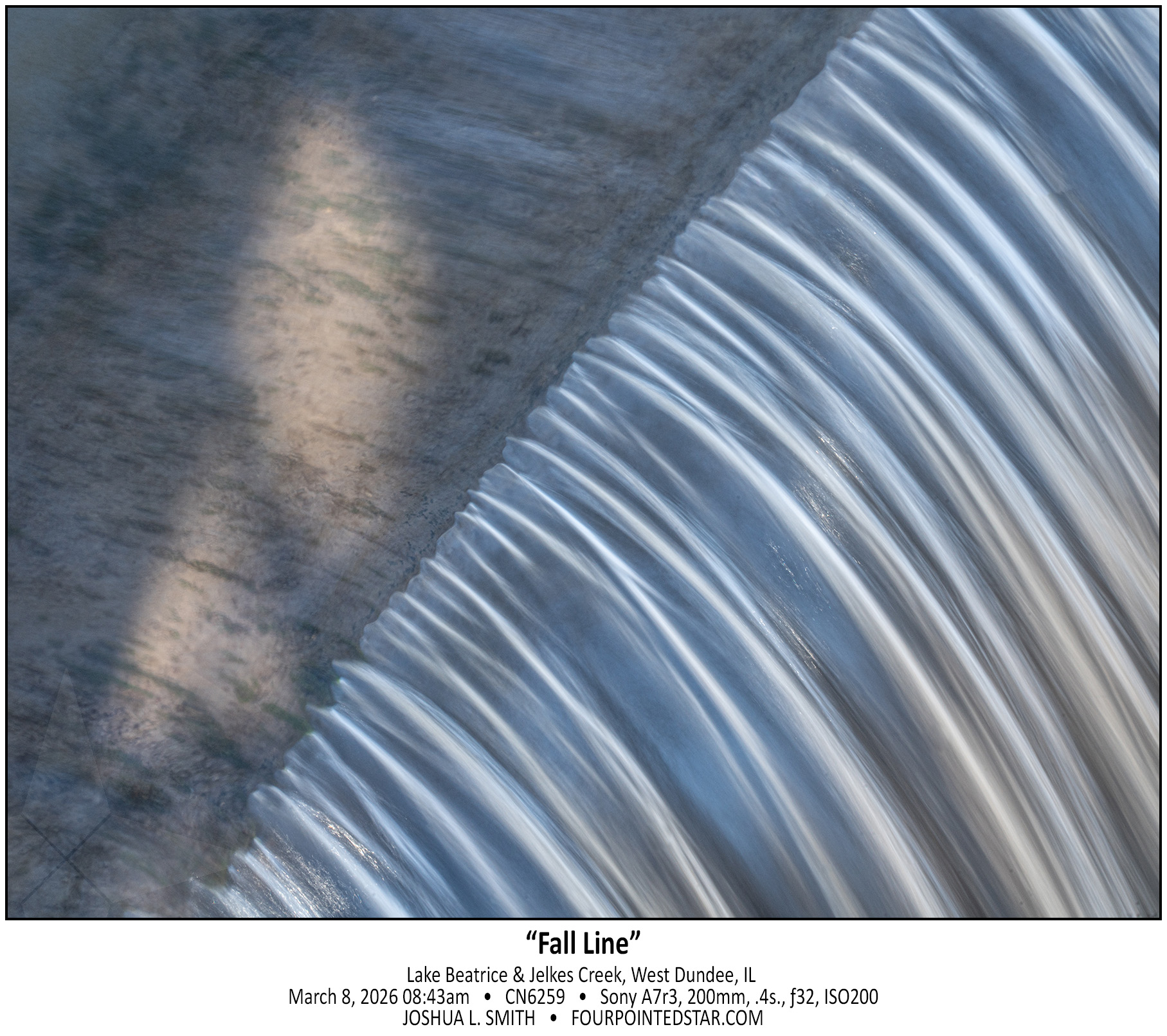
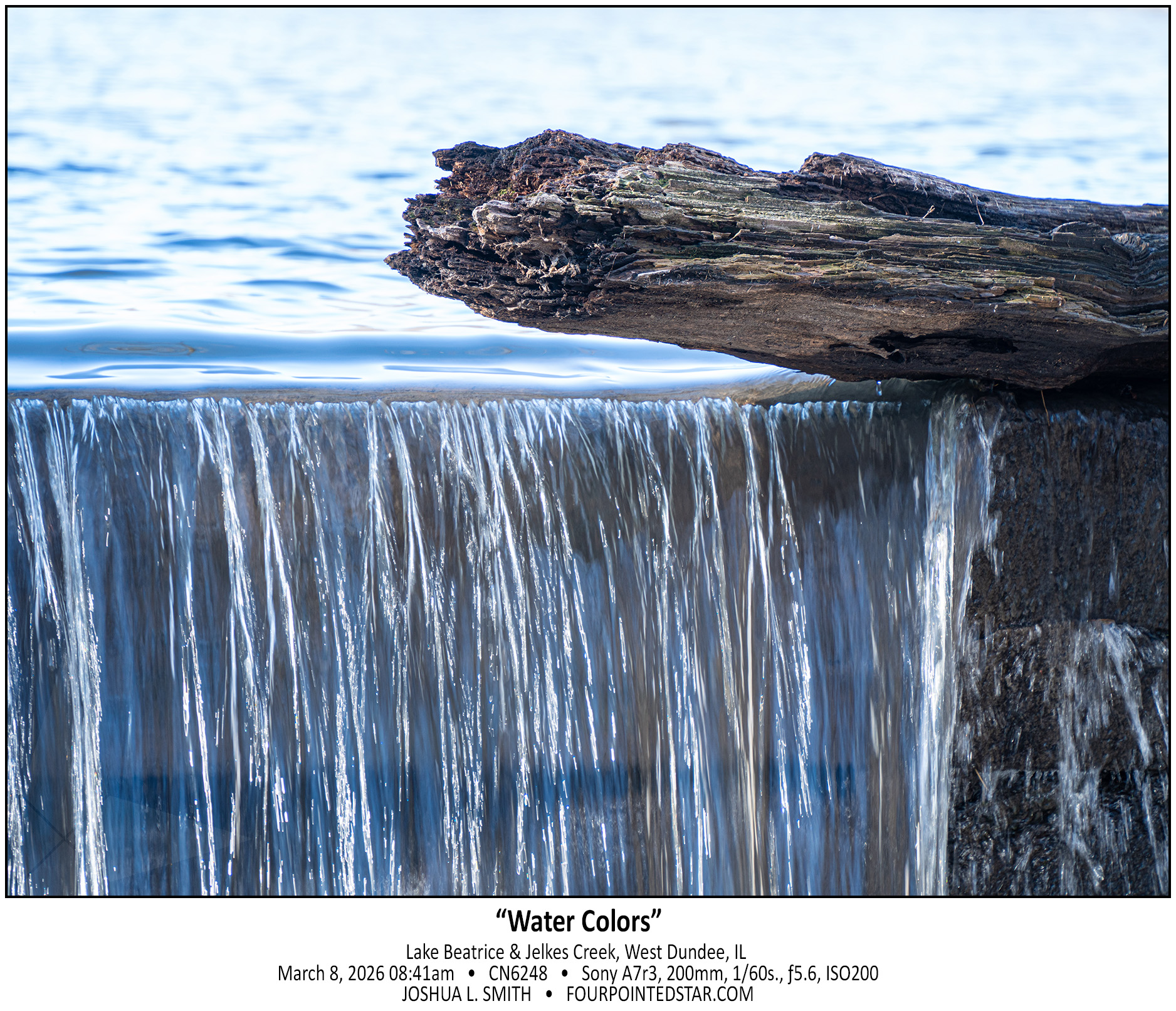
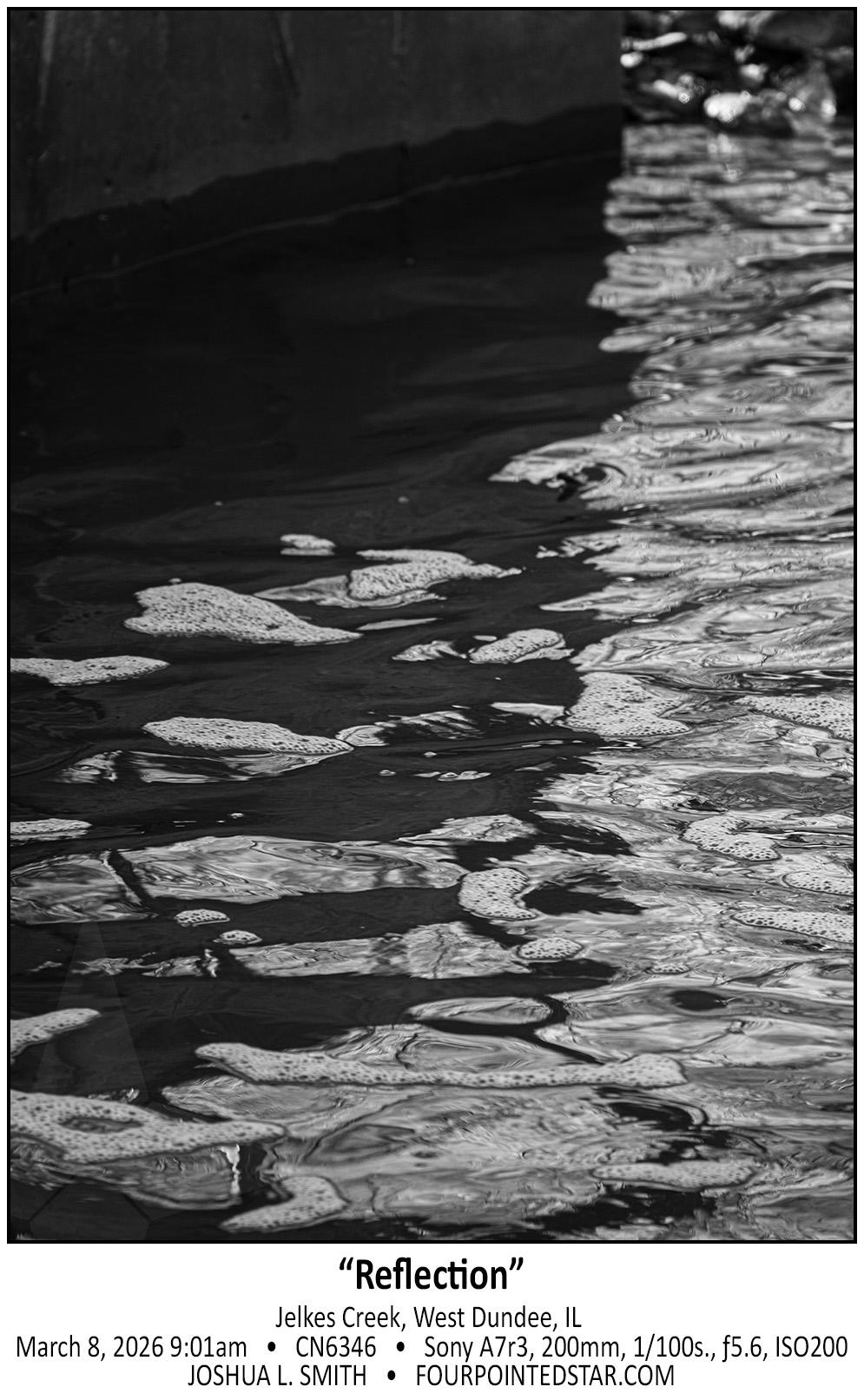
What makes a waterfall a “waterfall”? Jelkes Creek doesn’t have enough elevation change to create a falls through its meandering path in Sleepy Hollow and Dundee Township to create much besides bogs and marshes. I would guess that this damn & spillway were created as a control point for Jelkes Creek as it flows under Hwy 31. What I find most interesting is that I’ve driven by Lake Beatrice for over 15 years and missed that this spillway existed the entire time.

.

.


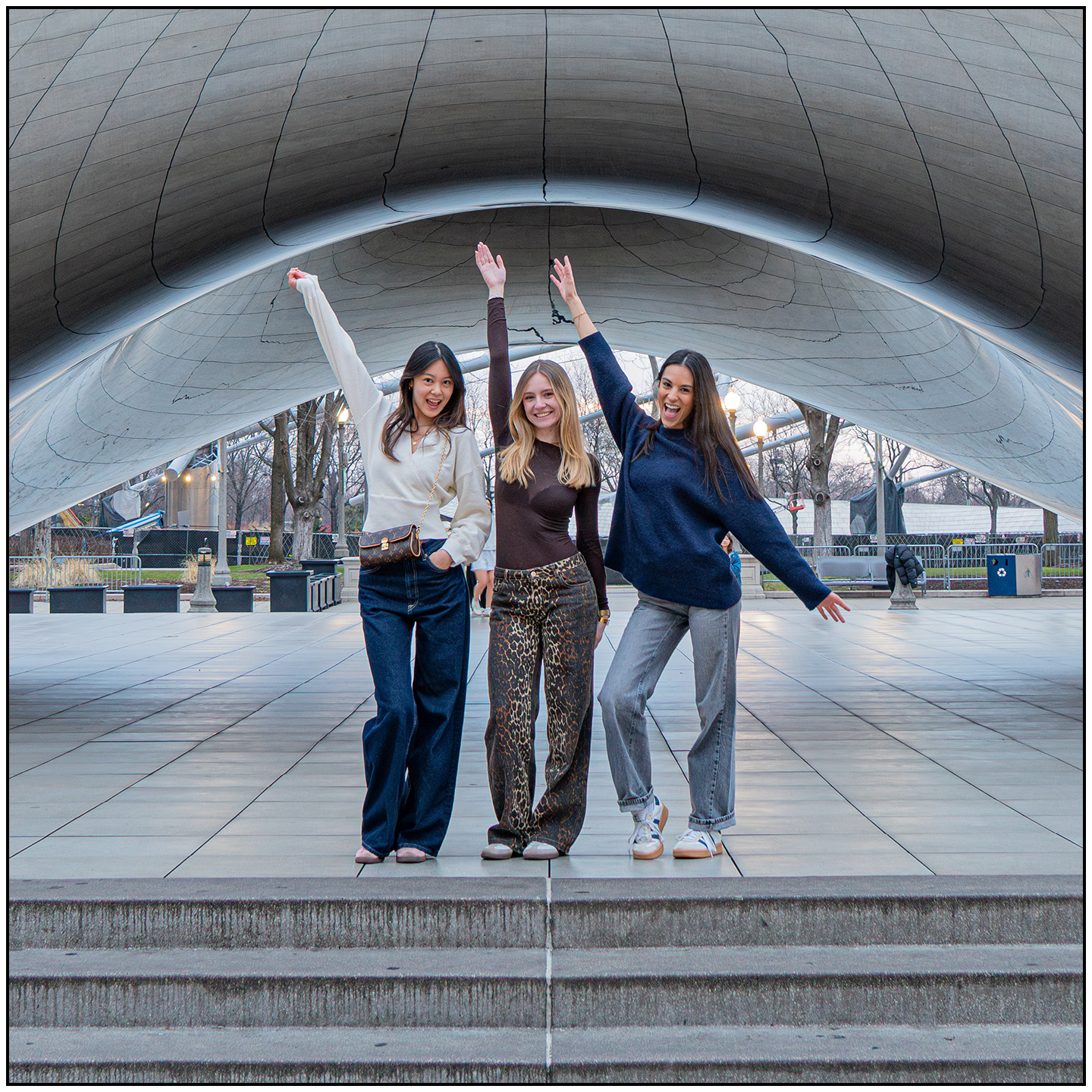
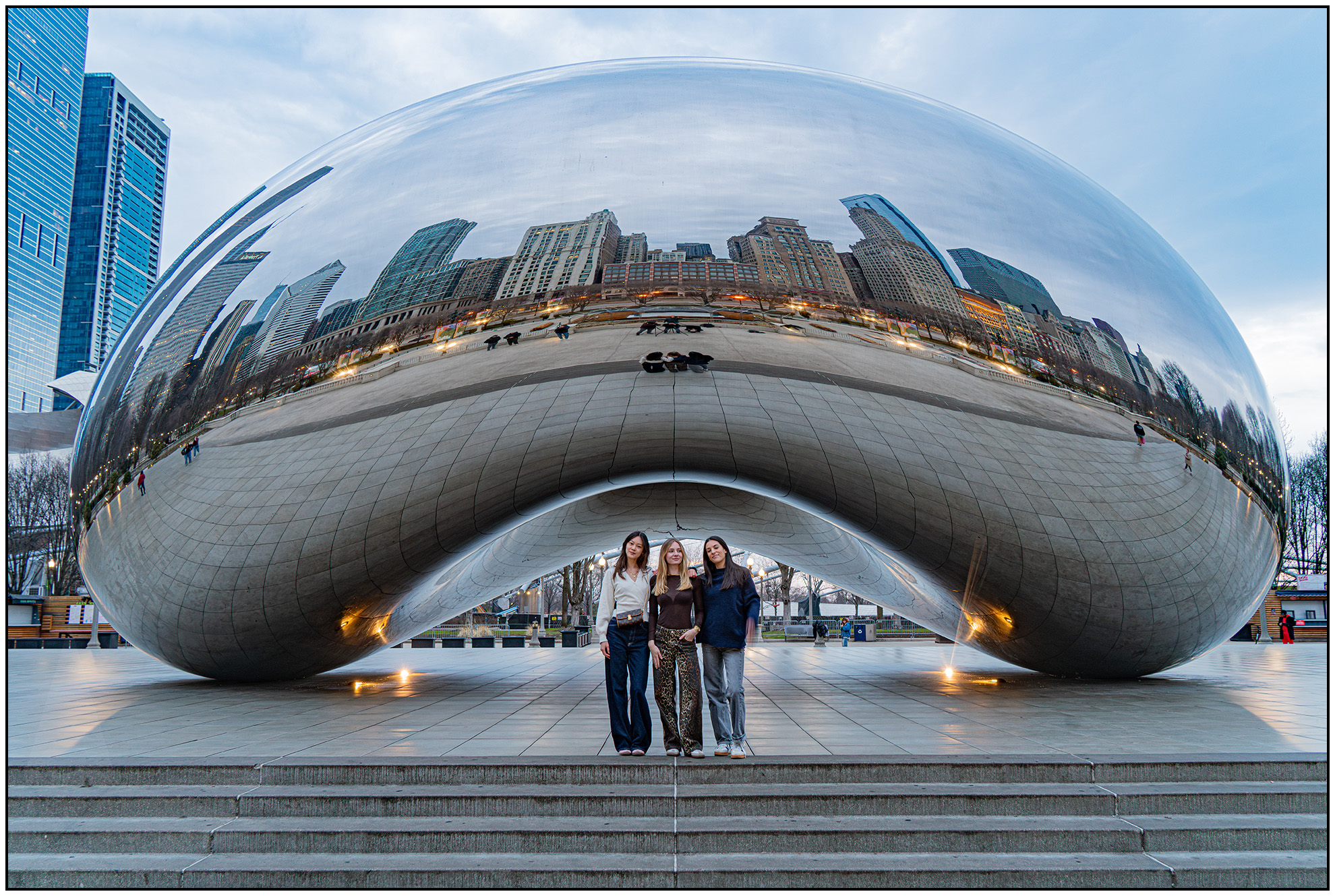
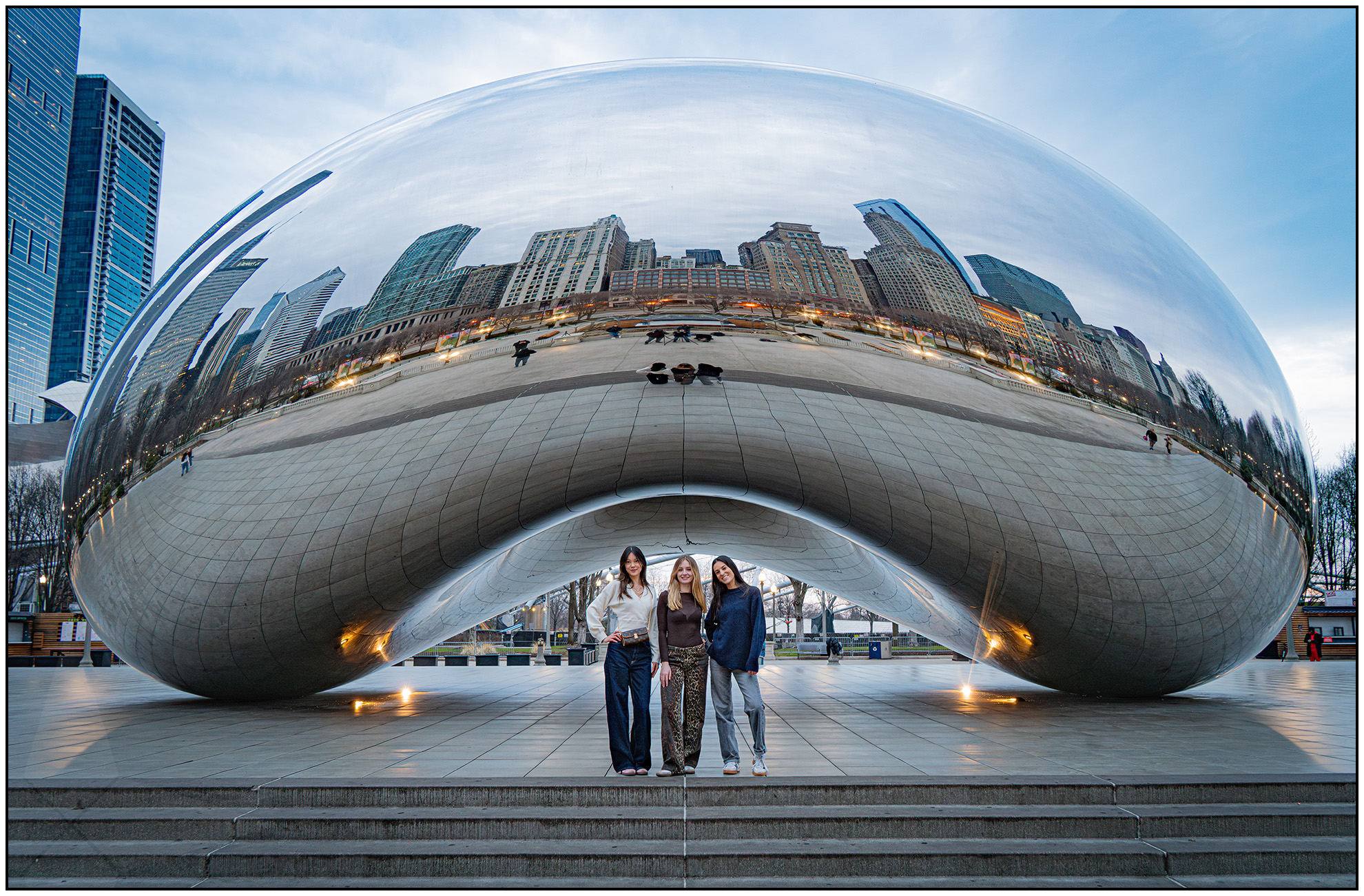
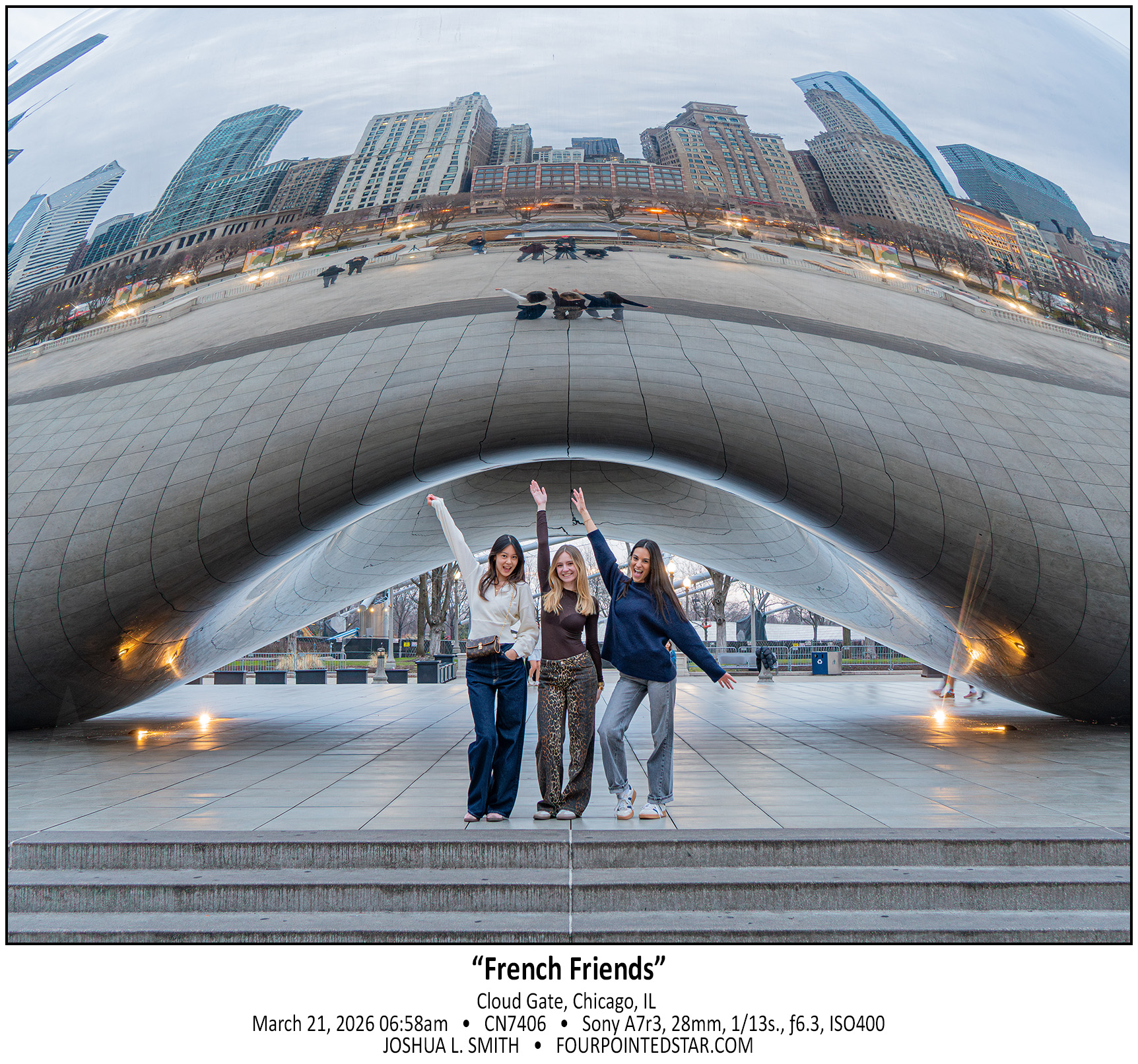
As I waited for the sun to rise, a few photographers arrived with the same idea – Chicago Henge under the Bean.  As we waited, we all came to the same realization, that this photo was not going to materialize.  There were quite a few tourists wandering around by 7am, so when I saw these three younger girls come by, I asked them if they would pose for us for a few photos; they happily obliged.

They were all 3 college students from France who were spending a month in New York for school and took a trip to Chicago for the weekend.


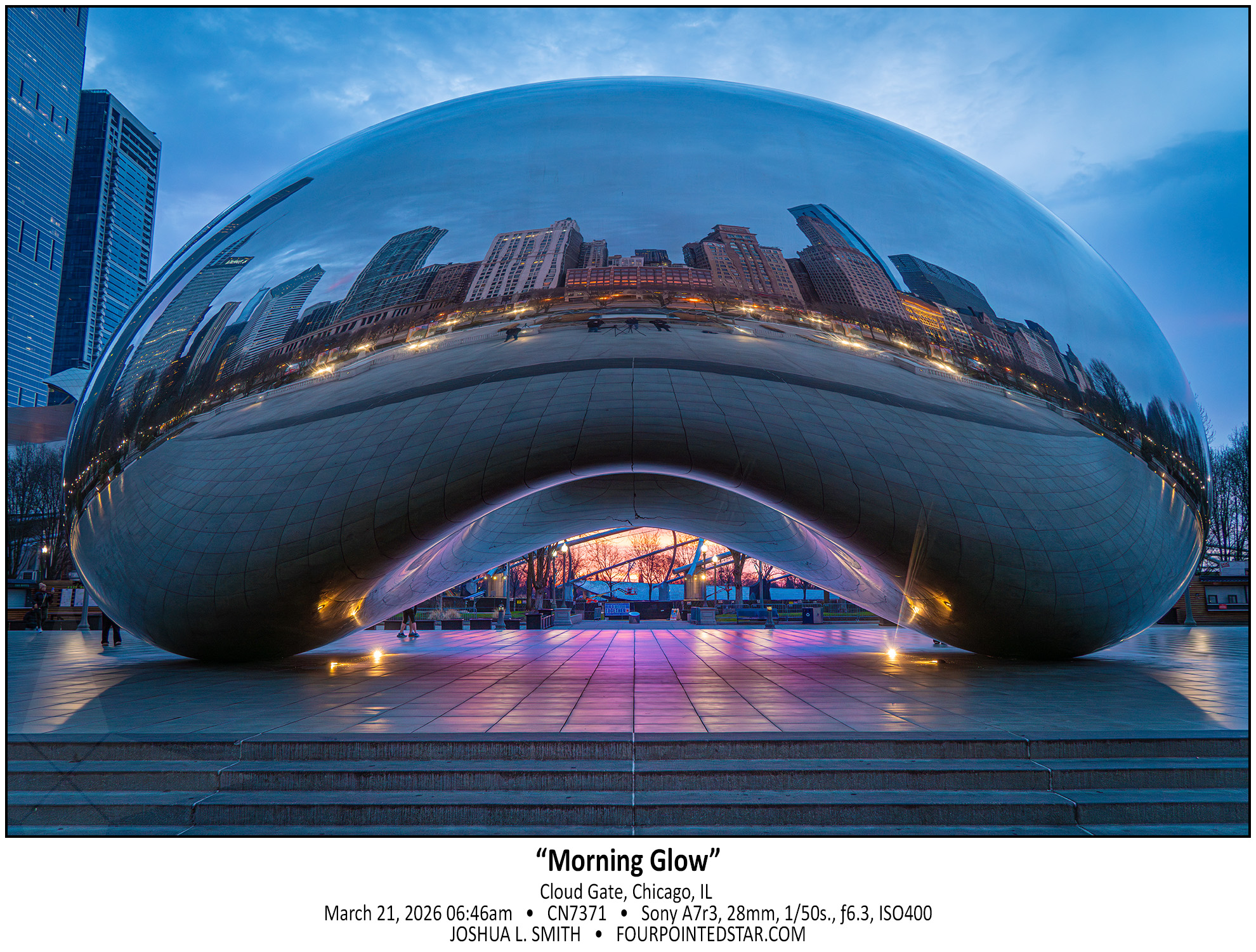
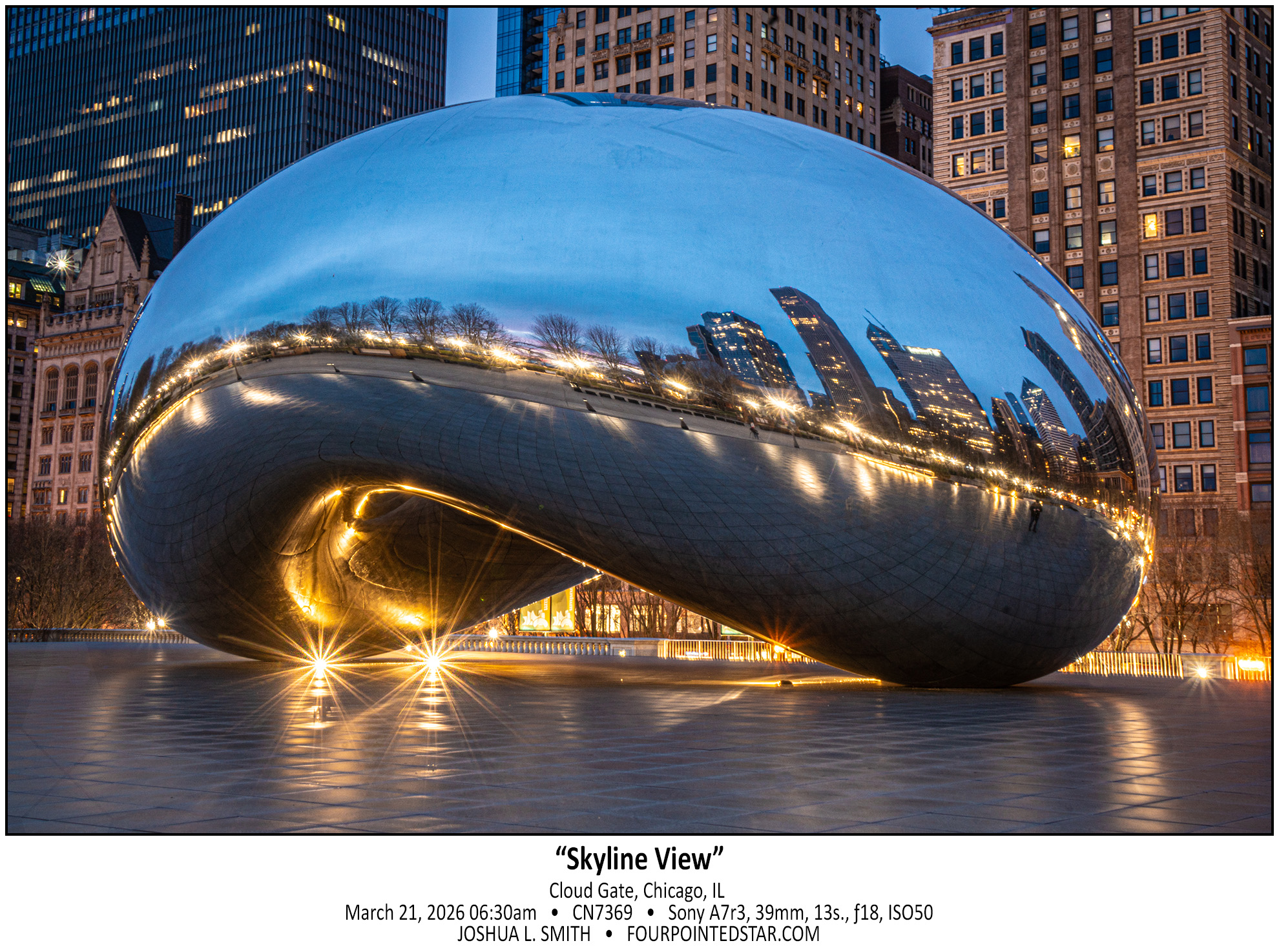
There are three or four days in the spring and fall when the sunrise aligns with the Bean in downtown Chicago.  Back in 2023, I drove downtown twice to capture “Chicago Henge” and ended up with this delightful photo.

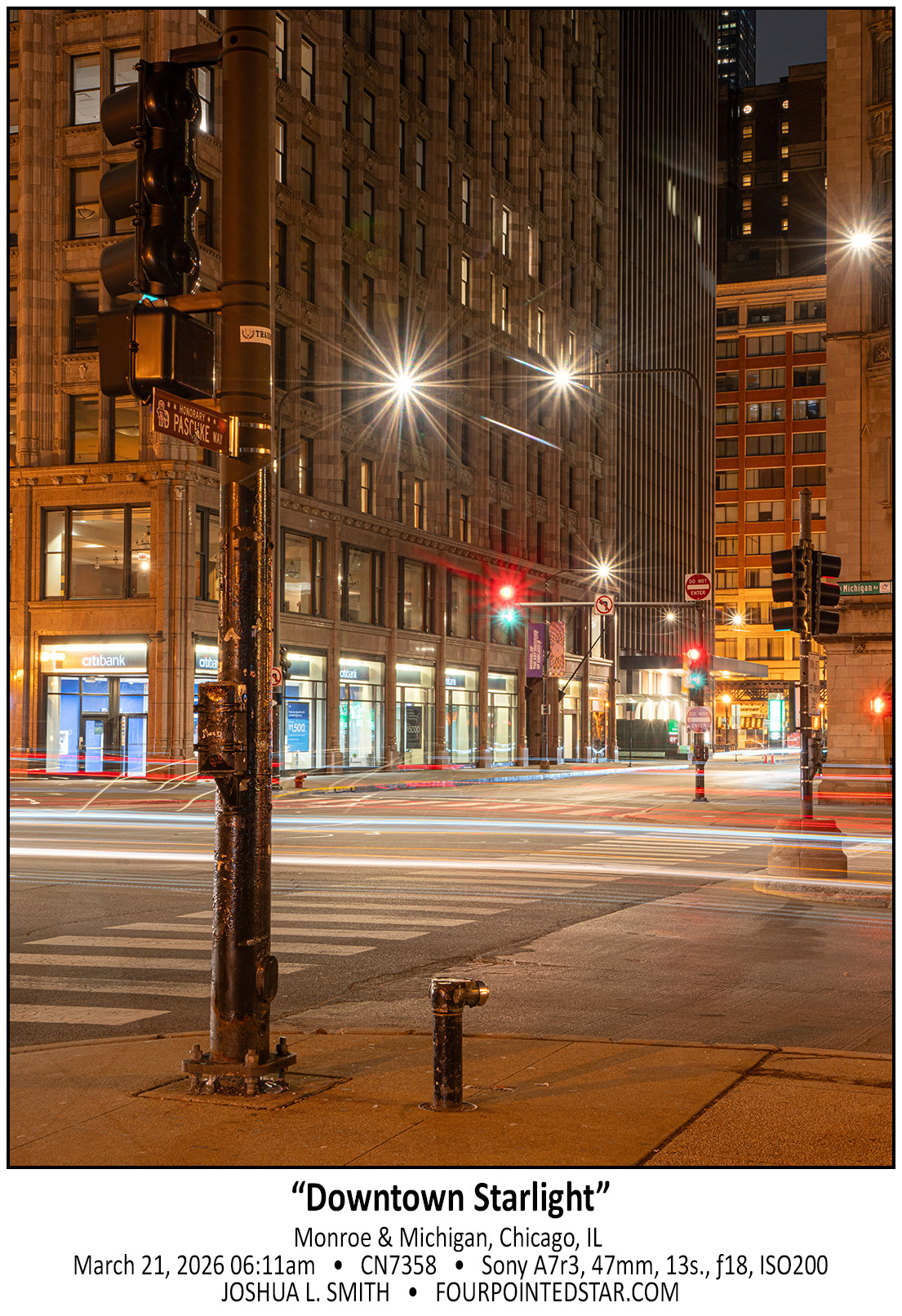
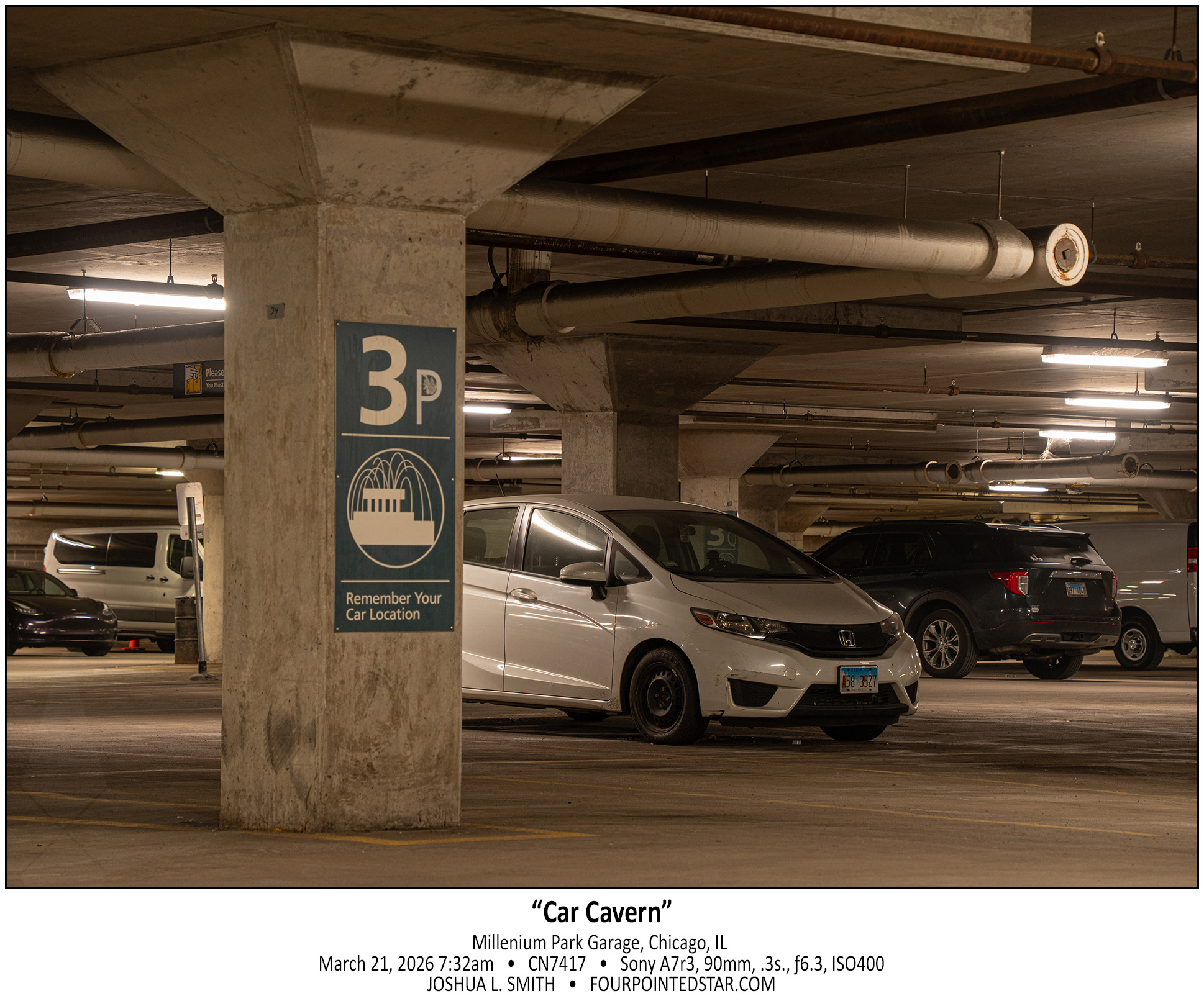
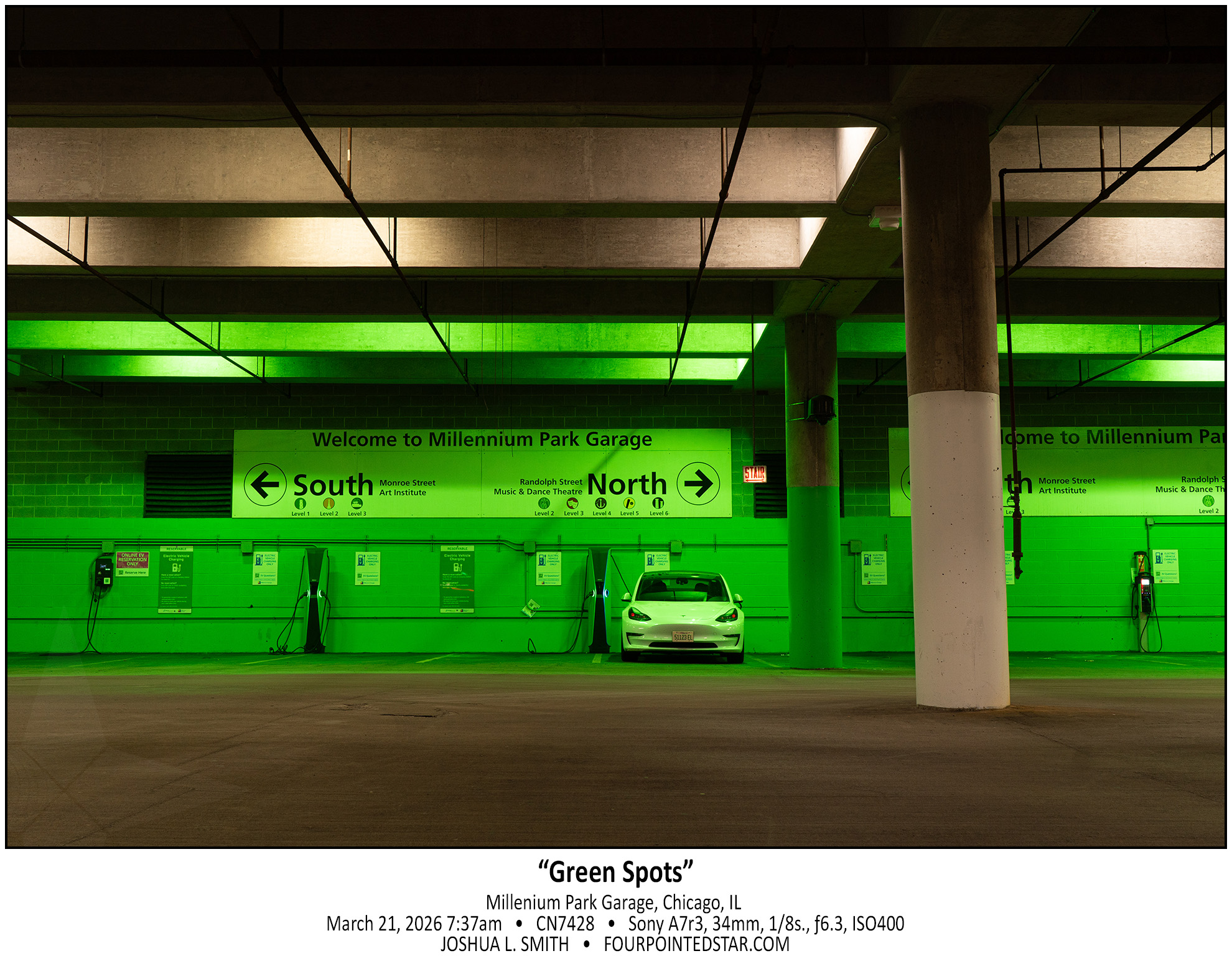
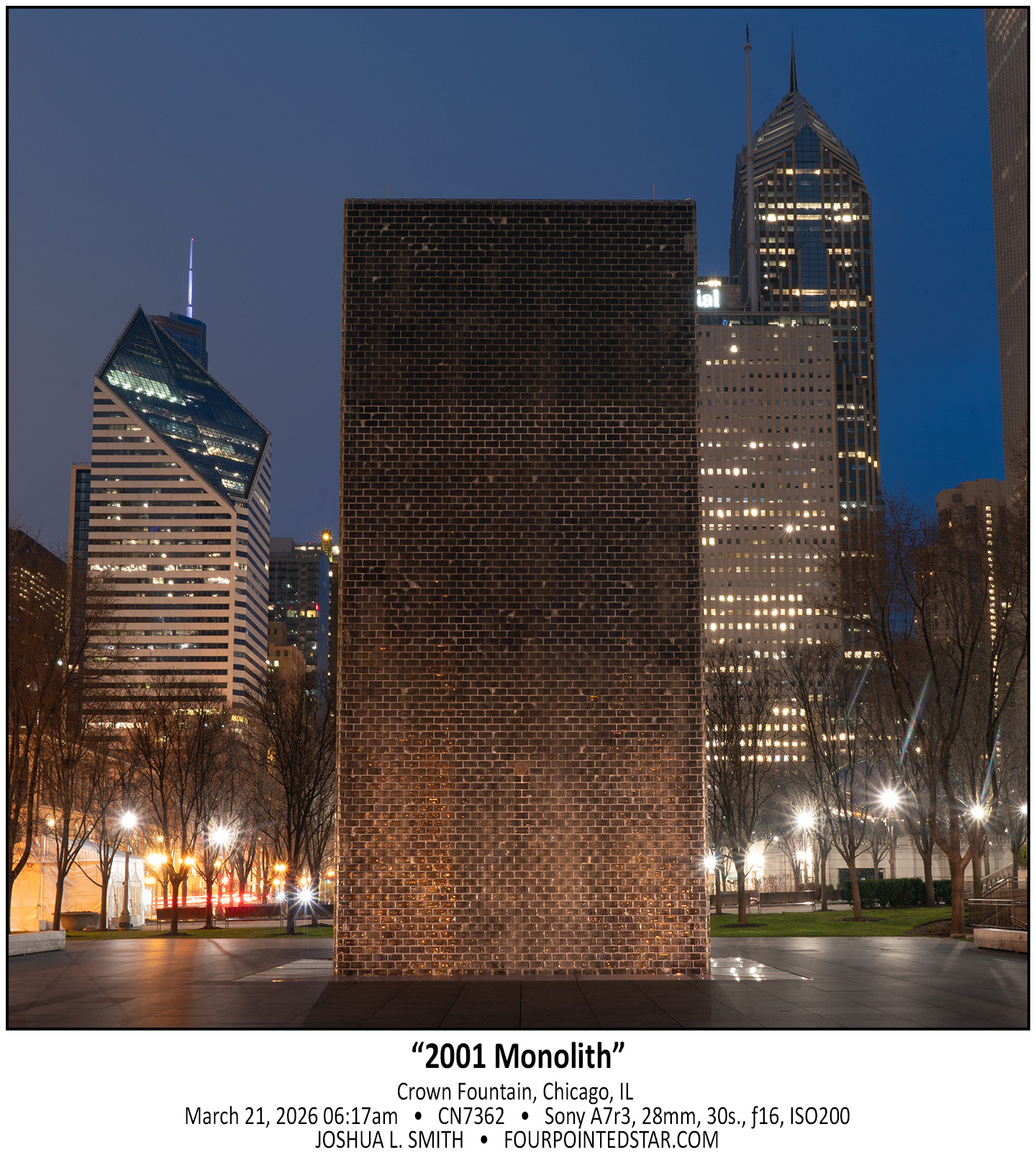
This spring, Chicago Henge was on a weekend, so I got up at 4am to head downtown to capture the sunrise; sadly this glow was the most that Mother Nature cooperated.  When I arrived downtown, it was pretty obvious that the sky would remain overcast, so I created other images instead and ended up with 3 pairs of photos that I like.

All in All, a successful trip.

.
.

.
.

.
.

.
.

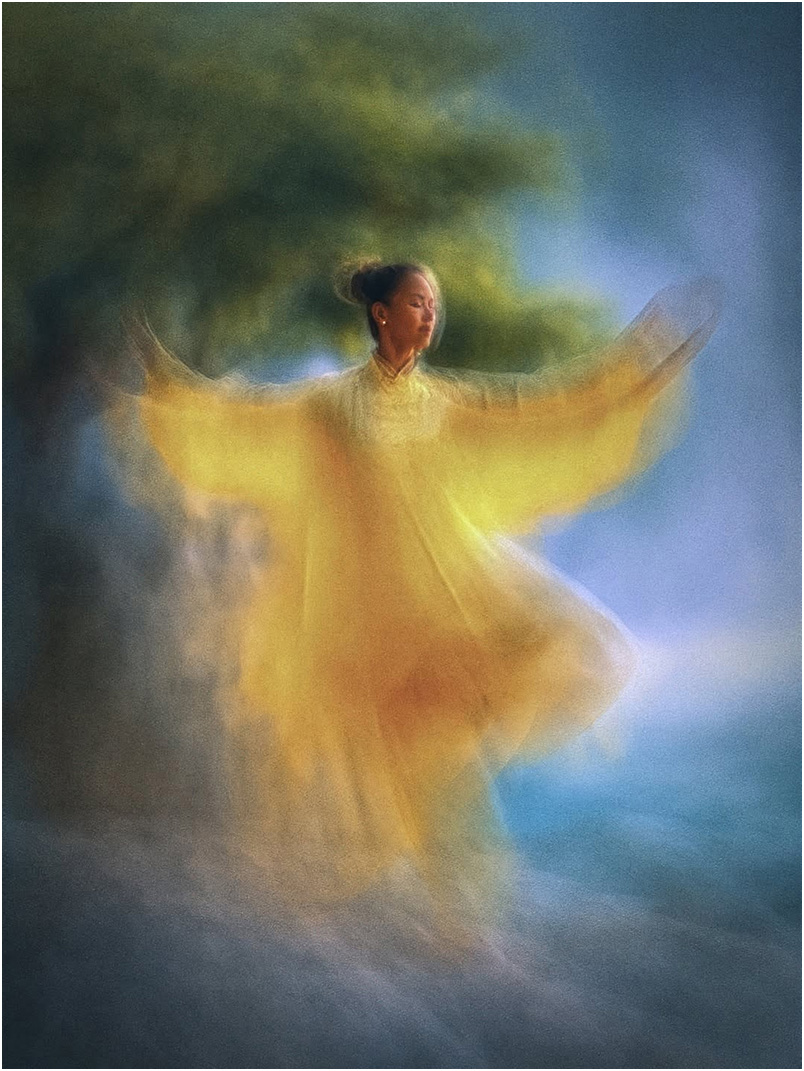
Back in late December, I ran across this composite photo by Sven Bergmeier on Facebook – the yellow leapt off the screen, just like the serenity of the dancer leapt into my memory. As is normal for me – I started imagining ways that I could create similar images.
original image here

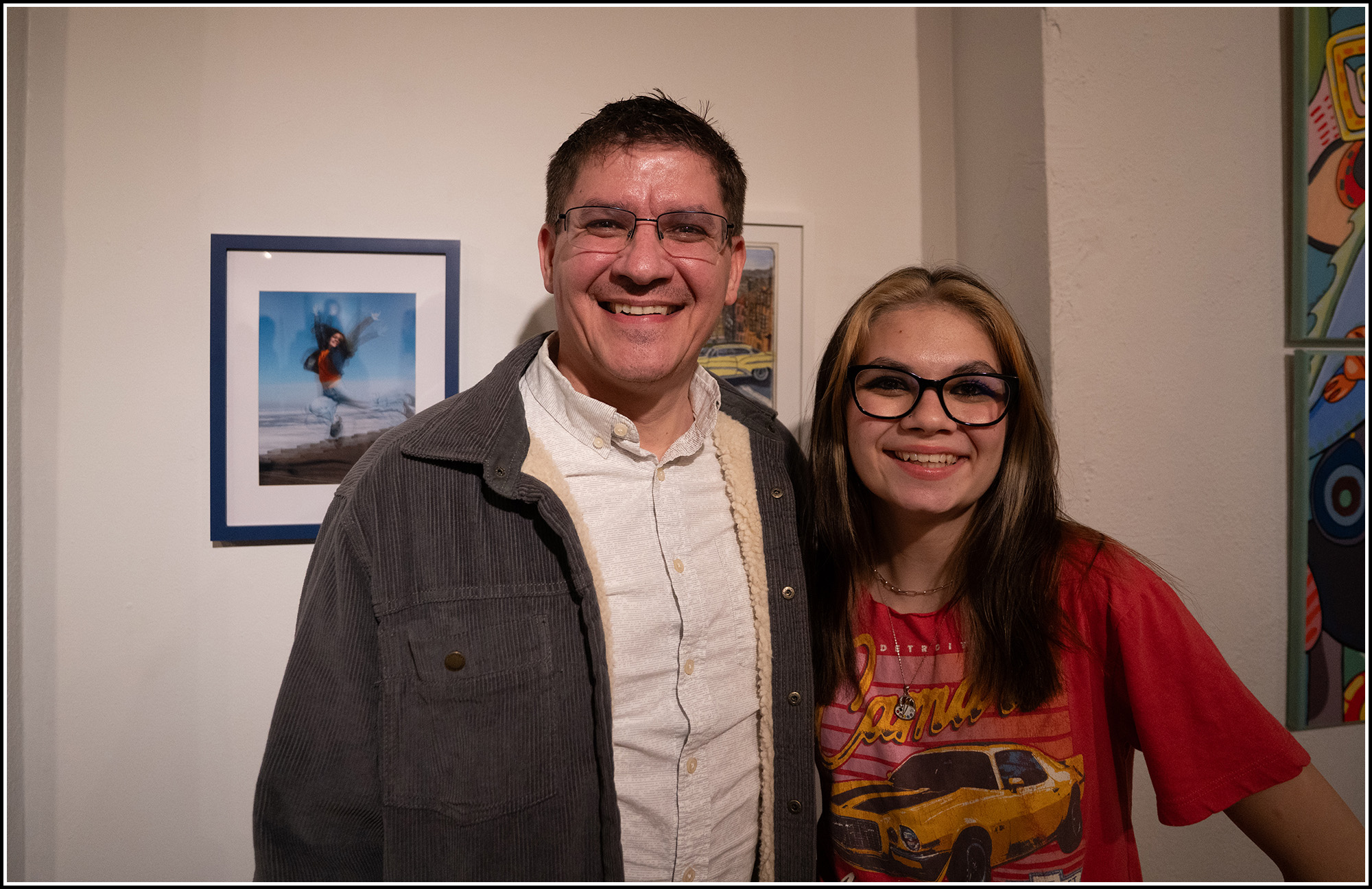
This image rattled around in my brain for a couple of weeks until Side Street Studio Arts, here in Elgin, announced the call for art for their 13th anniversary. One of my goals is to enter more of my photography into exhibits, but not the simple images, but the creative pieces.

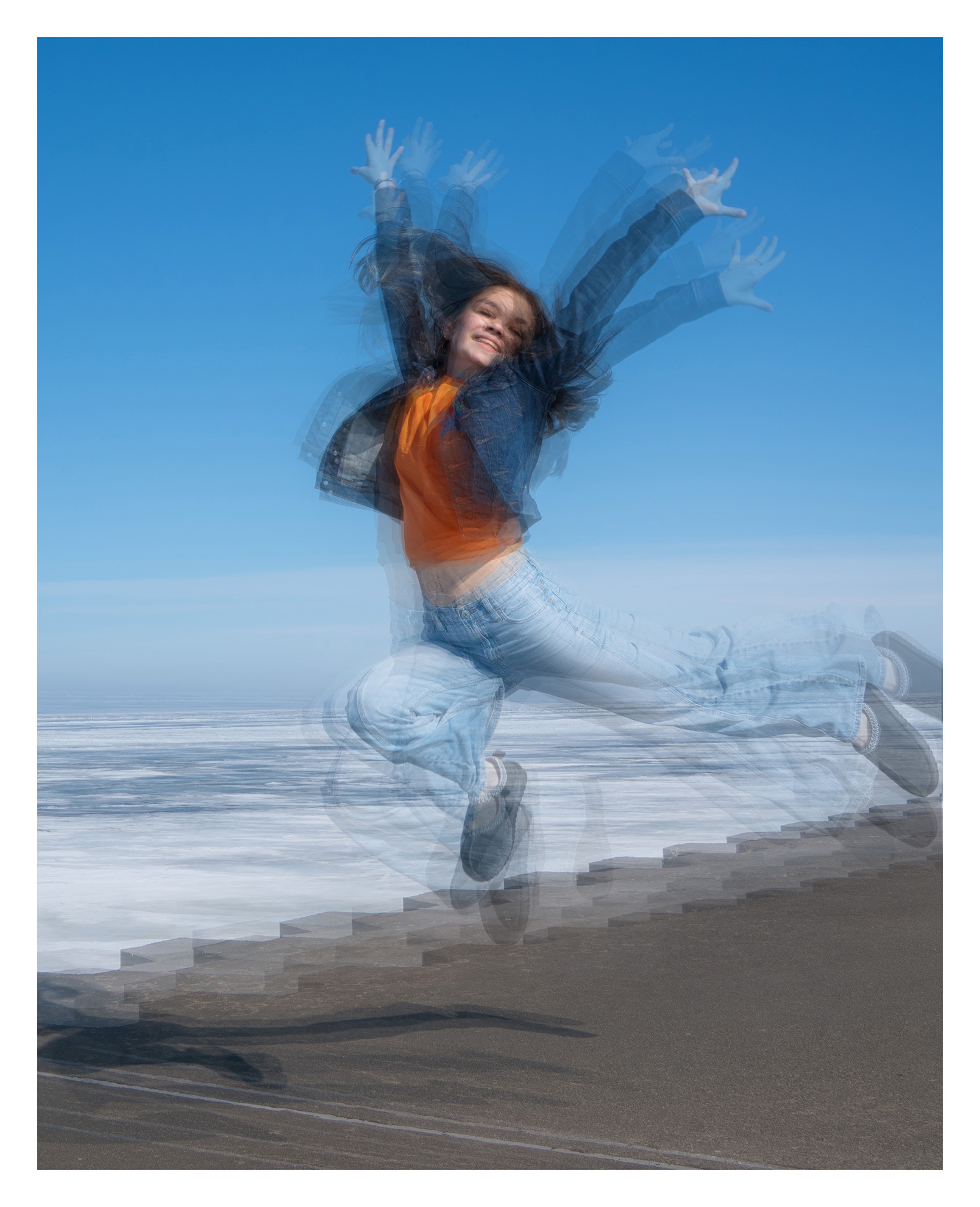
I asked my oldest daughter if she would like to help create an image for the Side Street exhibit; she’s danced in a private studio, and then in her high school’s Orchesis program as well. I showed her the idea and then some ideas for a pose when she jumps; and then, on a 25 degree morning, we went out along Lake Michigan and captured quite a few photos.

I love how this images shows her joy and enthusiasm, the orange pops against the blues and concrete, and the variations in her jump add to the image rather than detract. Hopefully other photographers will see this creation, and be inspired to create images too.

.
.

.
.

.
.

.
.

.
.

.
.

.
.

.
.

.
.

.
.

.
.

.
.

.
.

.
.

.
.

.
.

.
.

.
.

.
.


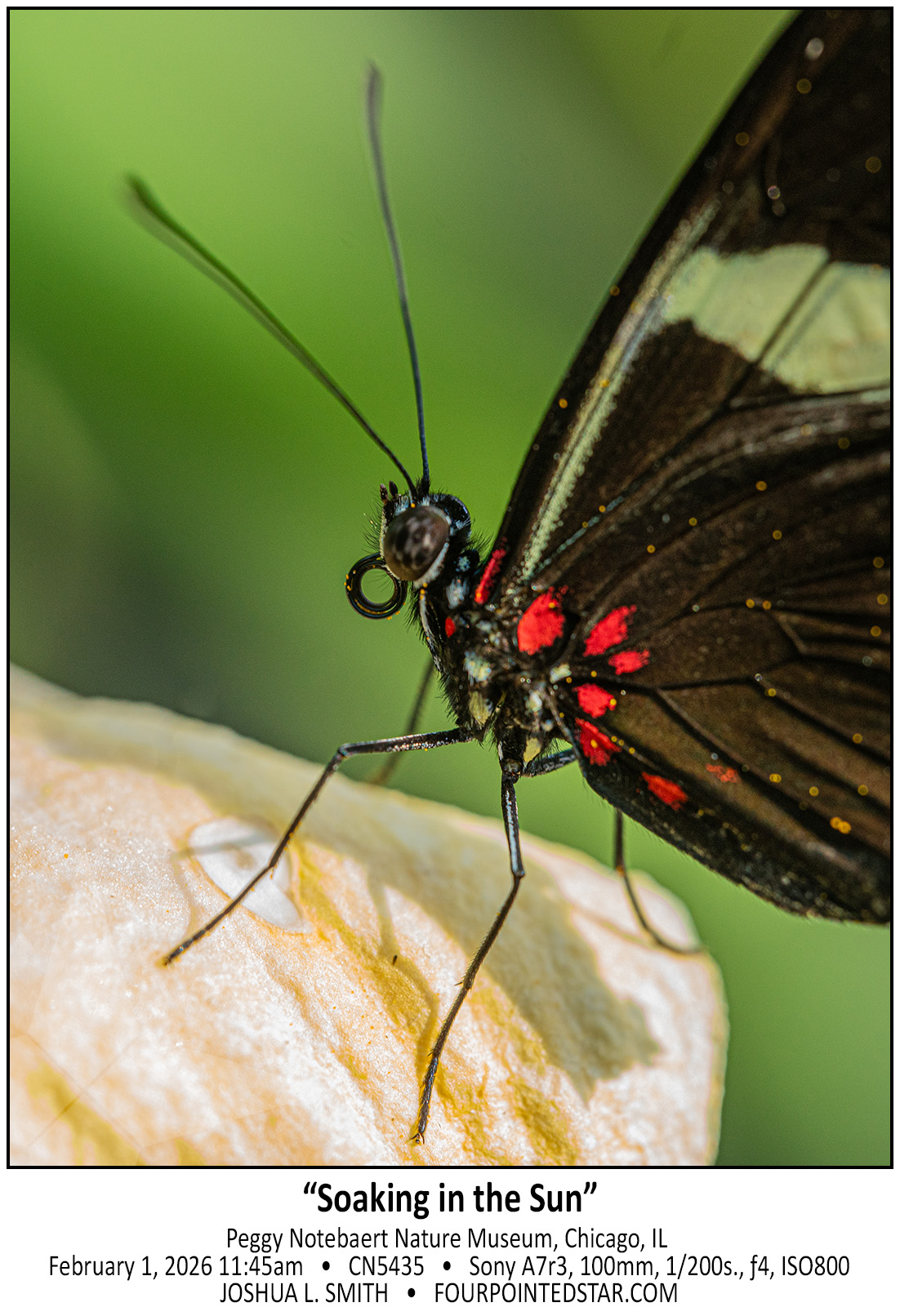
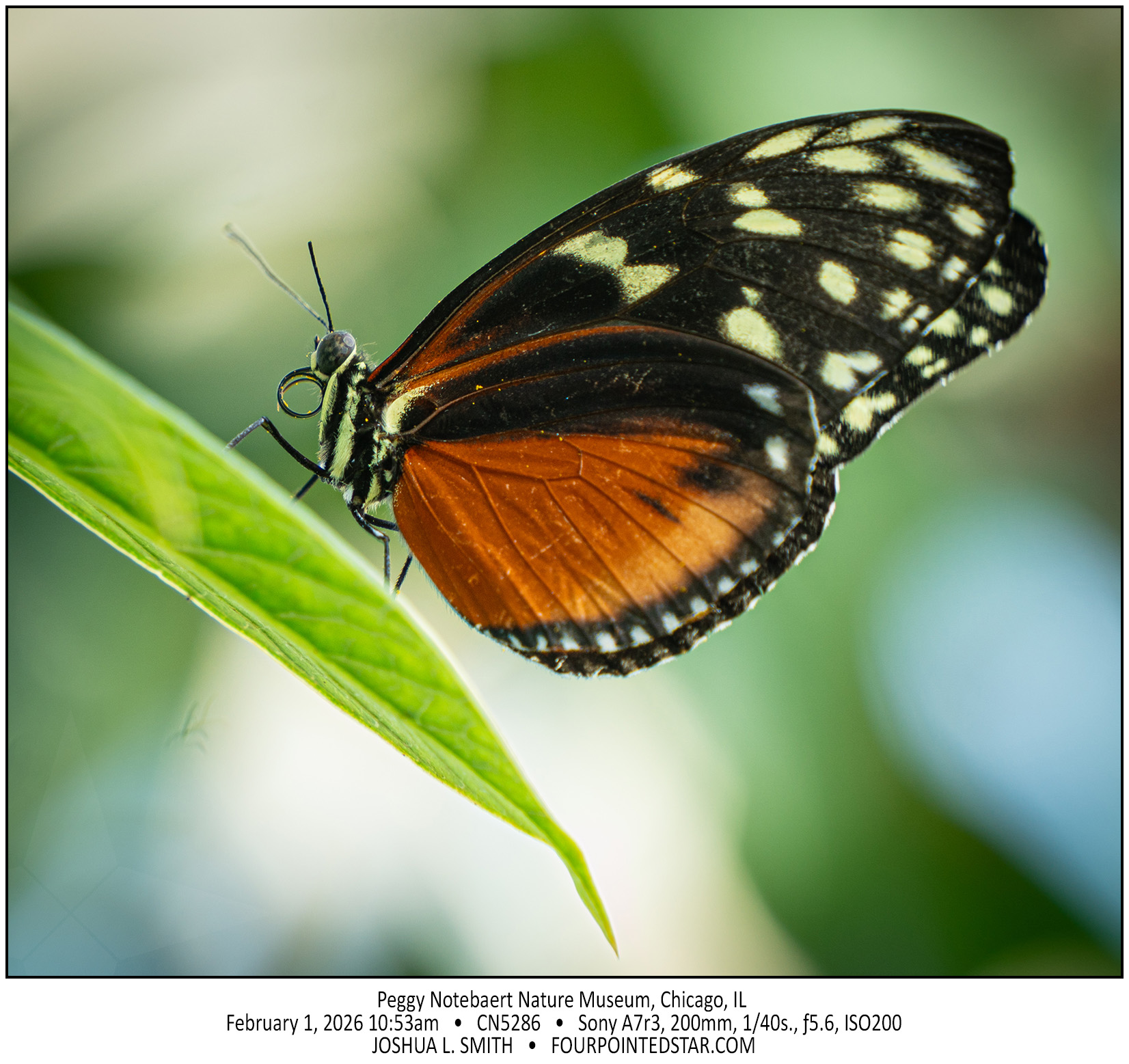
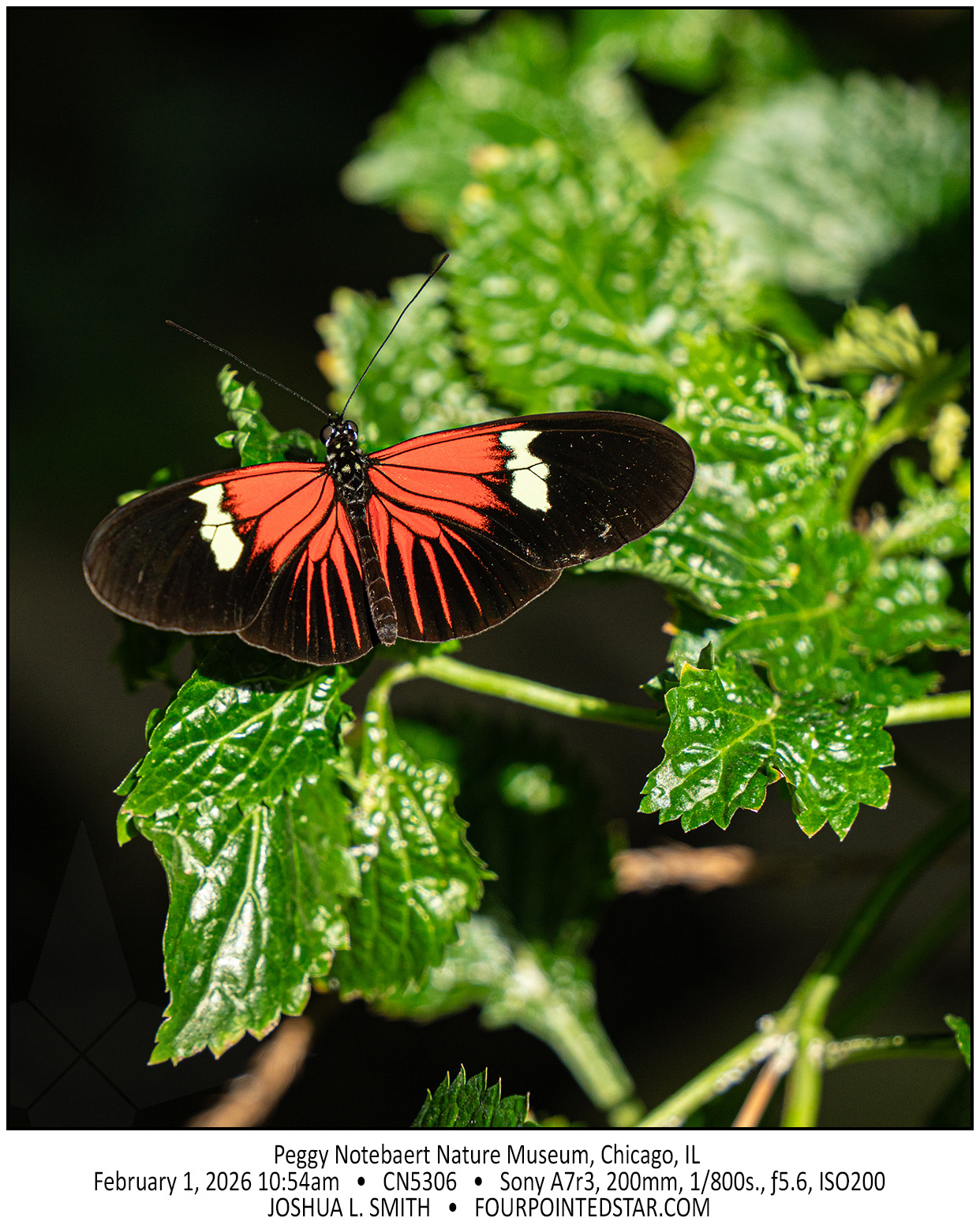
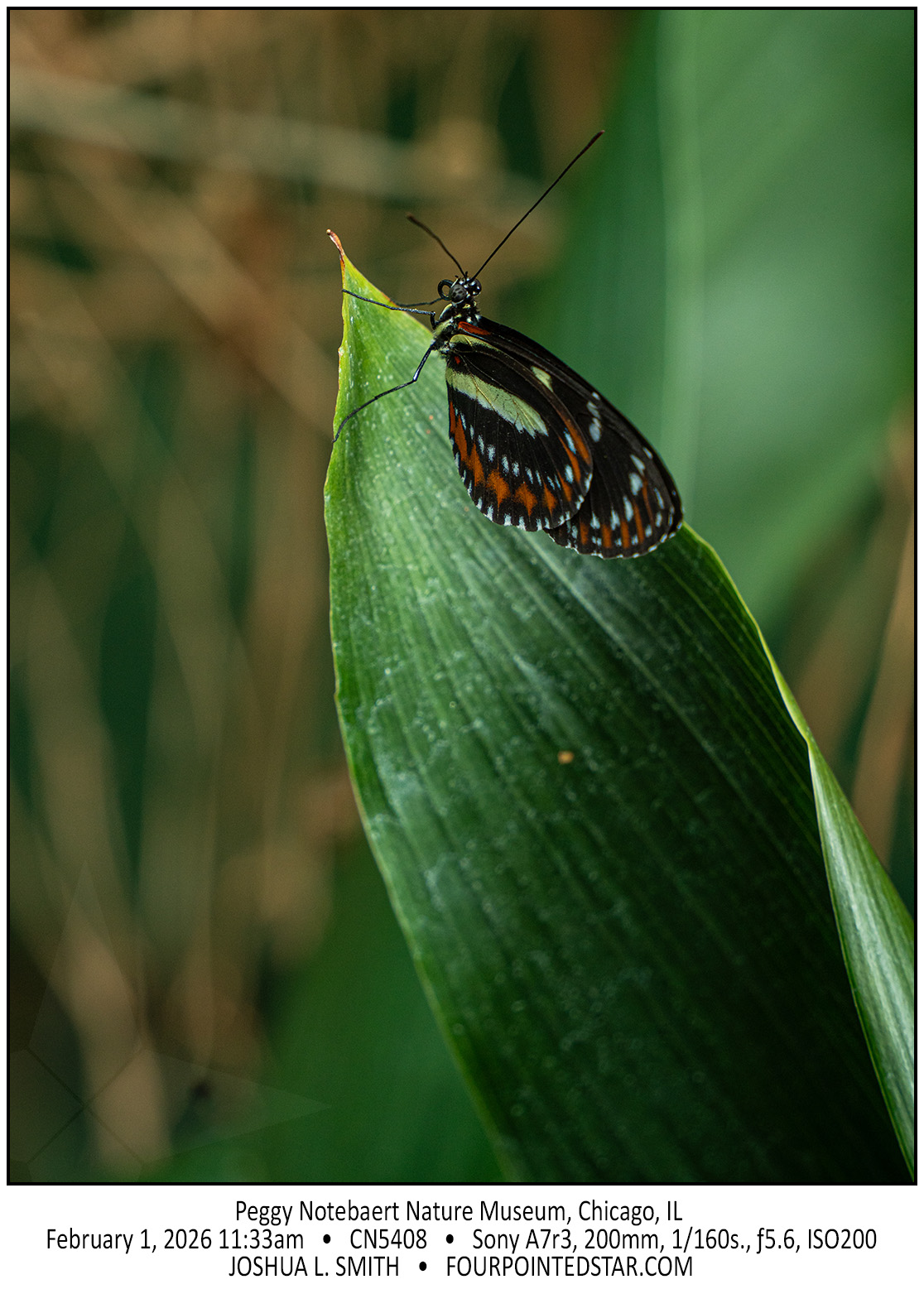
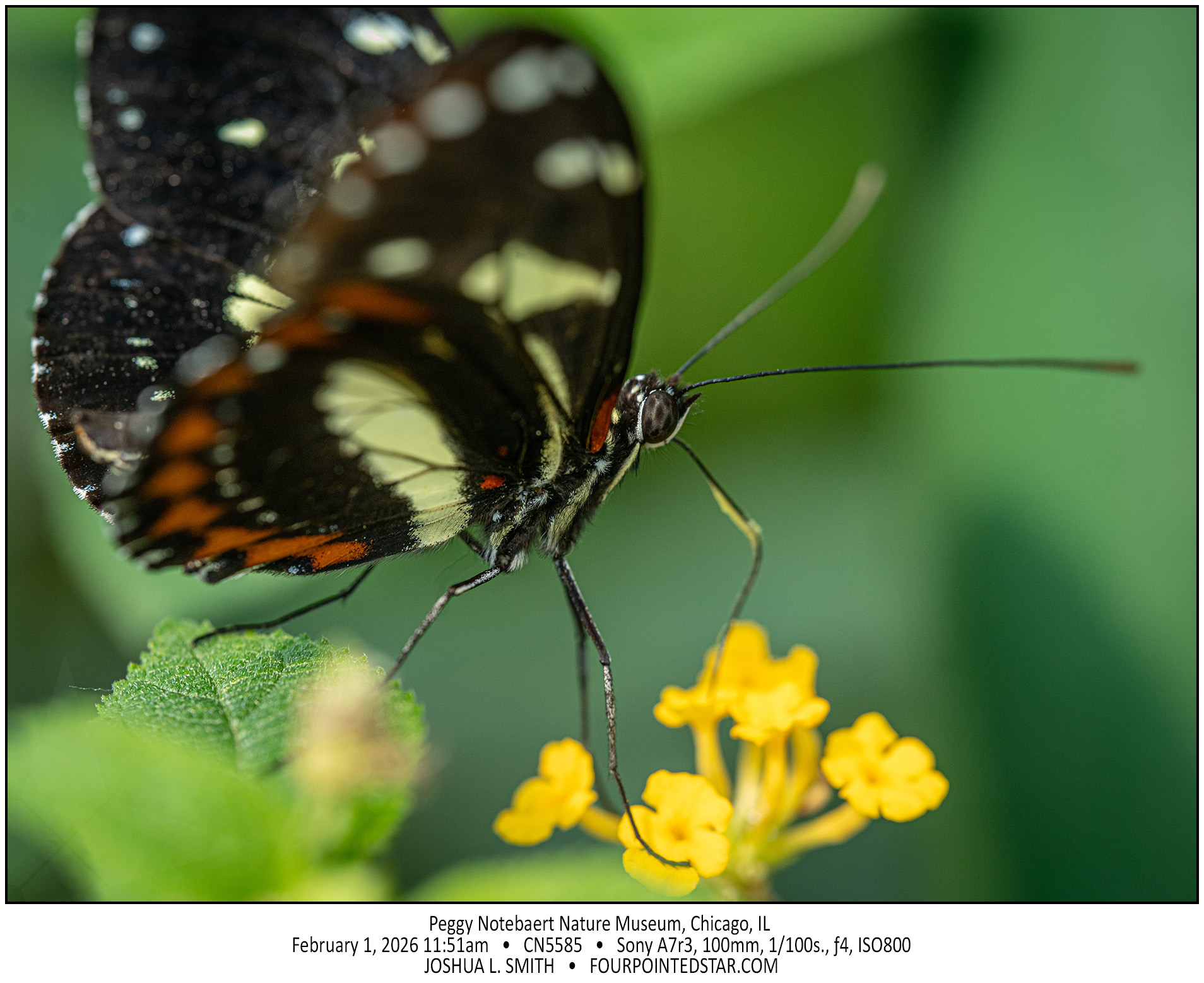
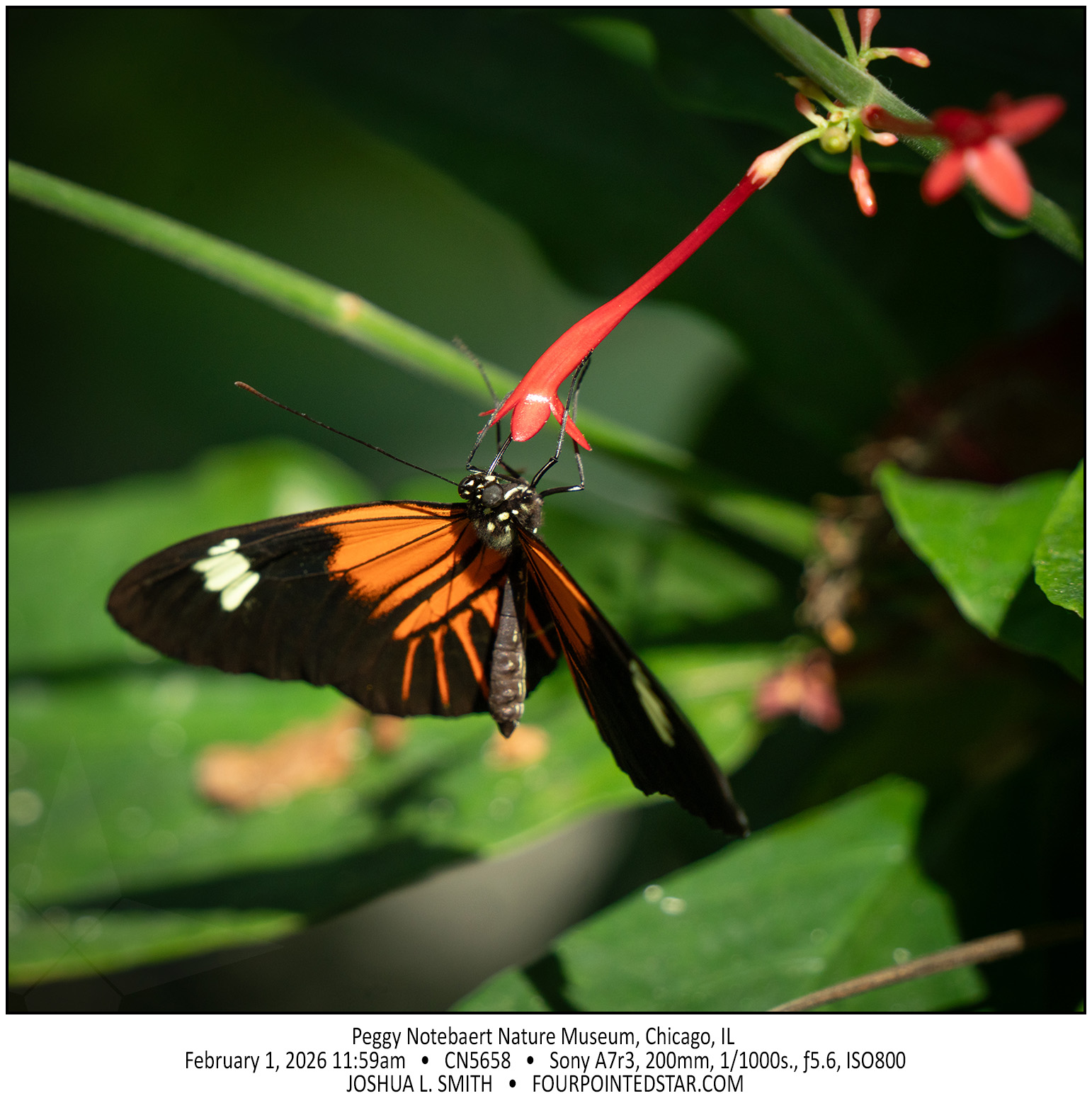
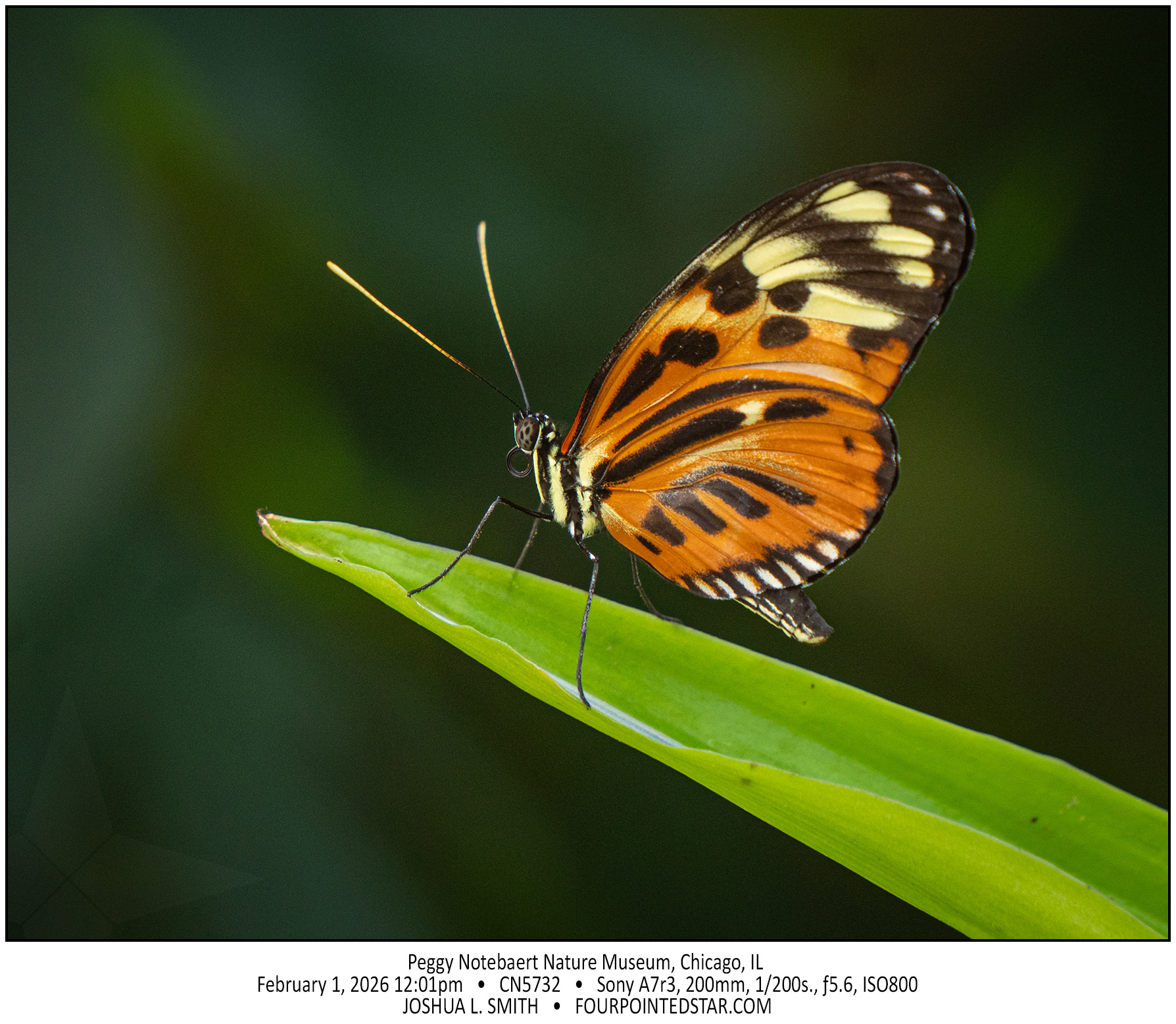
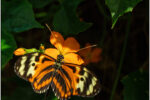
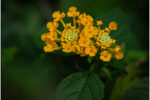
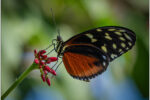
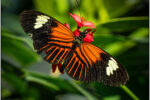
You might think that after 10 years of photographing butterflies in the same exhibit that it would be easier or boring or predictable, but during each visit, I have to search for the butterflies in a good setting within the reach of my lens, adjust for the proper lighting, and then capture the image while the butterfly is stationary.

The sunlight filters in and out, the butterflies often land far away or in an “ugly” location, or they take off right when you press the shutter button; so each year there is a challenge and a smile when I’m editing and see that I’ve captured a good image. Really, each one of those challenges is present in most photographic creation…


.

>other images<
.

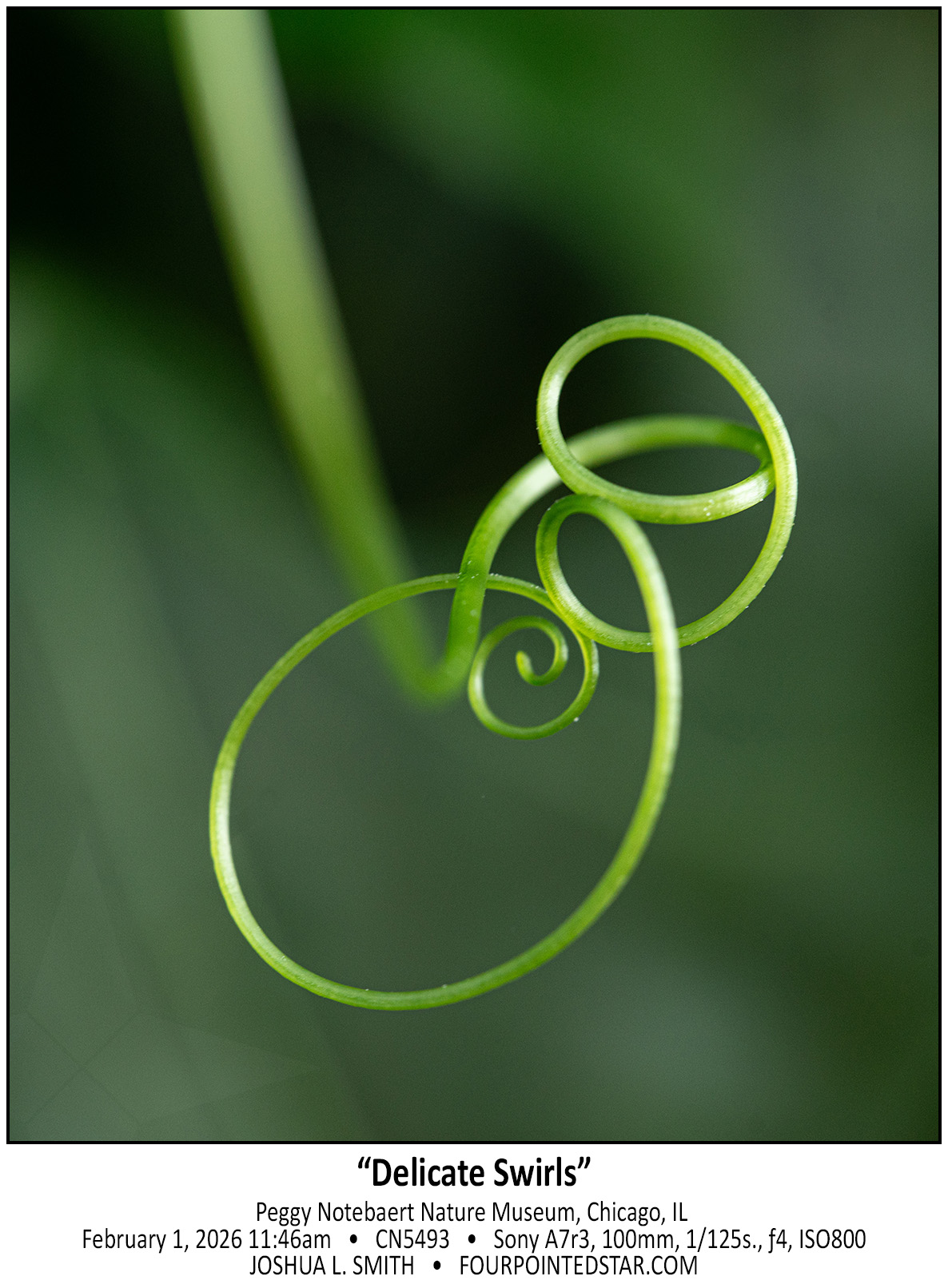
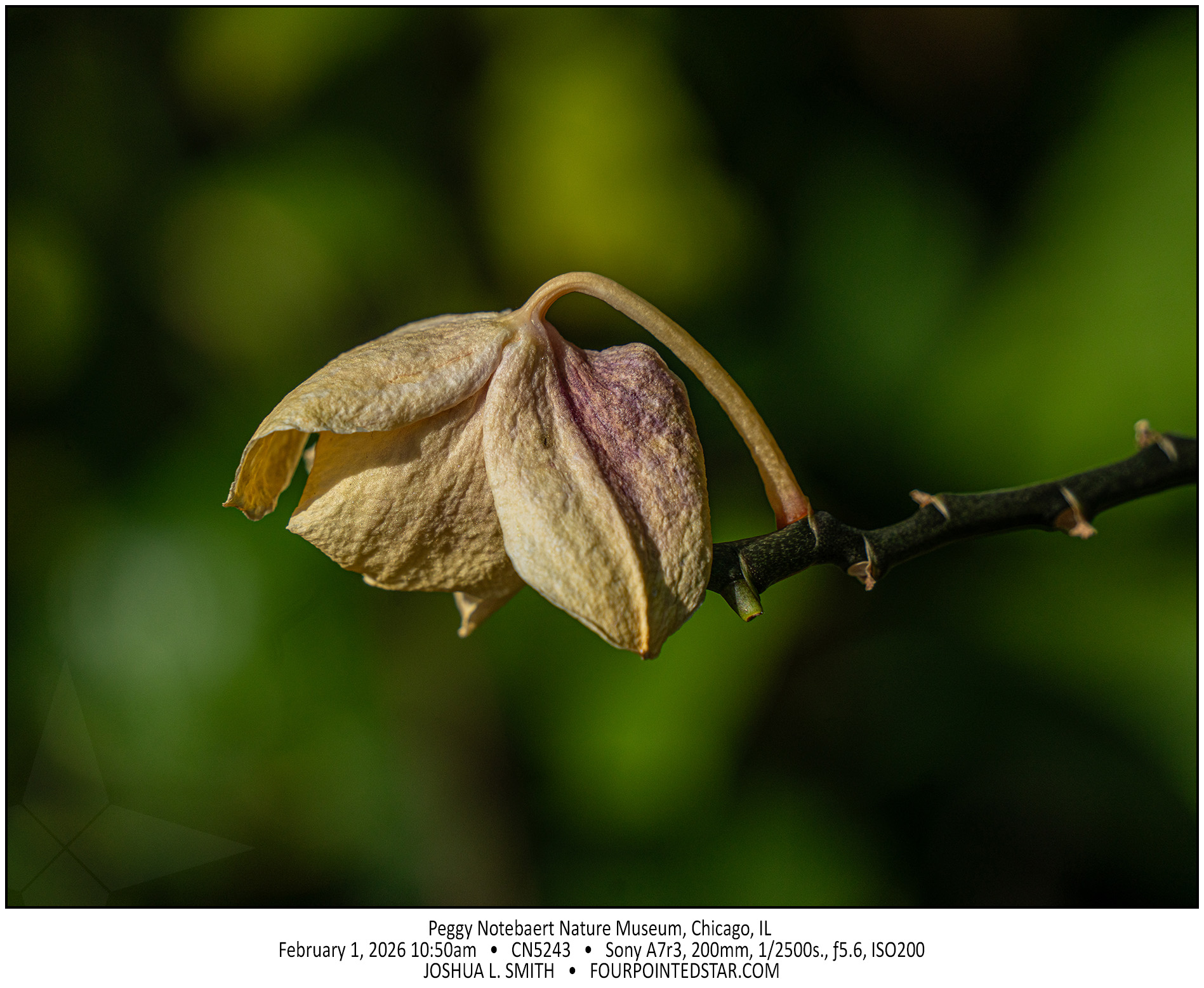
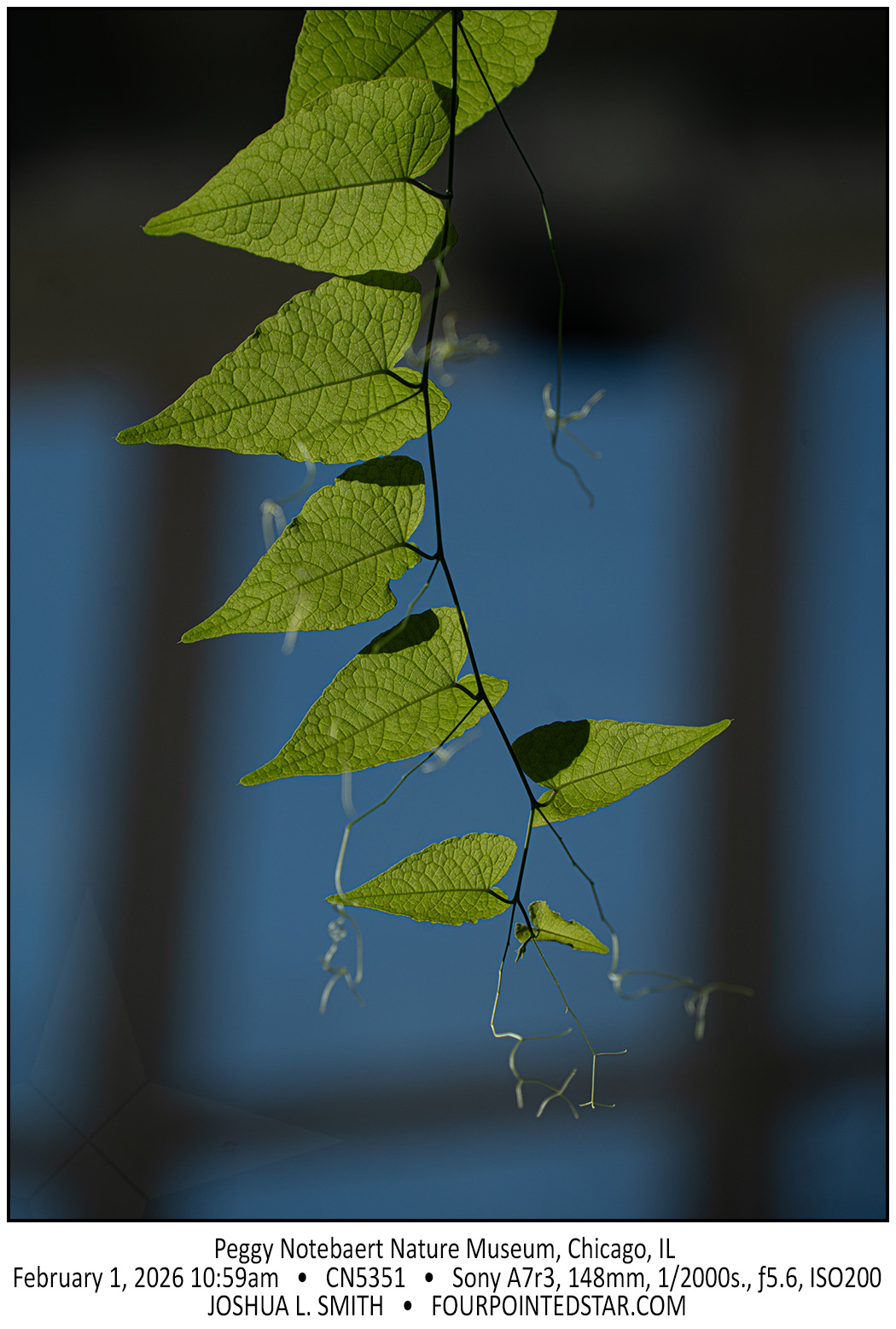
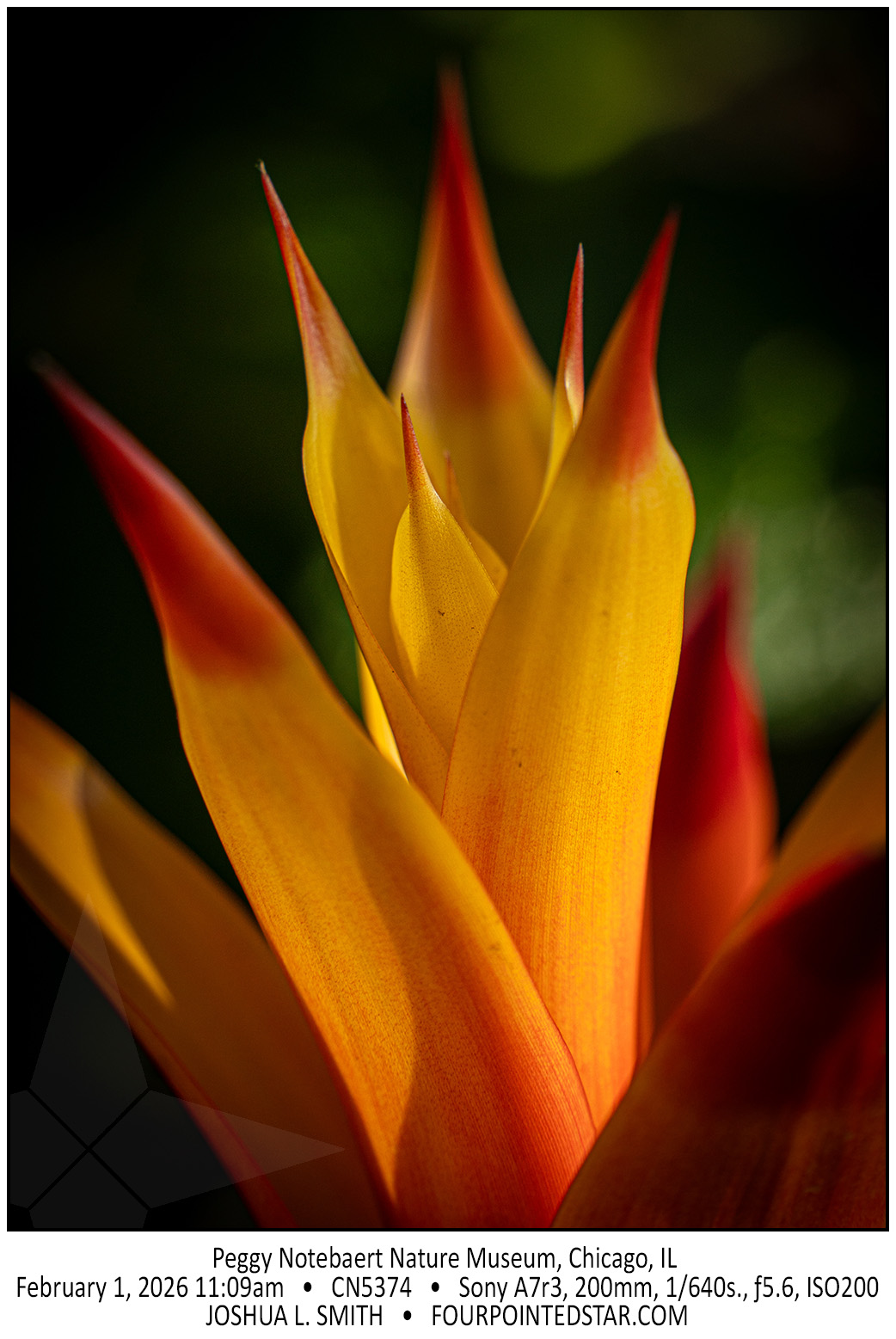
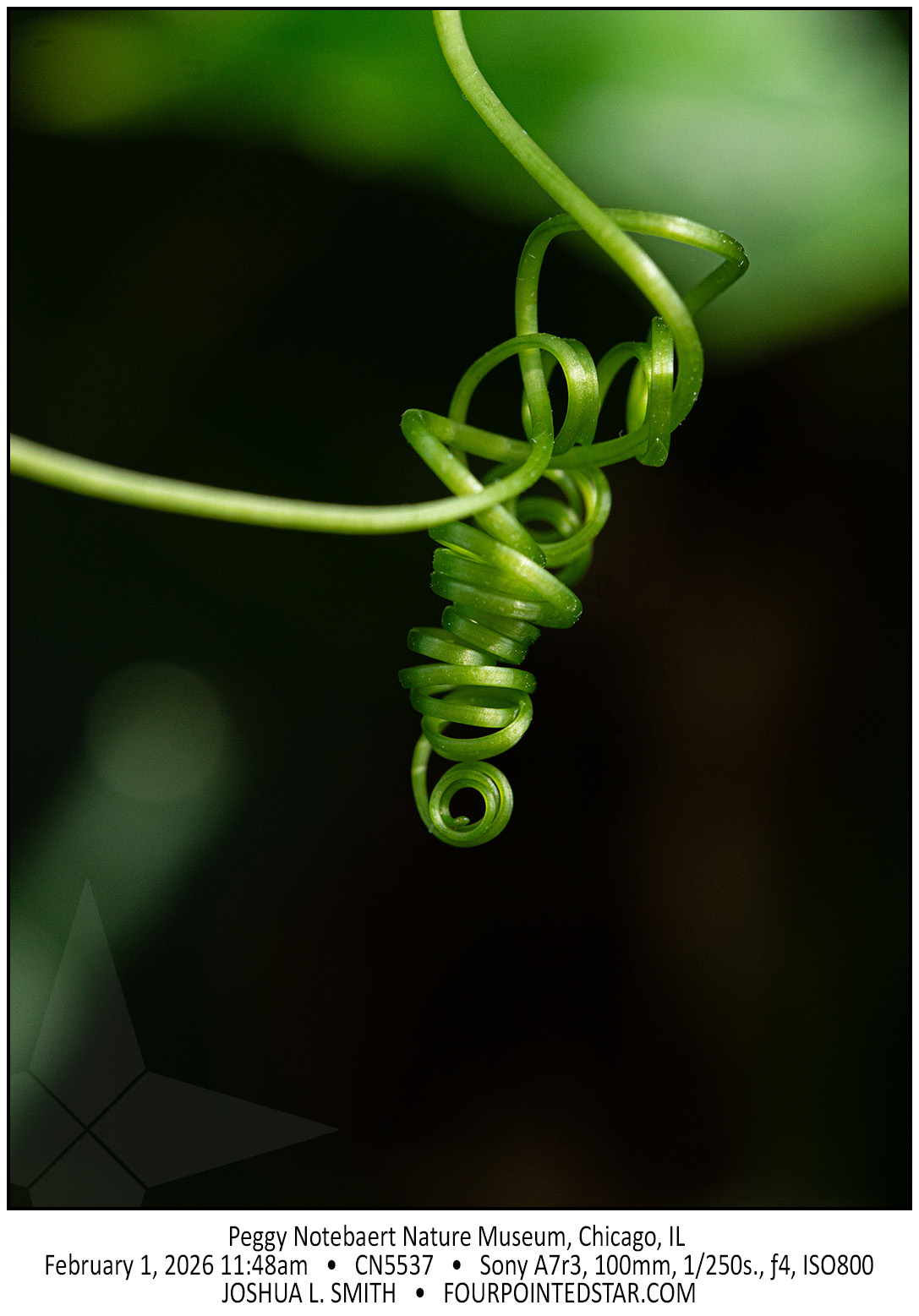
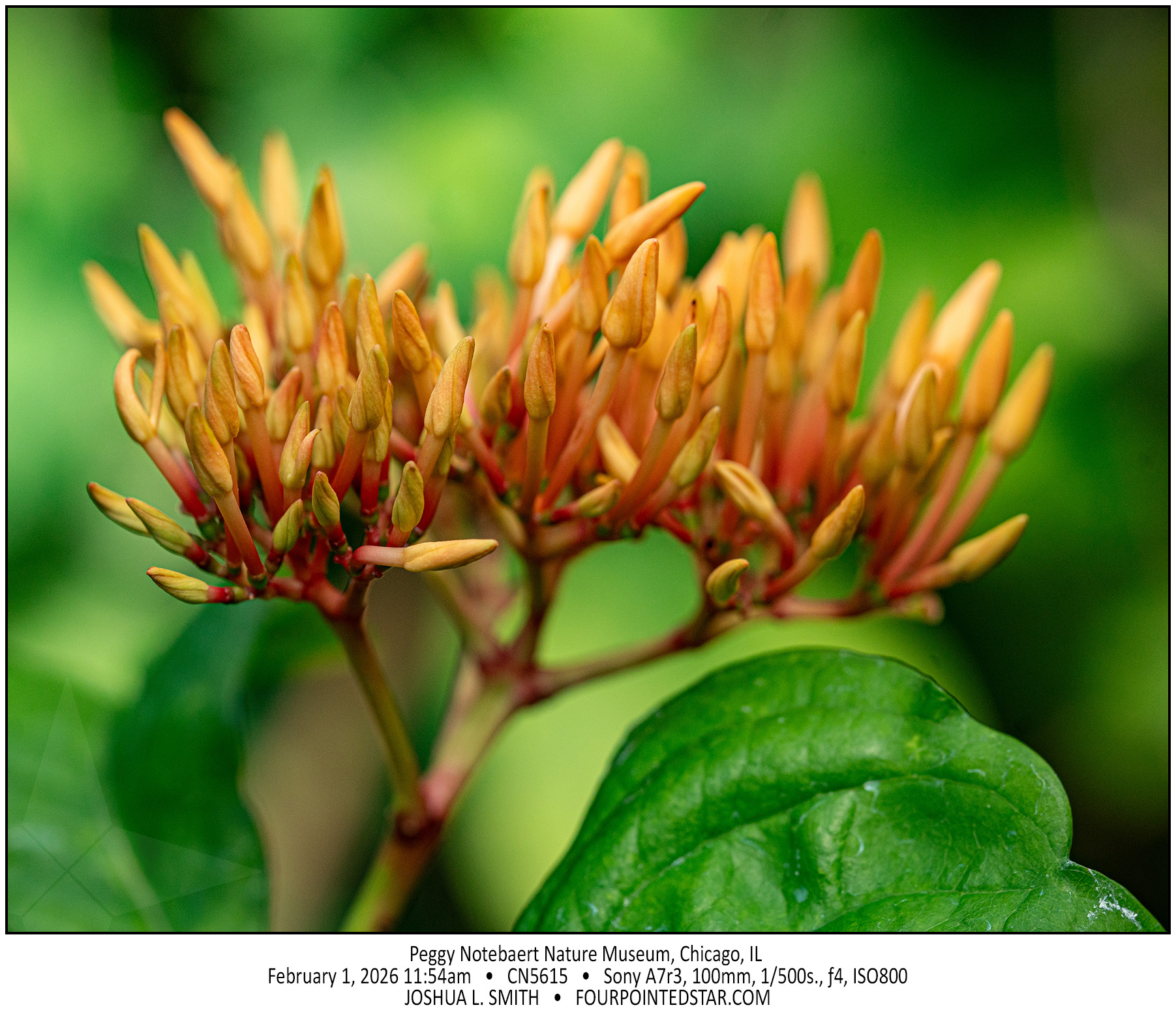
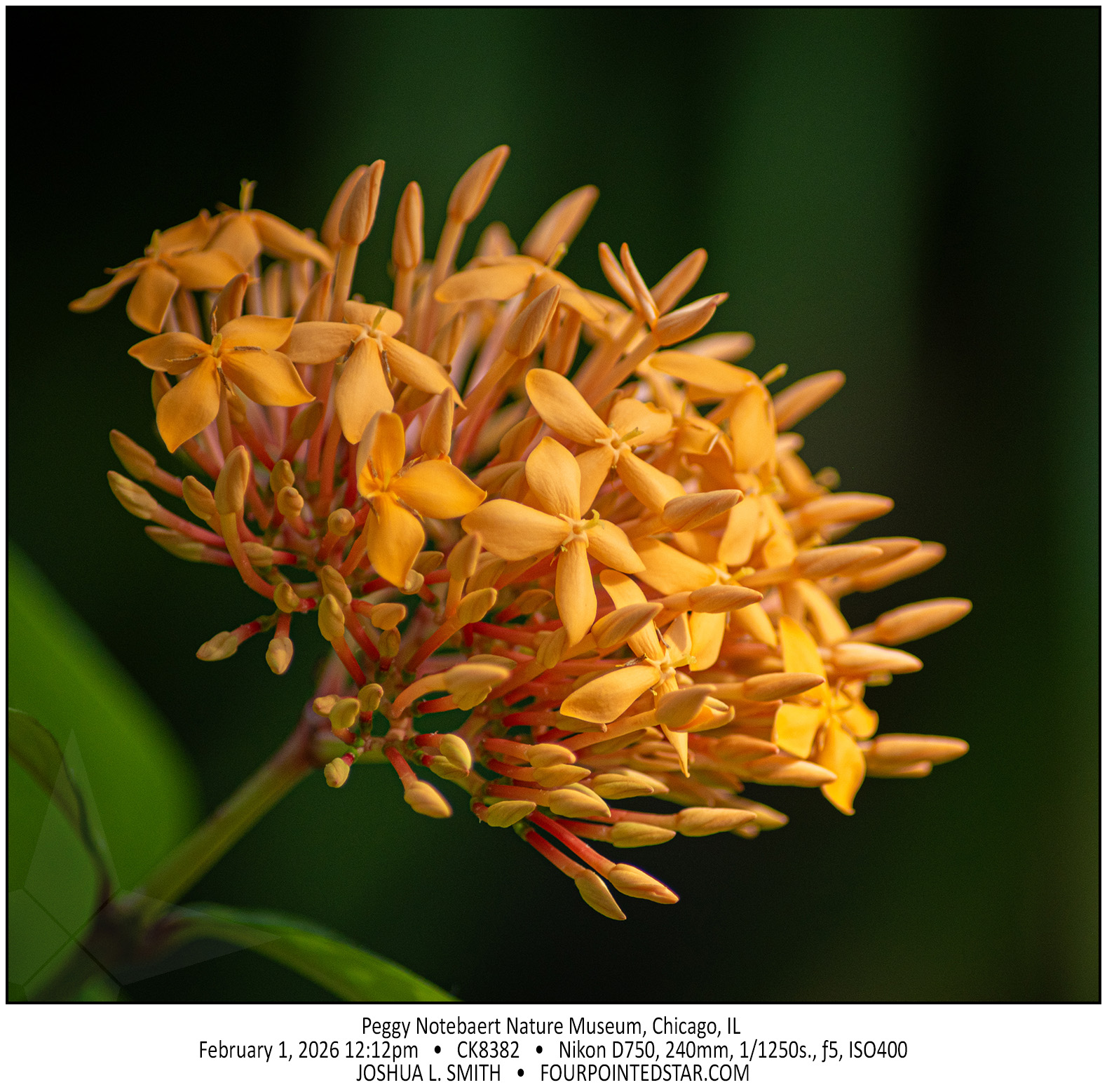
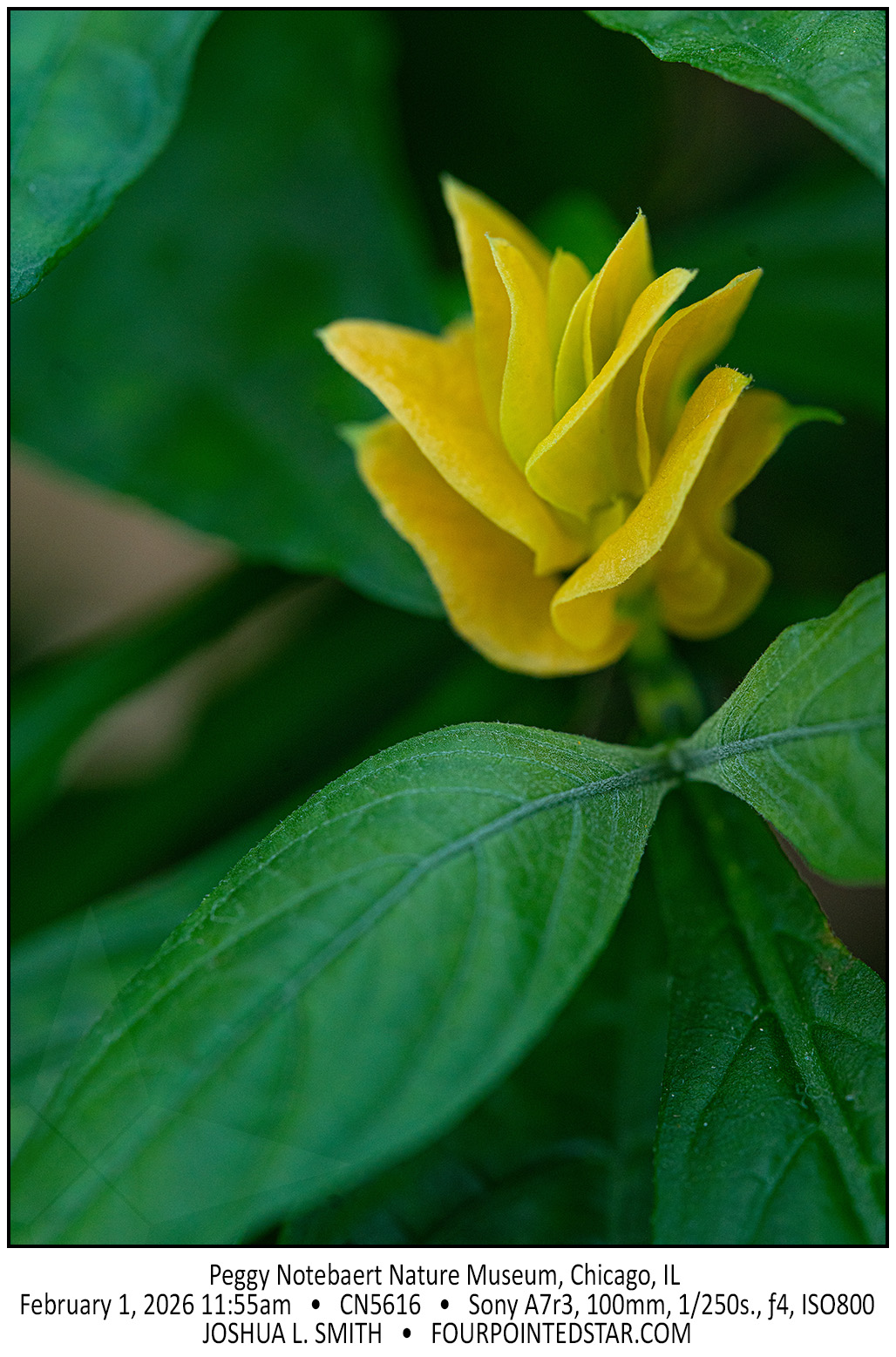
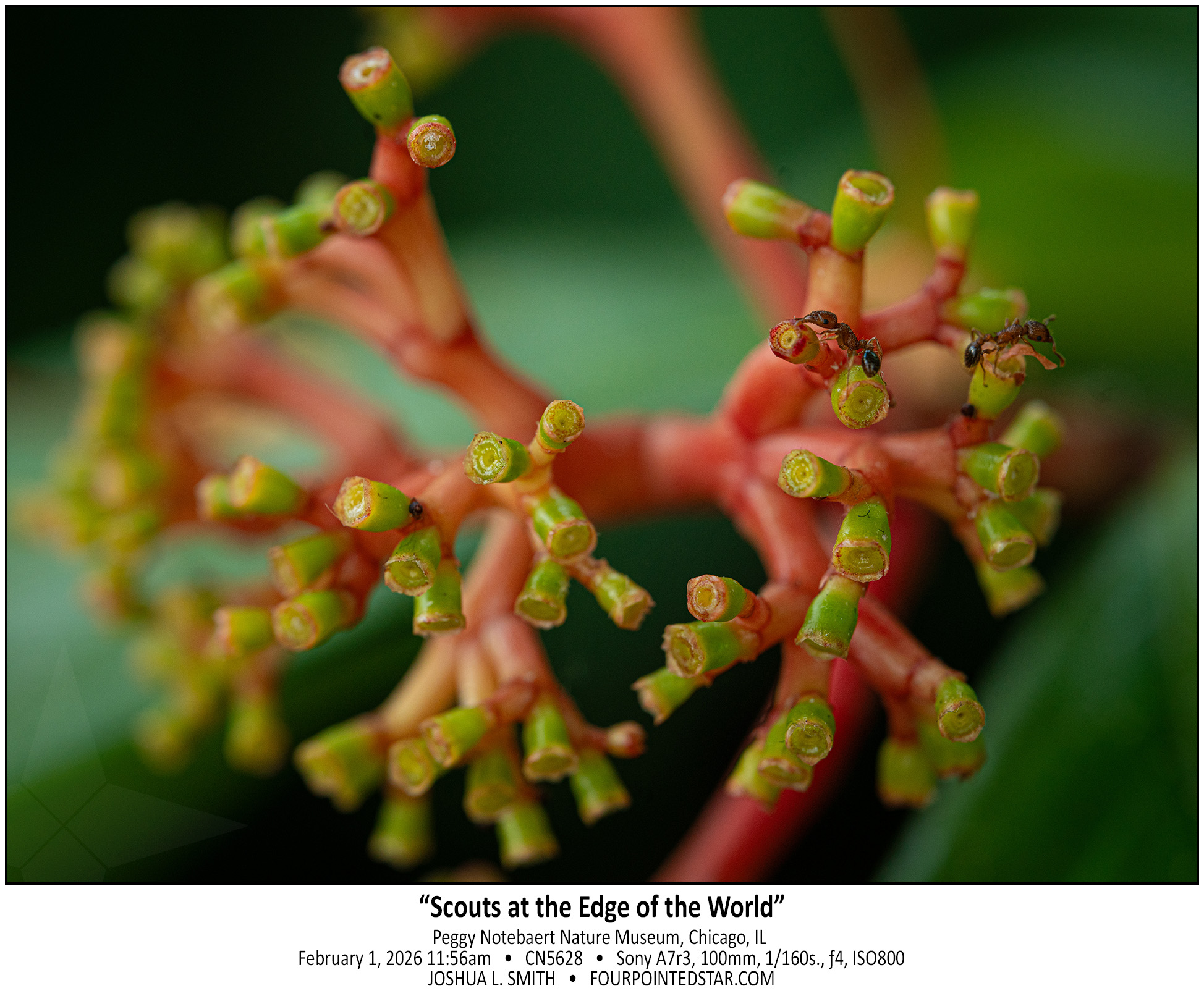
Each winter, I make a sacred trek to Peggy Notebaert Nature Museum in Chicago. They have a wonderful year-round butterfly exhibit, and those colors are the perfect break from the dull nature colors. Even when the Illinois winter blesses us with snow instead of 43 shades of brown and grey, more of nature is still monochromatic.

Typically I focus on the butterflies; small pops of color whose unpredictable nature and flight paths make them a challenge to photograph, but this visit, I was inspired by a photo that Sarah took years ago – a simple image of the end of one of the vines. What images could I create in the butterfly house that weren’t of butterflies?

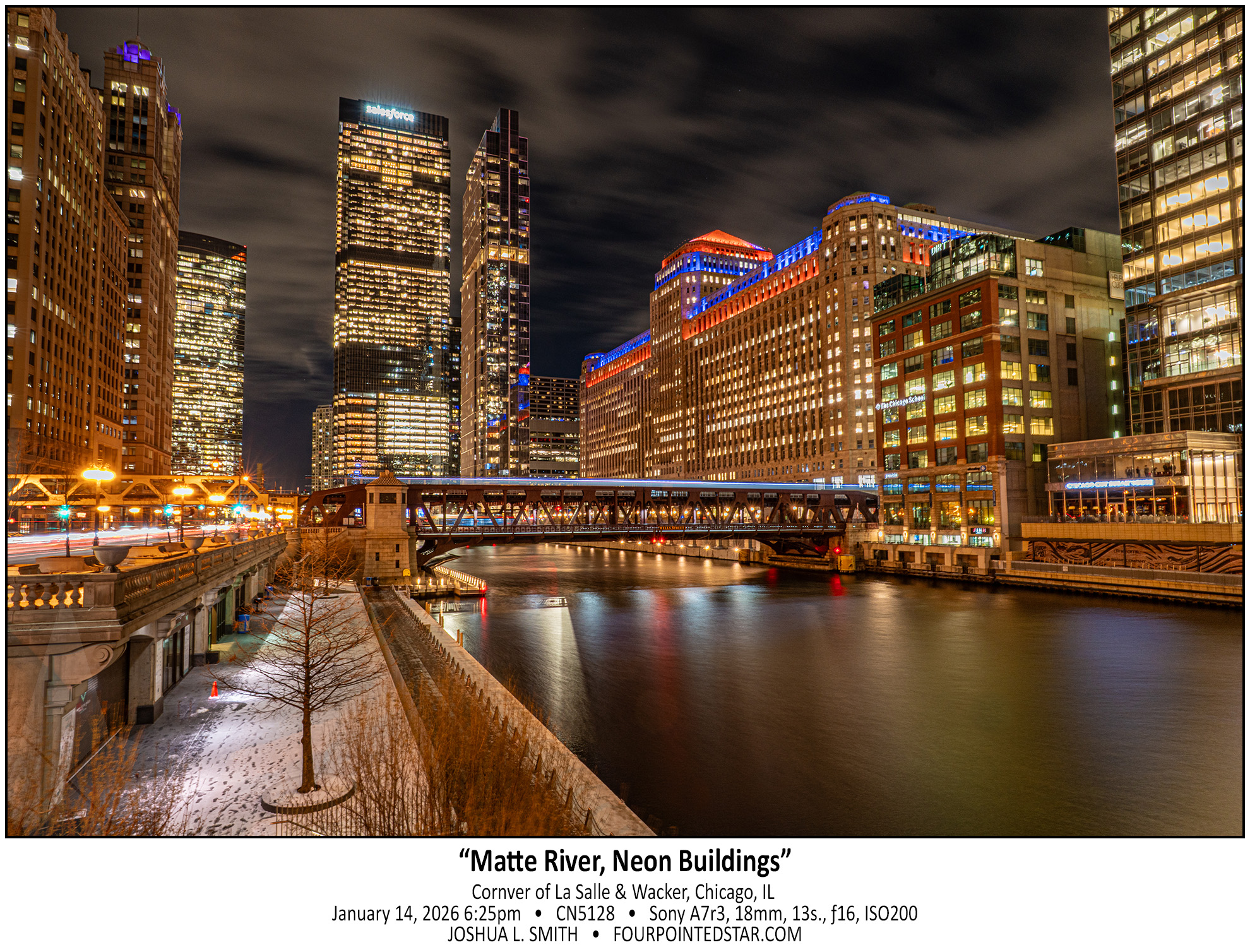
It’s no secret that I LOVE photographing light trails. I will visit the same spot OVER (January 2022) and OVER (January 2022) and OVER (April 2022) and OVER (November 2023) to see if I can get a NEW (November 2020), FRESH (January 2023), or INTERESTING (November 2023) photo.

But consistently I wonder, how can I create an image that challenges me this time – that presents a new challenge. At its core, capturing a light trail is just understanding how the light is moving and the exposure that’s need to not under or over-expose your image. So, how can I create an interesting composition with each visit?

What do you do when the light trails are from trains, when the pattern will only repeat over and over? The backdrop, scenery, and angle can change as seen in the two contrasting images: January 2021 & November 2023

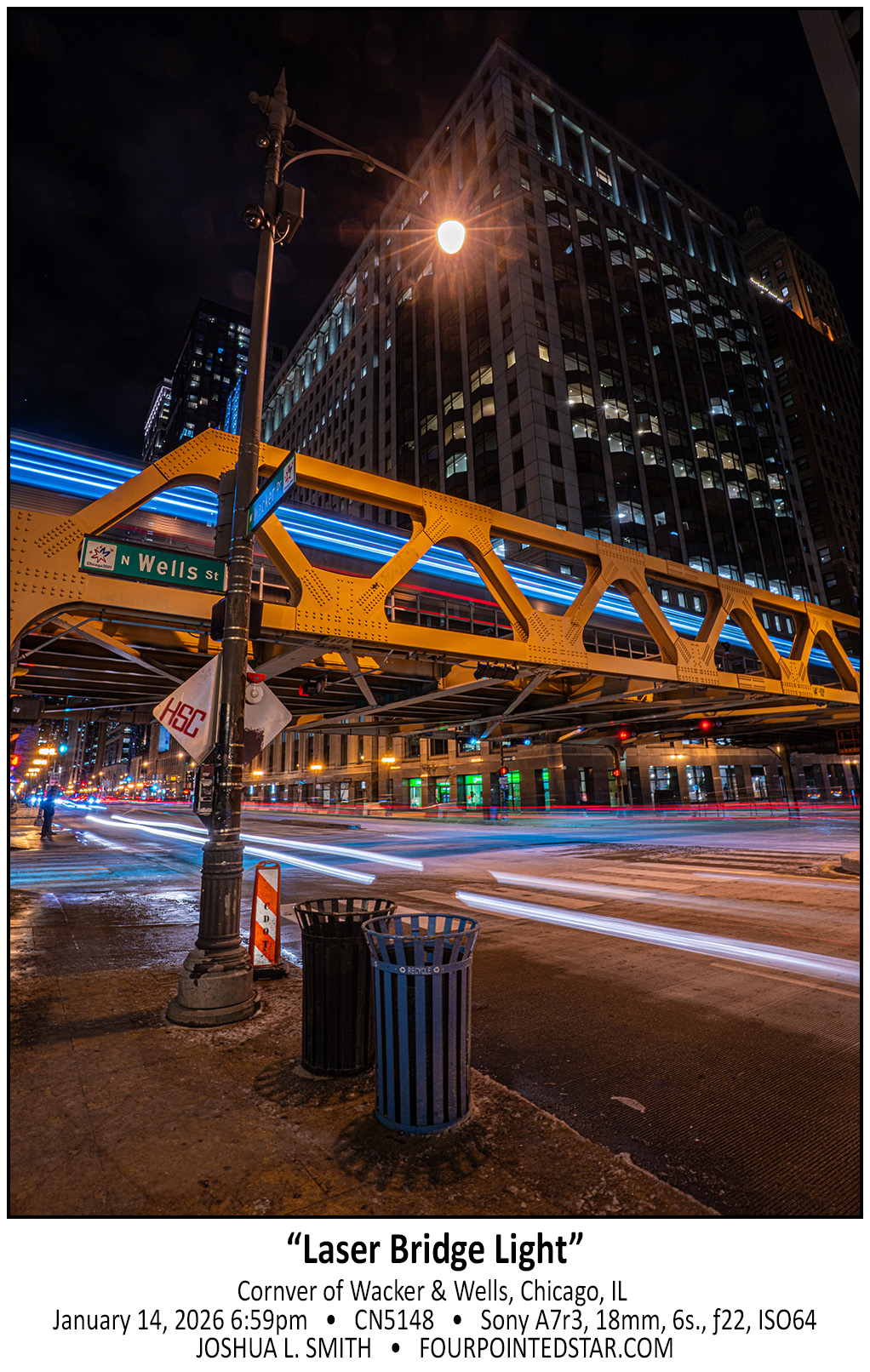
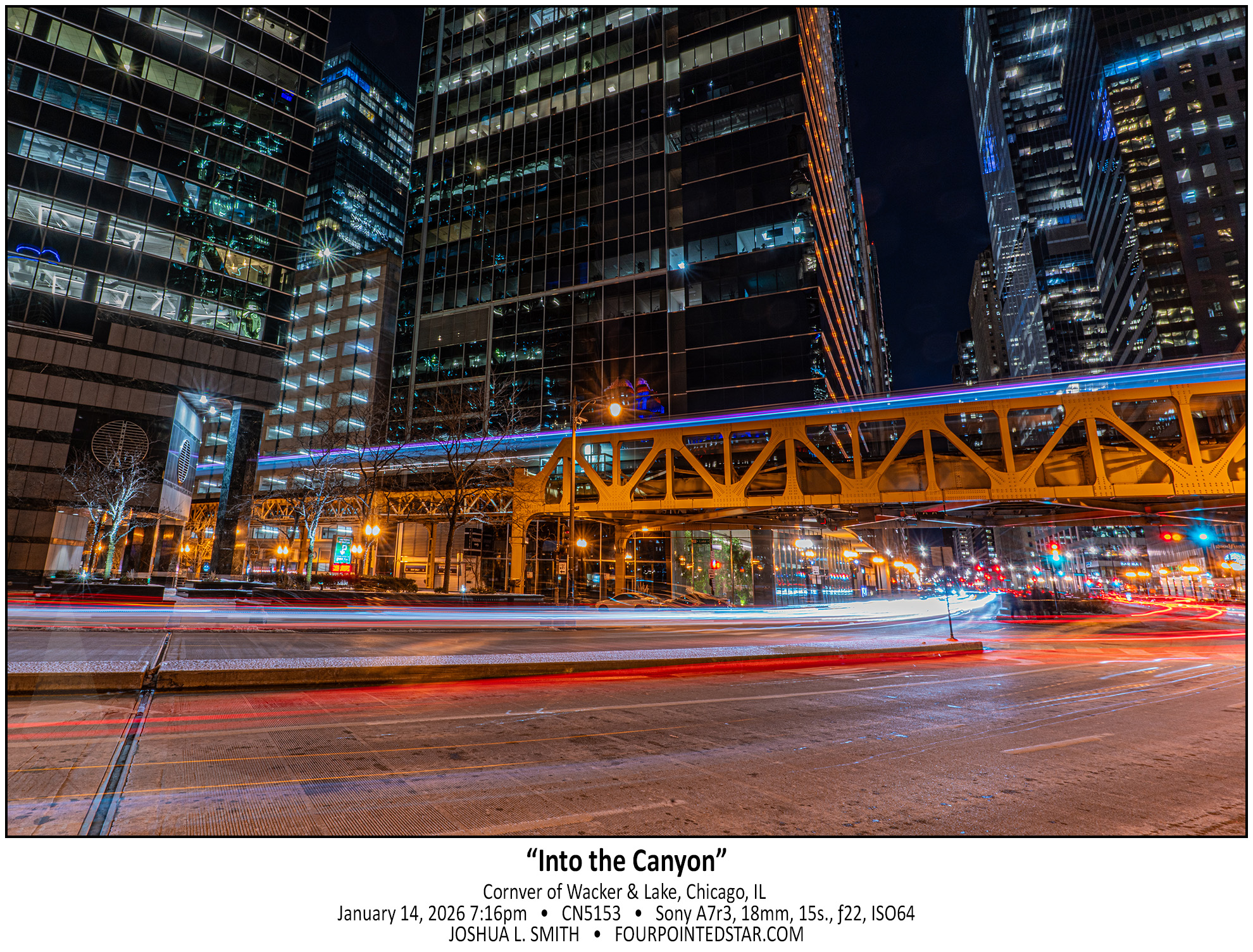
How about if the space is tight and you’re below the action? Maybe you can lean on the really strong angles (November 2023) or depend on the architectural elements and allow the light trails to be an accent instead of the star of the show (also November 2023)? As it turns out, “Laser Bridge Light” (above) is one of my favorite compositions not just from that recent trip downtown, but also of light trails along the river.

And lastly, there are the images that challenge us compositionally and technically; here the balance of a very wide flat scene combined with the oncoming lights from traffic is more than I can conquer right now. I like this image better than my last attempt (November 2020); and I’ll be honest, previously, I have would have just not attempted to capture the image; but there is a much better image in that scene – I just have to find it.

.

>alternate images<
.

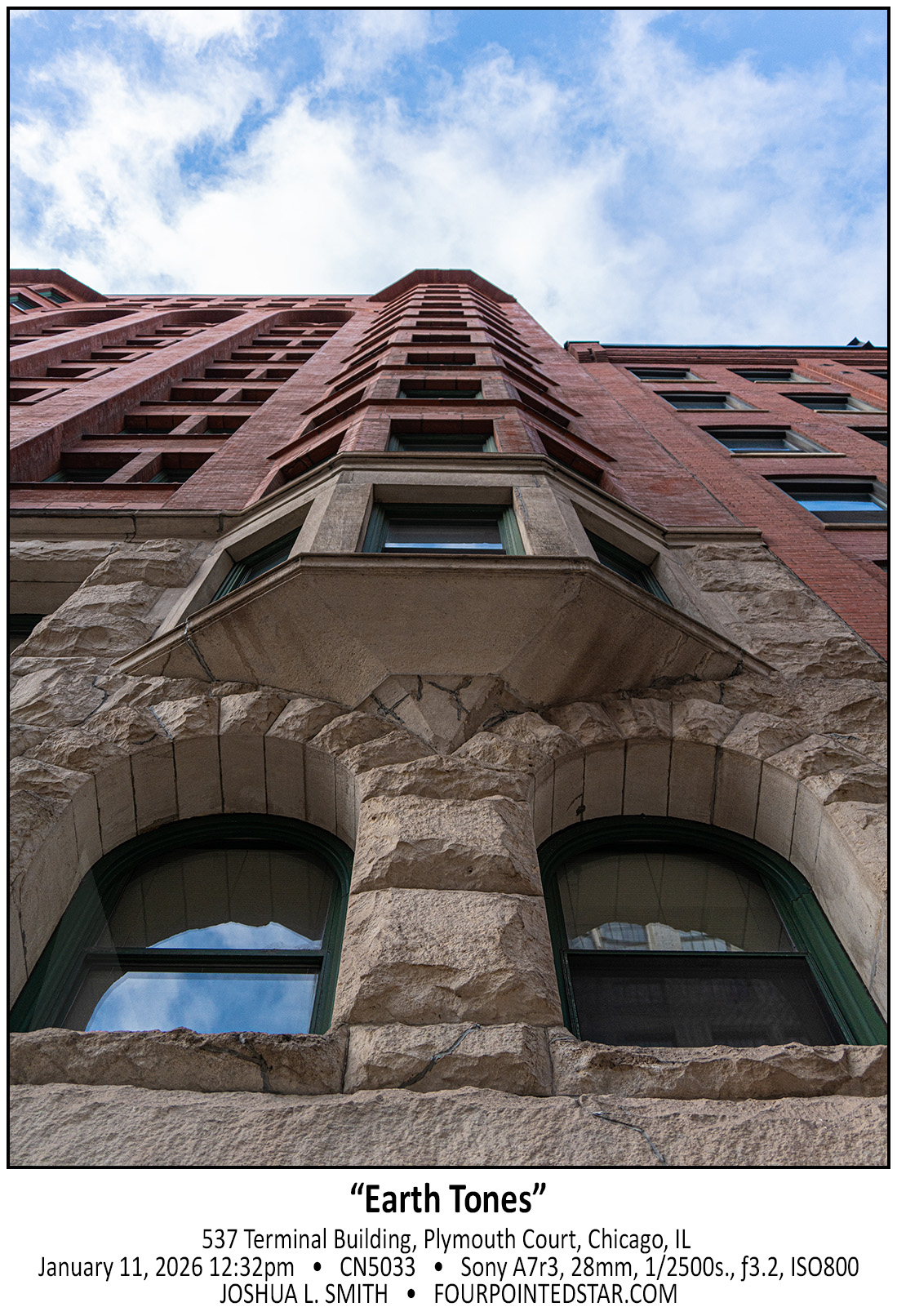
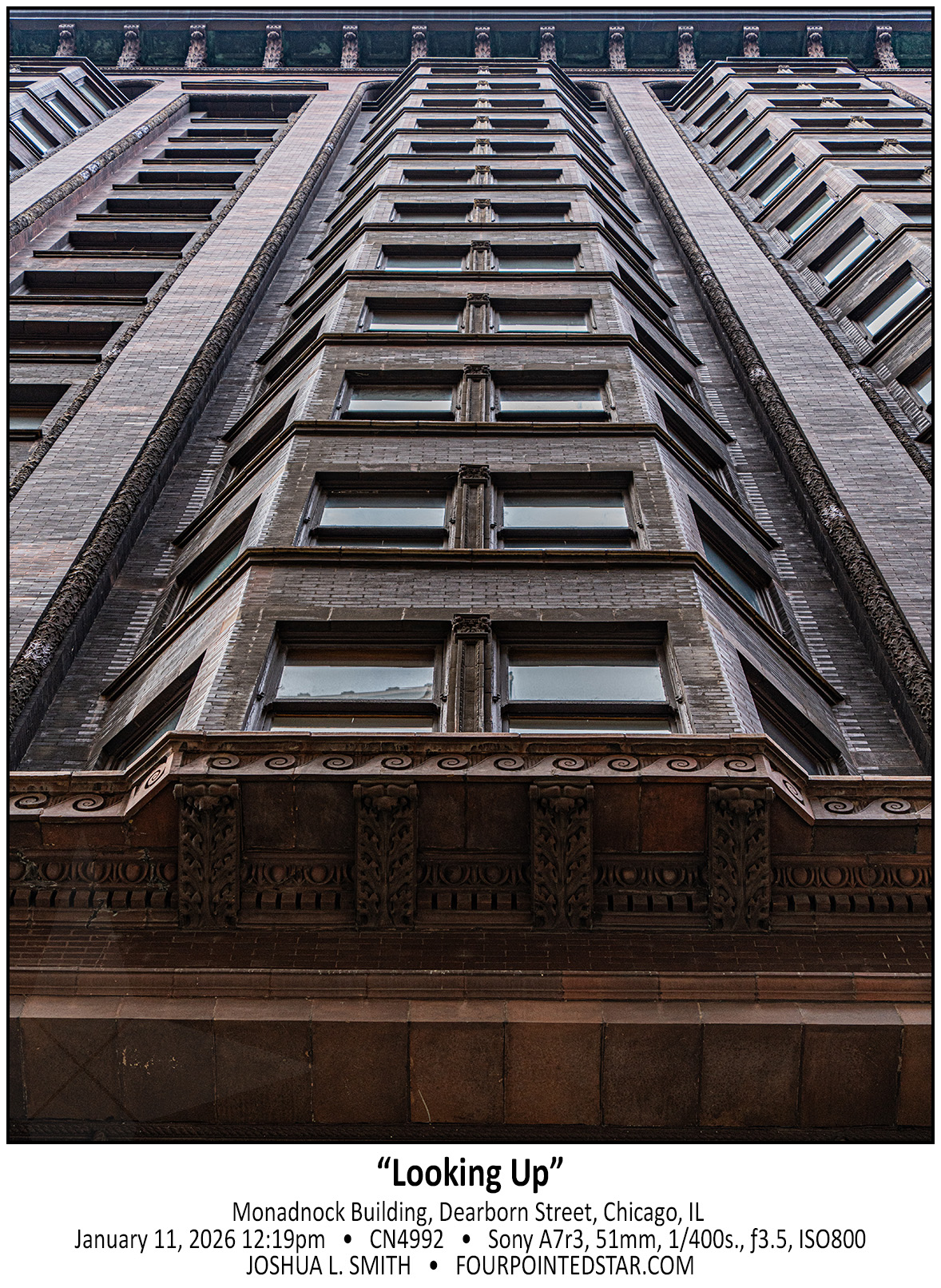
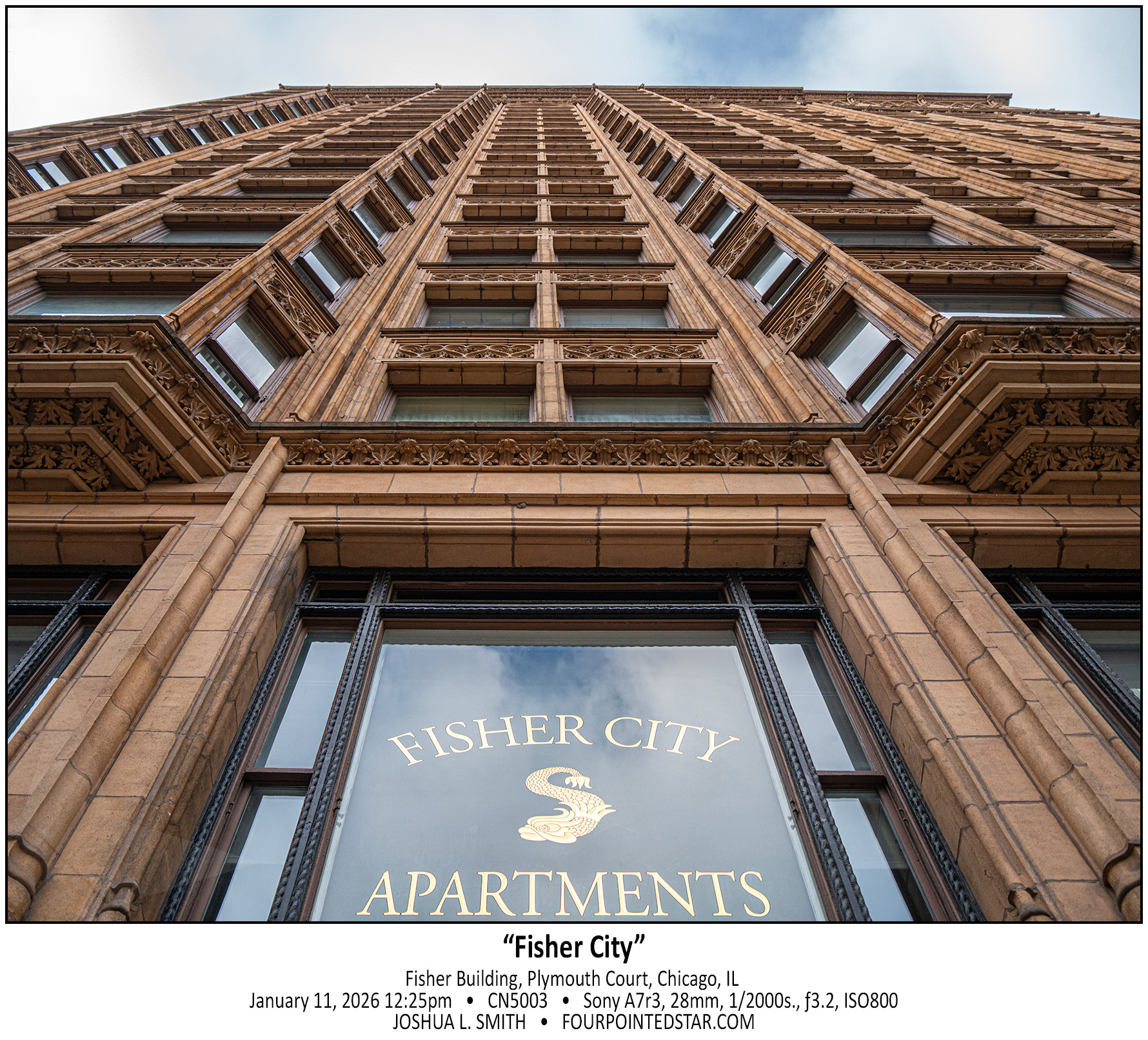
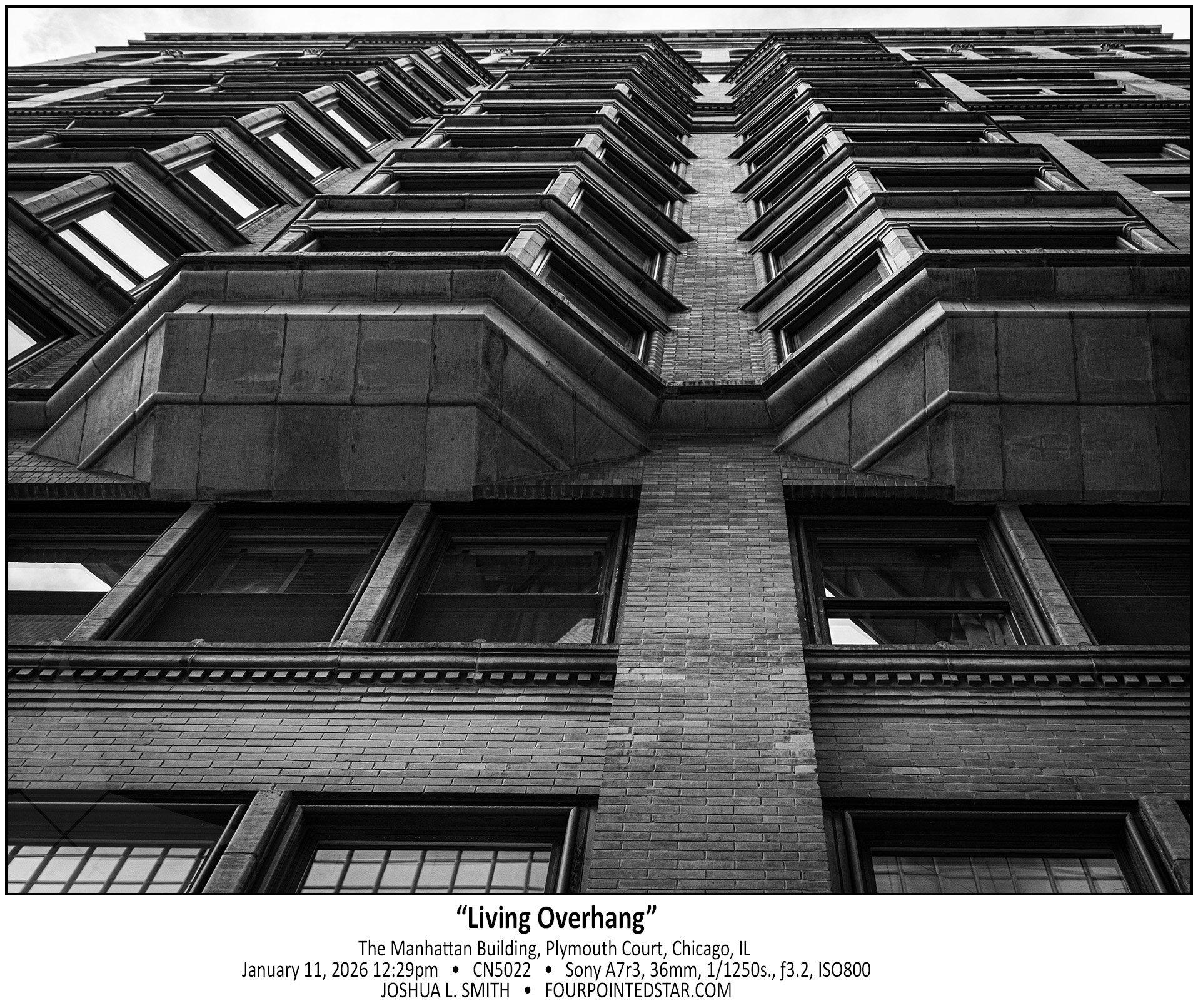
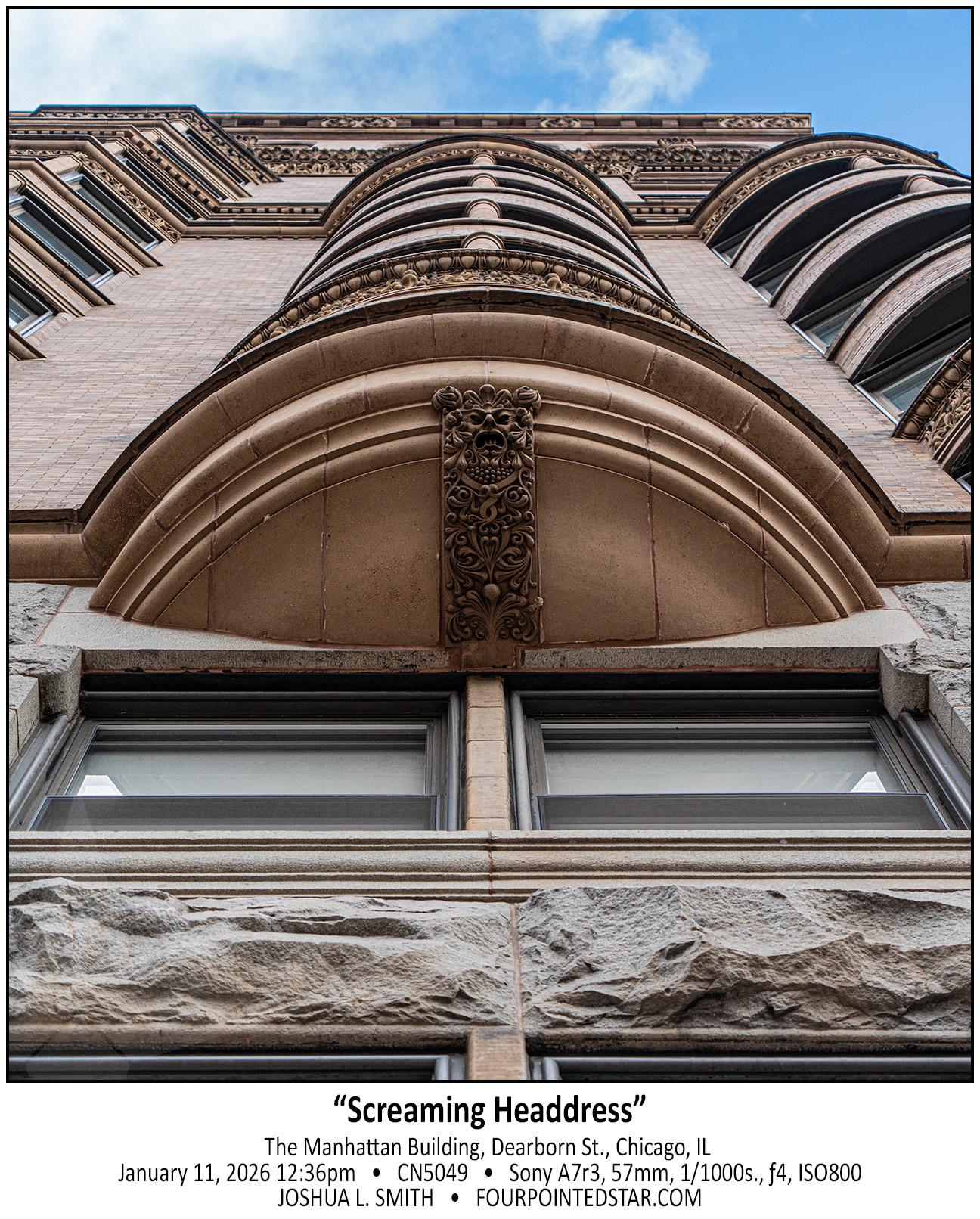
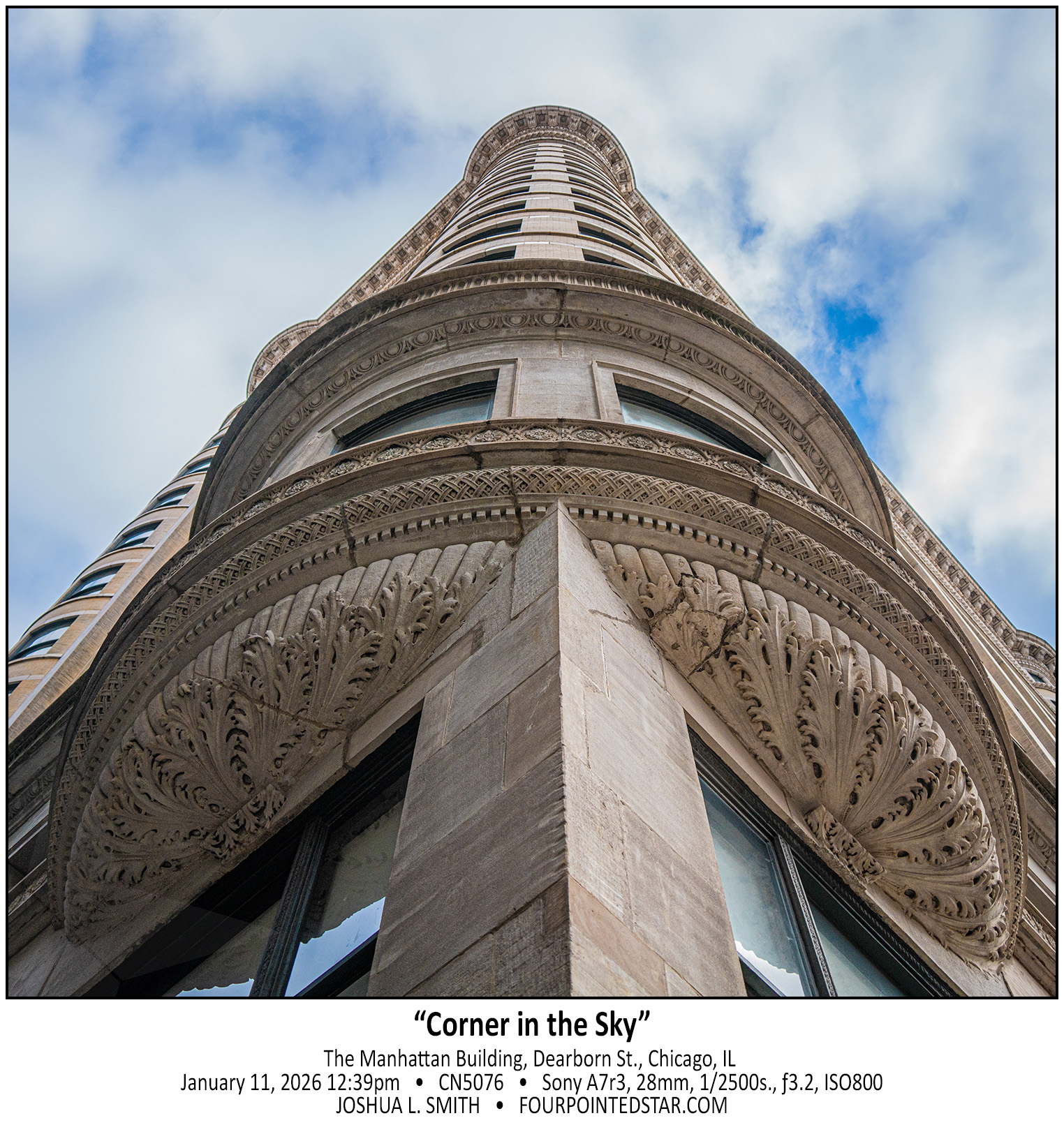
Each time that I explore a new area of Chicago, new details come to life. I’ve noticed that many of the historic buildings around Chicago have these bay windows often similar in style to the “Chicago Window” on them; but as I walked between the Fisher and Monadnock Buildings and then looked down the street, I noticed that this small area had many different examples of these historic bay windows on tall, early skyscrapers.

.

.

.

.

.

.

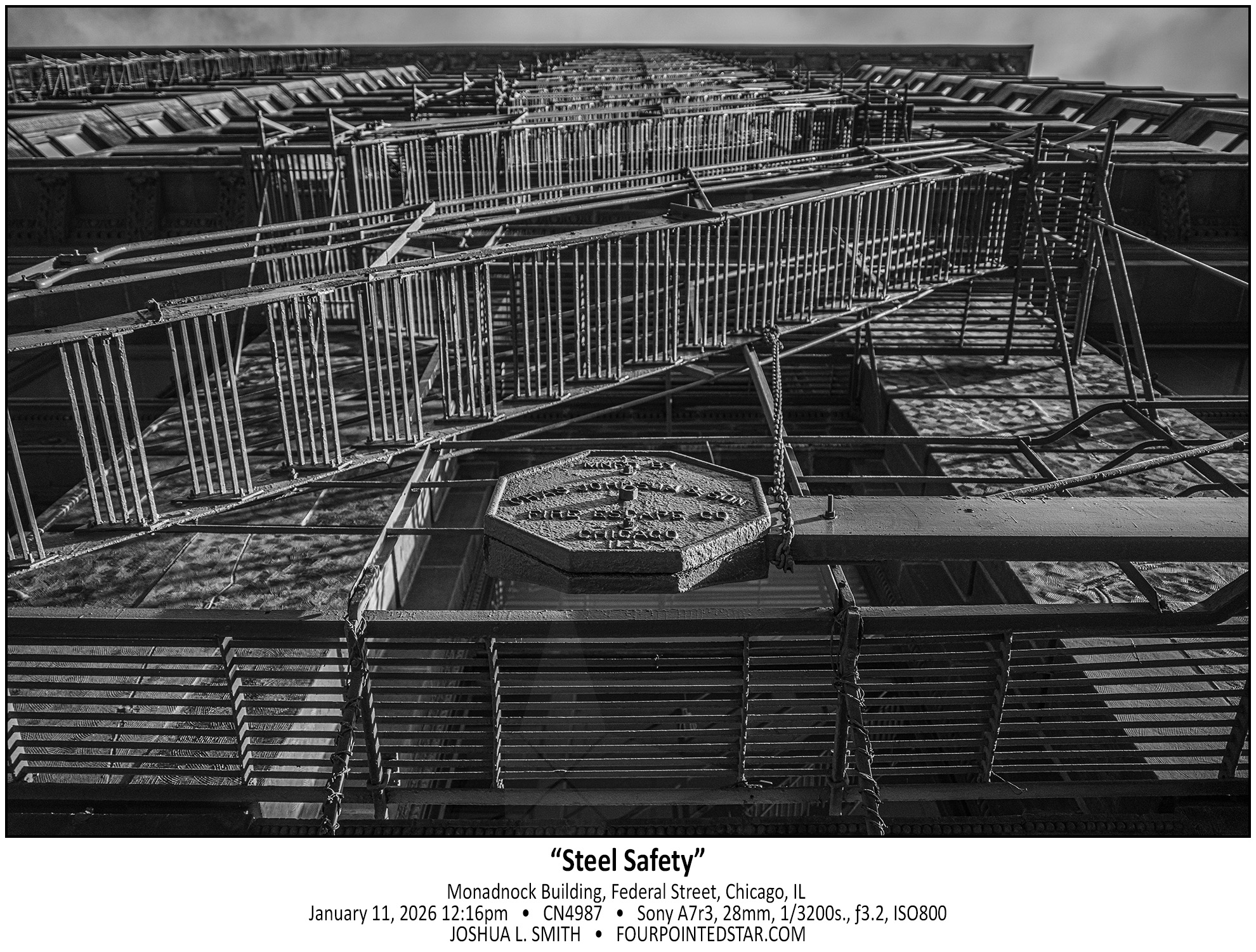
Equally interesting are the exterior fire escapes on many of the older buildings. I know that there fire escapes will lend themselves to great photos, but I’m still searching for those images.

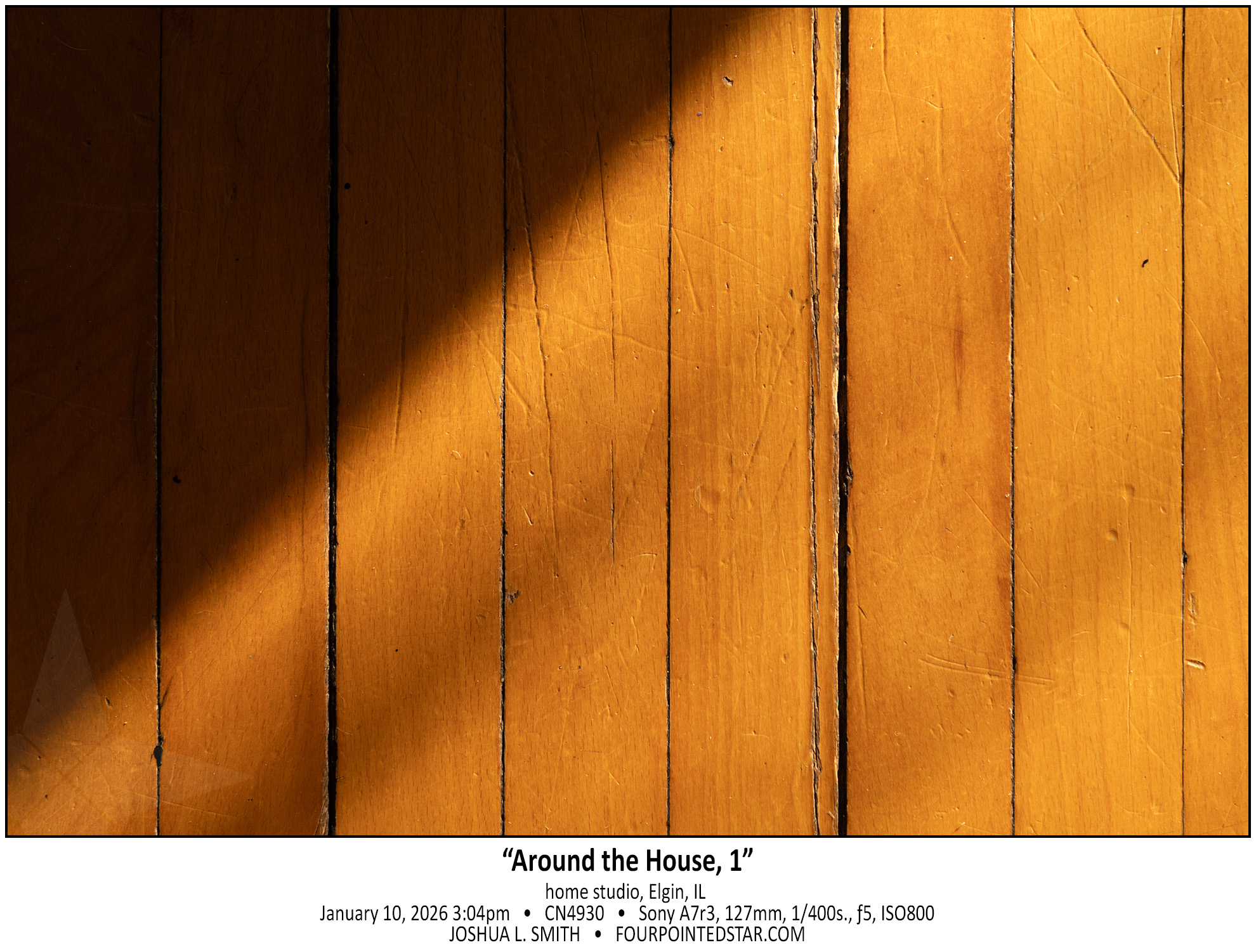
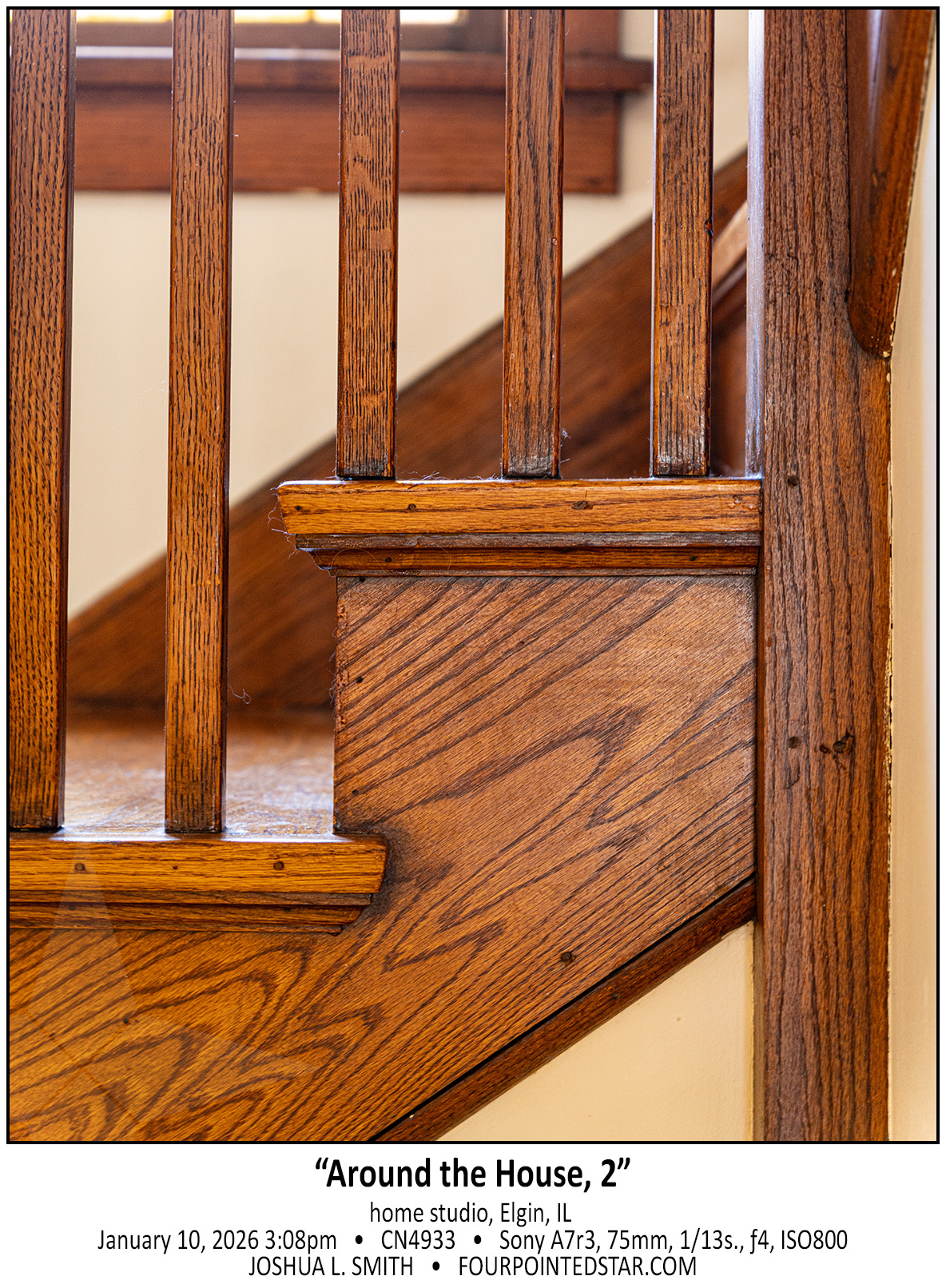
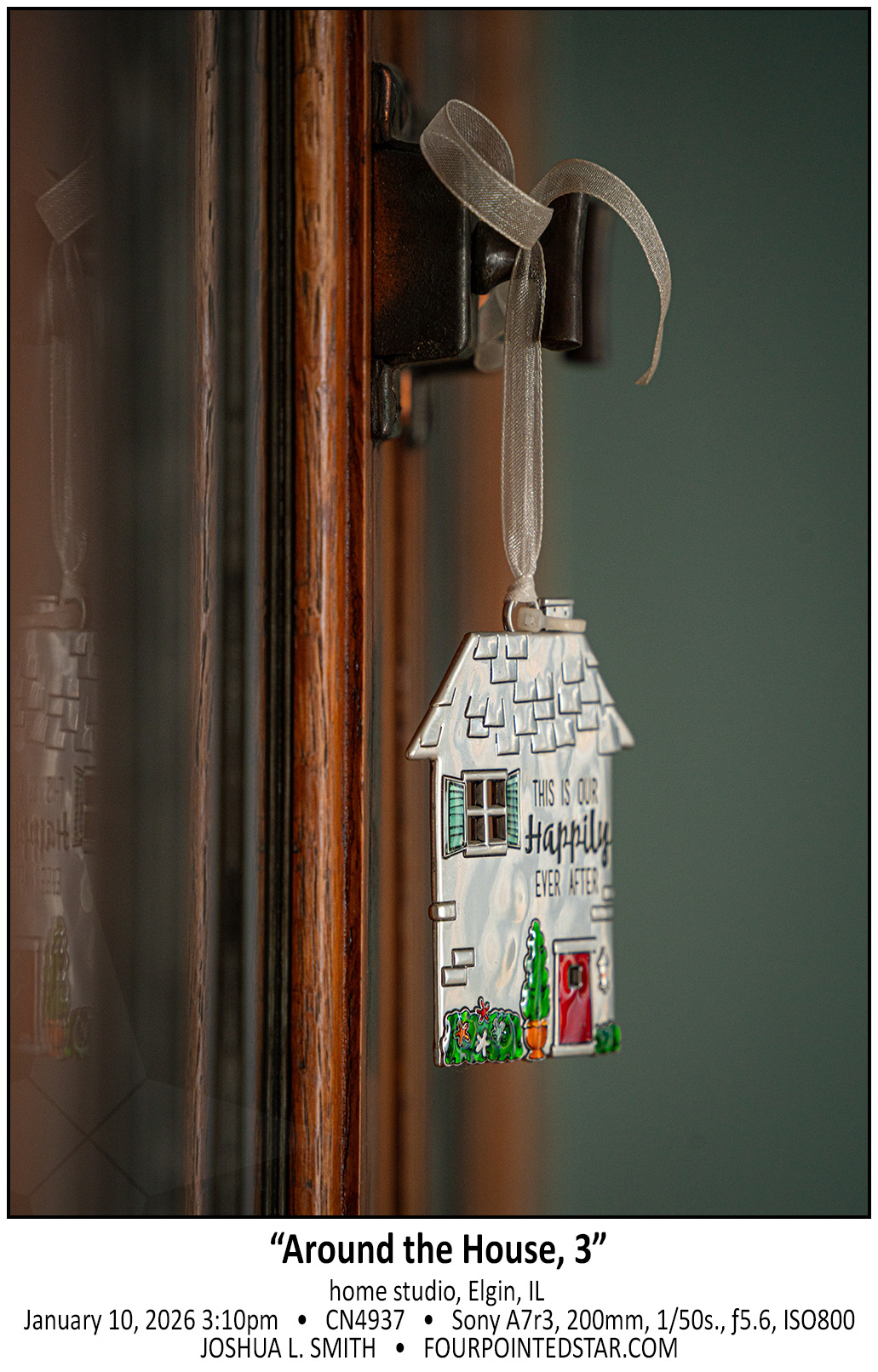
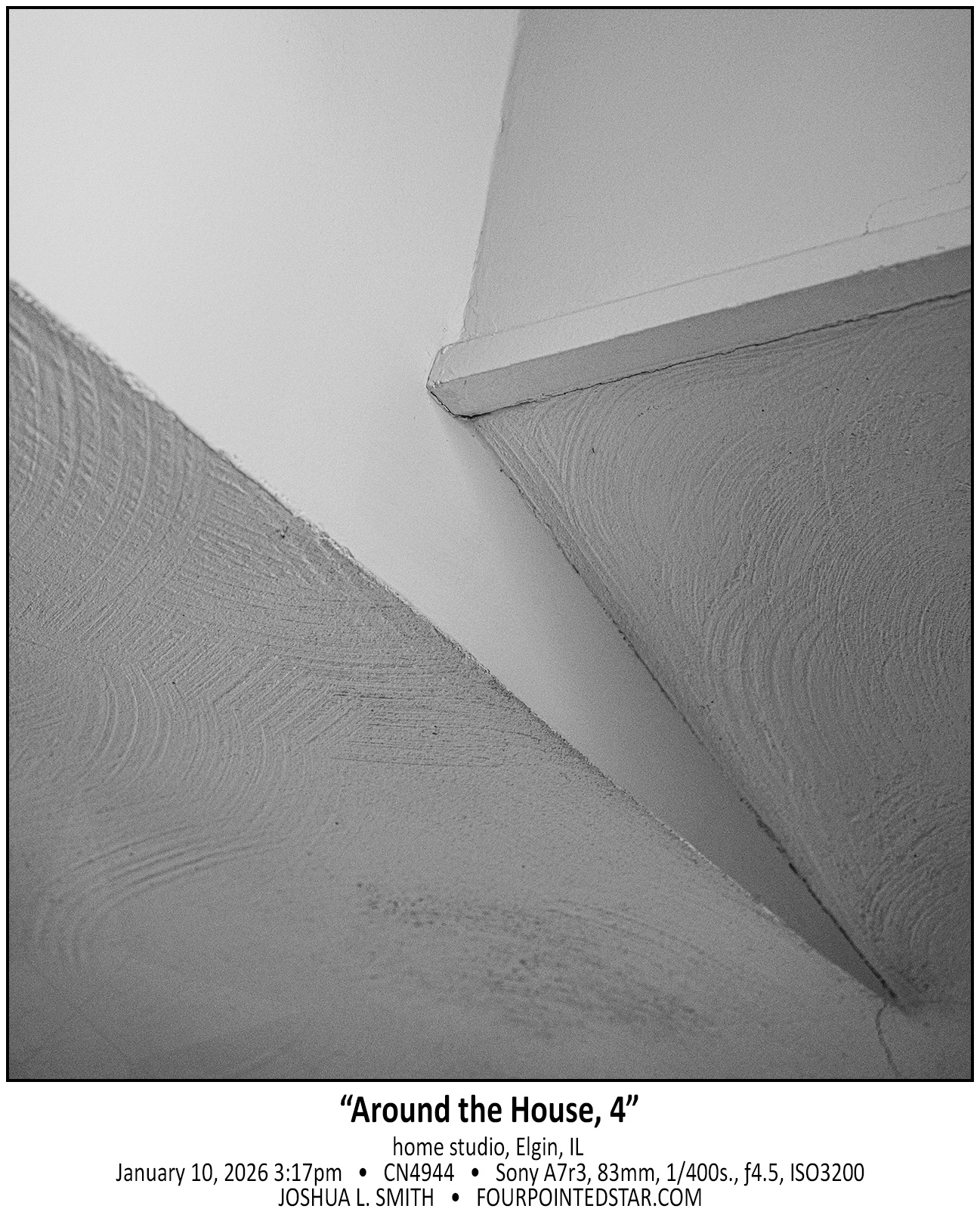
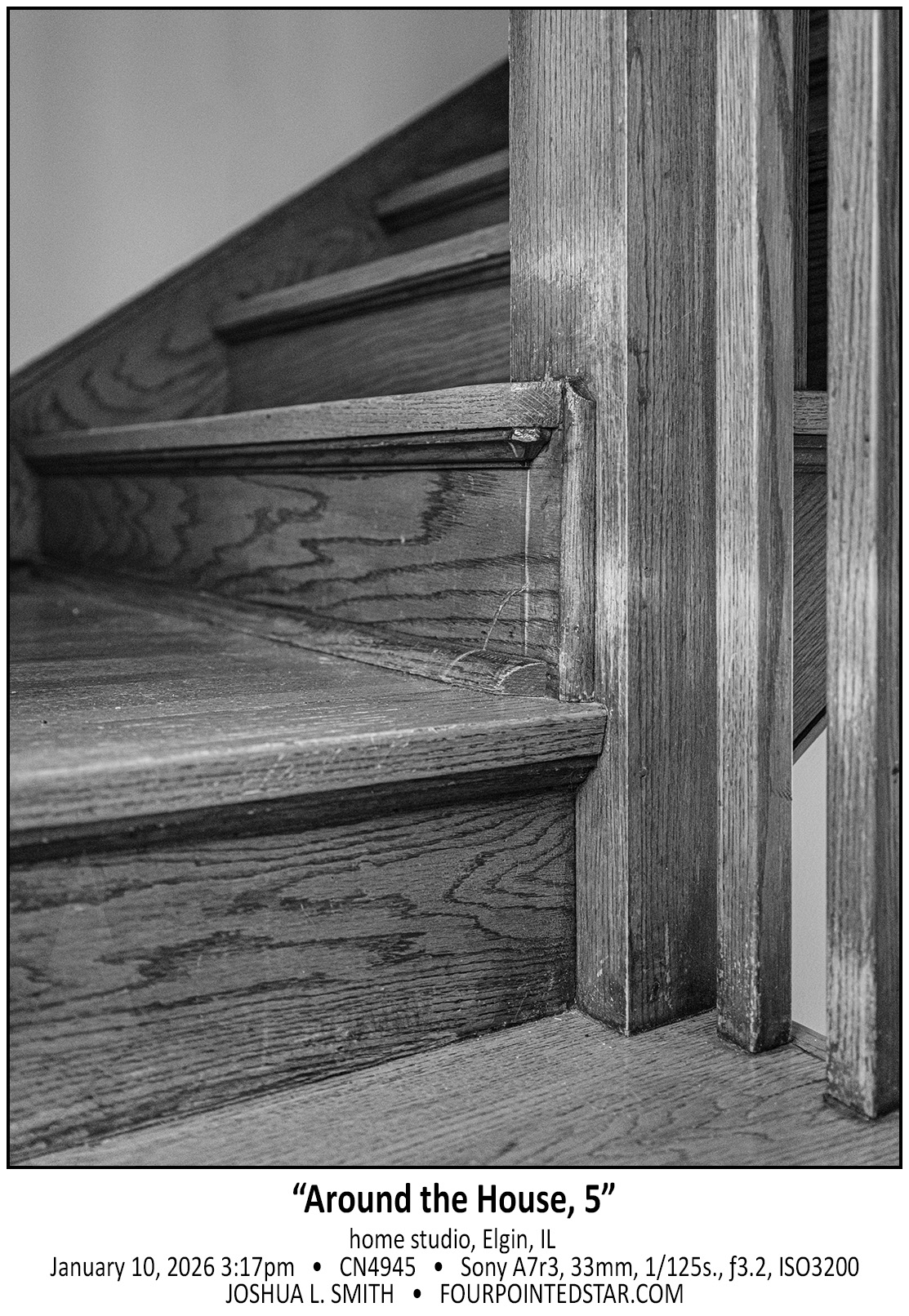
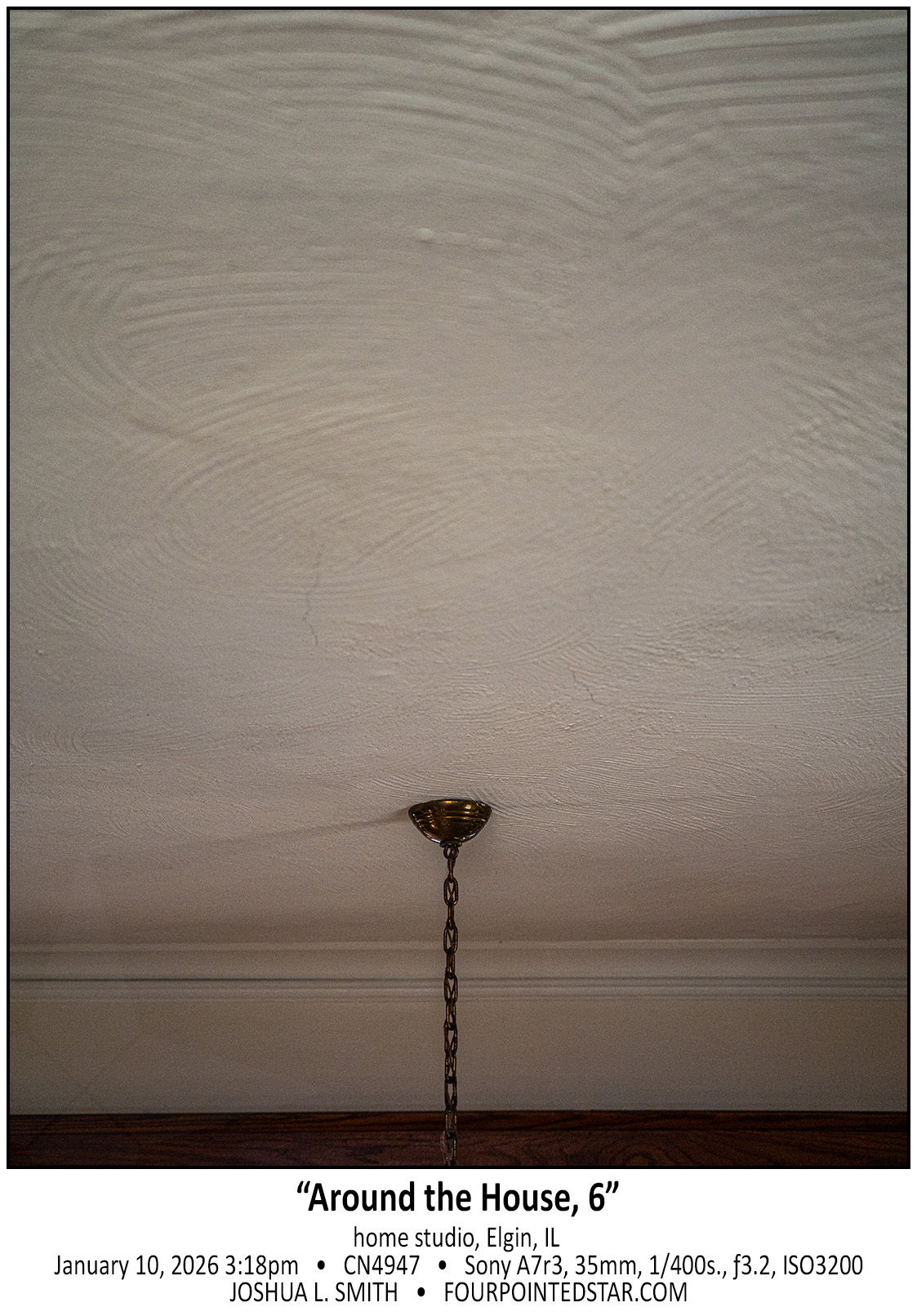
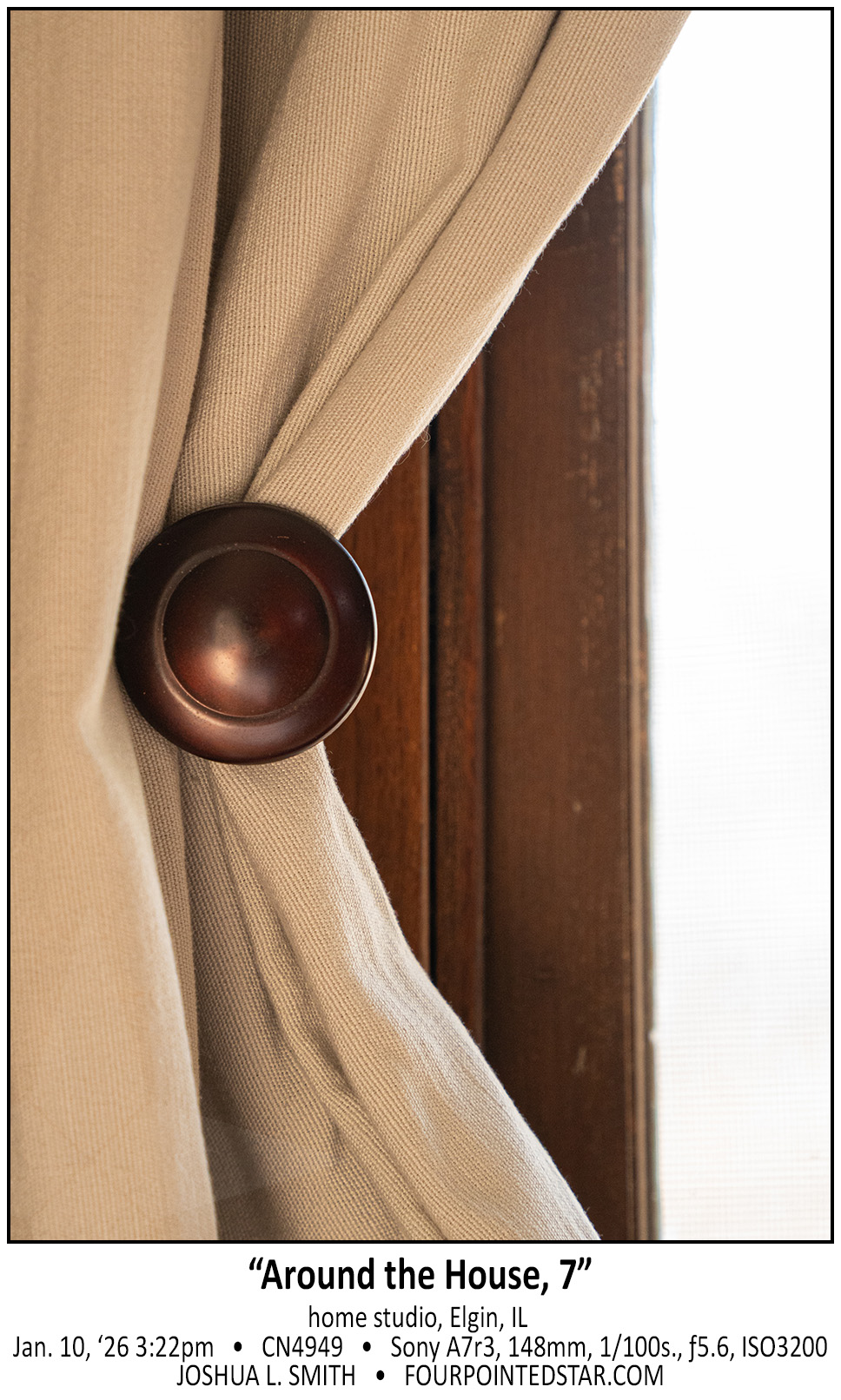
What do you SEE as you walk around your daily life? A photographer friend of mine recently asked about taking photos of another artist’s work; but in reality, aren’t photographers normally taking photos of other artist’s work? Even nature photographers are taking photos of mother nature’s work, right?

A craftsman who creates an object out of paint, clay, wood, stone, or metal can claim originality, but most of us are taking photos of something we didn’t create; instead we are creating art by adding or interpreting the existing environment or material.

With that in mind, go around your home and create art by adding or interpreting your own personal environment.


.

.

.

.

.

.

>other images<
.