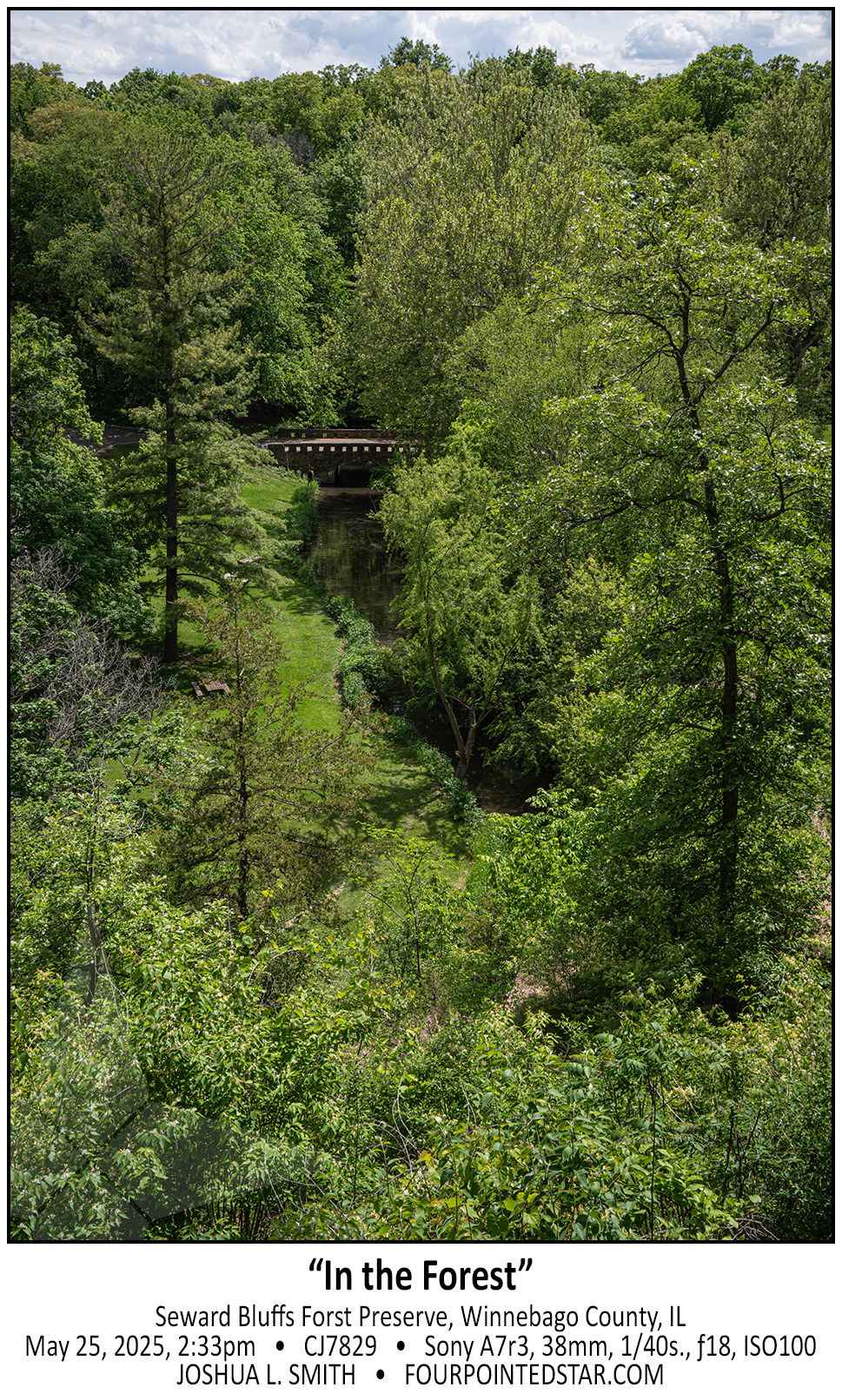
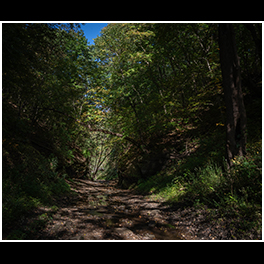
Week 21, May 25-31, 2025 – Seward Bluffs Forest Preserve
photos from joshua l. smith

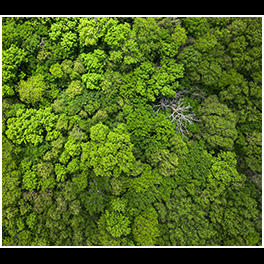
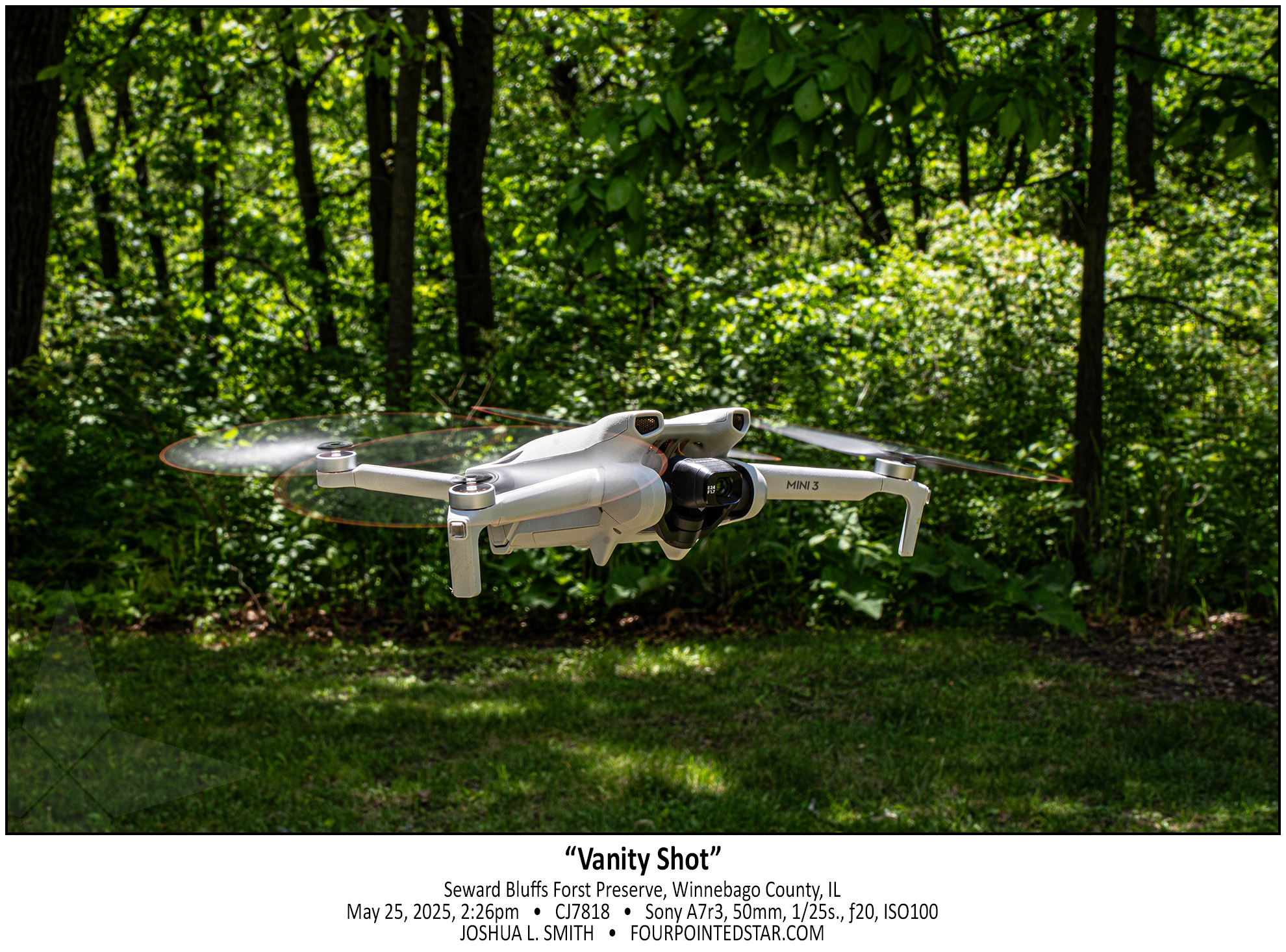
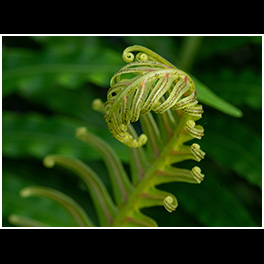
This DJI Mini 3 was my Christmas gift, but I’ve only started learning to fly it. With three teenage daughters, the school year is simply too busy!


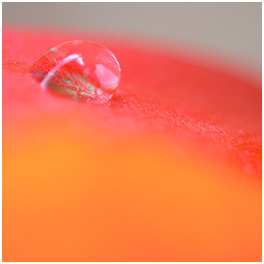
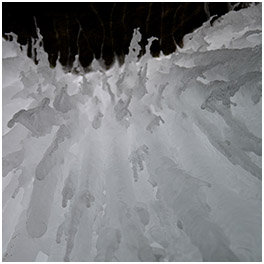
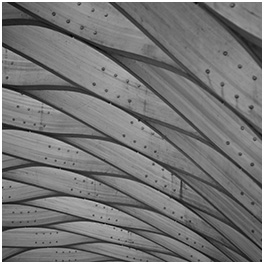
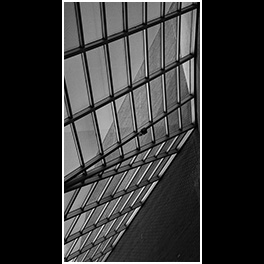
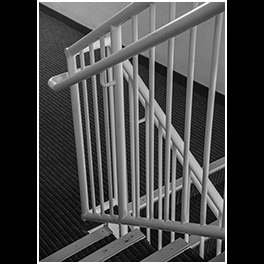
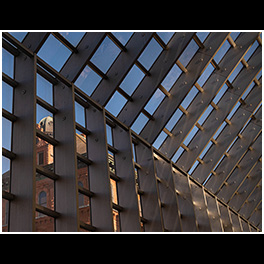
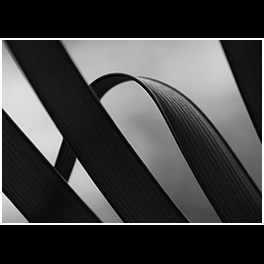
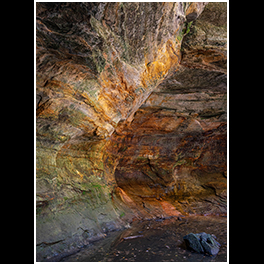
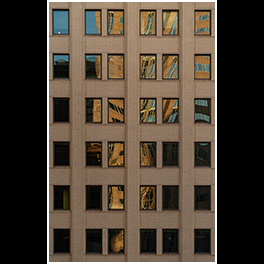
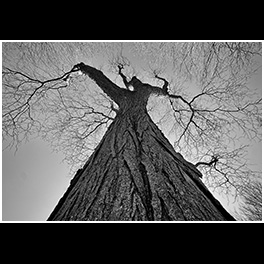
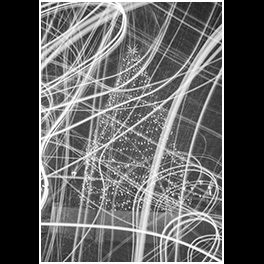
There is not much to say about this image; I love its simple composition.

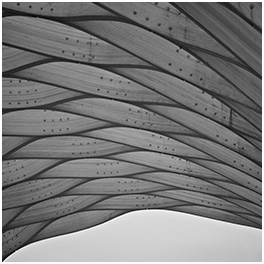
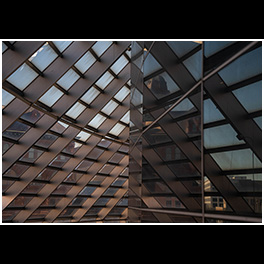
As you fly over the midwest, you can see a patchwork of farmland, roads, and rivers creating right angles and natural curves across the earth. Perhaps that’s why I enjoy this photo so much, it reminds me of the mixture of manmade and natural shapes. The weathered run off from the rivets just adds a little pizazz too.

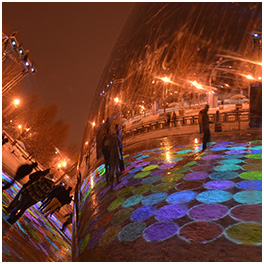
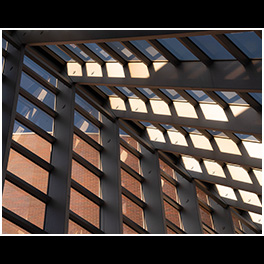
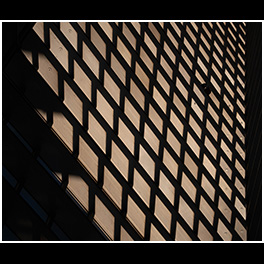
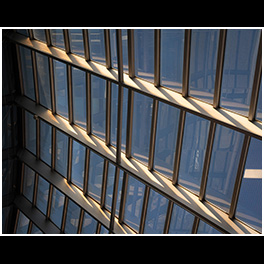
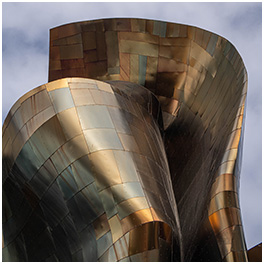
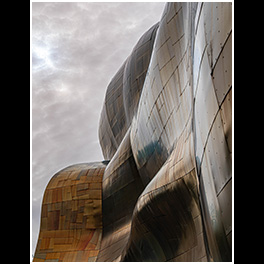
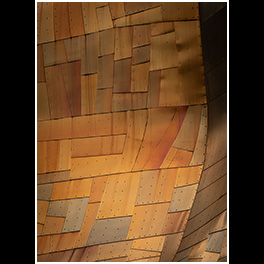
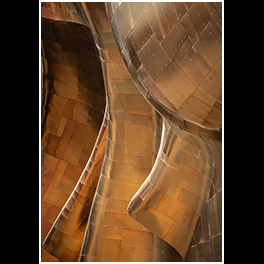
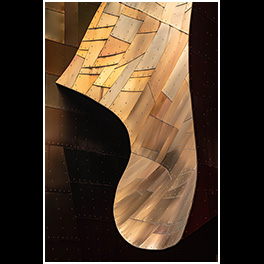
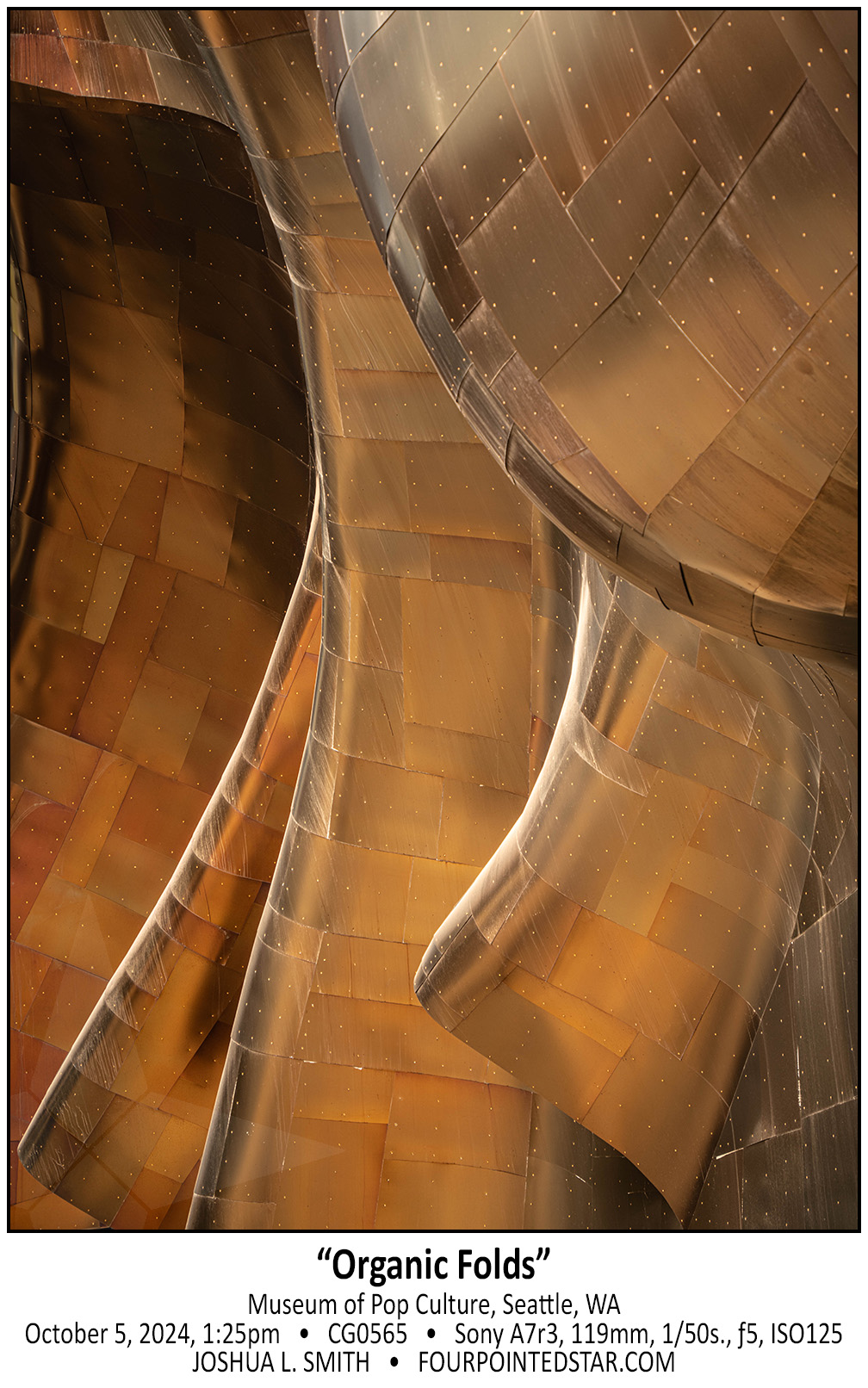
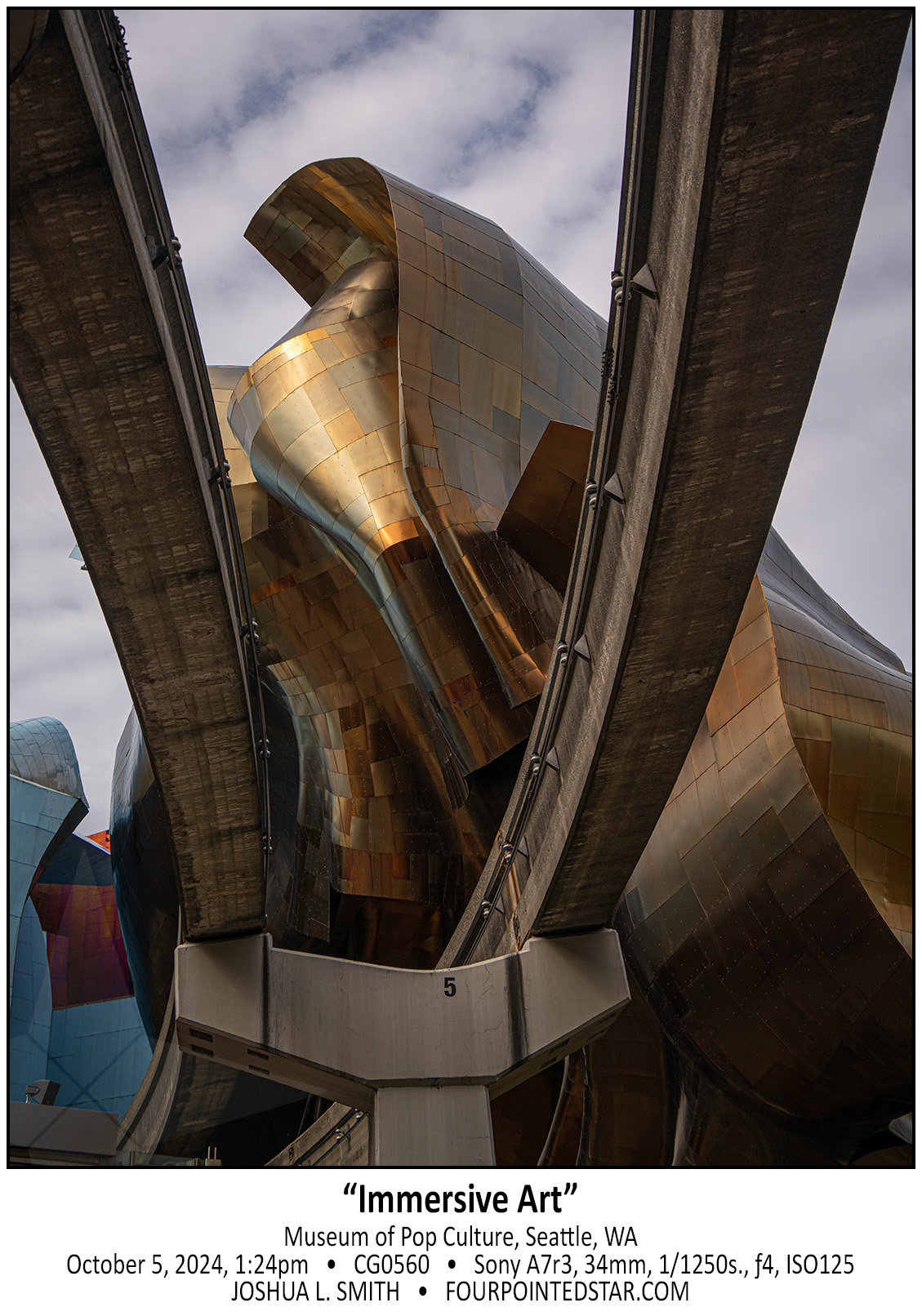
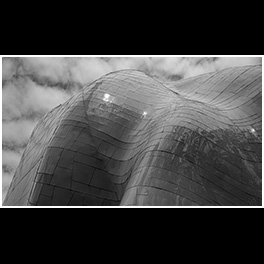
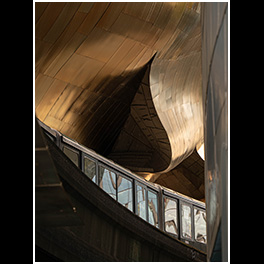
As the sun faded in and out of the cloud cover throughout our walk around the museum, the colors of the metal would change. The building would reflect the blues, yellows, and greys in the sky and then my Sony would attempt to record those colors as photographs. As I was editing the images, I found so many fun and fantastic color combinations; in this image, you can see the golds, coppers, and silvers as well as the grey, blue, and yellow in the clouds.

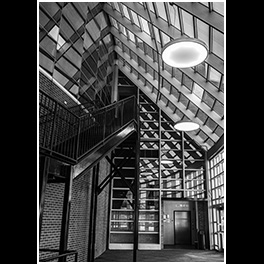
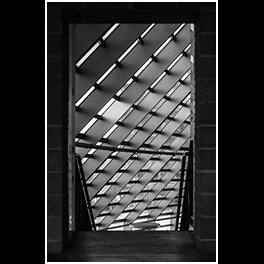
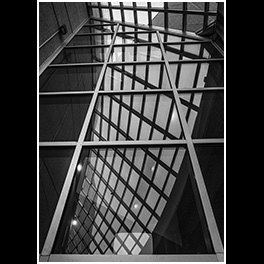
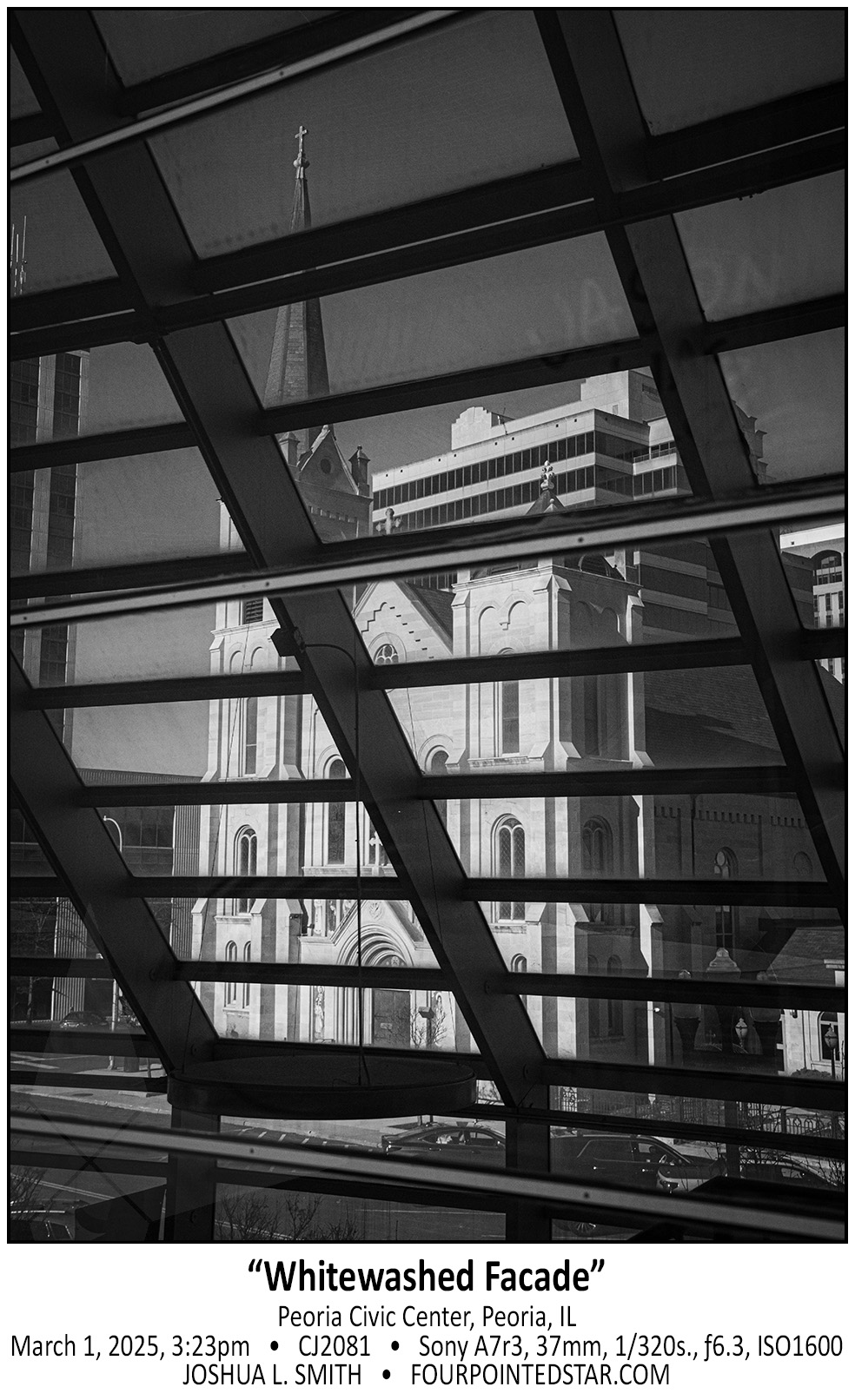
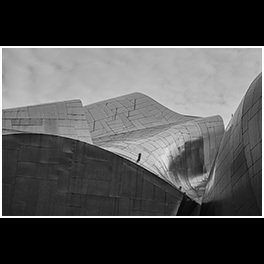
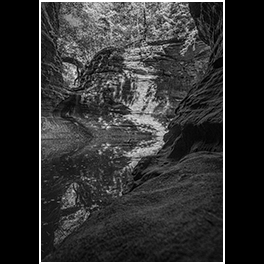
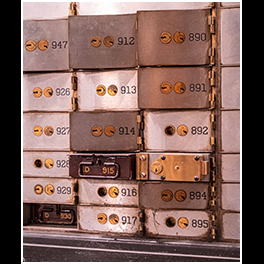
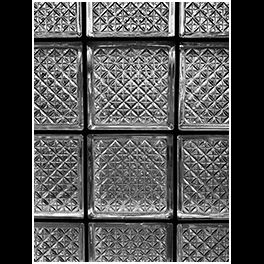
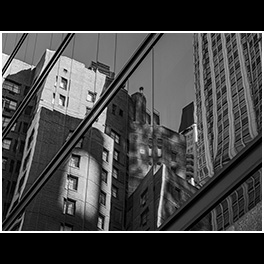
I struggled with editing this image. I love the composition, but getting the dark and light not too dark and not too light was a challenge; and I still don’t think I’ve got it right. The light parts just aren’t light enough, and I’ve always struggled with getting monochrome images to have nice lighter parts of the image without having just a texture-less white space. Each photograph teaches us a lesson and often that lesson is “you have a lot more to learn.”

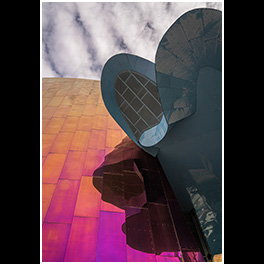
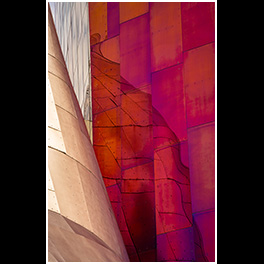
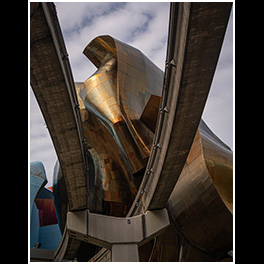
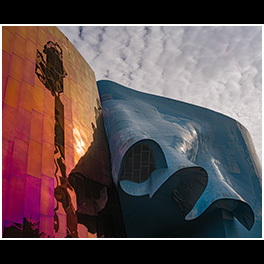
Unlike most of Frank Ghery’s most famous buildings, the Museum of Pop Culture is not simply shades of shimmering silver. The building has 5 or 6 unique segments in different colors, each segment with his signature curves and waves. Shadows and reflections wandered across each curve and surface, combining to form a lasting smile across my face.

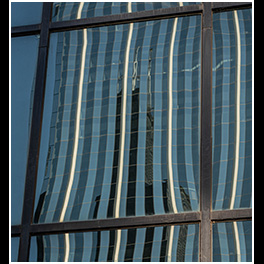
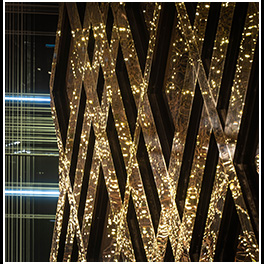
Ghery’s architectural works stand out in any skyline. The multiple colors, textures, and waves on the Museum of Pop Culture exhibit a wonderful feast of the eyes. While many of his buildings and designs are similar to the Pritzker Pavilion here in Chicago – mostly uniform in color – the Seattle design has multiple treatments and colors for the sheet metal. As we walked around the exterior, I found dozens and perhaps hundreds of potential abstracts, and after editing, here are a few that stood out as spectacular.
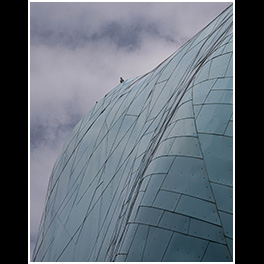
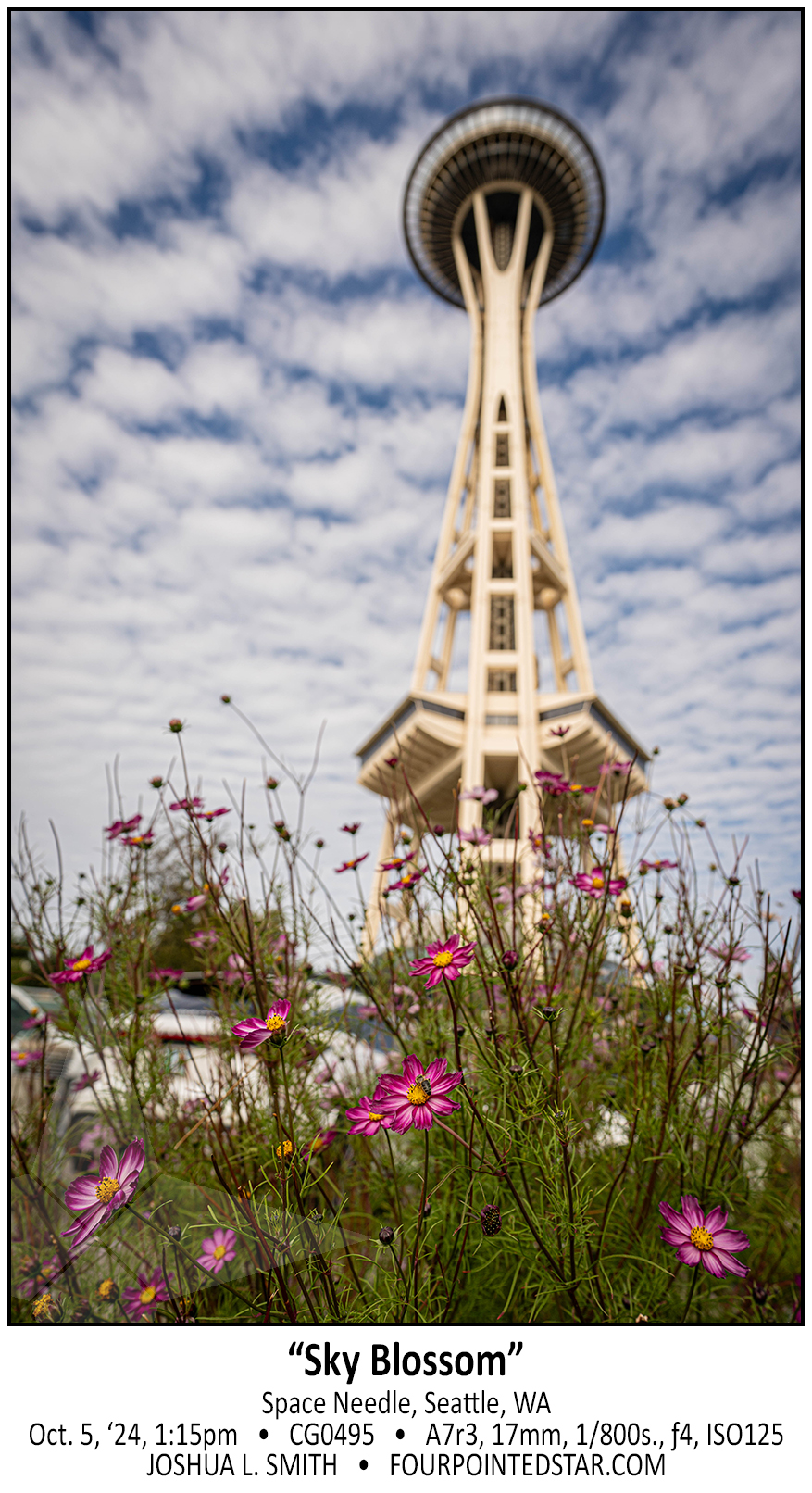
As you walk away from the Seattle Space Needle, you’re treated to the chrome and copper variations in the anodized metal. The waves and variations reminded me of a patchwork quilt that has been tossed on the couch; almost as if the wind had blown the building into that particular spot in Seattle’s downtown.

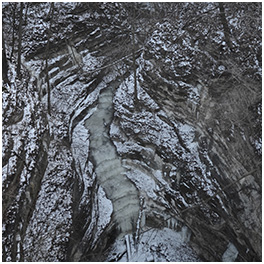
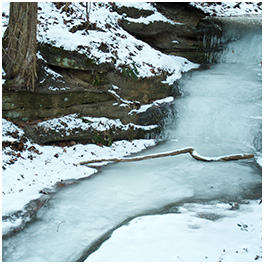
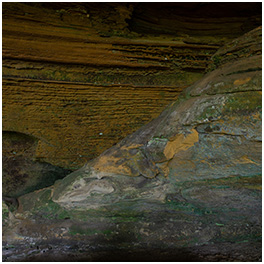
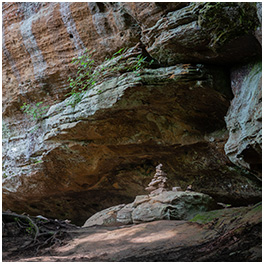
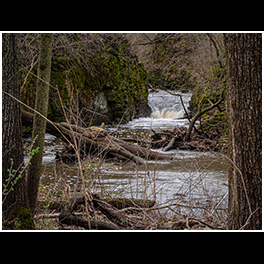
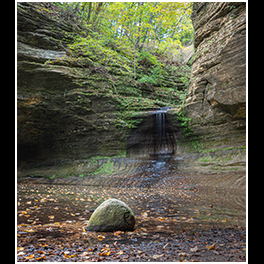
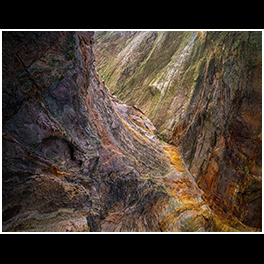
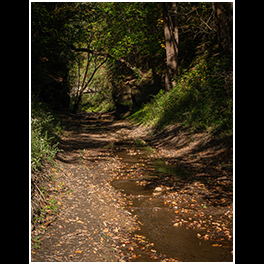
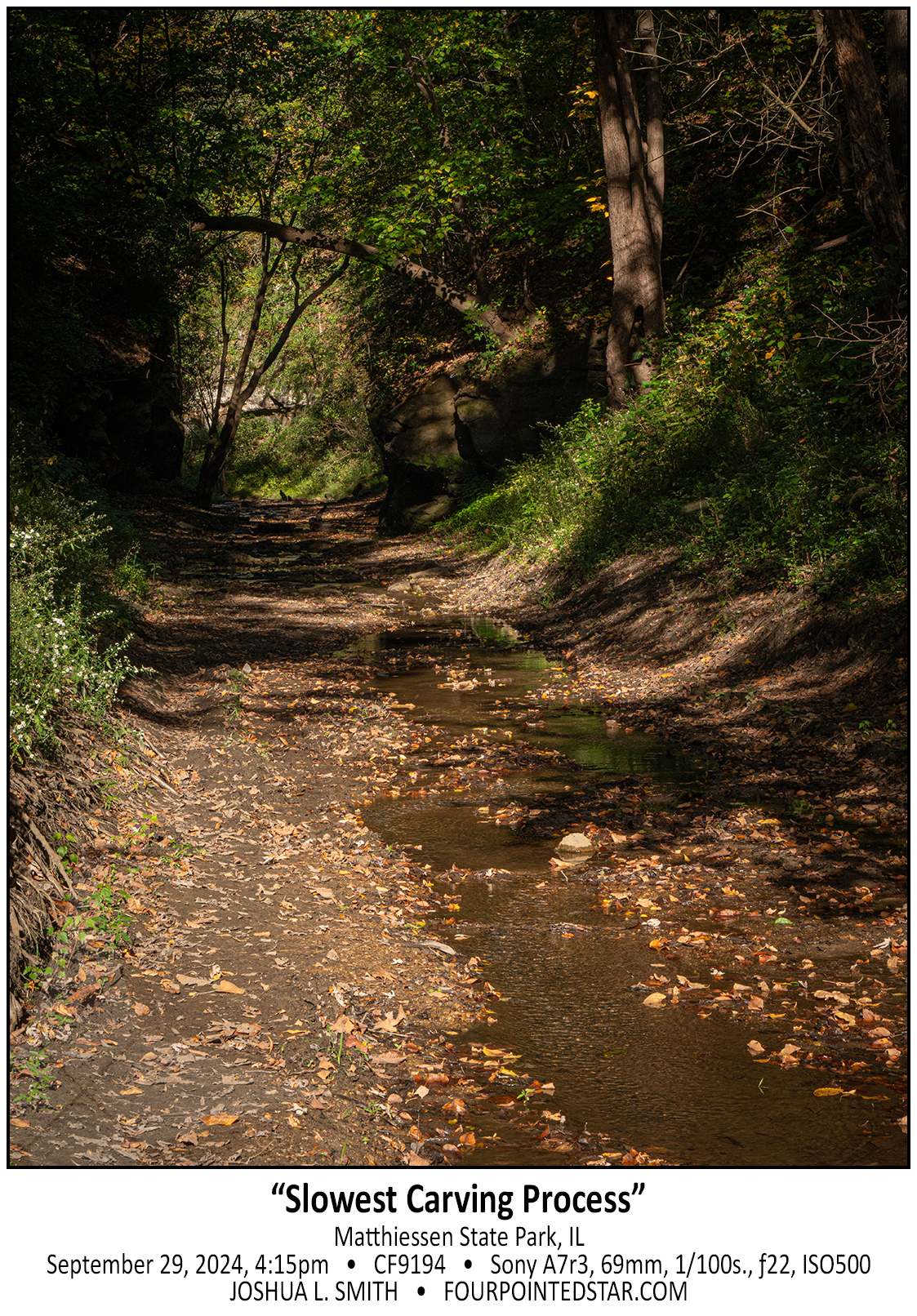
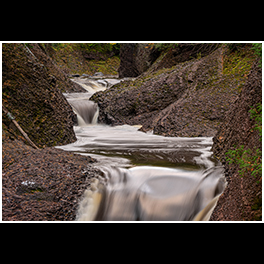
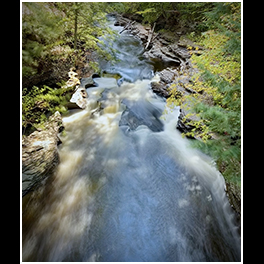
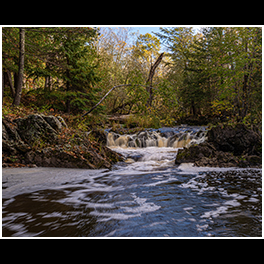
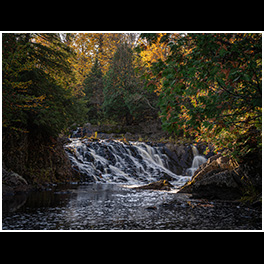
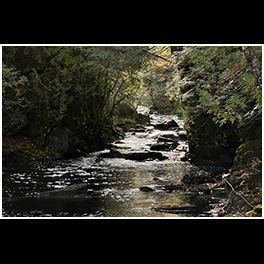
The tiny streams that pass through the canyons communicate a powerful message – little actions over and over for a long time yield huge results. The daily trickle of water combined with the spring floods are a lot like our daily lives … for better or worse.

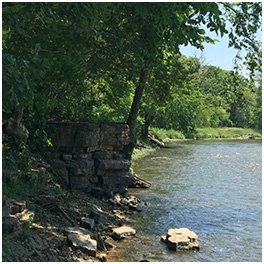
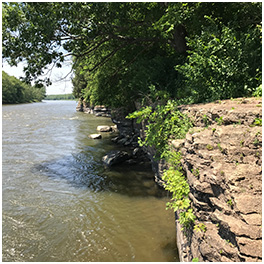
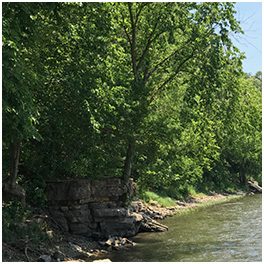
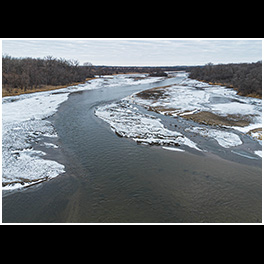
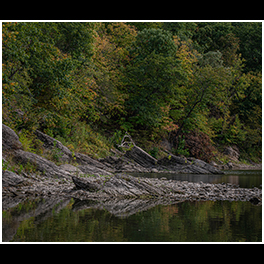
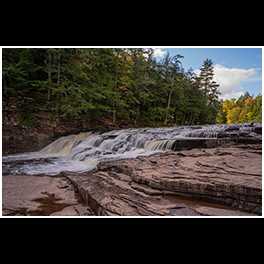
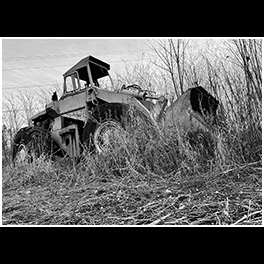
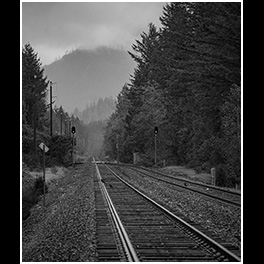
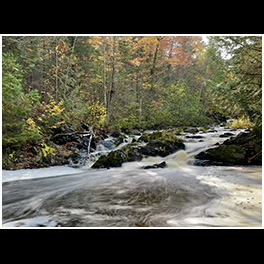
In my mind, traveling before 1830 would have been absolutely terrifying. In the past 200 years, transportation across country has progressed from walking and horseback to paved roads, trains, and even aircraft. This view upstream near the Vermillion River reminds me of all of those dangers.
…view older images with the thumbnails below…


On the day that we visited the Museum of Pop Culture, the sky was perfect; bright sunshine diffused through high and wispy clouds. The muted sunlight was perfect for capturing the golden hue on the metallic waves; there’s another hundred compositions that could be made off of this building.

I absolutely loved photographing the Museum of Pop Culture in Seattle; but I would love to photograph any of Frank Ghery’s buildings!


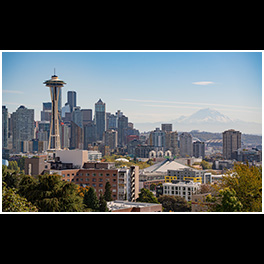
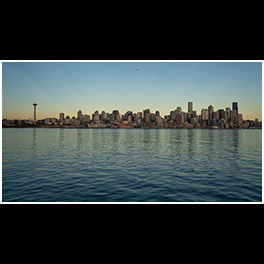
Kerry Park was on several Youtube “must see” lists for Seattle, and you can see why. It offers a wonderful view of the skyline, and, on a clear day, a pretty great view of Mount Ranier.
However, don’t plan to spend an afternoon there! 🙂 There’s only street parking, and I think there are maybe 10 benches to sit on. Sarah and I had an afternoon planned for this park; oh well, it gave us a chance to see other sights instead!


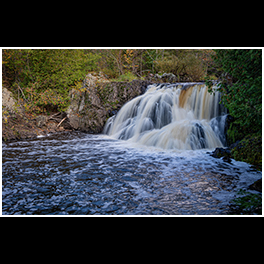
Oh man, where to start? This was “the story” from this trip; I saw so many very cool waterfalls, but this one, this one was interesting to find. My only directions for this location were that you turned down this particular forestry/logging road, and then “when the road forks, take the right side; the left side is VERY muddy after it rains. Once you cross the bridge, there is a pull over on the right side…” Well, it had just rained, so as I started down the glorified two-tracker, I watched for the fork in the road.
As I drove along it got muddier and muddier, but my Traverse has all wheel drive, so I wasn’t too concerned. Then I crested a hill and there was a small pool of muddy water at the bottom. Since there were tire tracks through it already, I assumed that there wasn’t anything dangerous in the water and I proceeded down the hill, through the mud, and then up the hill. As I crested the other side, there was another depression with more mud but just a little bit wider with more mud. Over the next 3 or 4 hills, each mud hole was a bit deeper and a bit wider.
As I crossed the 6th or 7th hill, the valley below was less of a small pool or muddy water, and almost a pond. It was at this moment that it occurred to me; not only have I travelled farther then the guide indicated, but now I have to turn around and head back through all of those increasingly deep mud puddles that I just made ruts in. Using my genius intellect, I assumed that the best way to avoid being stuck was to go as fast as possible through the puddles. There was one puddle where I felt the rear wheels gripping, but not the front wheels; but in each mud puddle, the Traverse came through.
So how did I find the waterfall? As I drove back on the two-track, I saw the “bridge” … a series of railroad ties laid across the road that I’d missed because I was looking for the fork in the road first.

And yes, my wonderful white Traverse was a bit of a mess for the remainder of the trip. 🙂

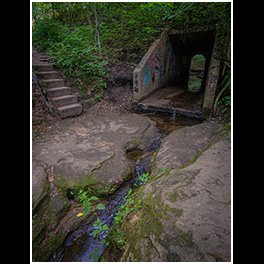
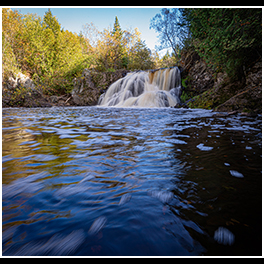
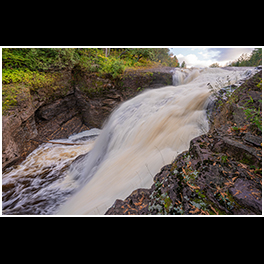
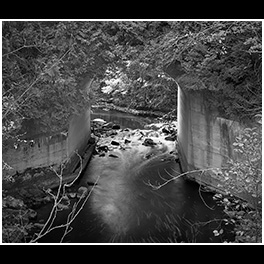
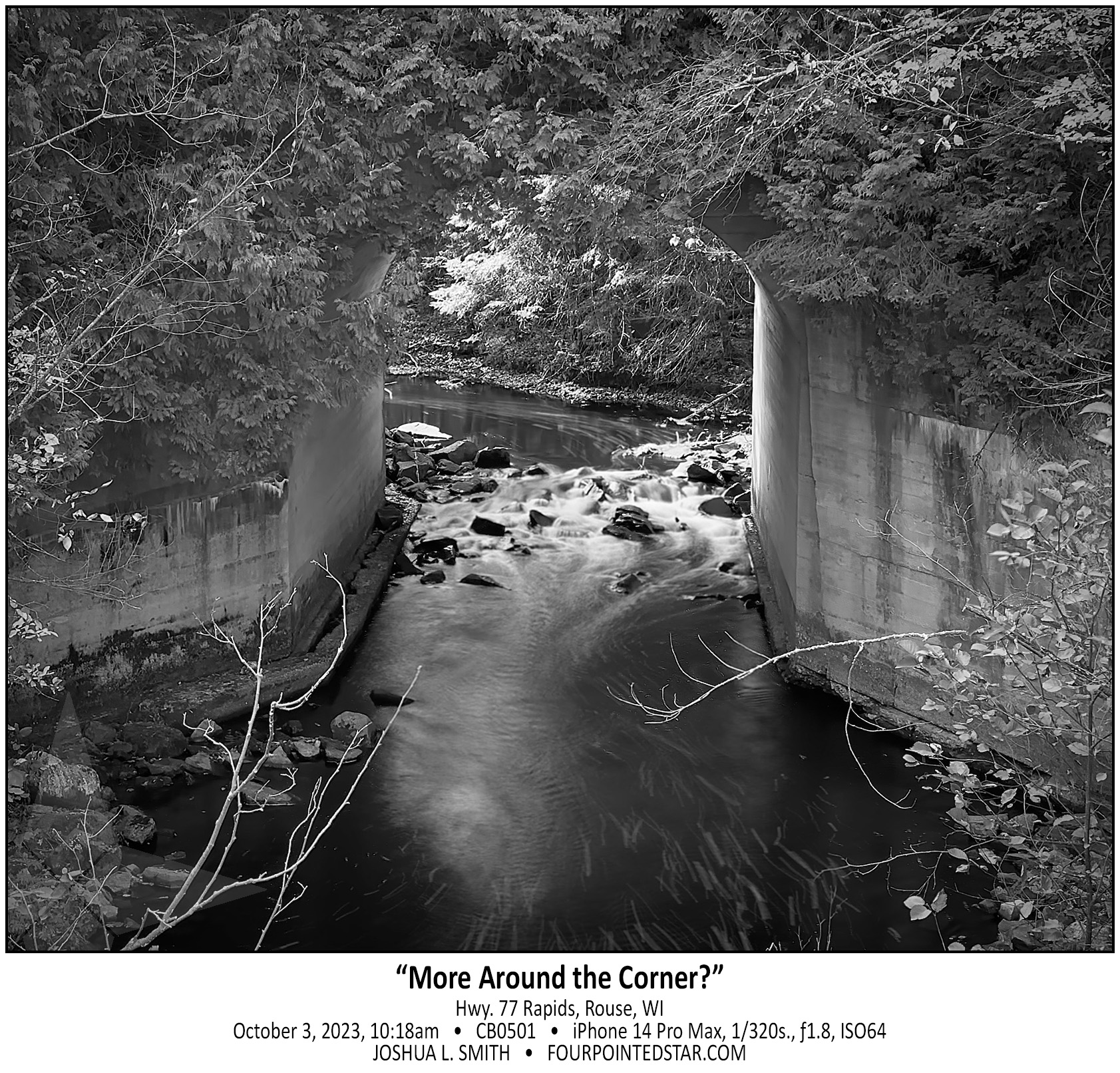
I have 3 waterfall books that indicate that there is a waterfall or at least a larger rapids on this stream, and one of the books indicates that it is easy to reach. Without climbing down into the stream and then walking under the concrete culvert, I can’t tell if there is anything upstream. I also am VERY hesitant to walk upstream without knowing or seeing some indication that the land is still undeveloped at the least. So, this rapids/waterfall/something waits for another trip.

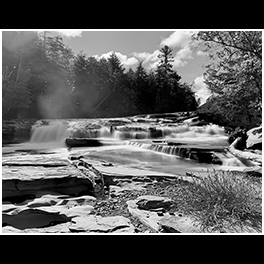
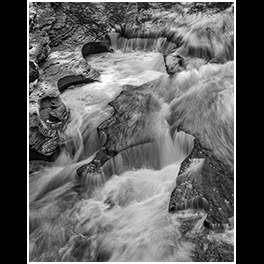
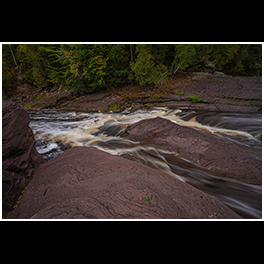
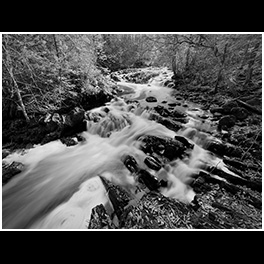
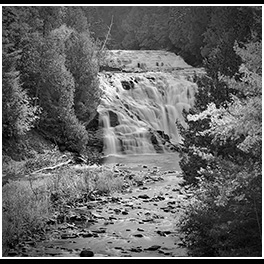
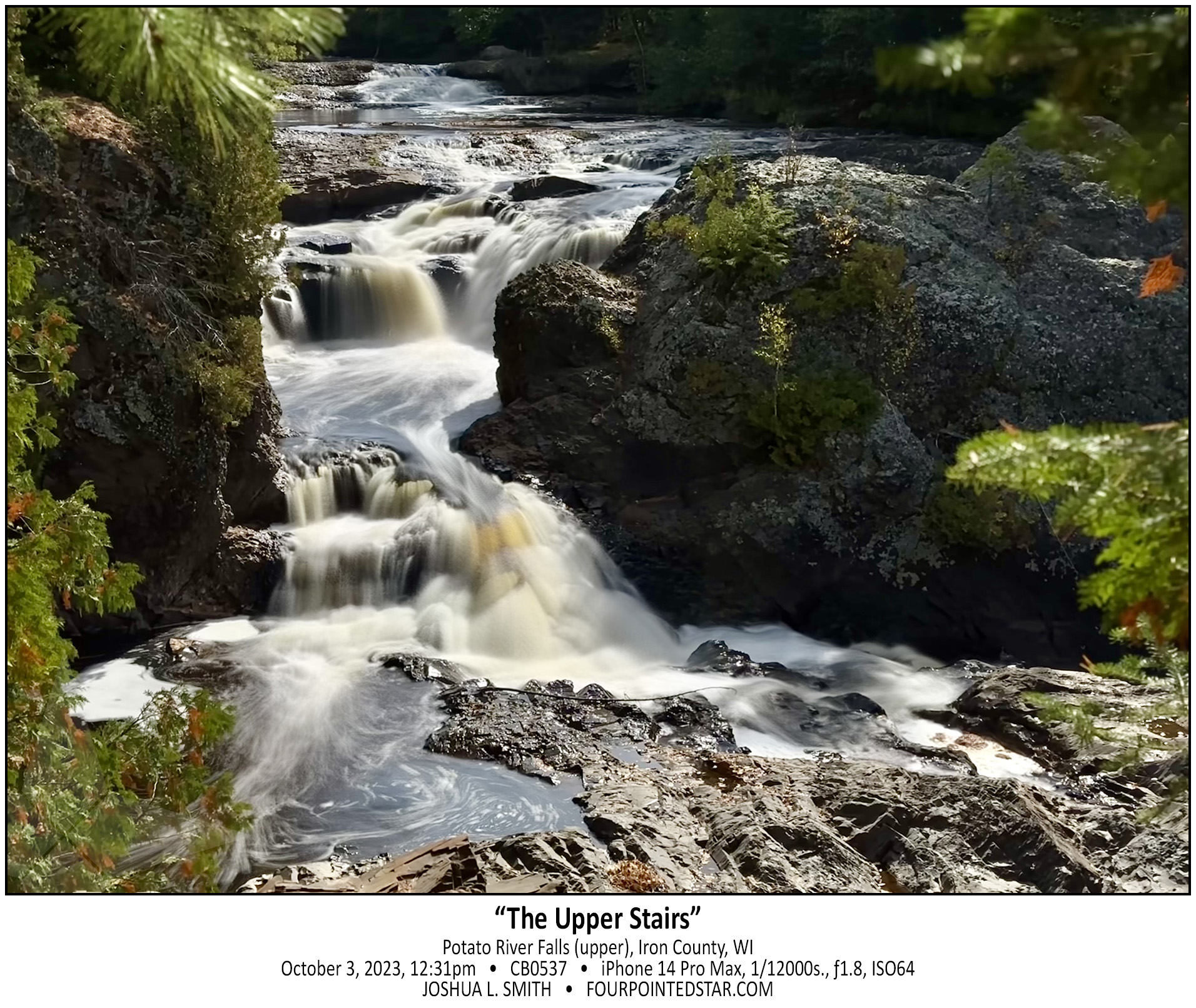
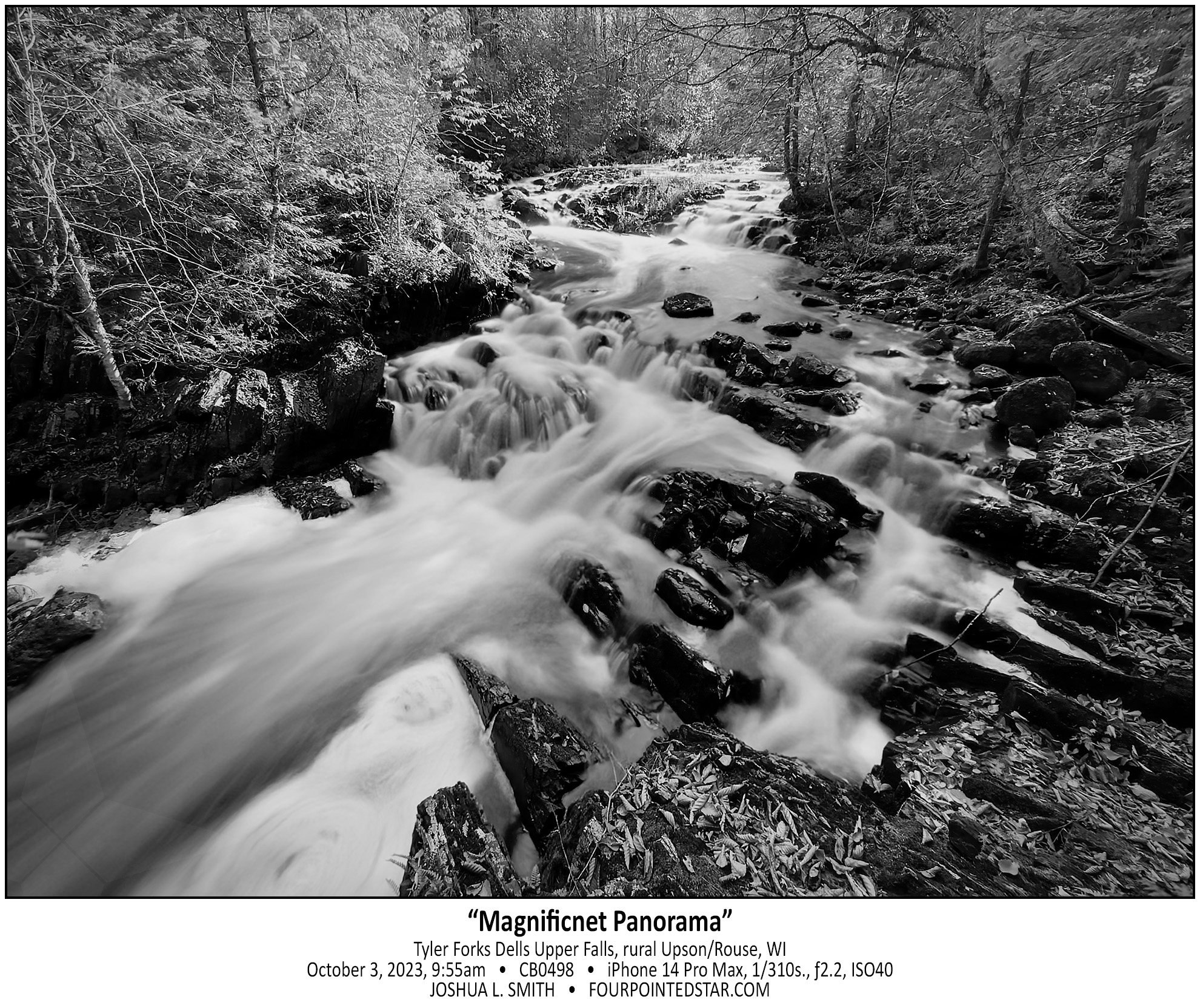
As I crested the hill so that I could see the rapids behind, I was literally awestruck by the view of Tyler Forks Dells Upper Falls. I gasped something like “that’s incredible!” as the scene came into view. The guide that I had stated “a series of small rapids forming an S curve”, but did NOT prepare me for how beautiful the Upper Falls are. The falls at the rear of the image are probably 200-250 feet away, which provides you with a sense of how expansive this view is. Although, you can’t tell it in this monochrome, the pops or orange leaves on the dark rocks, the yellow foaming water, and the sunlight illuminating the far side of the river added to beauty.

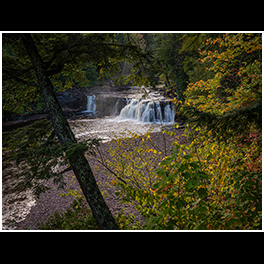
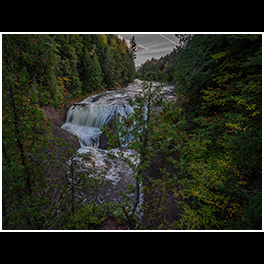
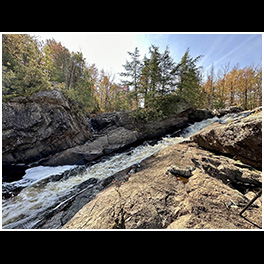
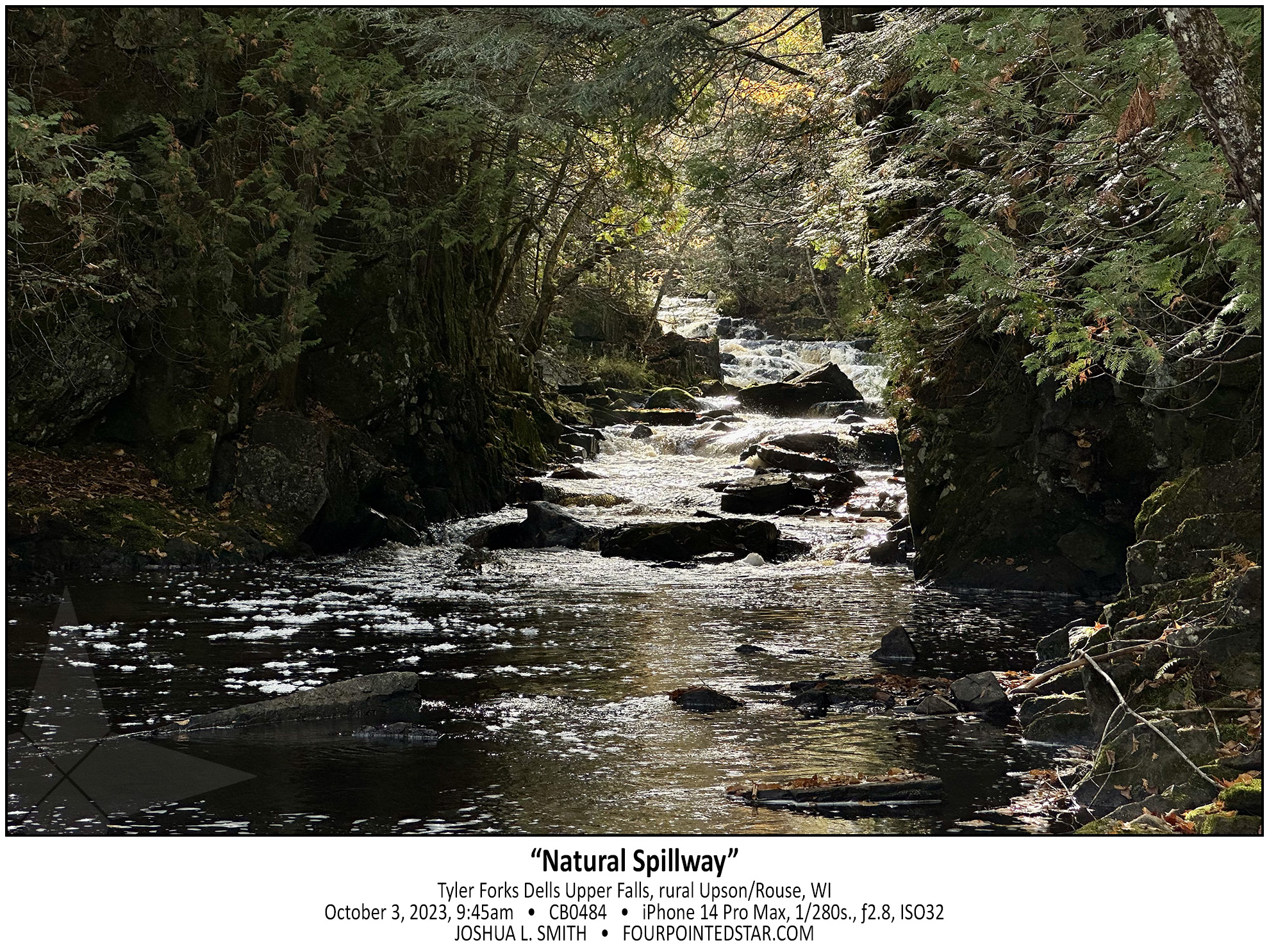
As I walked up from the lower falls which were not very impressive but were very easy to get to; I realized that the land was increasing in height but the river was not. And as this break in the stone cliff came into view, I could tell that Tyler Forks Dells might be quite the sight. But first I had to cross this rock wall that was maybe 15 or 20 feet high.