Category: nature & sunsets


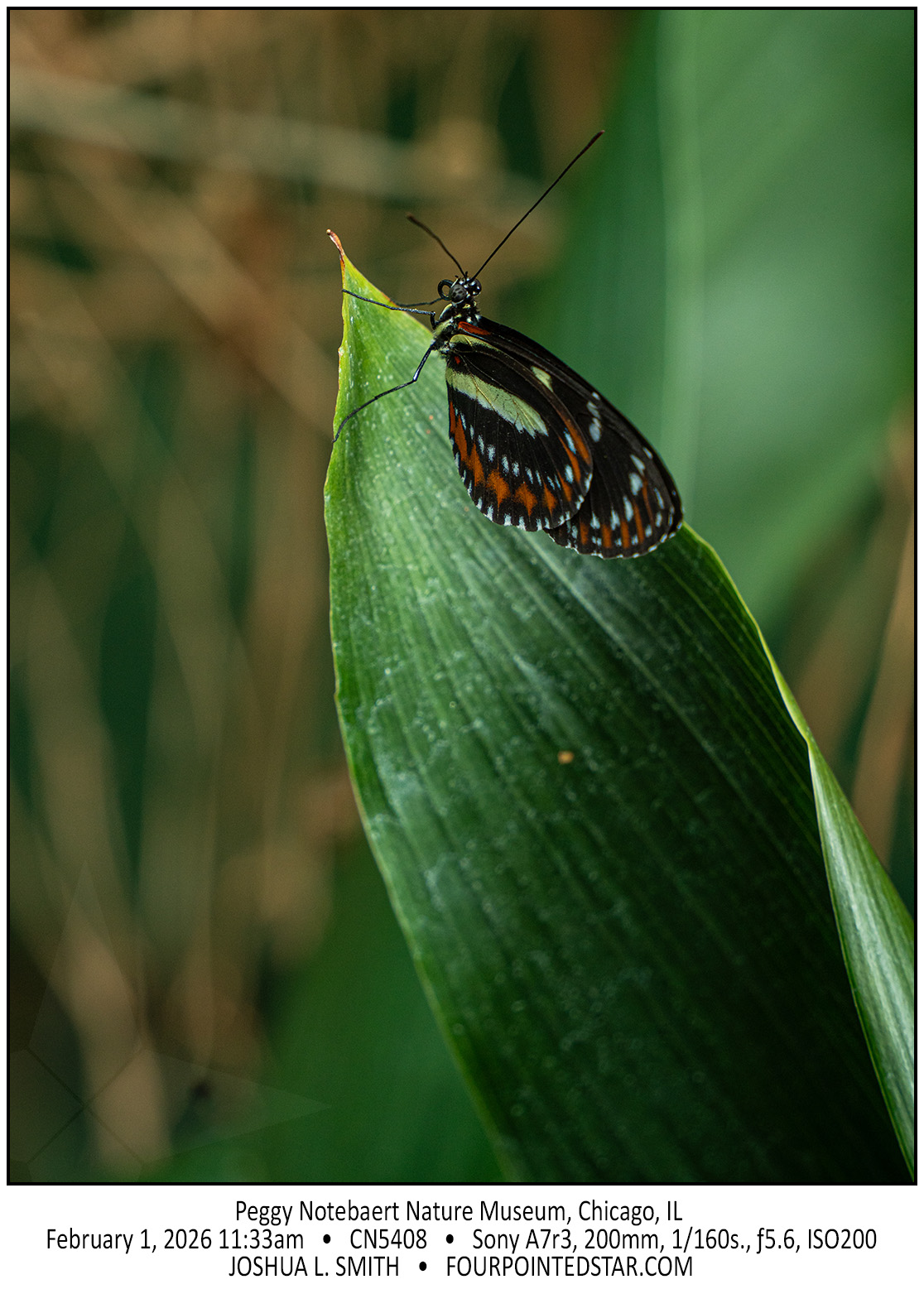
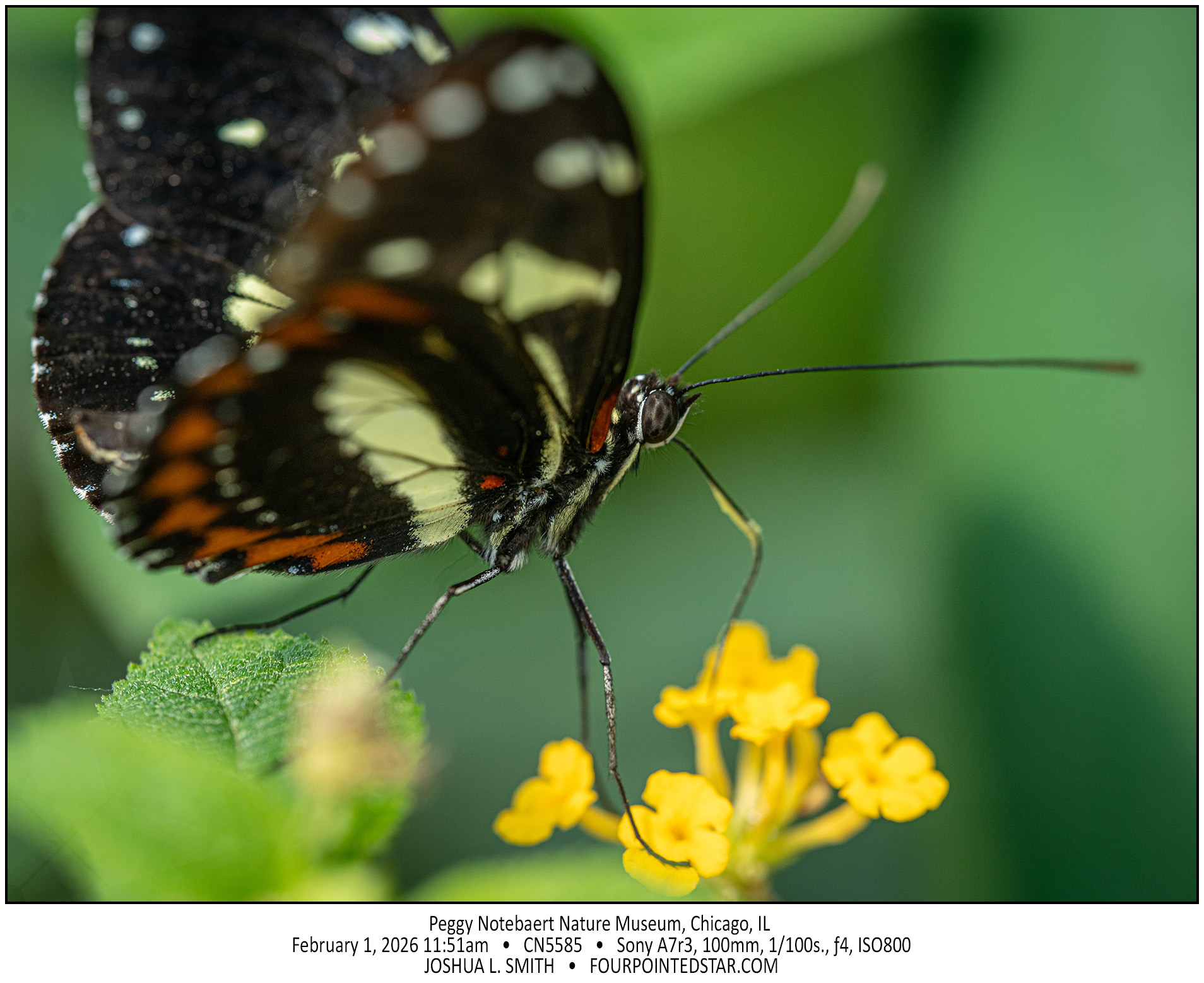
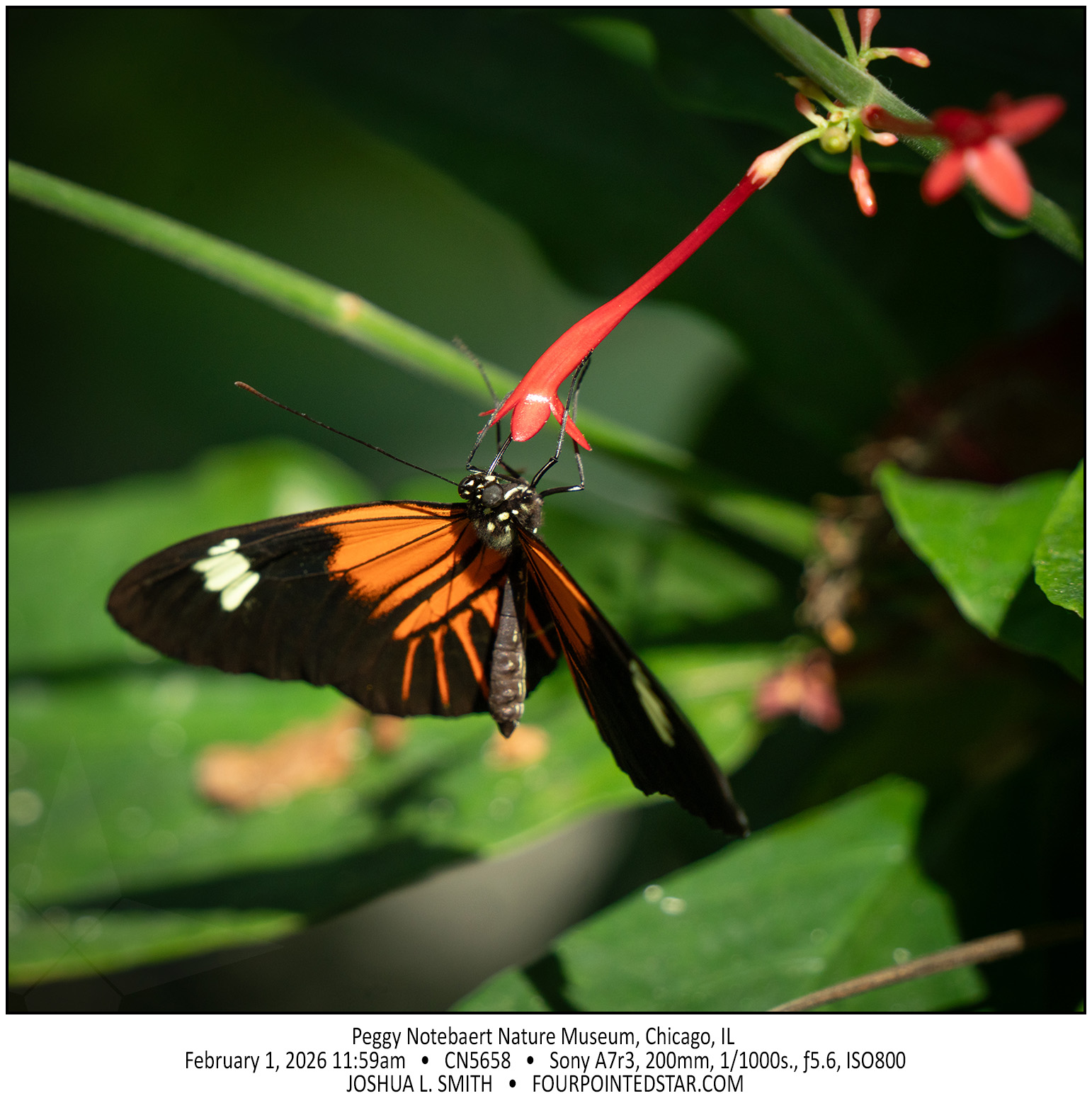
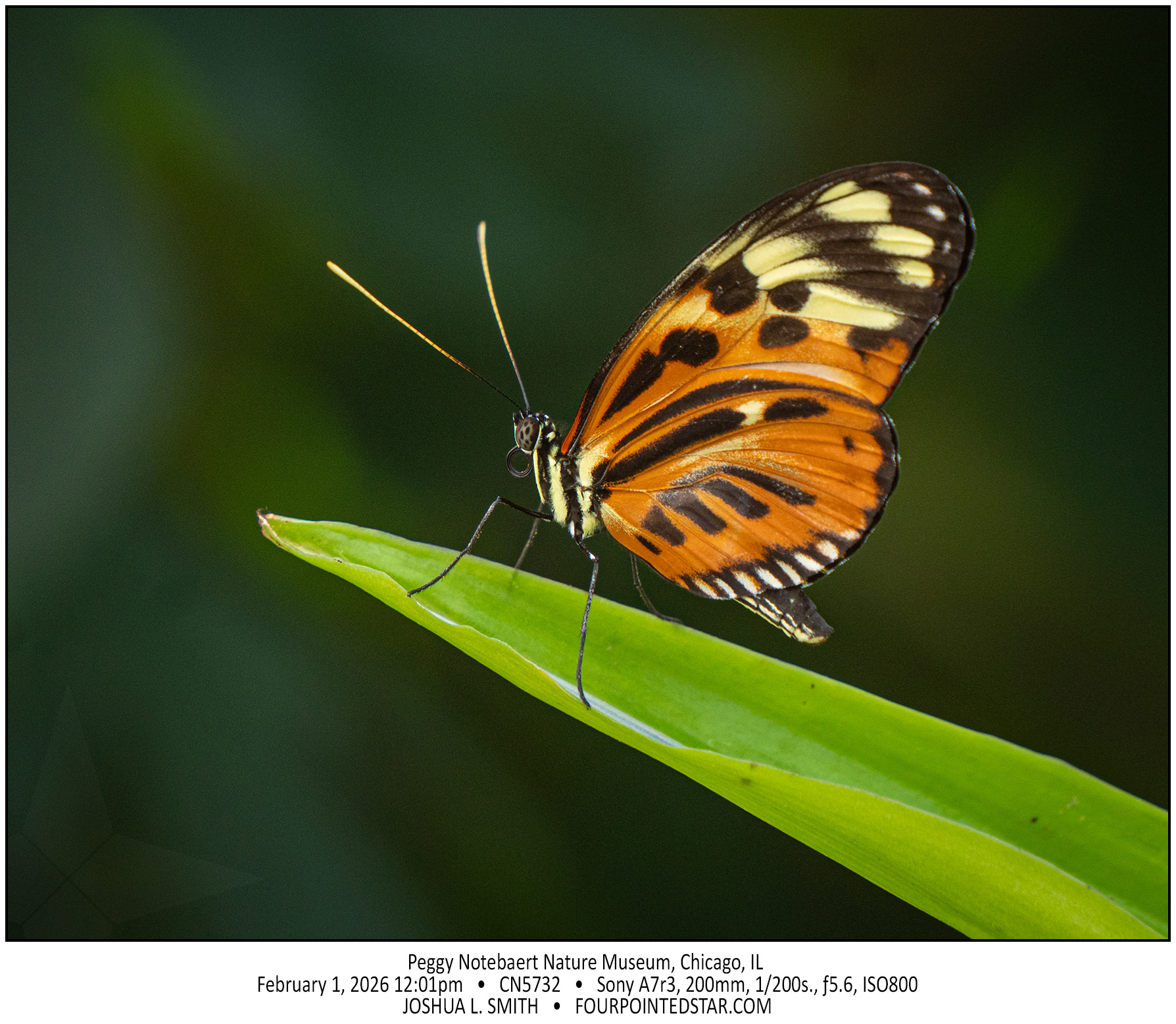
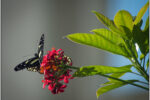
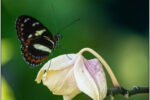
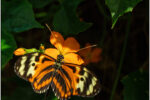
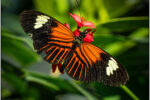
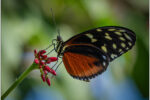
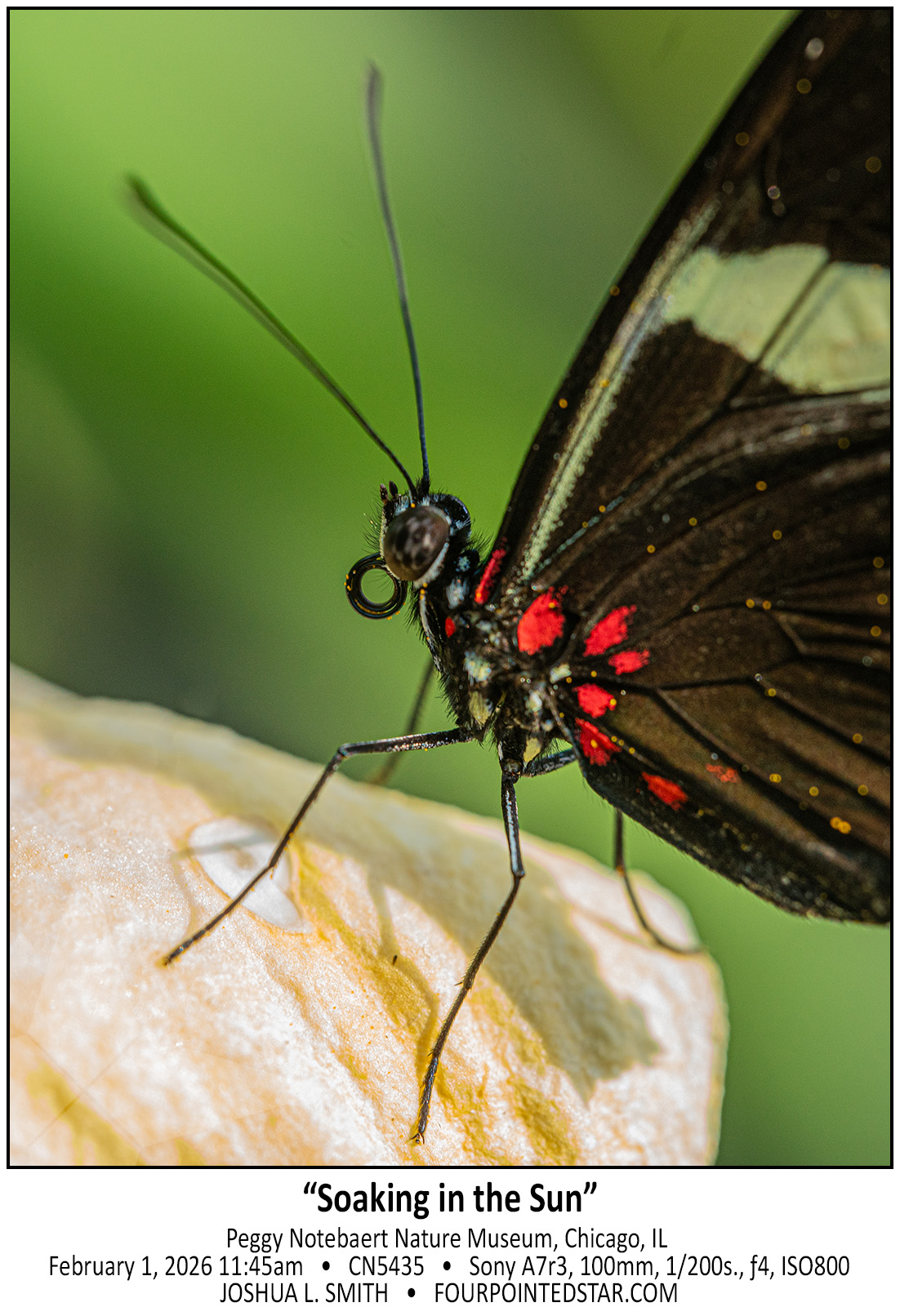
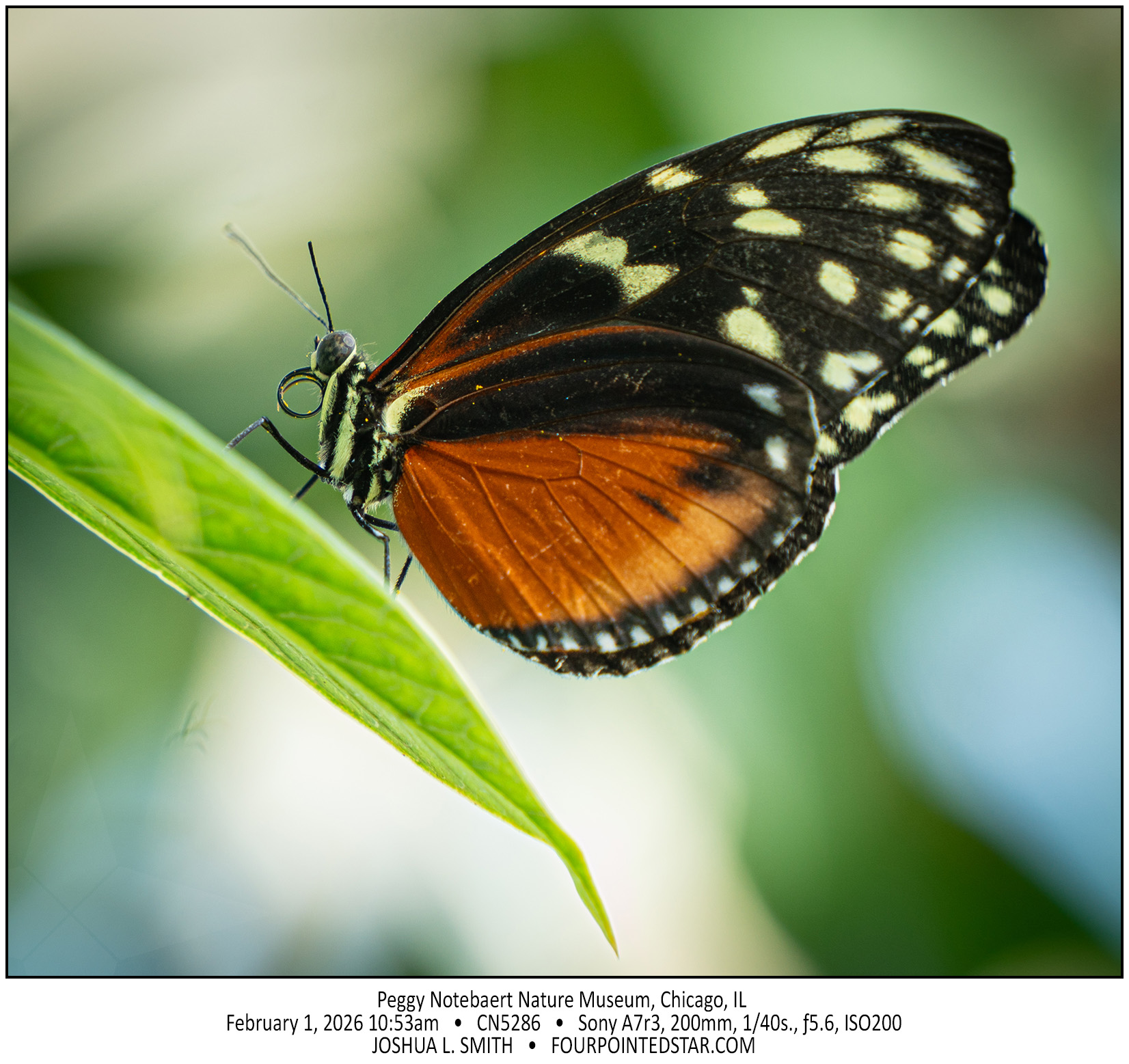
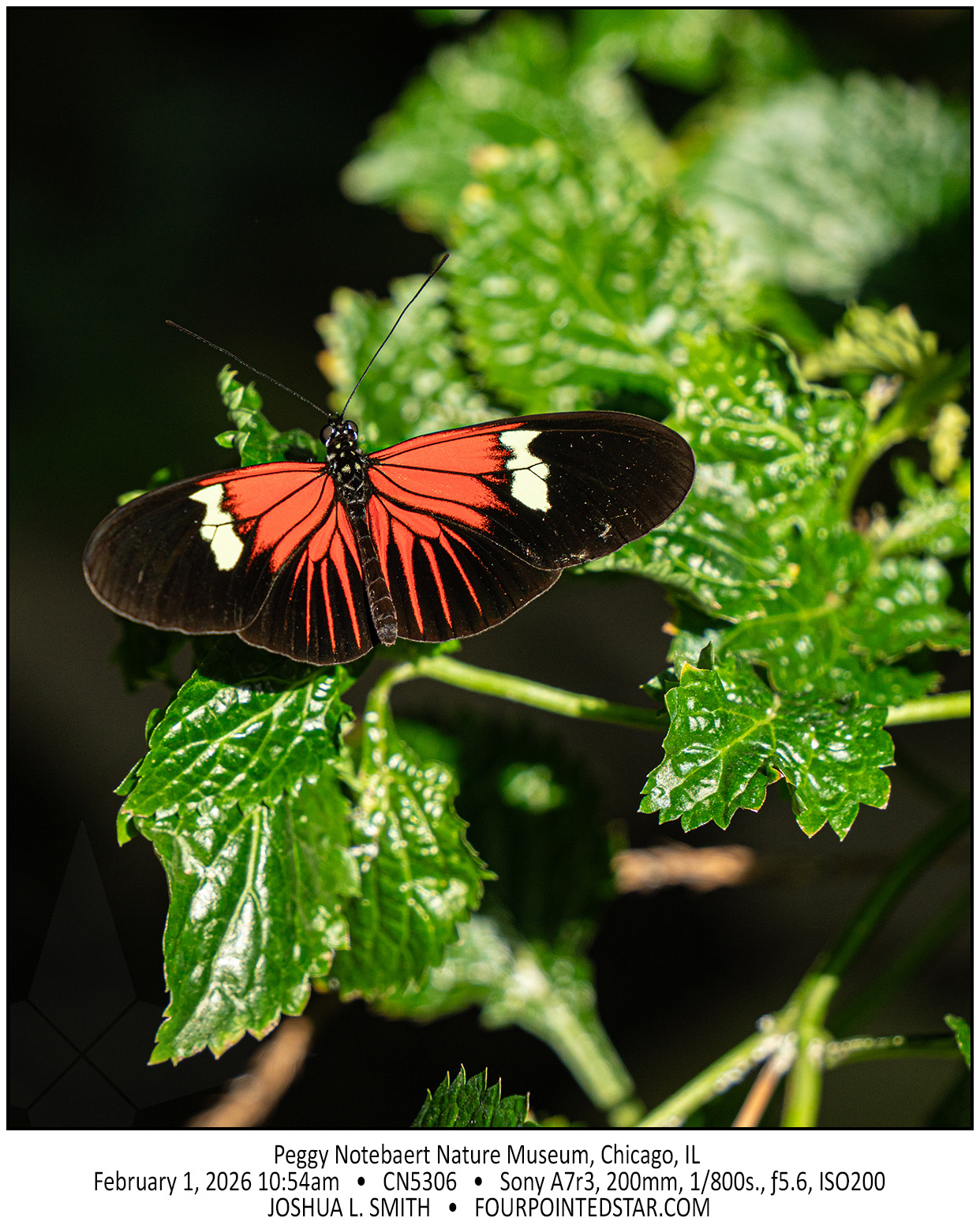
You might think that after 10 years of photographing butterflies in the same exhibit that it would be easier or boring or predictable, but during each visit, I have to search for the butterflies in a good setting within the reach of my lens, adjust for the proper lighting, and then capture the image while the butterfly is stationary.

The sunlight filters in and out, the butterflies often land far away or in an “ugly” location, or they take off right when you press the shutter button; so each year there is a challenge and a smile when I’m editing and see that I’ve captured a good image. Really, each one of those challenges is present in most photographic creation…


.

>other images<
.
Each winter, I make a sacred trek to Peggy Notebaert Nature Museum in Chicago. They have a wonderful year-round butterfly exhibit, and those colors are the perfect break from the dull nature colors. Even when the Illinois winter blesses us with snow instead of 43 shades of brown and grey, more of nature is still monochromatic.
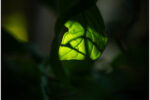
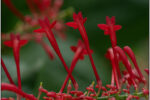
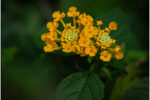
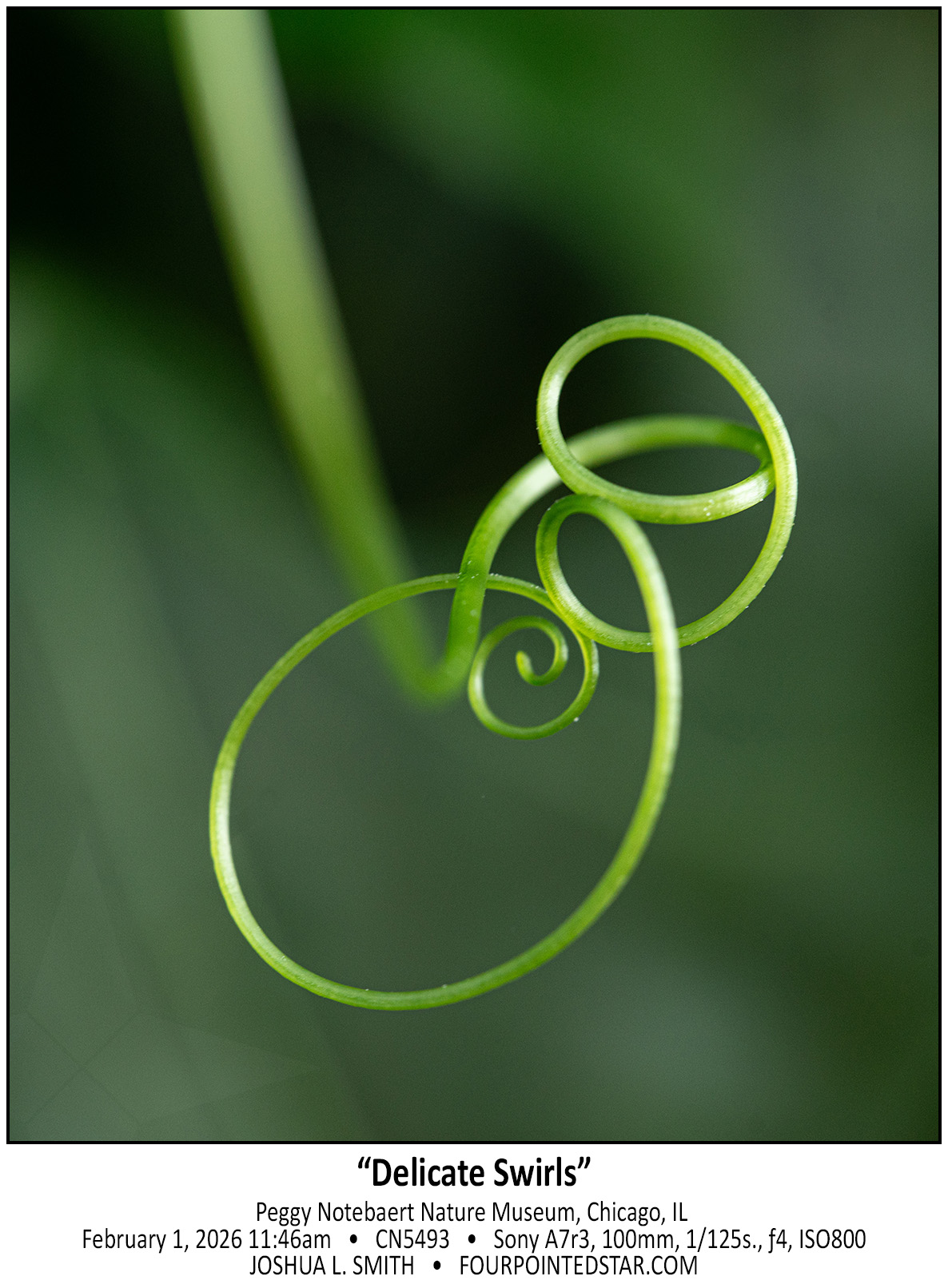
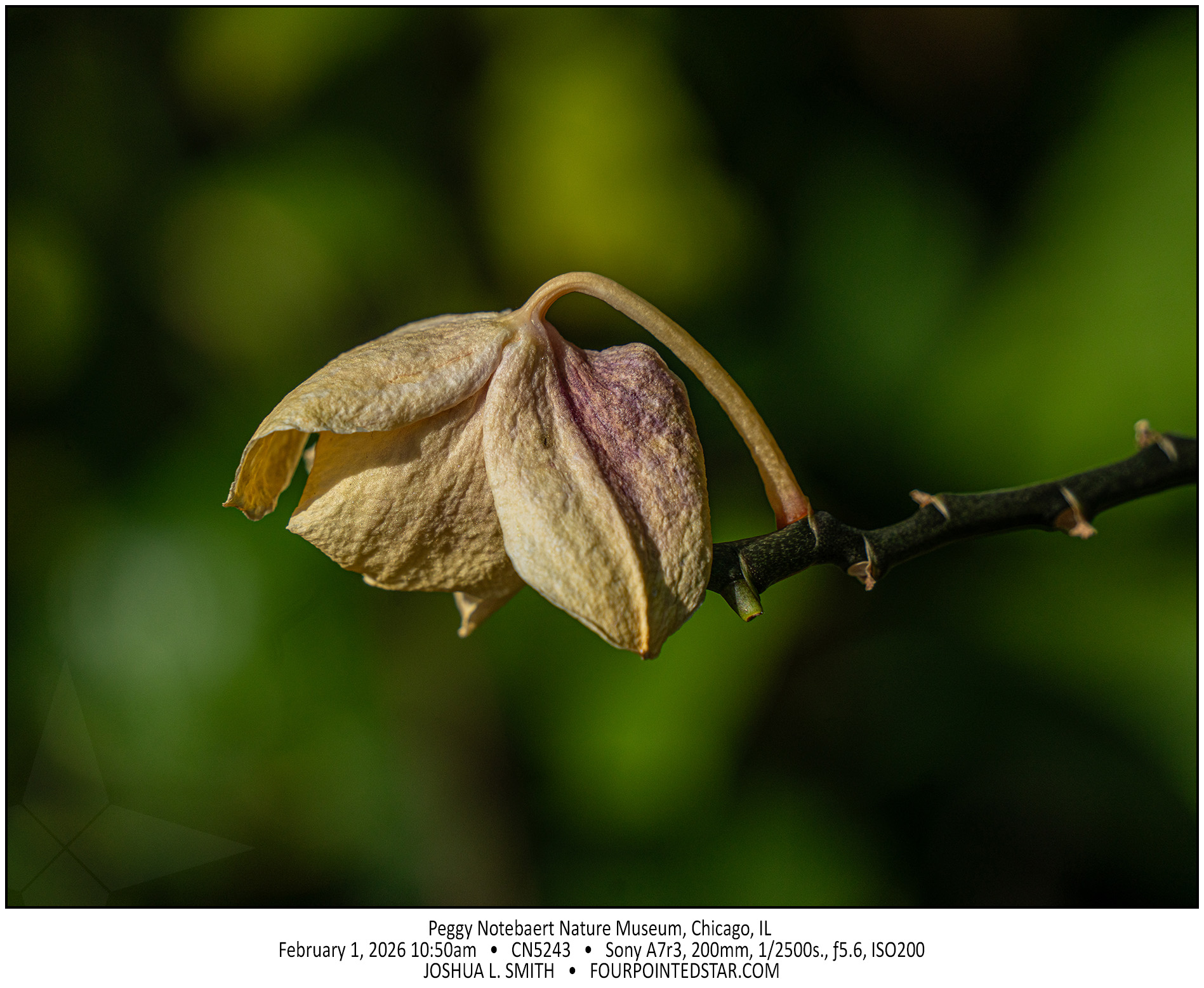
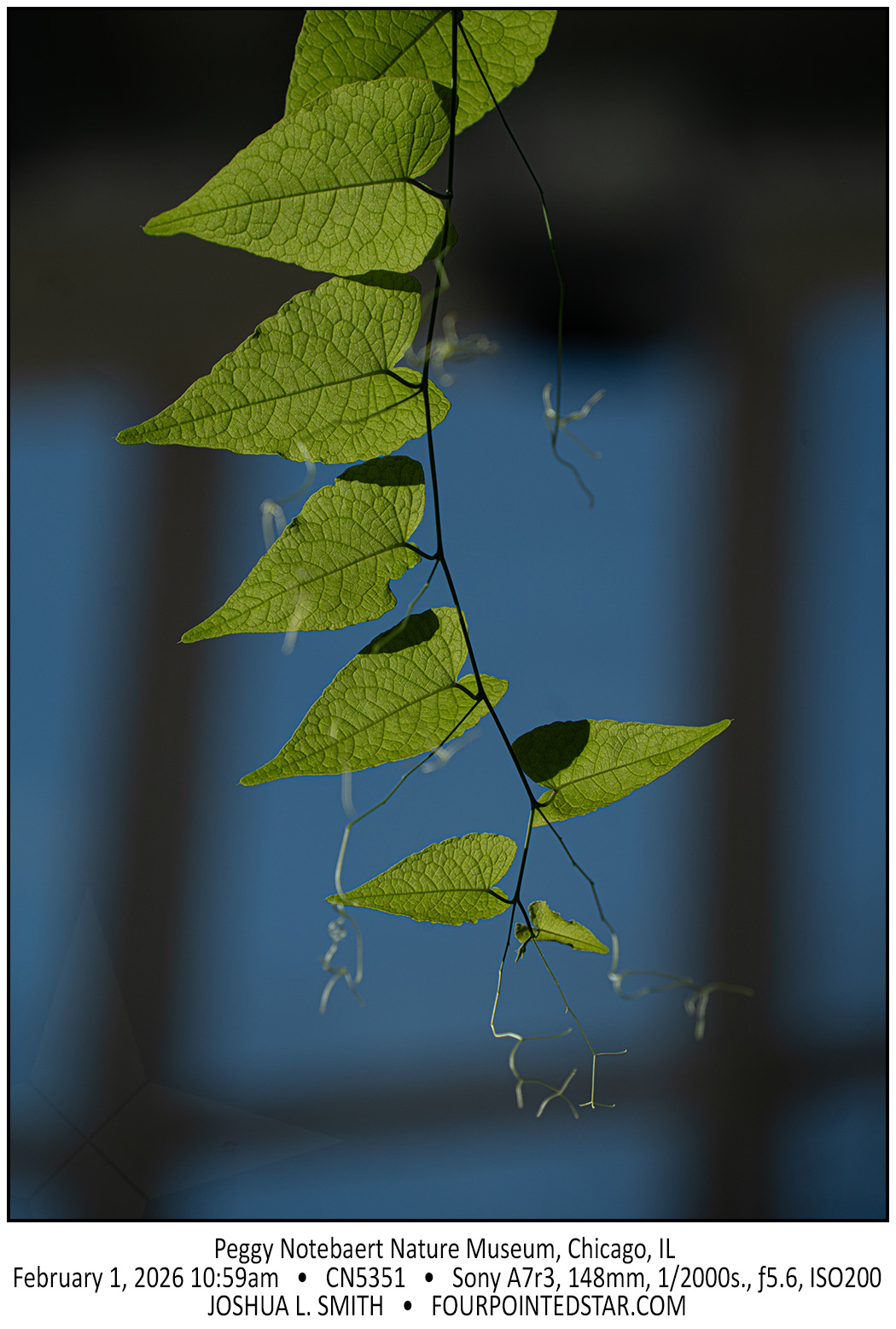
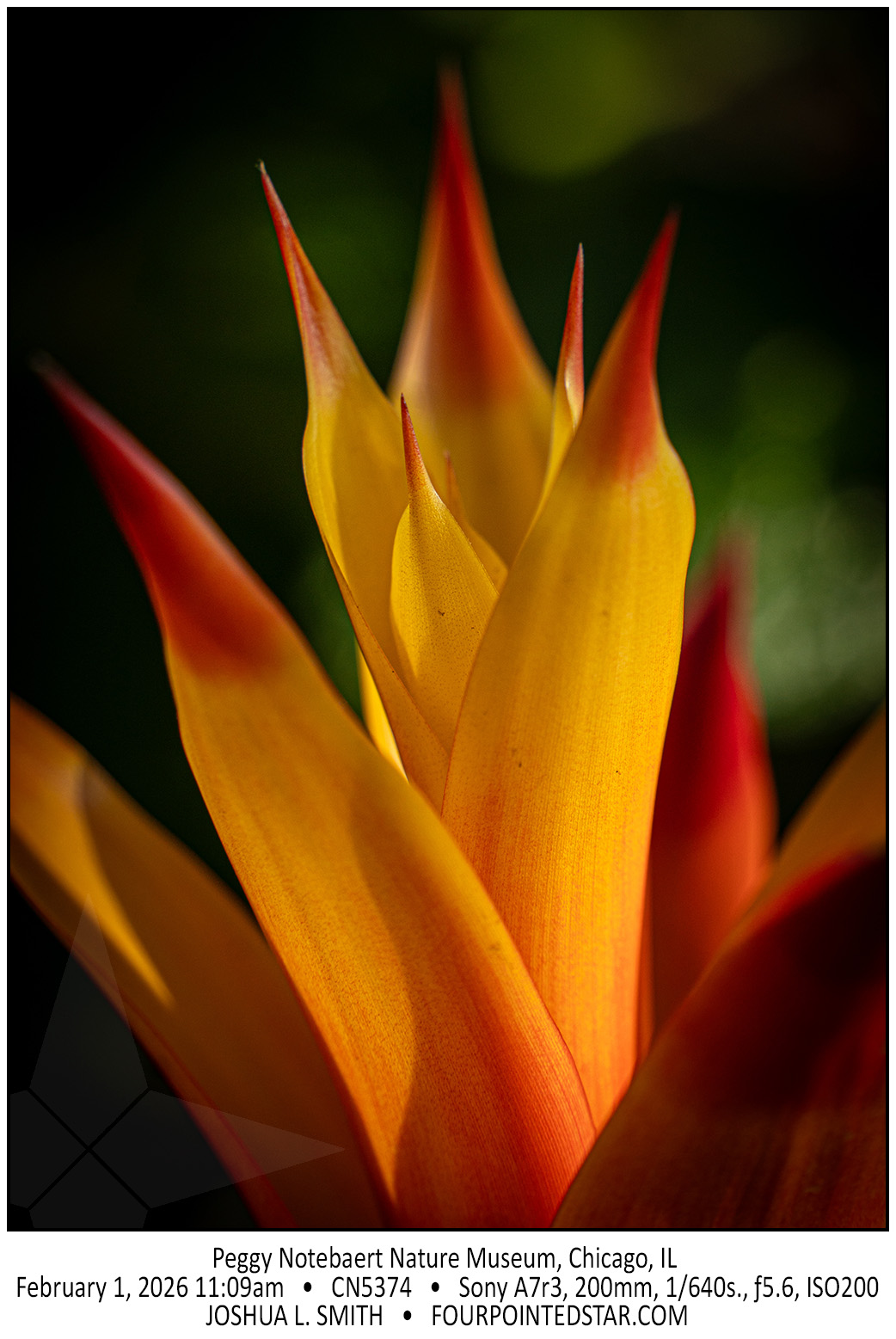
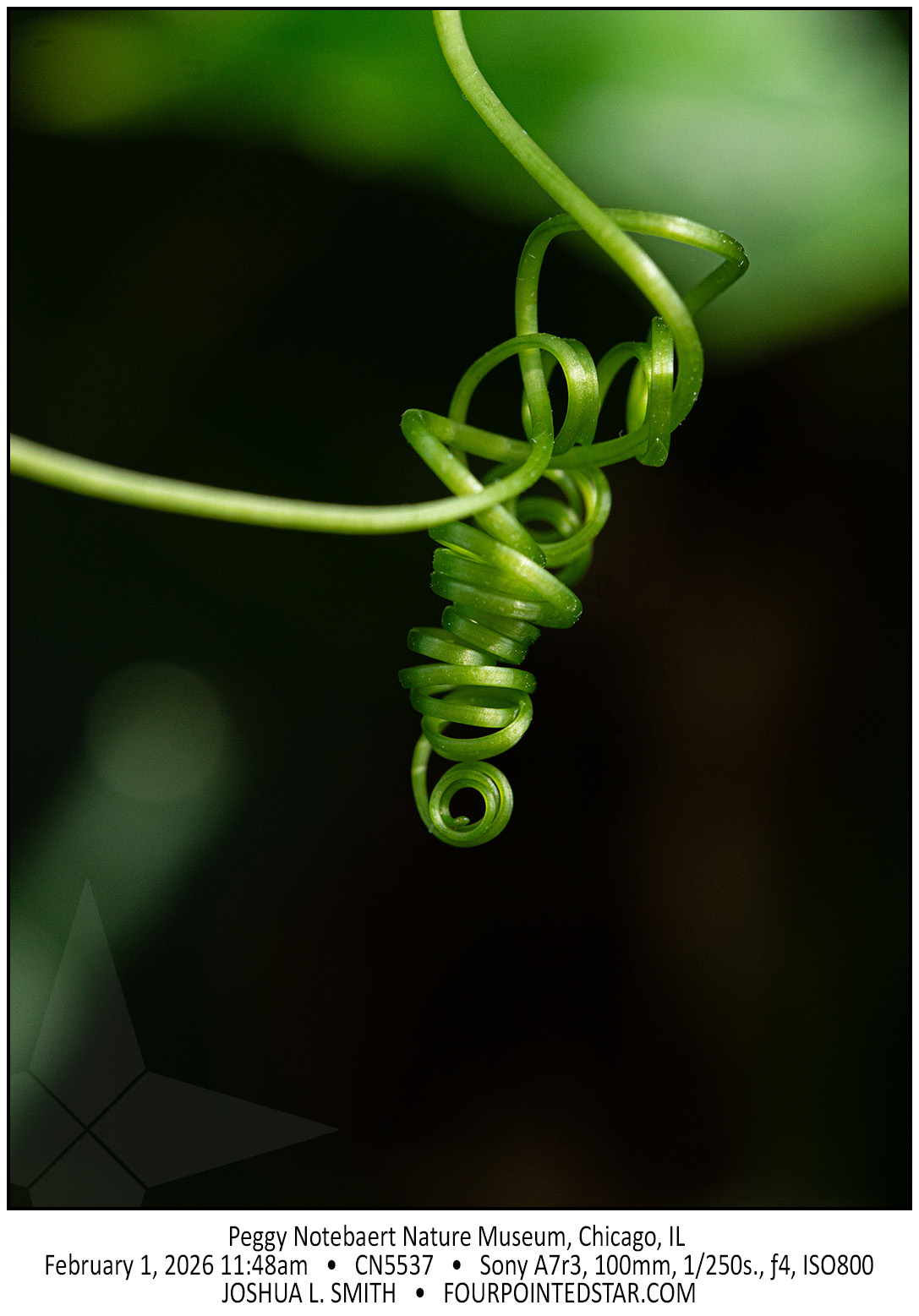
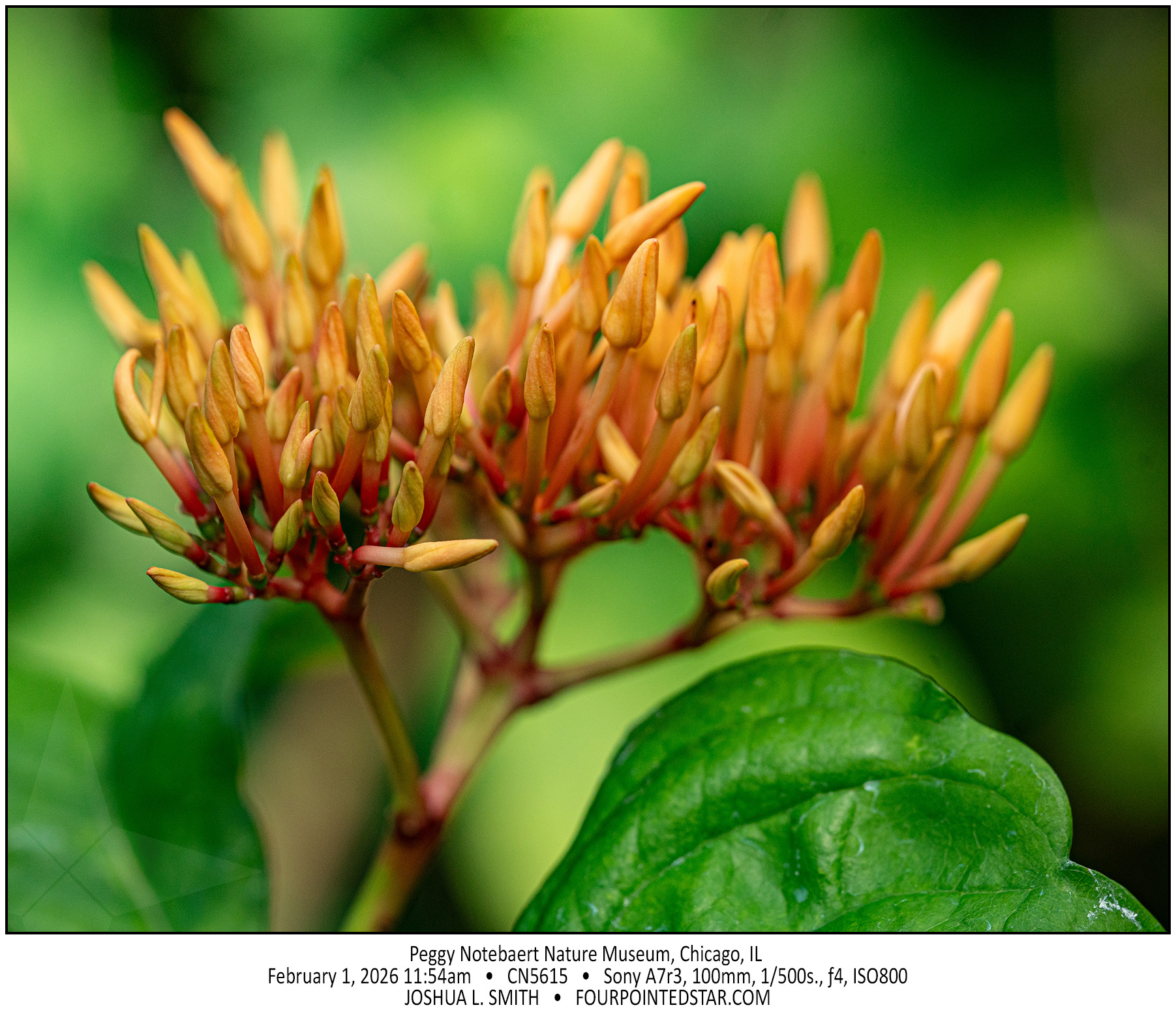
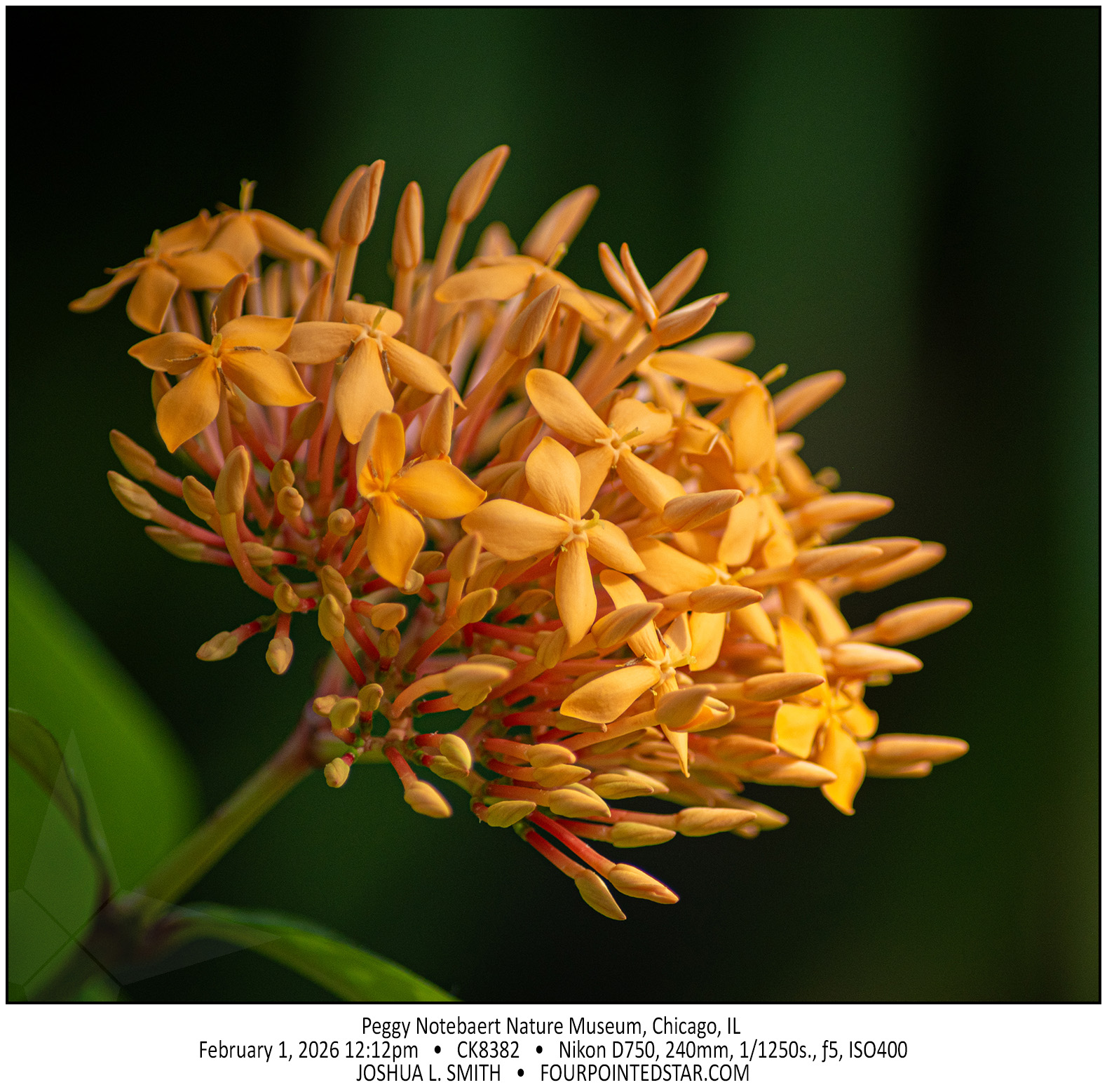
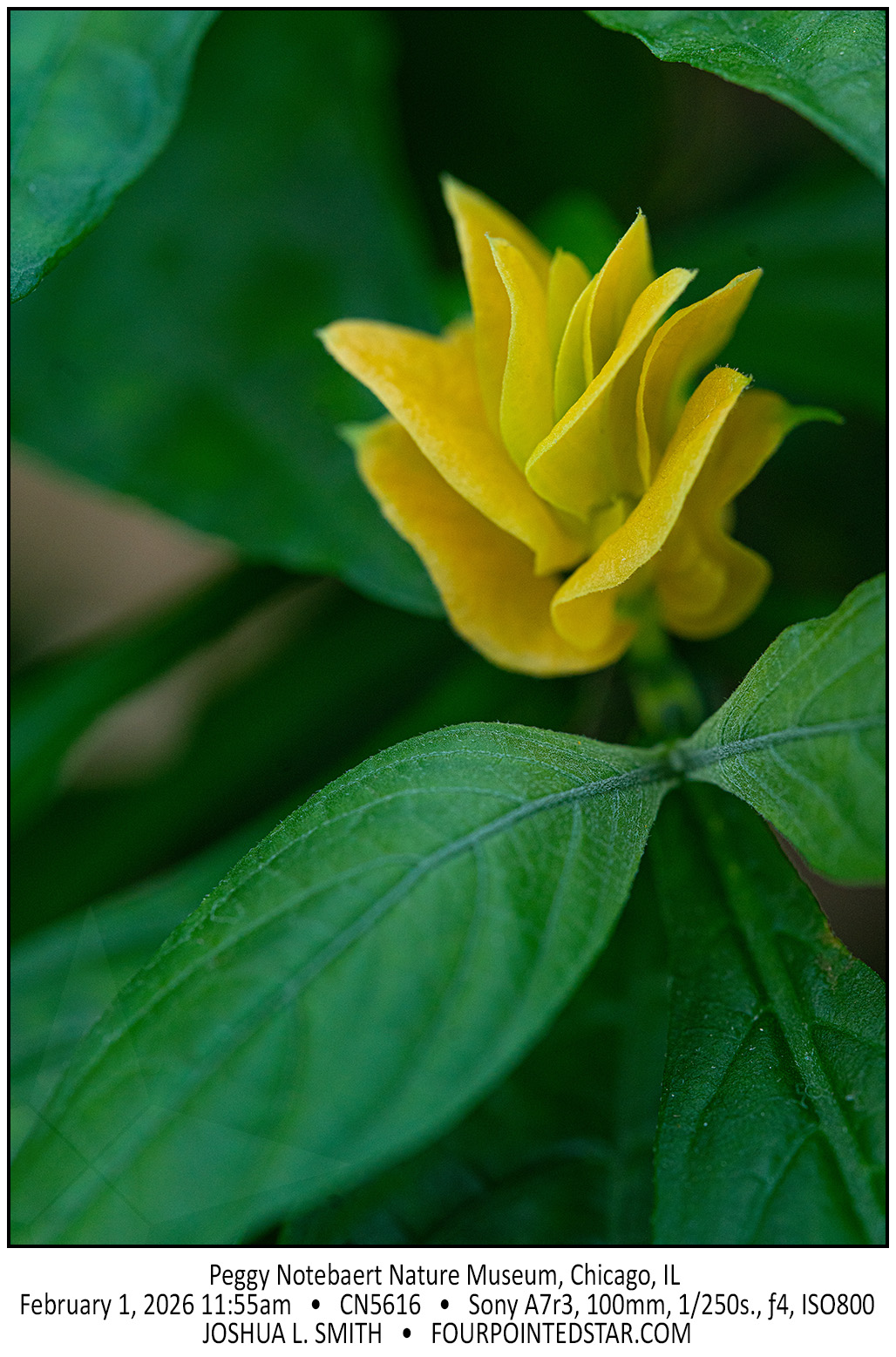
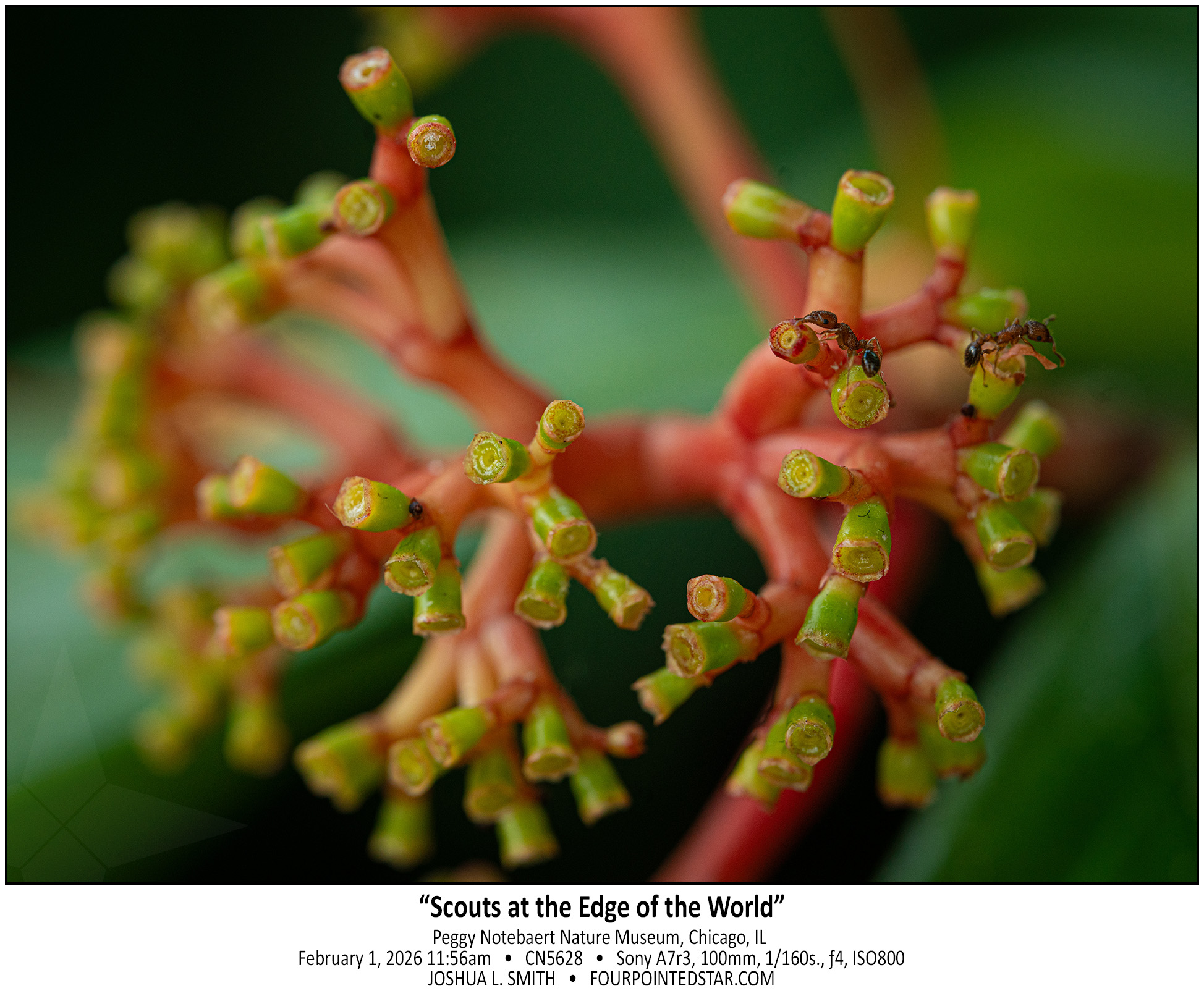
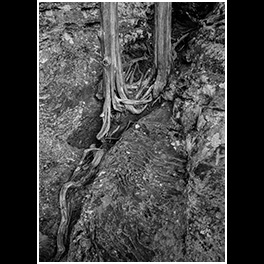
Typically I focus on the butterflies; small pops of color whose unpredictable nature and flight paths make them a challenge to photograph, but this visit, I was inspired by a photo that Sarah took years ago – a simple image of the end of one of the vines. What images could I create in the butterfly house that weren’t of butterflies?


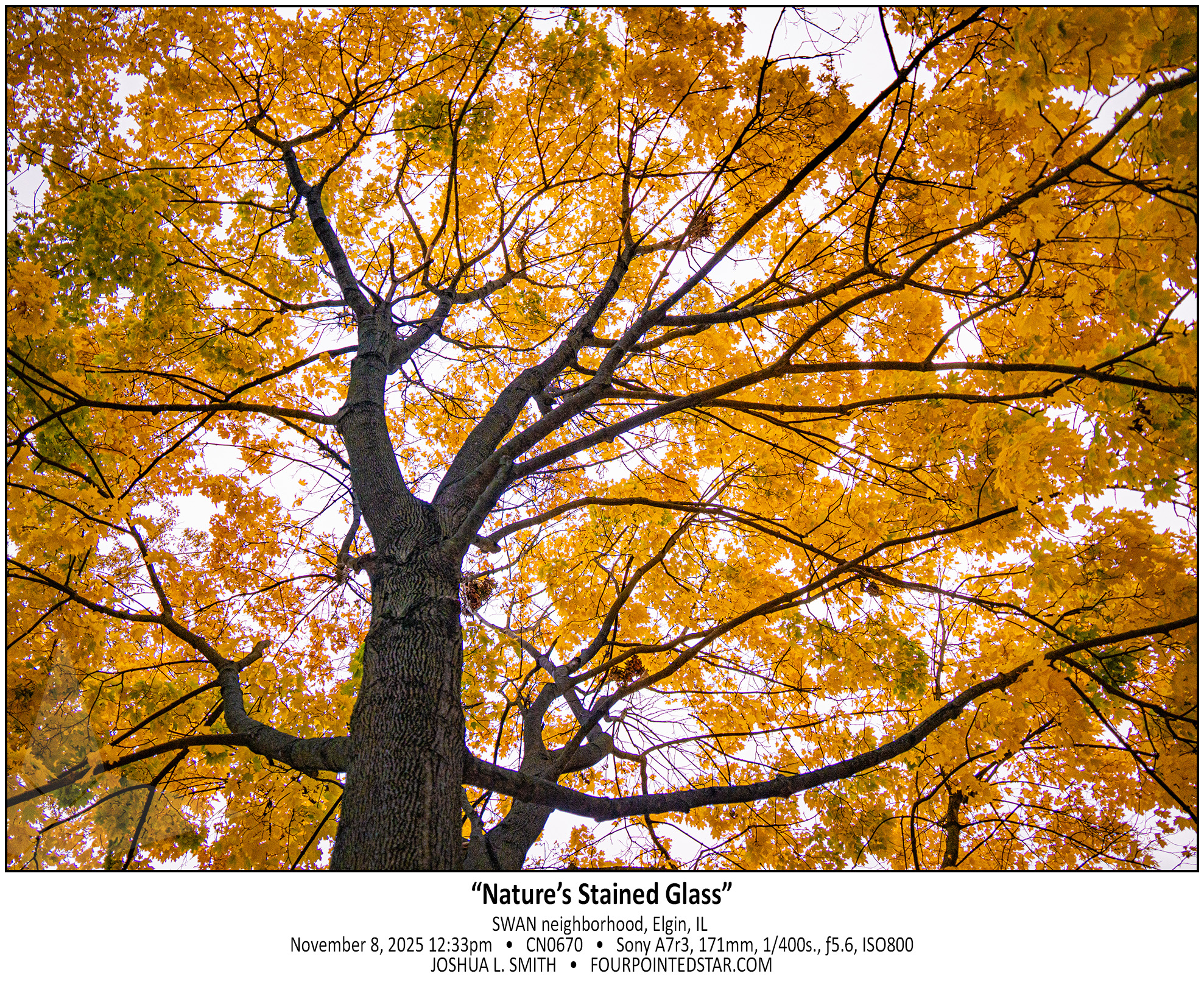
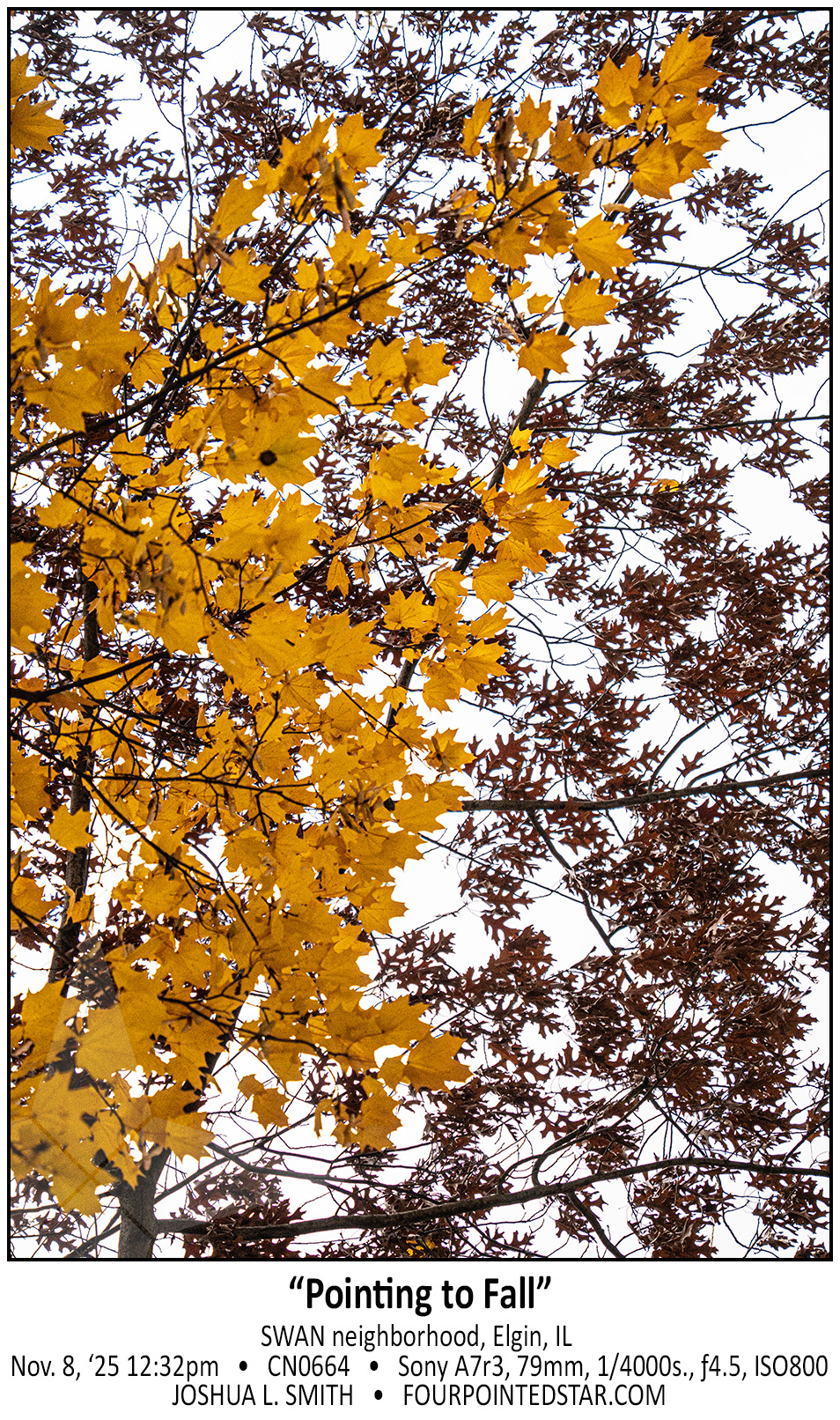
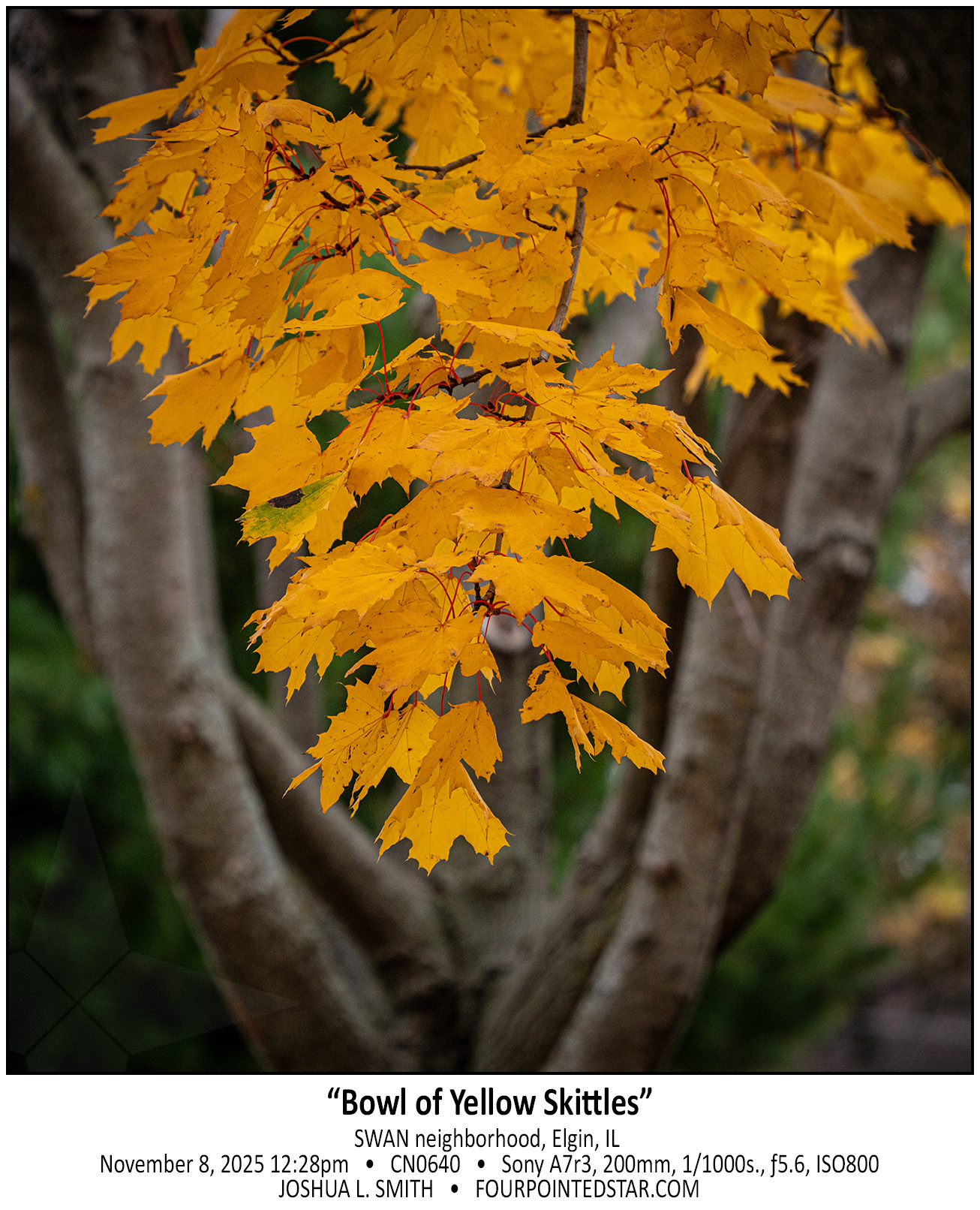
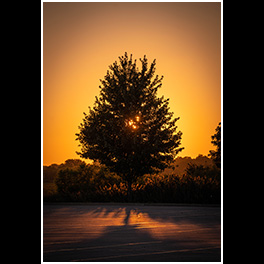
There were two trees that simply glowed yellow in the afternoon as I drove through my neighborhood. When I got home, I picked up my camera and walked around the block capturing the various autumn scenes, including this tree. I could have placed a lawn chair underneath it and stared into the majestic canopy for the rest of the afternoon, but I have a feeling the neighbor would have asked me to leave.


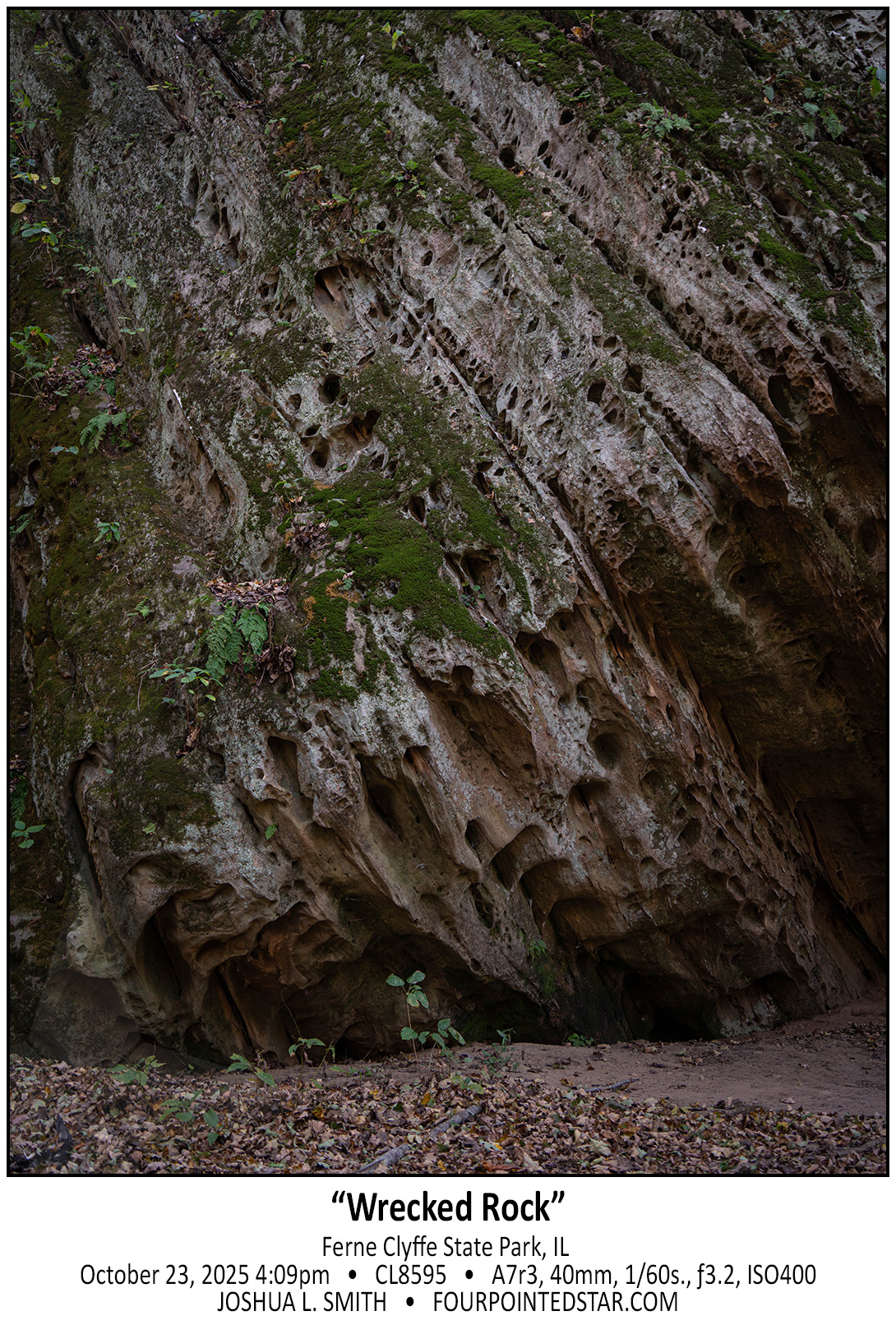
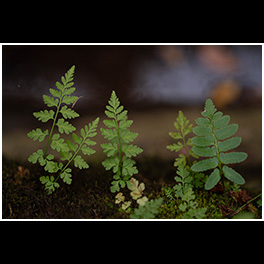
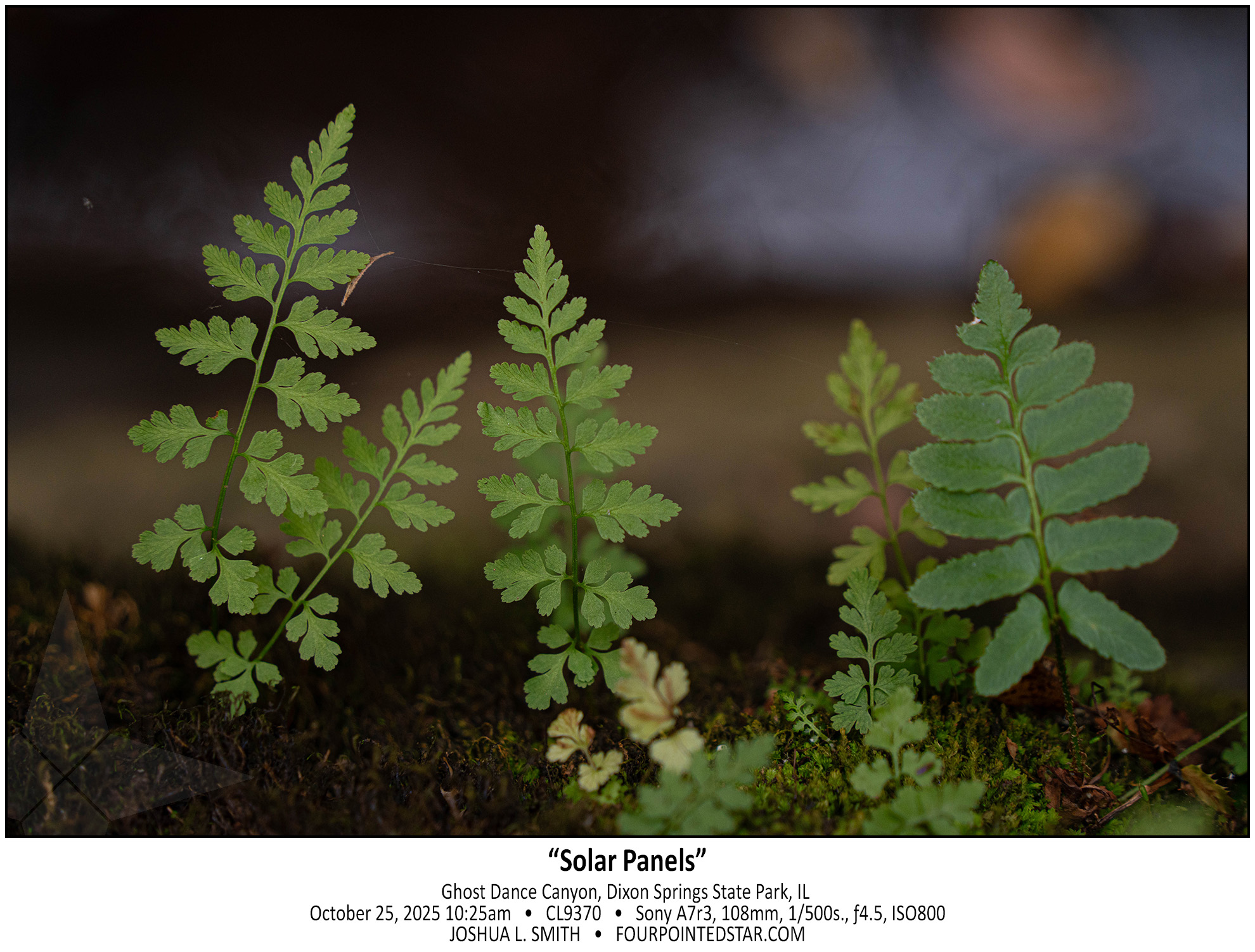
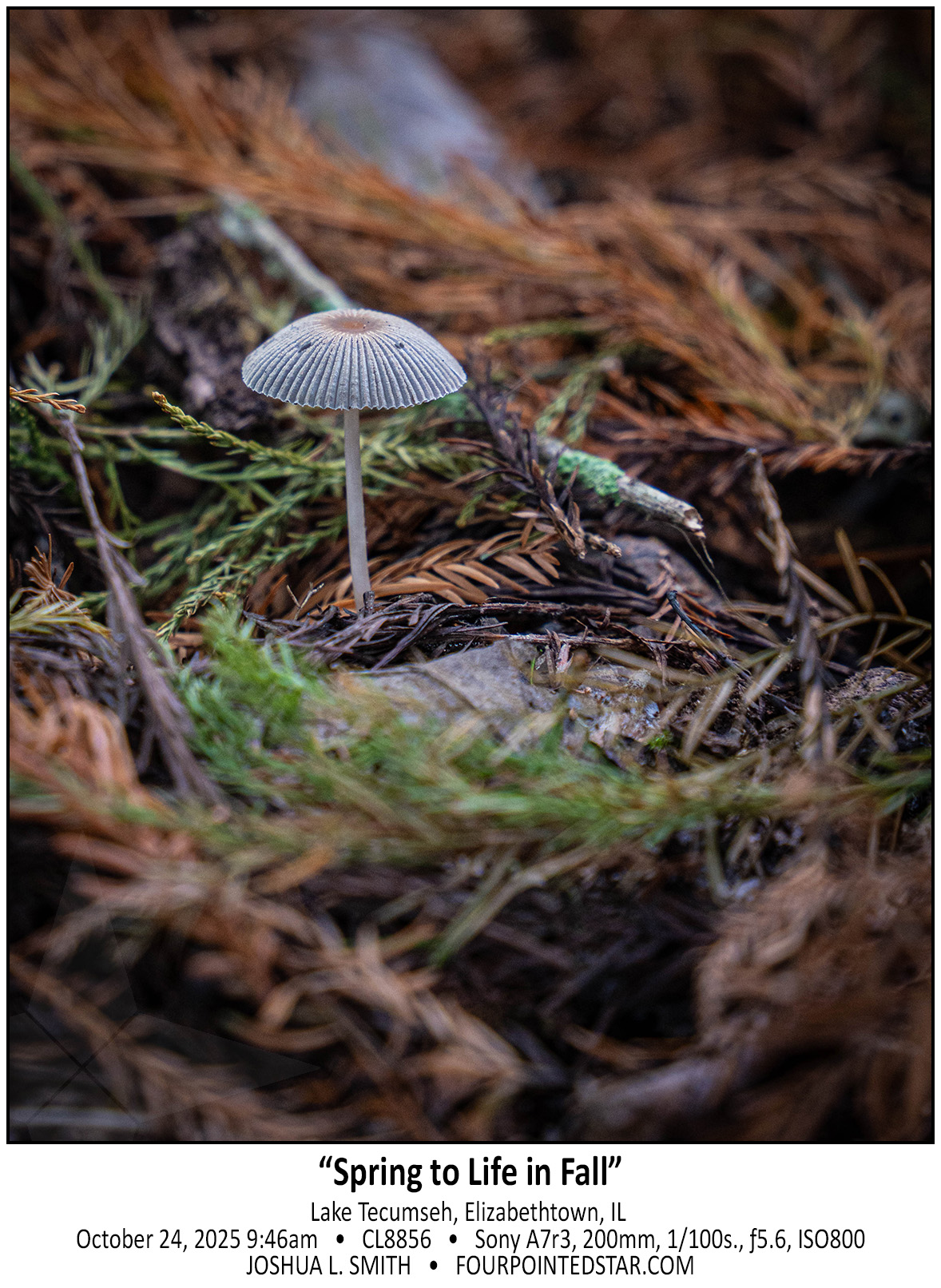
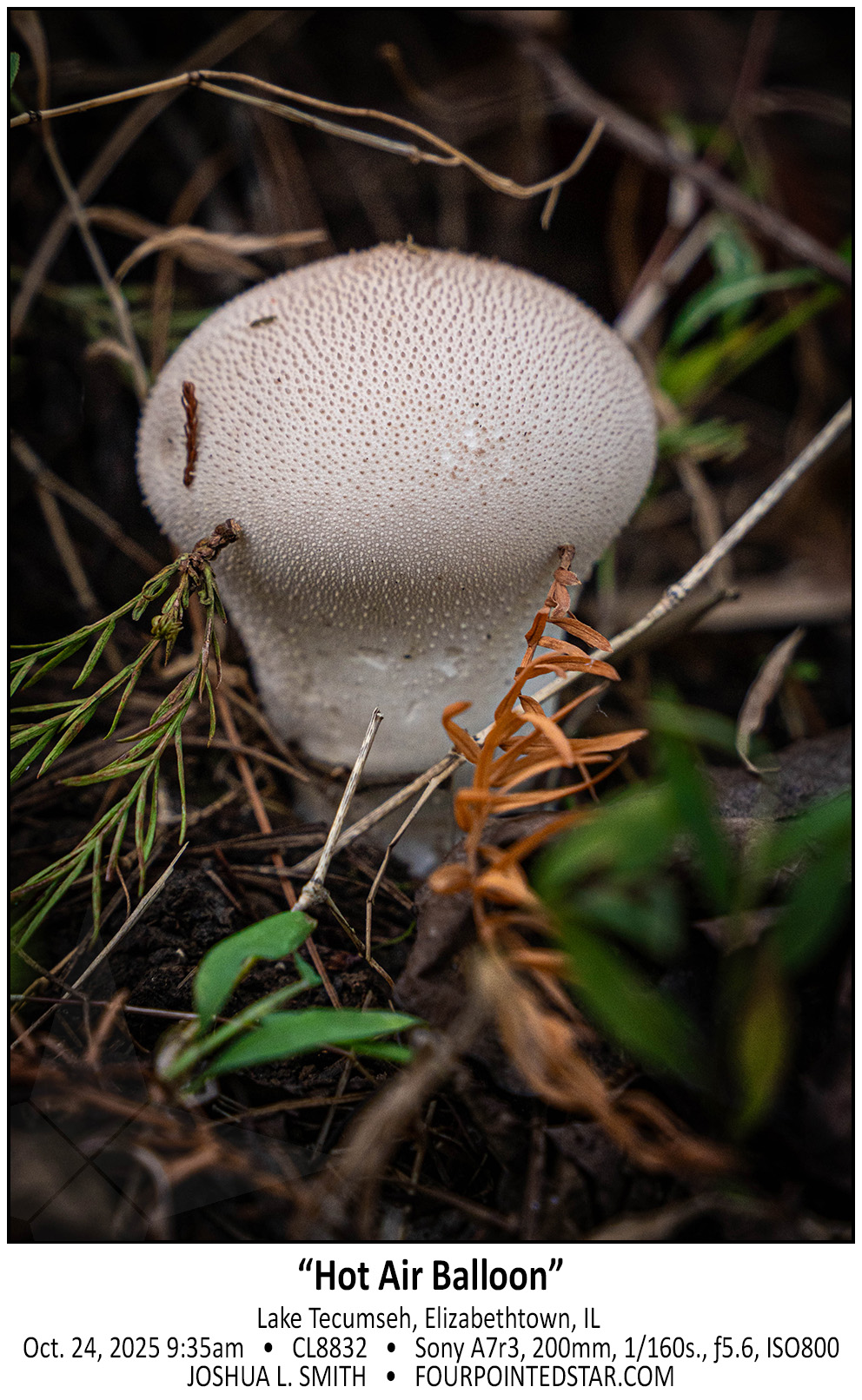
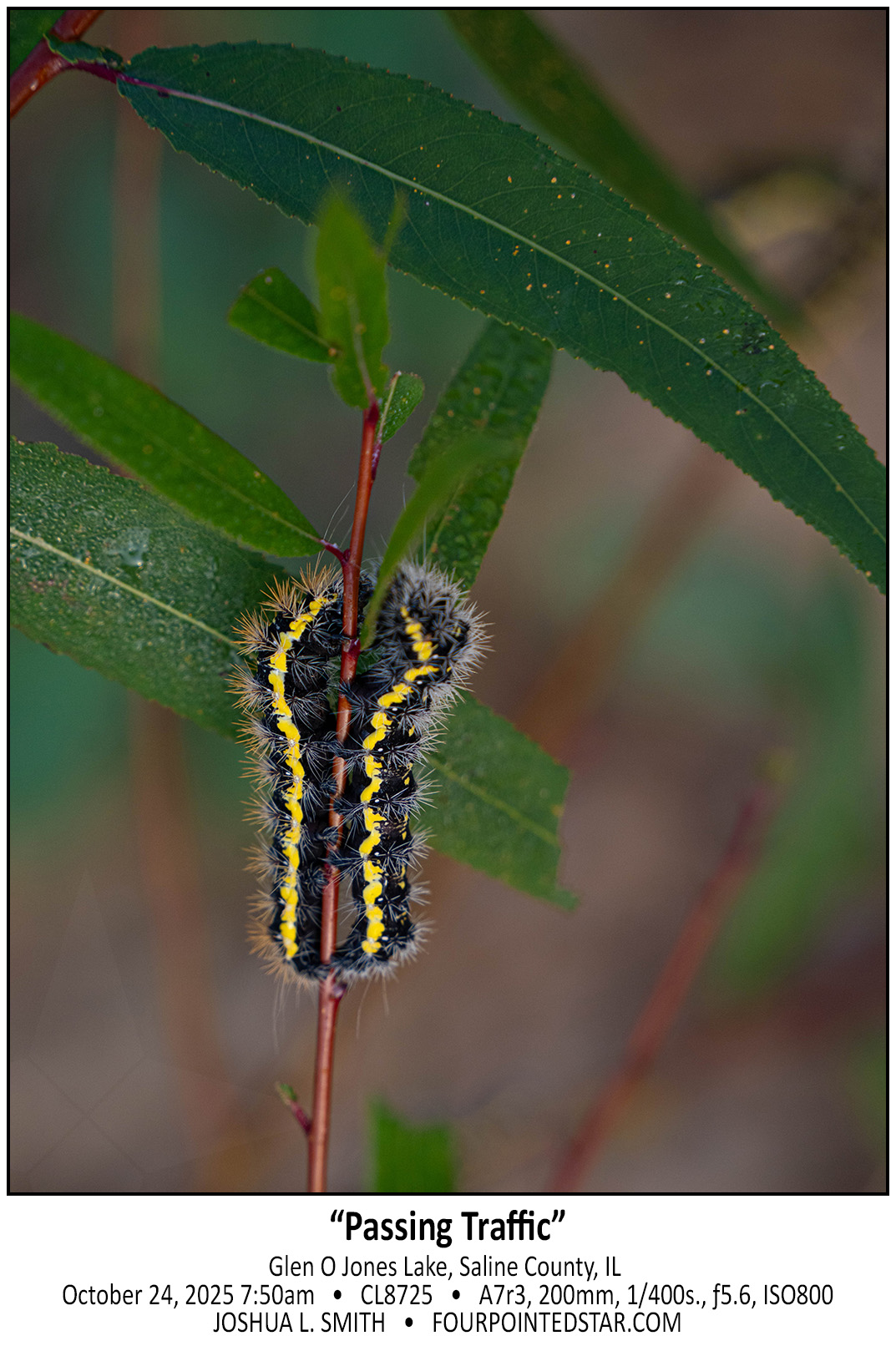
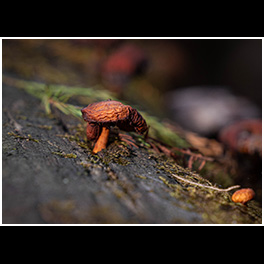
I love photographing mushrooms, and I was looking for mushrooms, but at our first stop I saw the small bush with so many caterpillars!  When I’m on a photo walk or trip, I often have to remind myself to stop and smell the roses of sorts; I’ll be so focussed on the waterfall that I’m hiking to or the reflections that I miss the other enjoyable elements that are around me … items like those fern fronds that so delicately extended from a massive stone.


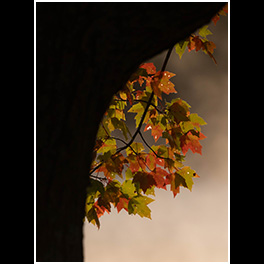
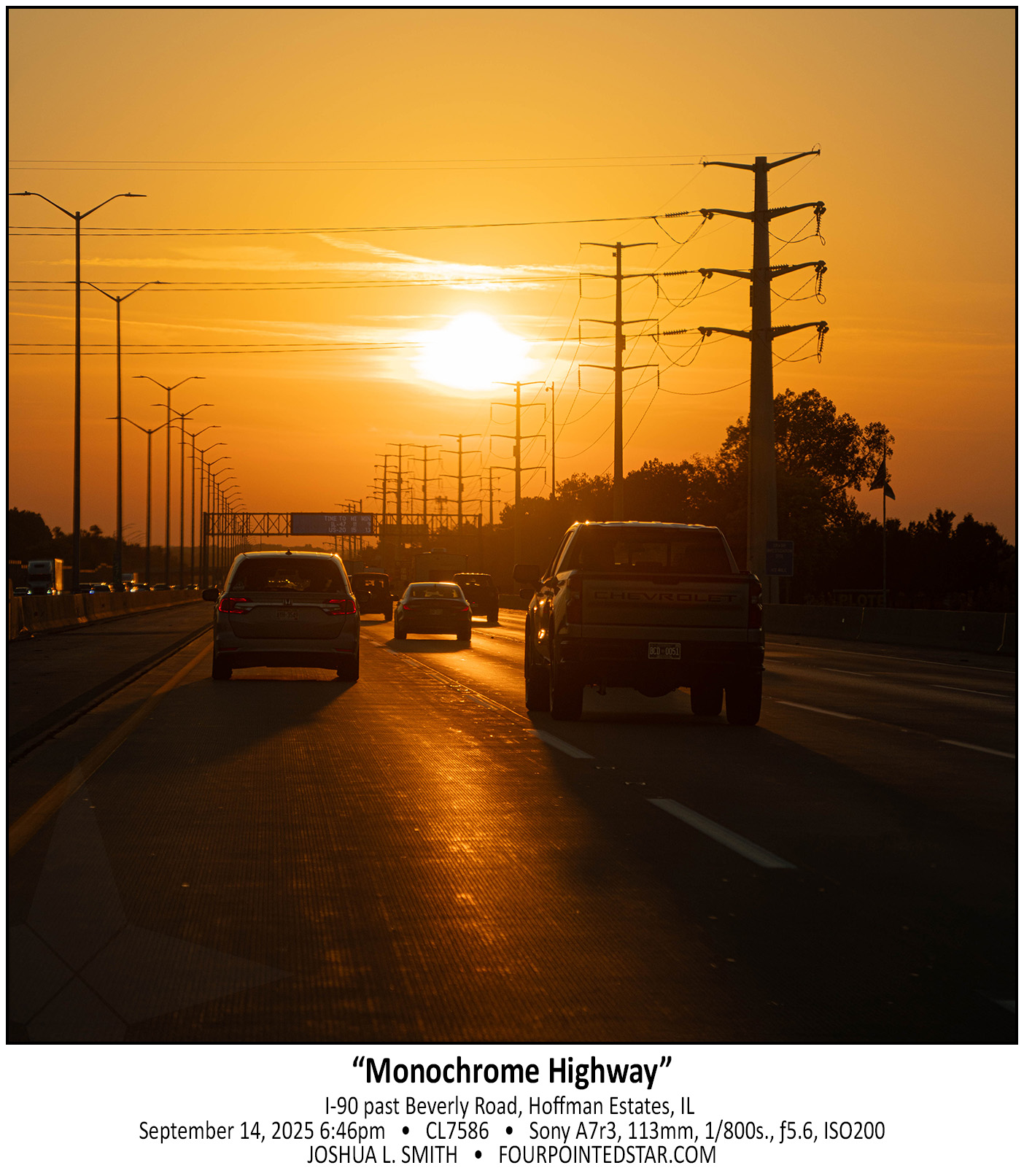
I’ve taken many photos along this theme over the years – I absolutely love the strong silhouette border and pop of colors in the sunlight.

For the past 10 years, I’ve wanted to take this trip with Keith; Sarah and I have also talked about taking a vacation down to Southern Illinois to see the natural beauty. For many years, the trip would conflict with work or kids activities, so we we’d say “next year, we’ll go on Keith’s workshop”.

We started the trip off with this fantastic image, and by the time the two and a half days were complete, Sarah and I had hundreds of fantastic images, and we’d made great new friends too.


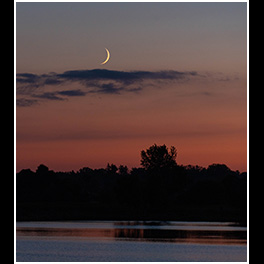
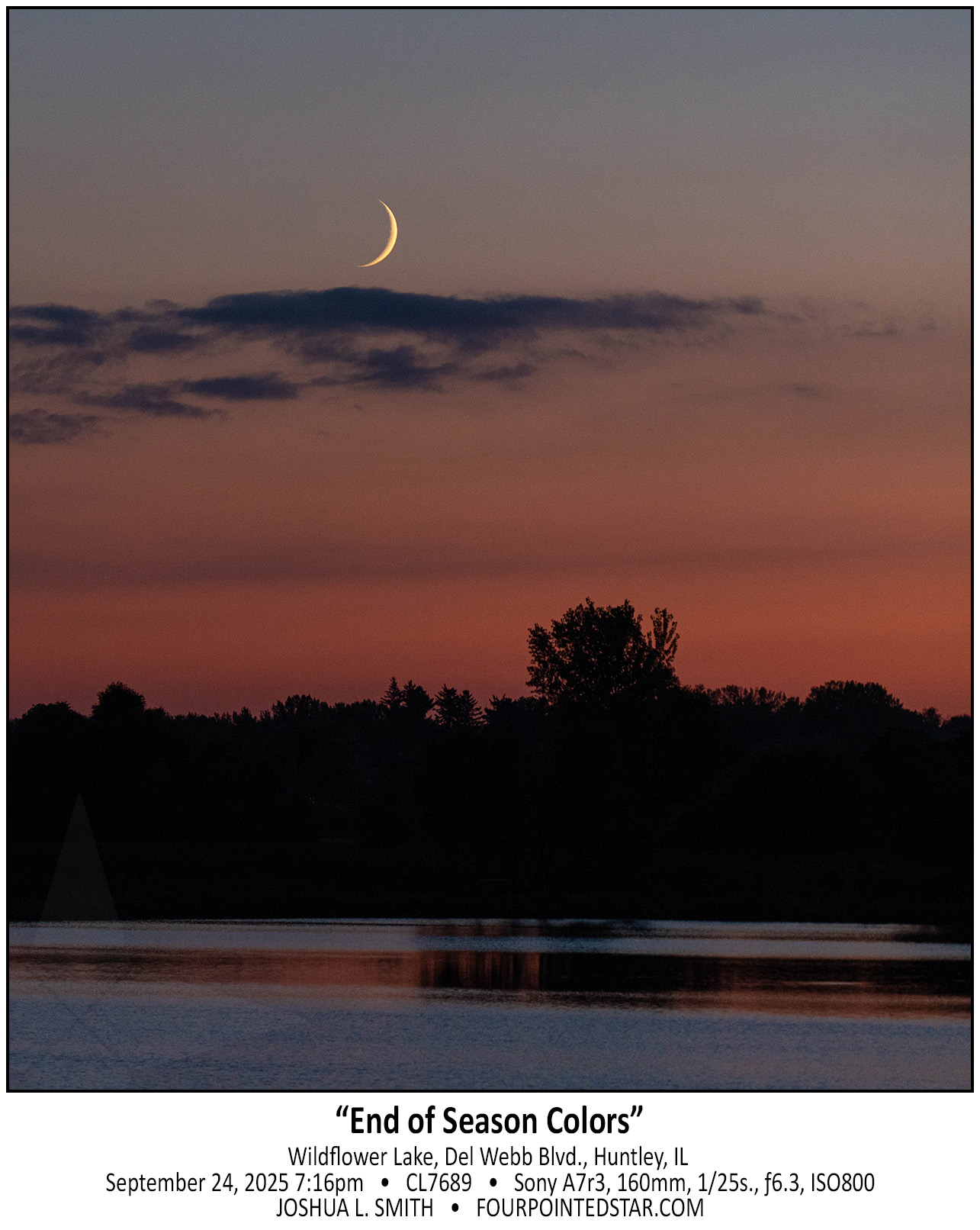
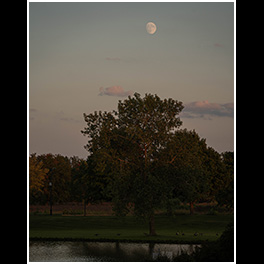
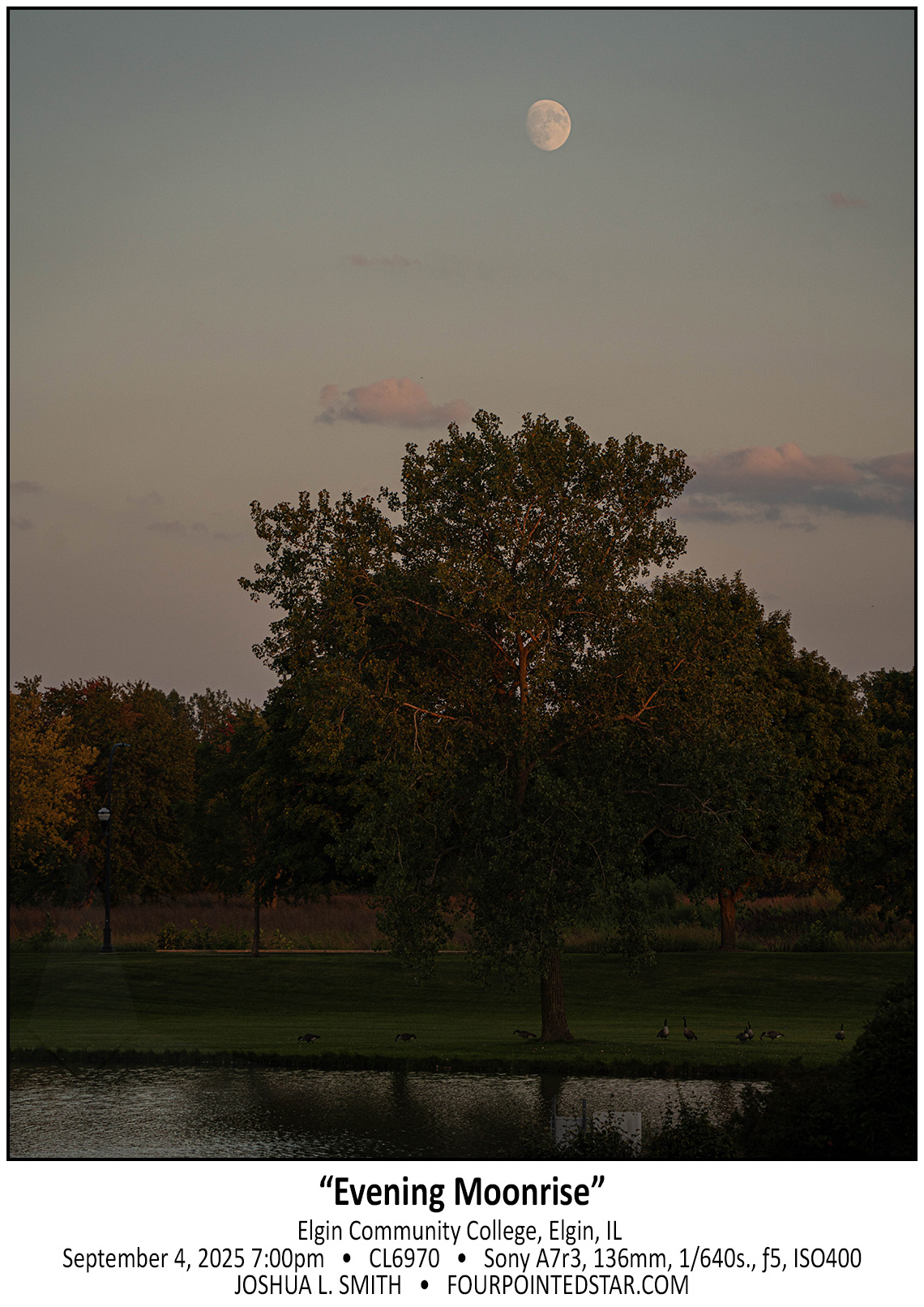
There are two easy rules to follow when you start photographing the world around you: always have your camera ready and always look for a great photo. As I was driving home from the girl’s high school, I spotted the sliver of the moon with the dusk colors; the water in the pond offered a wonderful blue hue as well, so I turned on my hazard lights and hopped out of my car to capture the scene.


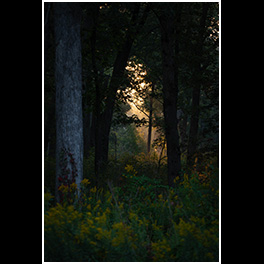
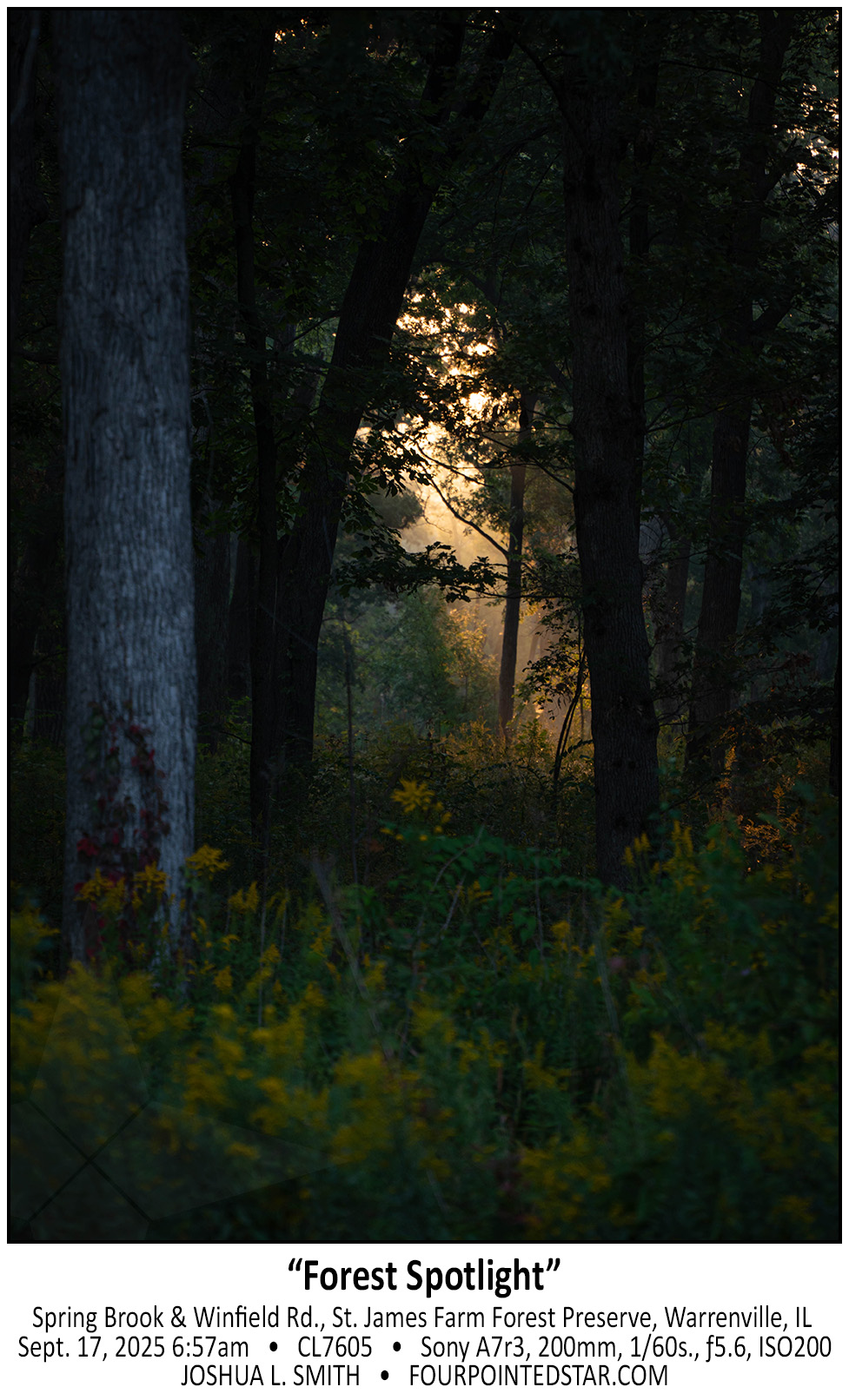
I’d passed this scene for a few mornings; the singular shaft of sunlight spilling through the forest skylight; however, there was no where to park along this stretch of Winfield Road (and the road has a curb too).  Instead I pulled up Google Maps to find the nearest spot and decided to walk to the scene.

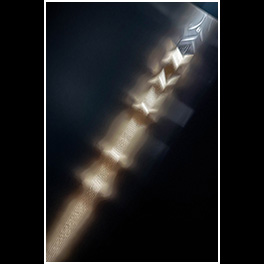
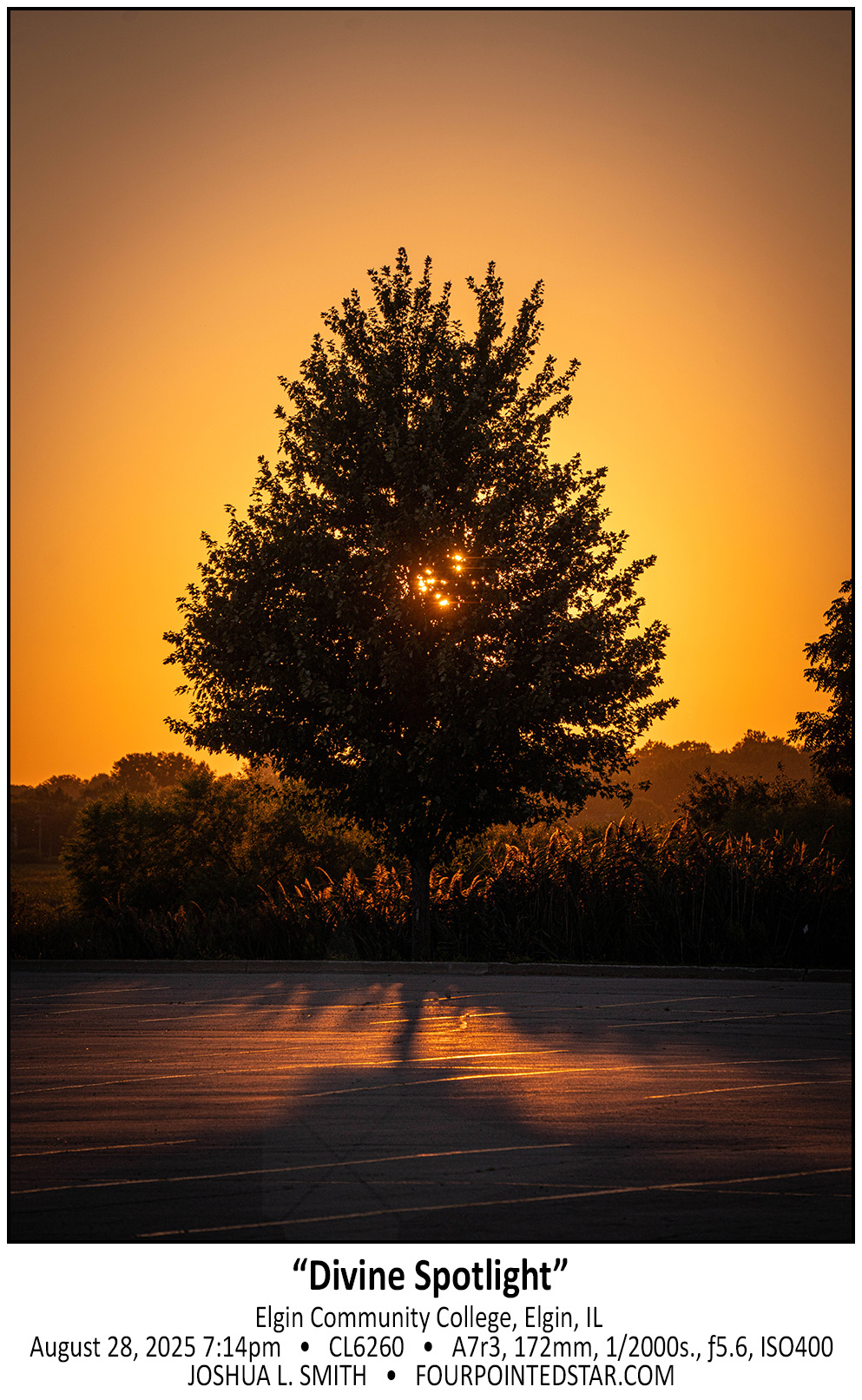
I love the mystical feeling and wonder if you could find a sacred sword in that spotlight?


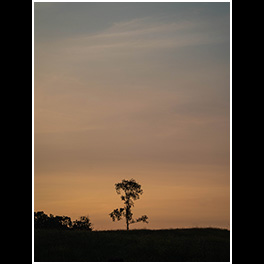
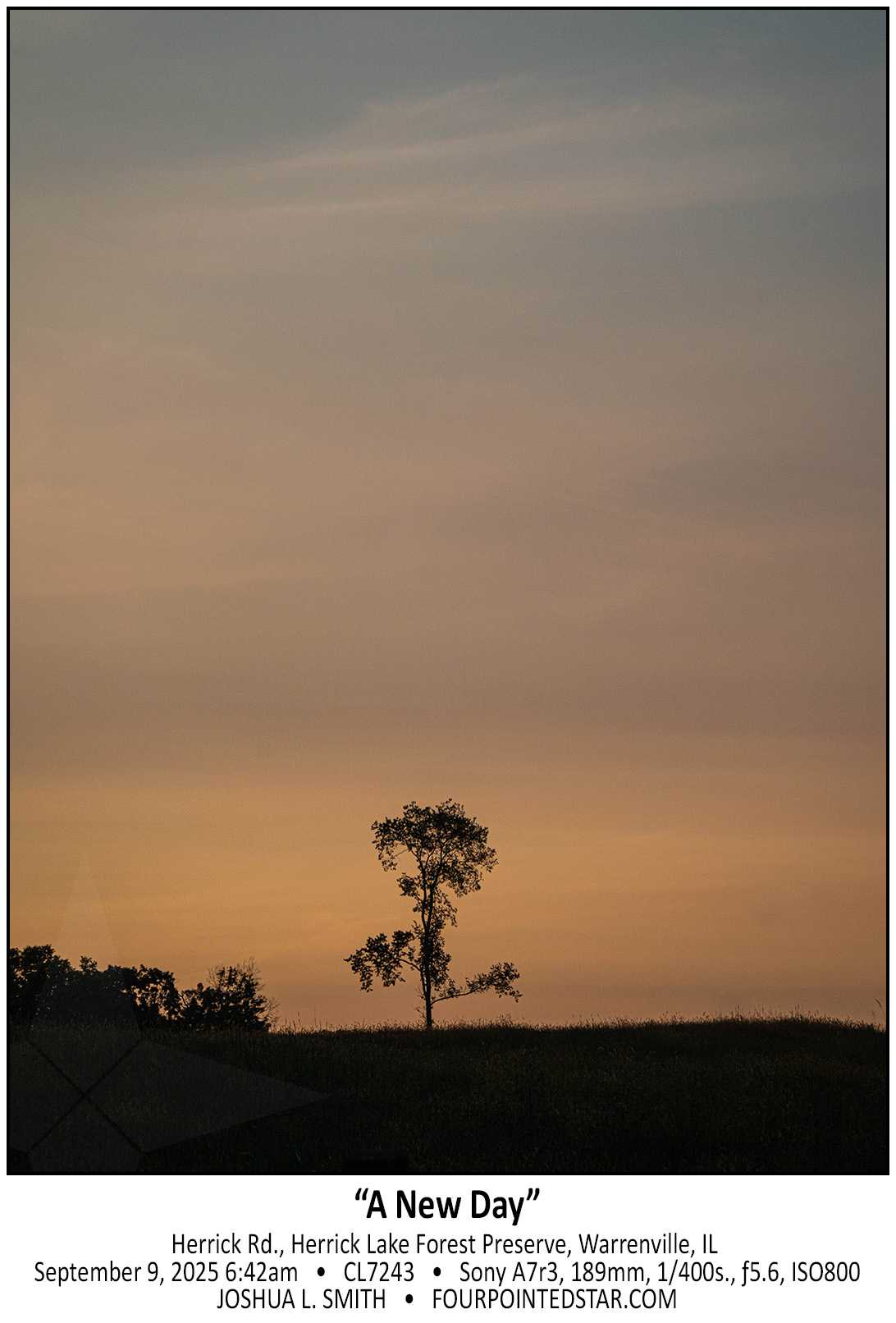
At this particular corner at the southwest corner of Herrick Forest Preserve, there are two trees standing alone.  They’re not full, in fact that they’re kinda odd, but they make fantastic silhouettes against the pre-dawn hues of the late summer.

There’s a bit of a story behind this photo:
In late August and early September, the sun is at the exact correct spot for wonderful sunrise photos on my drive into work. A couple of days before this photo, the mixture of sunrise and fog was perfect. I took a dozen photos that I was very excited about, and once I got to my office, I turned my camera back on to see the images that I’d captured.

And that was how I discovered that my Sony doesn’t have any alert when you press the shutter that there are not SD cards in the camera…I’d missed all of those (in my imagination) wonderful photos. So, for the next week, I stopped at the same three locations and captured sunrise photos, attempting to recreate those images that in my memory were perfect.

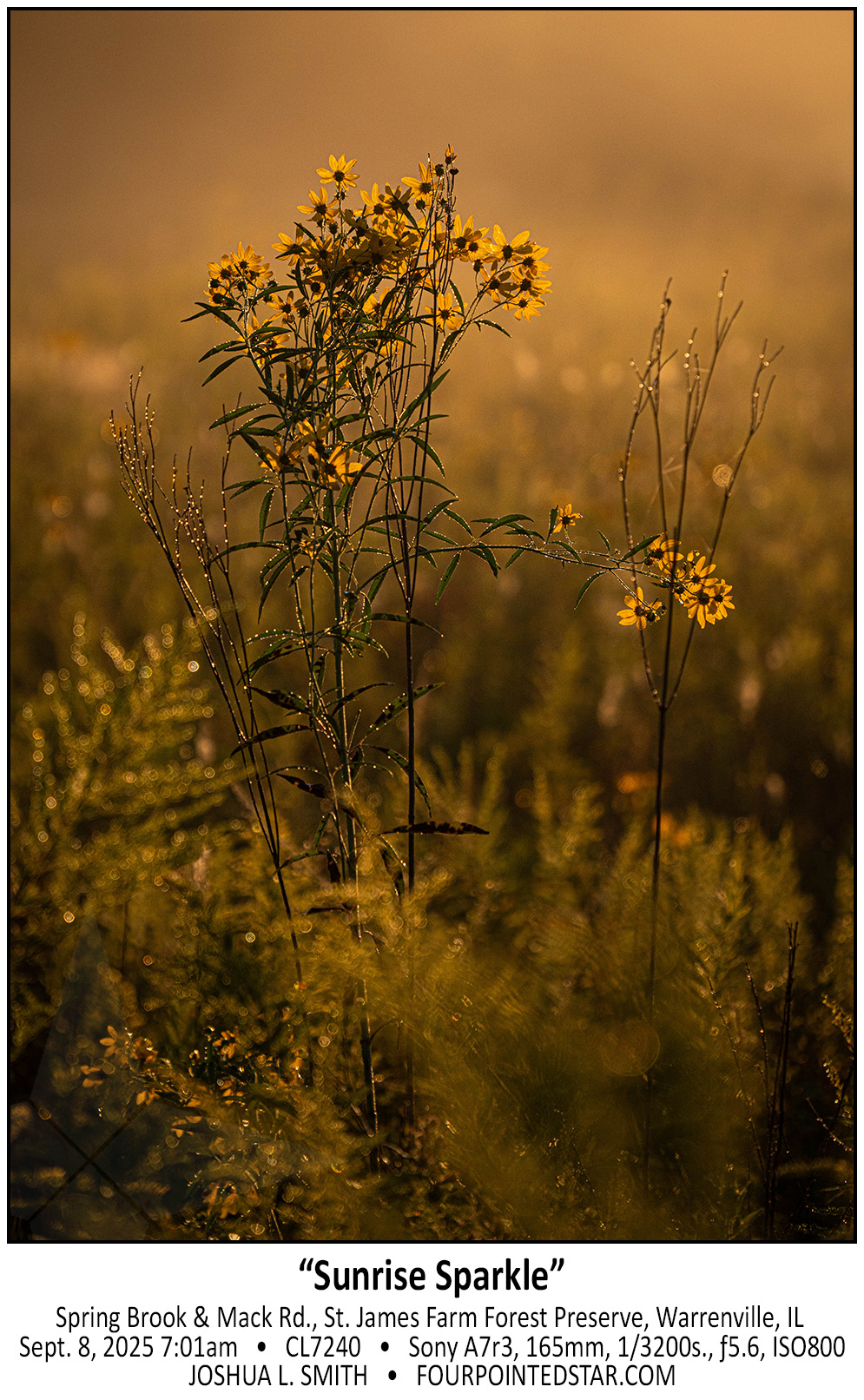
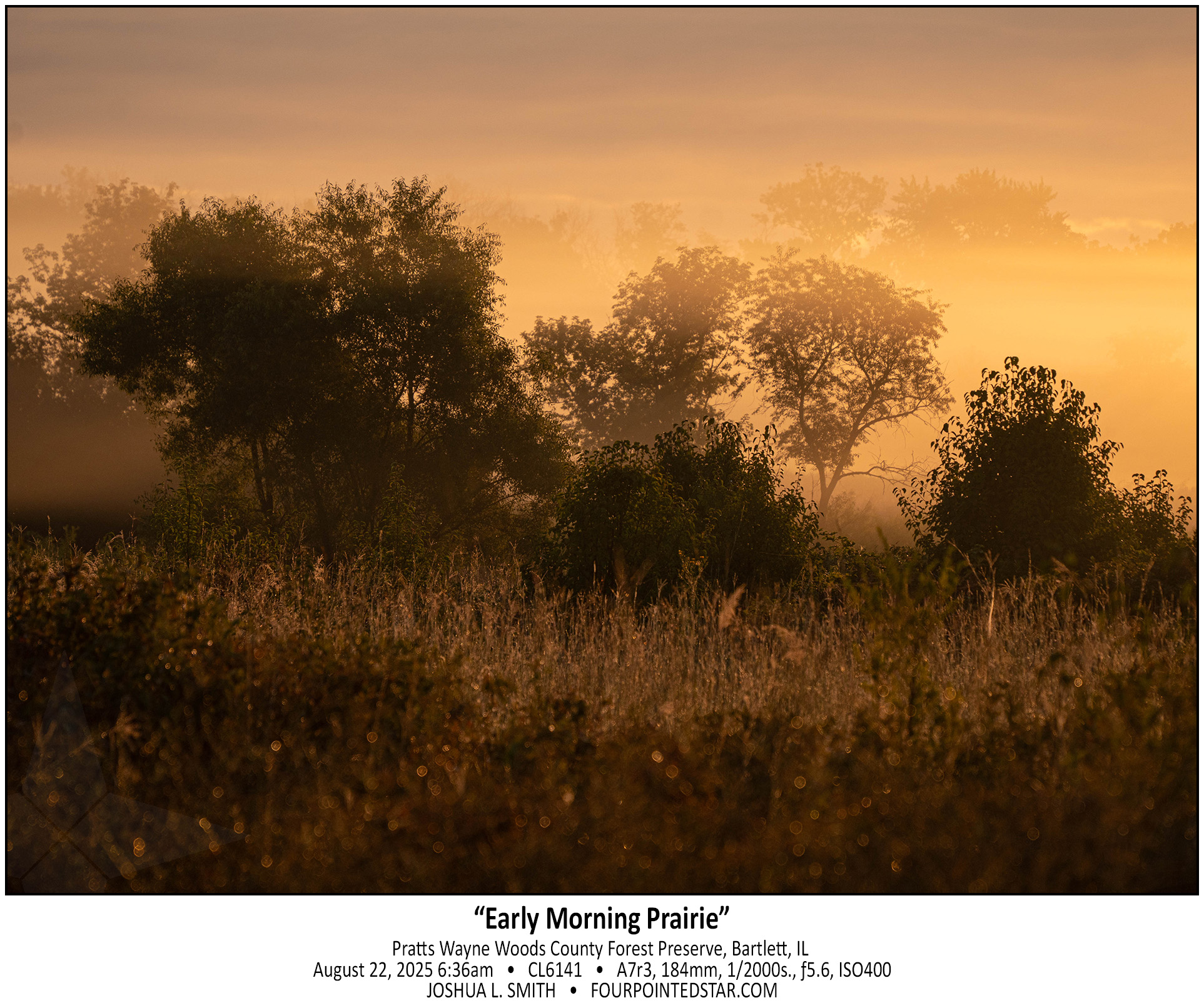
Anyway, I simply love this photo. I’ve shown it to a few people, one of whom said that it needs more tonal range or the addition of another color (roll back all that yellow to get some blue into the image)…but I like that early morning punch of yellow.


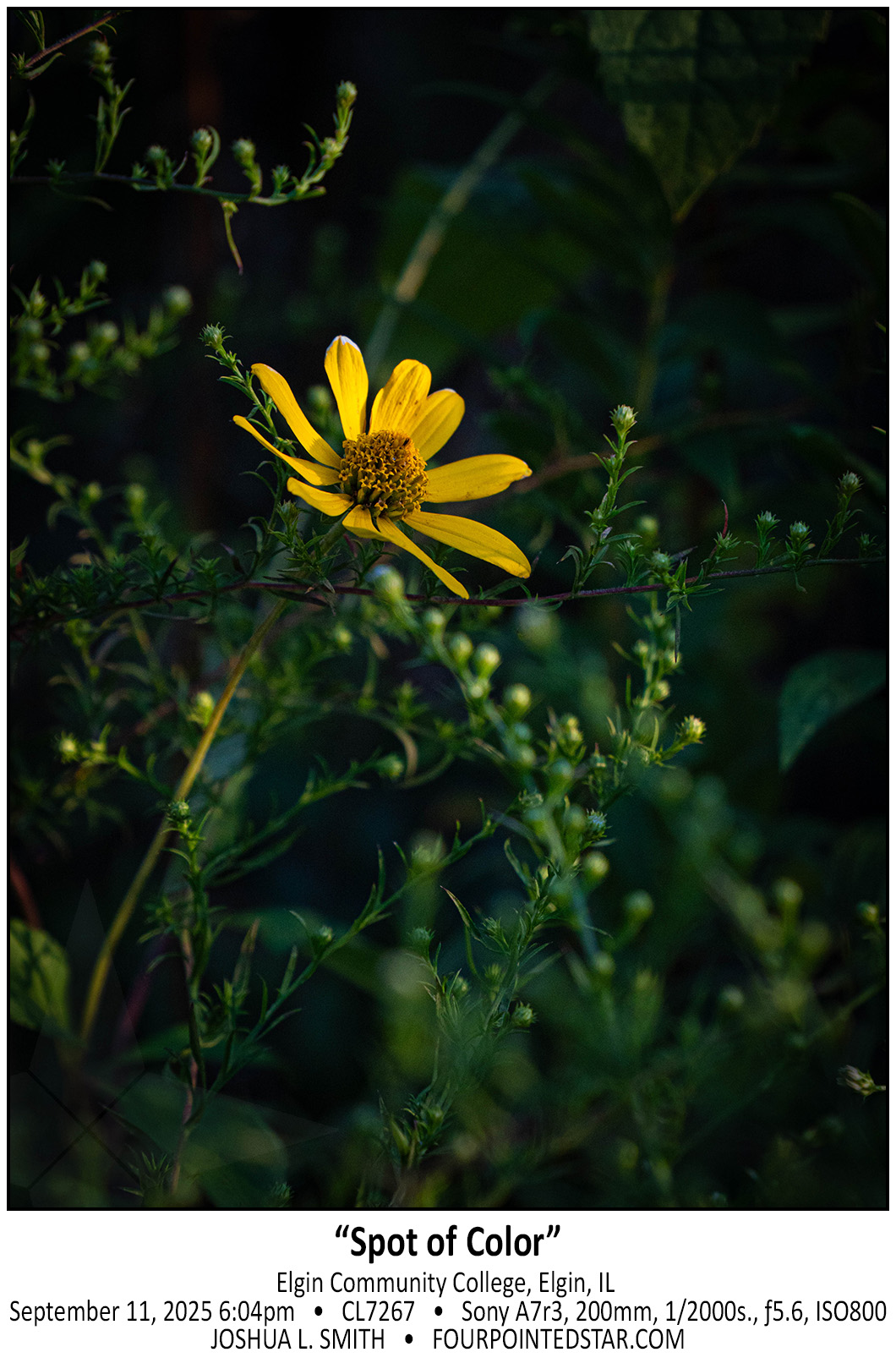
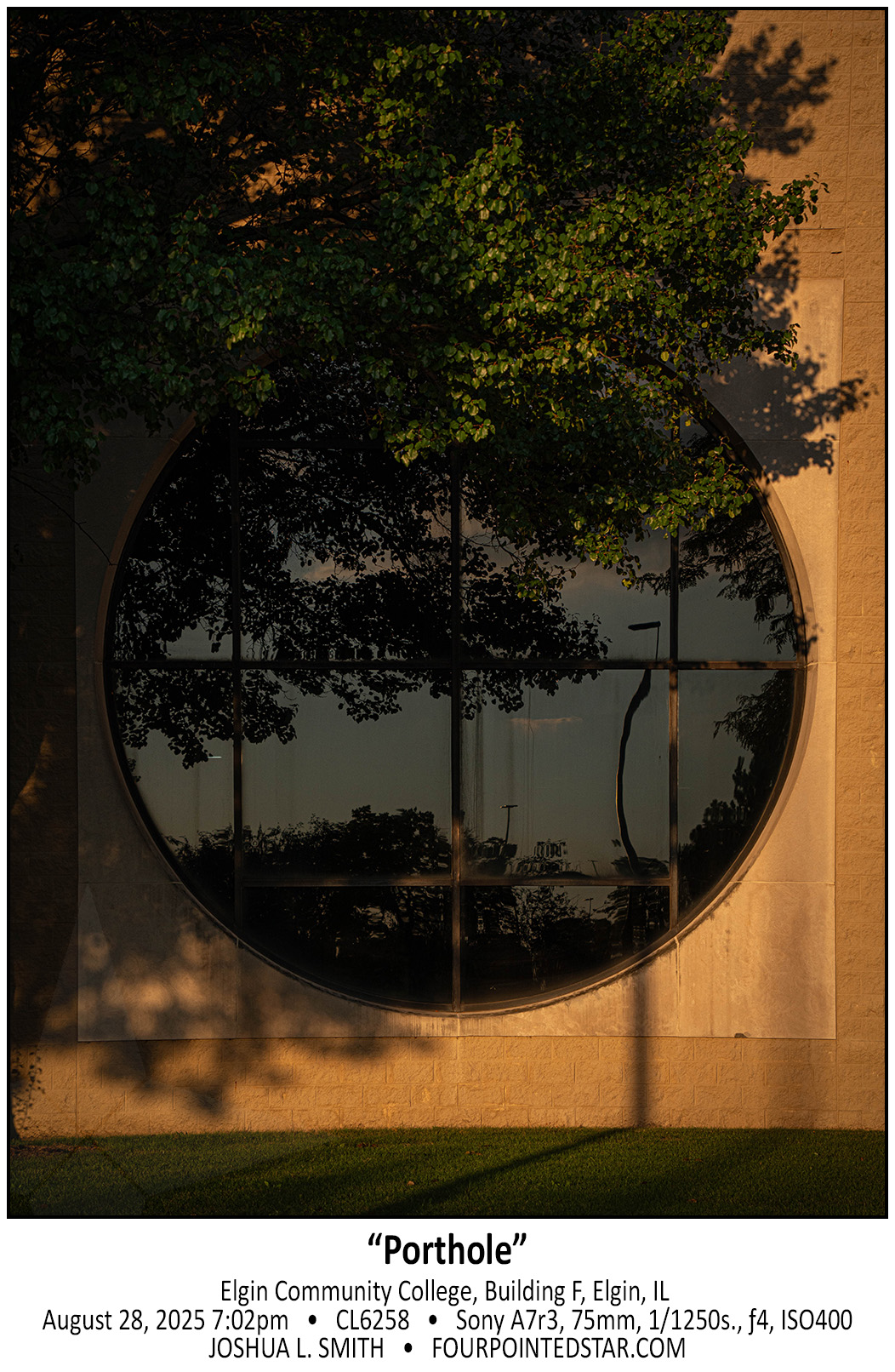
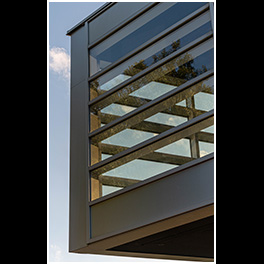
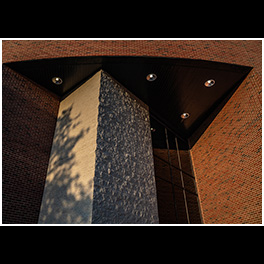
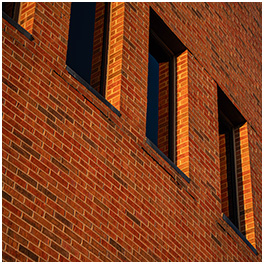
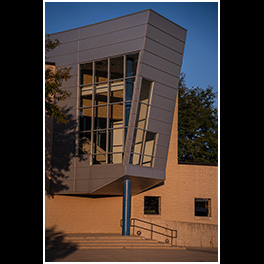
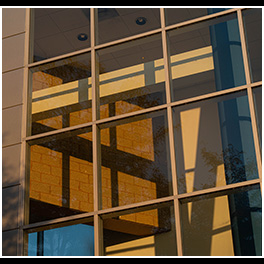
ECC has many locations where plants have been integrated into the buildings; rooftop gardens, between buildings, and even small court yards.  As I’ve walked around looking at the architecture, the spots of nature leap out with their beauty and color.


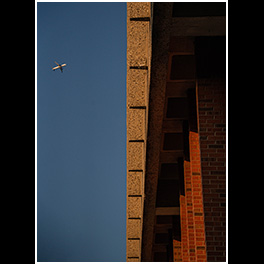
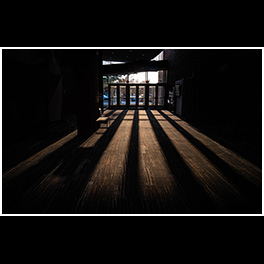
Once you start looking around ECC, you’ll find many beautiful scenes to photograph, and since the campus has been built over decades, there are many different architectural styles to take advantage of.


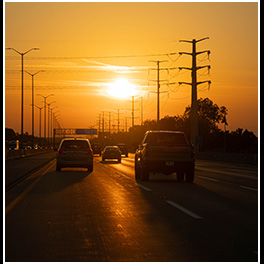
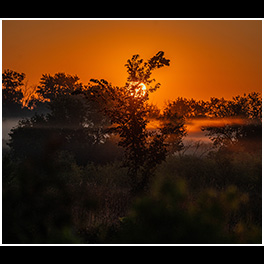
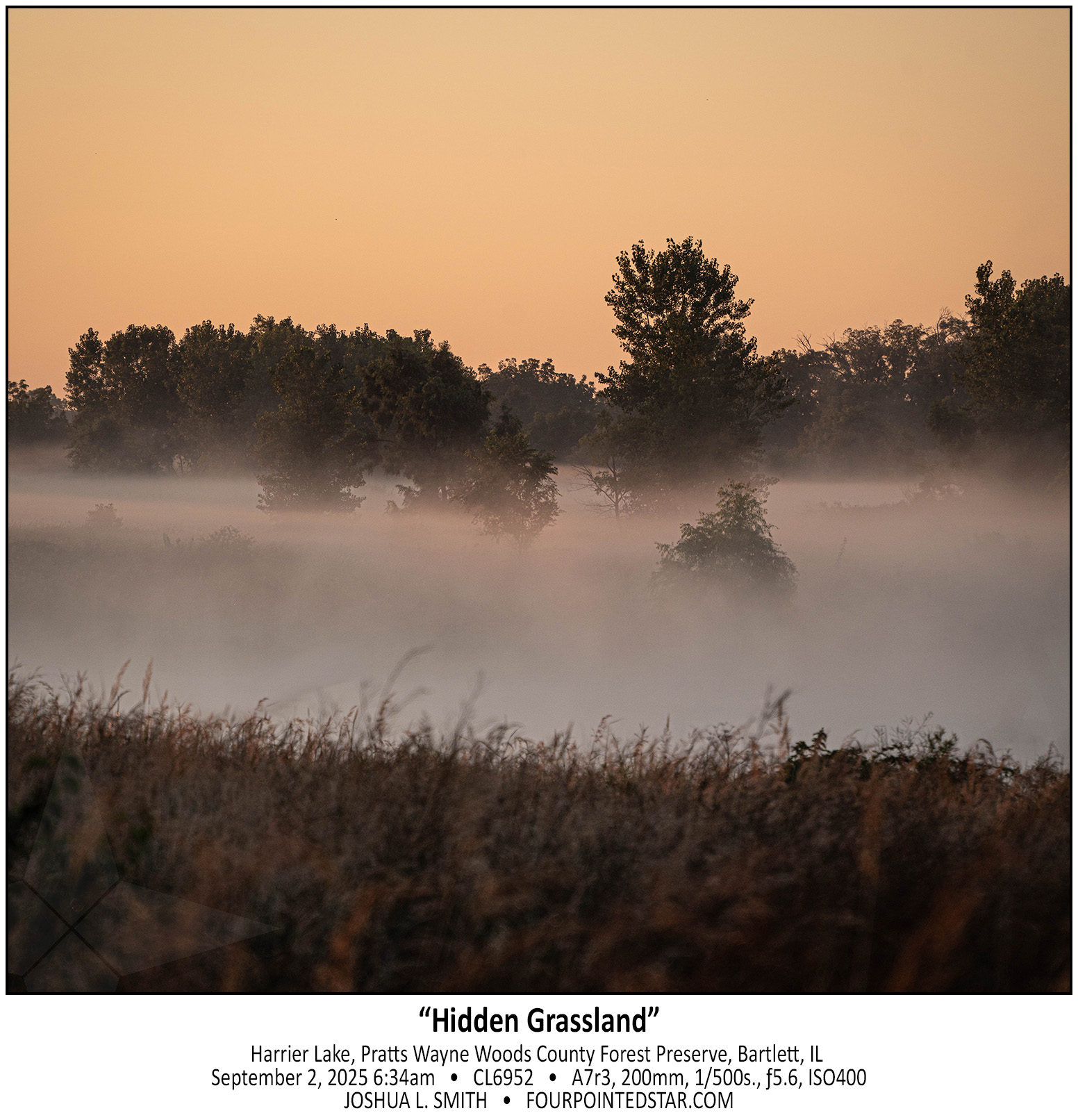
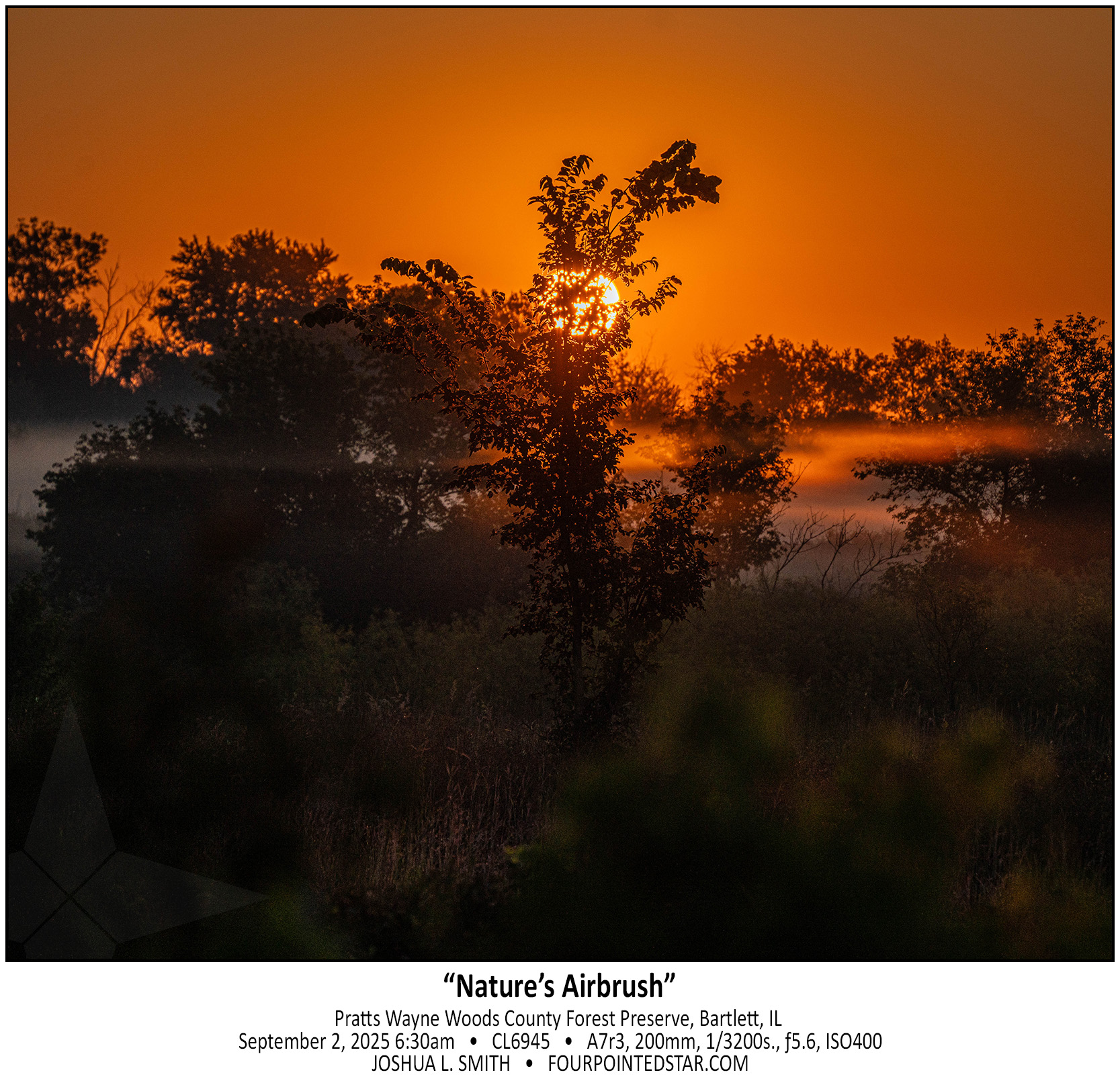
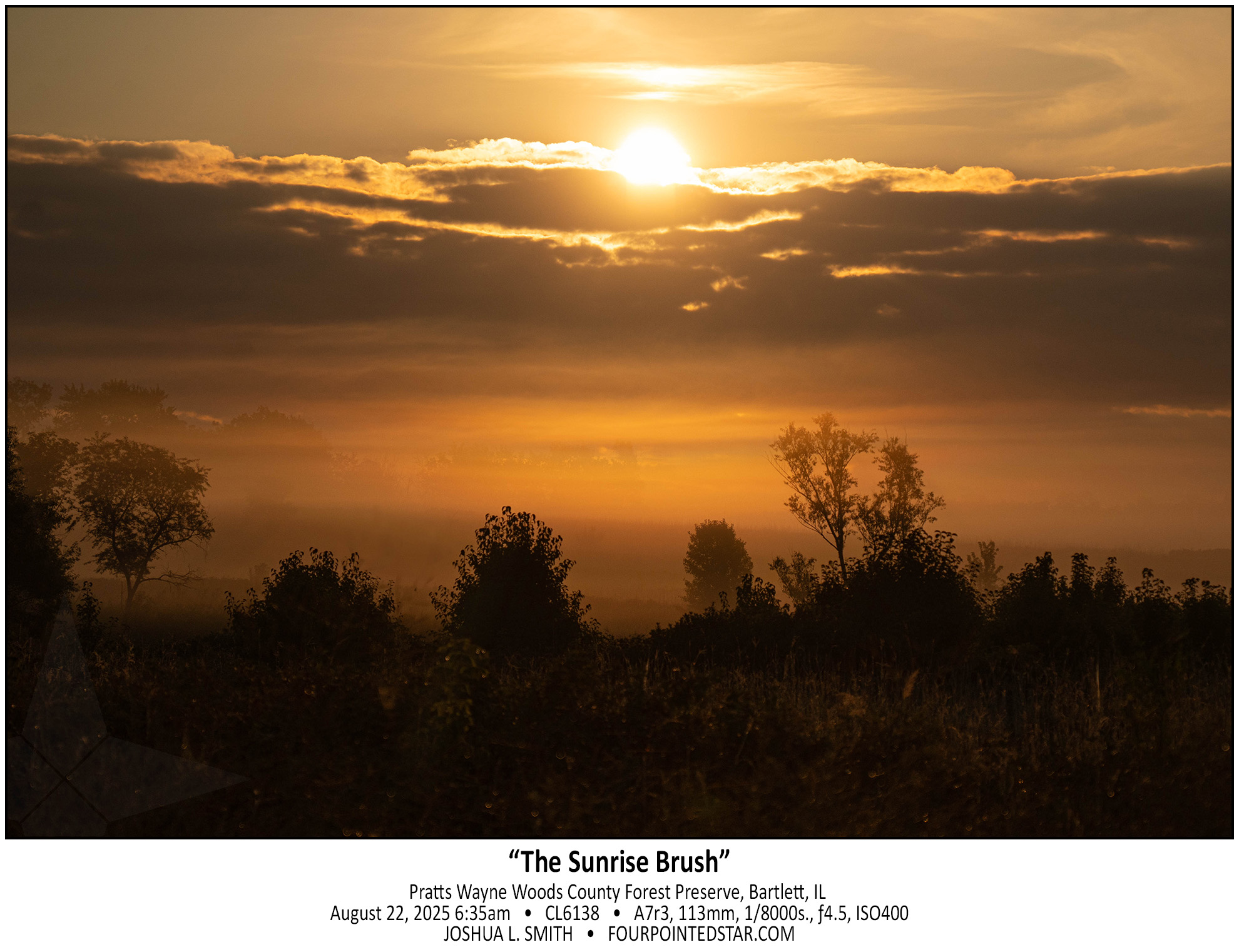
I took quite a few photos of this sunrise before the sun peeked above the clouds, and they’re great photos, but they simply don’t hold a candle to the all encompassing orange as the light crested the foggy horizon.  The scene was simply incredible.

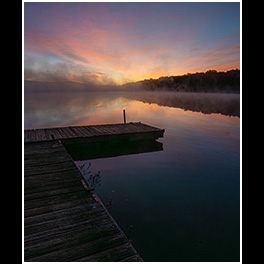
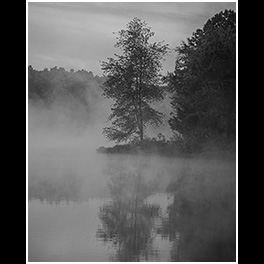
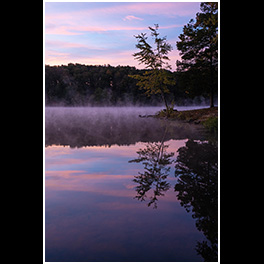
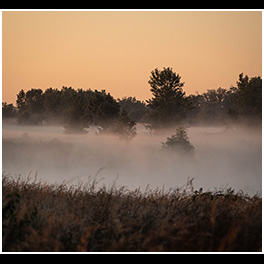
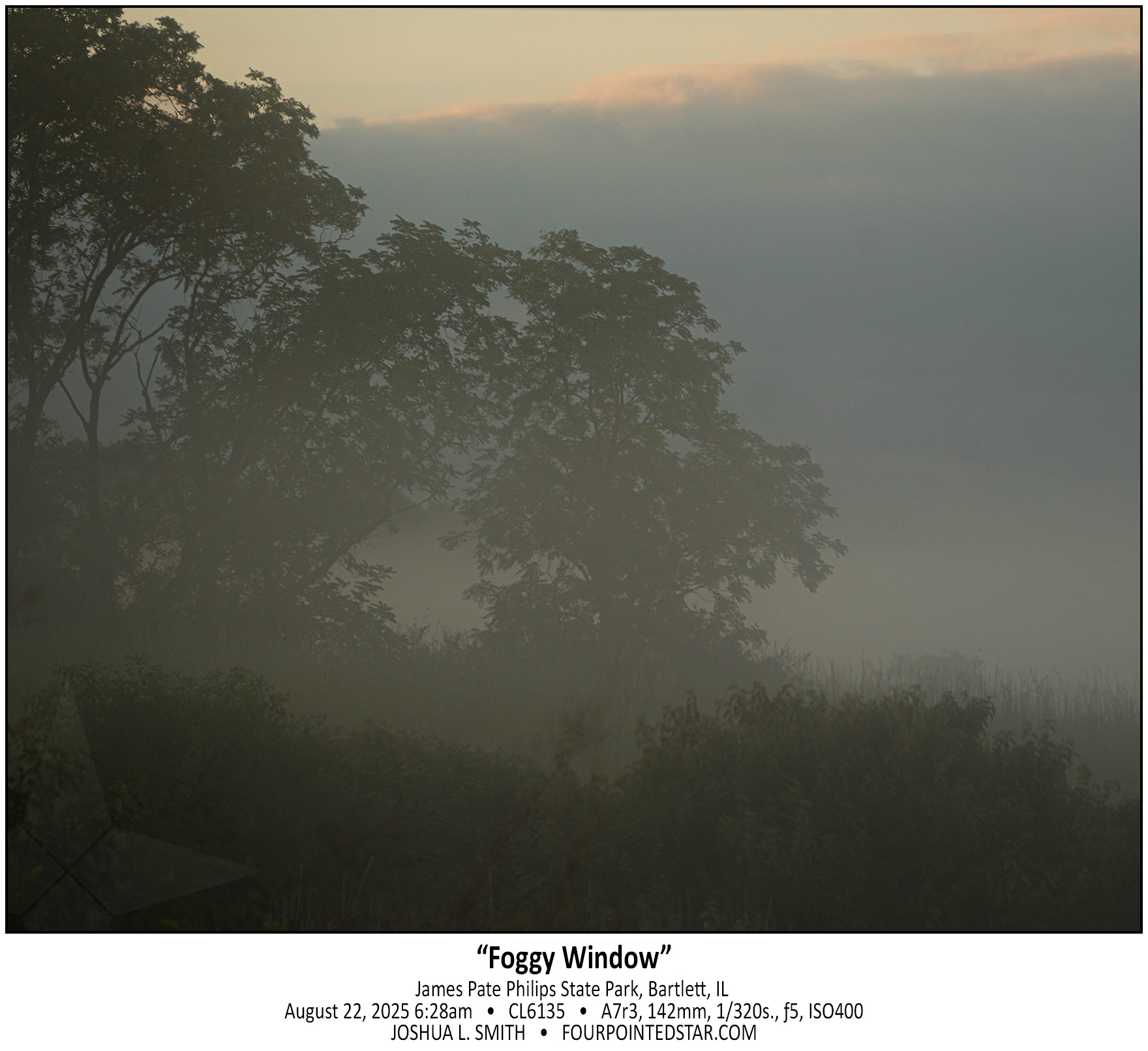
I pass by quite a few nature preserves and parks on my normal commute to work – or I can, if I drive a bit off of the beaten path. Last year, I discovered that there is a month or more than the fog hangs thick in the autumn mornings. Stearns Road is a four lane highway, but as it passes between Highway 31 and 59, there are so many beautiful spots.


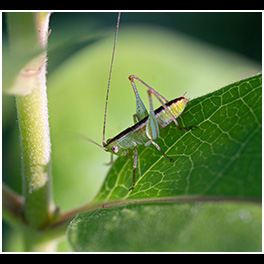
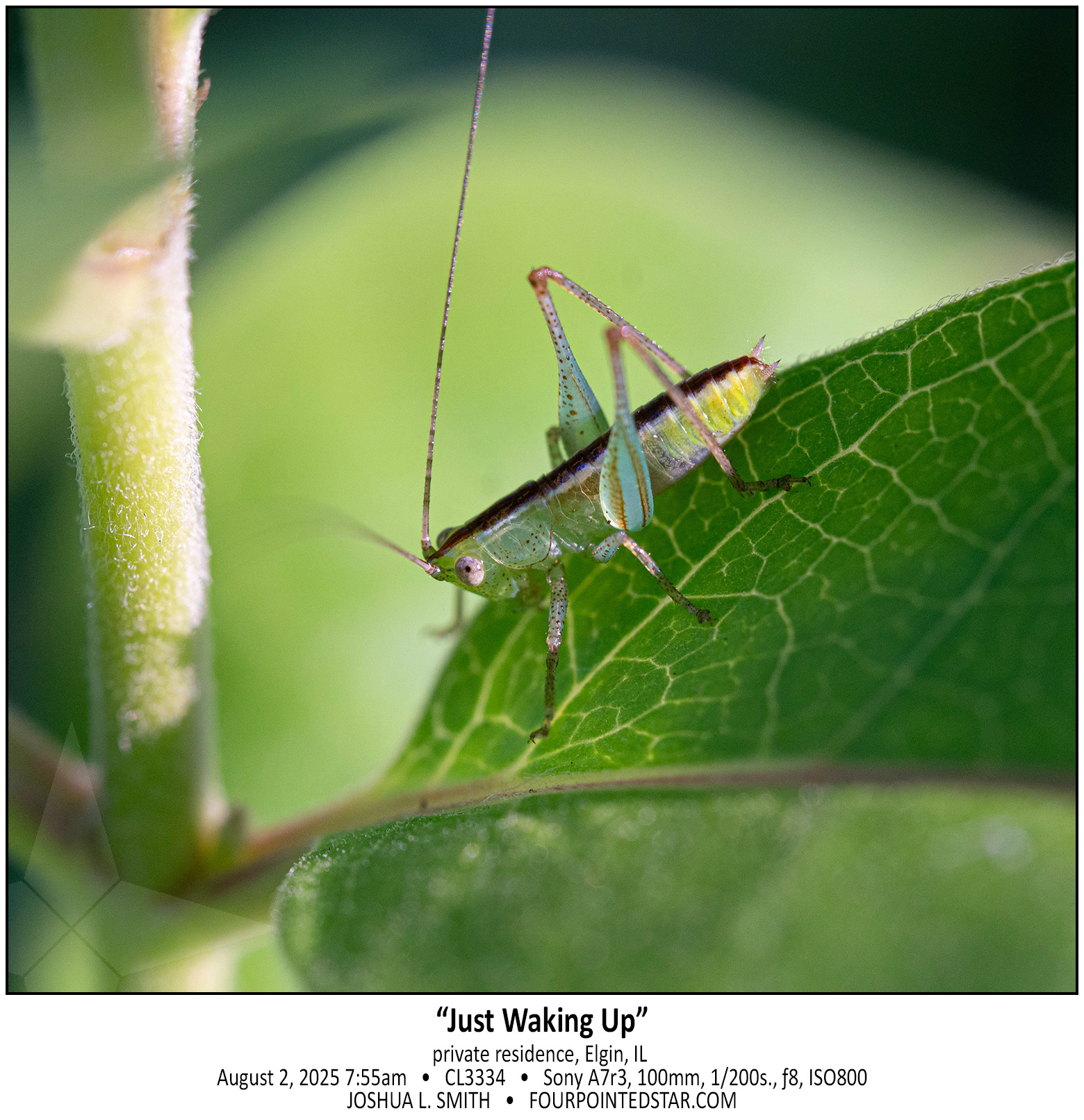
This grasshopper was so tiny that it was almost transparent, but it stood still for its portrait and even twitched its antenna when requested.  Maybe the freckles are from the sunny days before, and it didn’t tan, just got spots instead.


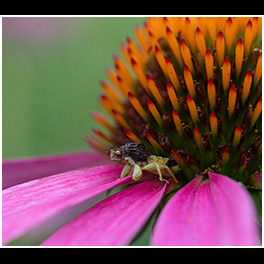
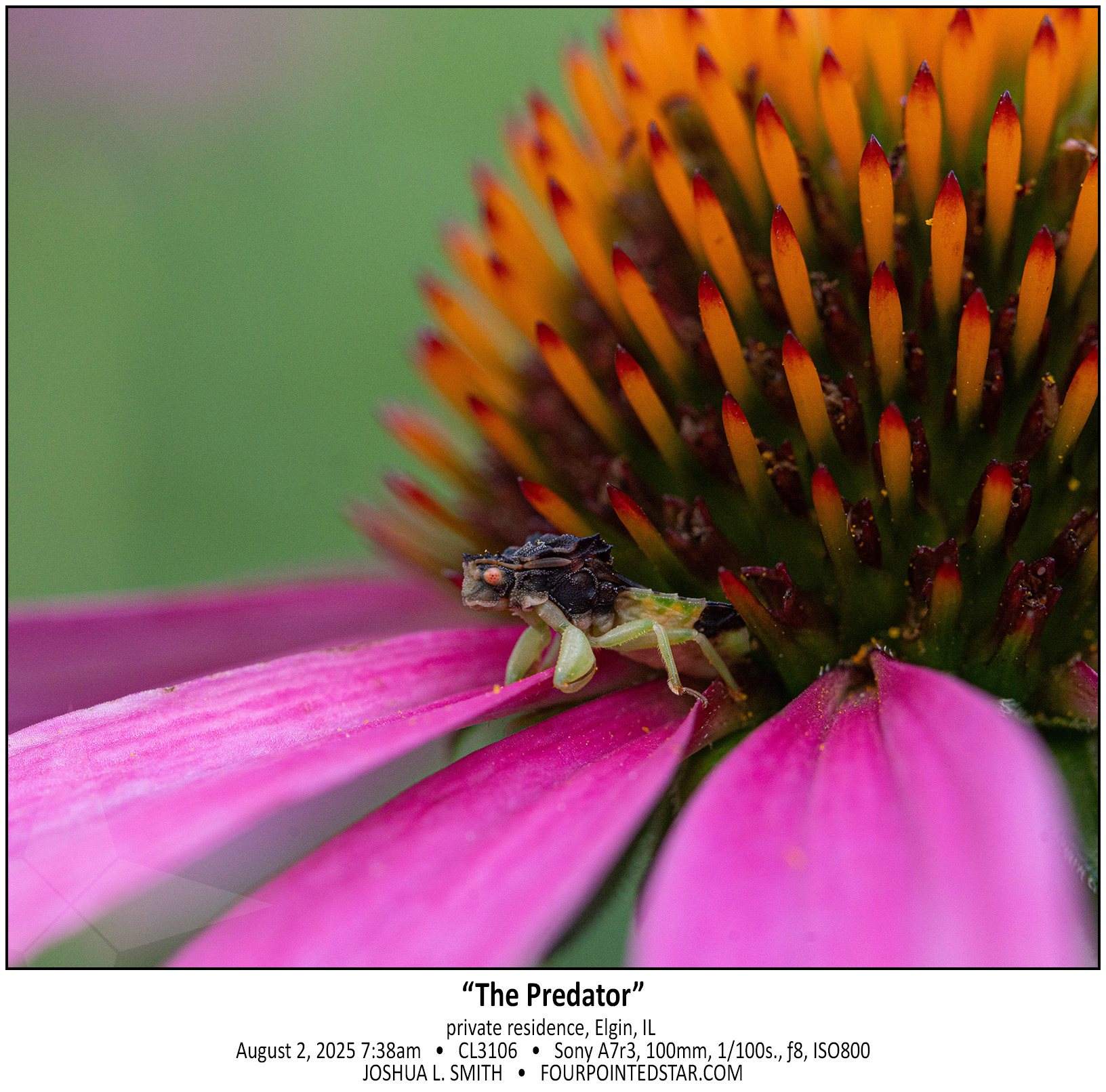
This insect would be terrifying if it were larger.  The ambush bugs can attack and eat insects that are up to 10x their weight, and those forearms are meant for holding onto the prey.  Every once in a great while, I’ll spot one of these monsters who has ventured out of their hiding spot, and their angular body makes for a fantastic photograph.


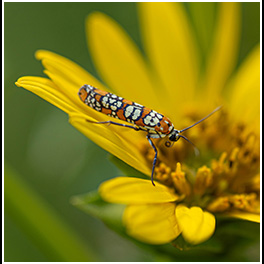
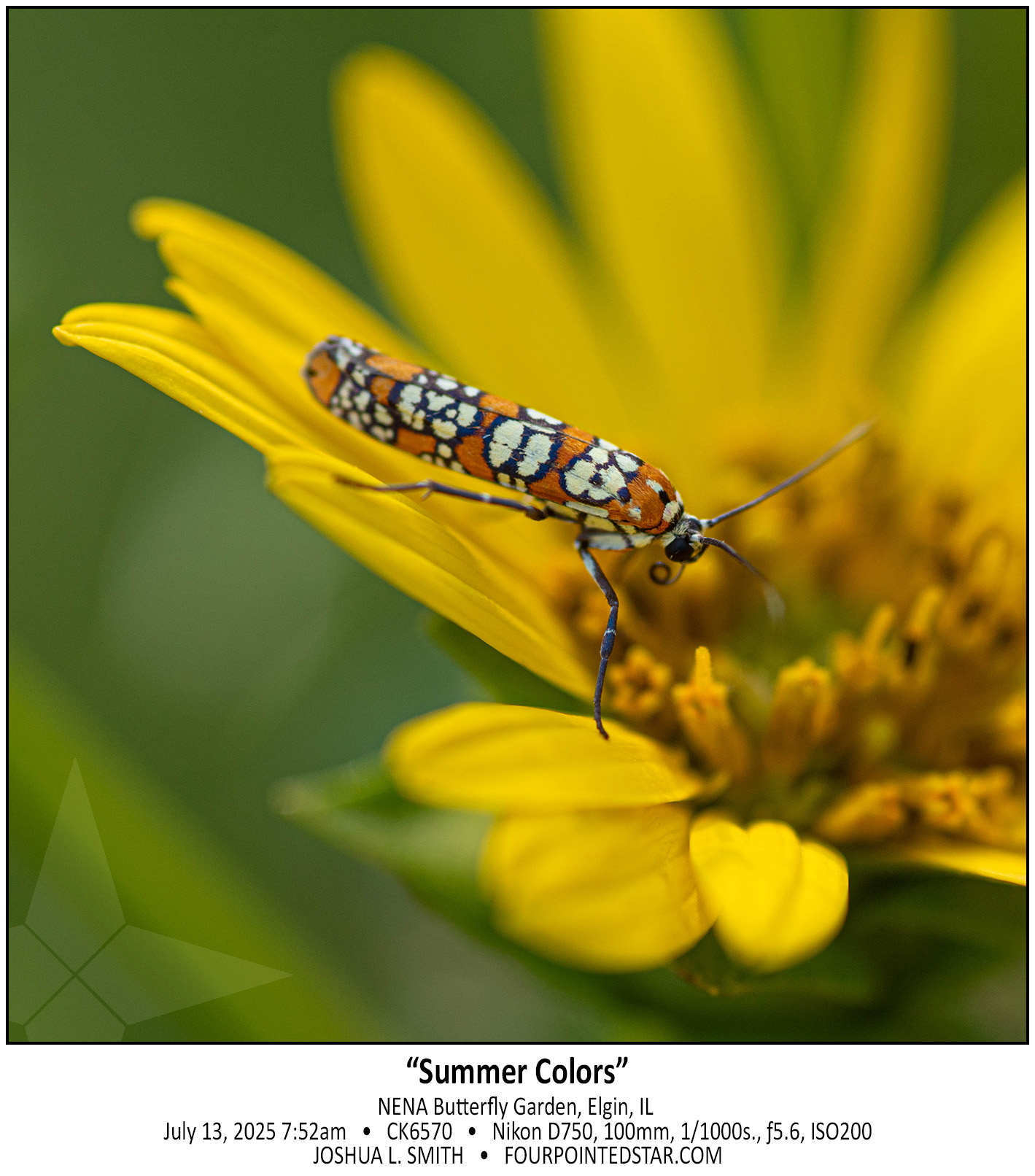
You know that feeling after your dad bought a Ford Taurus growing up, and then it seemed like you saw Ford Tauruses everywhere?  That’s how I feel about this orange speckled insect!  Back in 2010, I took a photo of one with my iPhone, and I love the photo.  Then last year, I found another one at a local butterfly garden.  This year I’ve seen them in my yard, on a client’s landscaping, and at the same butterfly garden; maybe they’re not as rare as I thought!

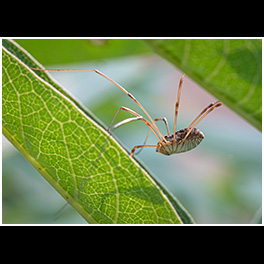
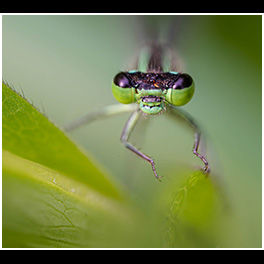
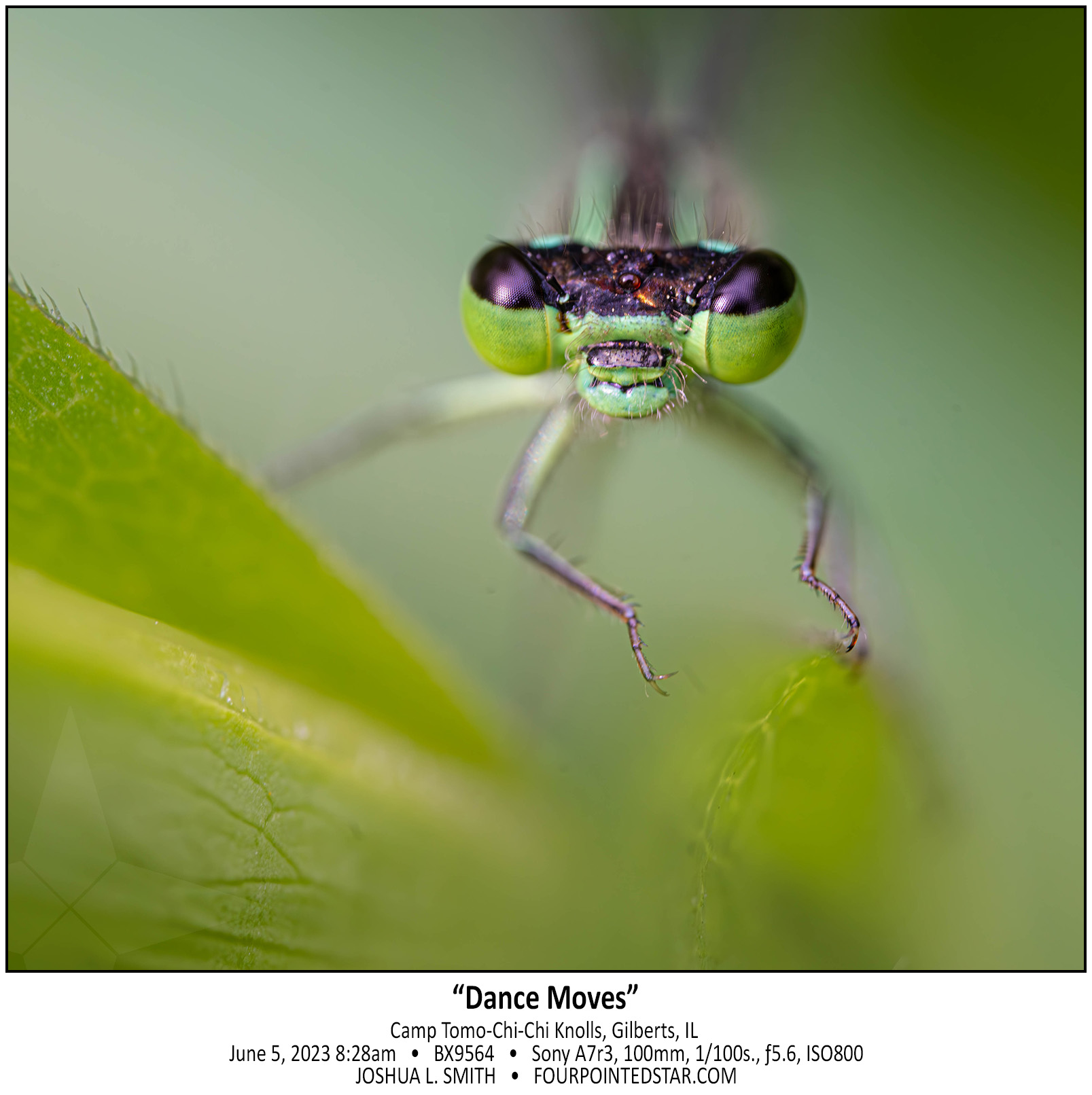
I find the tiny details fascinating; the bristling hairs, the delicate arms and toes, the color coordinating eyes, and even the mouth parts.  I suppose it will never stop amazing my that so many tiny things – insects & plants – have even tinier bristles, hairs, or peach fuzz.  Details so small that we could never see them, but so important to their existence, their safety, or even hunting.

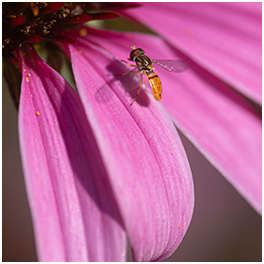
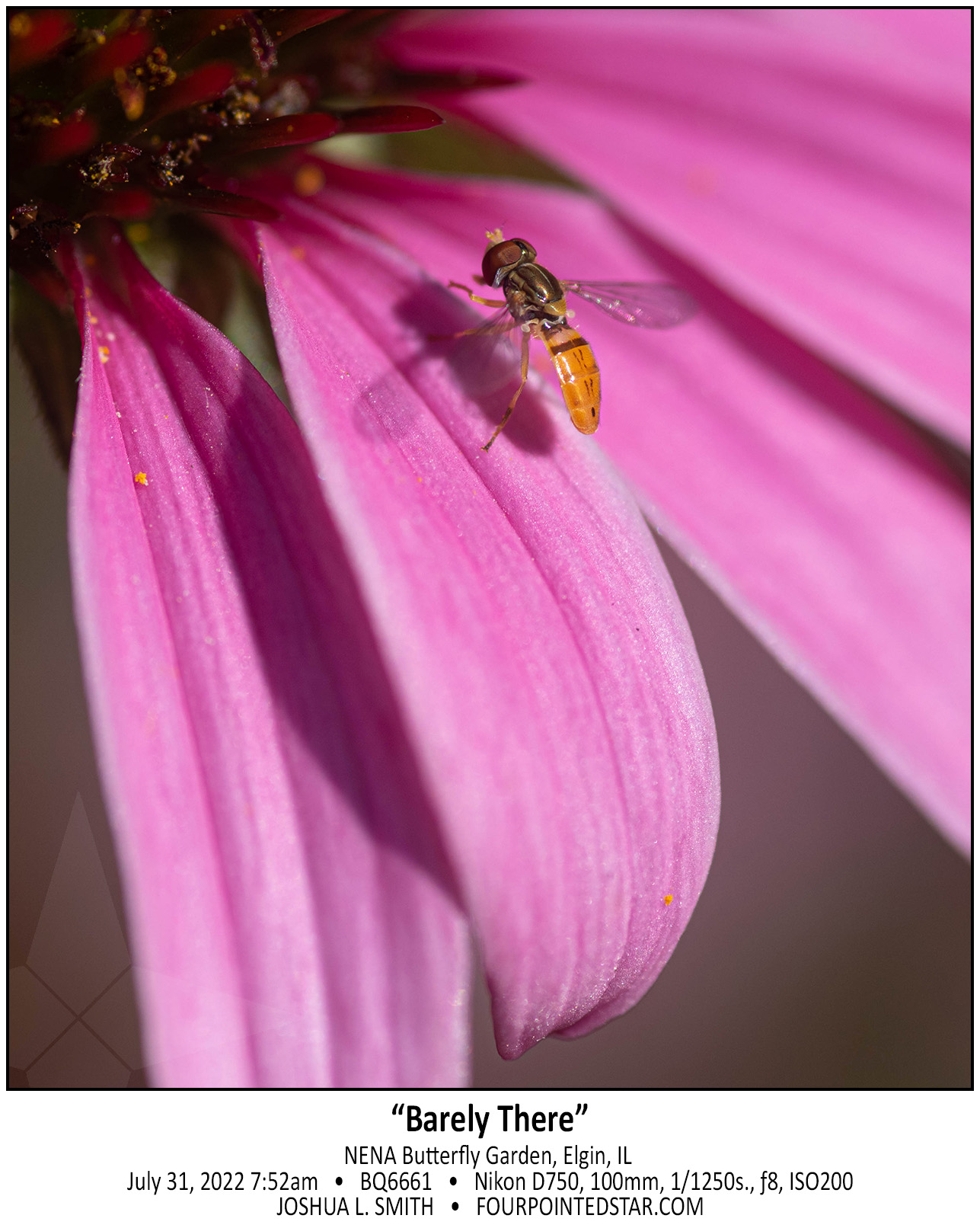
There is something magical about a bee that is the size of a grain of rice.  Well technically, it’s not a bee; maybe a hover fly or a sweat bee, I can never remember which is which.  Either way, the way they flit and float around is wonderful, and then they choose a spot to land; but I can’t imagine that the tiny fraction of an ounce is even noticeable.


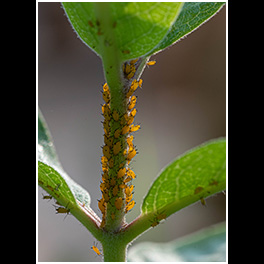
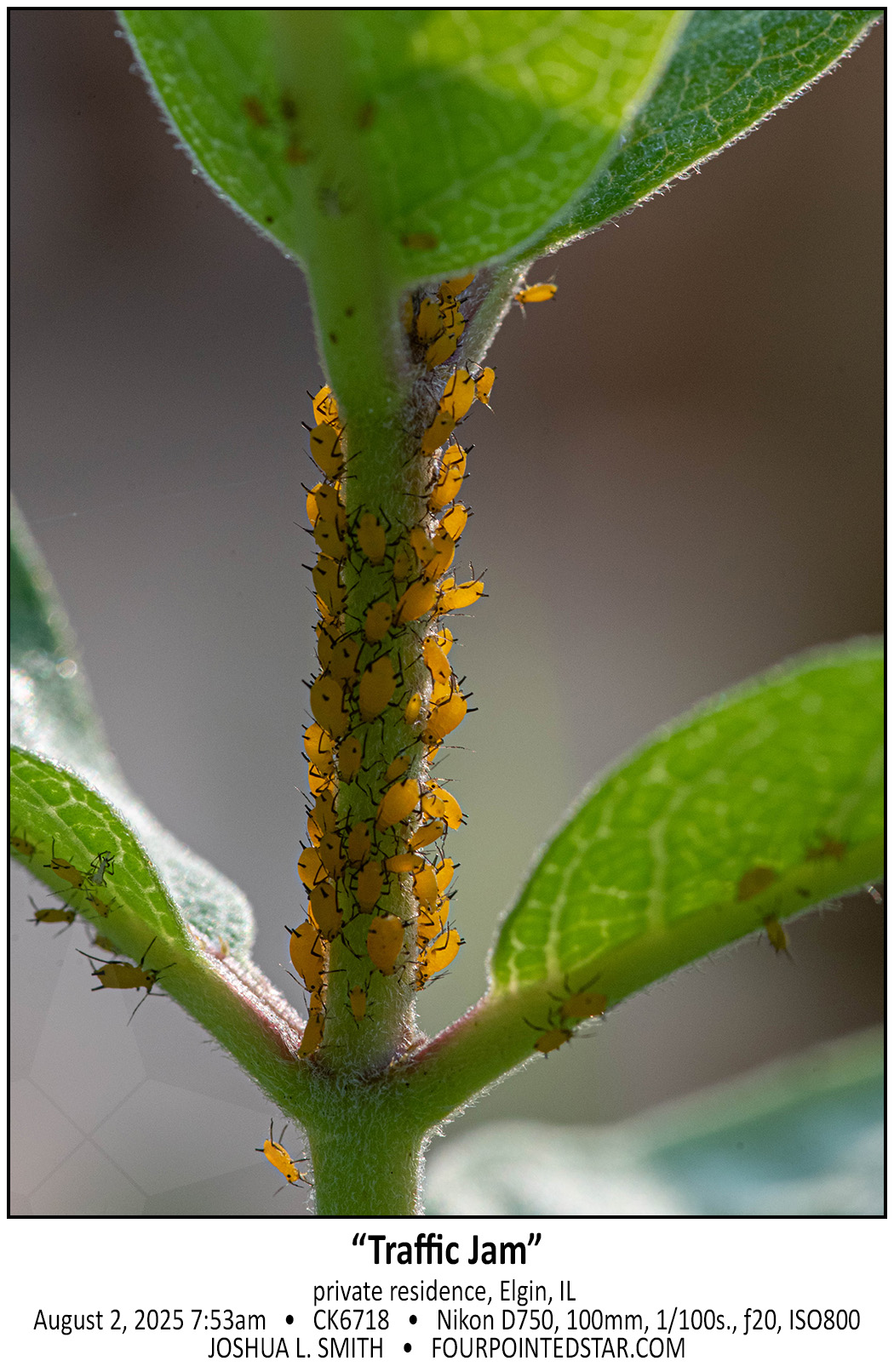
What a perfect metaphor for a Monday!  A traffic jam of aphids sucking the life out of this plant!
I am fascinated by aphids visually; they definitely follow a “pack” mentality, and hilariously are often only hanging on by their front feet and jaws. And their bodies are so simple or small that they just glow in the sunlight.