“Never Out of Style”
August 30th, 2026
…more to say…
photos from joshua l. smith













.
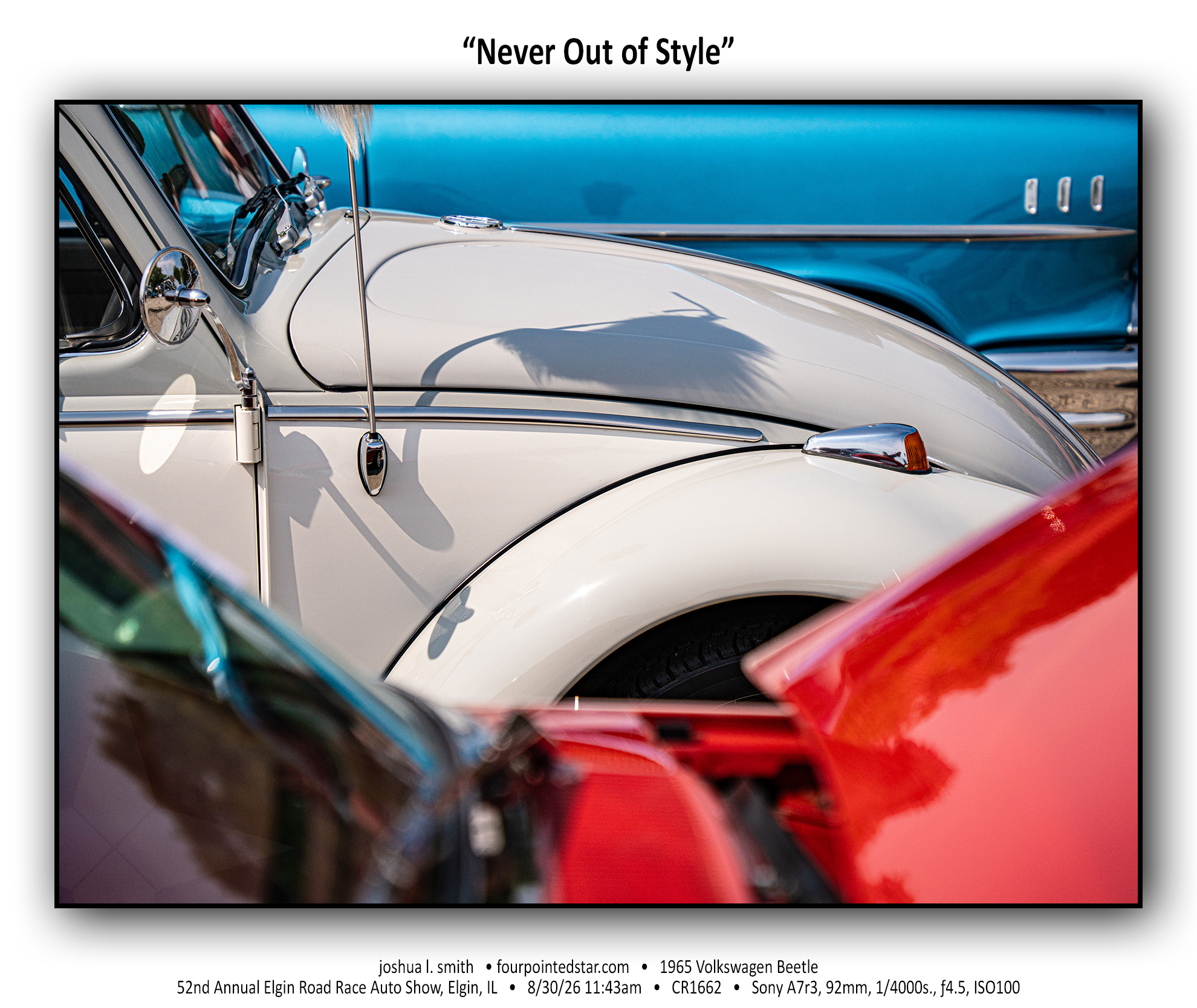
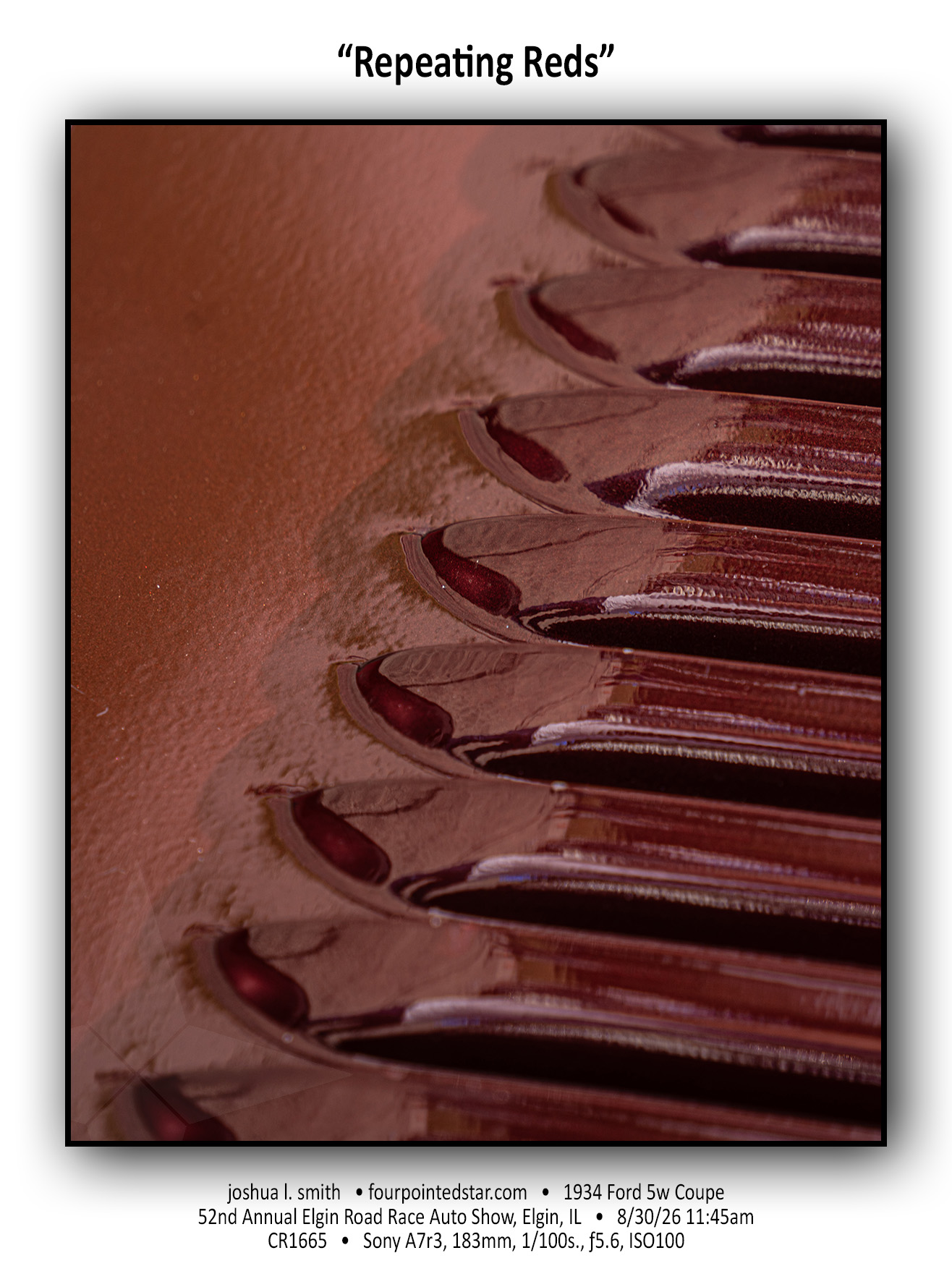
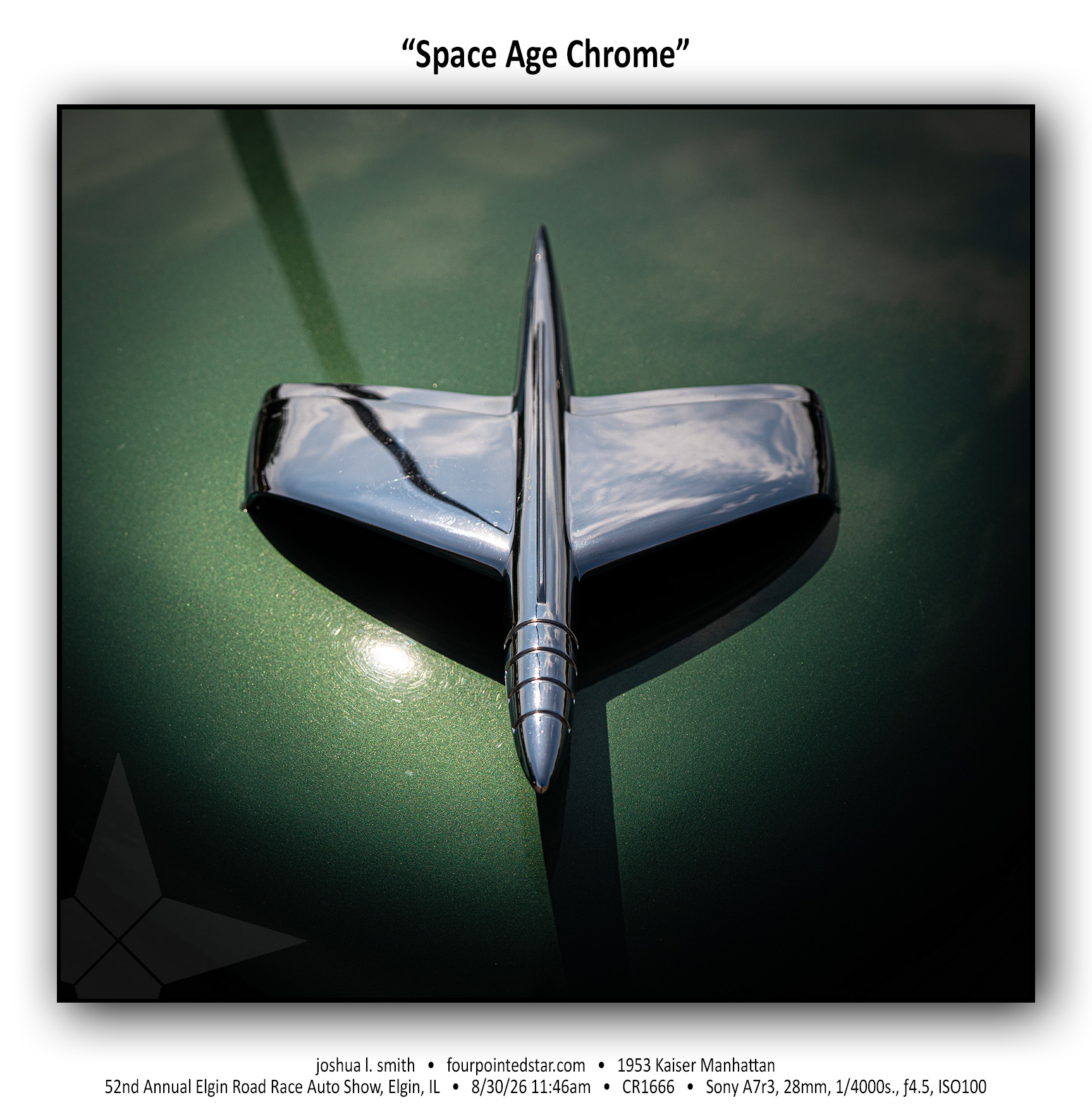
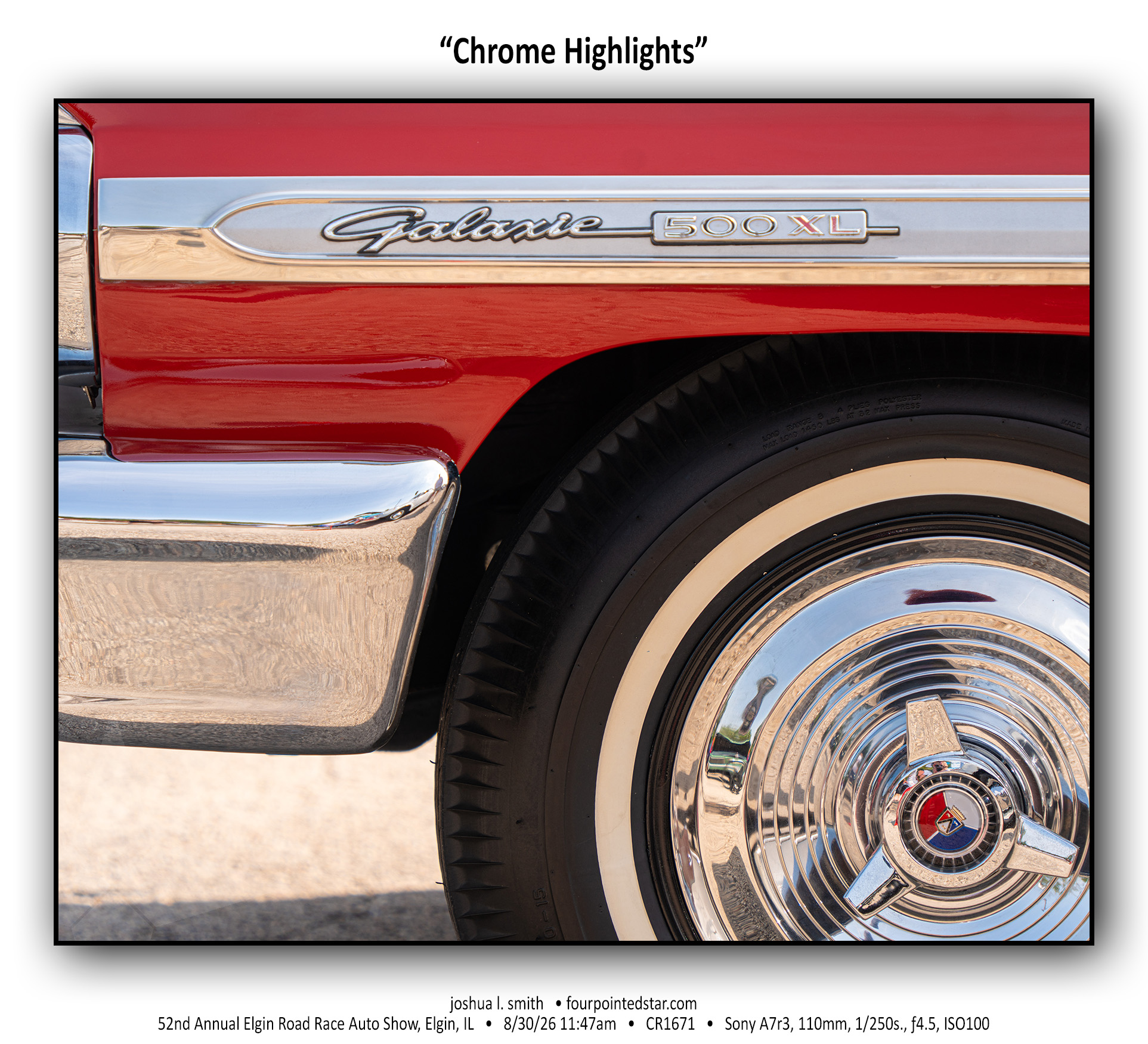
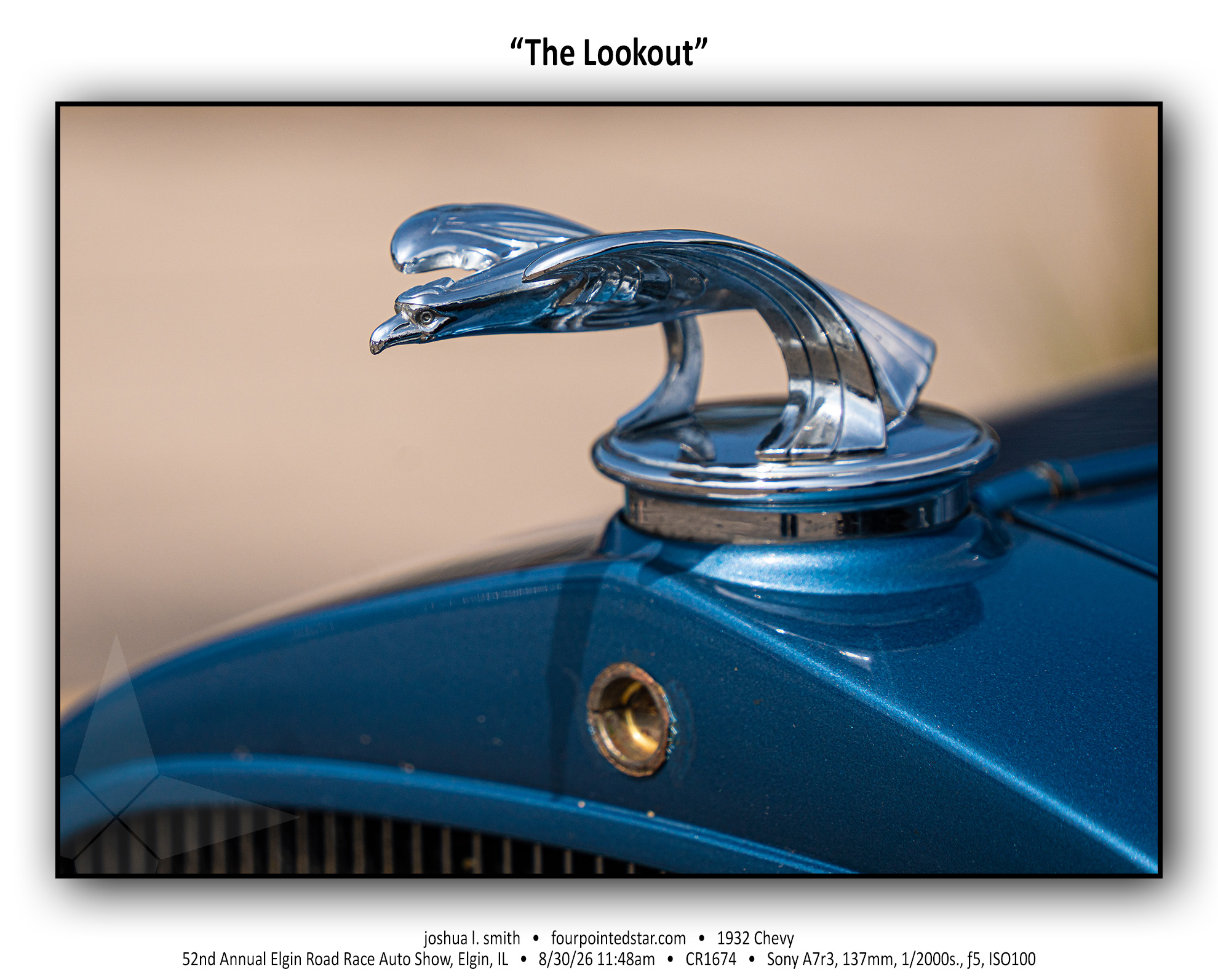
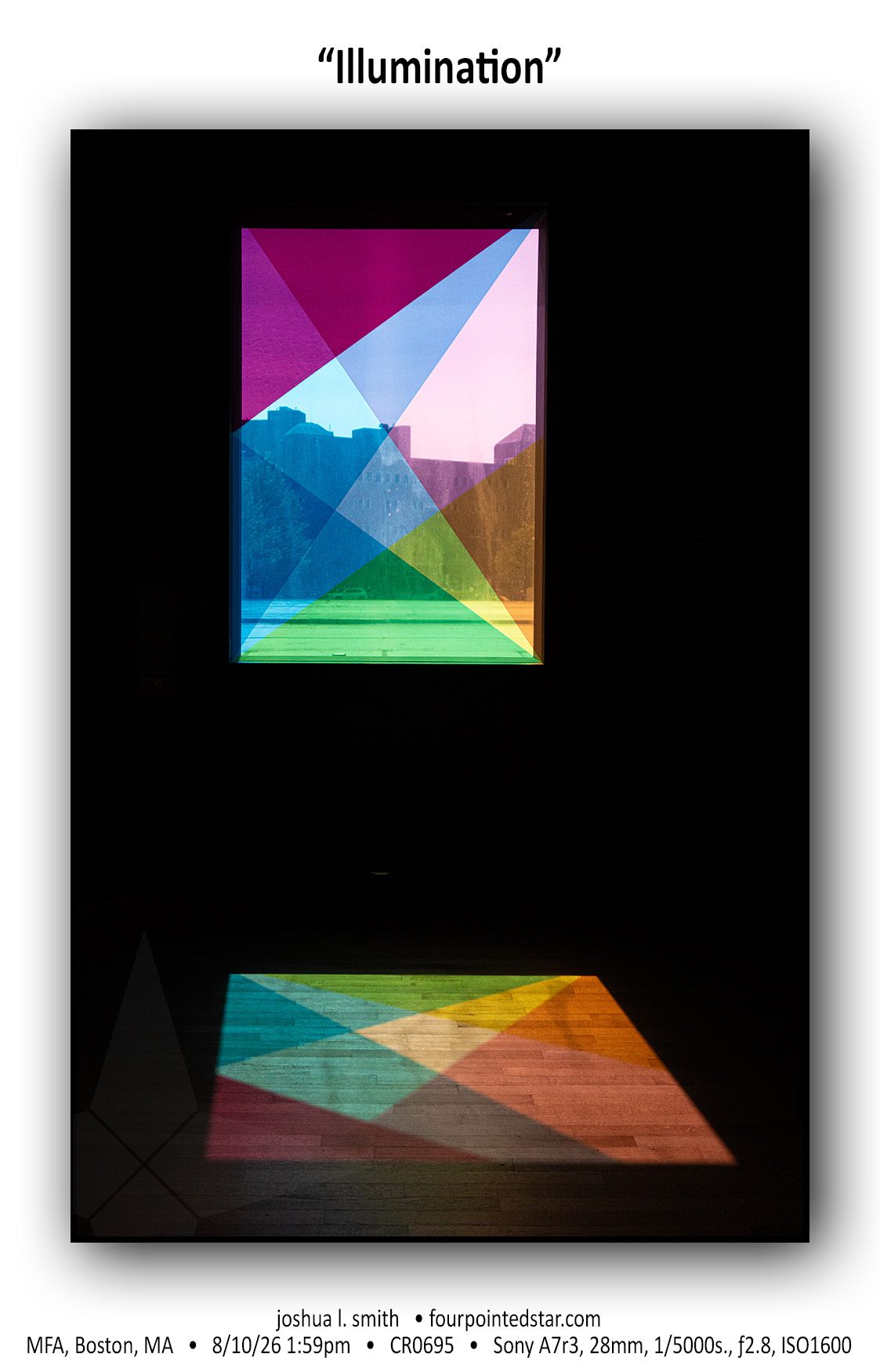
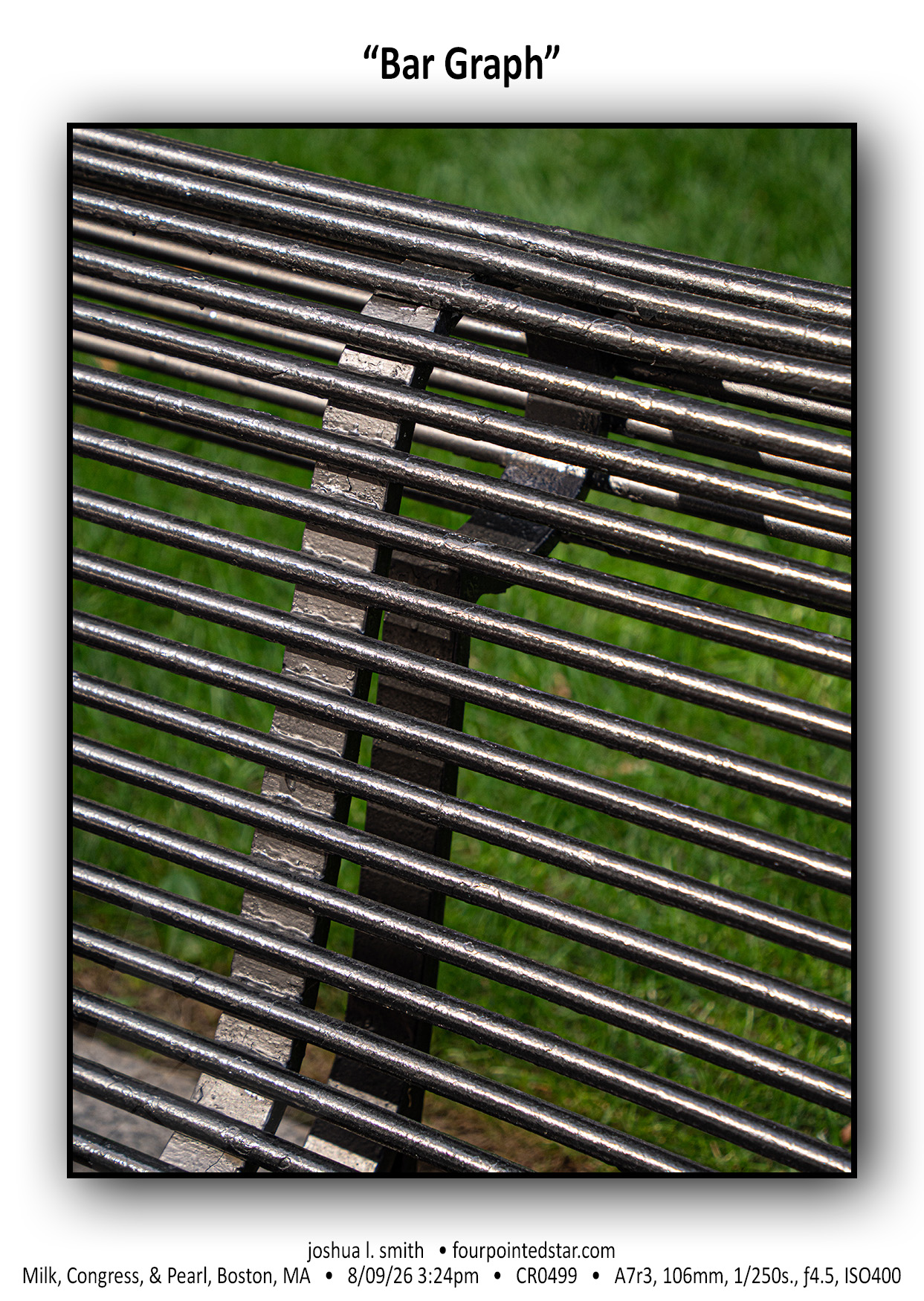
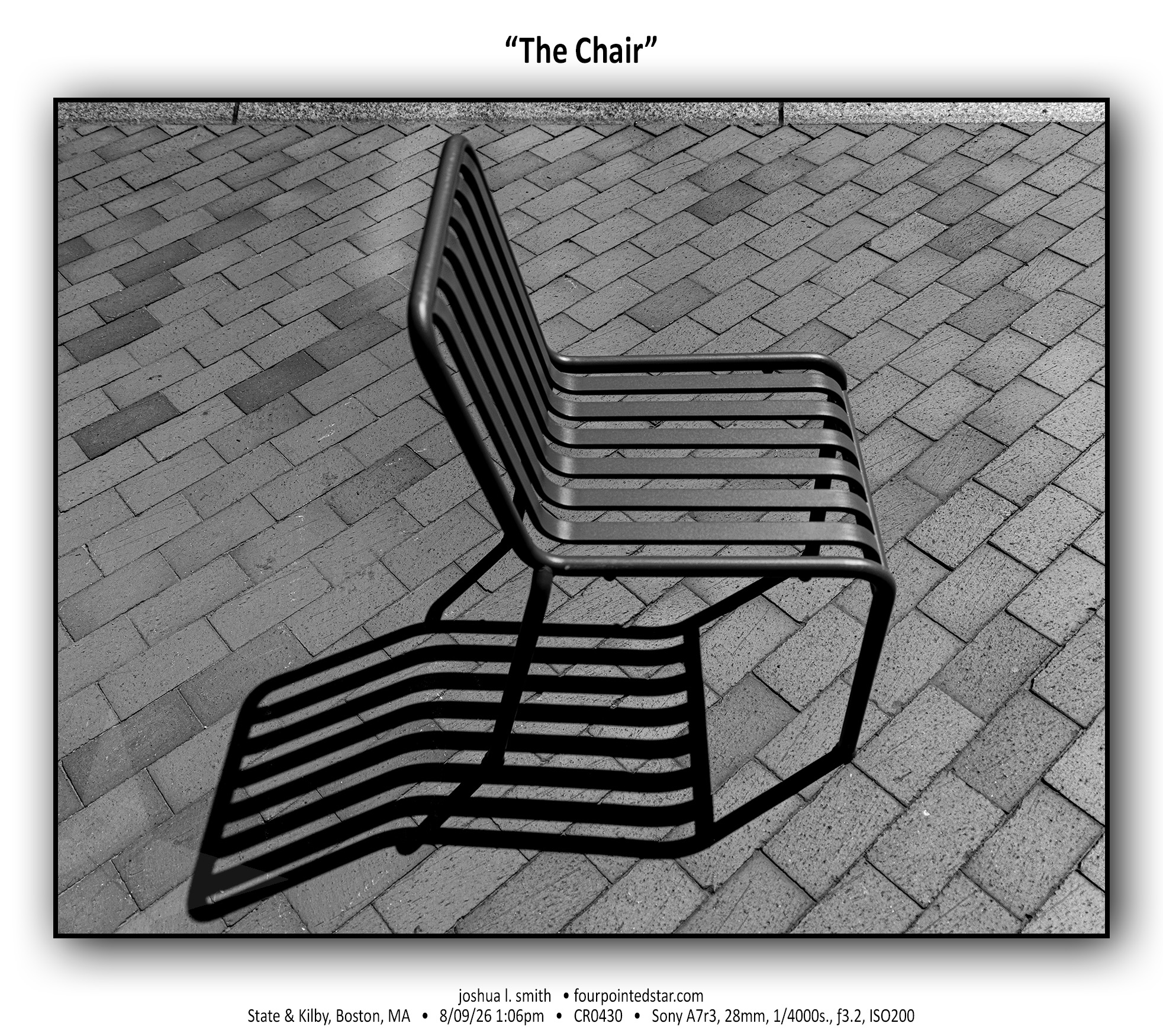
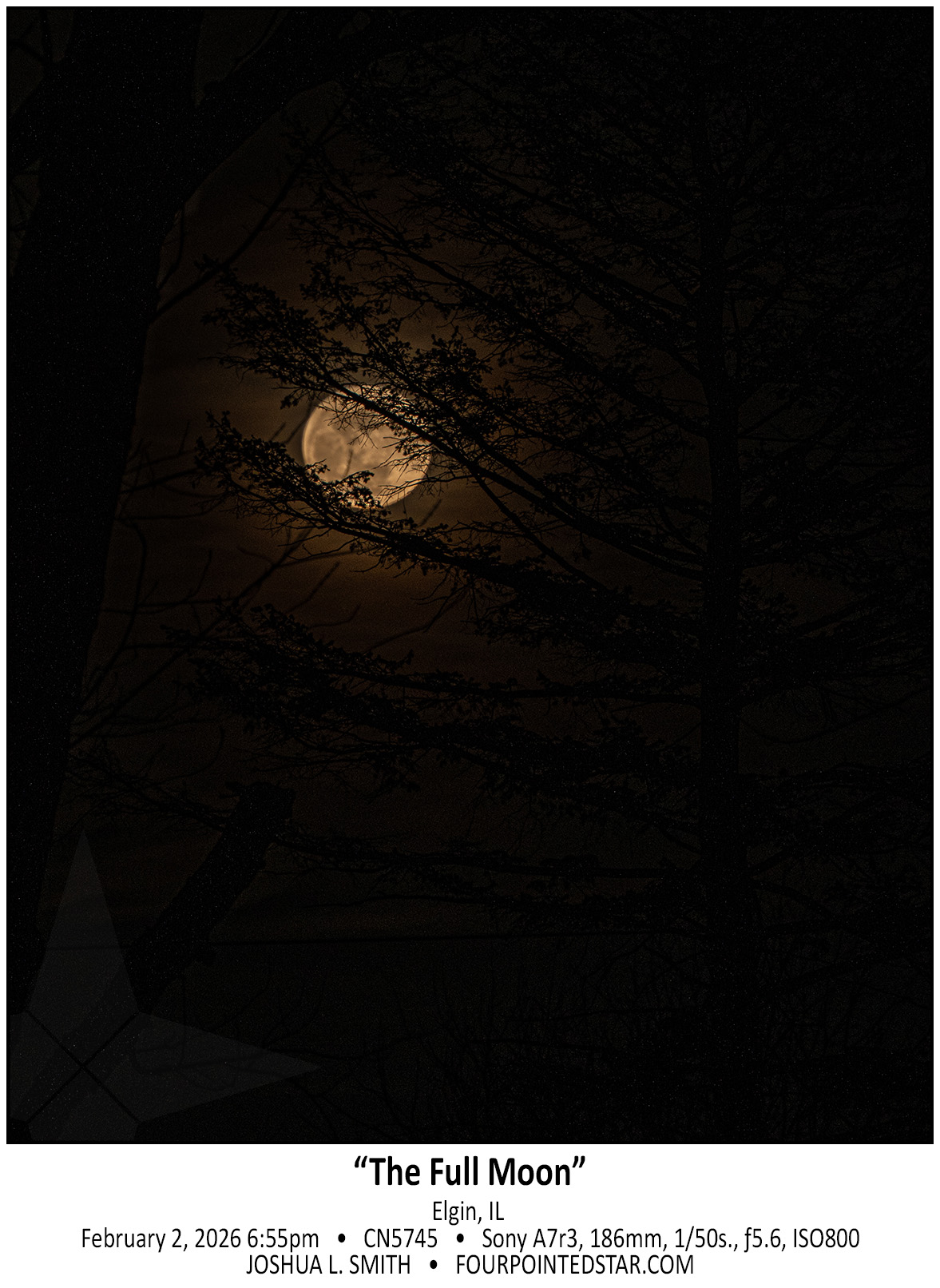
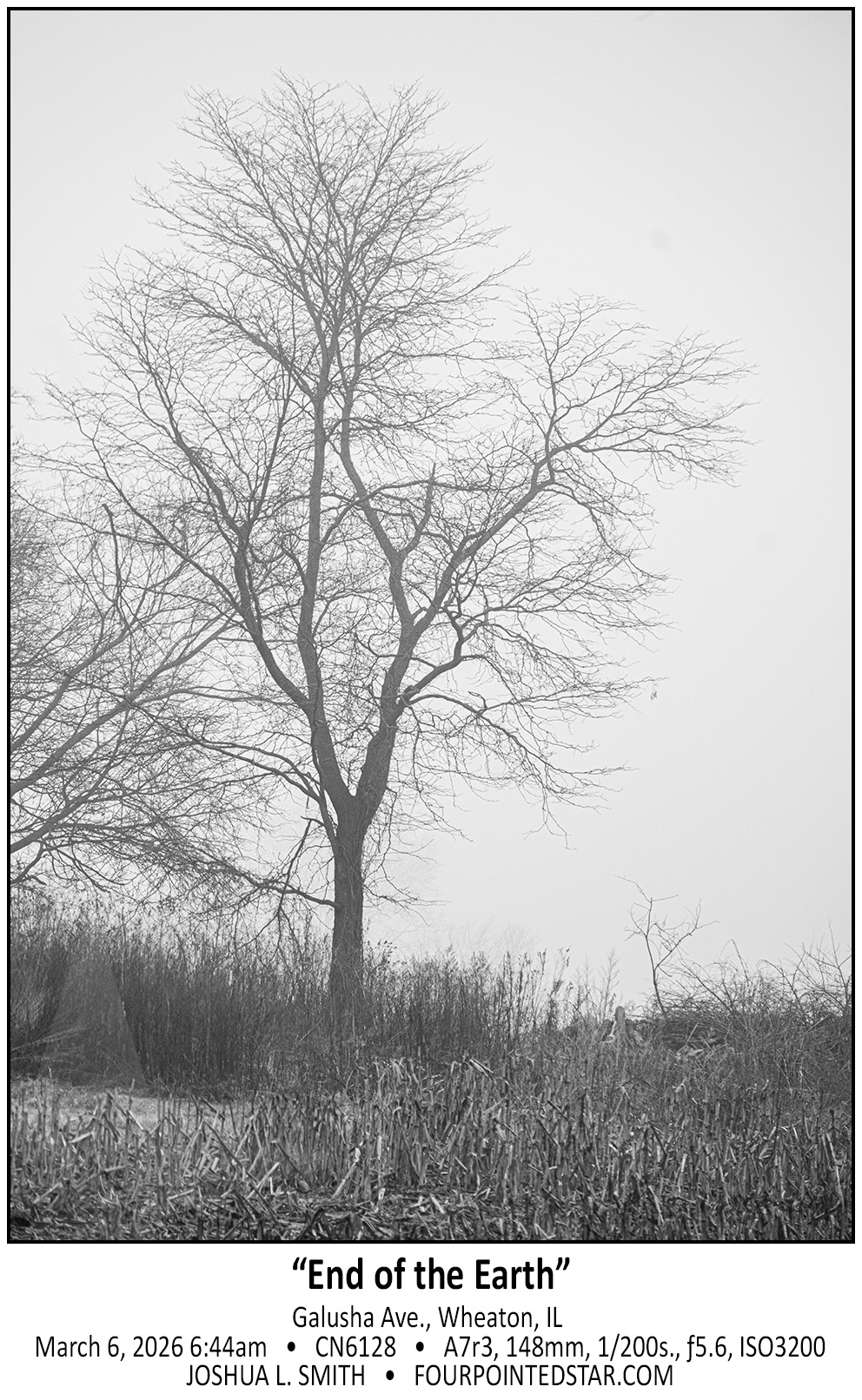
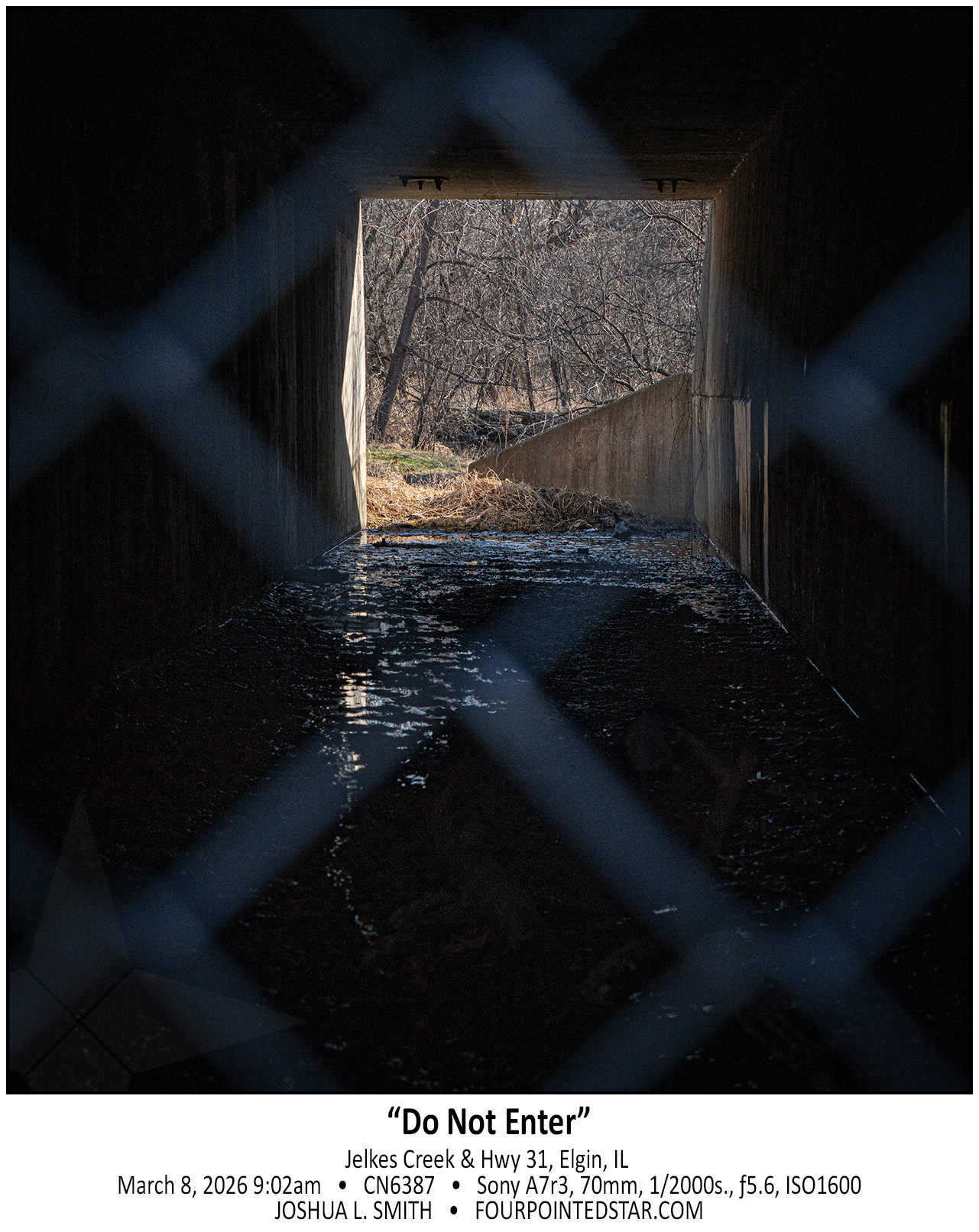
I haven’t made it to any car shows this summer – a reflection of both busyness and a moderate lack of interest. If you forced me to talk about car shows, I’d say that I’ve created the images that I’m proud of and have moved on. But as these images show, I have a few more creative sparks left. I need to let them show up though; that’s the hard part.
.
.
.
.
.
.
.
.
.
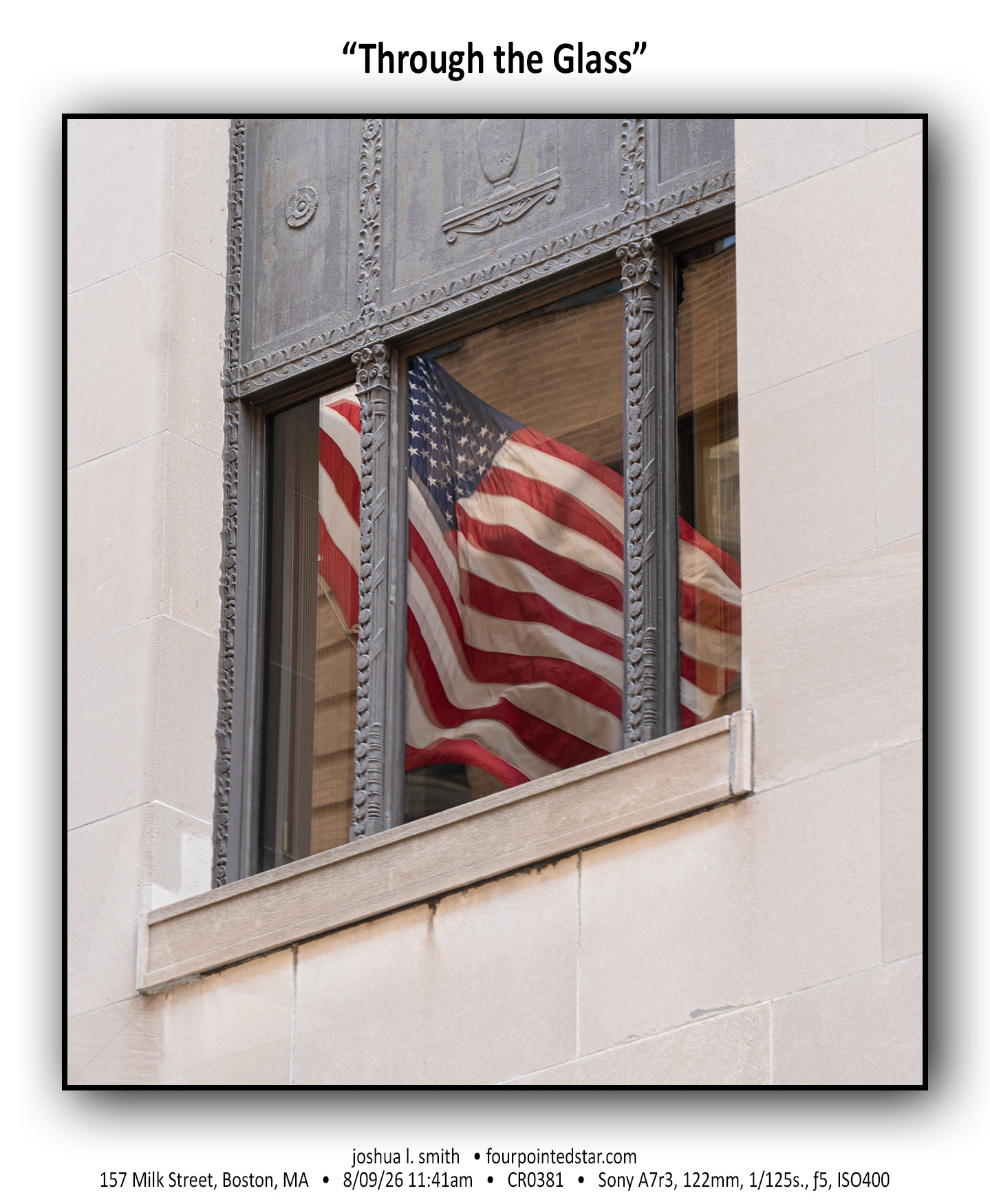
Recently I was reading about the Romanov family in Russia; the absolute lack of compassion on the commoners compared with their murder. Both seem equally horrifying to my modern understanding: treating others as serfs or slaves and executing someone, especially children.
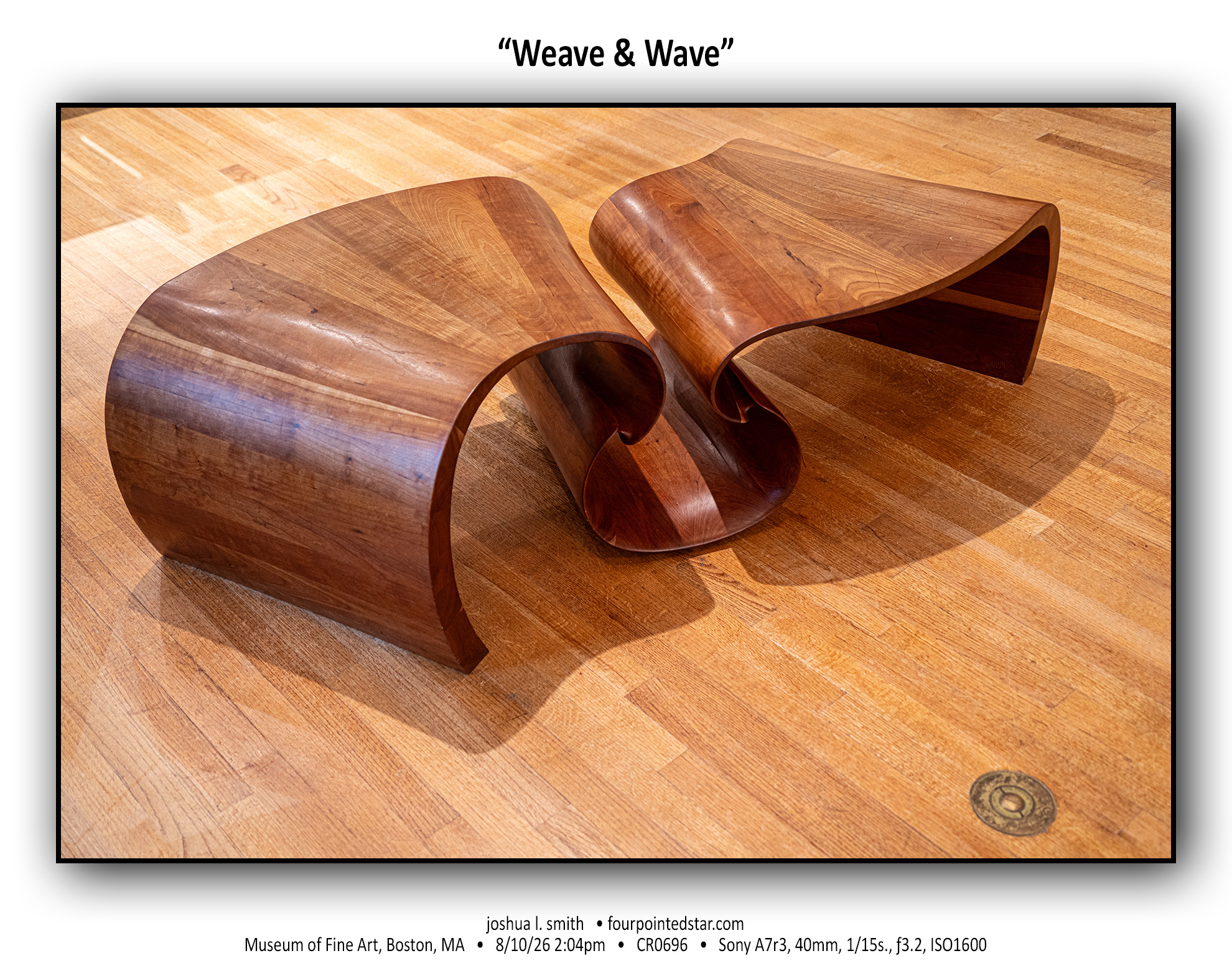
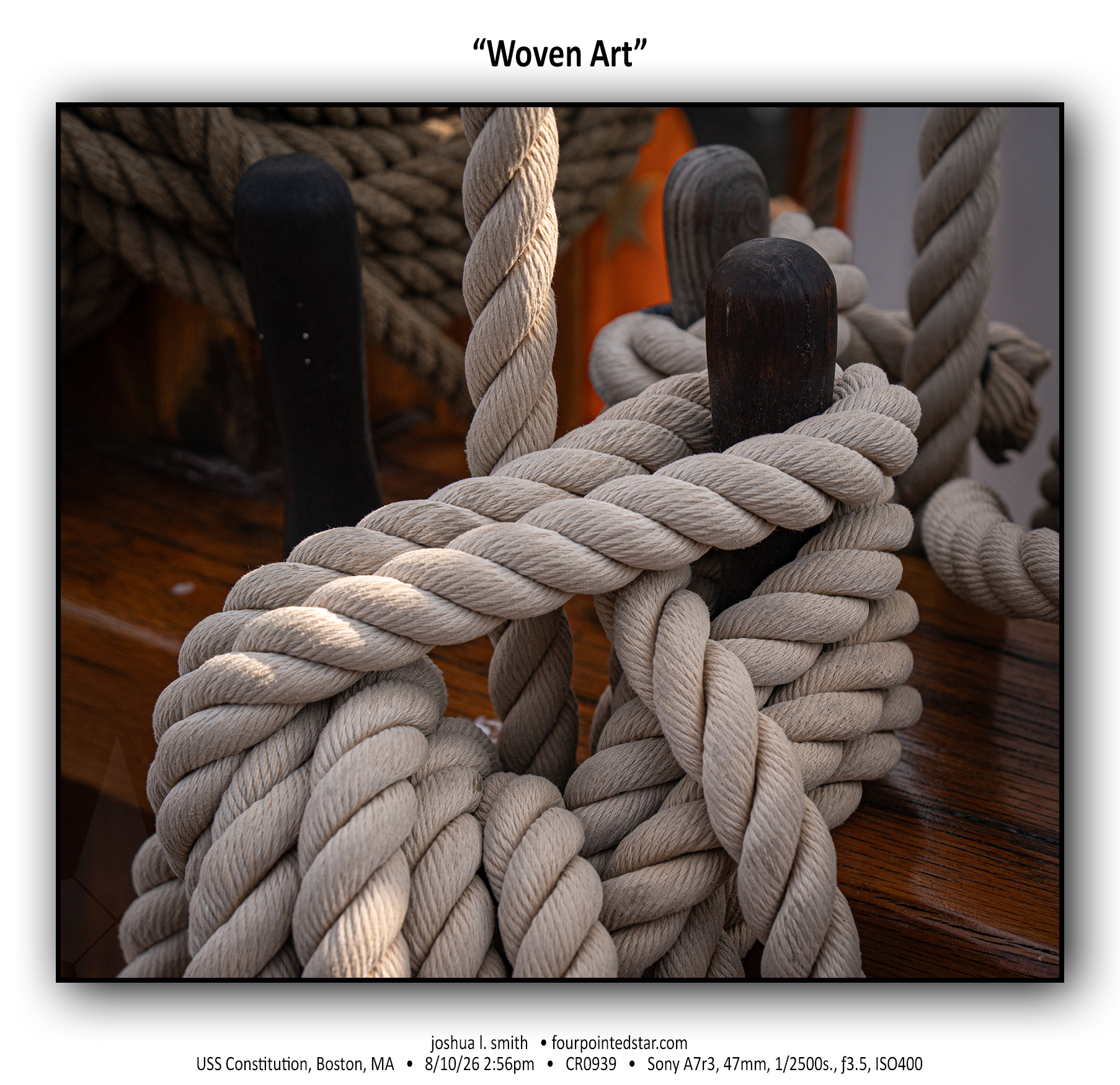
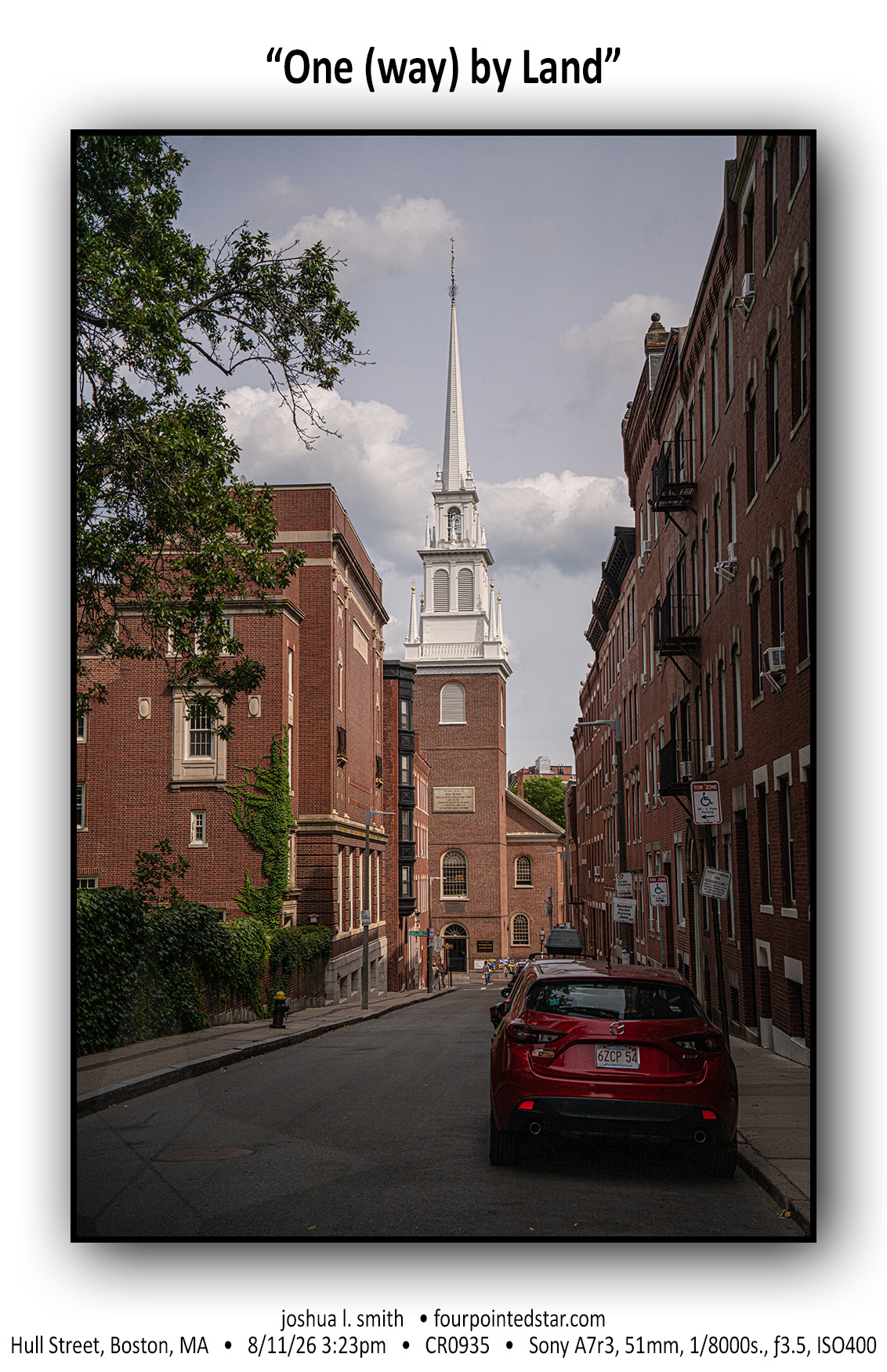
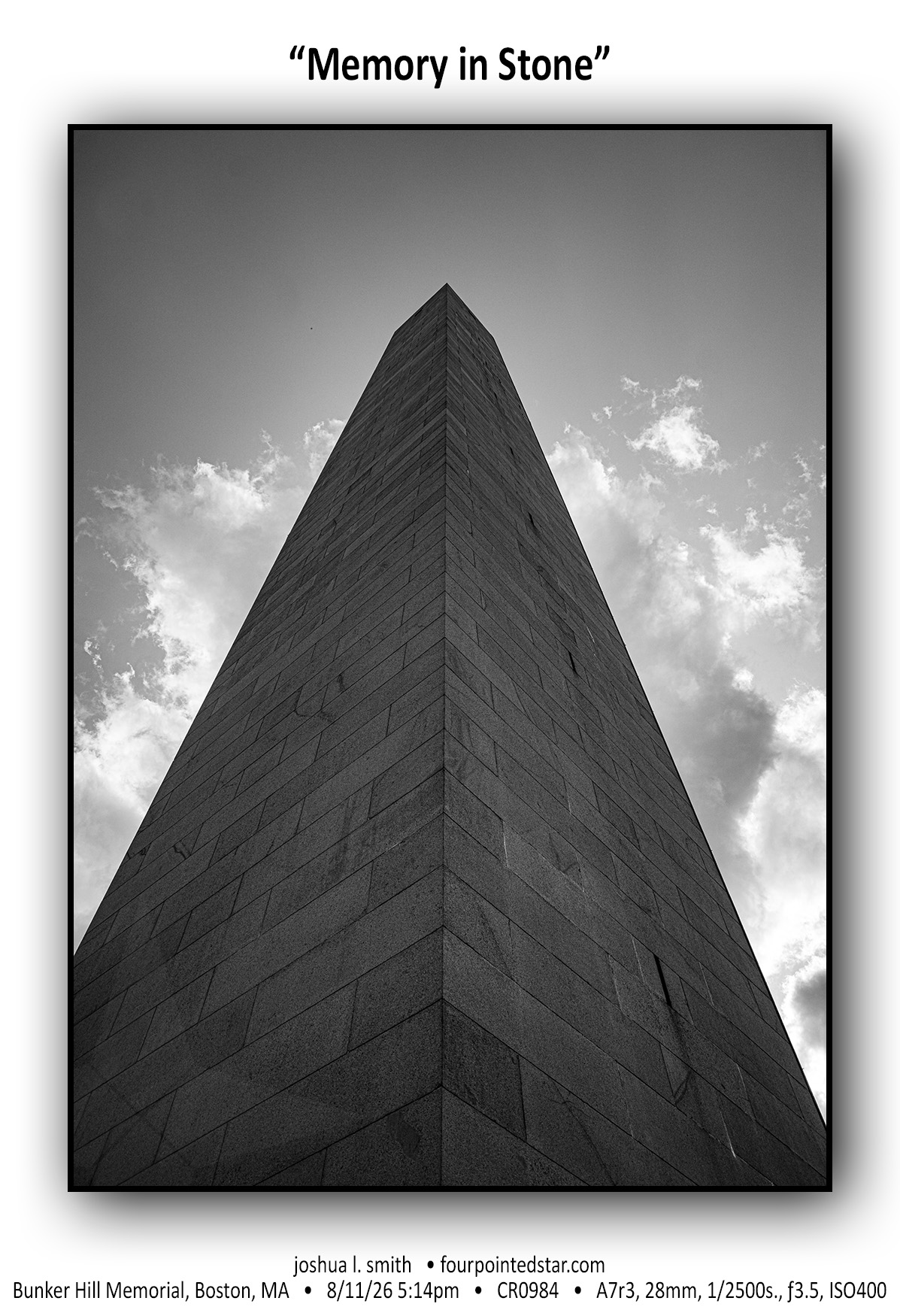
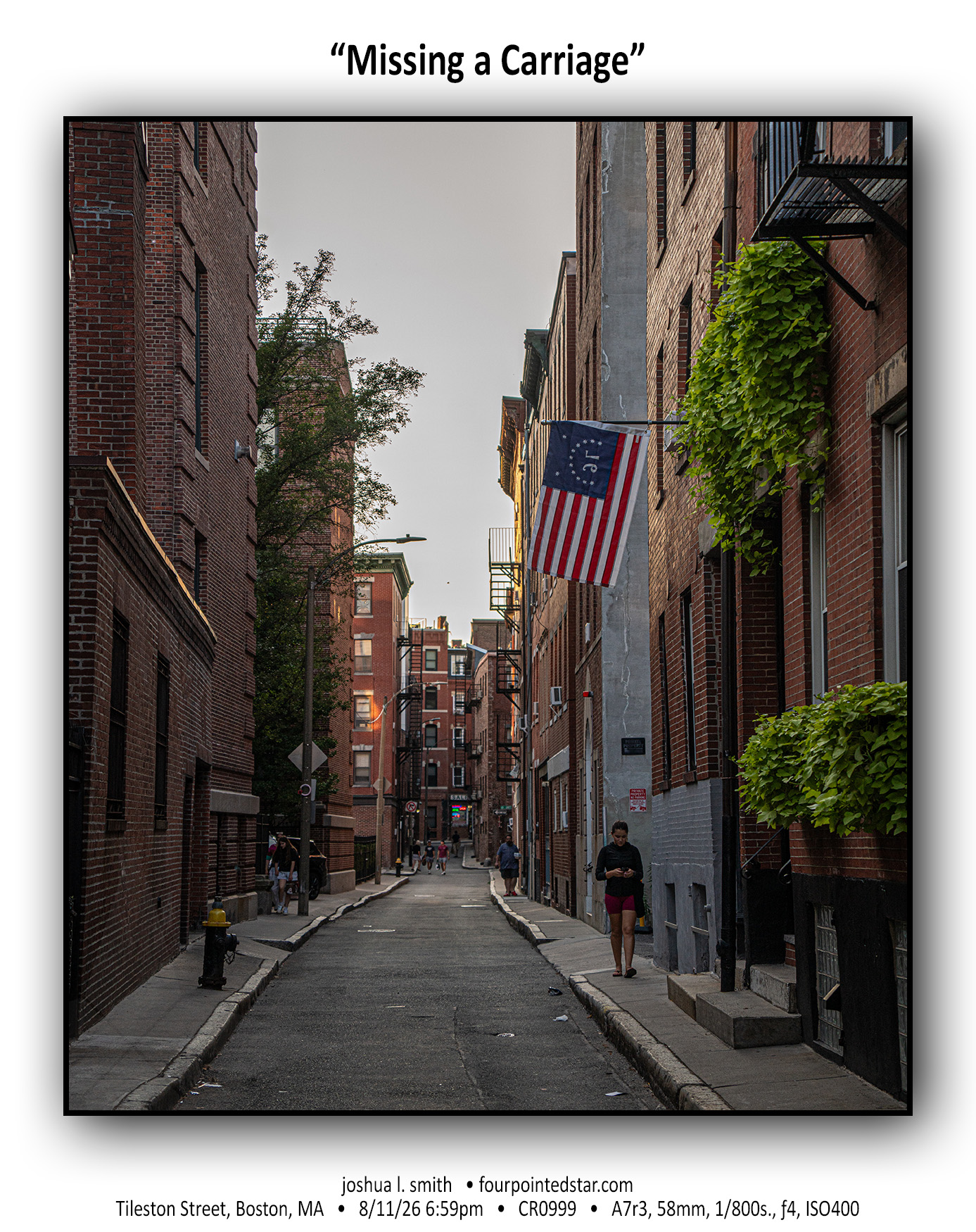
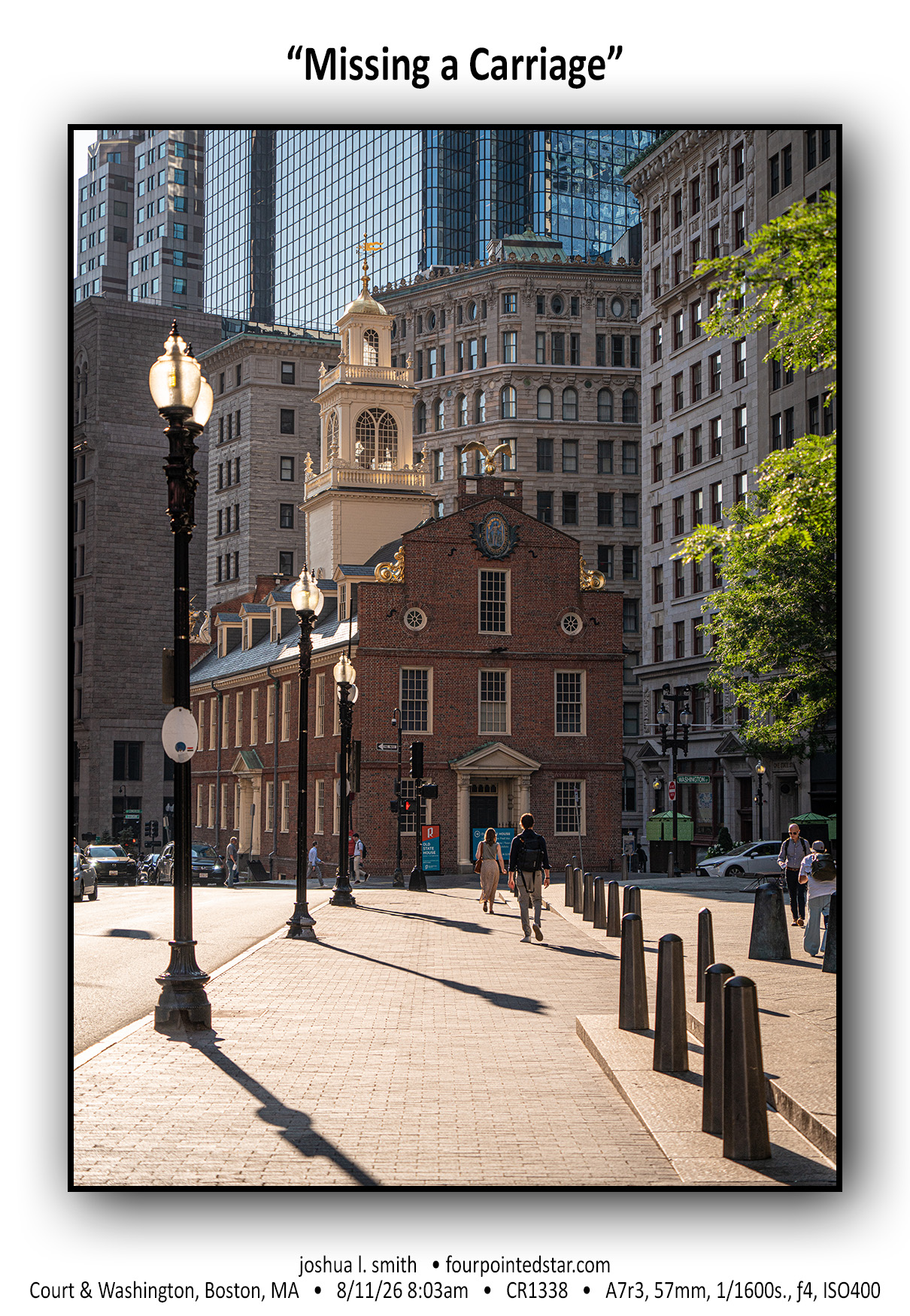
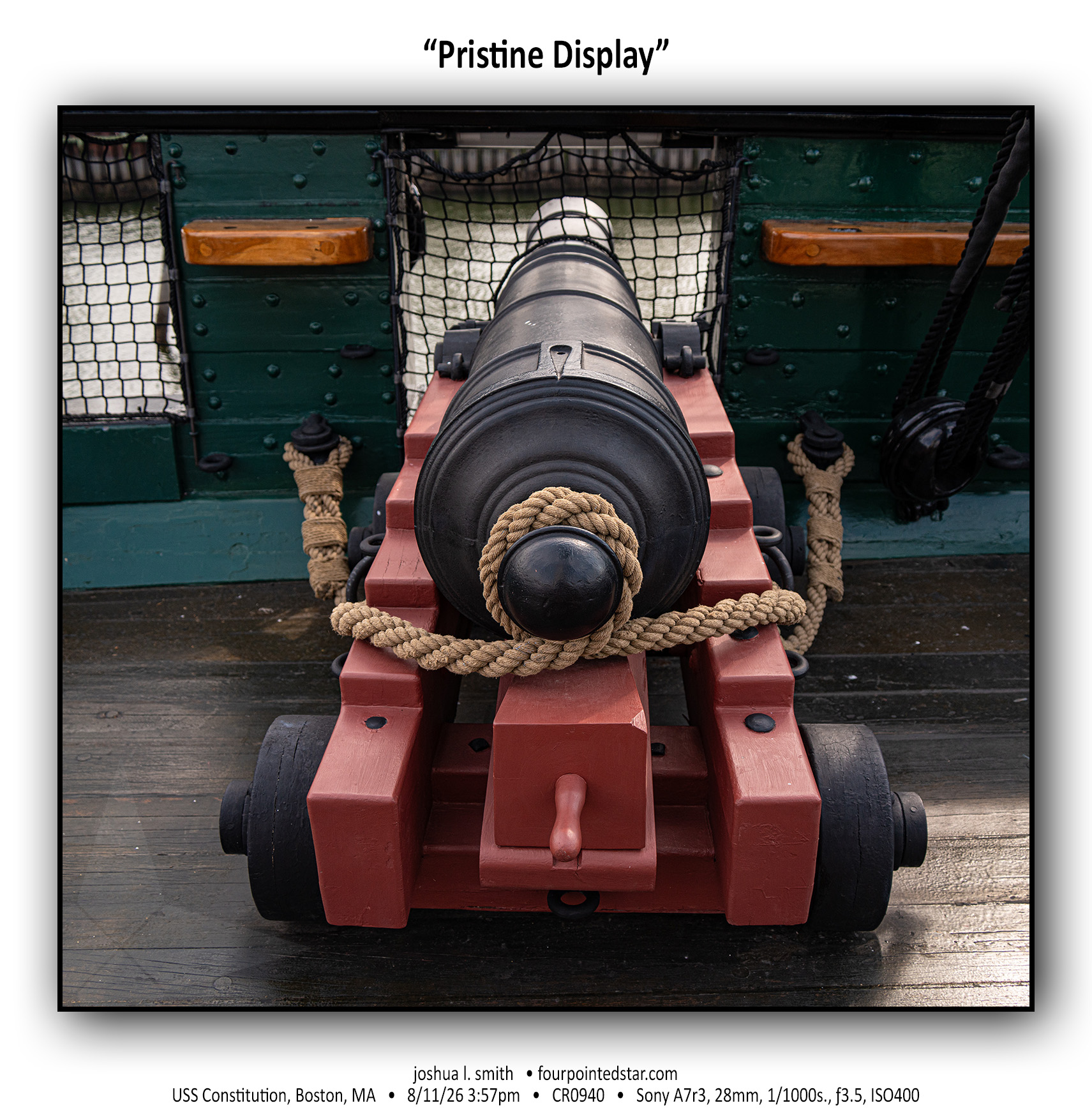
Sarah and I visited Boston; we wanted to get away from work (both job & home), and since it is an important anniversary for the United States, we chose a town that was instrumental in the Revolution.
I’ve struggled with being proud of the United States since well before 2016, but that was a year that horrified me – not due to a presidential candidate, but because of the public embrace of treating others as inferior and the justification of inflicting pain upon another person, especially children.
It is still impossible to justify owning slaves, it is still impossible to justify class, race, gender, or religious constraints; but visiting Boston helped me regain a little bit of my pride in the United States.
No one is perfect, in fact everyone is tragically flawed – our biases, willful ignorance, and stubbornness can be easily picked apart. But to see the beginnings of something that could lead to a nation that millions would flock to and hold up as “freedom” was a small breath of fresh air.
Twice recently, I talked with a friend who had given up hope, and I realized hope is what we have, what drives positive change, and what can lead to a better future. We’re surrounded by bad news – social, environmental, financial – but there are people who have hope that they can make an impact.
Jefferson, Franklin, Washington, Hamilton – they were ALL flawed even for their time; the same way we are now. But their hope 250 years ago allows me to live in a country where we can have hope for change and impact.
.
.
.
.
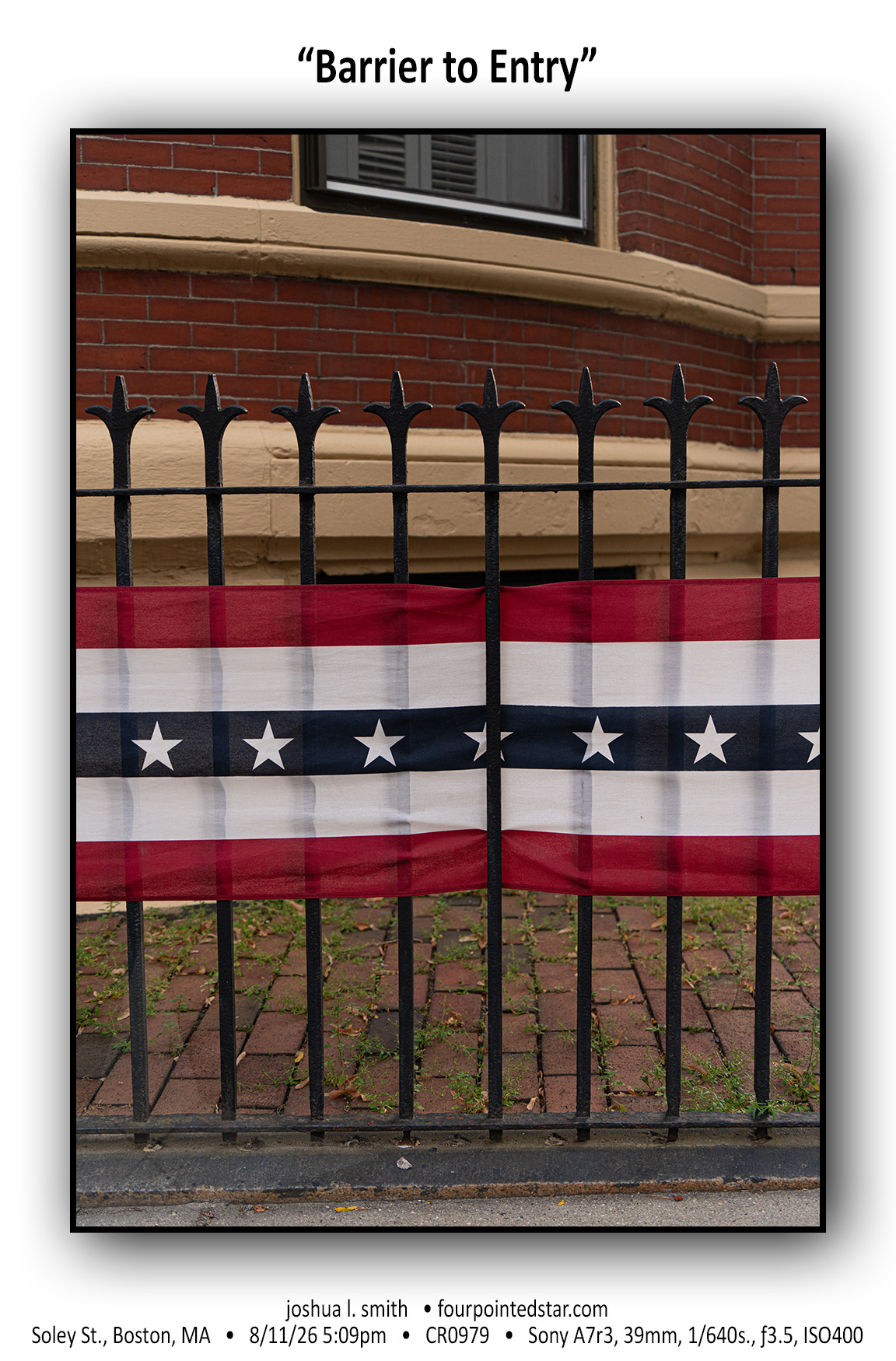
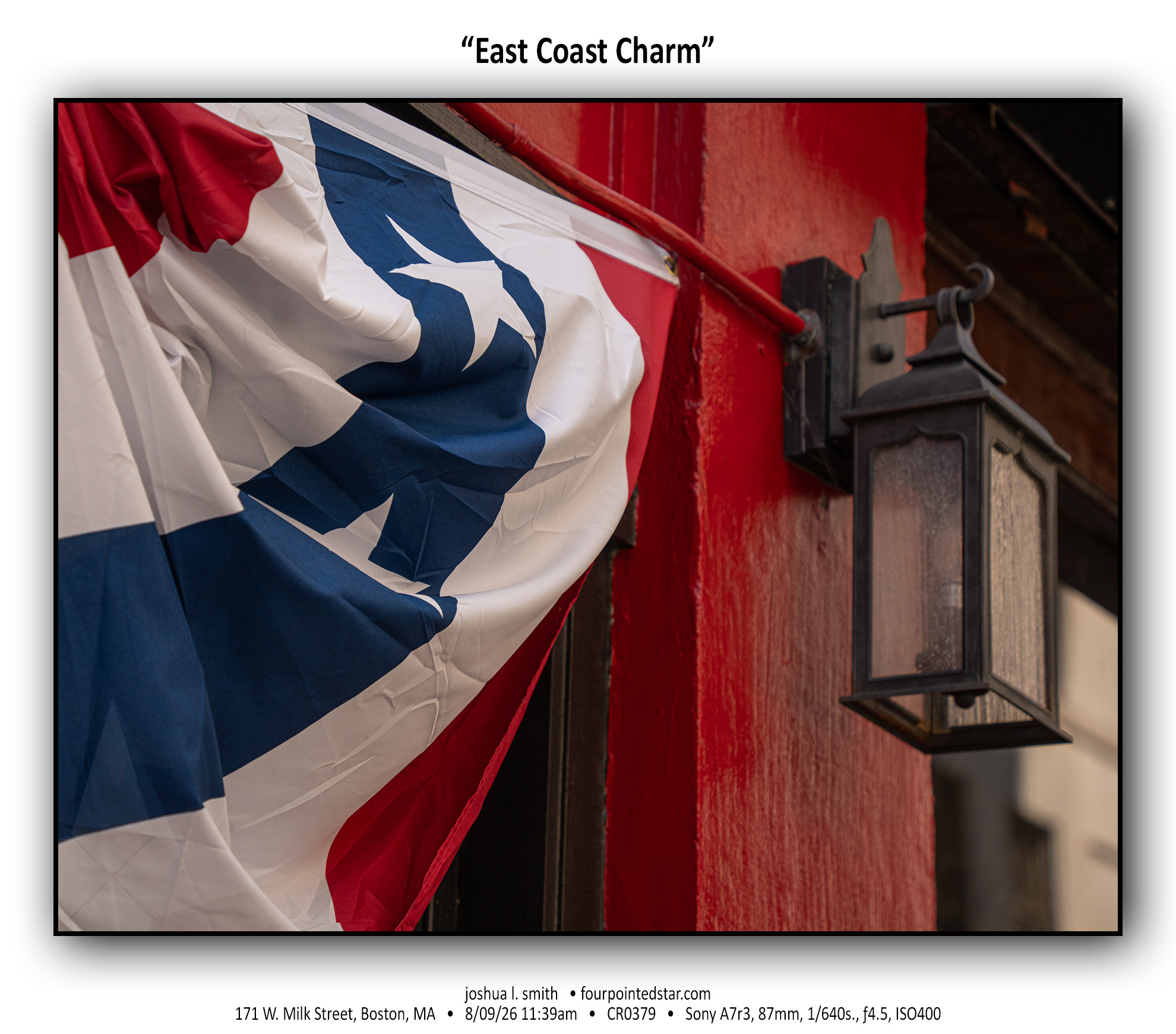
The entire neighborhood around Bunker Hill was decorated with bunting and other red, white, and blue decorations; and it made the walk up the hill from the USS Constitution to the Bunker Hill Memorial beautiful.
.
.
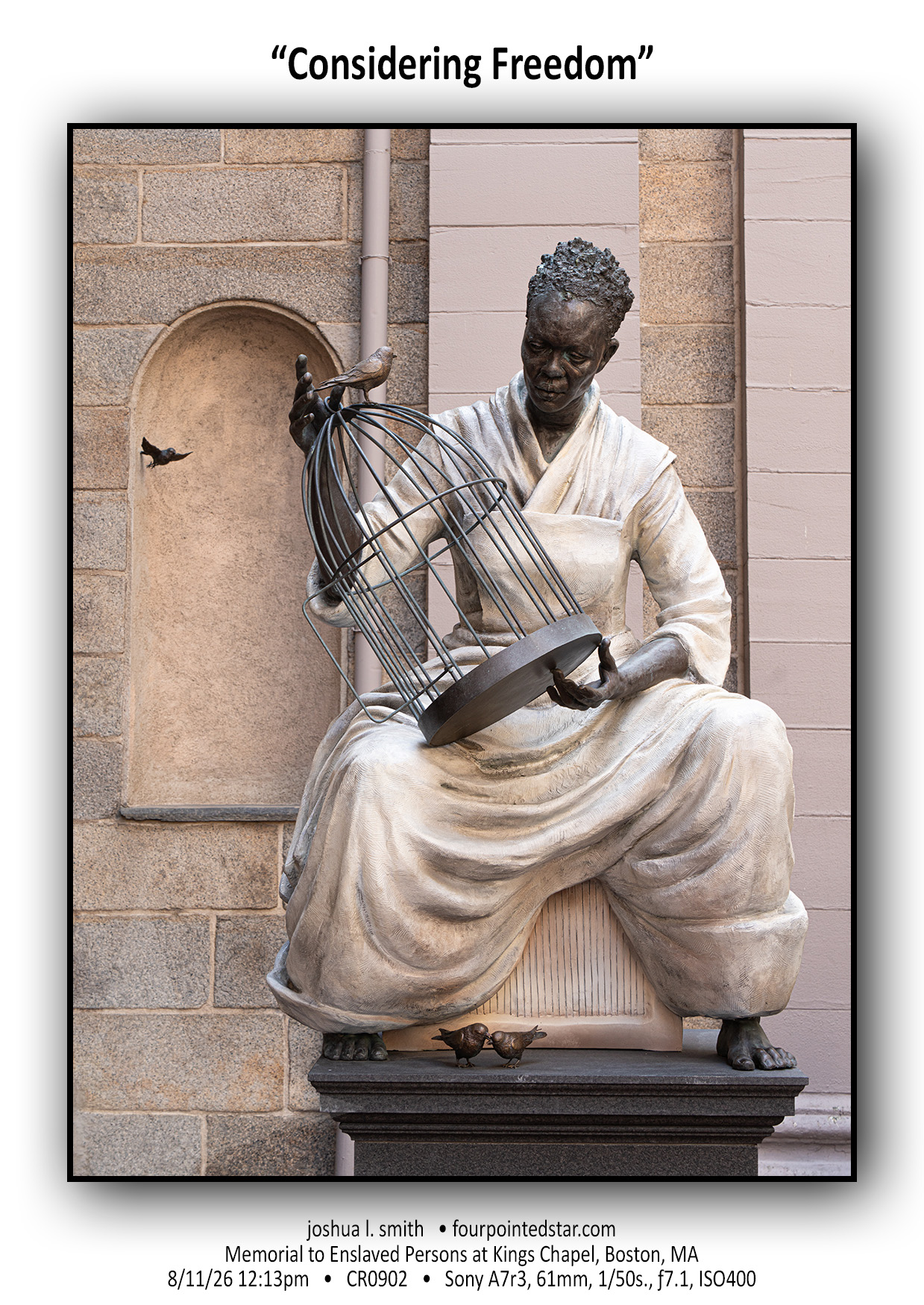
This statue is outside of King’s Chapel – the “Memorial to Enslaved Persons” (notice the open cage and free birds) in recognition of all the slaves owned by members and ministers of the Kings Chapel congregation.
.
.
.
.
.
.
.

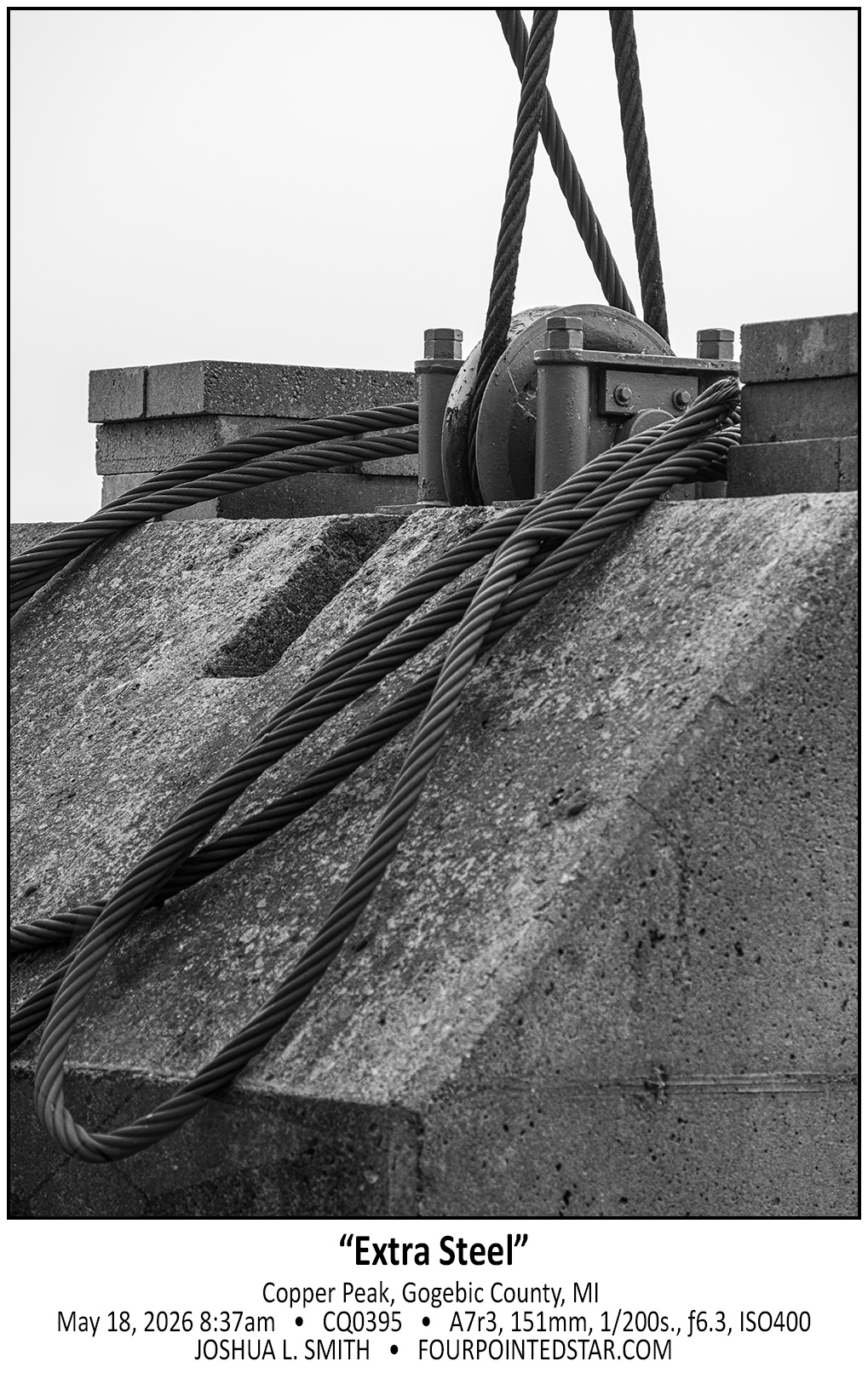
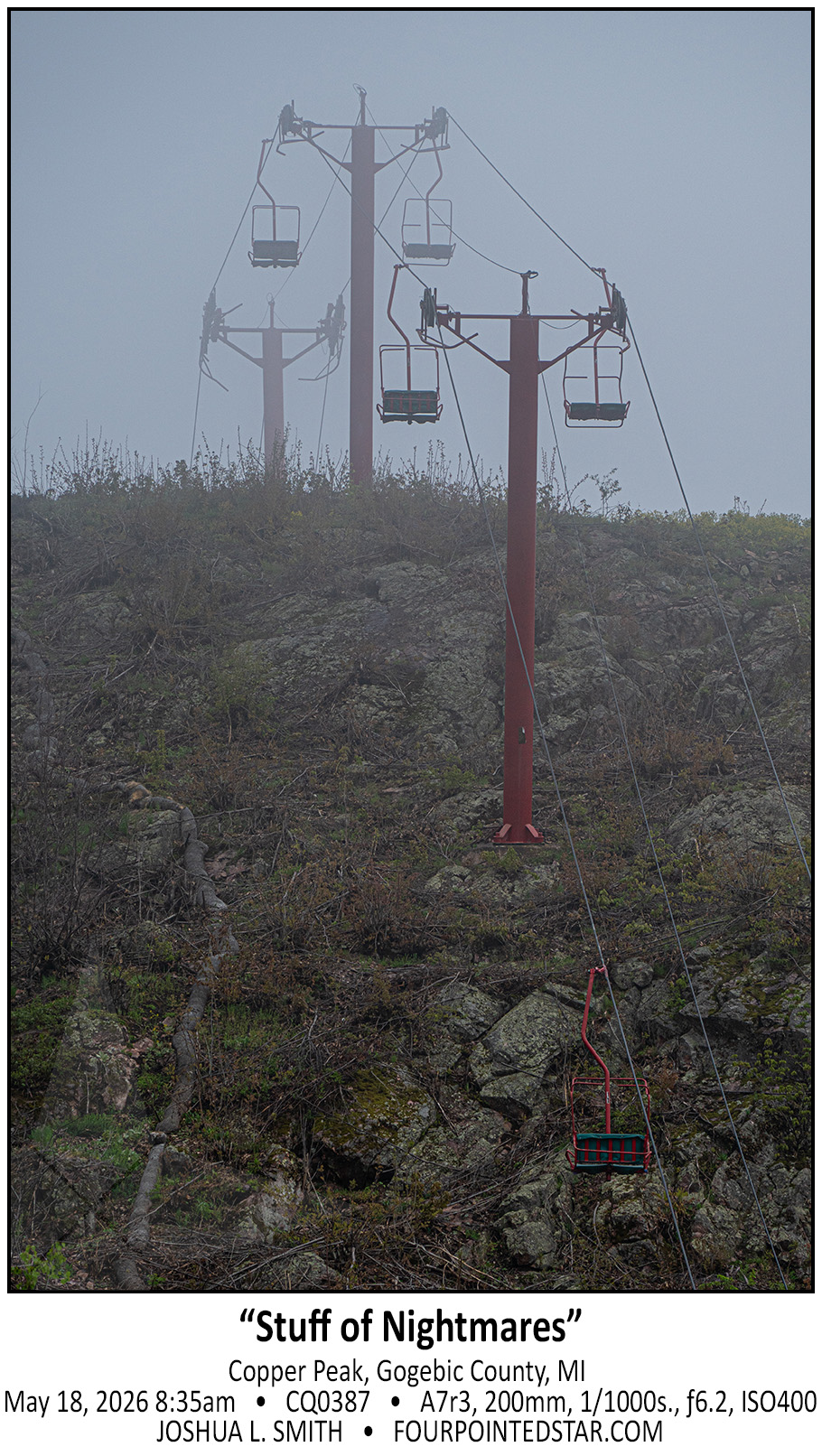
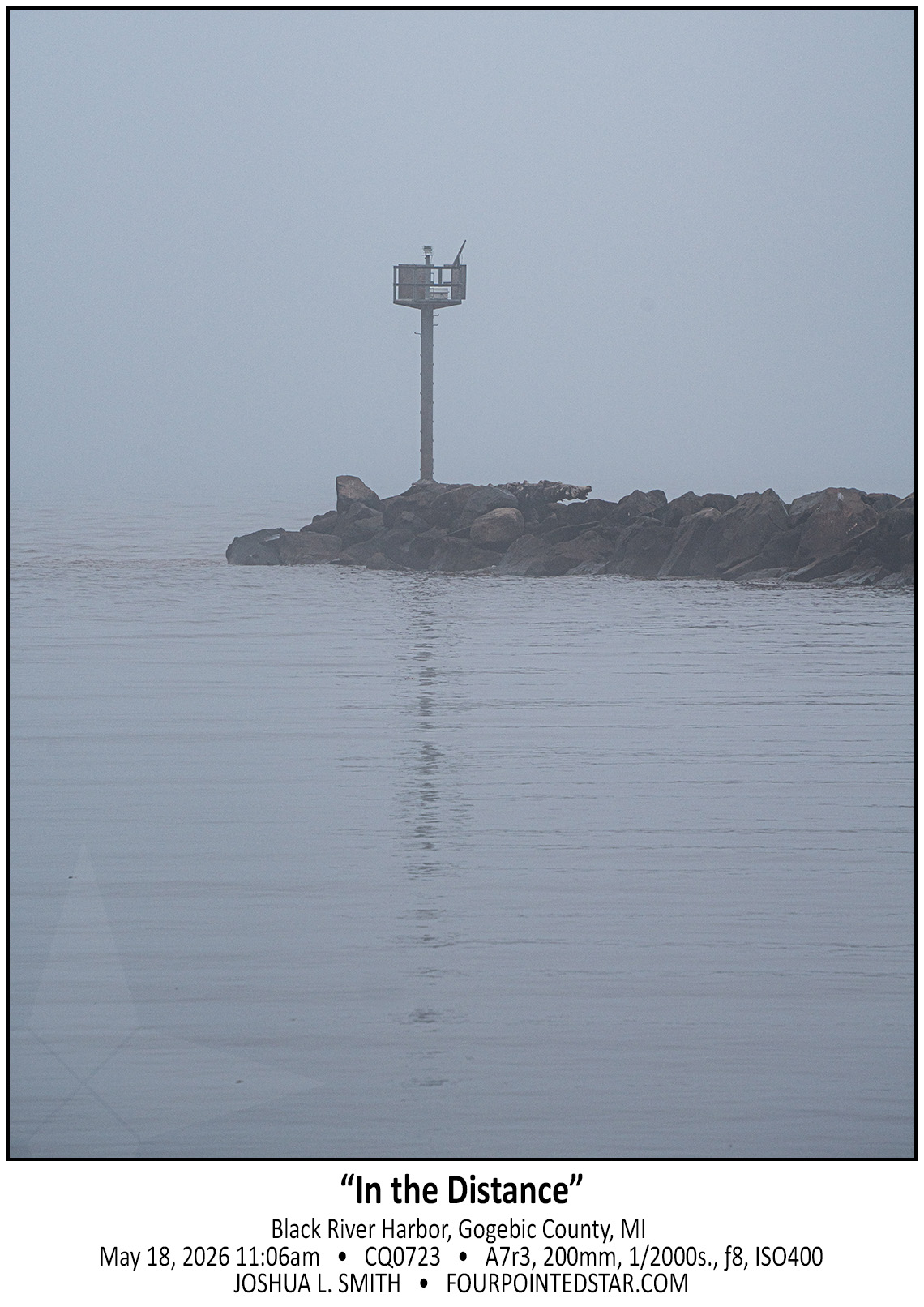
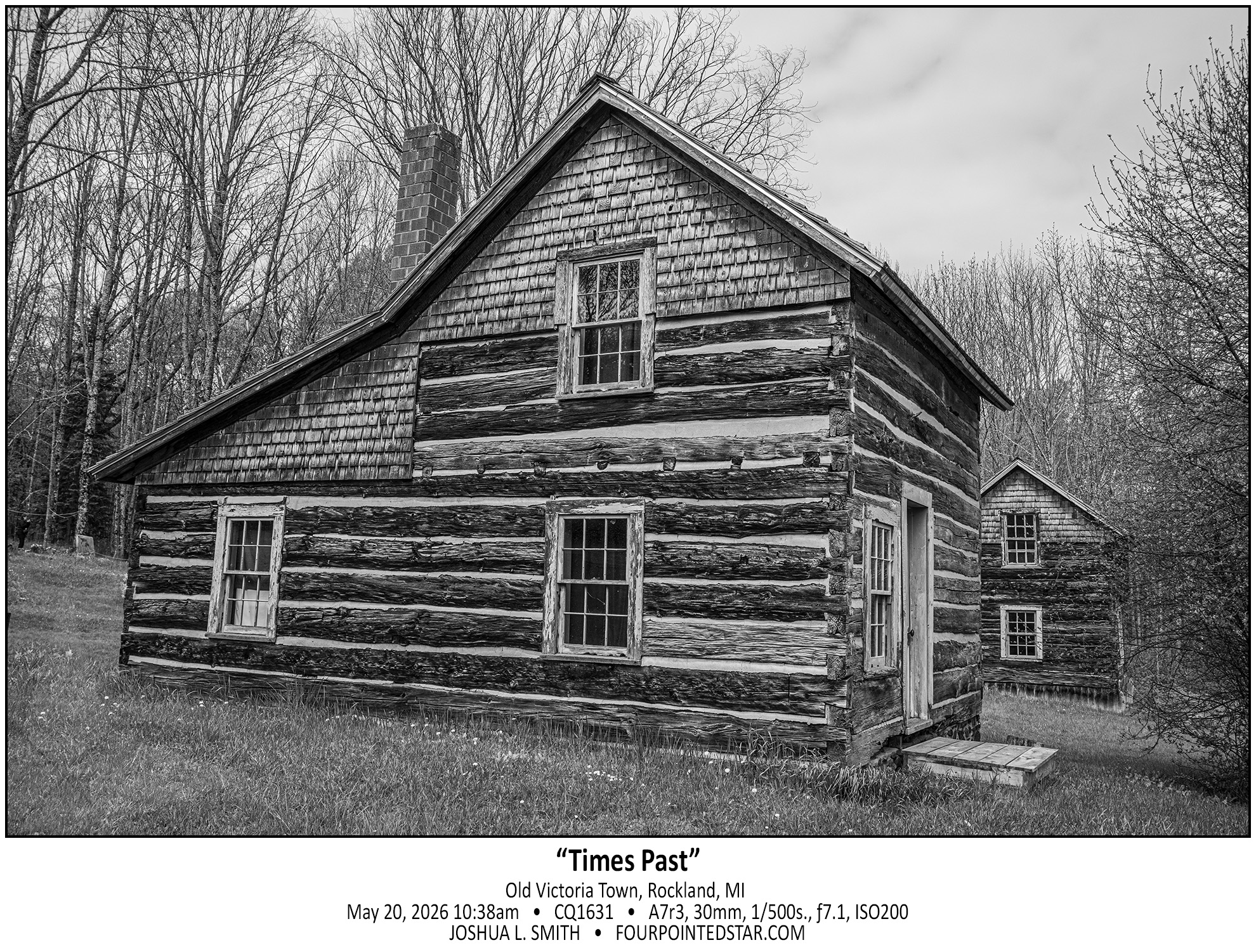
It took me a while to figure out why these photos fit together in my mind.
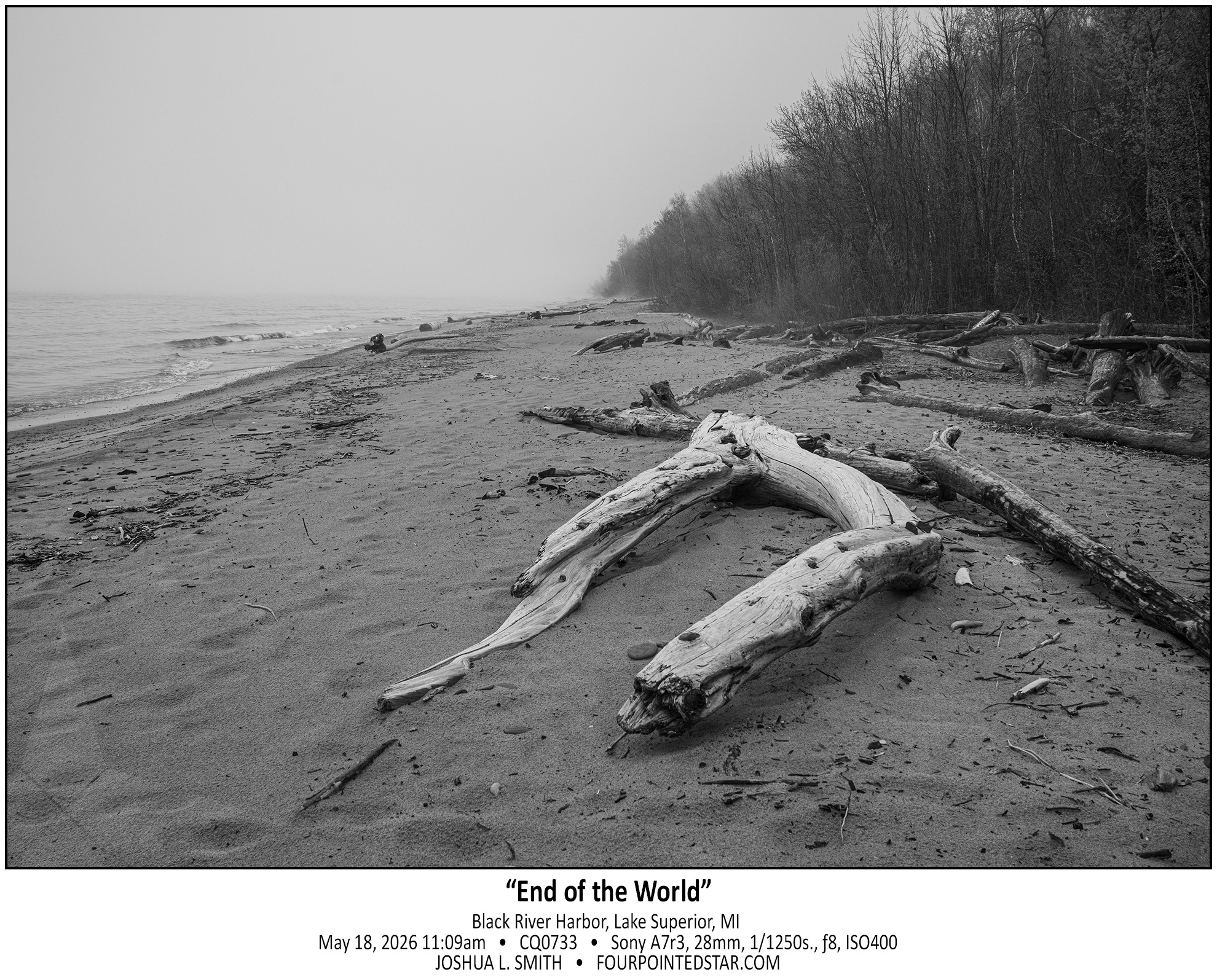
As I looked at the images, I realized that each of these images is uncomfortable to me because they make me feel lonely. The abandoned ski lift in the fog, Lake Superior that disappears into the fog, the steel cable, and the cabin all leave me feeling uneasy – and make for good photographs.
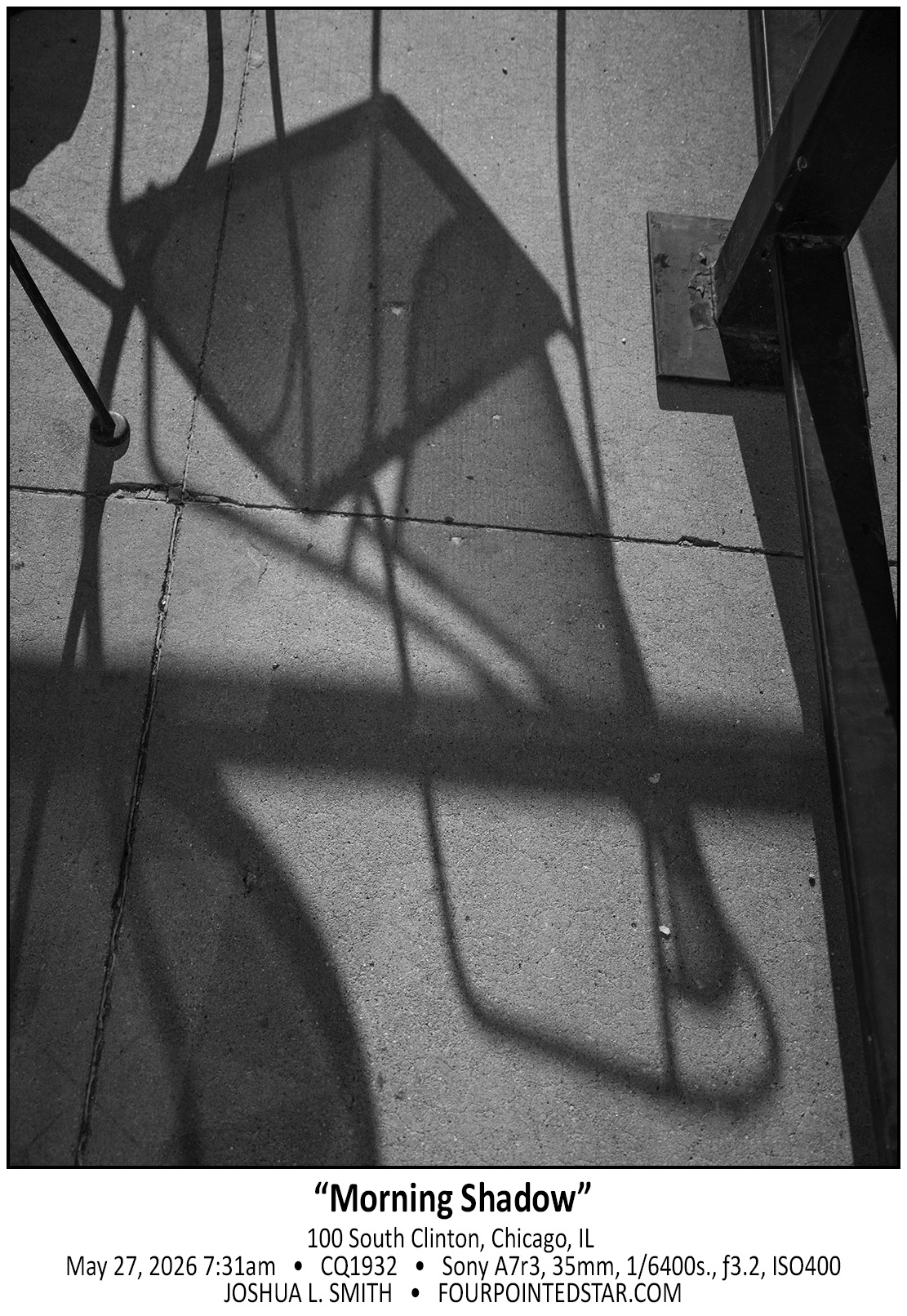
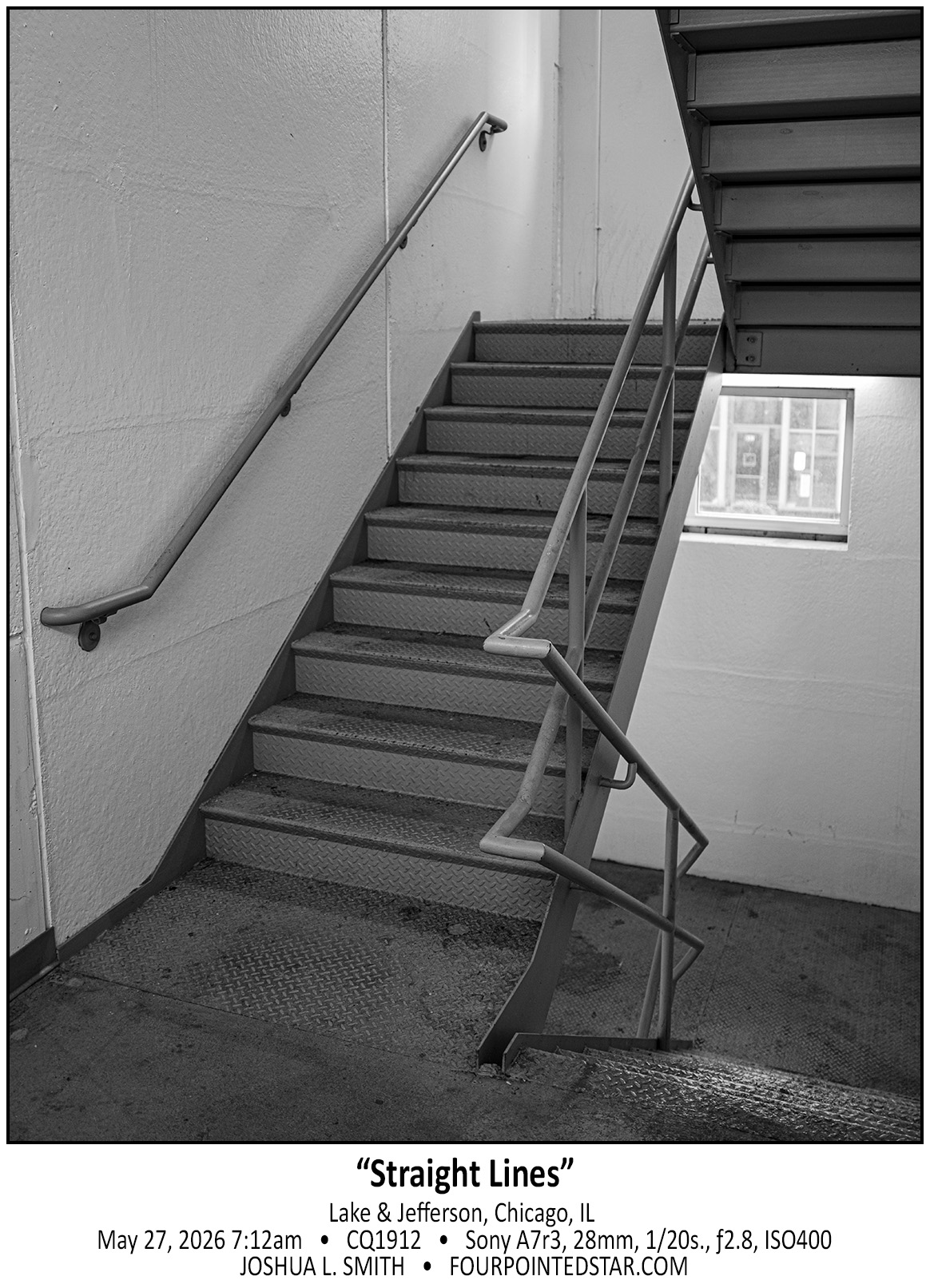
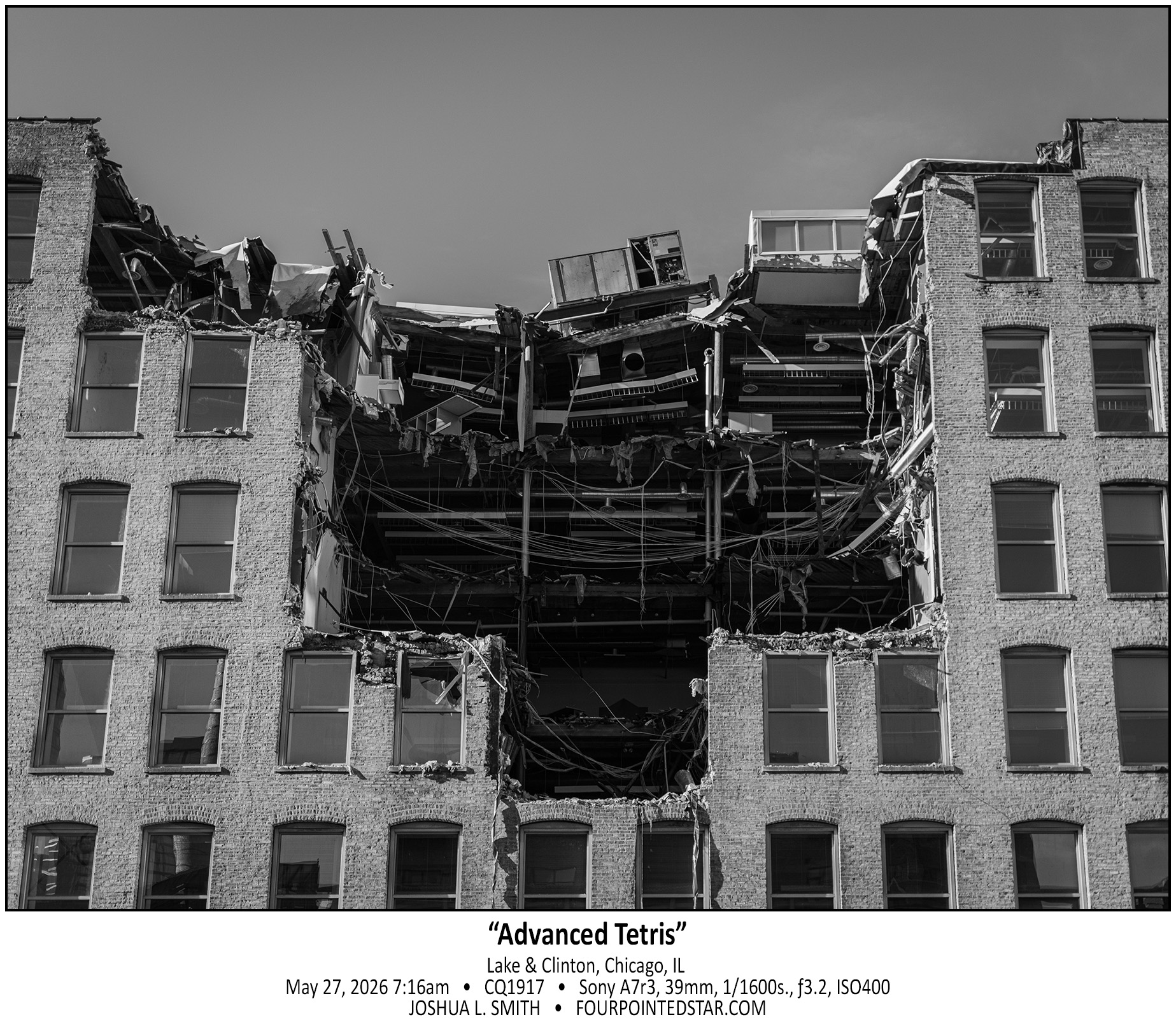
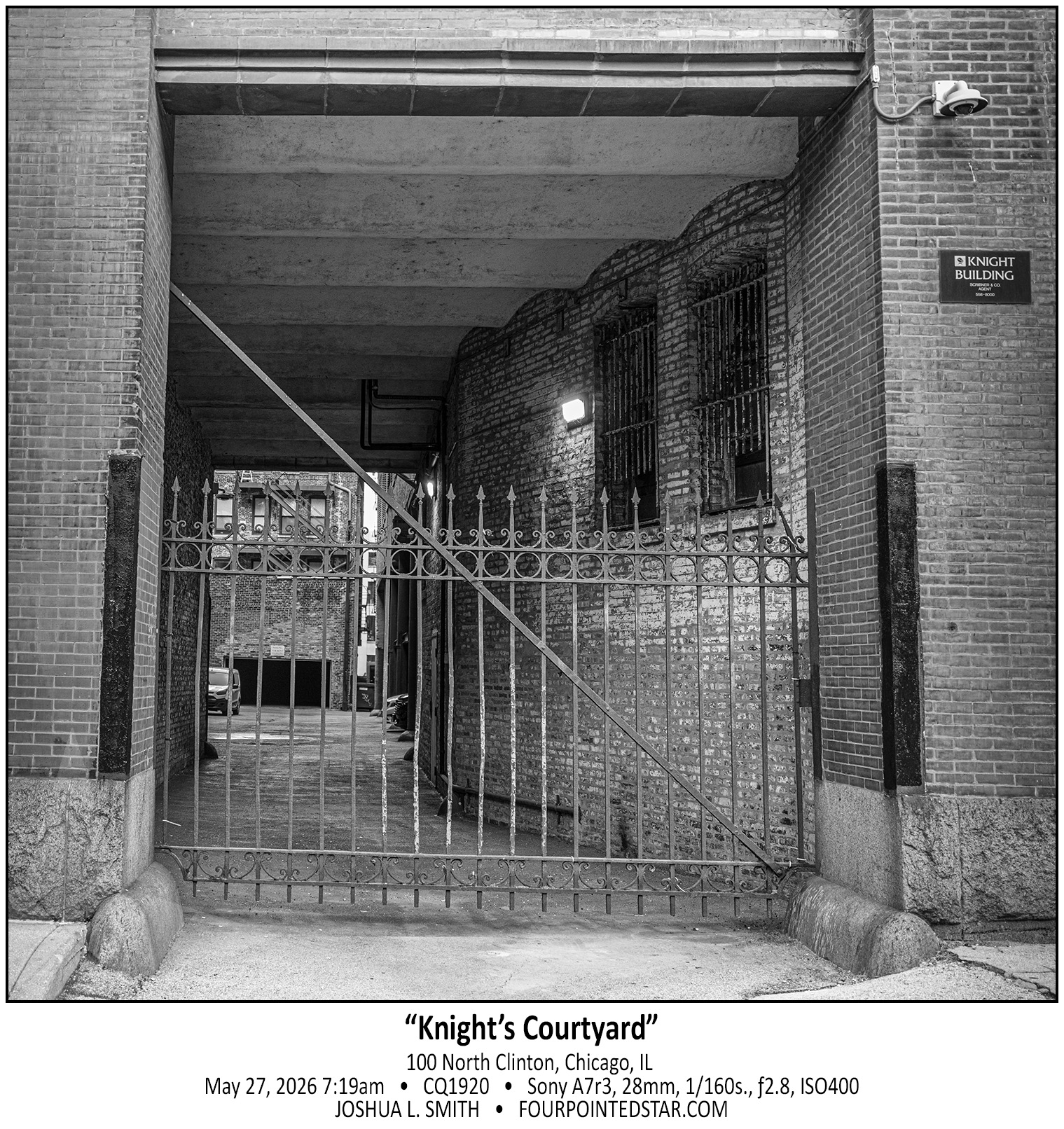
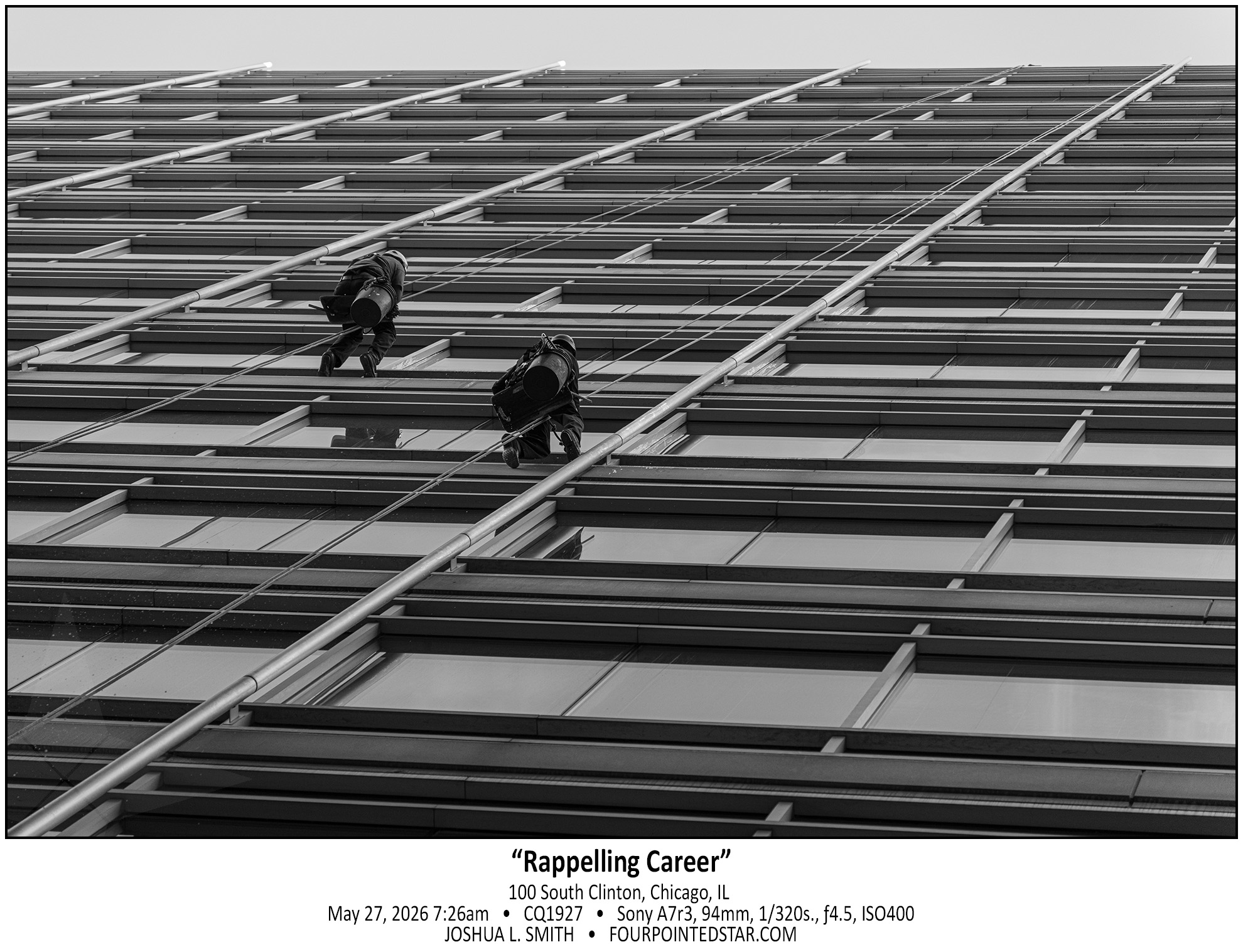
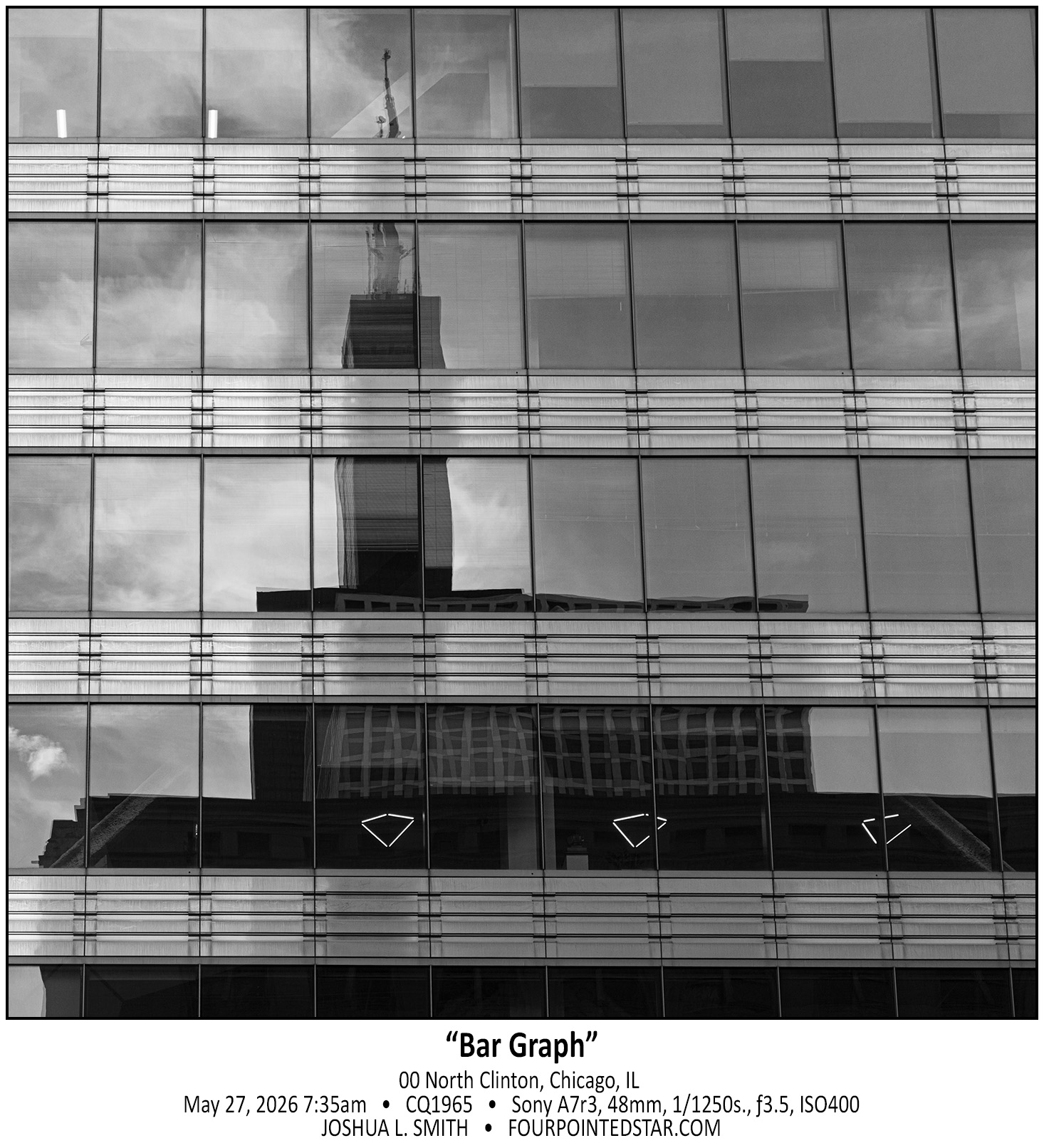
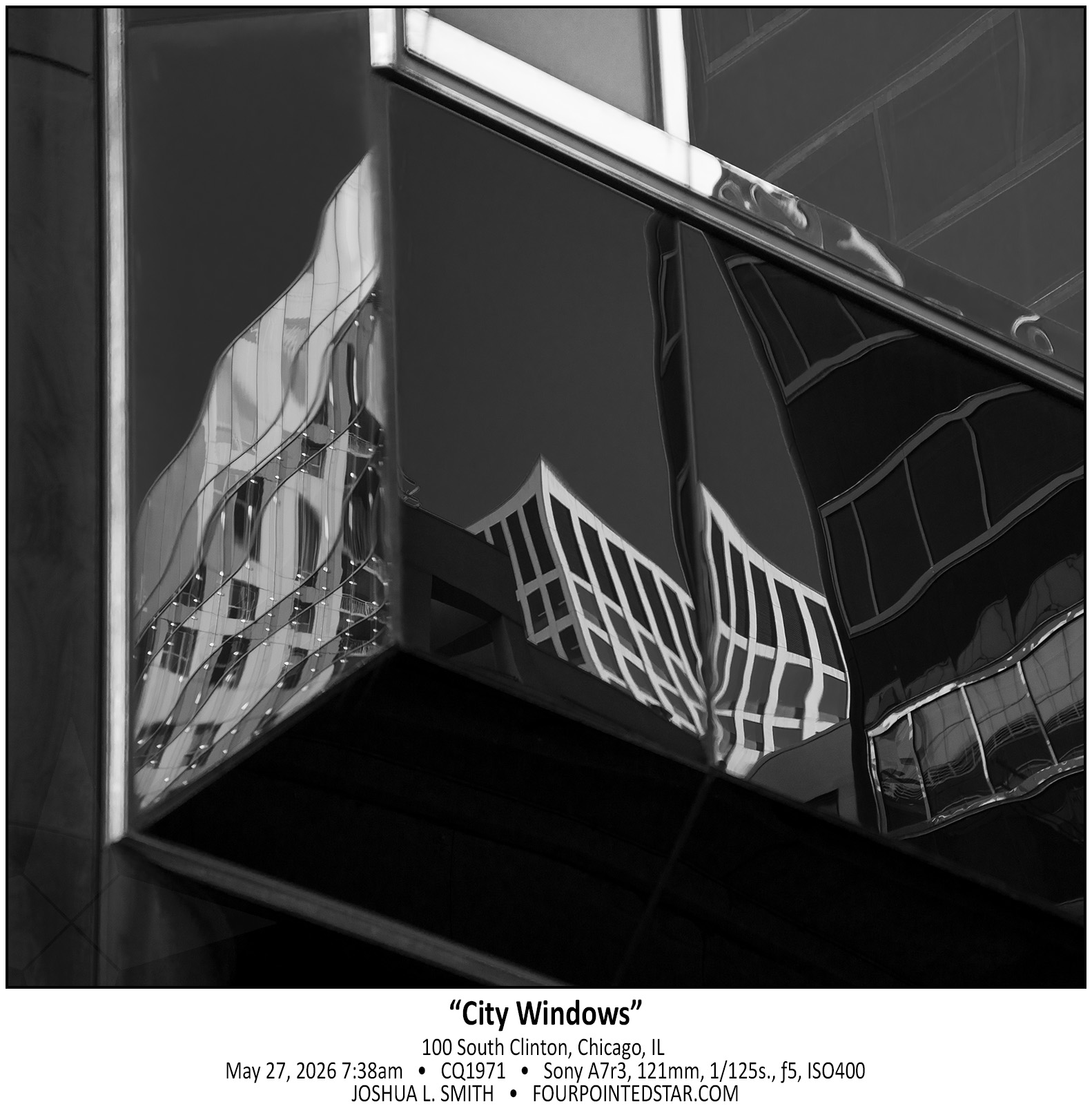
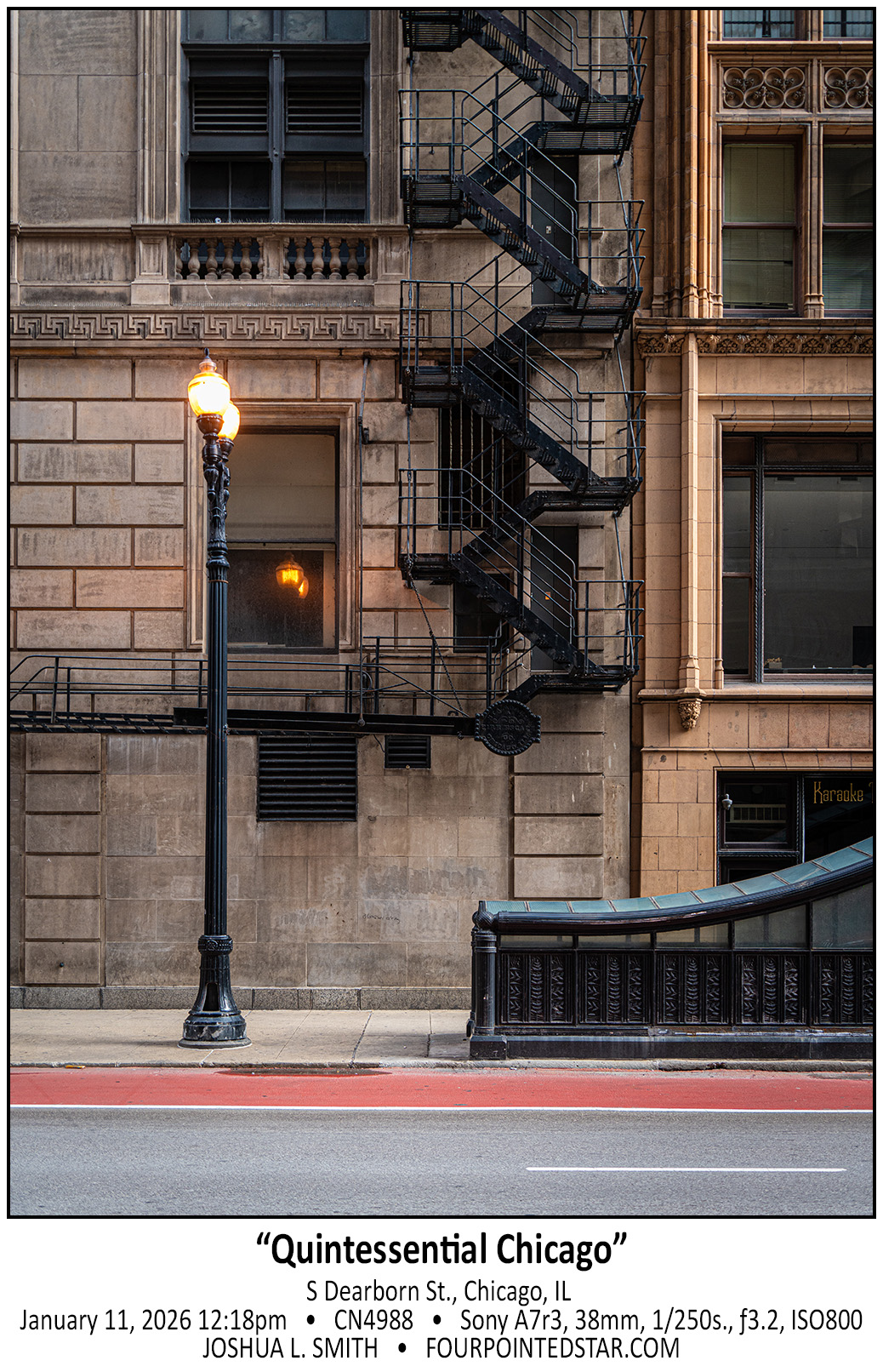
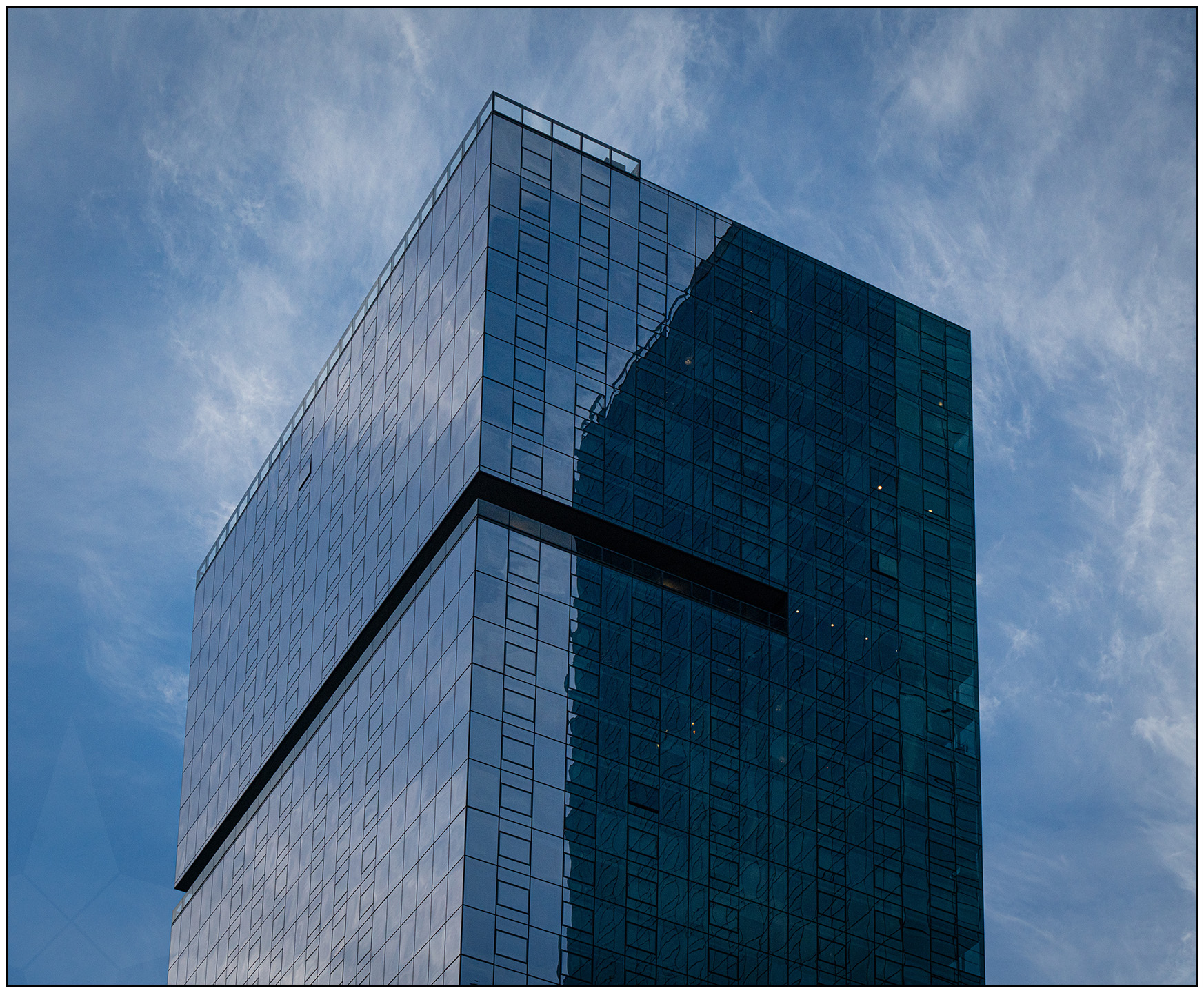
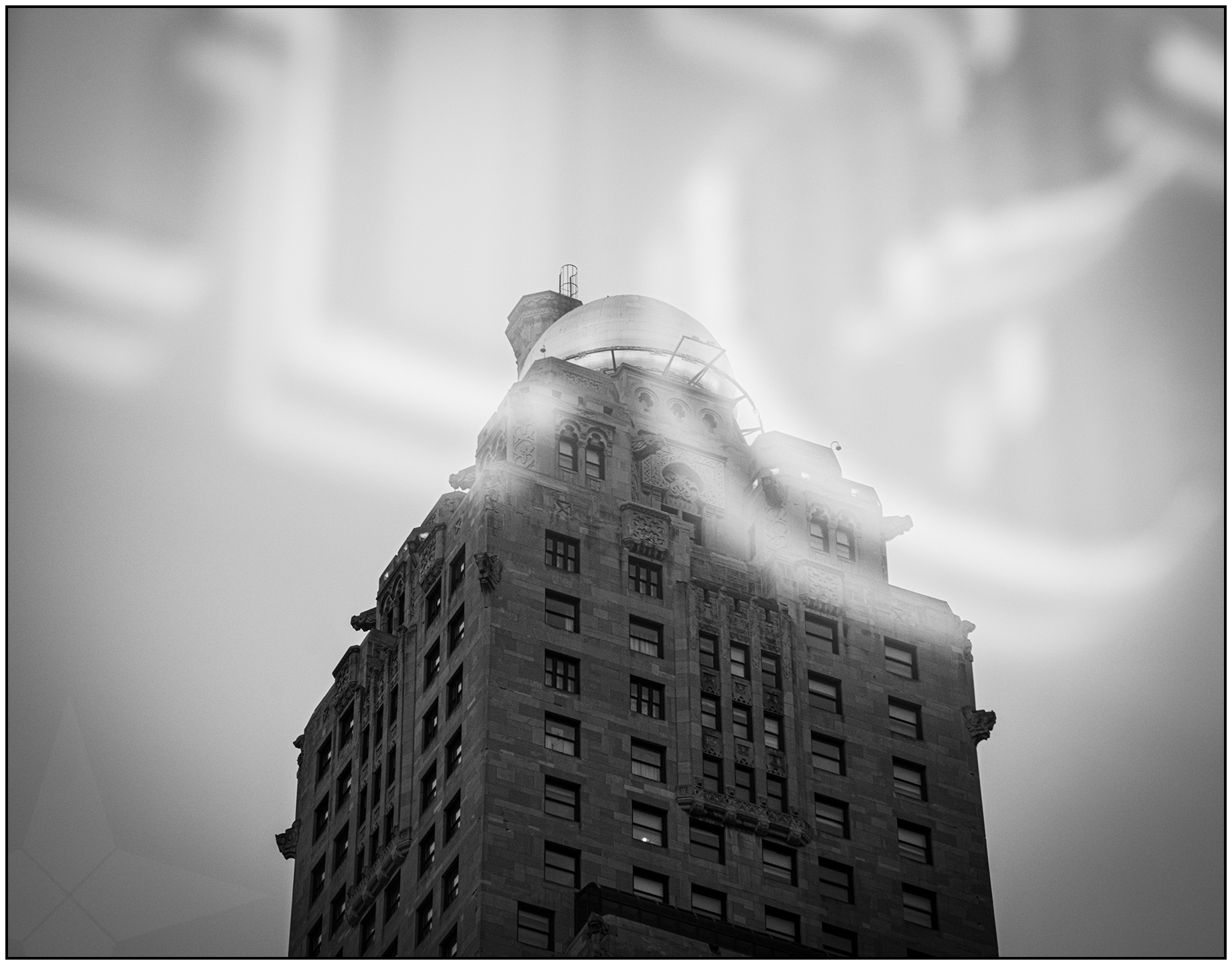
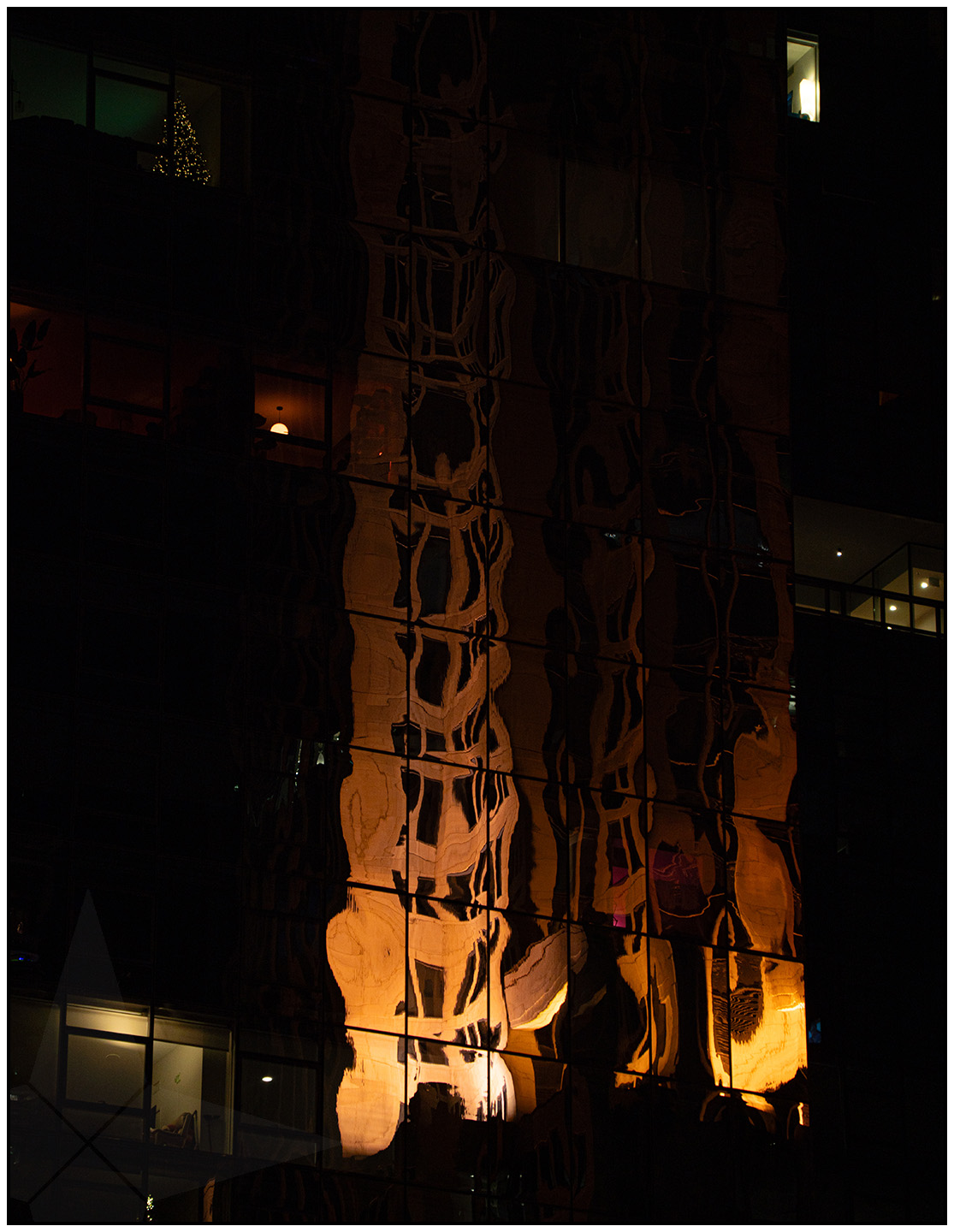
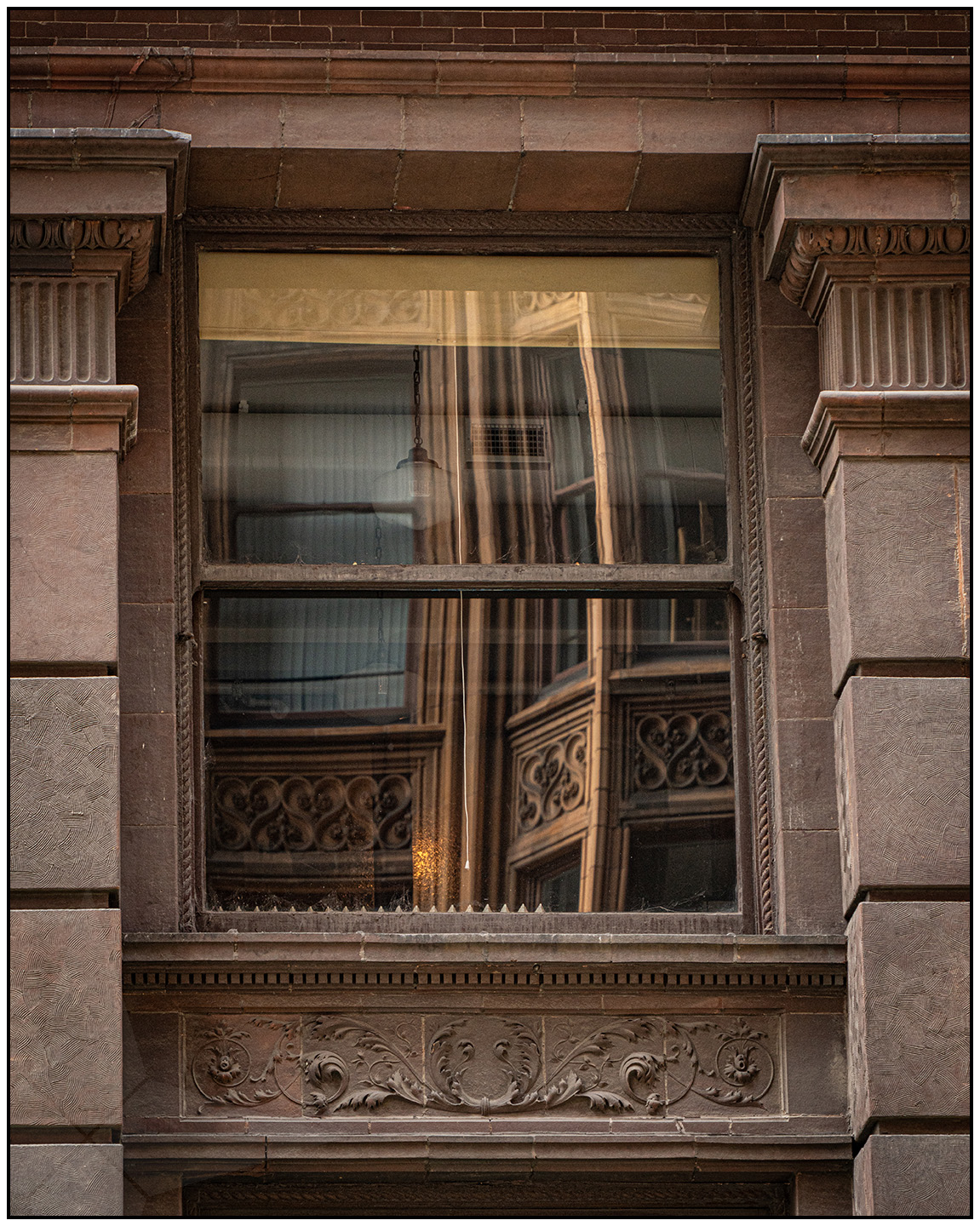
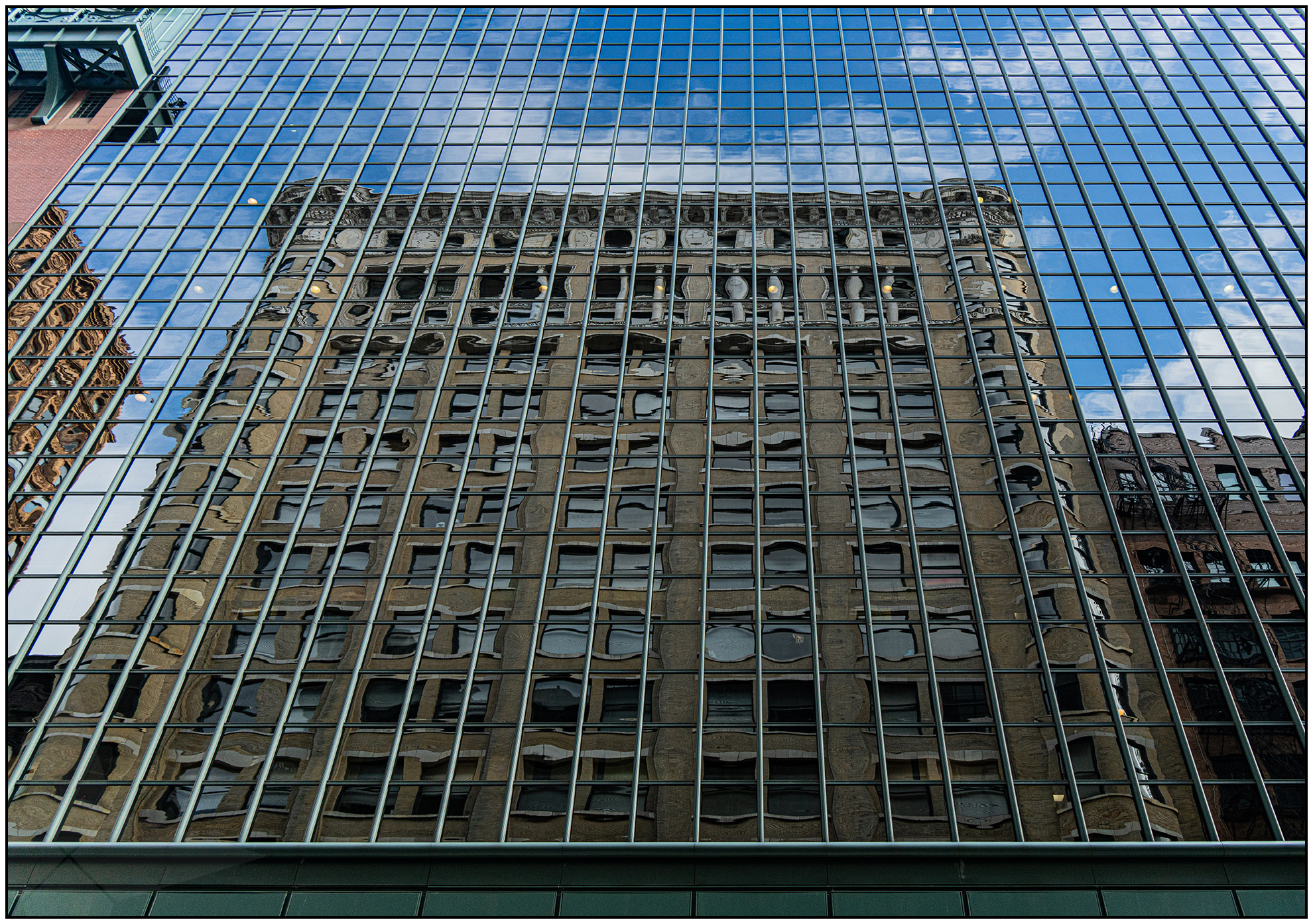
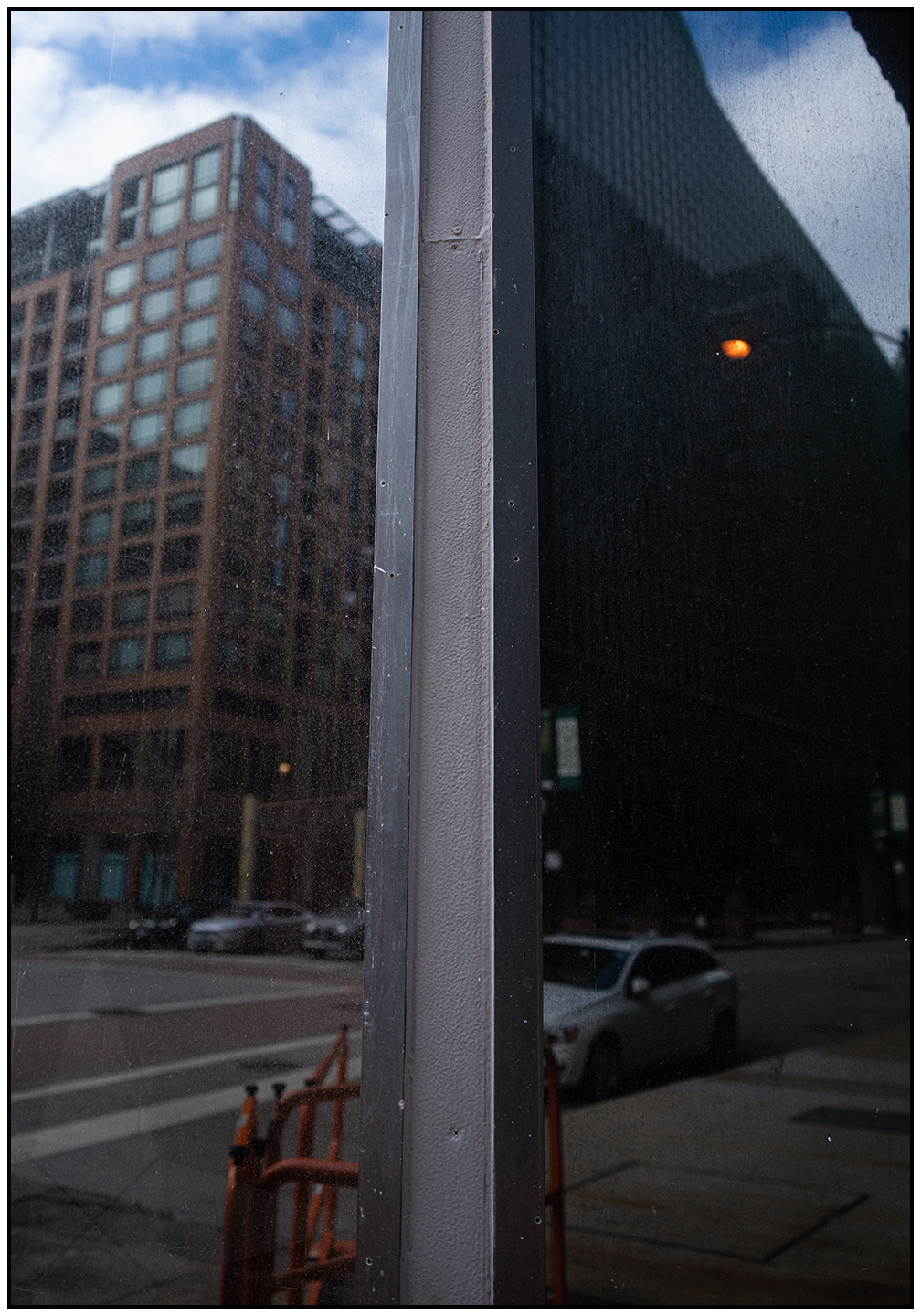
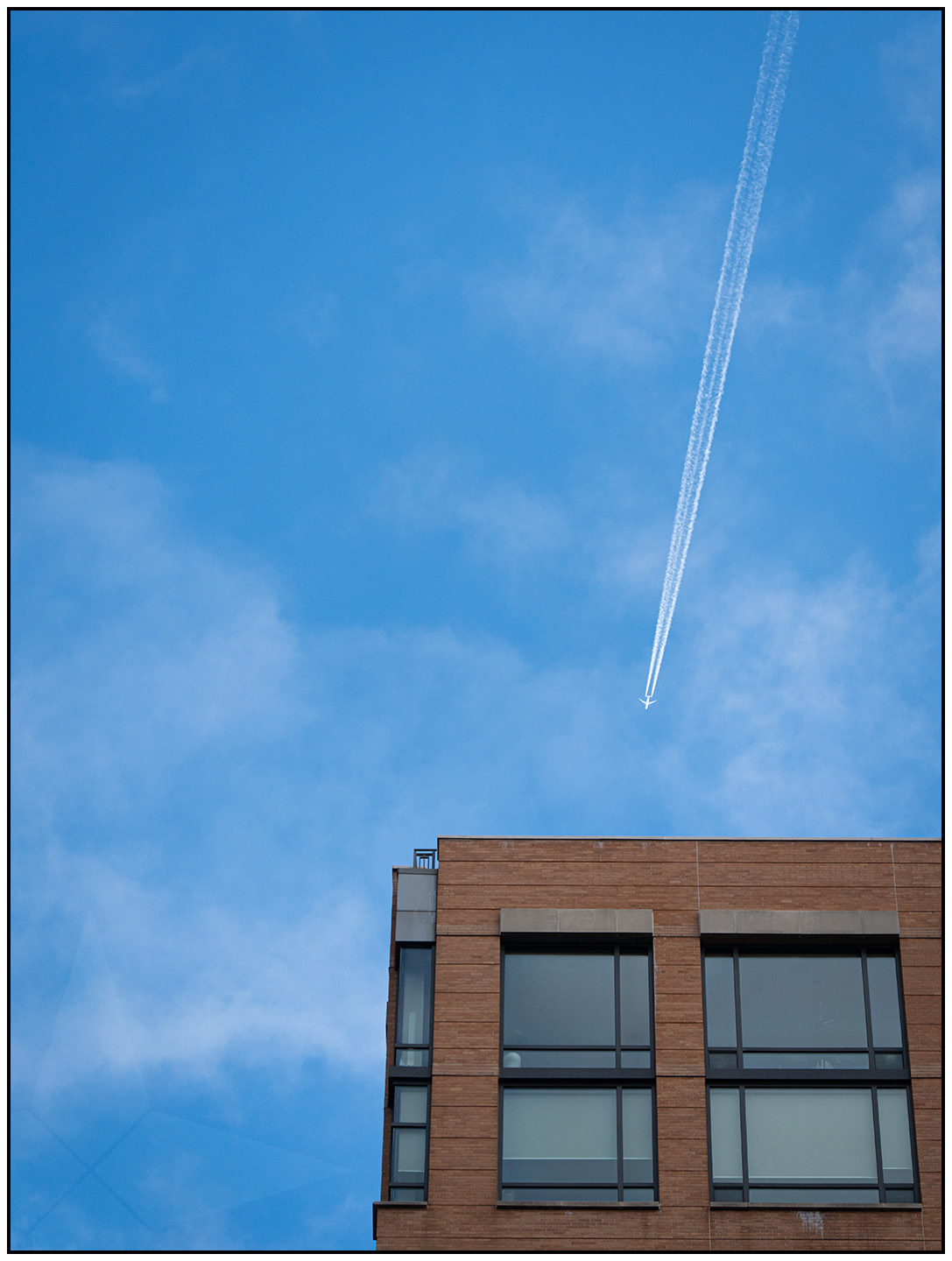
I love that I have clients in downtown Chicago, it gives me an excuse to walk around in the city a few times per year! I needed to be at the client at 8am, but that means either leaving early or sitting in traffic. So I chose leaving early, parking, and then walking around for 45 minutes to take photos, which is the perfect start to my day!
.
.
.
.
.
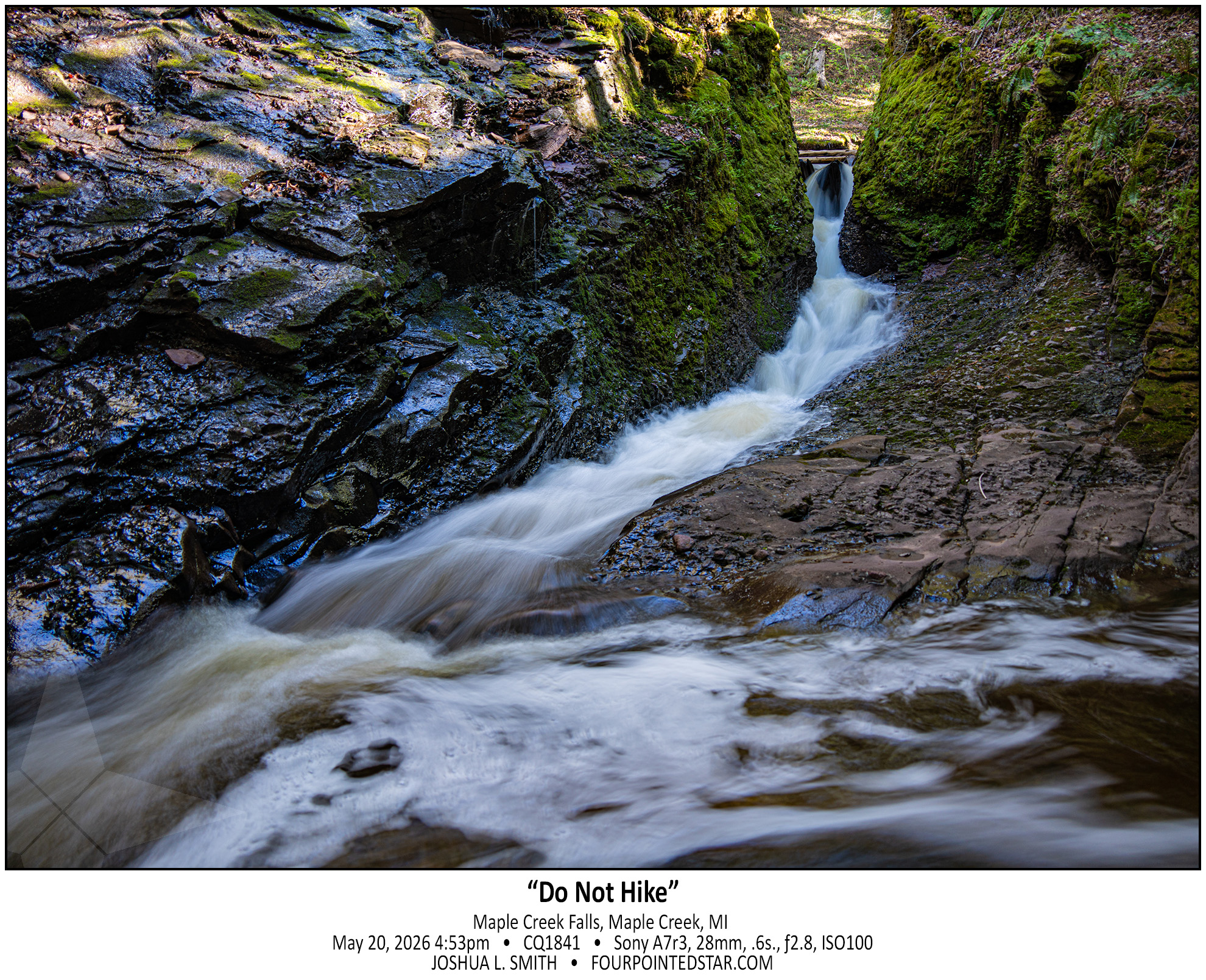
See, the problem with guidebooks is that you don’t know how up to date the information is in the years since the book was published. Maple Creek Falls DEFINITELY needs an update in the guide books; the two descriptions that I saw both describe driving up to the bridge over Maple Creek. That trail (road is way too generous) is gated off about 1.5 miles and the trail is a dead end right after the bridge.
So I walked in; the sign only said “no ATVs”. Once you get to the bridge, that’s when it gets fun. There is only muddy walls and rock faces; I suppose that you could use a rope to gain access to the stream, but I have to imagine that one land-of-questionable-ownership, repelling into a creek is also questionable.
So I crawled/walked/slid down what appeared to be a path; looks can be deceiving. The path gave way about 10 feet above the bottom, and I mostly slid the rest of the way down. The guide books said “you can hike along the creek bed”, but it’s not quite a safe walk either. And with no one with me and not a shred of cell phone coverage either… it was far too risky. So up the sliding pathway I needed to traverse; about 35 feet up a 60 or 70 degree slope in mud on slate rocks with barely a root to hold onto.
I made it back up, and I definitely want to go back … there’s supposedly six to eight more falls. And don’t let the photo deceive you; that slot canyon that the water is using as a creek bed is about 2 feet wide, super steep, and maybe 30 feet long with a 15 foot rise. It is not for beginners, which is why I need to go back.
(go read O Kun de Kun Falls…)
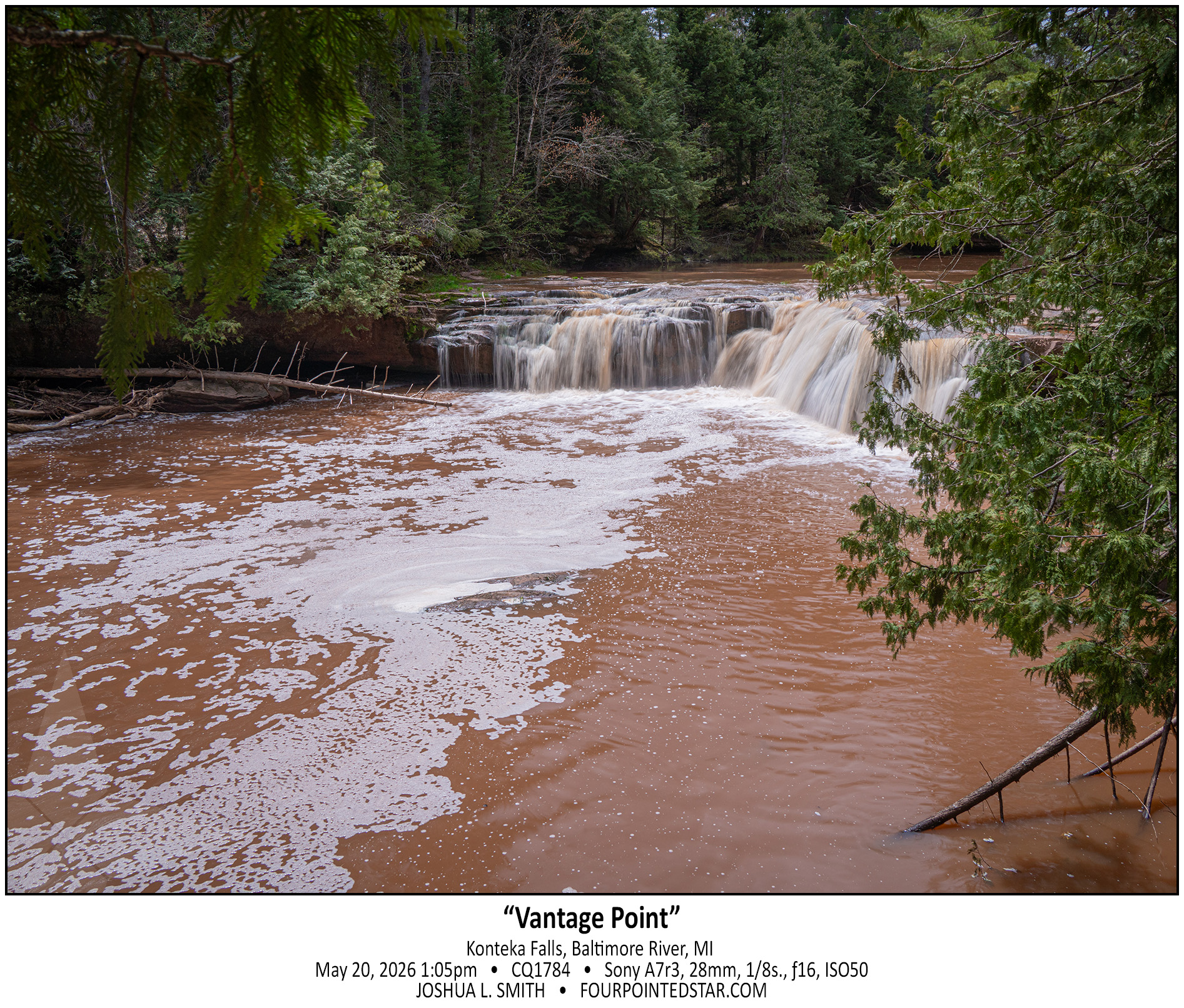
But Konteka Falls has no great vantage point, no easy lookout, and there’s not even a spot to see the entire falls from anywhere downstream. On the west side, the trail side, there’s an eight or ten foot drop-off from footpath to the river. Perhaps you could get a drone in there, or there’s a spot on the path downstream that you could enter and walk upstream, but overall, there’s only 1 vantage point to see the falls.
And I think that makes the falls even more fun…
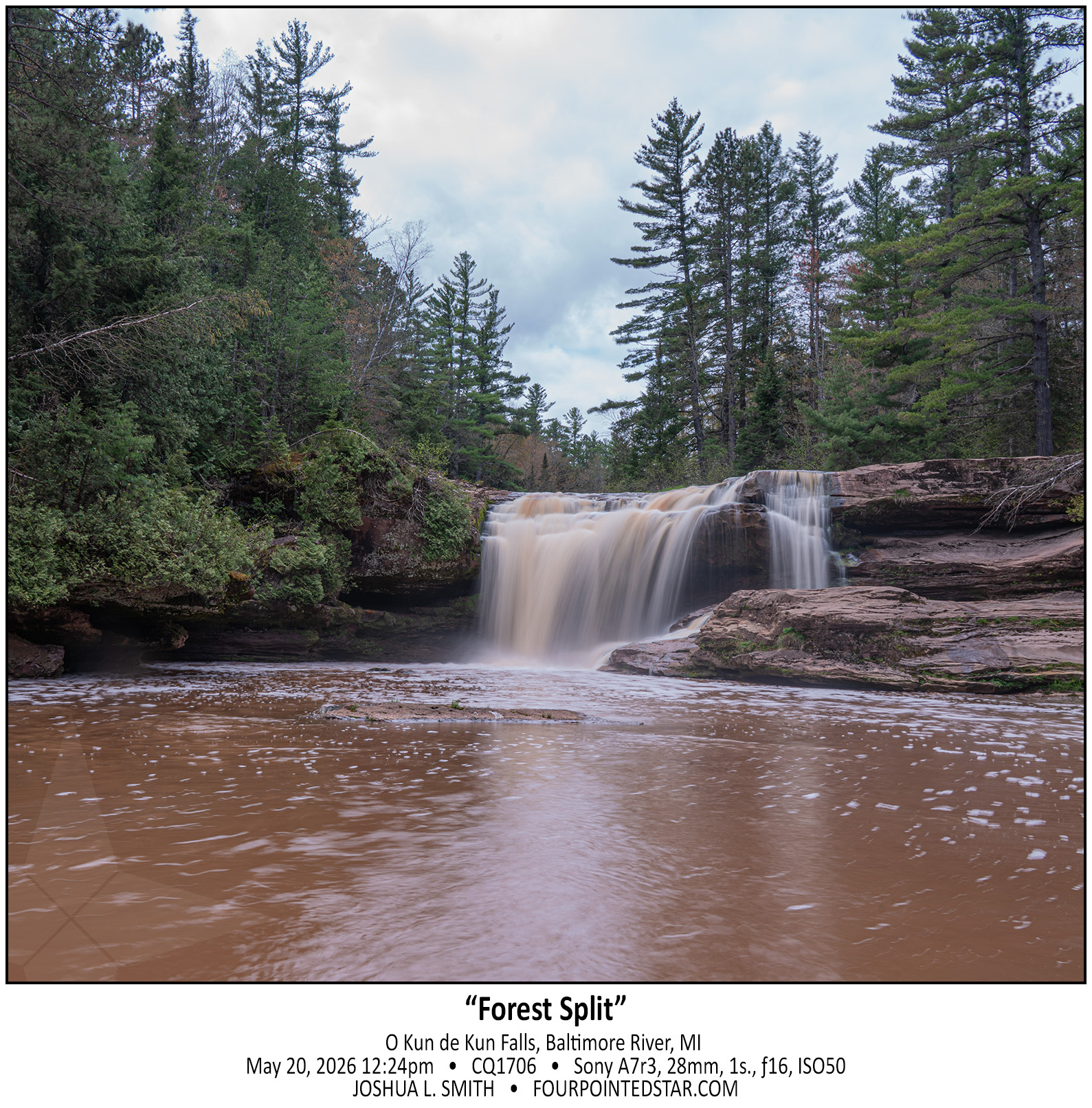
O Kun de Kun Falls is the obvious star of the hike, a narrow 1.3 mile path through dense forest. But right before you get to the falls, you encounter a fork in the trail to Konteka Falls. O Kun de Kun Falls has relatively easy paths to see the falls from various angles, and it even has a foot bridge over the river just downstream. It’s honestly a very pretty waterfall…
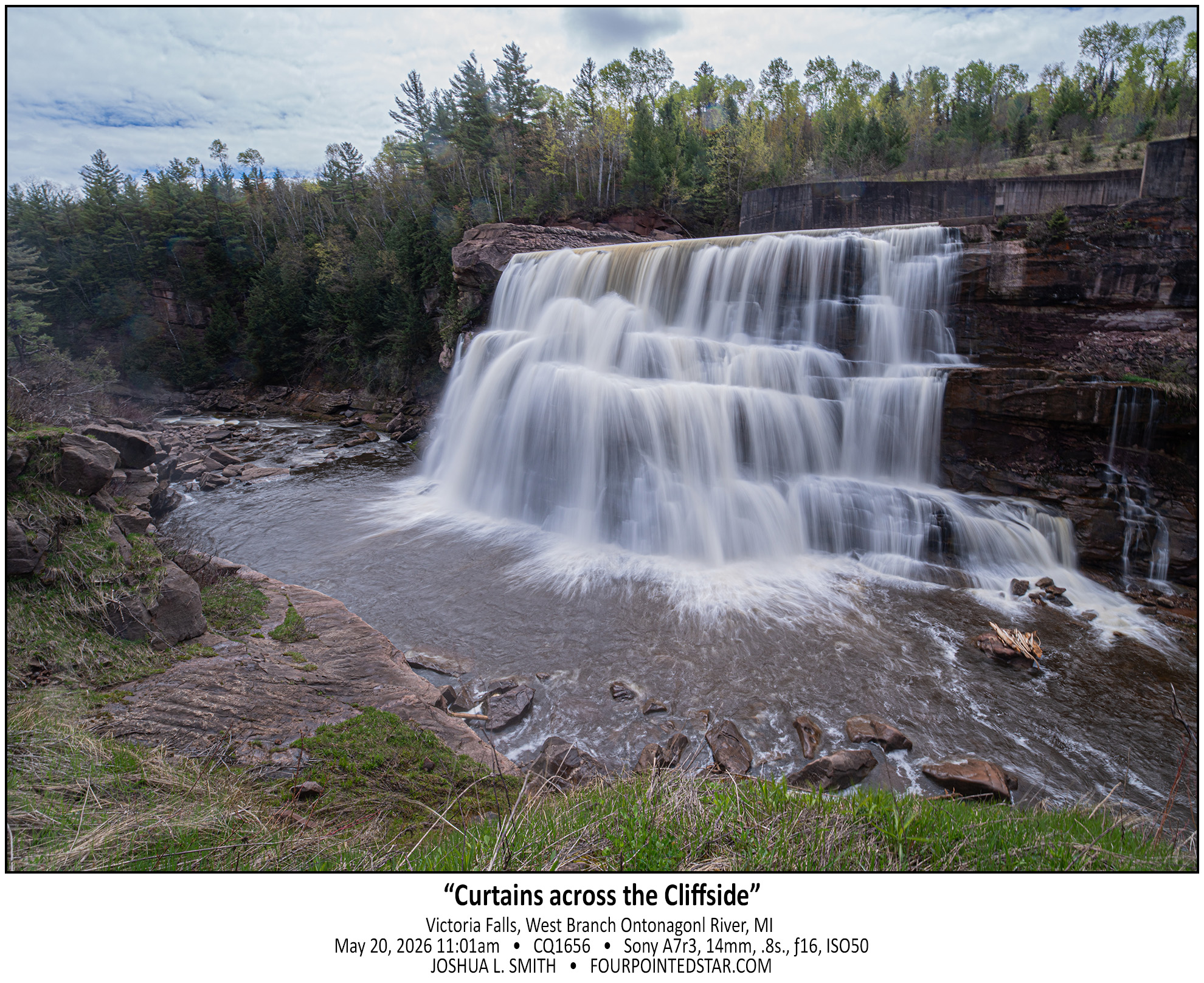
Victoria Falls is DEFINITELY a waterfall, but also definitely artificial. If you look at a satellite view, you can see the concrete base to the spillway that leads to the falls, and if you look at my photo you can see the concrete wall for the spillway. Also quite a few people online have mentioned that Victoria is often dry; obviously not when we visited!
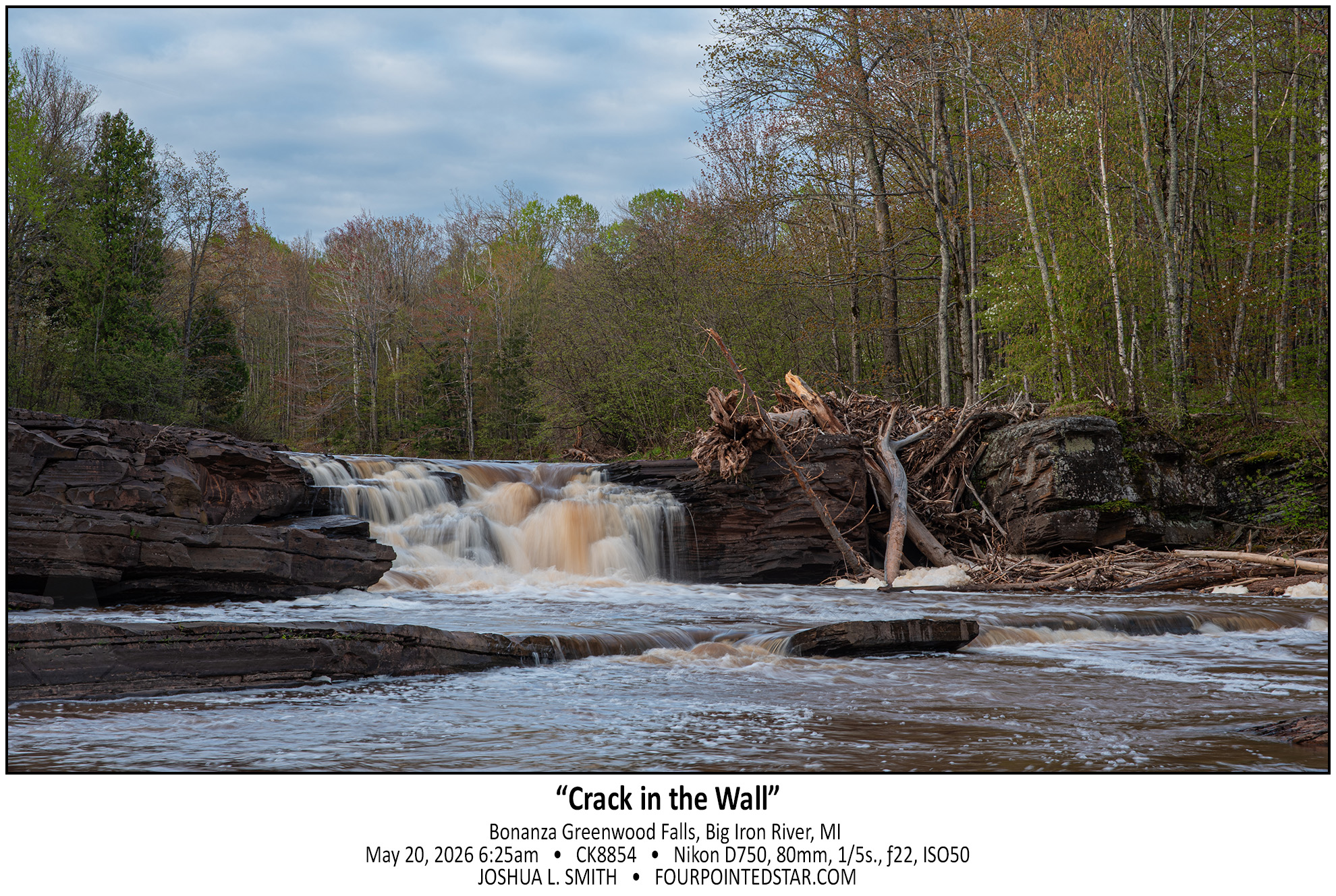
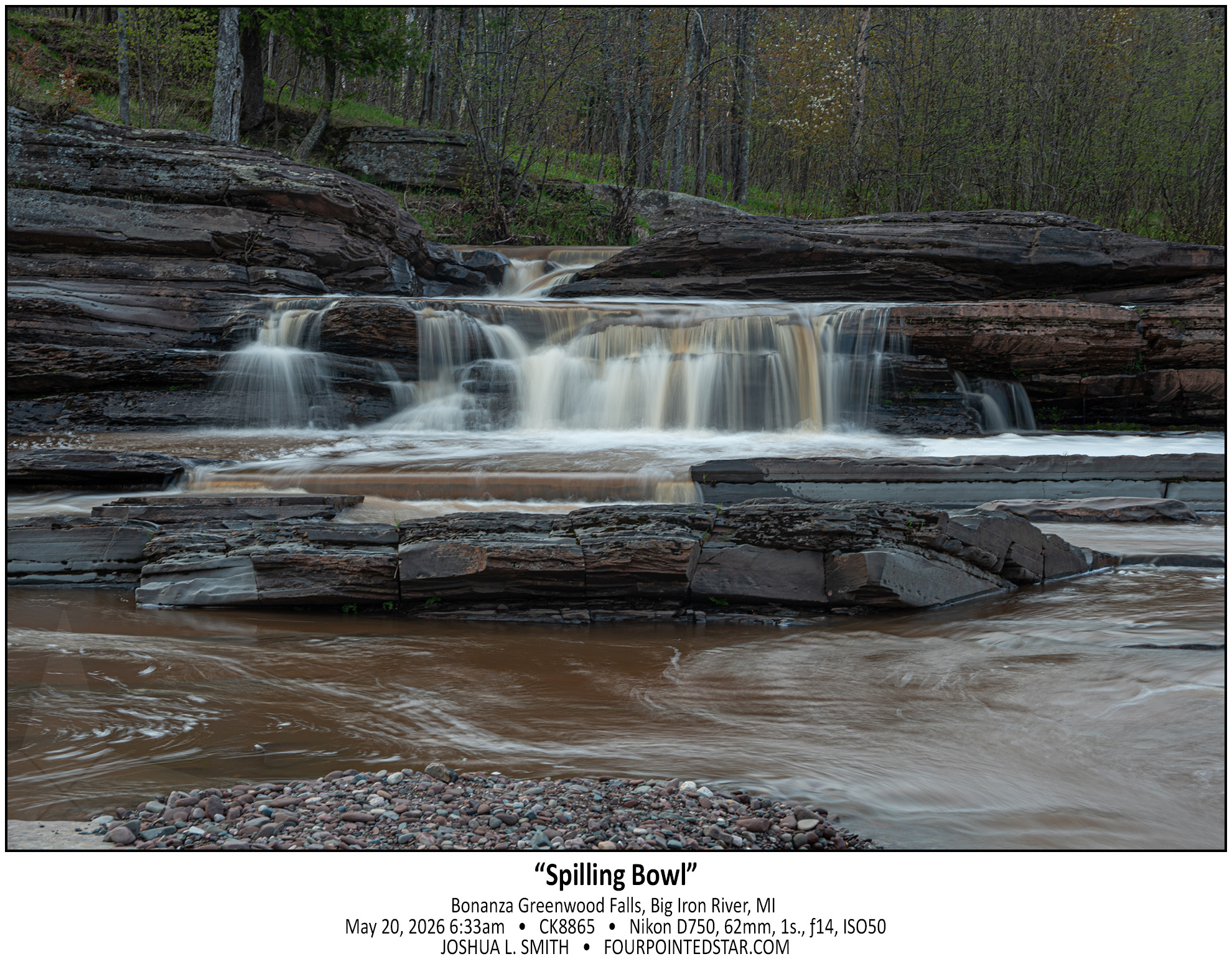
I saw the tag for Bonanza Falls on Google Maps, and it was literally 500 feet off the highway we were on, so it was an easy stop. I’ve seen photos of the falls covering the entire width of the river, but on the morning we stopped by it was only running on the far left and far right.
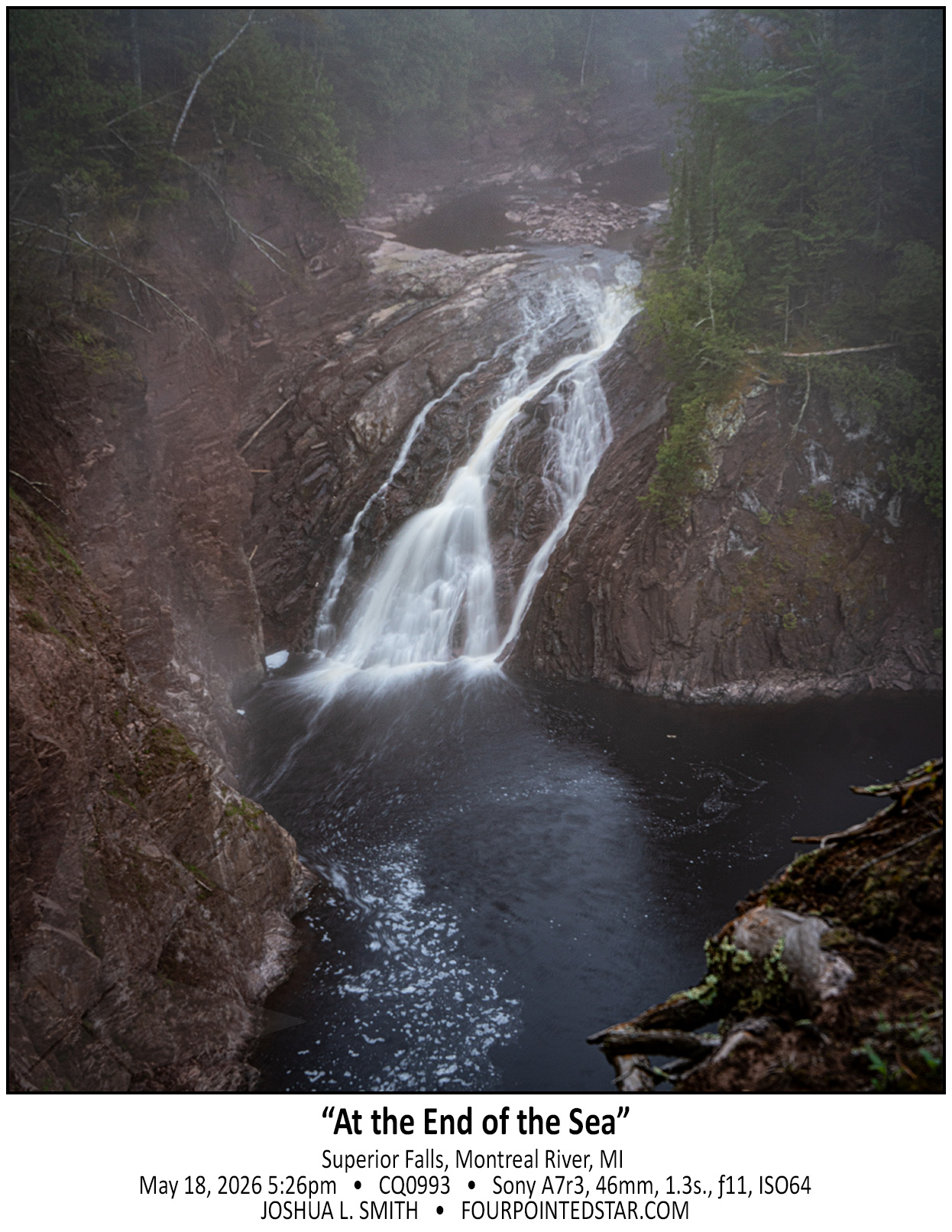
As we approached the Lake Superior coast, a dense fog set in. When we parked near Superior Falls, the fog hung heavy over the falls; from our vantage point, the view was uncomfortable … it felt like we were 90 feet in the air standing on the edge of a precipice as the fog undulated covering and revealing the river and falls.
Have you ever started a project and realized halfway through that … maybe this wasn’t a great idea … but inside you know that you’ll finish it?
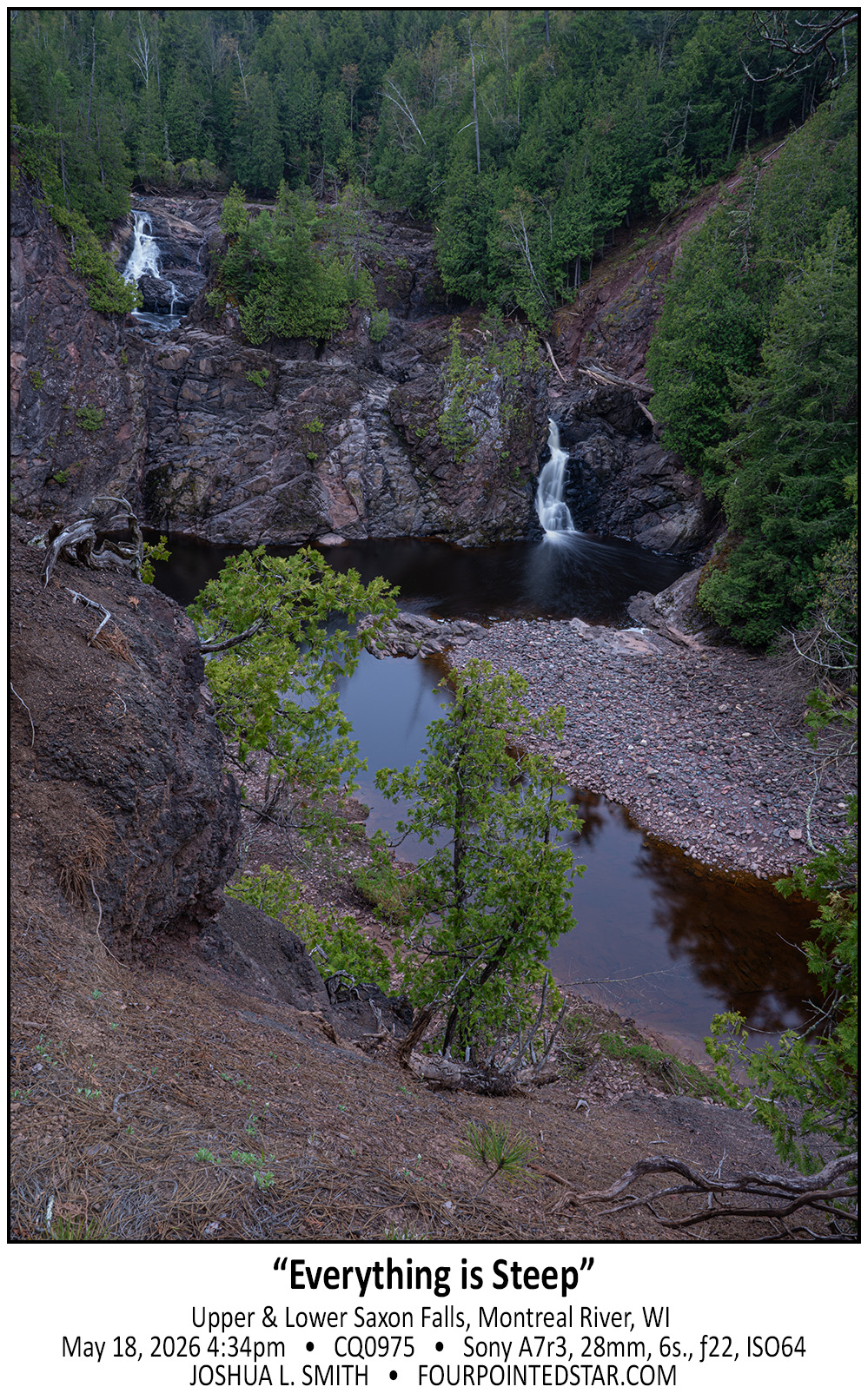
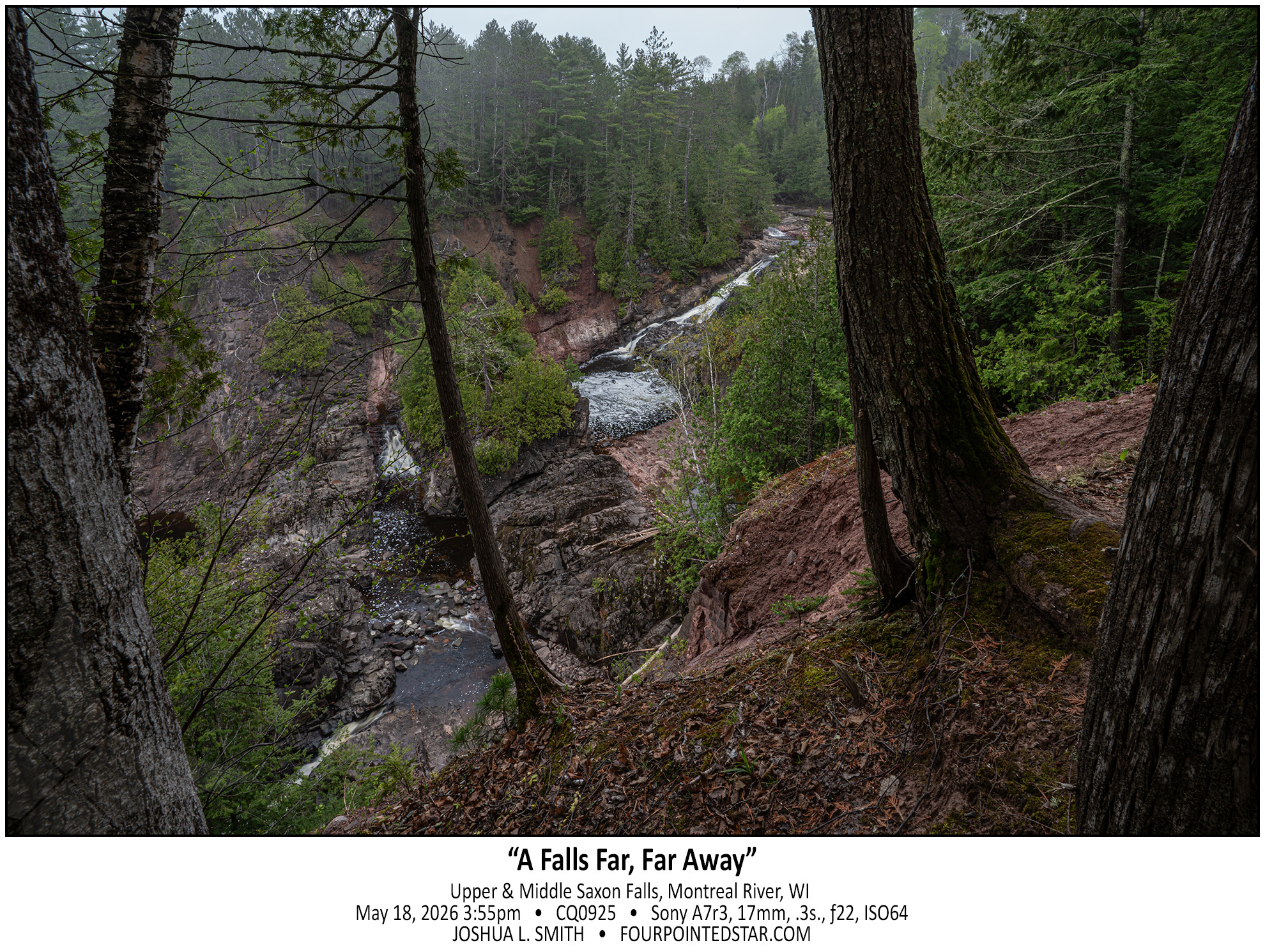
I bought a waterfall book and the directions to the Michigan side of Saxon Falls were outdated; there was now a barbed wire fence along the path indicated by the book. But if you view Saxon falls from the Wisconsin side, you can’t see anything but the top 5 feet of the lower falls (second photo)… so I was determined, and we found a way to get a wonderful view of Lower Saxon Falls.
However, from this alternate location, you can’t see the middle falls which is implied in the first photo by the elevation change between the upper and lower falls.
Anyway, if you choose to hike to see the view of Saxon Falls from the Michigan side, you may end up with a bit more of a scary hike then you’d planned and gather a half dozen ticks in the process.


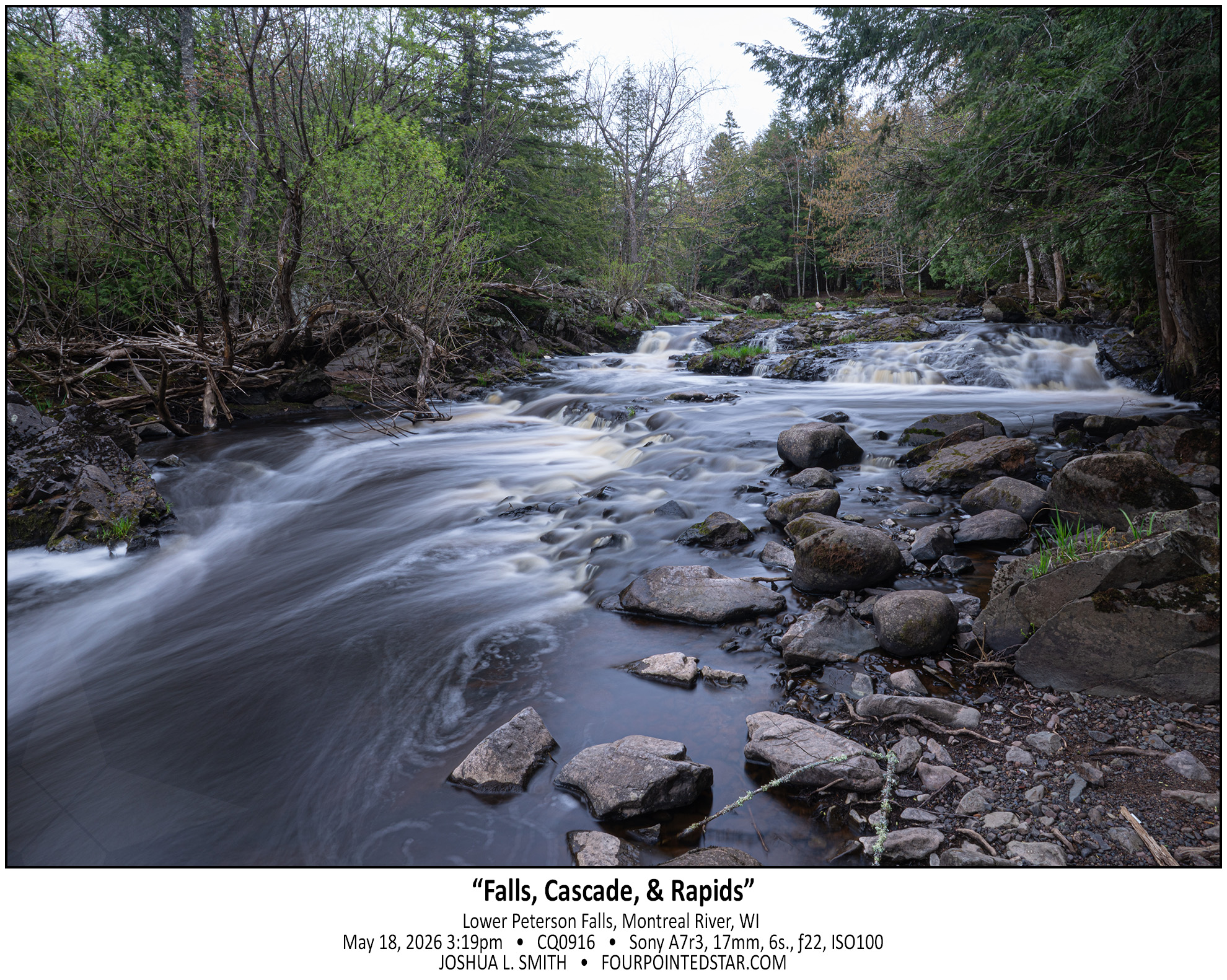
When people ask, I tell them that I “collect waterfalls”.
I guess that it could be more accurate to say that I visit waterfalls; after all, I rarely stay at them for any length of time… but I say “collect” since I only count waterfalls where I can take a photo and where the water is running (even if I can only hear the water running, like a recent waterfall in Southern Illinois.)
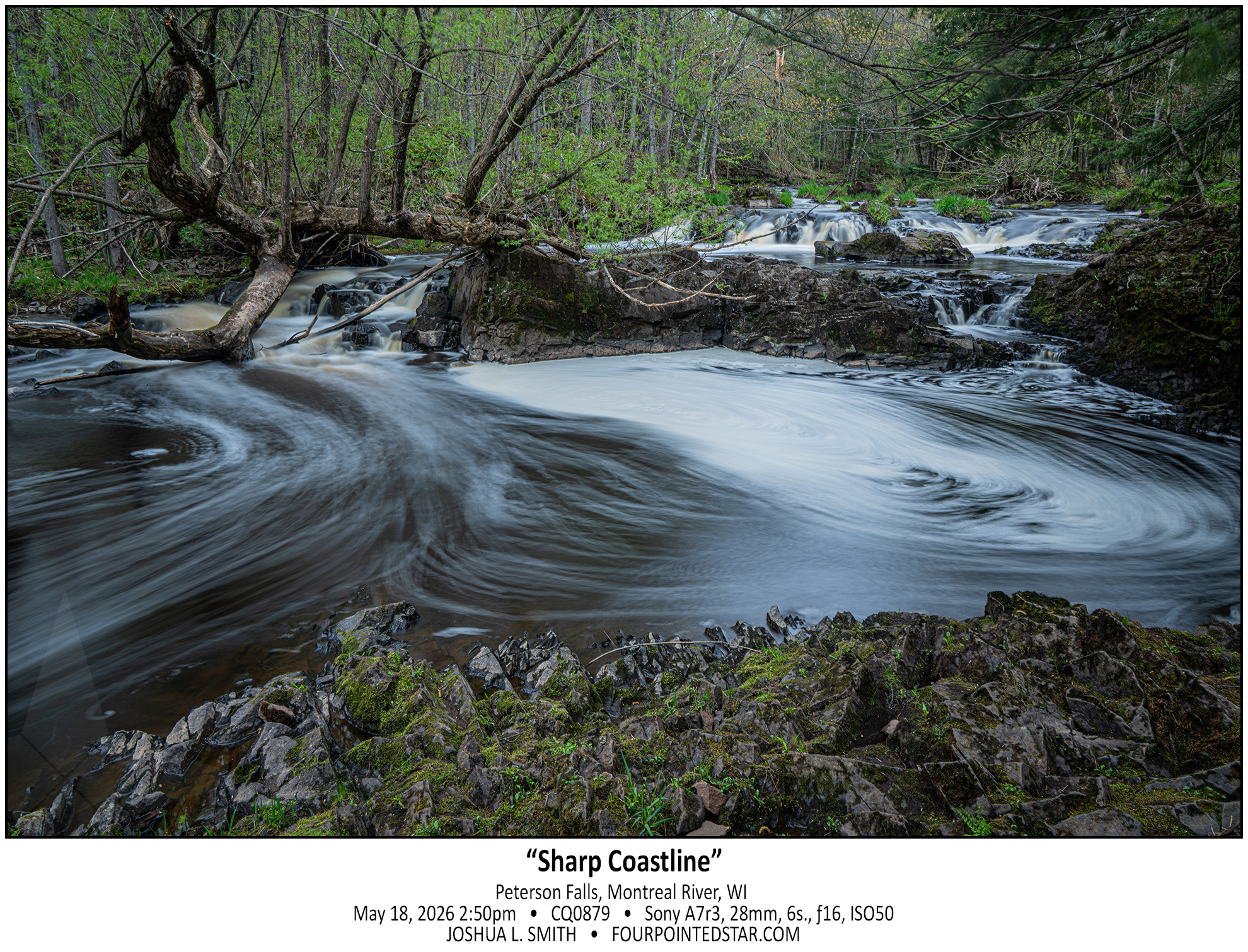
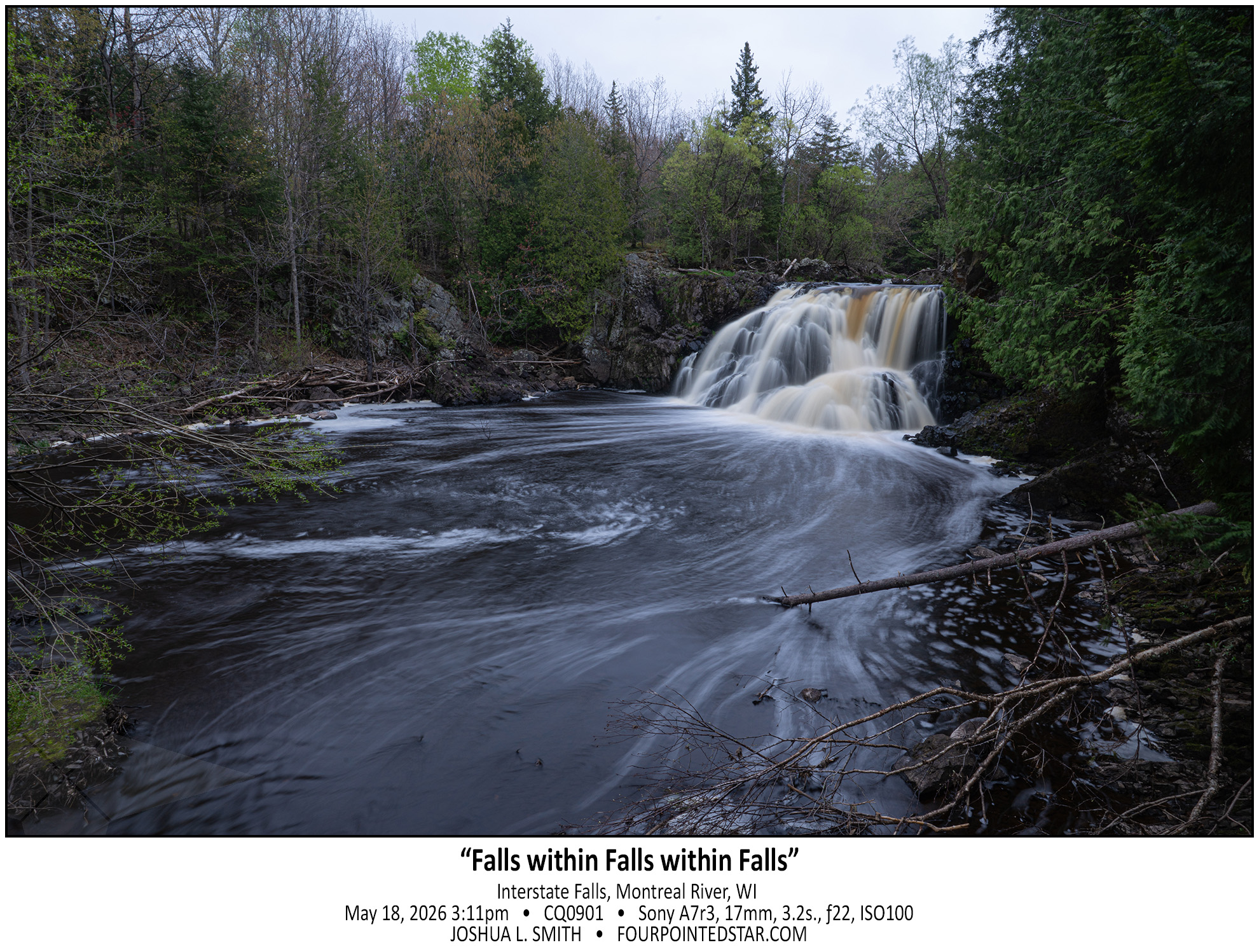
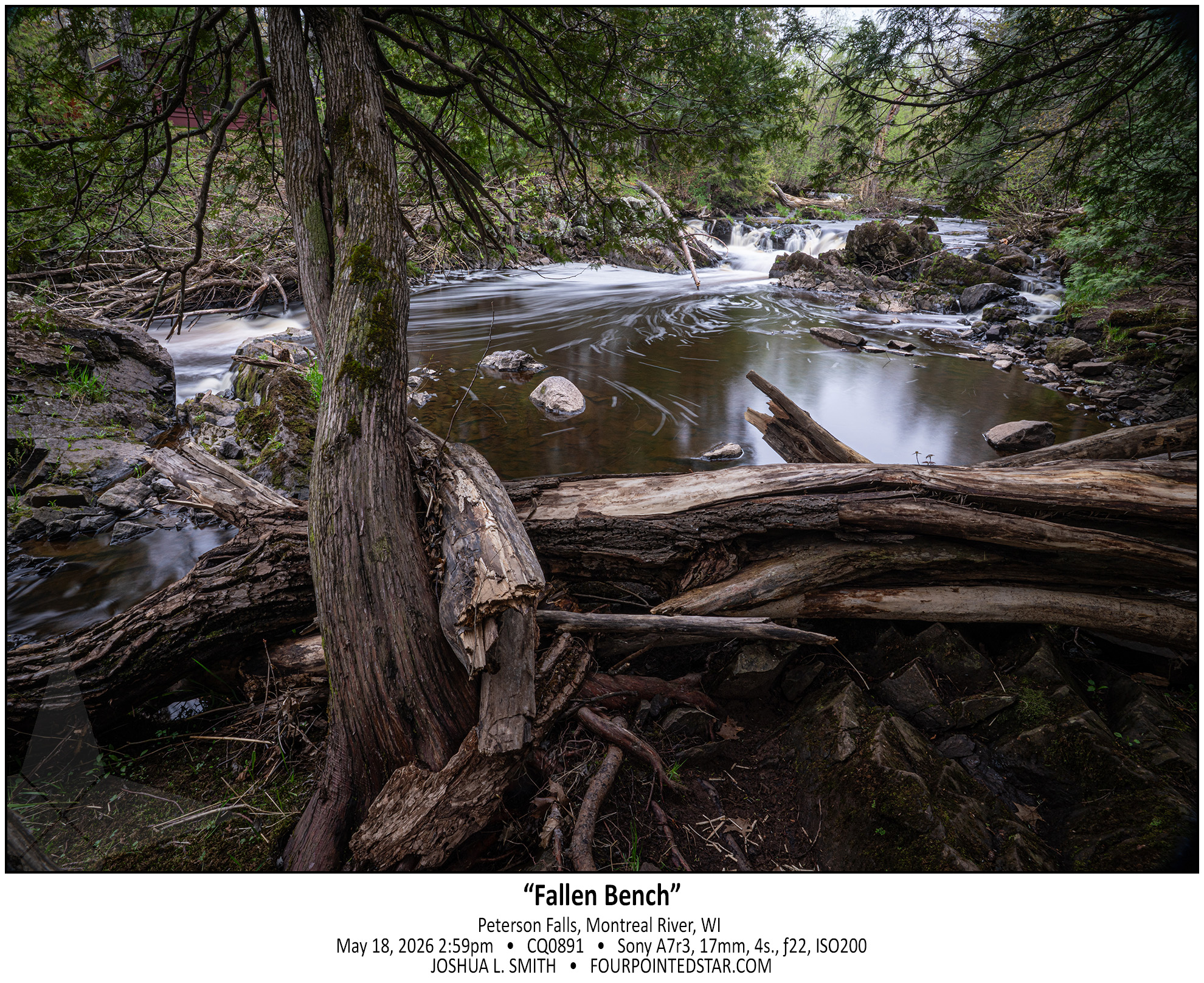
I visited this segment of the Montreal River back in 2022 to see Interstate Falls. As you walk to Interstate Falls, you can hear the water rumbling from Petersen Falls, but if you walk upstream from Interstate Falls, you’ll see this small rapids, cascade, and falls that you miss on the path from Peterson to Interstate.
I absolutely love the look of this photo, and it may well be my second favorite photo from this trip.
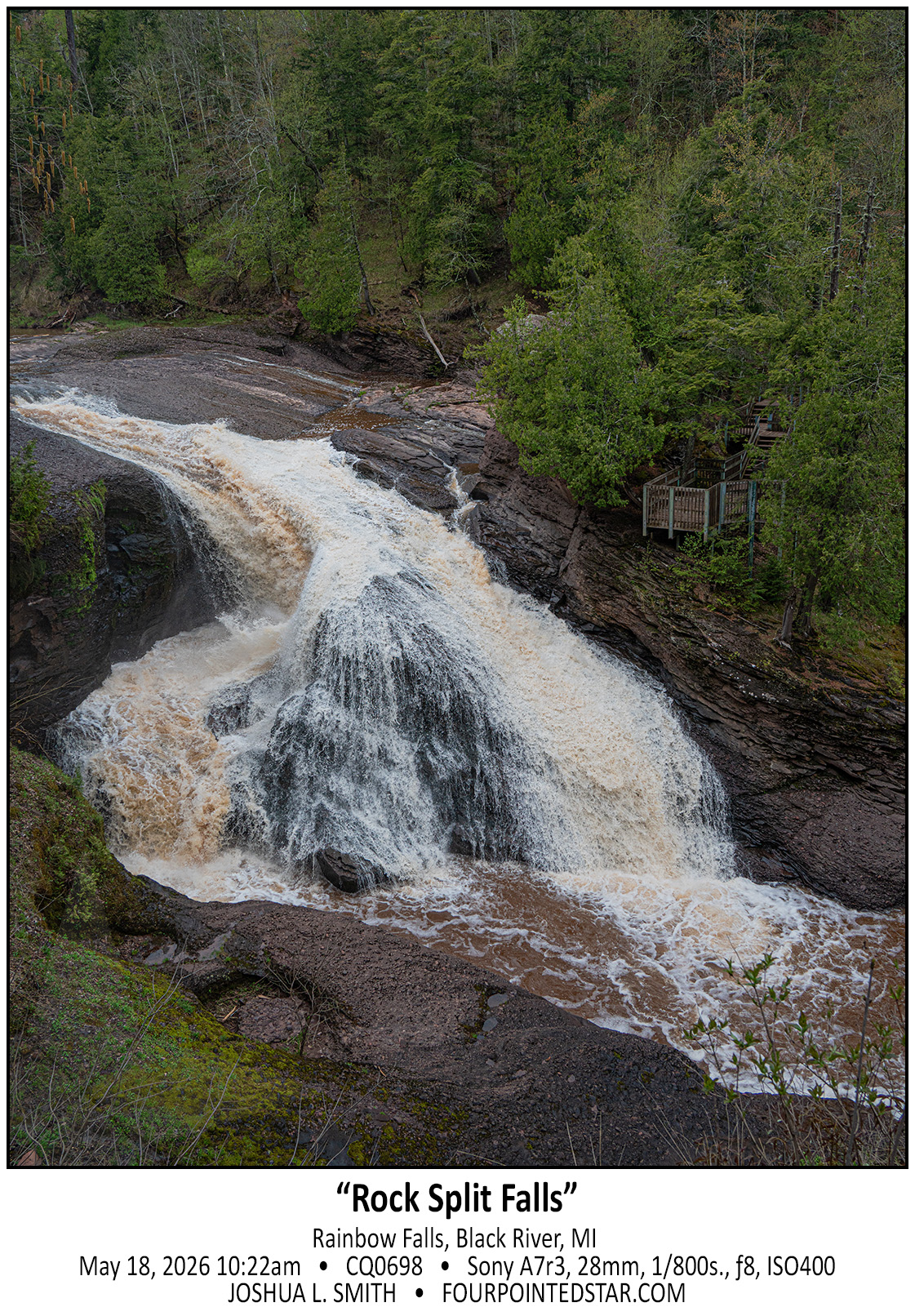
Honestly, I don’t visit waterfalls twice very often; there are a few local waterfalls that I’ve visited more than once, but most locations I take photos of and then move onward to the next spot where the water and the land had a disagreement.
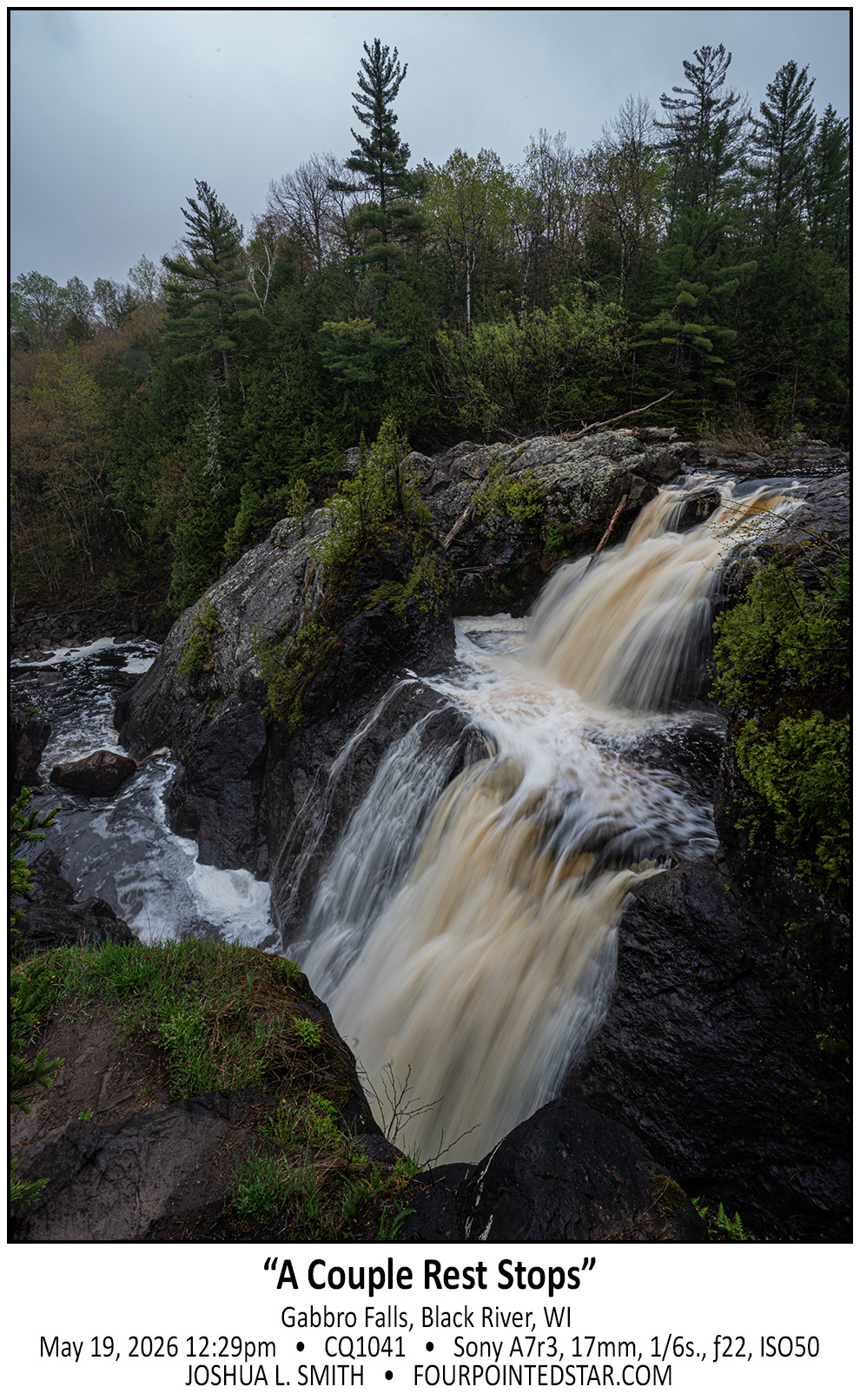
Rainbow Falls’ east vantage point is spectacular; you stand on an outcrop of land about six or eight meters above the downstream portion and roughly eye level with the upstream portion. The Black River has carved two paths down the falls, equally treacherous, and from that vantage point, you really need a wide angle lens to capture the scene and stream. If you walk a bit further south on the trail, you can see where the Black River is slowly carving out a new falls and a new path.
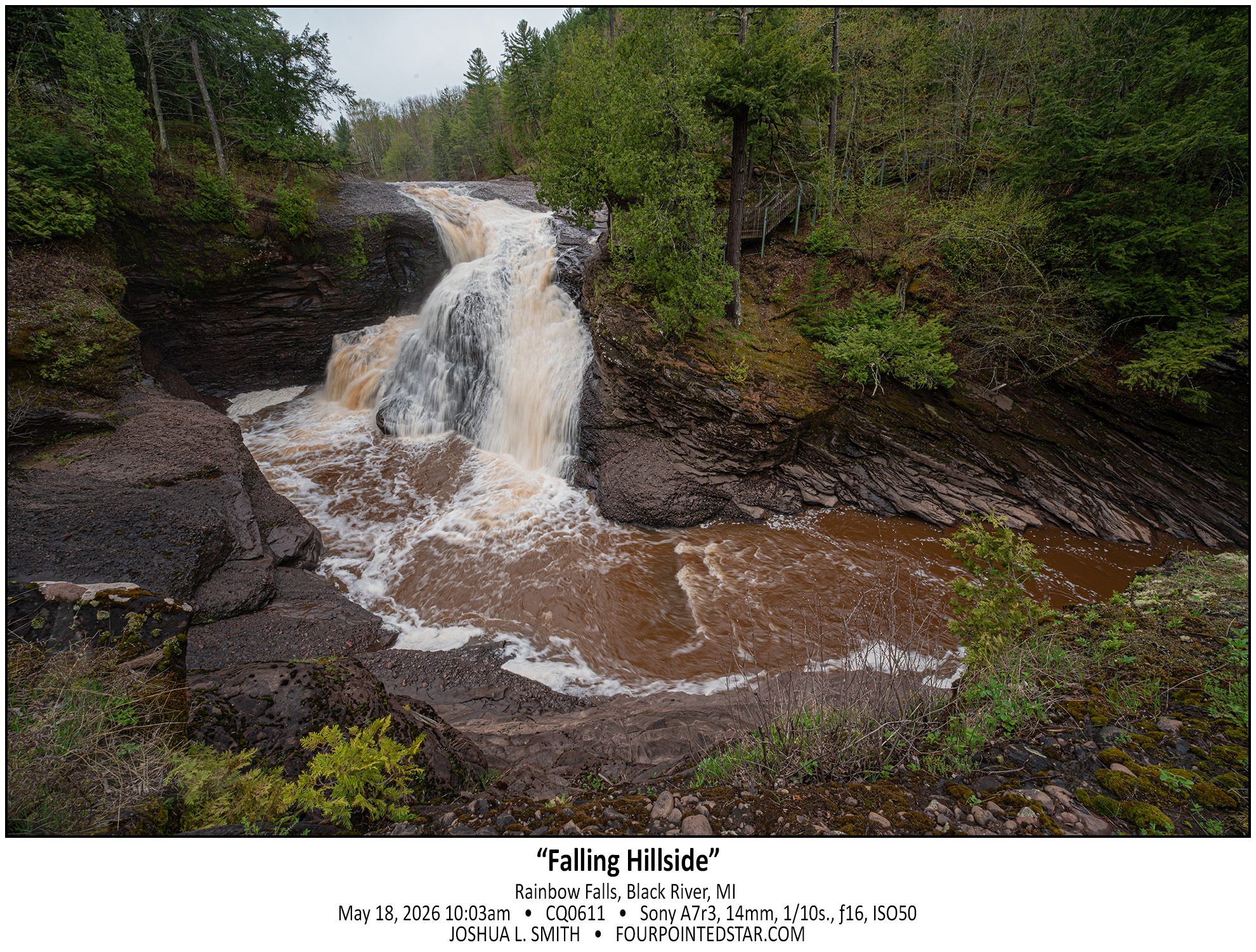
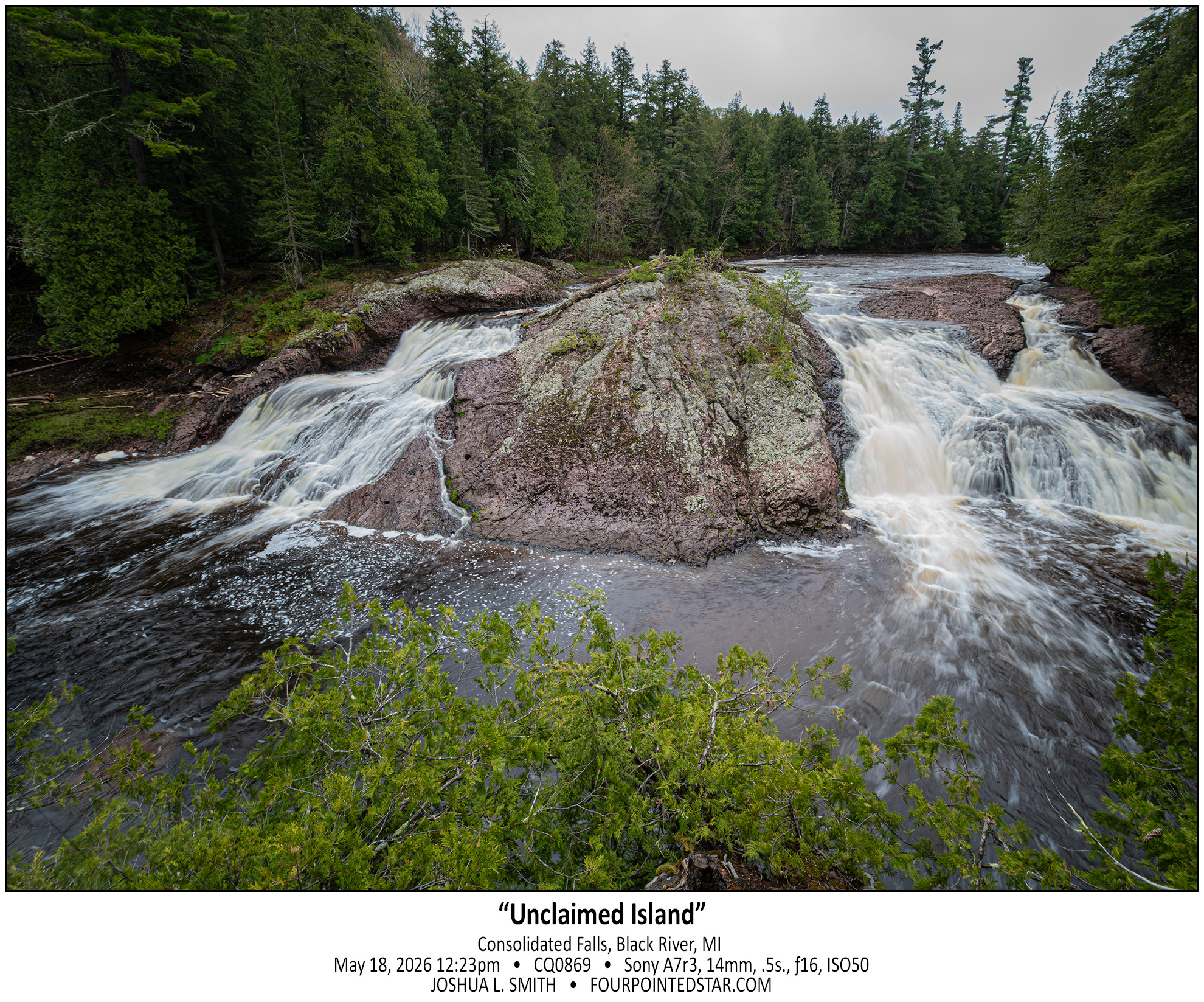
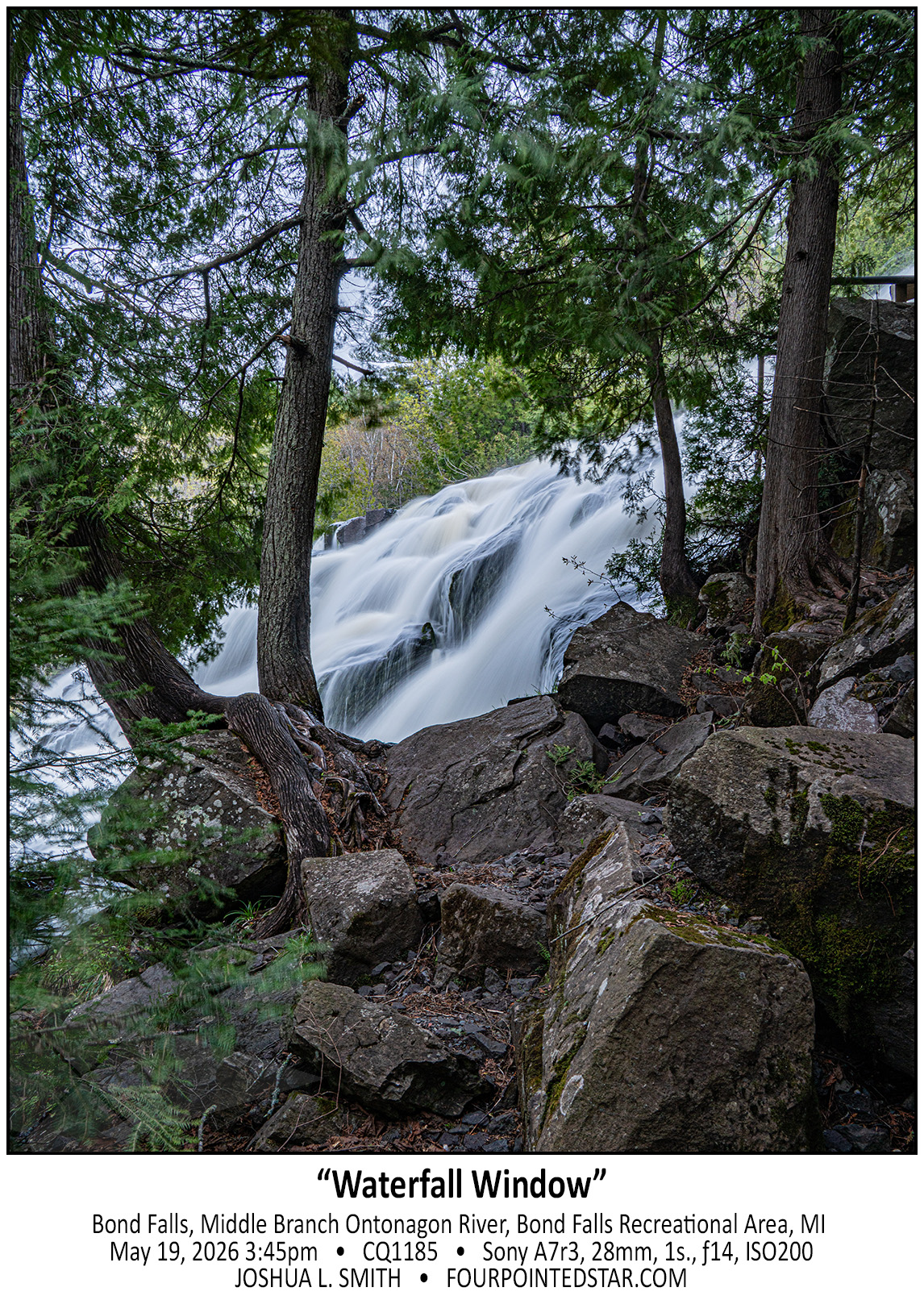
If you visit Bond Falls and you only view it from downstream it can be a little … boring? But, if you take the time to climb up beside the falls on either side (don’t worry, the falls has concrete barriers to hold the water in), you’re greeted by these beautiful vignettes. Viewing the entire falls is … just a bunch of water flowing over a hillside, but walking along the side or even walking downstream will bring you closer to nature and the forest.
A Good Story
I always love a good story; stories are what binds friendships and culture, and stories are what draw us to interesting people. As I walk through the woods on a new trail, I wonder where the trail will take me; what story will it tell?
The streams and rivers that I hike to are similar; they wander through the landscape carving out a path that meanders and reveals the area around it, much like a good story or a good trail. As you explore their journey, you find out so much about their story – the hills and valleys, the ancient stone and rock, the detours – much like life.
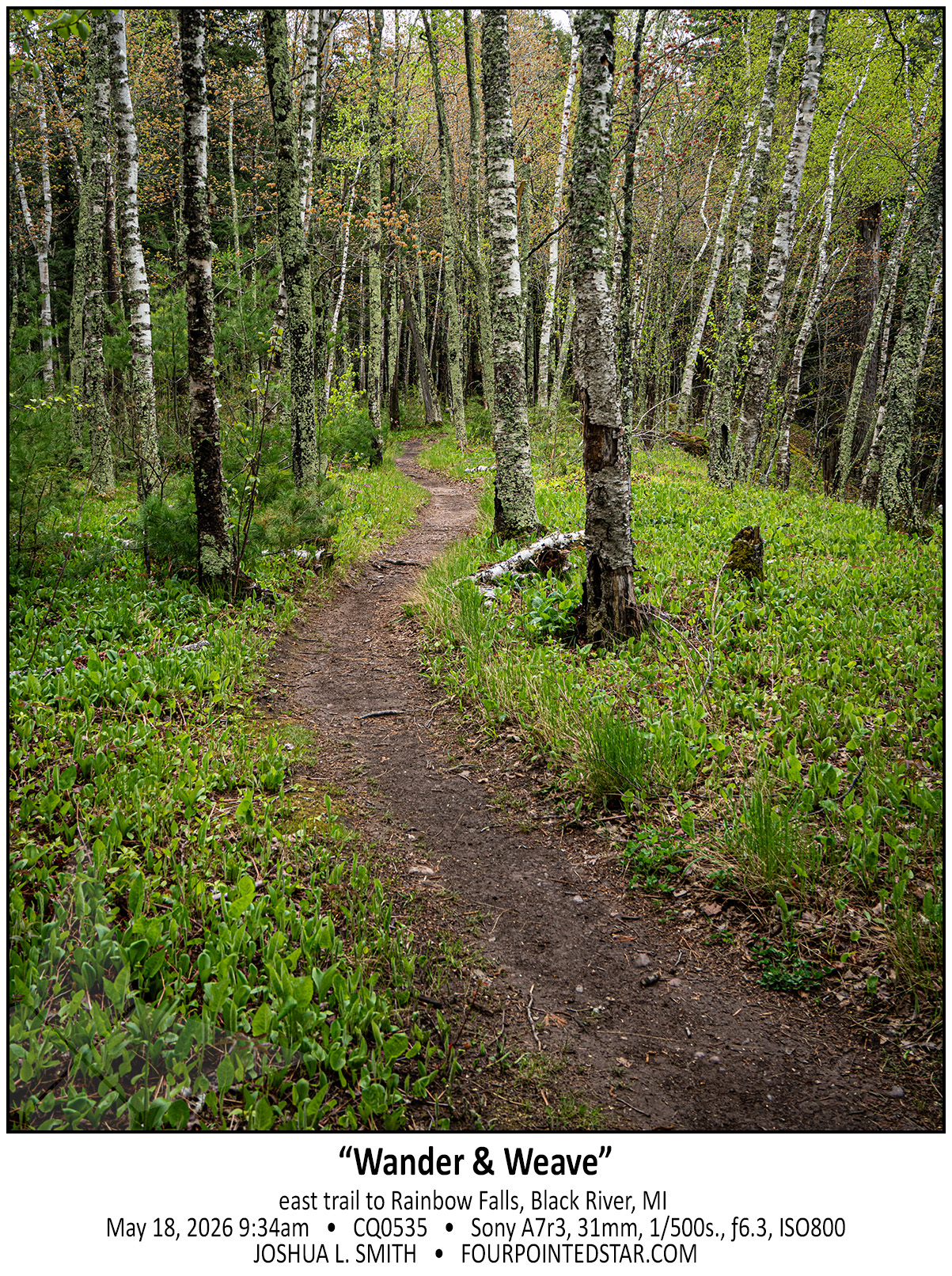
I absolutely loved this scene of the small stand of birch covered in moss. The fog was low that morning, and the grass was damp from an overnight rain. As our group walked through the woods, it felt like a forest in Washington State; damp air, big trees, uneven terrain – and then we encountered this neighborhood of white bark.
In between the large trees, the path was wide and somewhat straight; the path through the birch wandered almost lazily. I’ve taken photos of paths in woods many times, but many times the photo never gets shared. But this was a wonderful photo, and it pushed me to start looking for other paths on that three day trip.
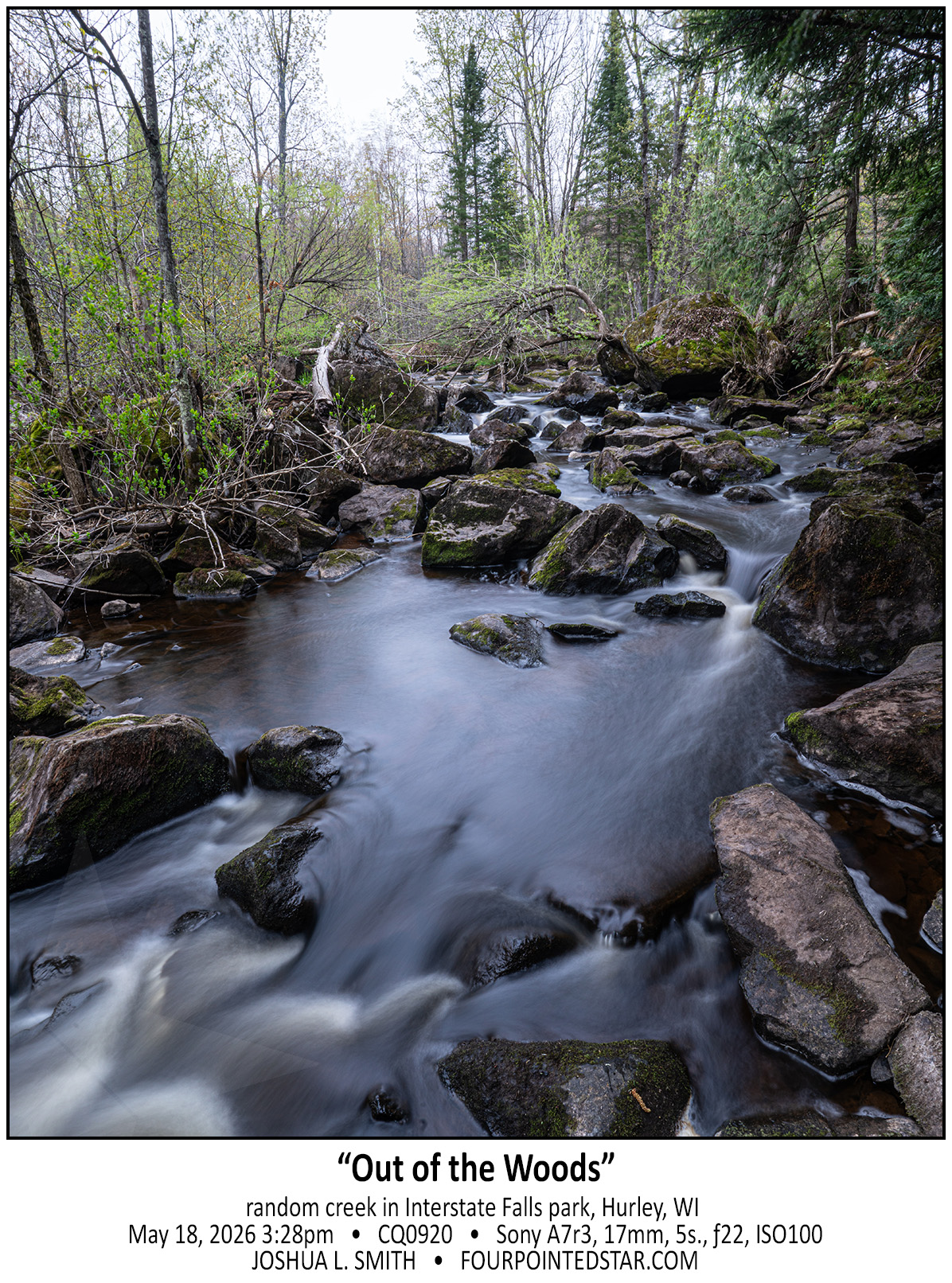
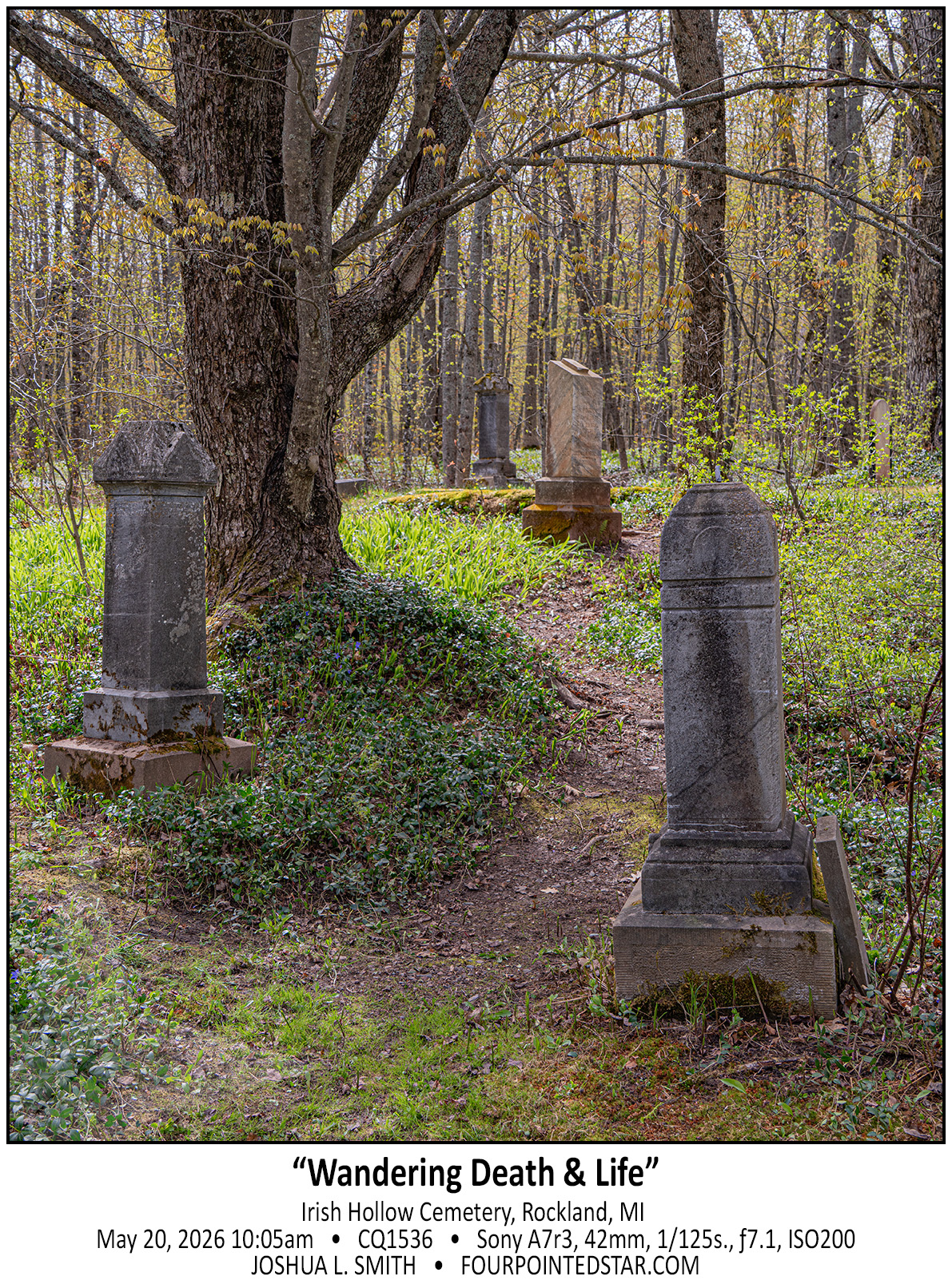
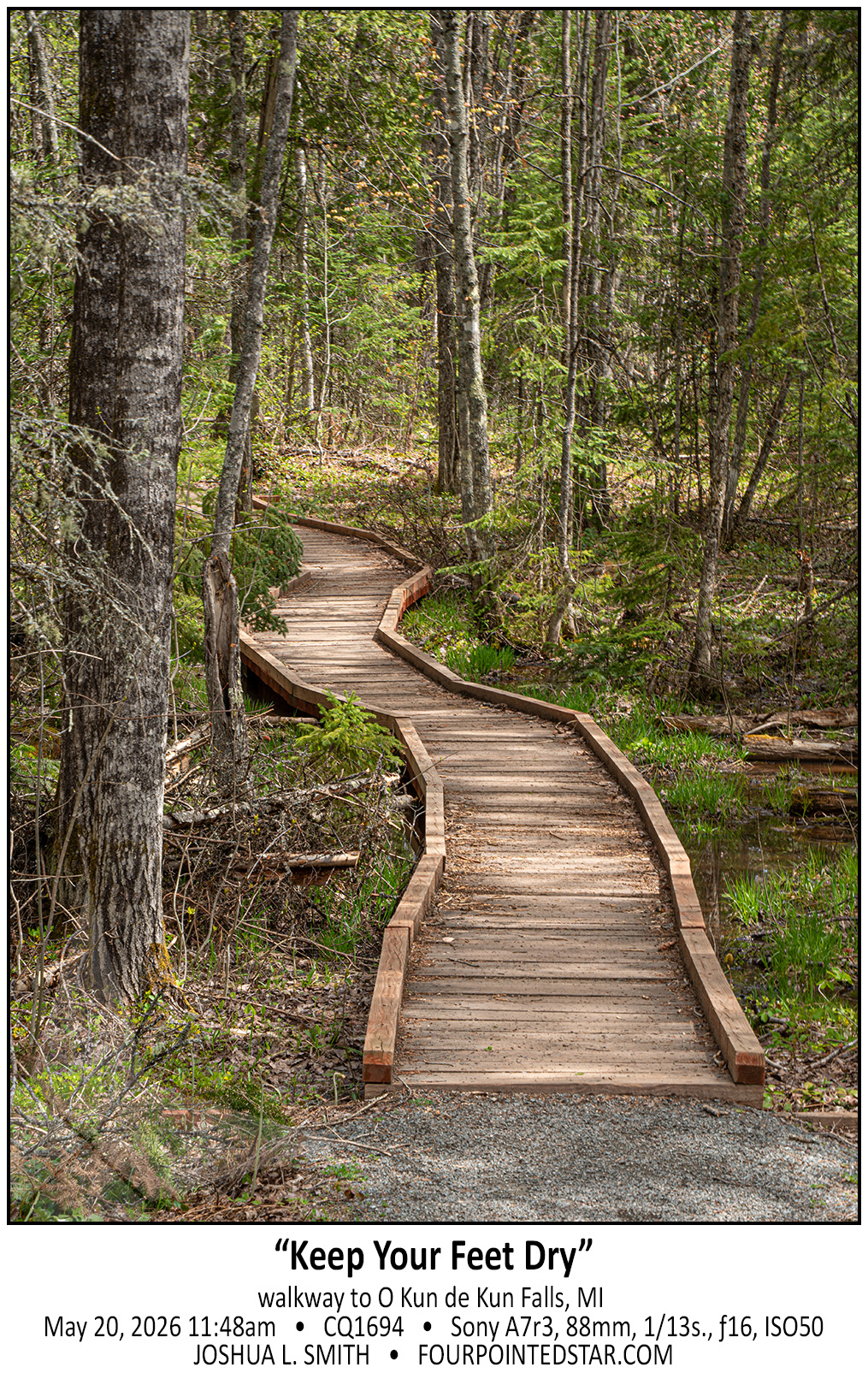
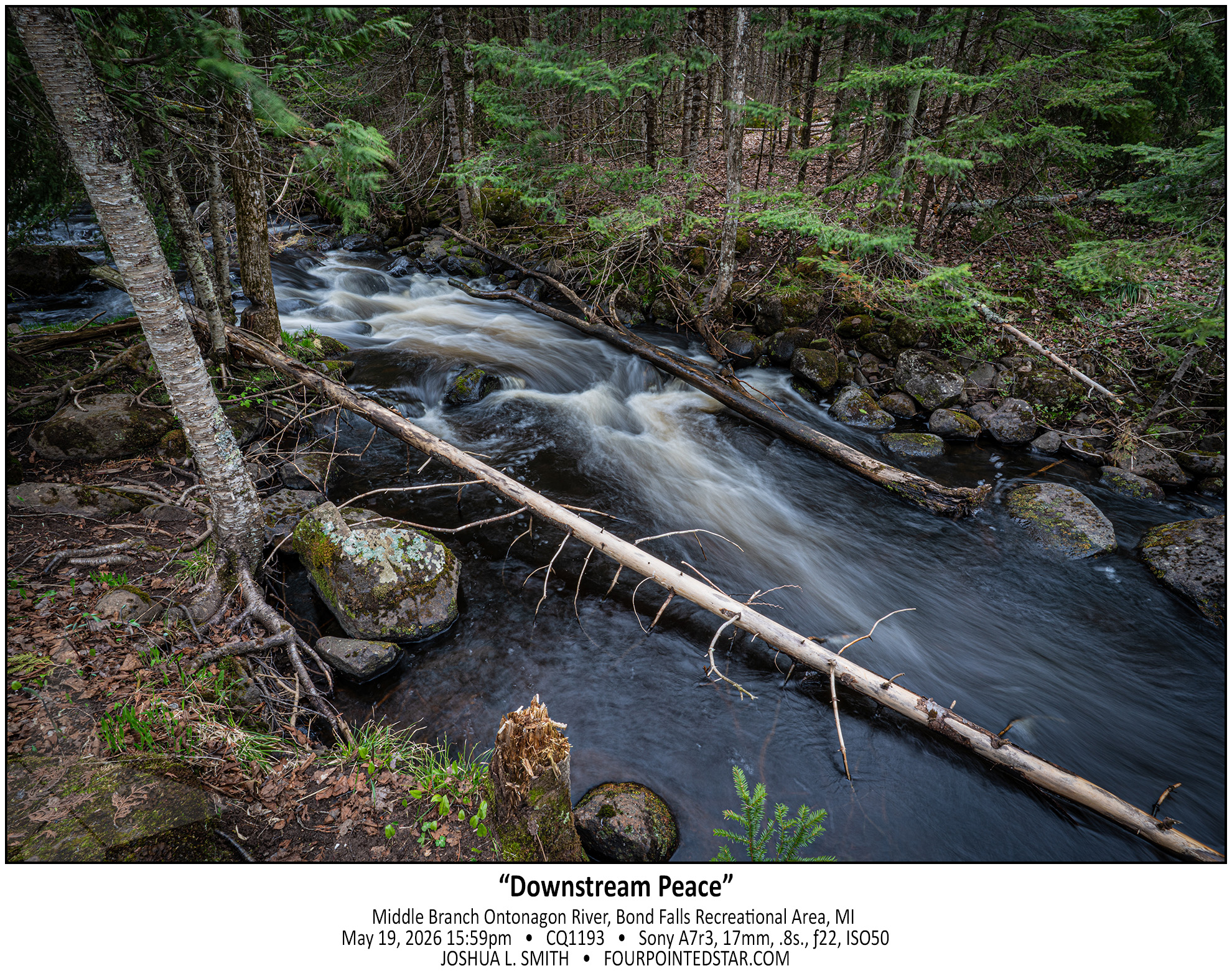
Notice the Little Scenes:
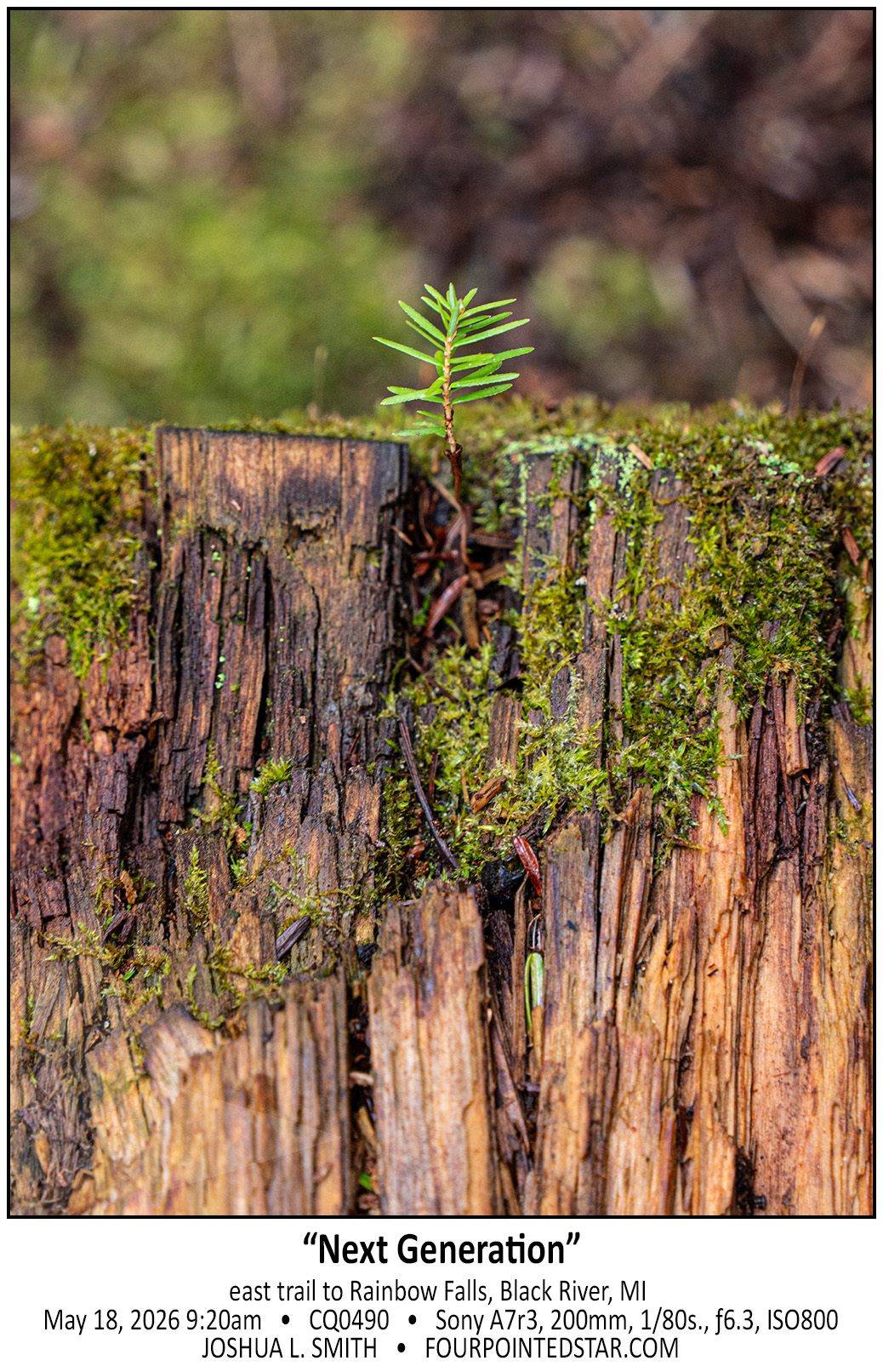
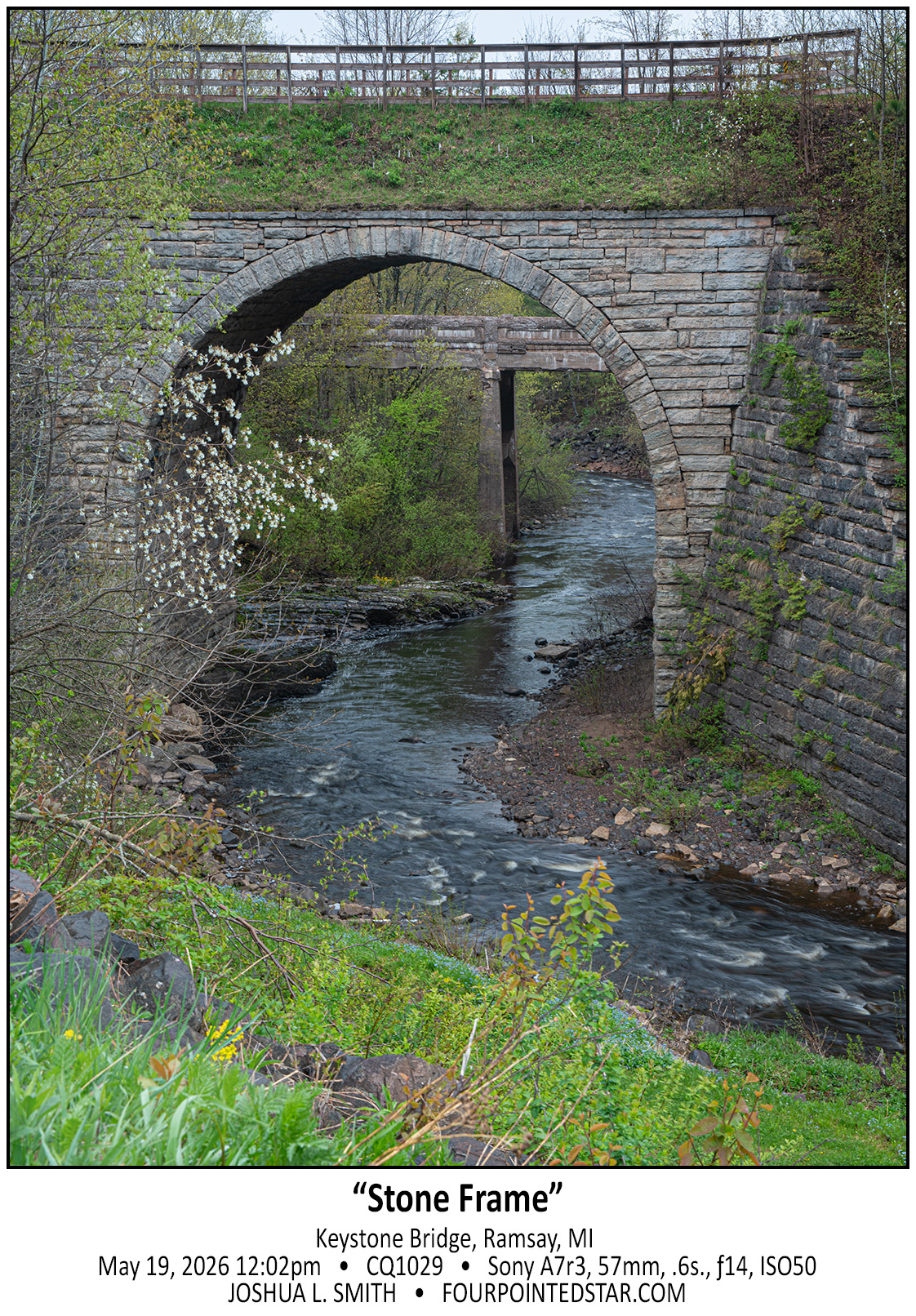
One of the most difficult parts of a nature walk for me is not focusing on the destination. Often, I get so carried away with hiking that I forget to notice the beauty surrounding me; things like tiny mushrooms, plants, small scenes escape me because I am focussed on getting “there”.
When I’m hiking with a group, a different pressure comes up – I don’t want to hold the group back; of course, this isn’t as bad if I’m with a group of photographers. Then there is laziness; I don’t want to switch lenses, put on the filter, or move my camera bag so that I can squat down.
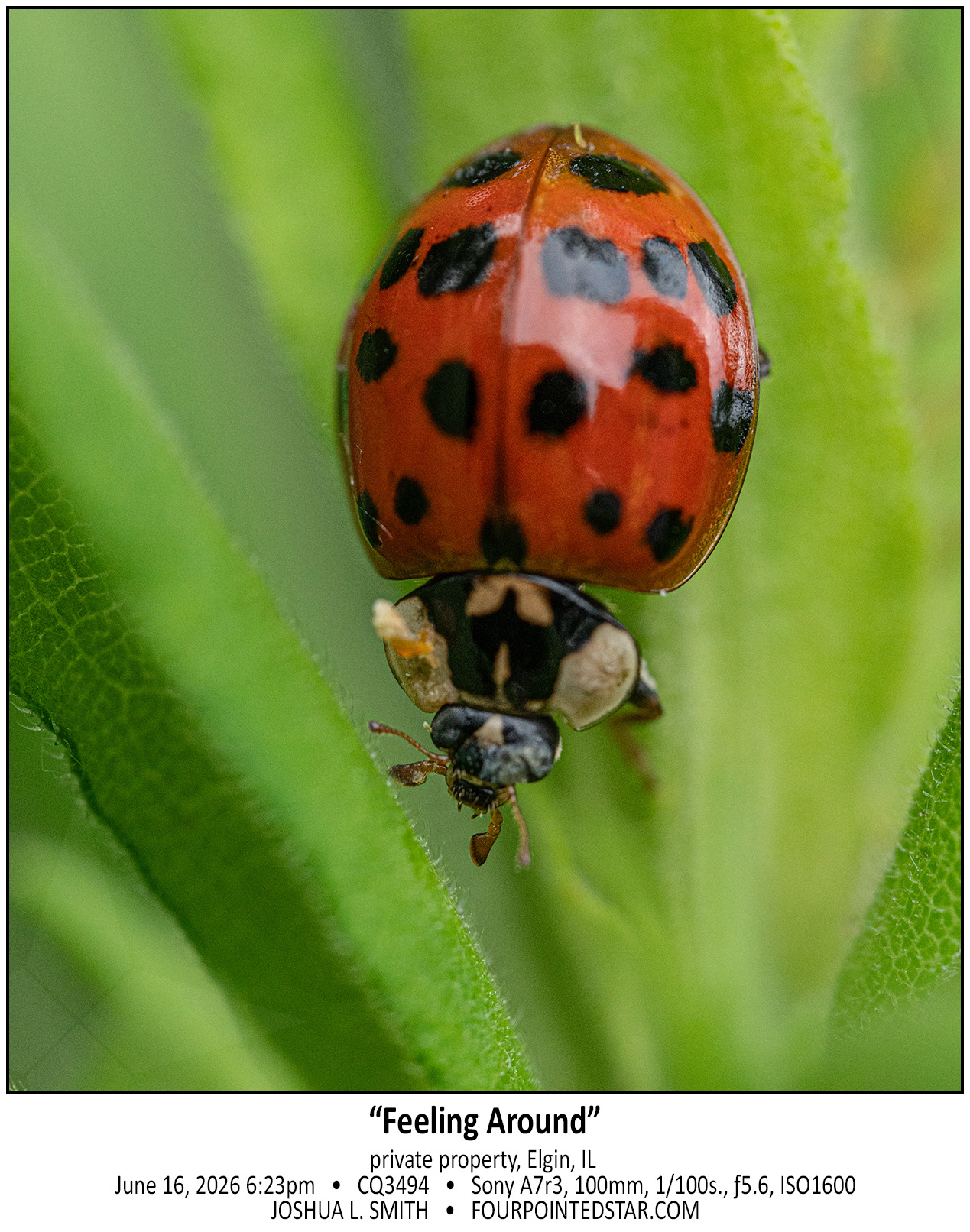
Often for me, photography is about putting the rest of life aside – the final goal, pressure from others, and my own bad habits – to actually focus on what’s around me. The beauty of a stream, a tiny new plant or ladybug, or even a overgrown, but still maintained cemetery.
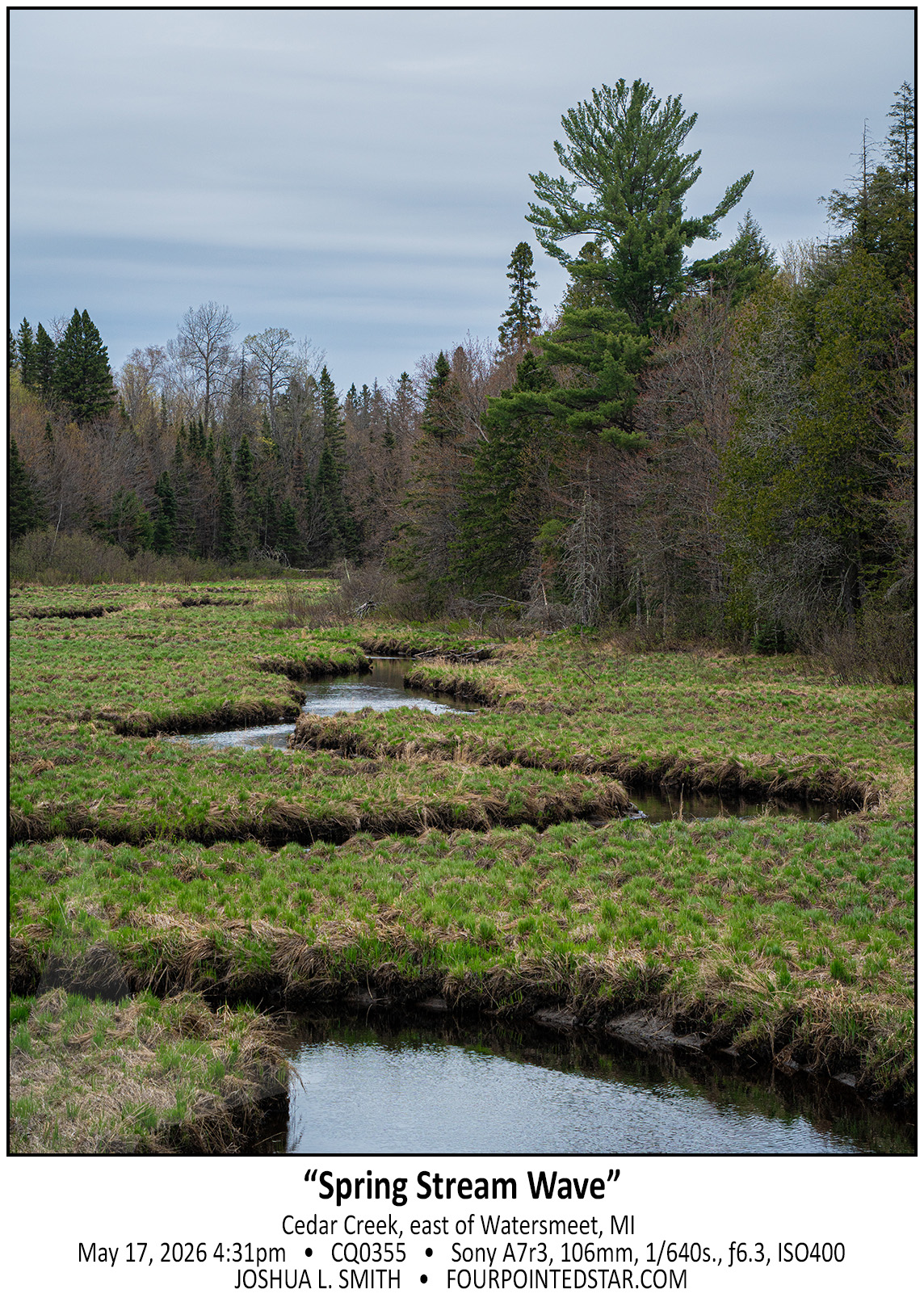
I love the little highway scenes; the ones that make you do a U-turn. This little stream is probably only visible during the spring, when the grasses are short and the stream is flowing well. If you looked at a satellite view, the curves aren’t that dramatic, but by using a longer lens the distance compression really works in my favor.
.
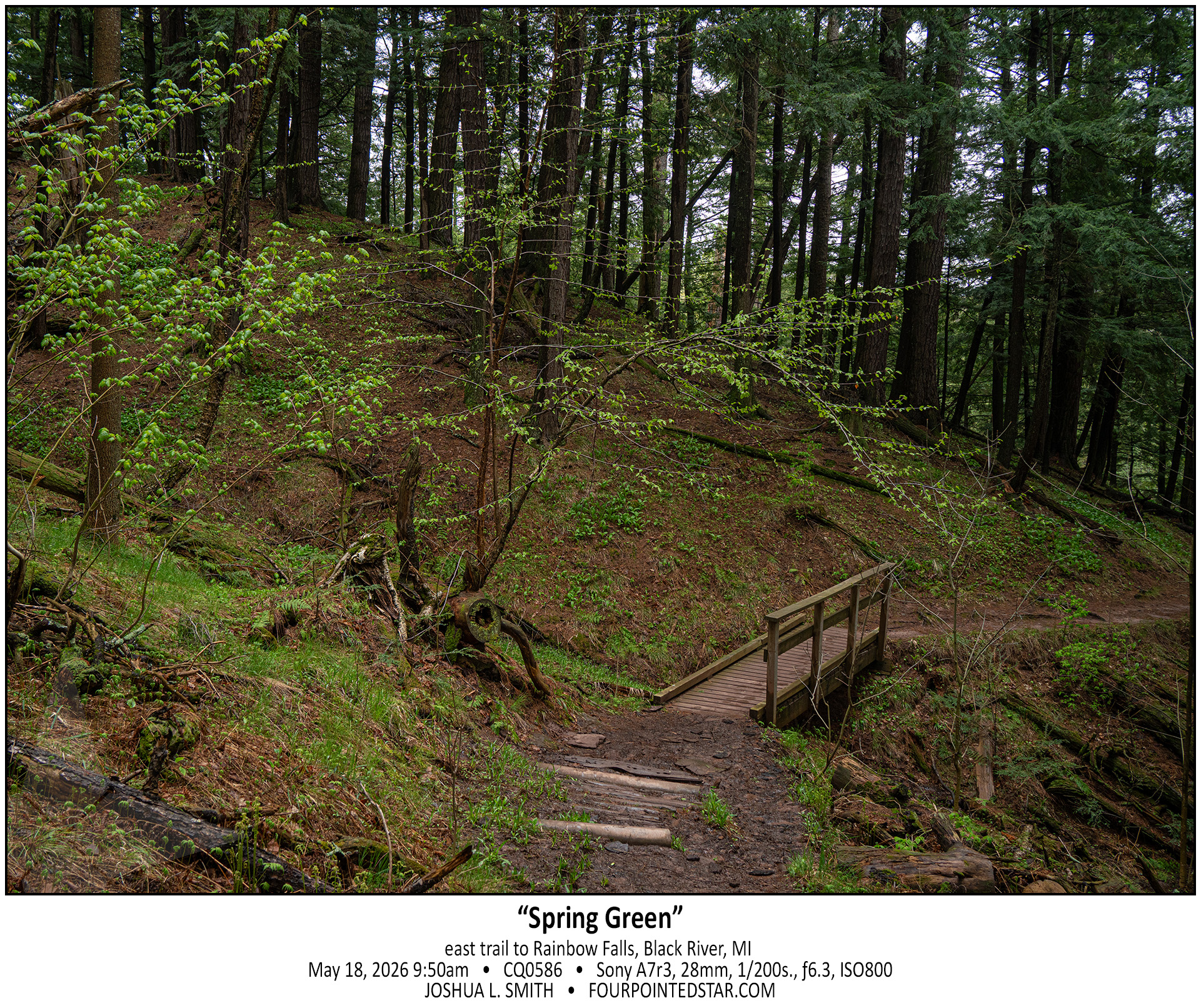
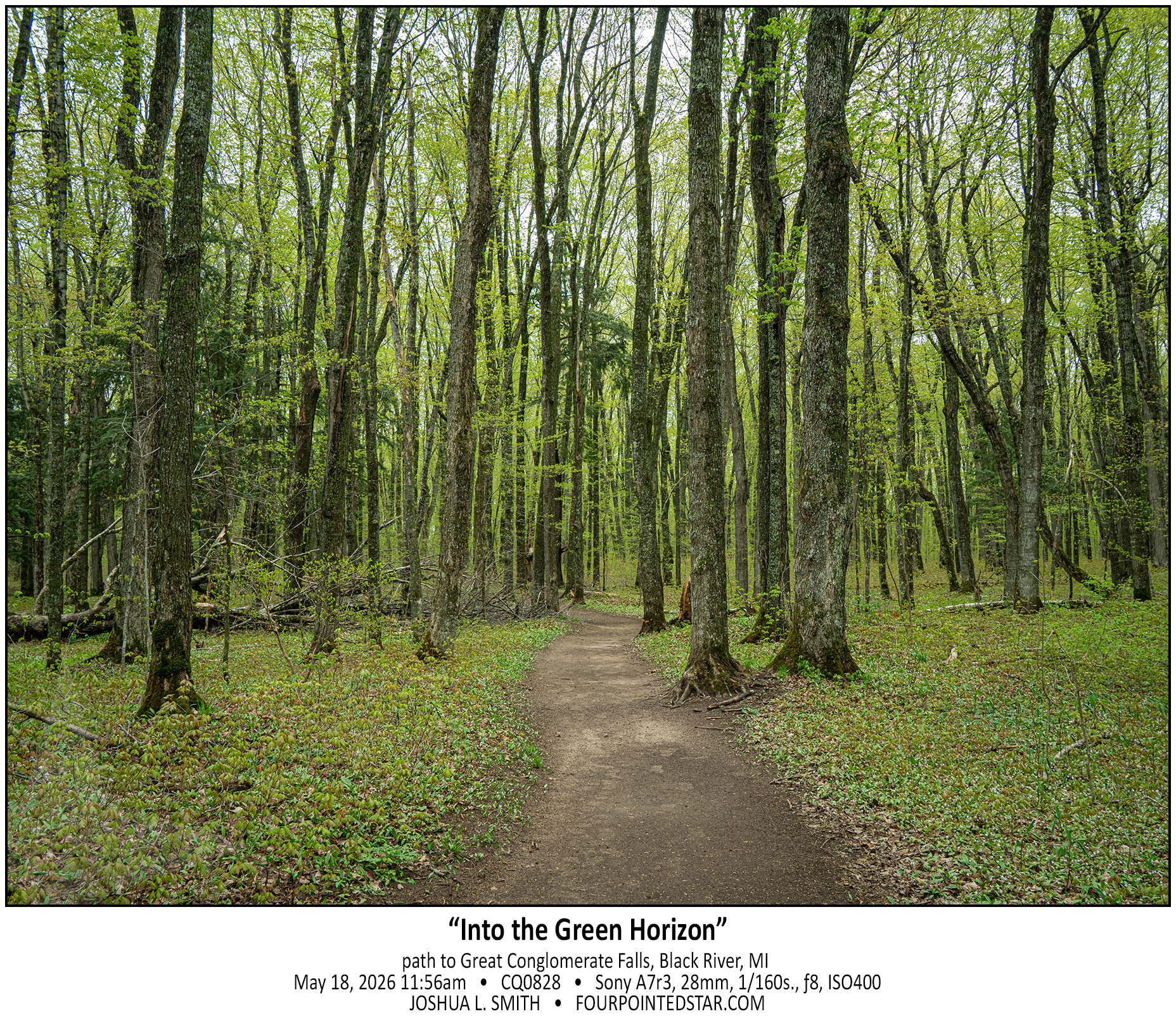
There is something mystical about this scene; the small light green leaves remind me of spring cherry blossoms, and the path leading through the forest reminds me of forests of the north west.
.
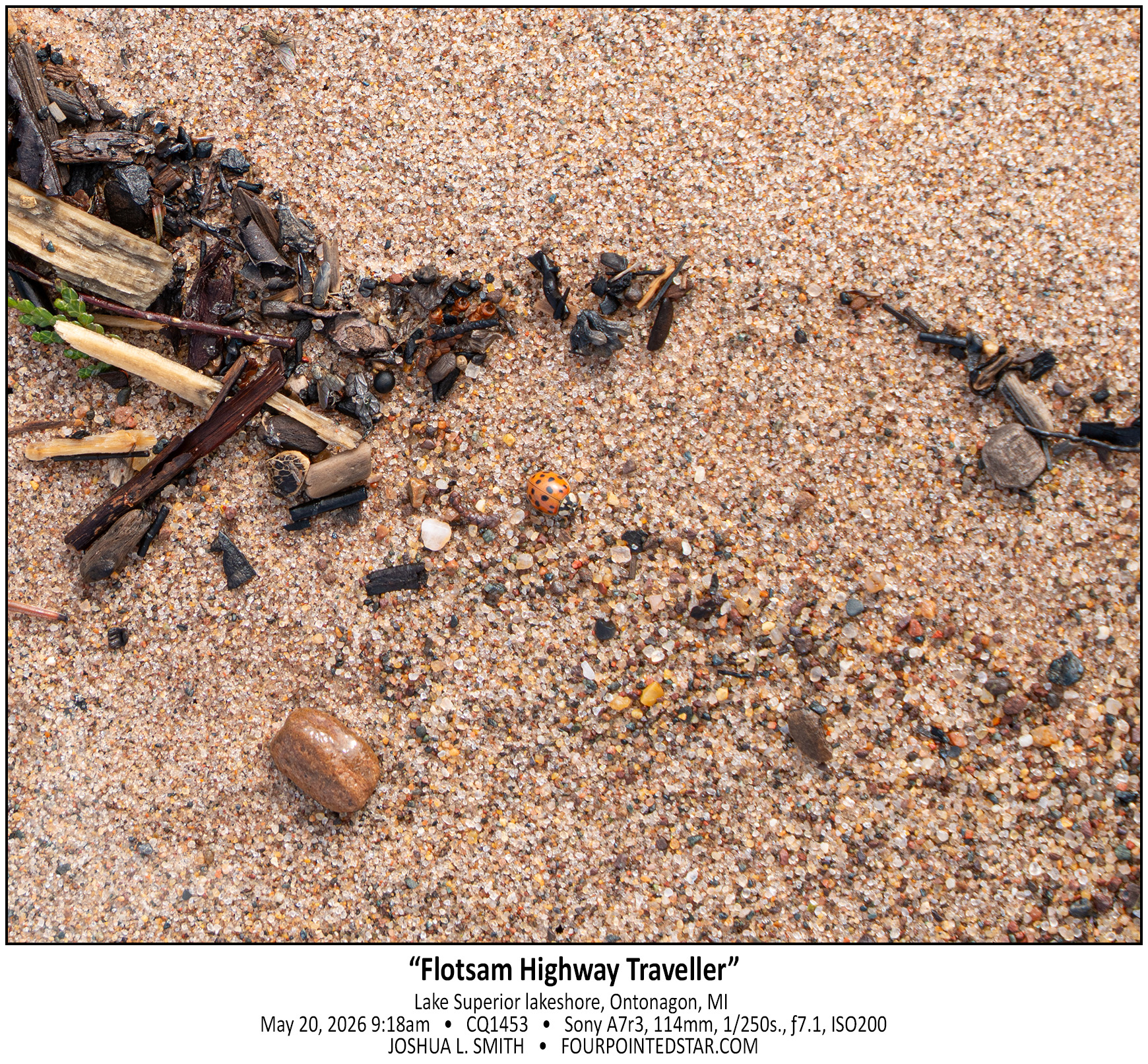
Cynthia found this little ladybug (or ladybug like beetle) in the flotsam from Lake Superior’s waves; besides being cute, I wondered how it was already so active. That morning was chilly, around 45, and he was very close to the waves rolling on the beach, perhaps he’s a surfer?
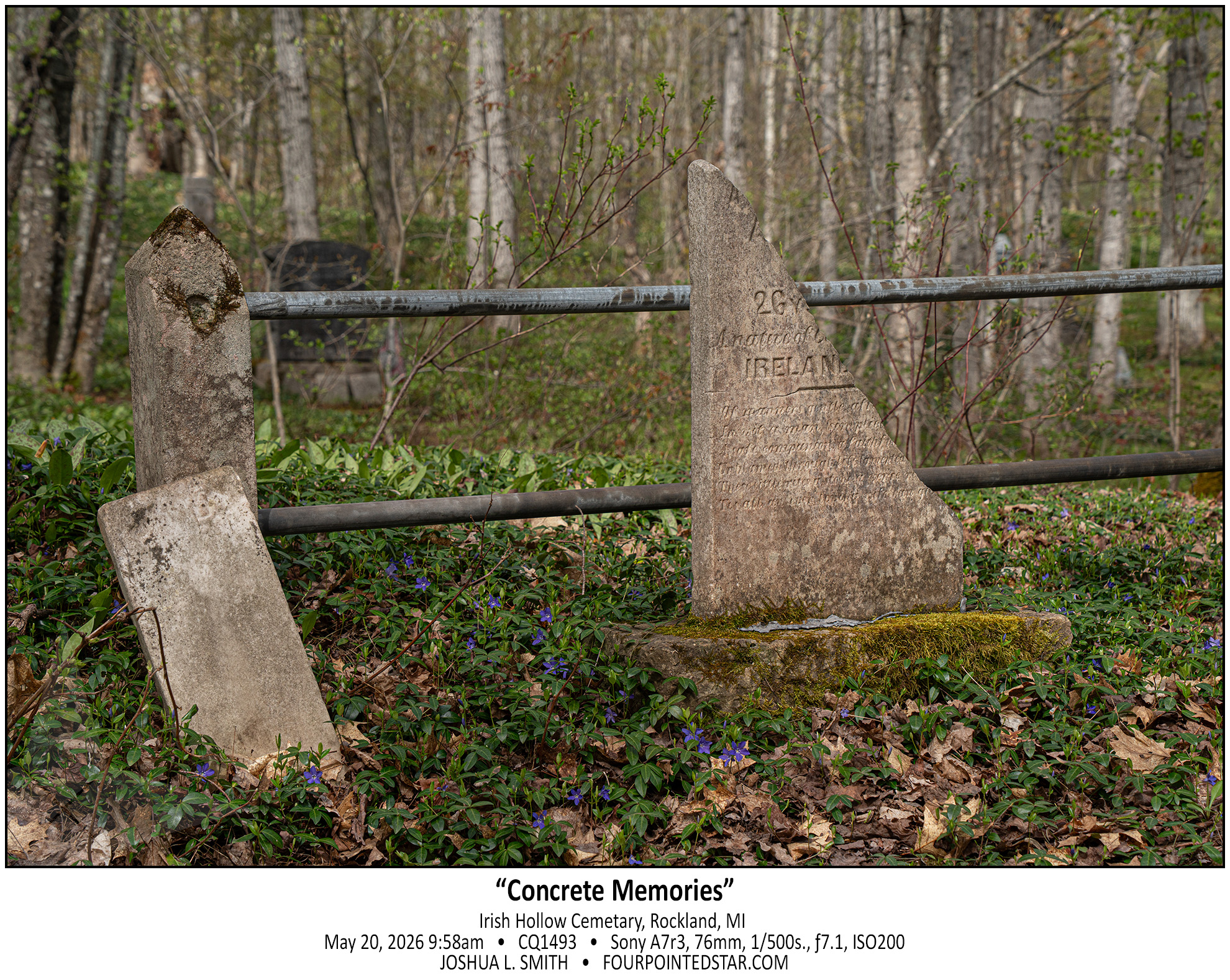
Lastly, this cemetery is unlike any other gravesite that I’ve come across. The graves were mostly from the 1920-1950’s, and since then, the birch forest has grown in around the graves. But someone has continued to maintain the graves, and that feeling of “cemetery in the forest” is both comforting and creepy.
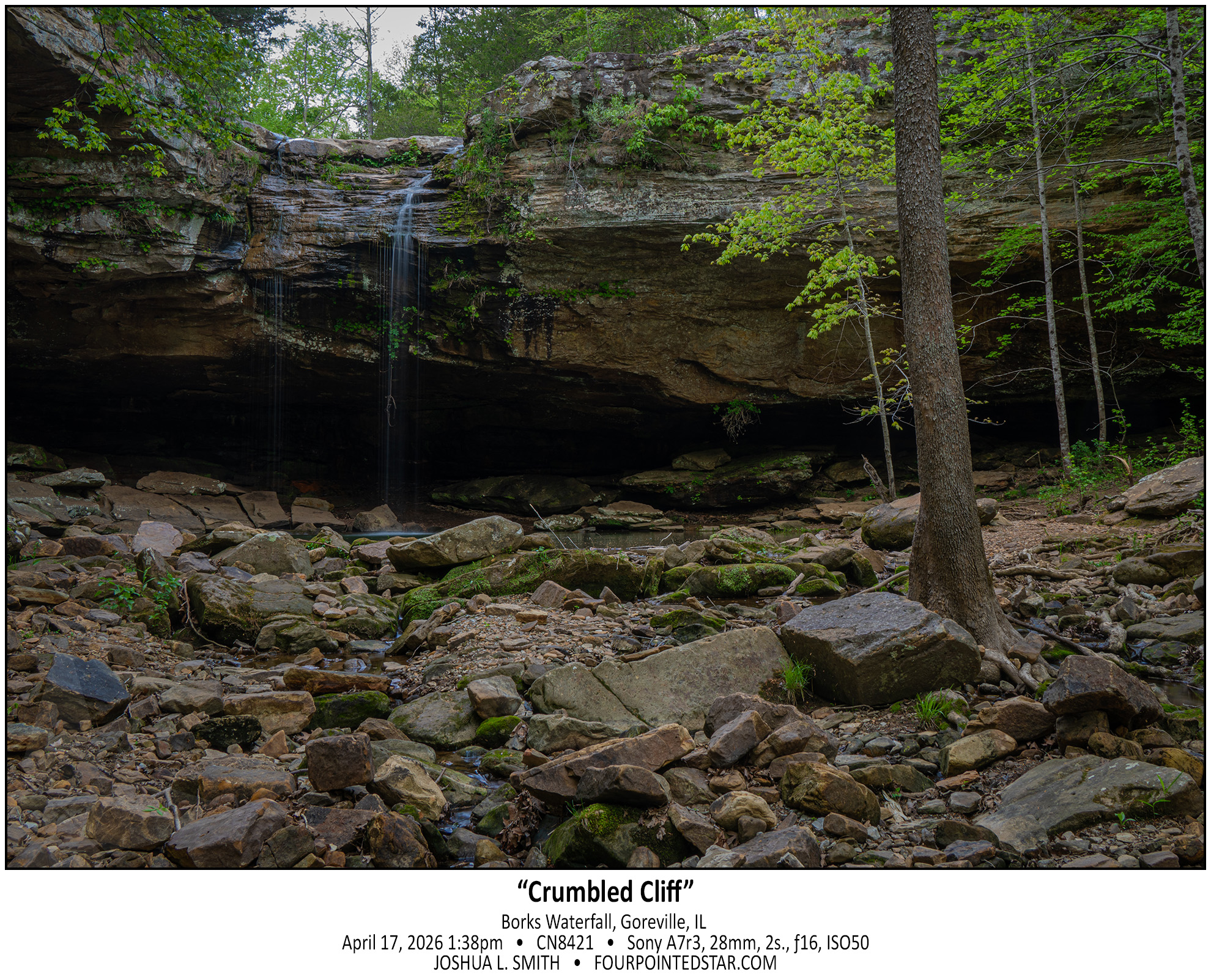
Borks Waterfall is fascinating, not because of the falls, but due to the fact that you drive through the upper stream to get there. Borks is also a beautiful waterfall itself, but I did quite enjoy driving through and wandering around the stream above the falls.
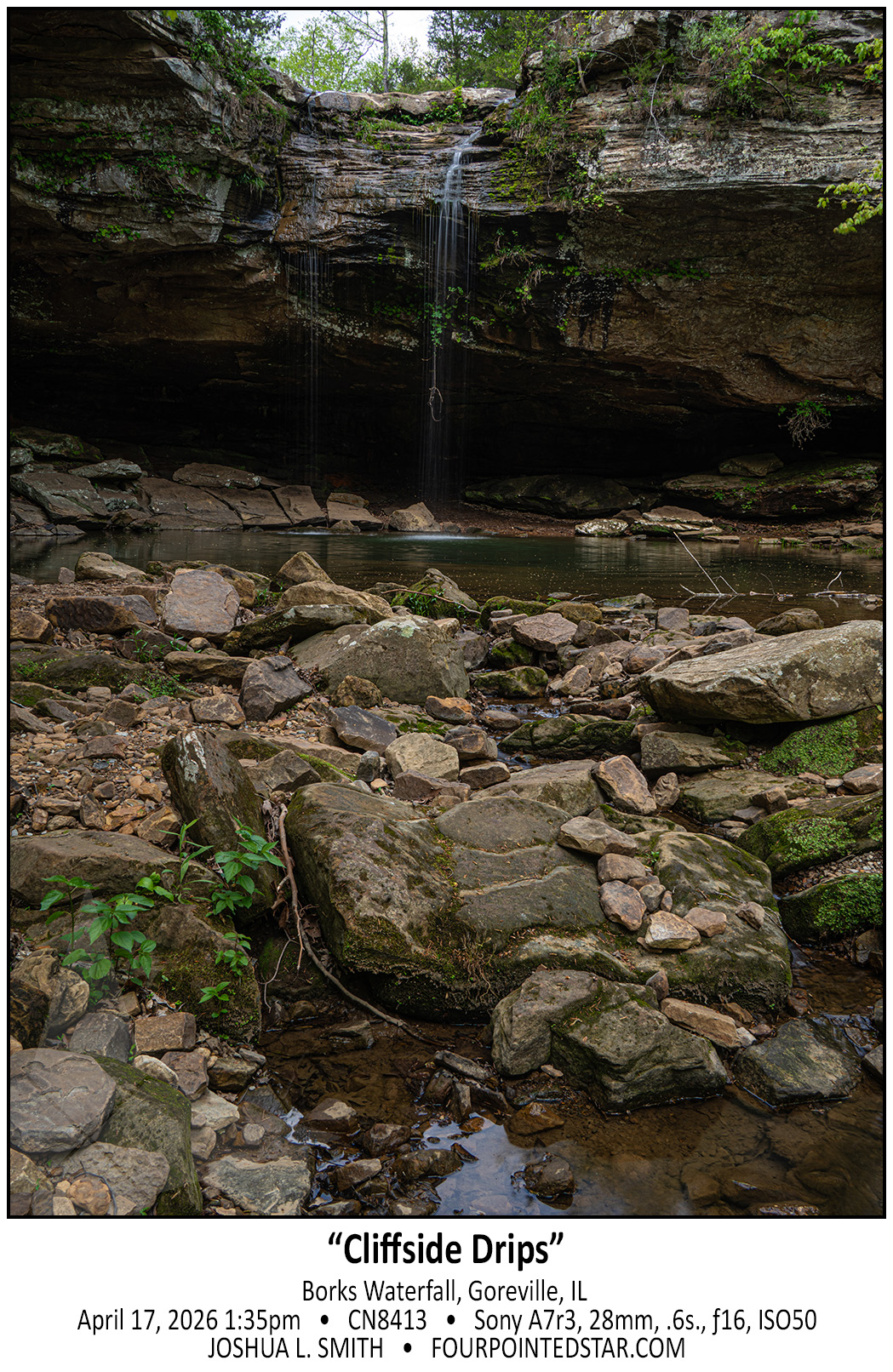
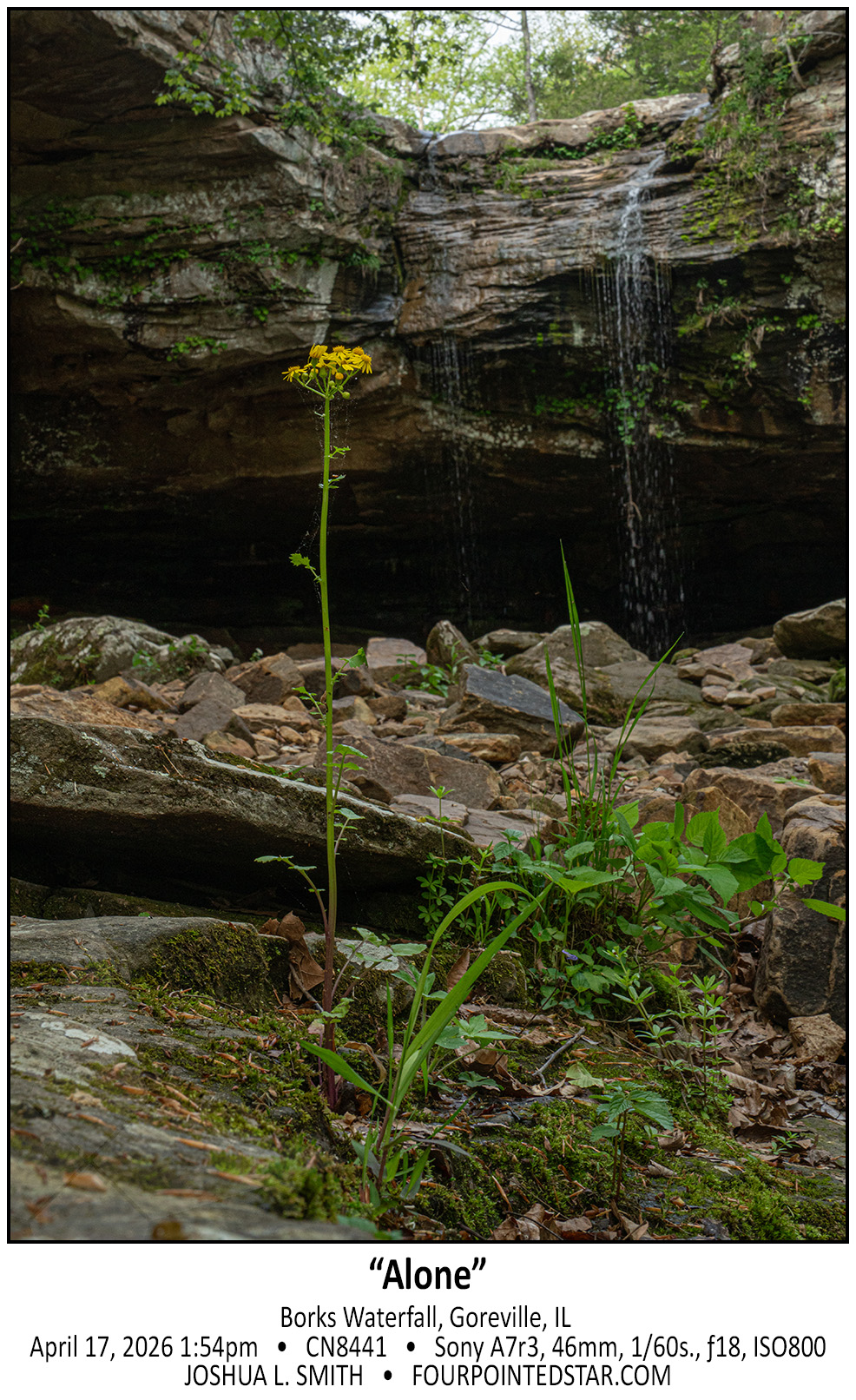
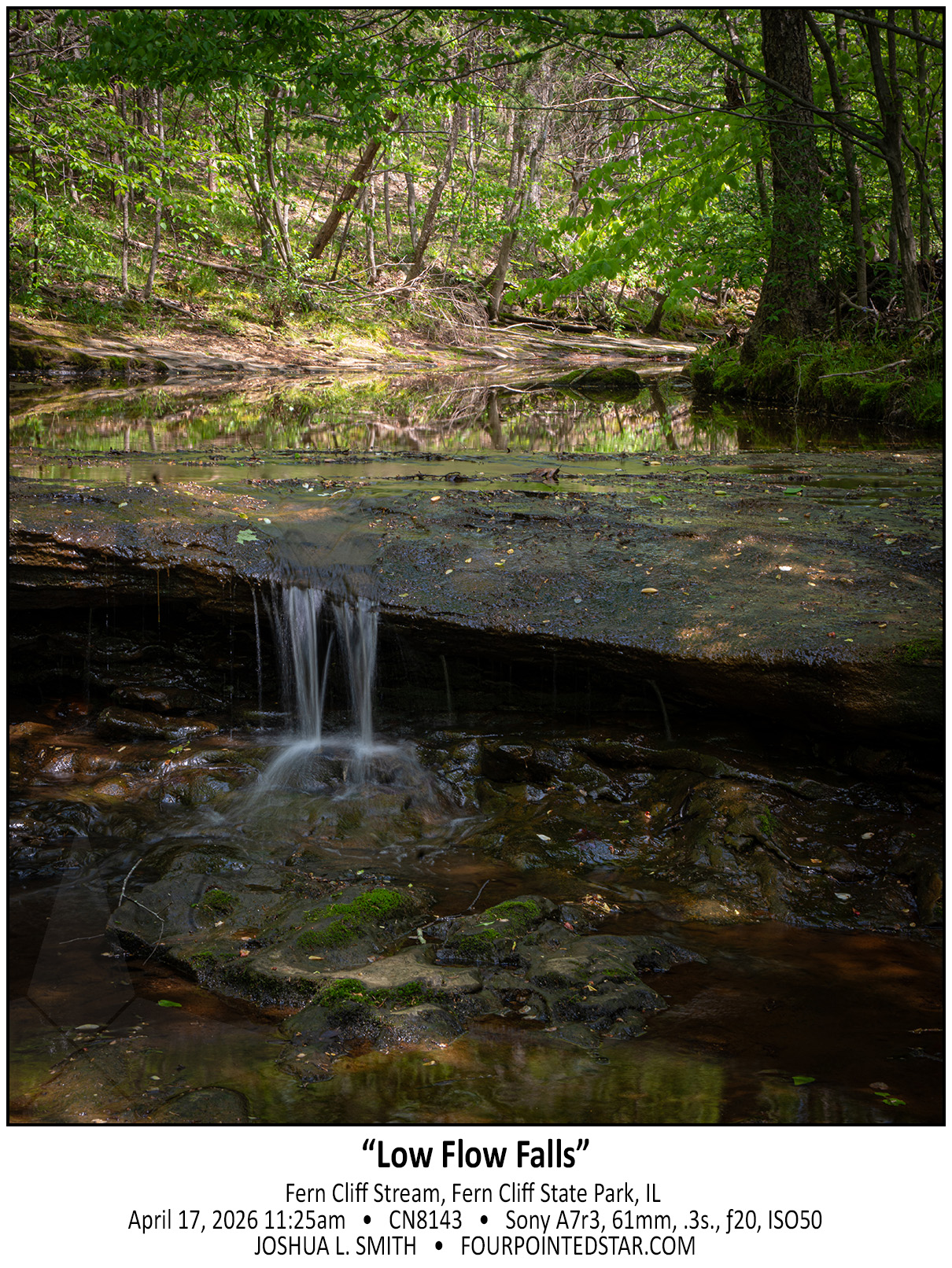
I wonder how many times I’ve wondered “is this *really* a waterfall?
How far does the water have to fall in relation to the width of the stream, how much water in relation to the volume of water, and does it matter if the falls will disappear when the flow increases dramatically?
But I keep coming back to my simple definition of waterfall? “Does the waterfall? Did I enjoy visiting the falls and taking the photo?” And that’s good enough for me.
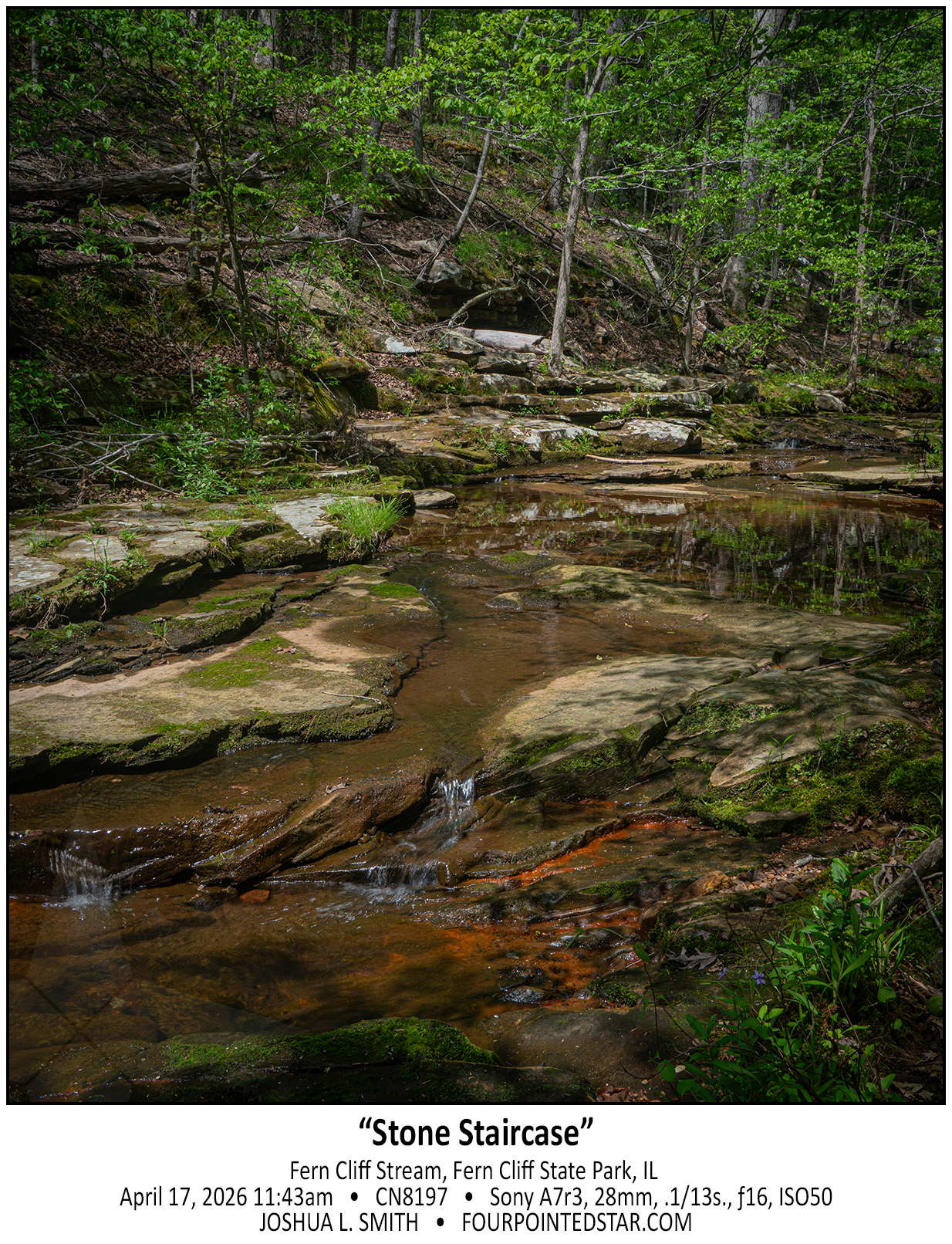
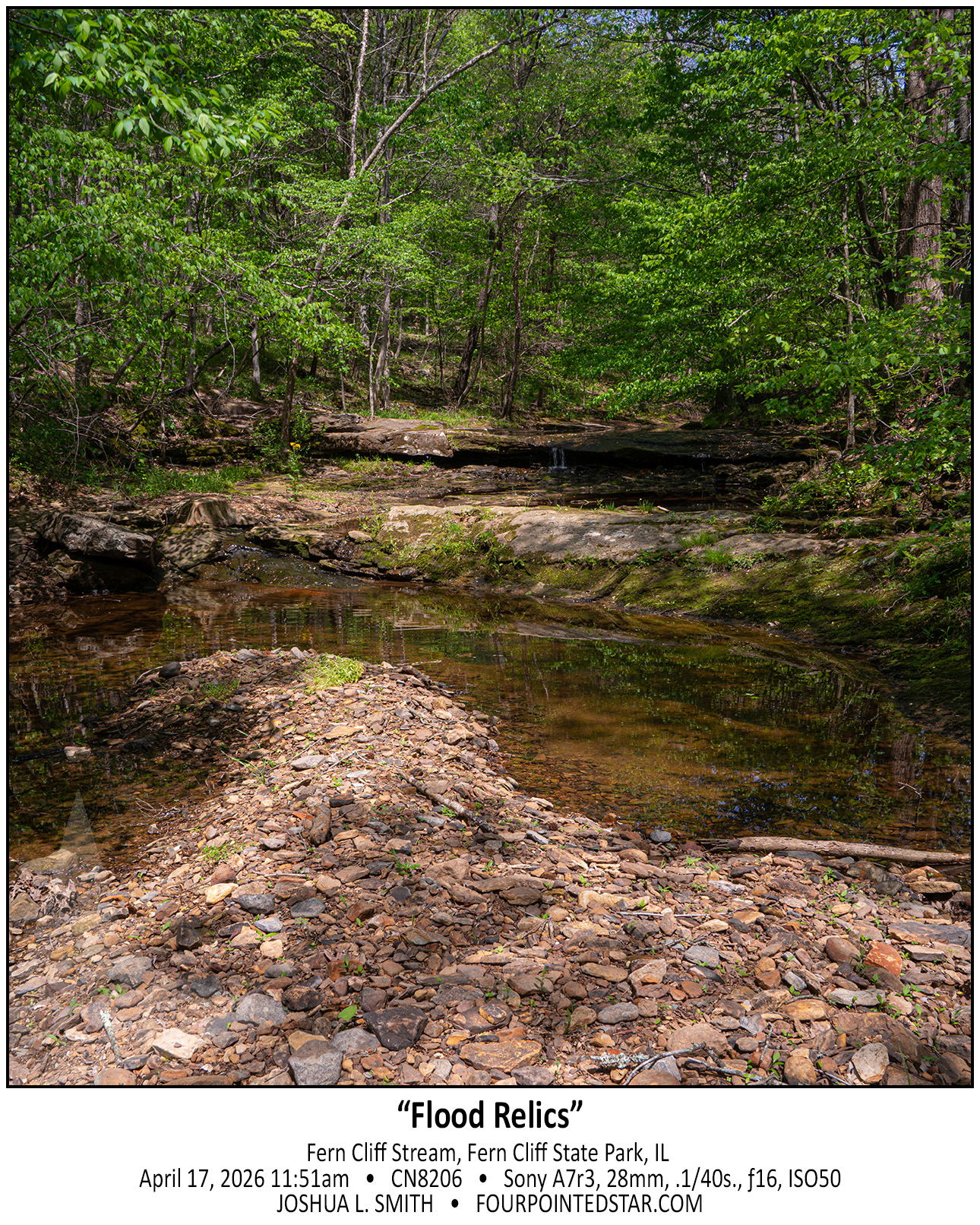
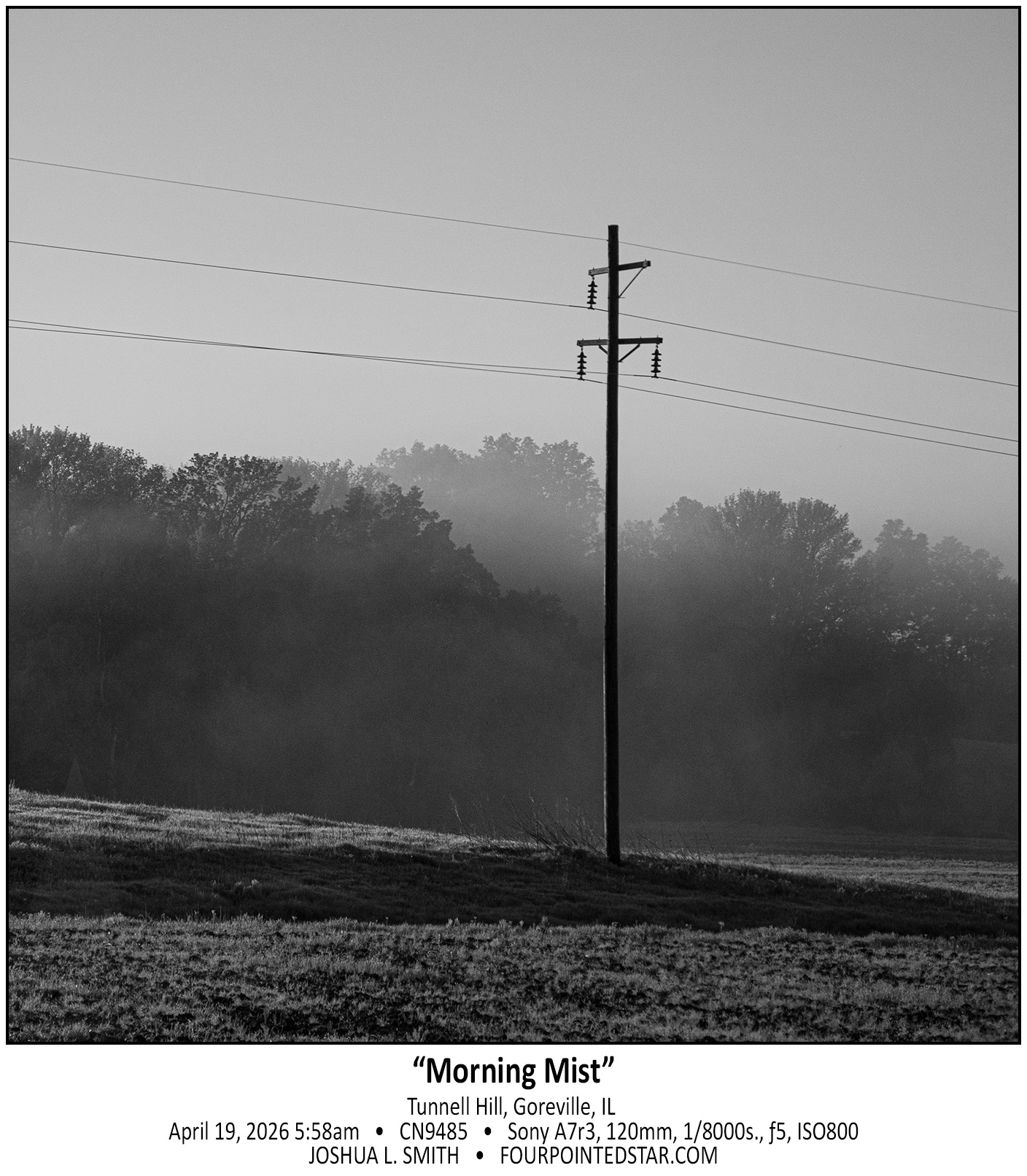
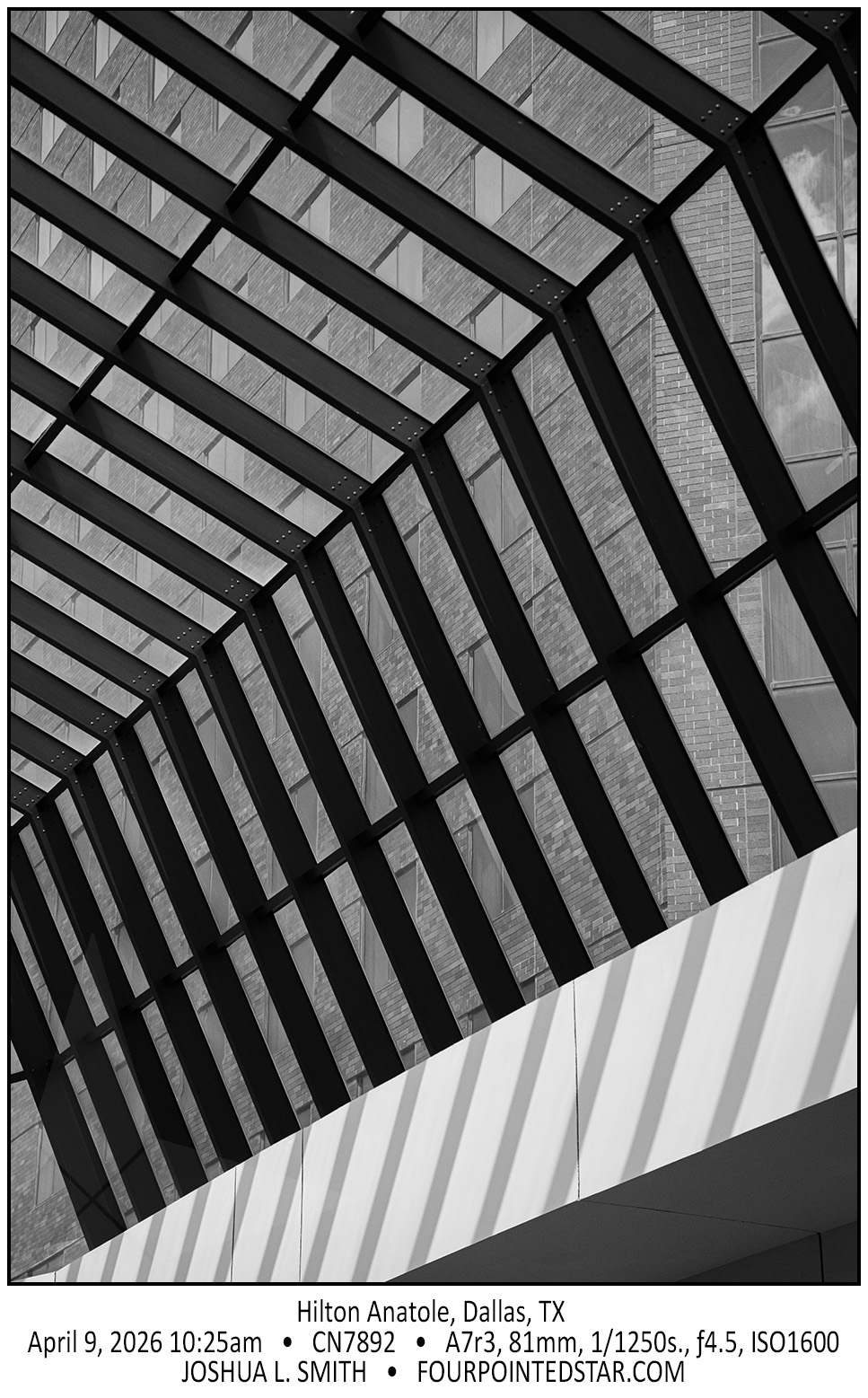
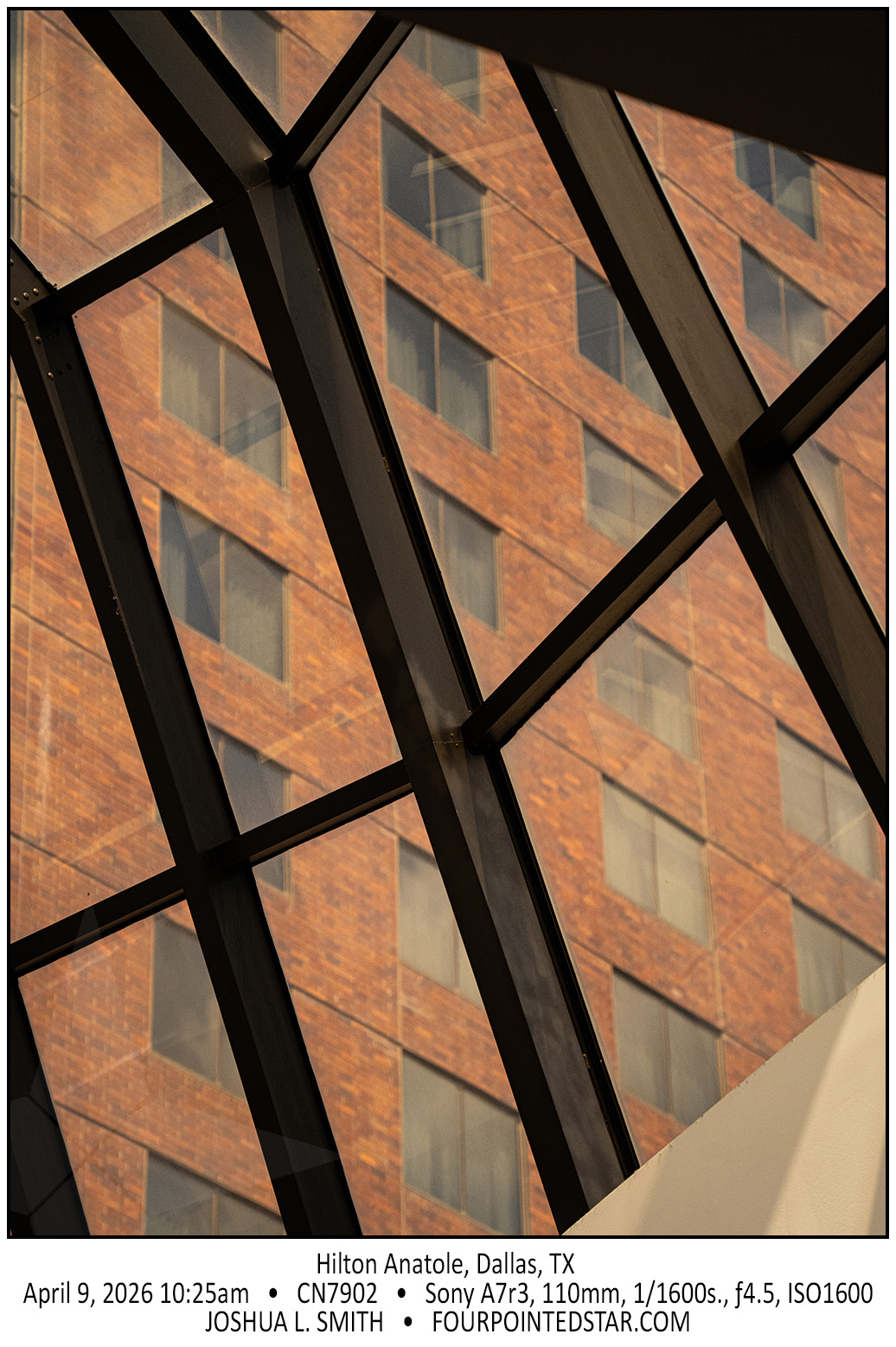
What can you do with Lines?
If you attend more than one photography presentation, you’re bound to hear “use leading lines” in some fashion. But how do you use lines in a photograph?
Are they boundaries meant to hold you in the image?
Are they pathways meant to draw you into the image?
Or perhaps they highlight a certain part of the image?
As I work more and more to define the why of how I shoot the way I shoot, I find myself wondering how I am using various items in my photograph. Most of us compose subconsciously with our subconscious forming an image out of the abstract world that we live in. The issue is – our subconscious isn’t that great at drawing rectangles; it’s not that great at noticing the distractions that are in that rectangle; and since our eyes see so much better than our cameras, our subconscious isn’t able to balance light and dark.
So back to lines, I’ve found that if I intentionally look for lines – leading lines, boxes, or highlights – I create better images that are easier to edit. After all, the creative process doesn’t end with pressing the shutter button; but that’s a topic for another day.
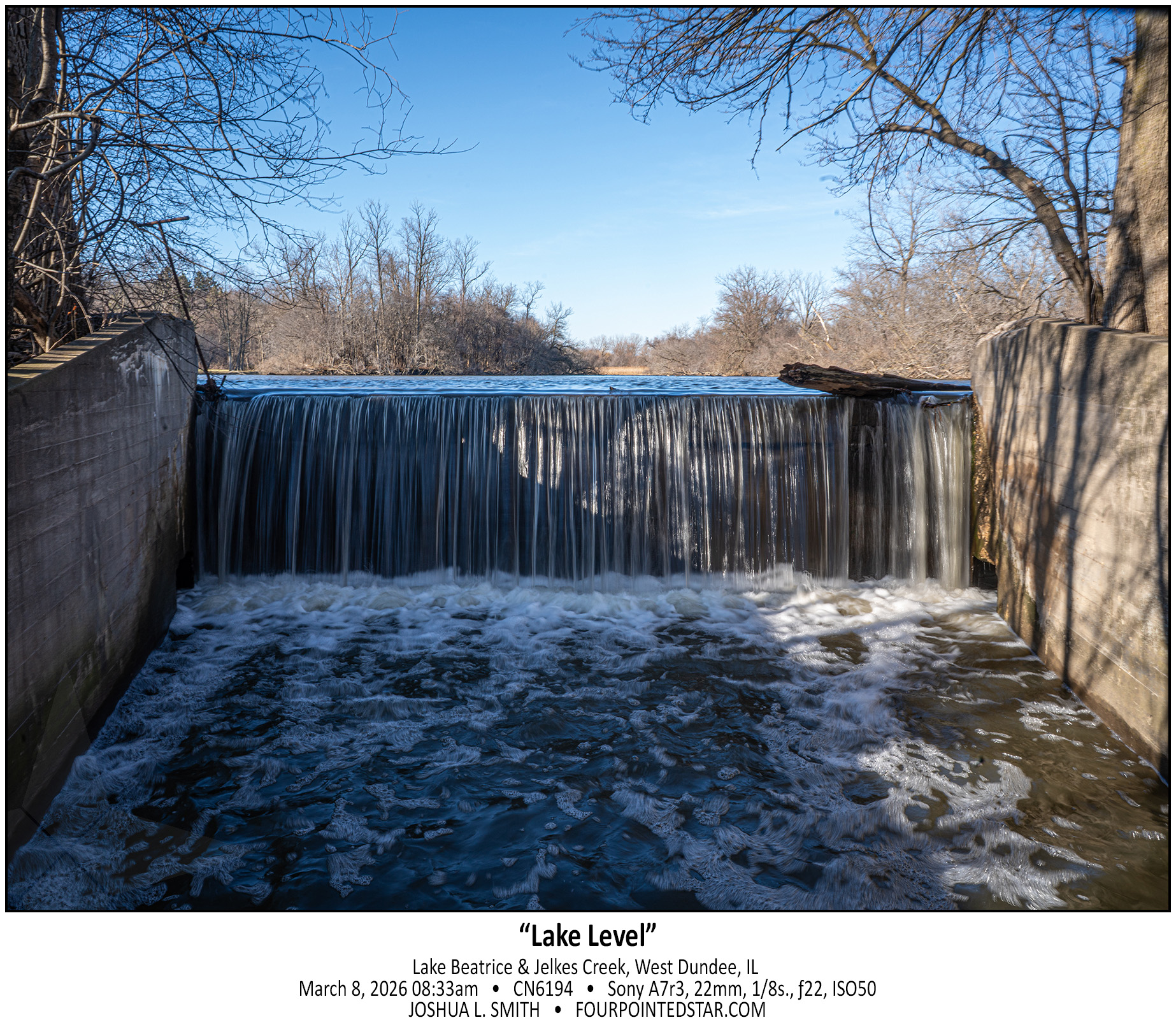
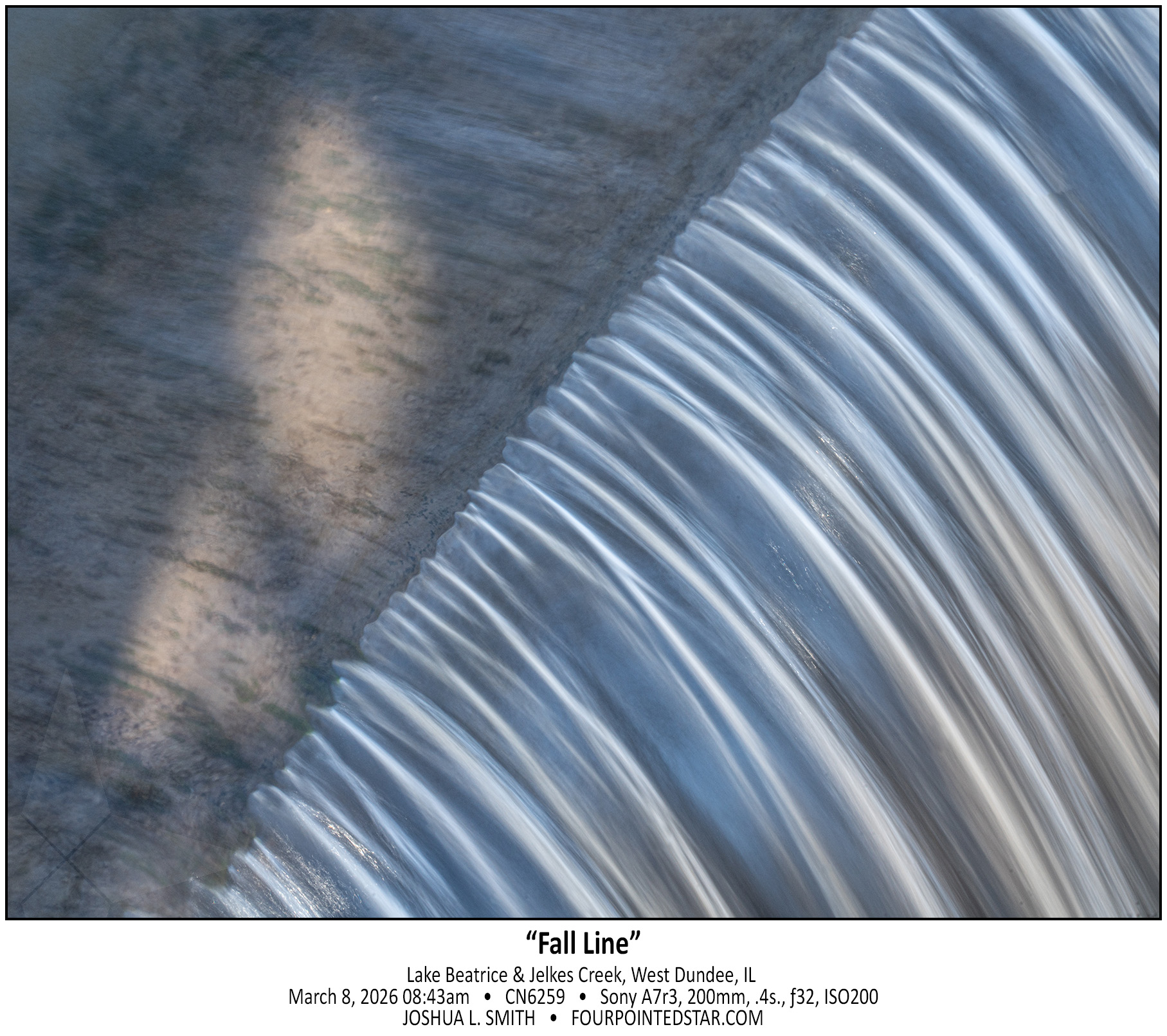
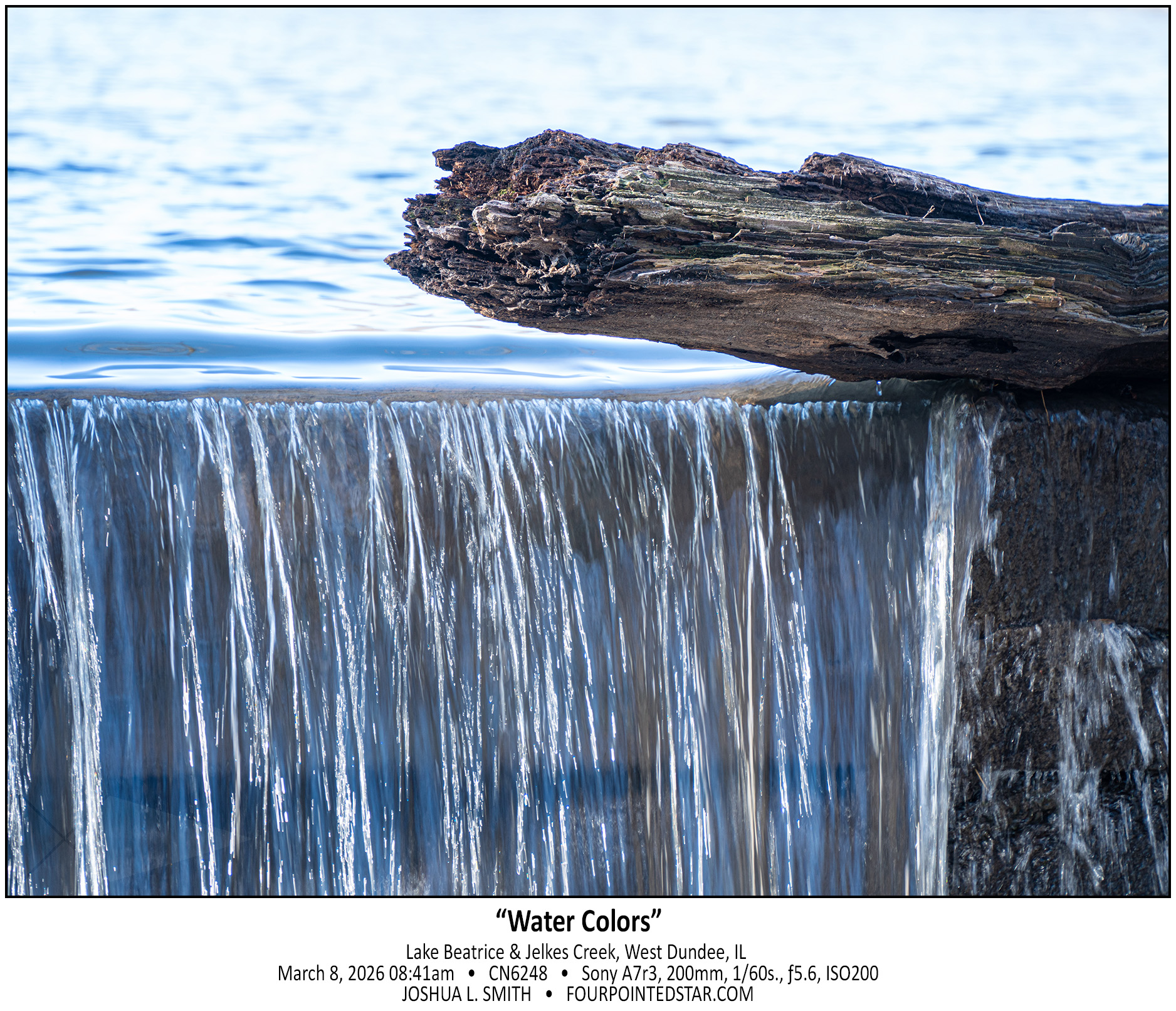
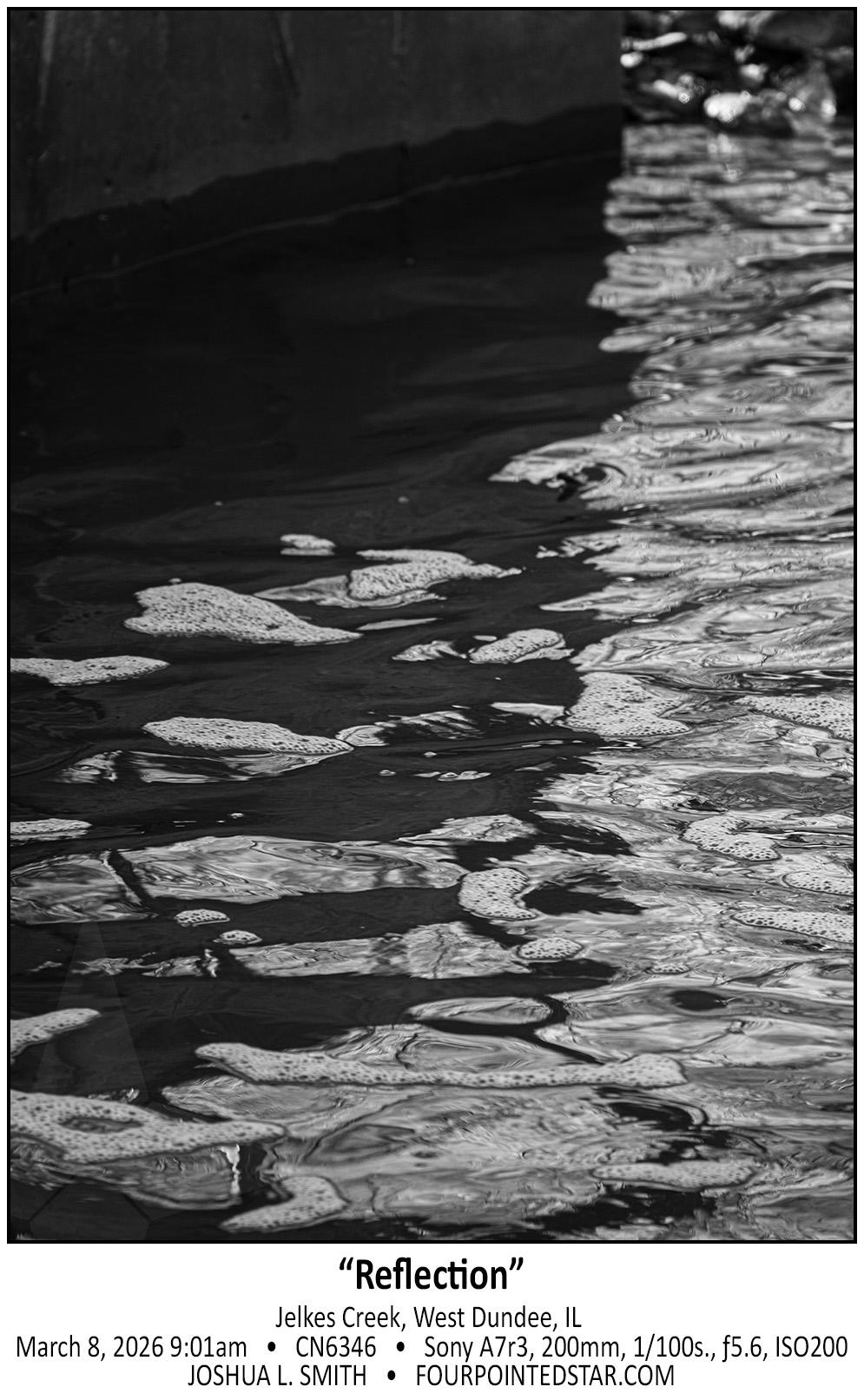
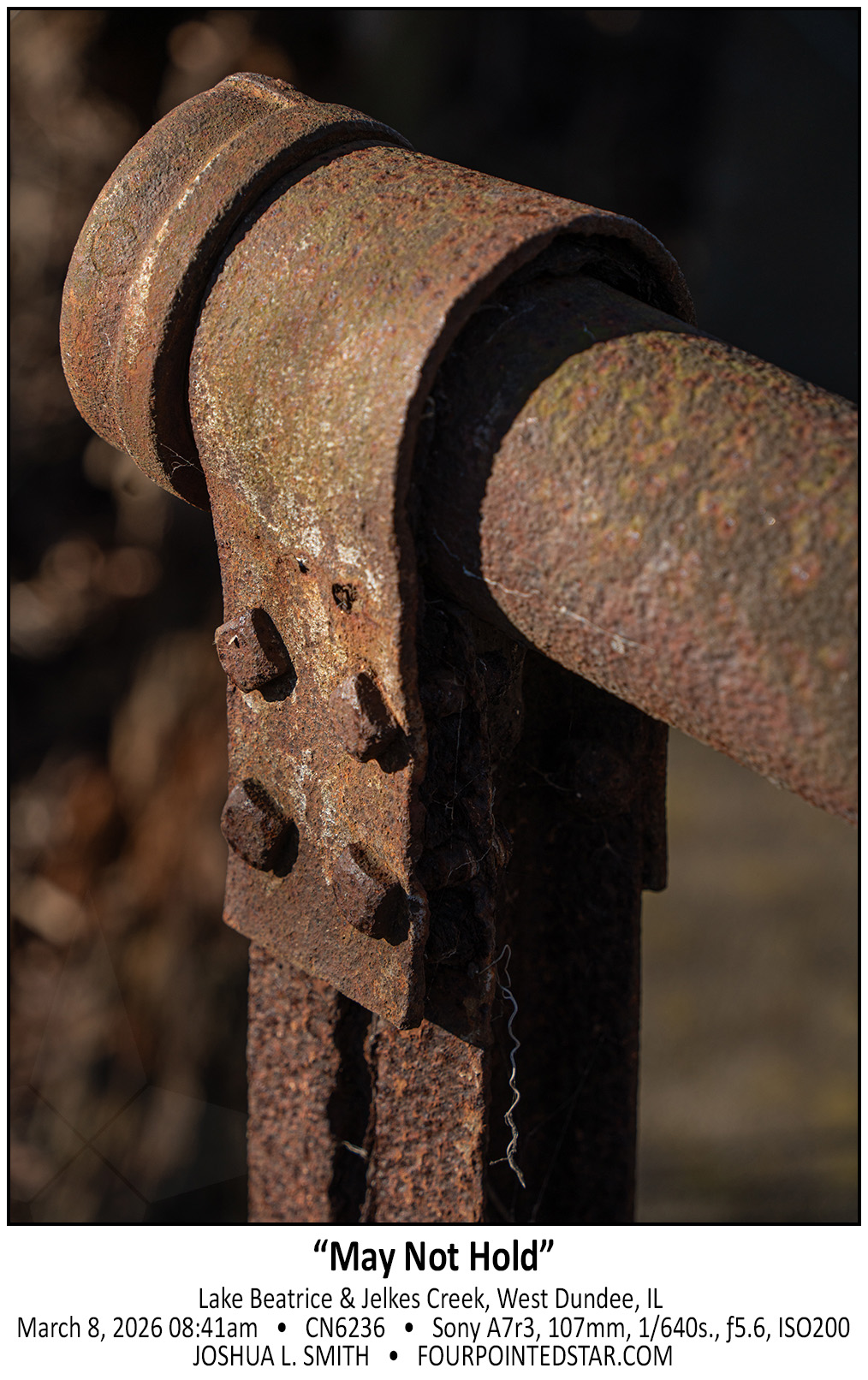
What makes a waterfall a “waterfall”? Jelkes Creek doesn’t have enough elevation change to create a falls through its meandering path in Sleepy Hollow and Dundee Township to create much besides bogs and marshes. I would guess that this damn & spillway were created as a control point for Jelkes Creek as it flows under Hwy 31. What I find most interesting is that I’ve driven by Lake Beatrice for over 15 years and missed that this spillway existed the entire time.
.
.
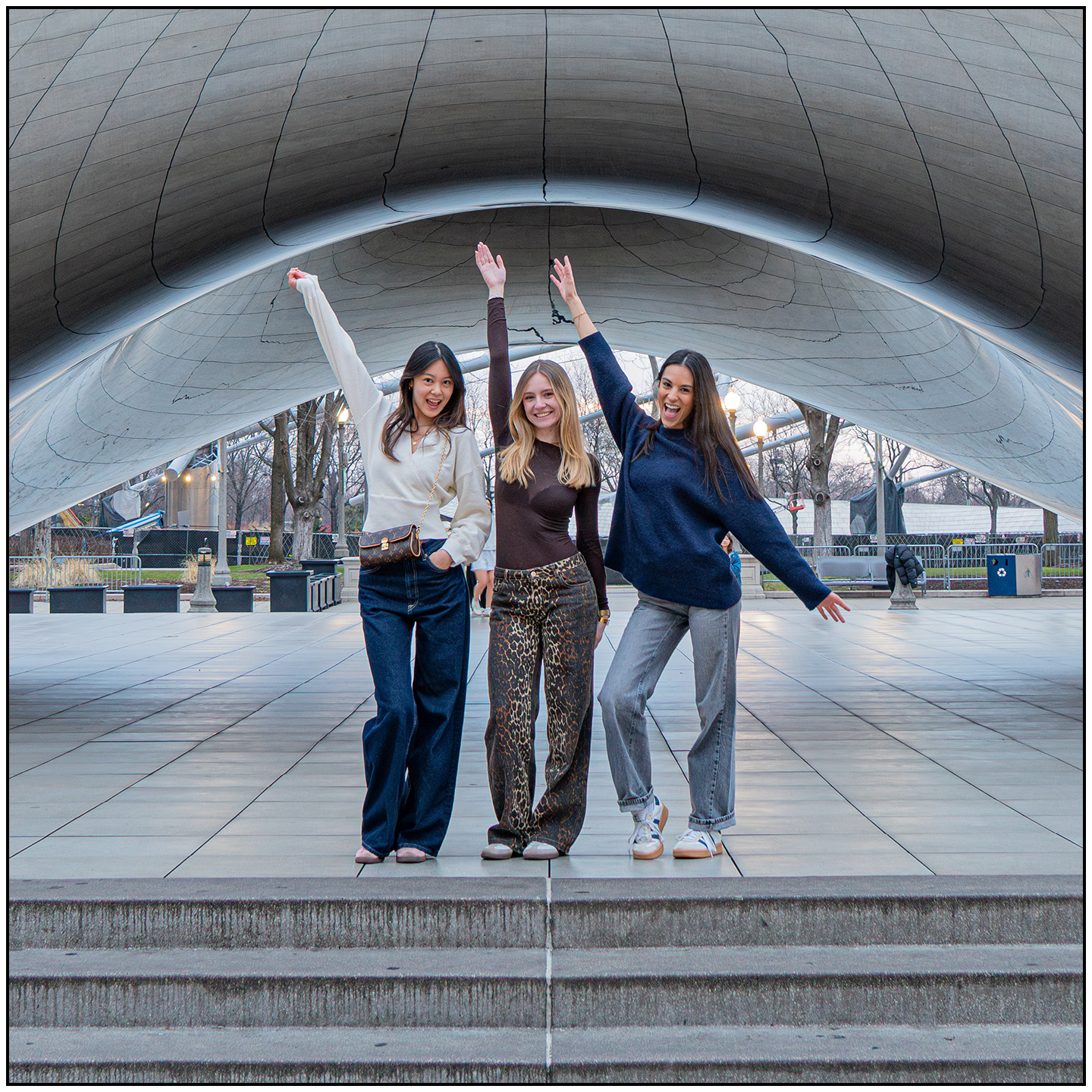
As I waited for the sun to rise, a few photographers arrived with the same idea – Chicago Henge under the Bean. As we waited, we all came to the same realization, that this photo was not going to materialize. There were quite a few tourists wandering around by 7am, so when I saw these three younger girls come by, I asked them if they would pose for us for a few photos; they happily obliged.
They were all 3 college students from France who were spending a month in New York for school and took a trip to Chicago for the weekend.
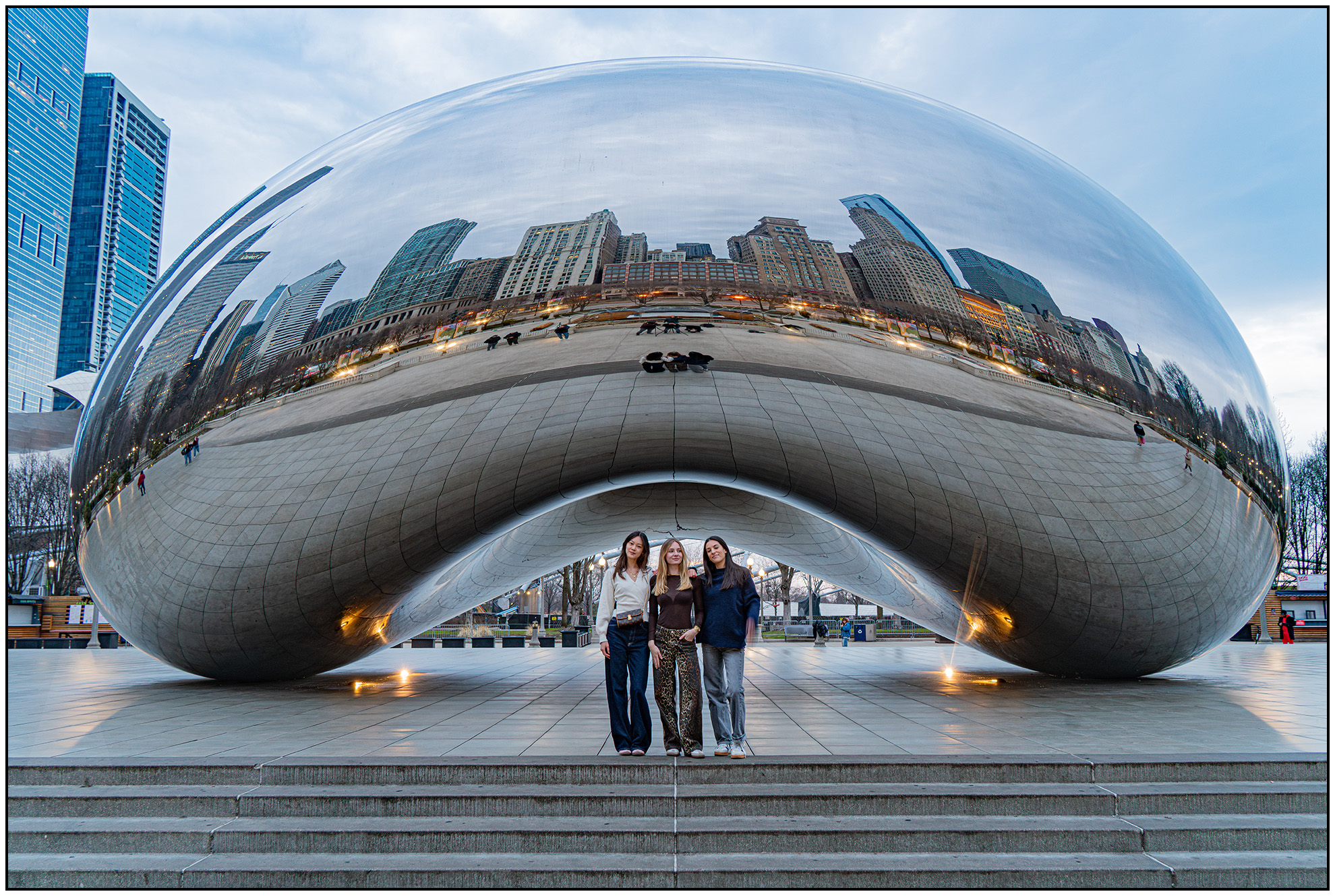
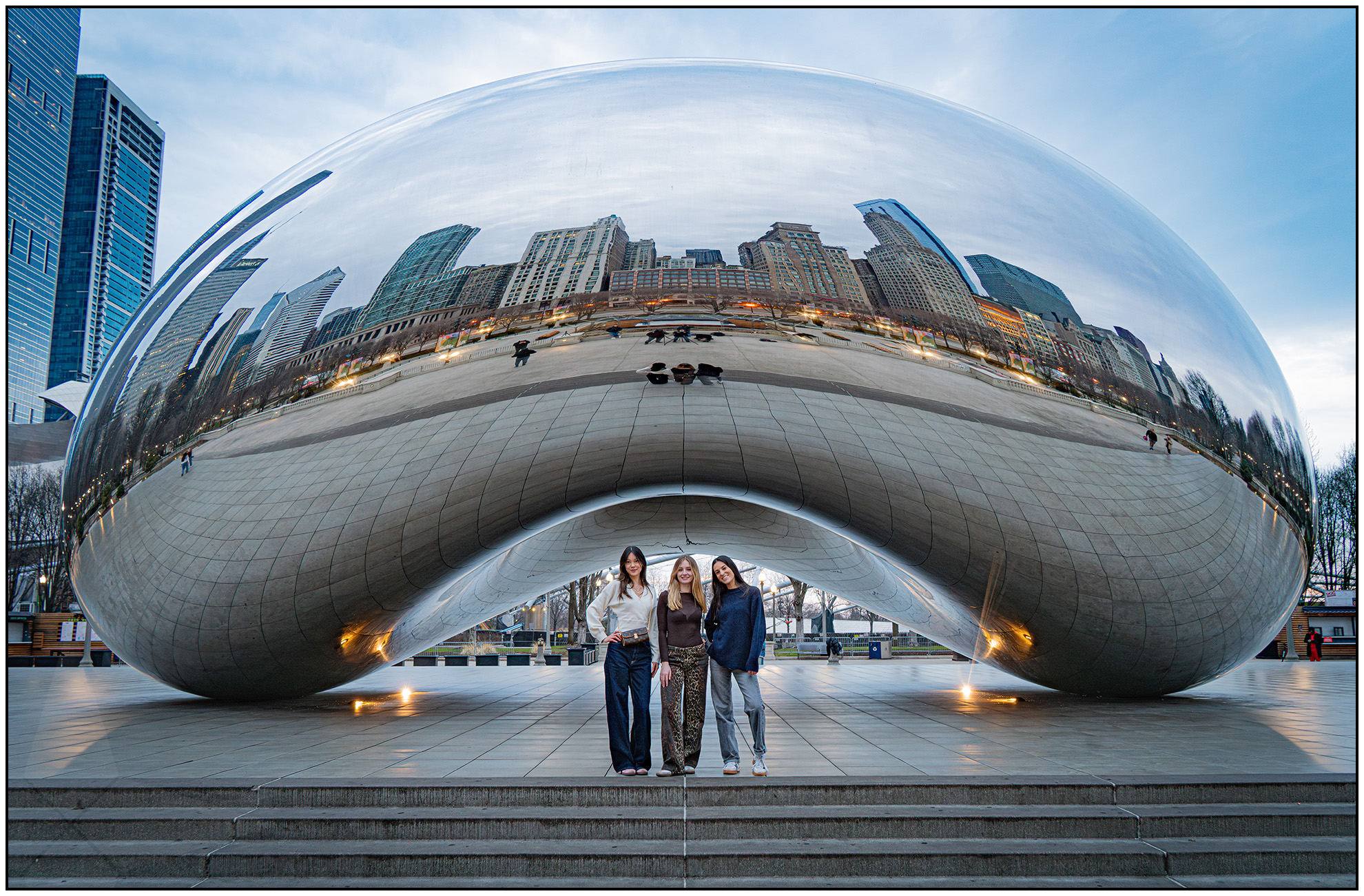

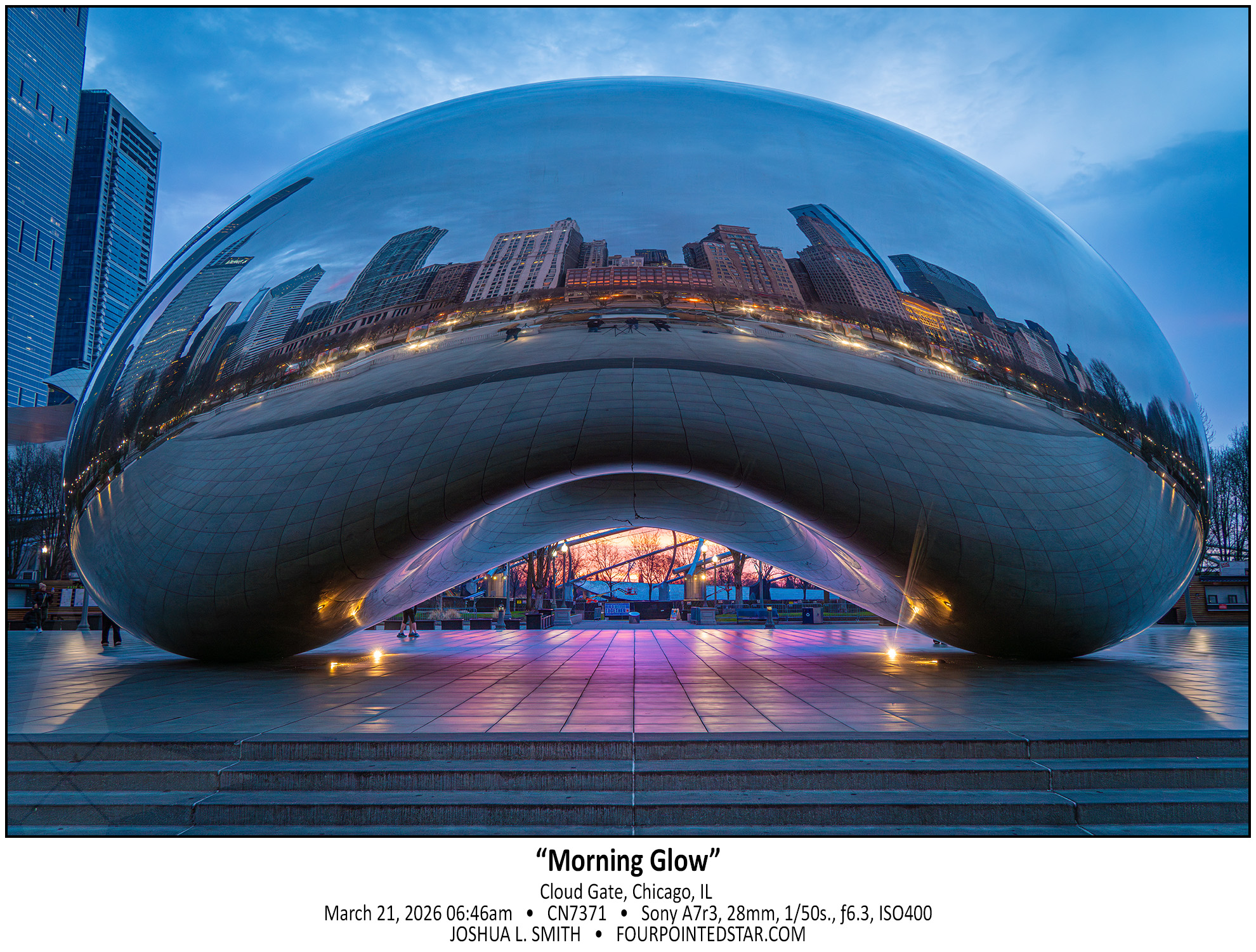
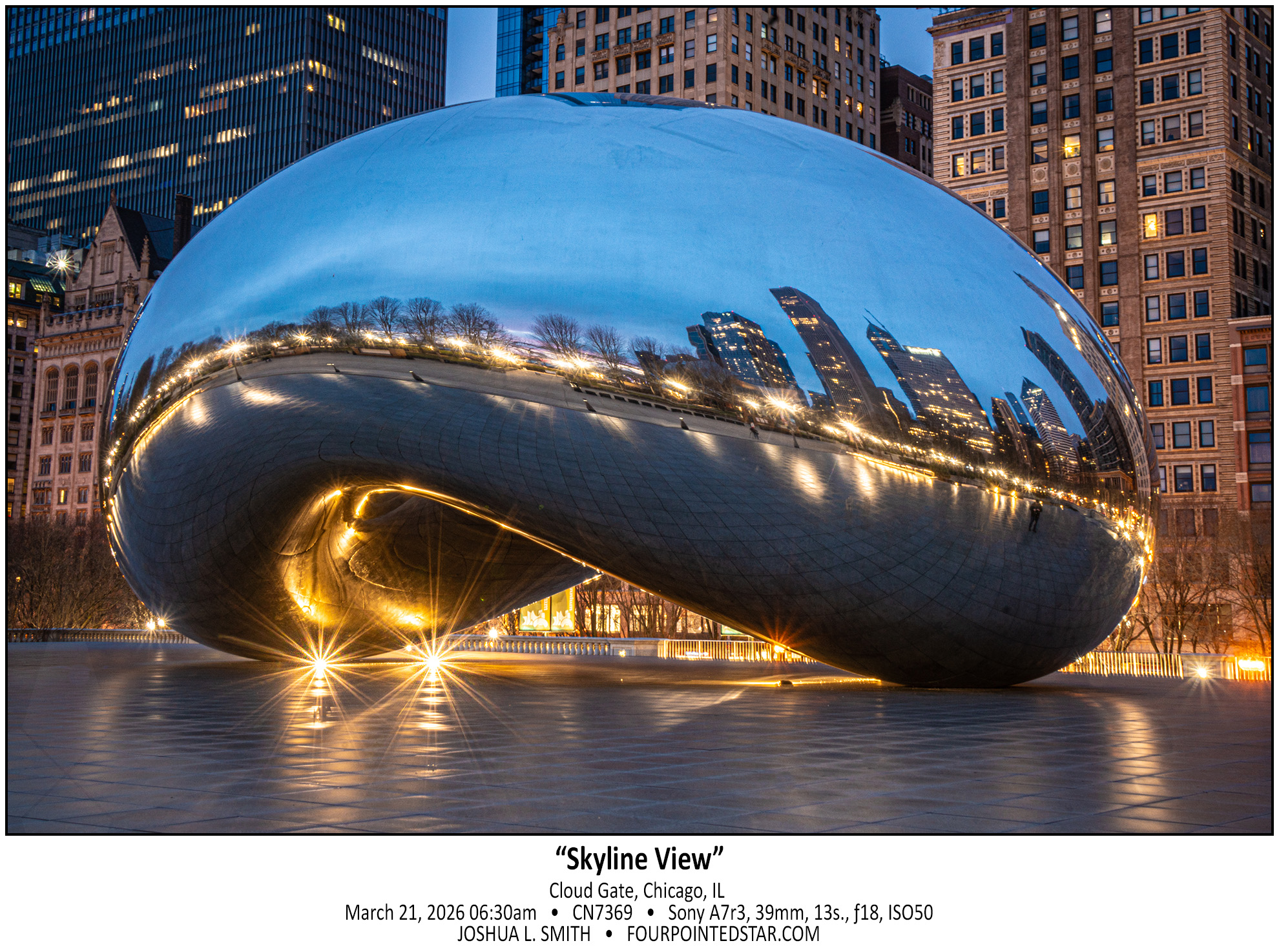
There are three or four days in the spring and fall when the sunrise aligns with the Bean in downtown Chicago. Back in 2023, I drove downtown twice to capture “Chicago Henge” and ended up with this delightful photo.
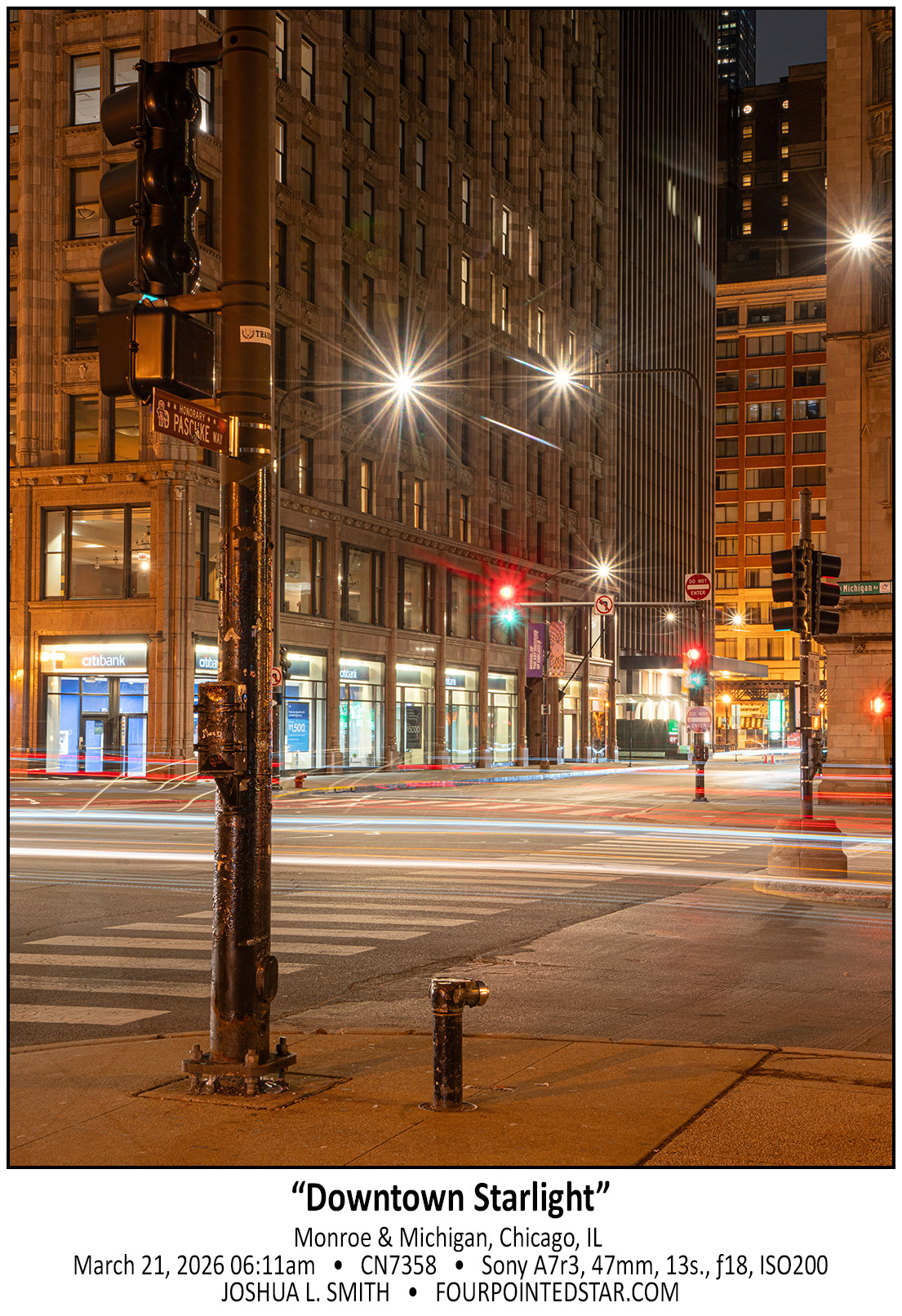
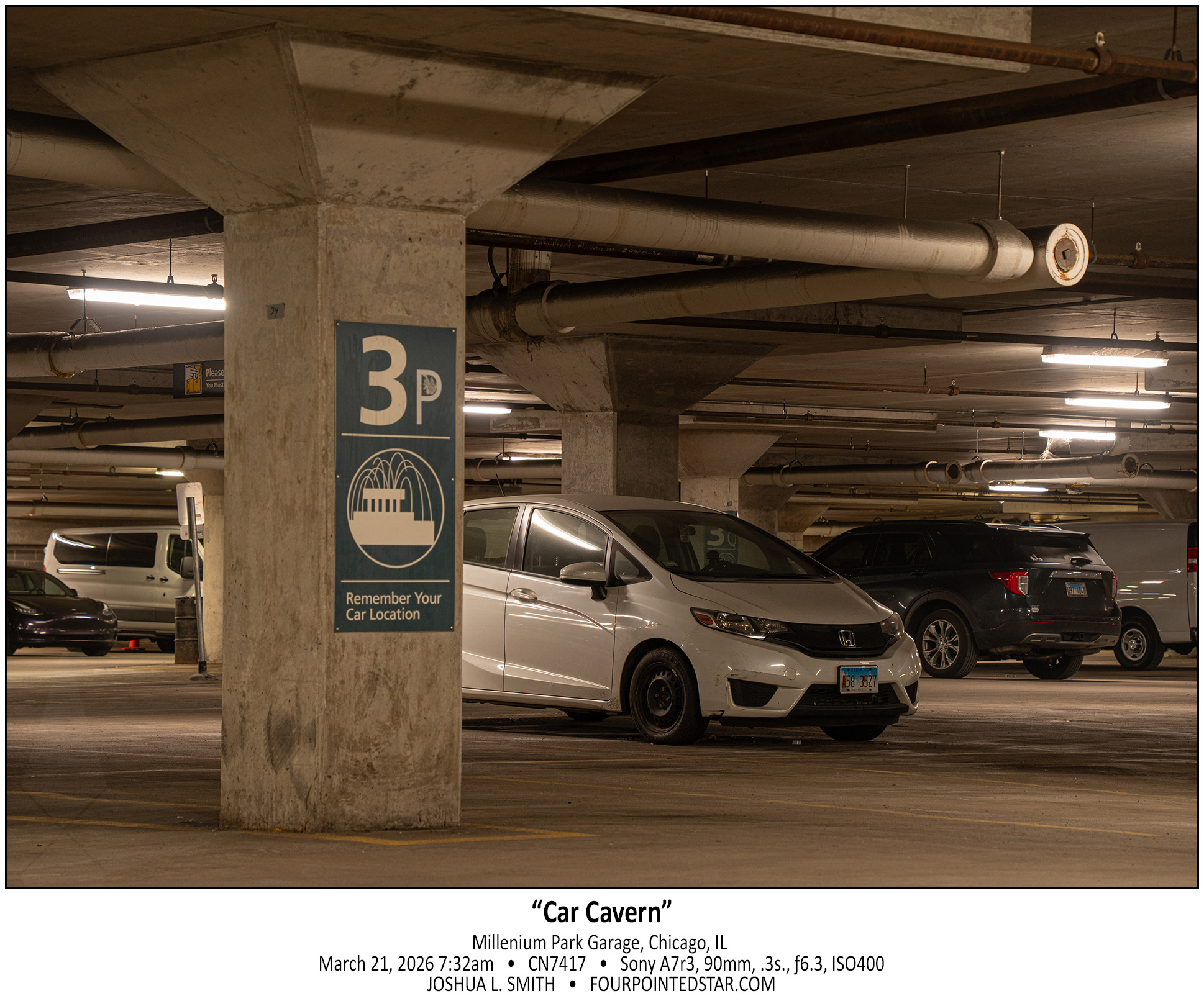
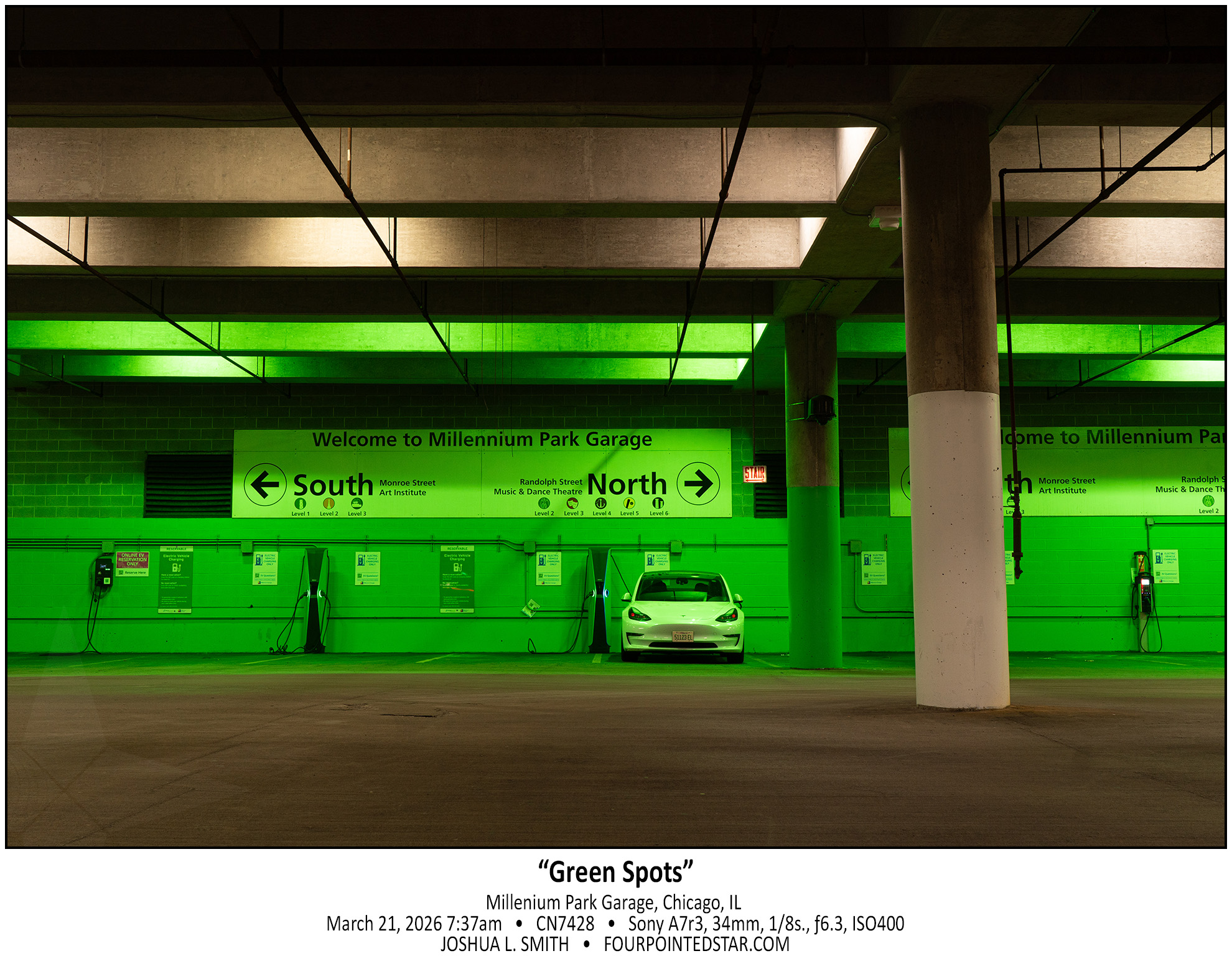
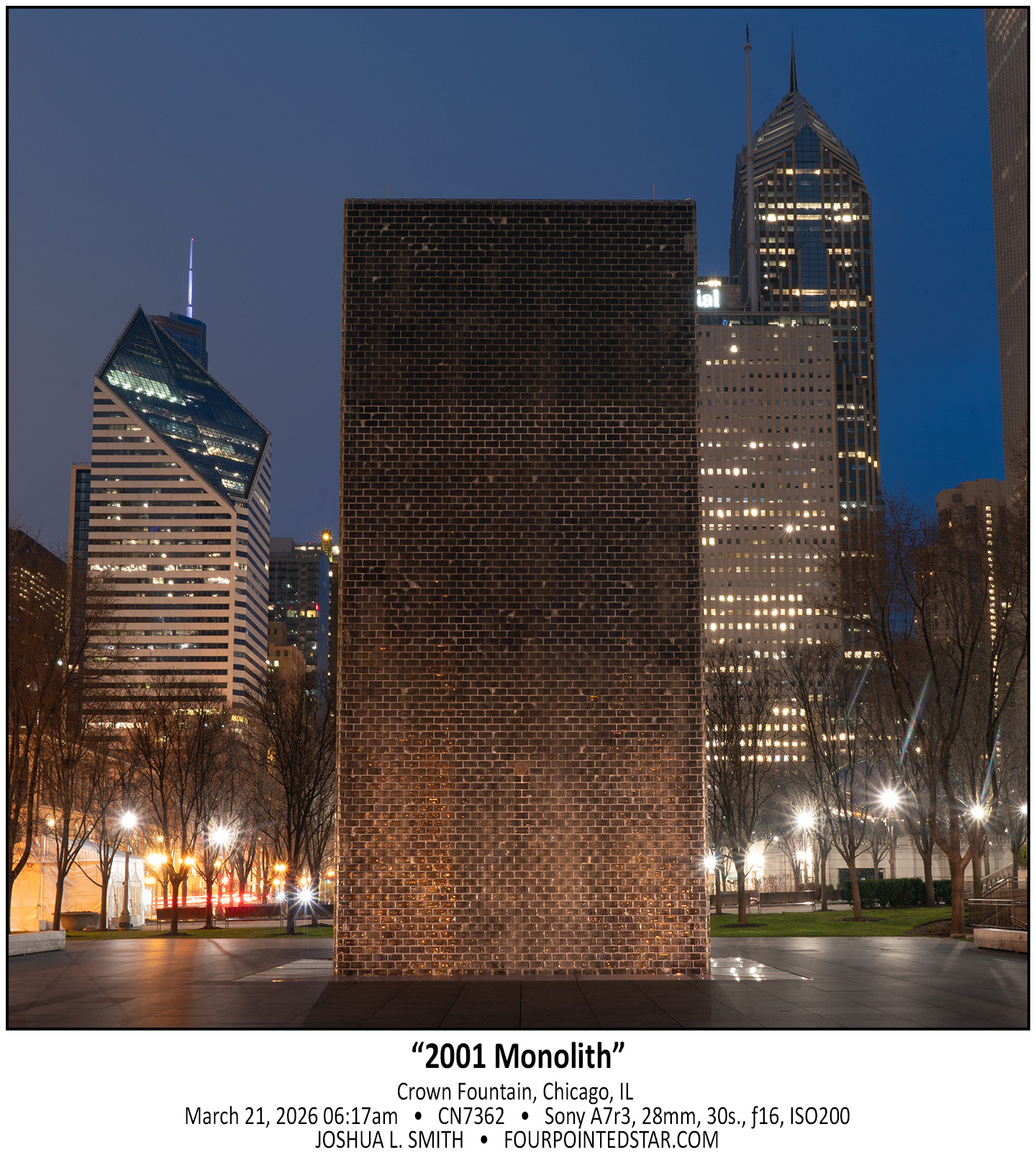
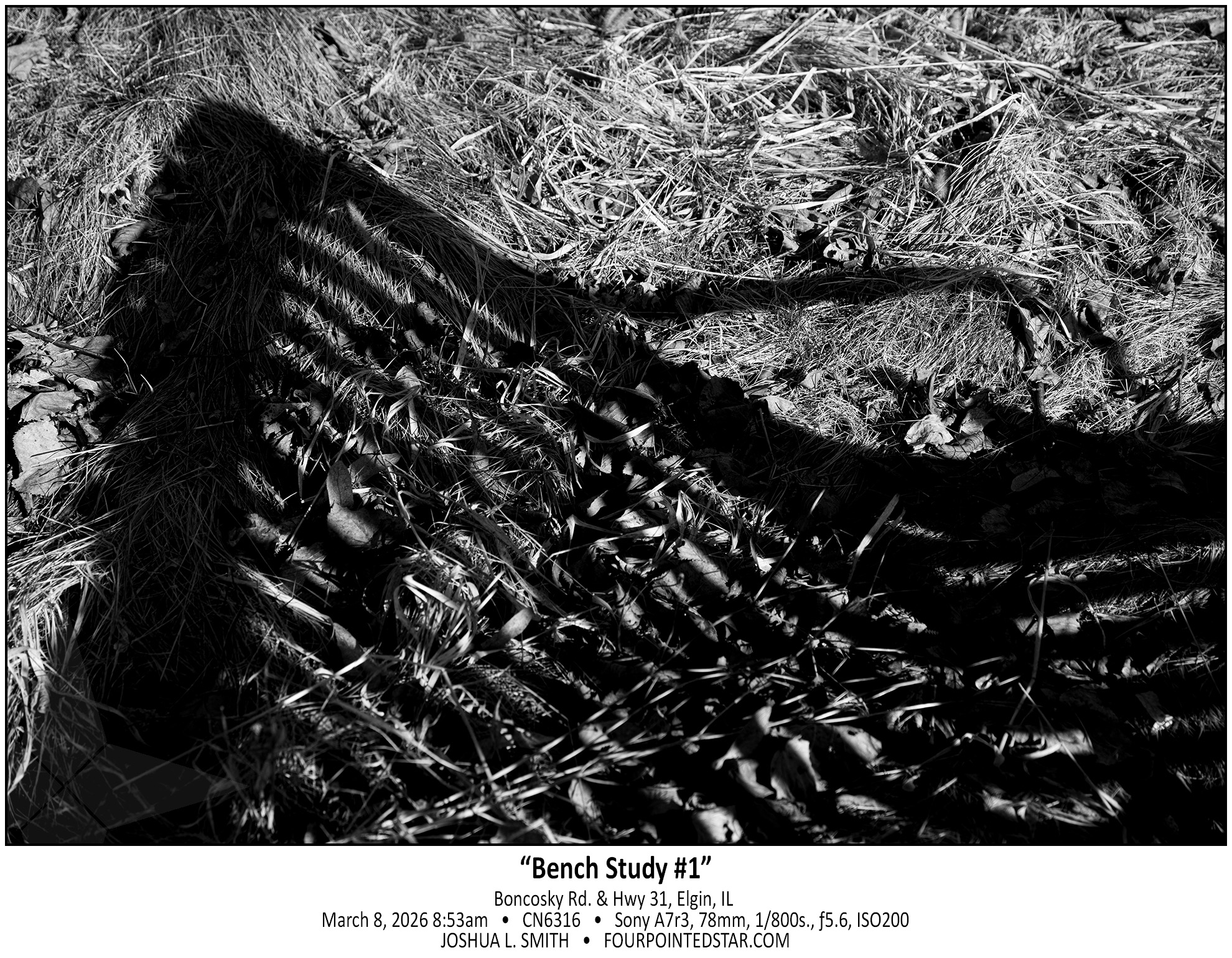
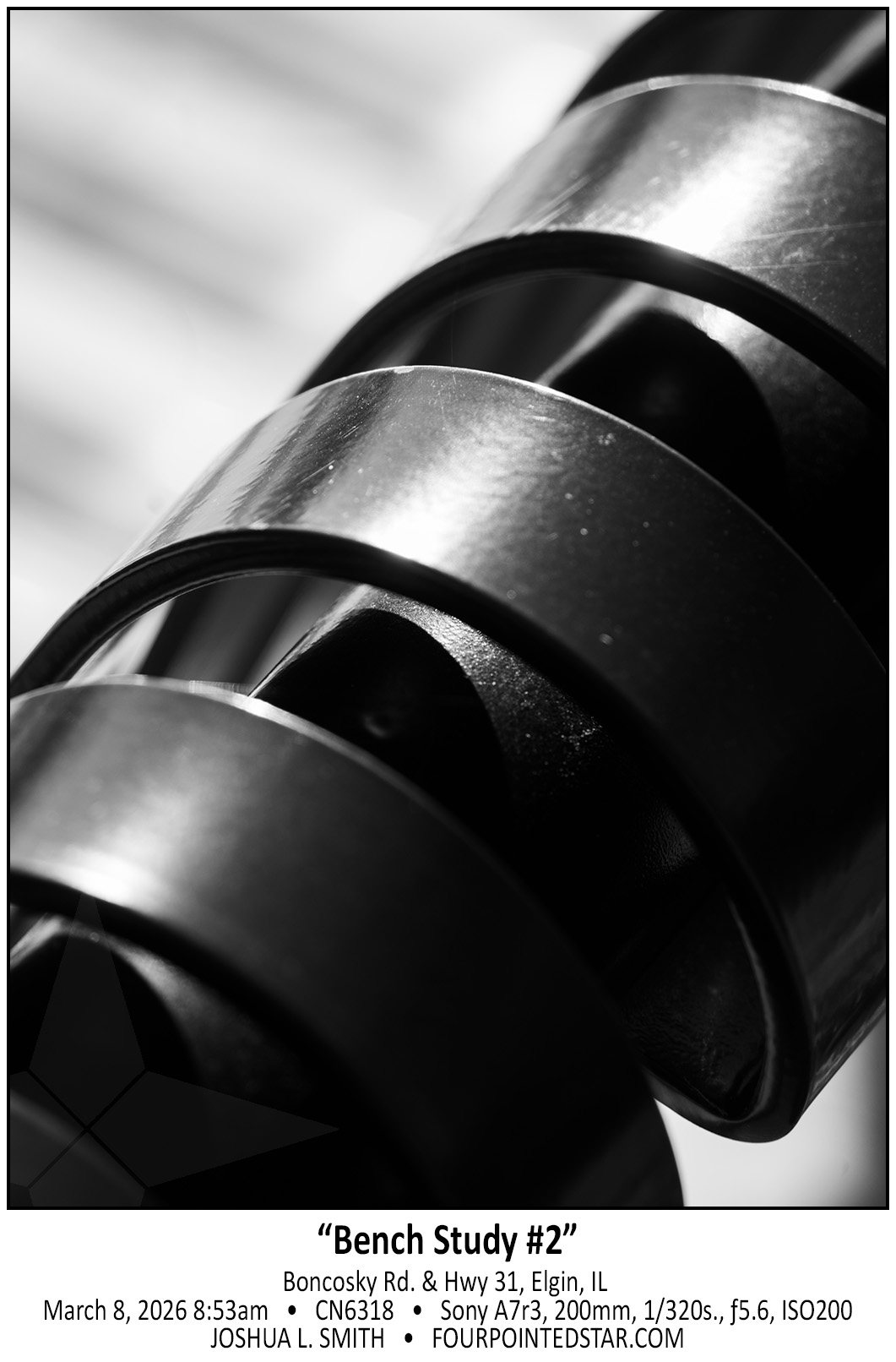
This spring, Chicago Henge was on a weekend, so I got up at 4am to head downtown to capture the sunrise; sadly this glow was the most that Mother Nature cooperated. When I arrived downtown, it was pretty obvious that the sky would remain overcast, so I created other images instead and ended up with 3 pairs of photos that I like.
All in All, a successful trip.
.
.
.
.
.
.
.
.
.
.
.
.
.
.
.
.
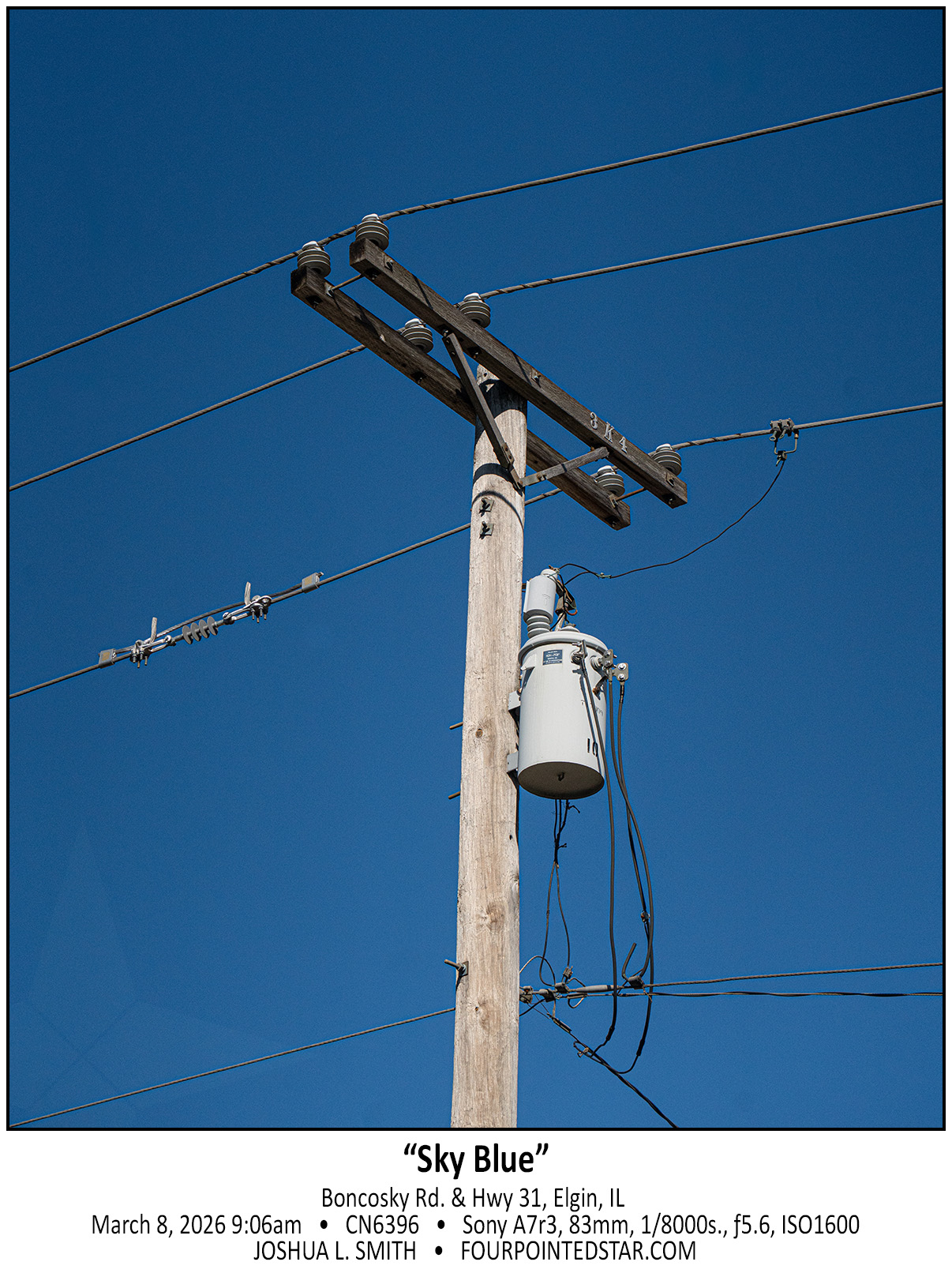
While on a call about photography of the boring world around us, I saw an image of blinds with a pull string. It was a perfect image – simple and yet compelling, so I attempted to re-create the image during that call using the blinds in my office.







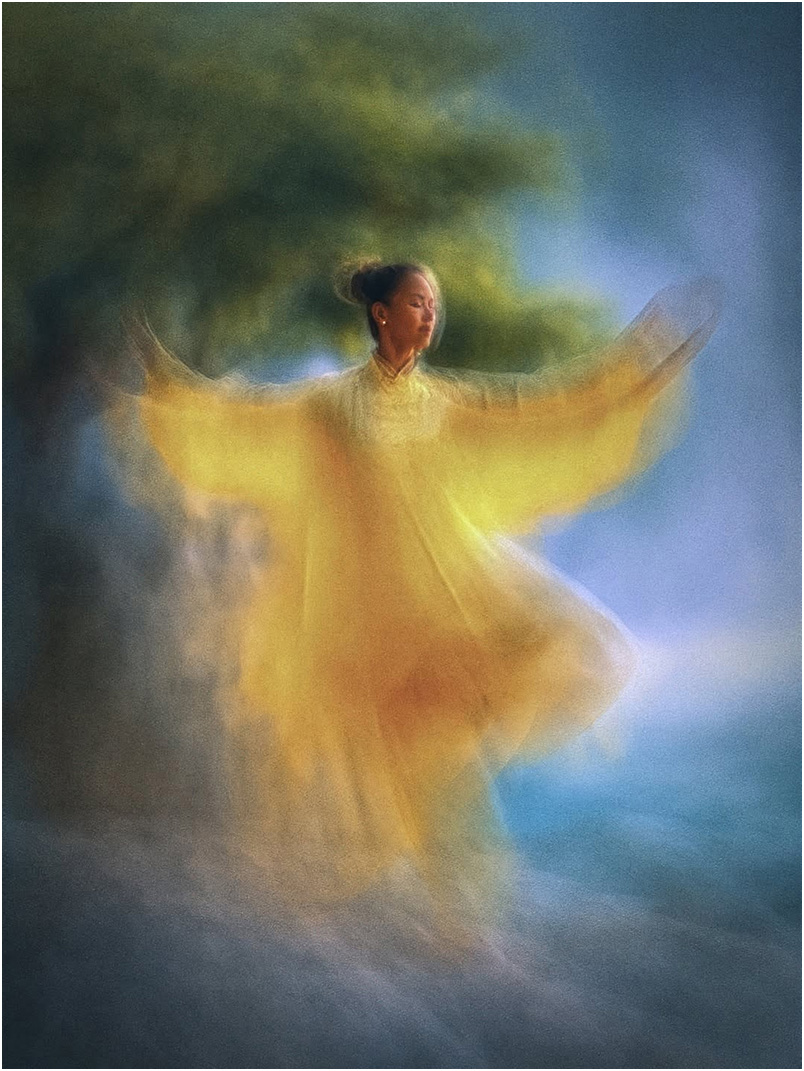
Back in late December, I ran across this composite photo by Sven Bergmeier on Facebook – the yellow leapt off the screen, just like the serenity of the dancer leapt into my memory. As is normal for me – I started imagining ways that I could create similar images.
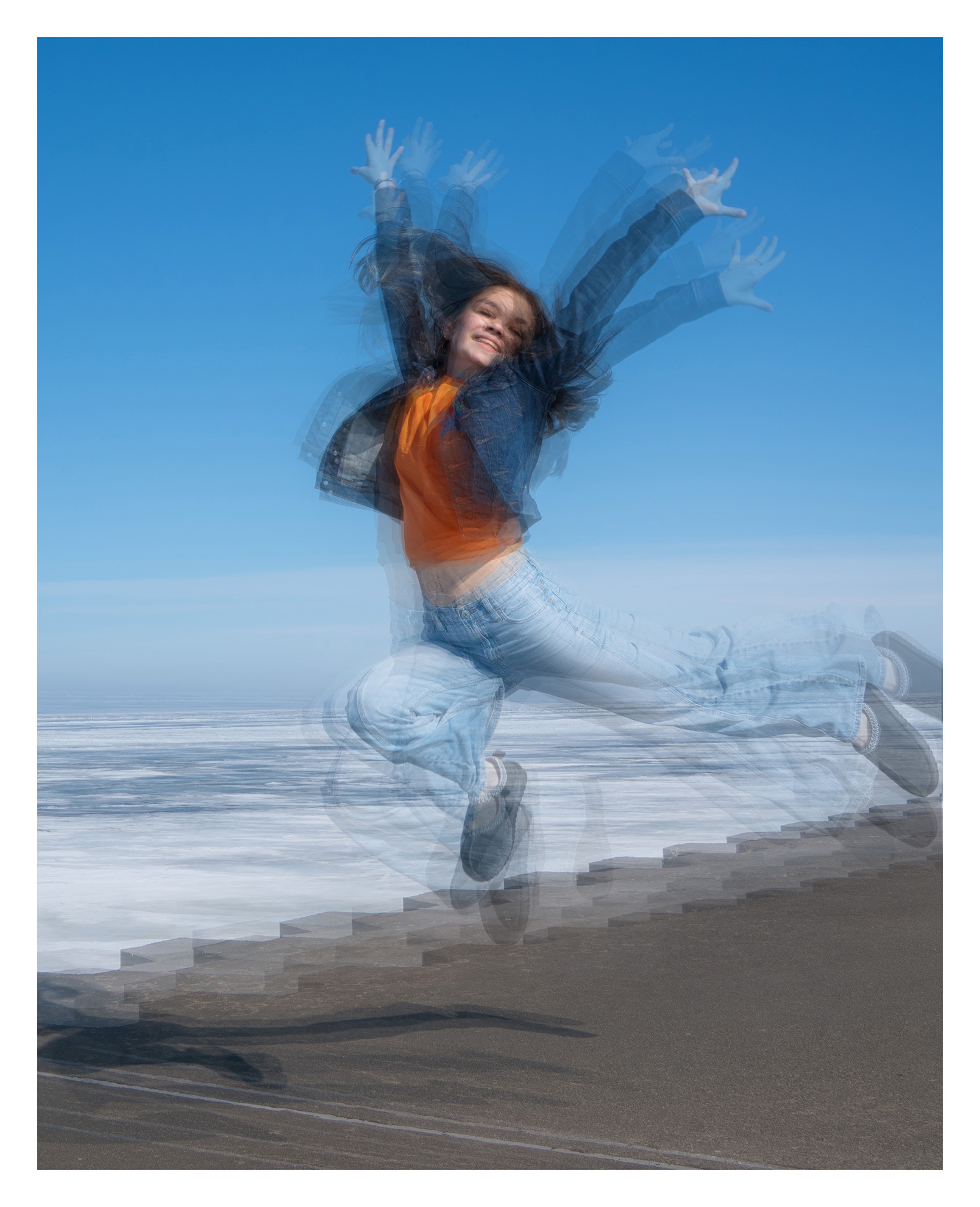
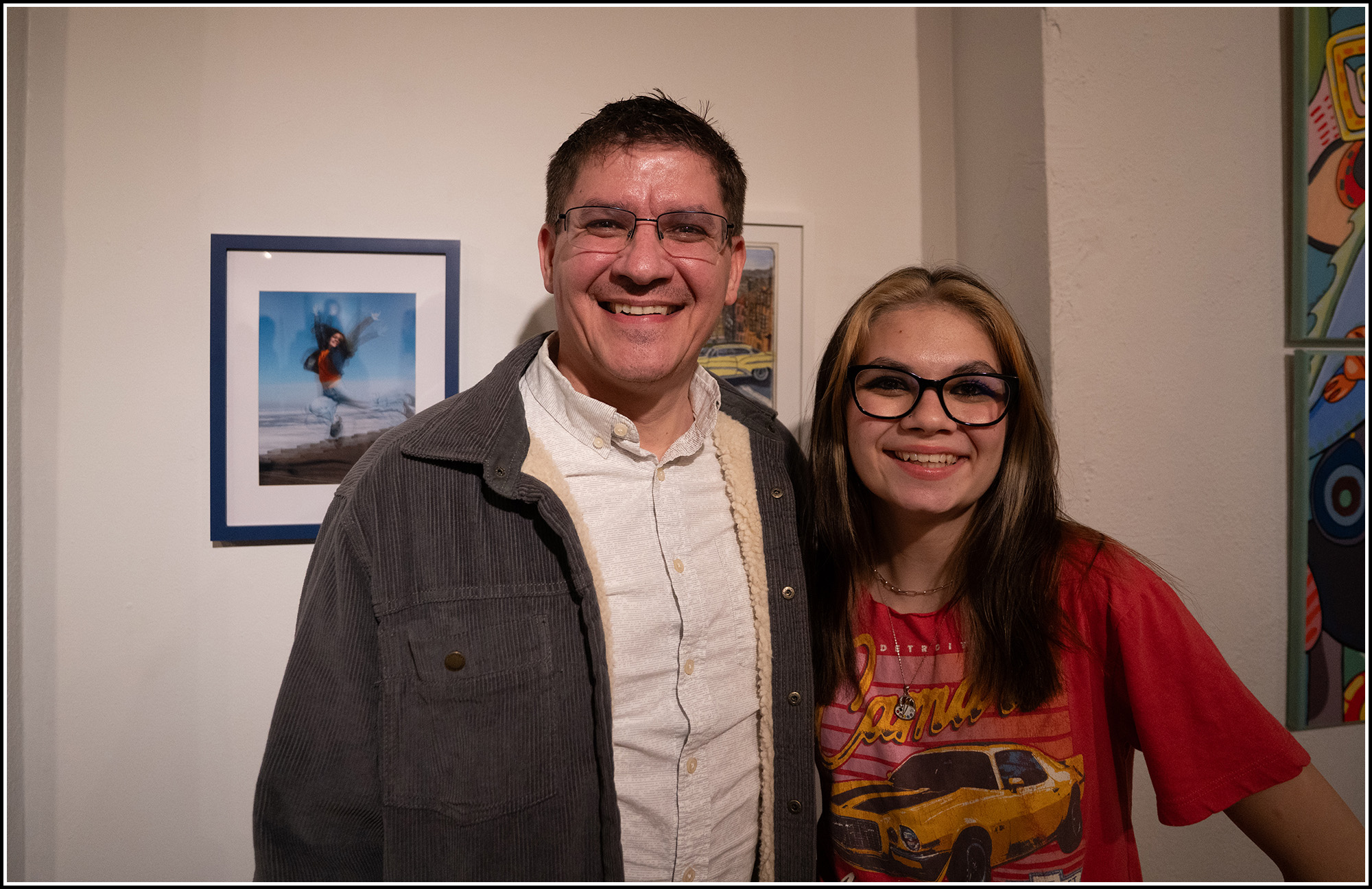
This image rattled around in my brain for a couple of weeks until Side Street Studio Arts, here in Elgin, announced the call for art for their 13th anniversary. One of my goals is to enter more of my photography into exhibits, but not the simple images, but the creative pieces.
I asked my oldest daughter if she would like to help create an image for the Side Street exhibit; she’s danced in a private studio, and then in her high school’s Orchesis program as well. I showed her the idea and then some ideas for a pose when she jumps; and then, on a 25 degree morning, we went out along Lake Michigan and captured quite a few photos.
I love how this images shows her joy and enthusiasm, the orange pops against the blues and concrete, and the variations in her jump add to the image rather than detract. Hopefully other photographers will see this creation, and be inspired to create images too.
.
.
.
.
.
.
.
.
.
.
.
.
.
.
.
.
.
.
.
.
.
.
.
.
.
.
.
.
.
.
.
.
.
.
.
.
.
.
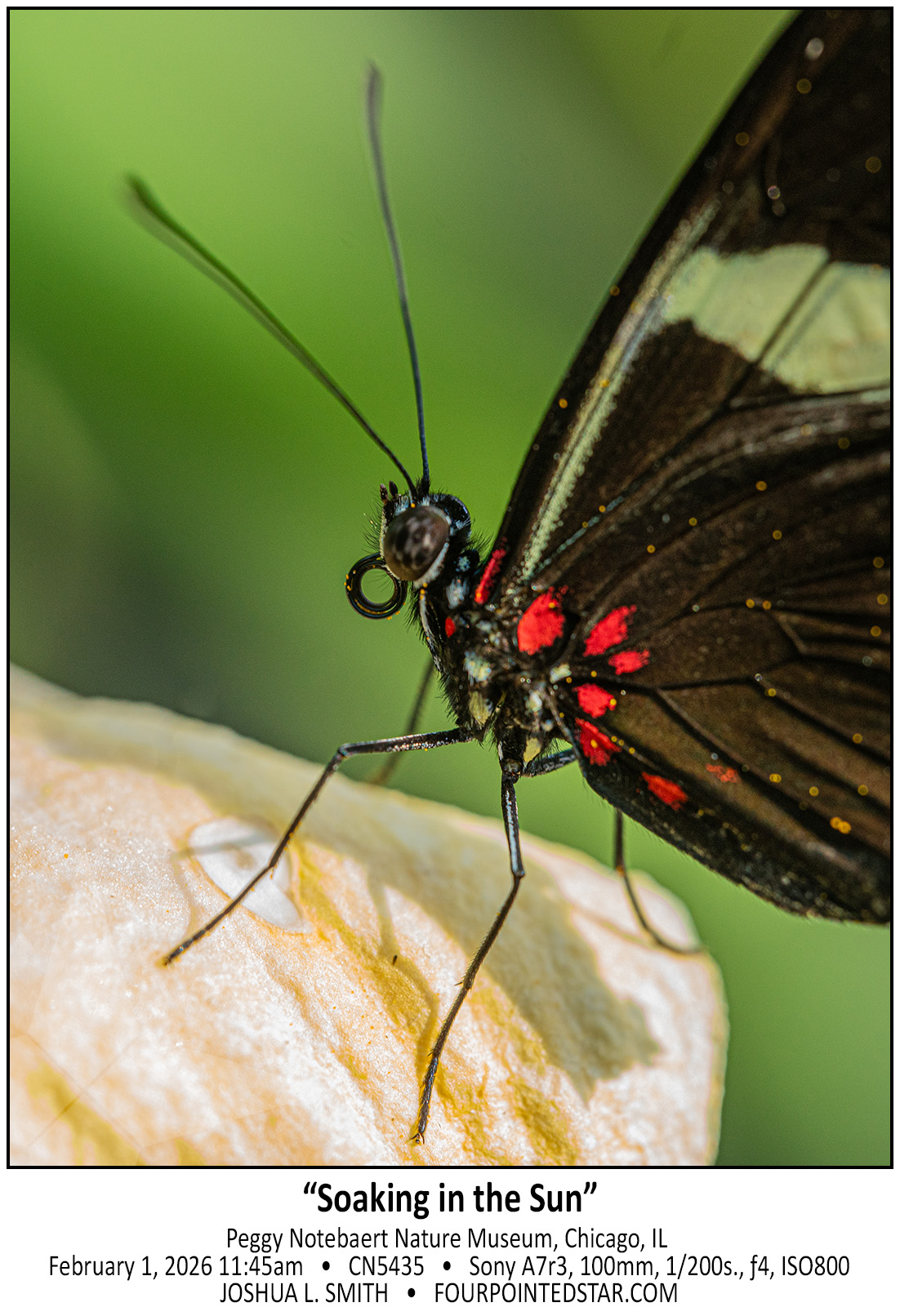
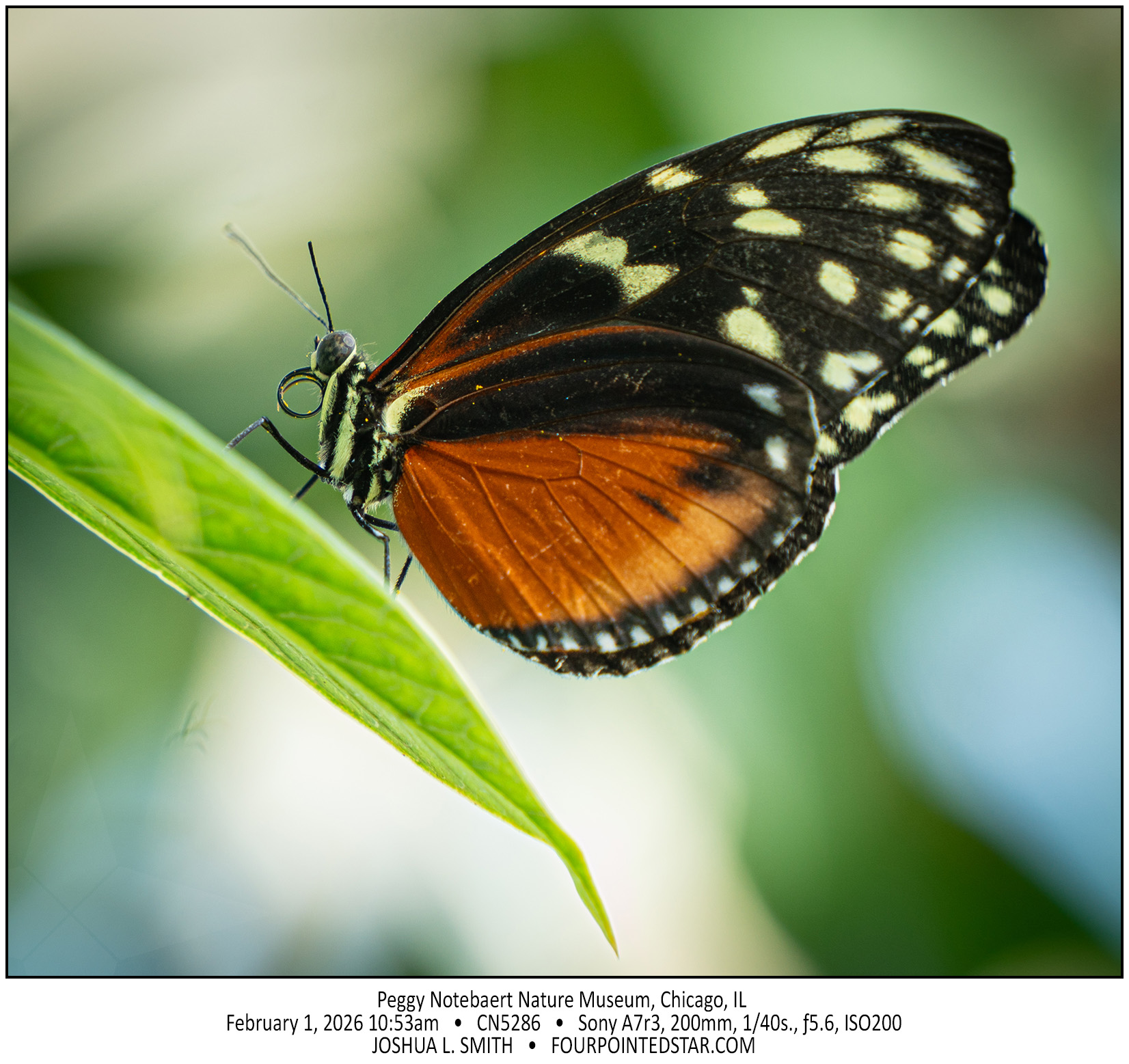
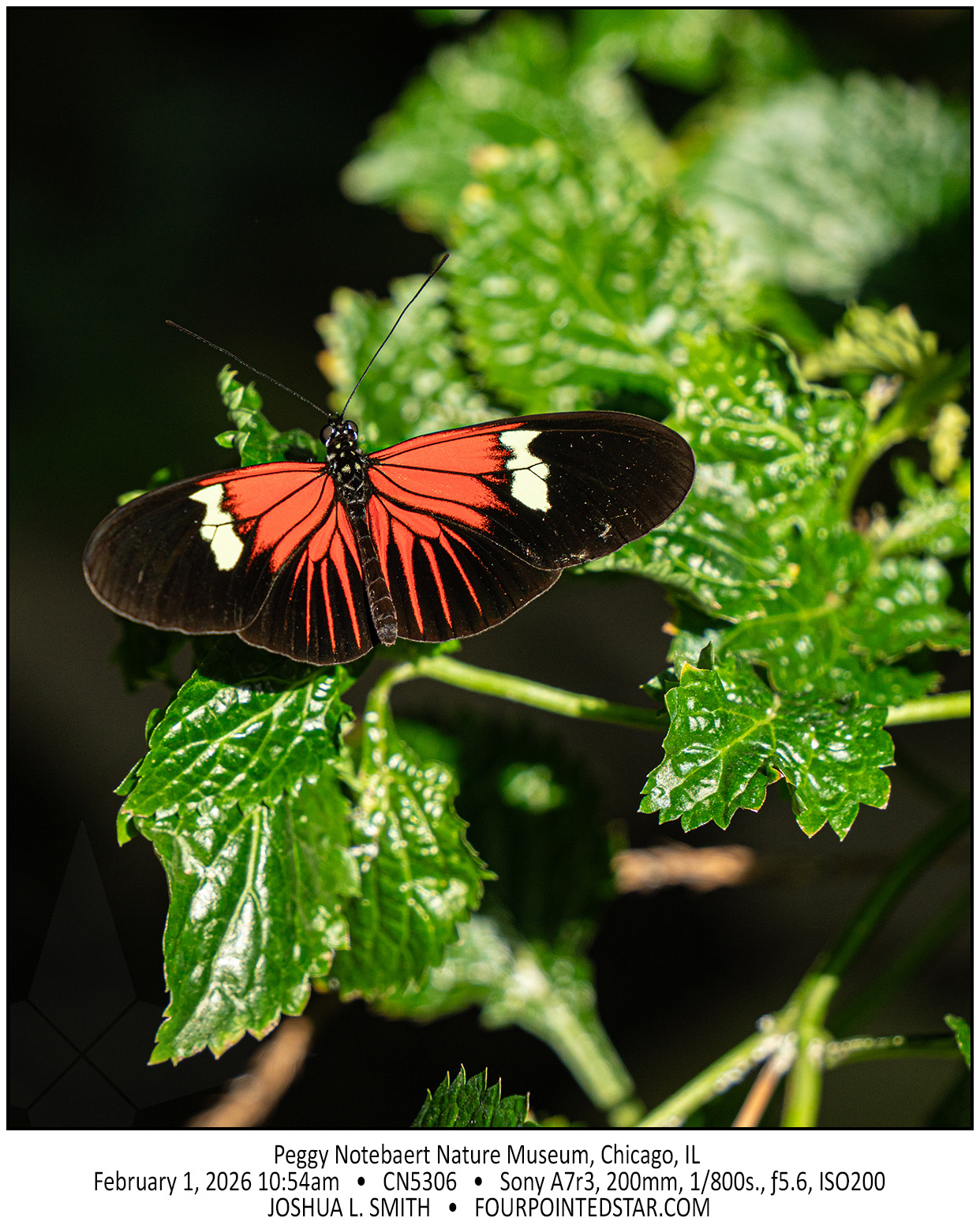
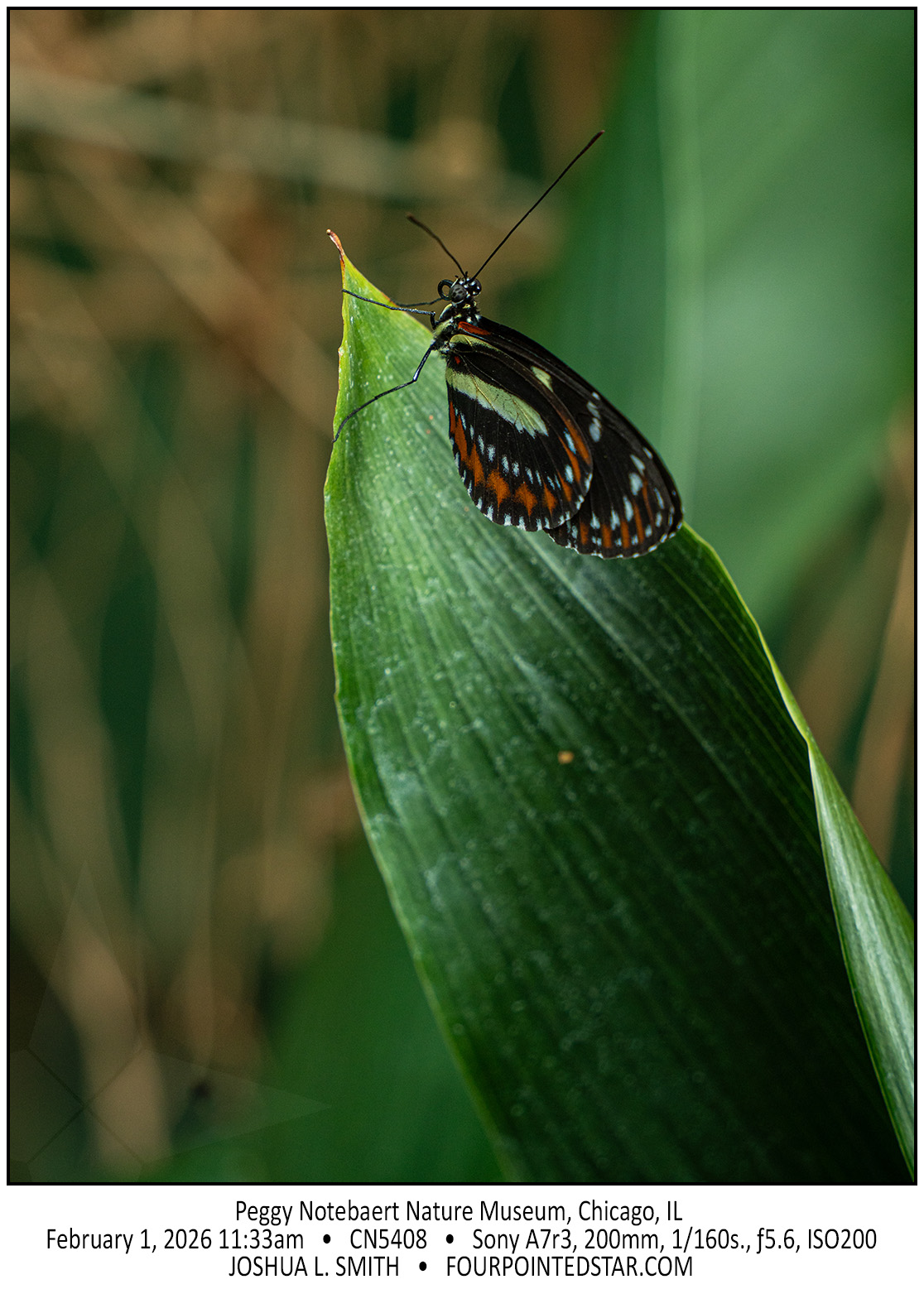
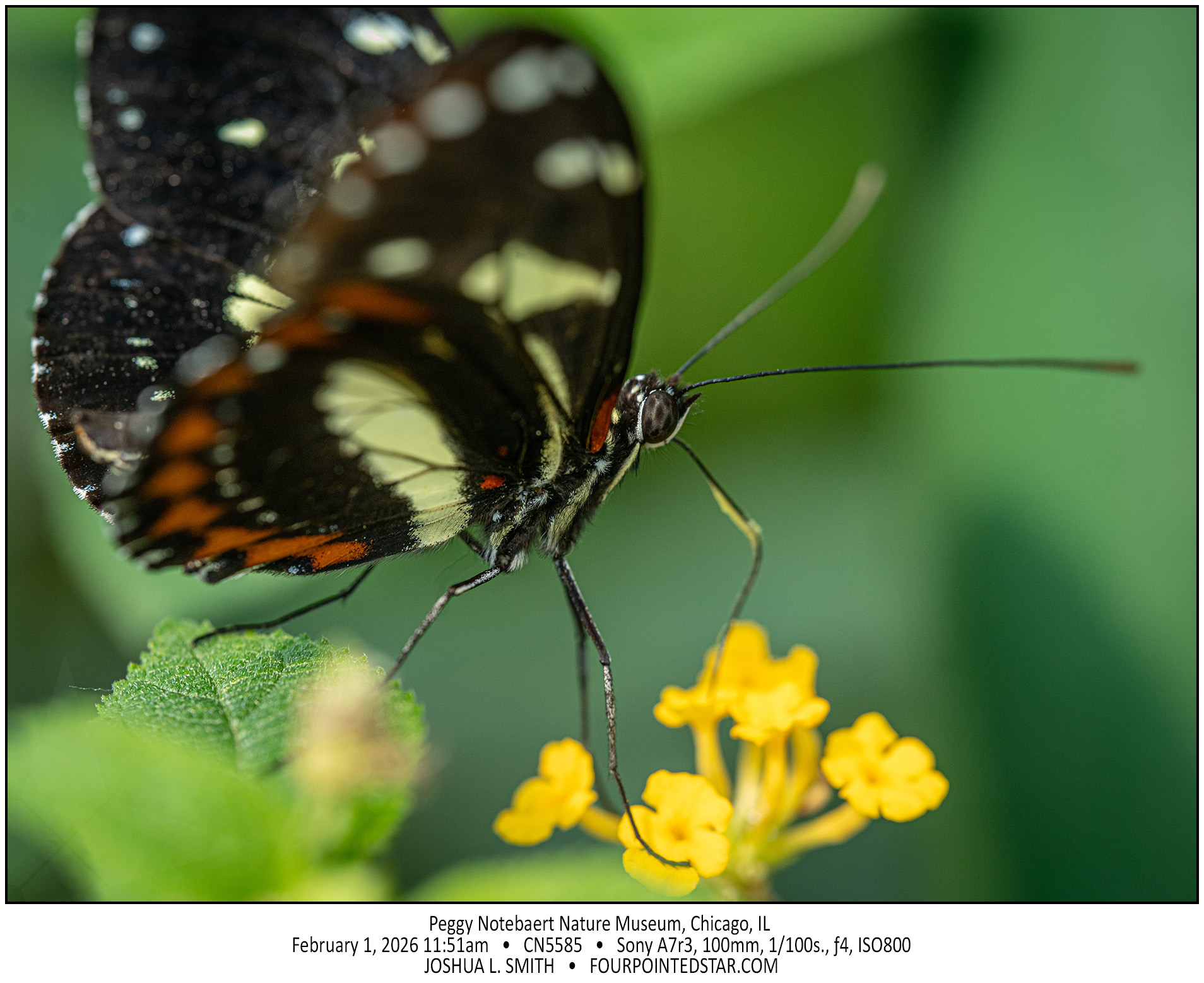
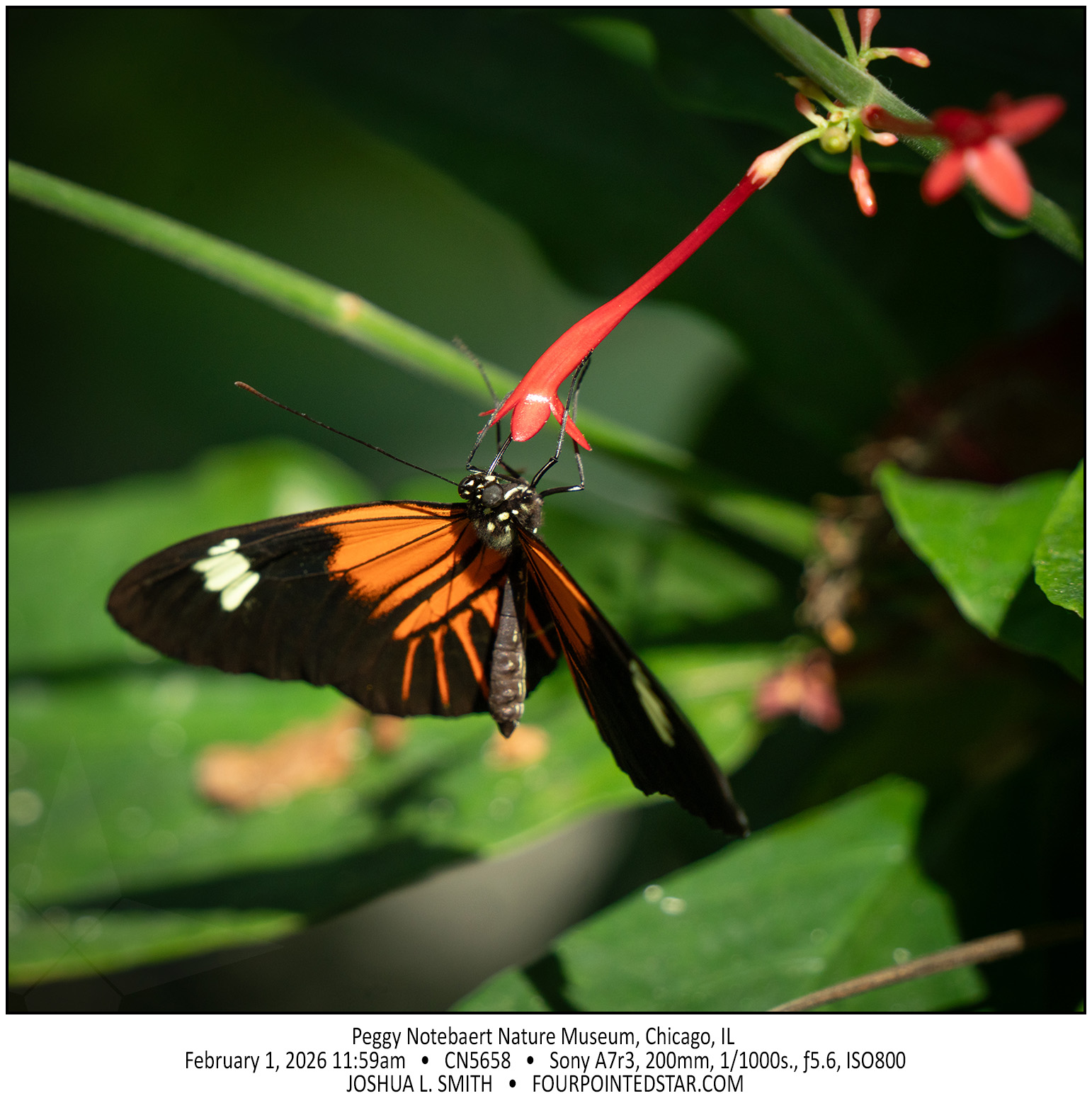
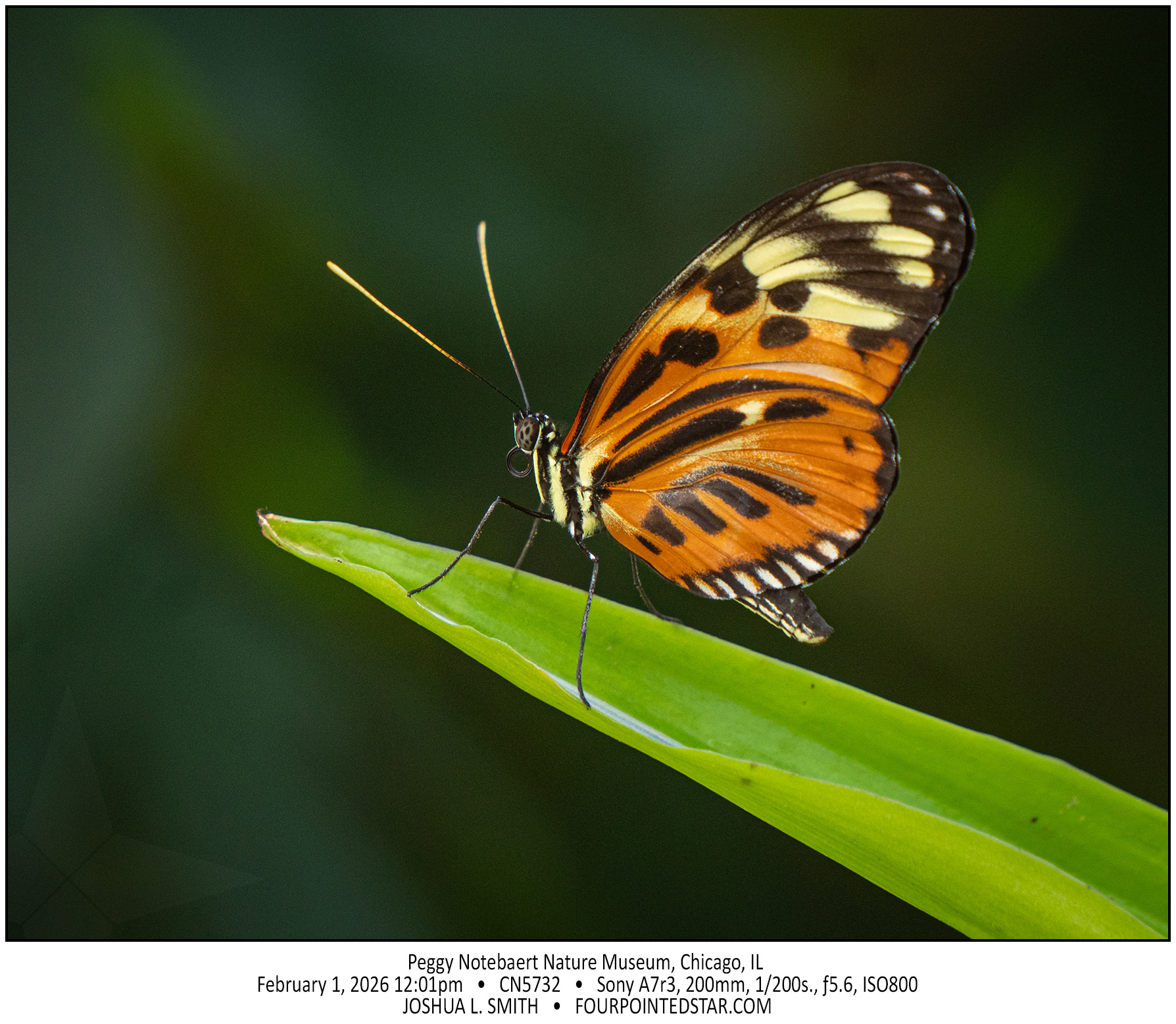
You might think that after 10 years of photographing butterflies in the same exhibit that it would be easier or boring or predictable, but during each visit, I have to search for the butterflies in a good setting within the reach of my lens, adjust for the proper lighting, and then capture the image while the butterfly is stationary.
The sunlight filters in and out, the butterflies often land far away or in an “ugly” location, or they take off right when you press the shutter button; so each year there is a challenge and a smile when I’m editing and see that I’ve captured a good image. Really, each one of those challenges is present in most photographic creation…
.
>other images<
.









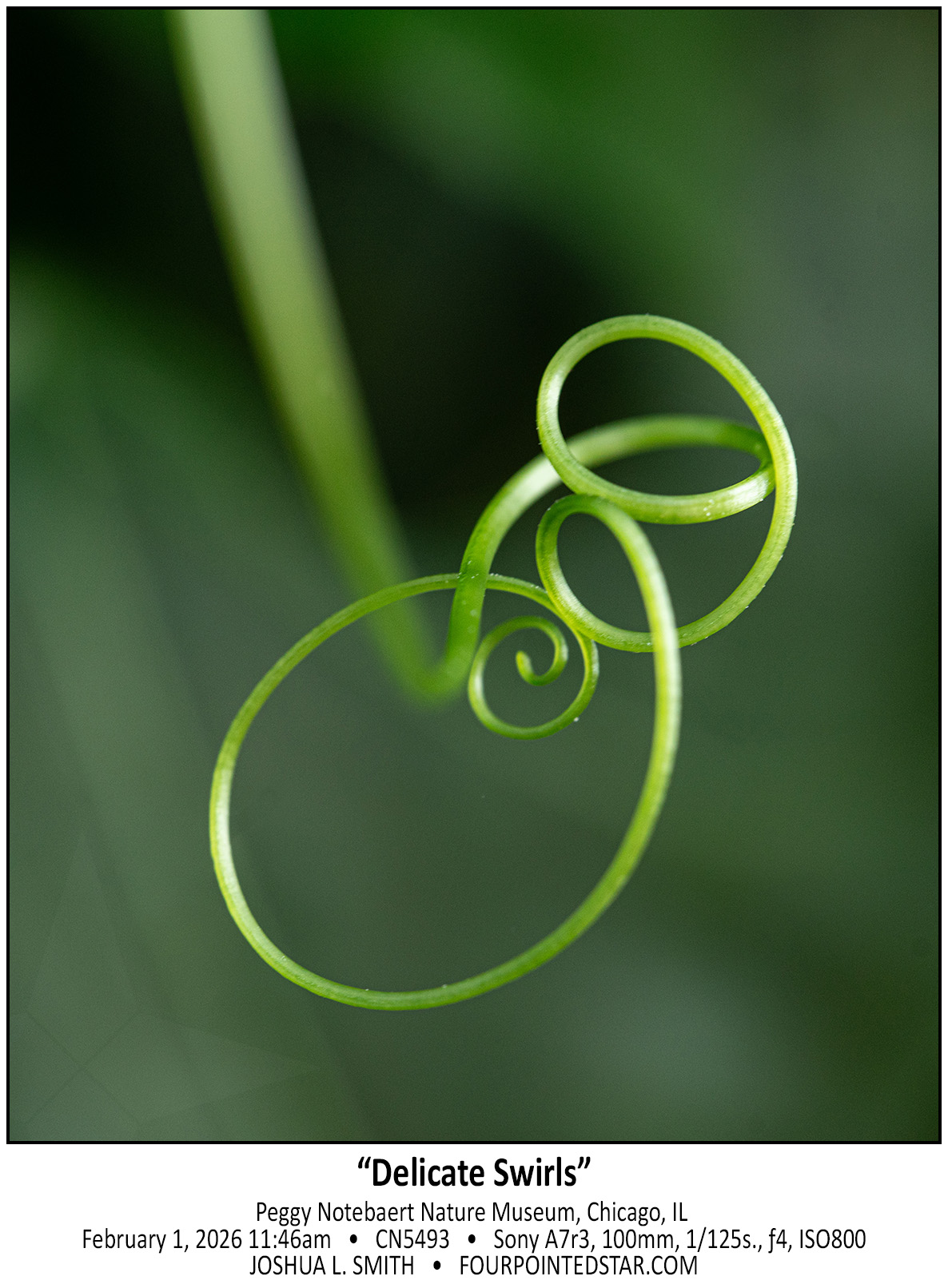
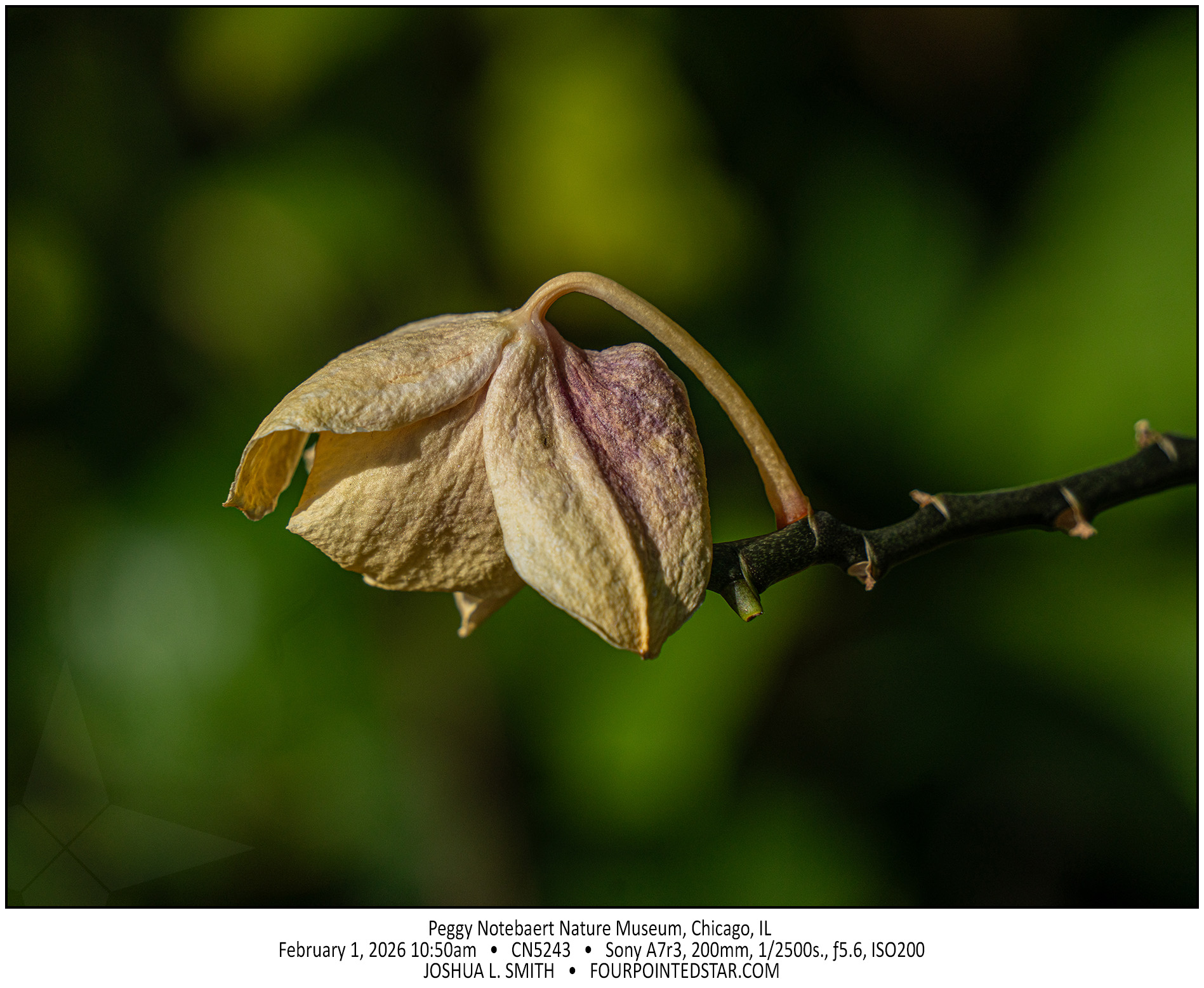
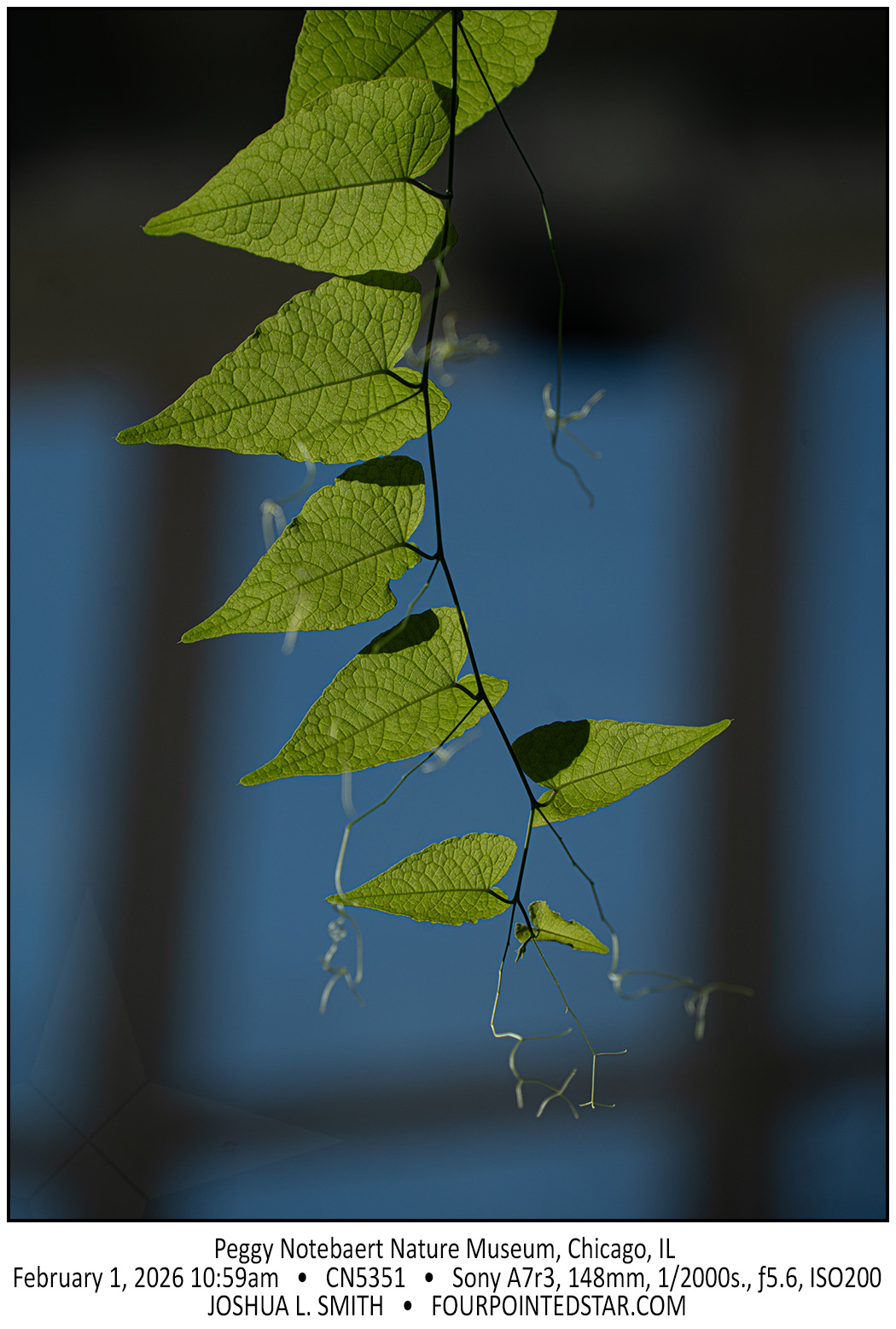
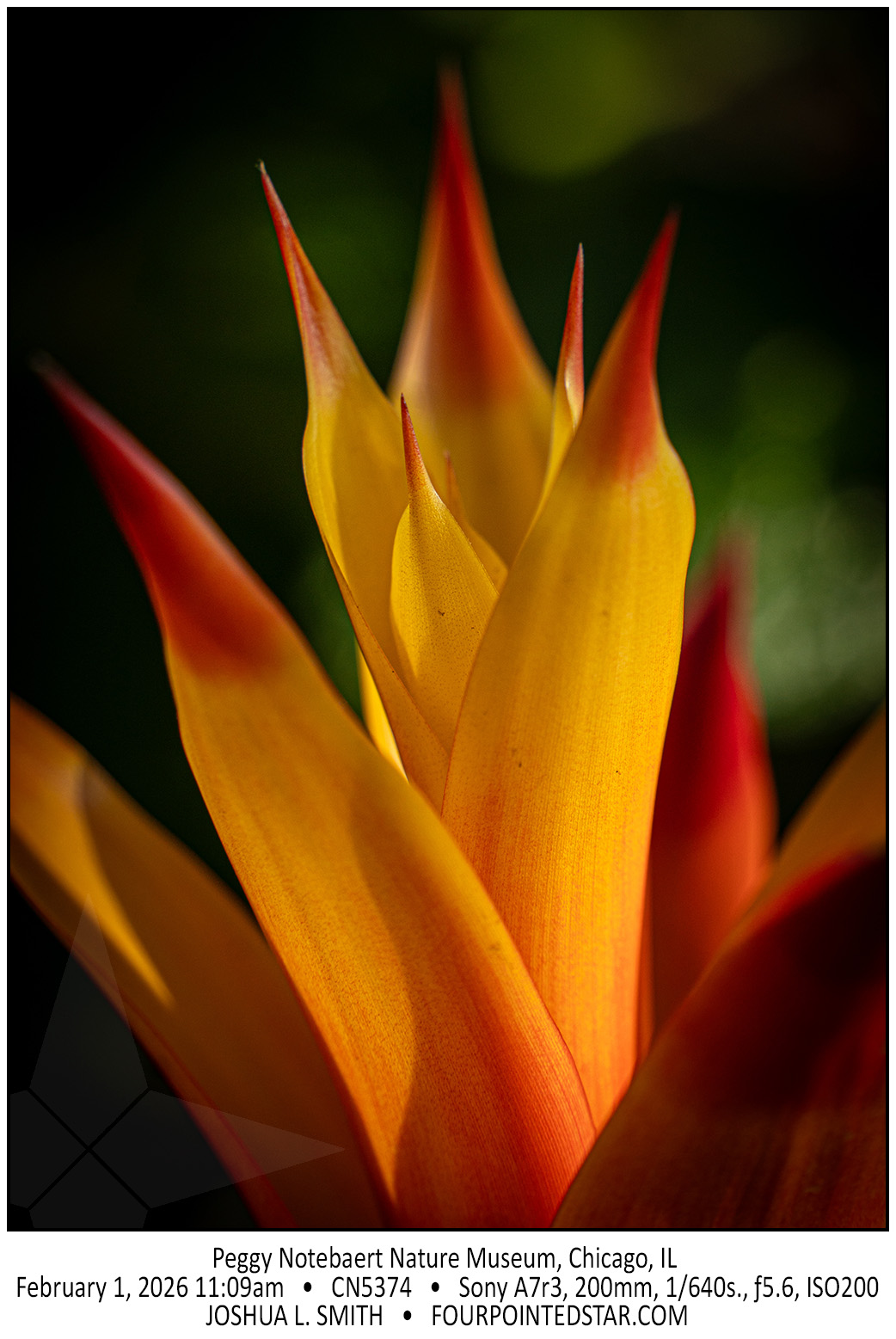
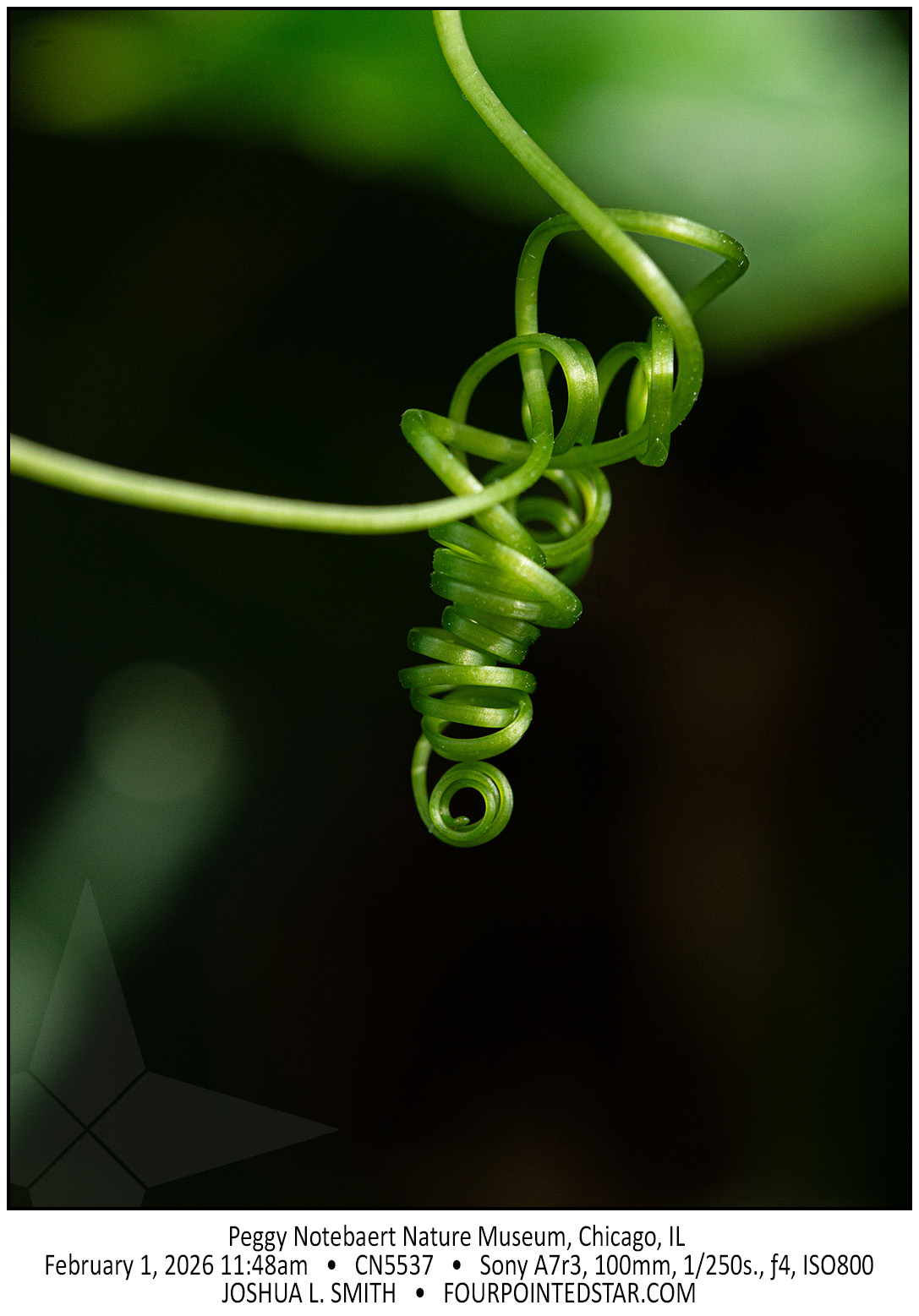
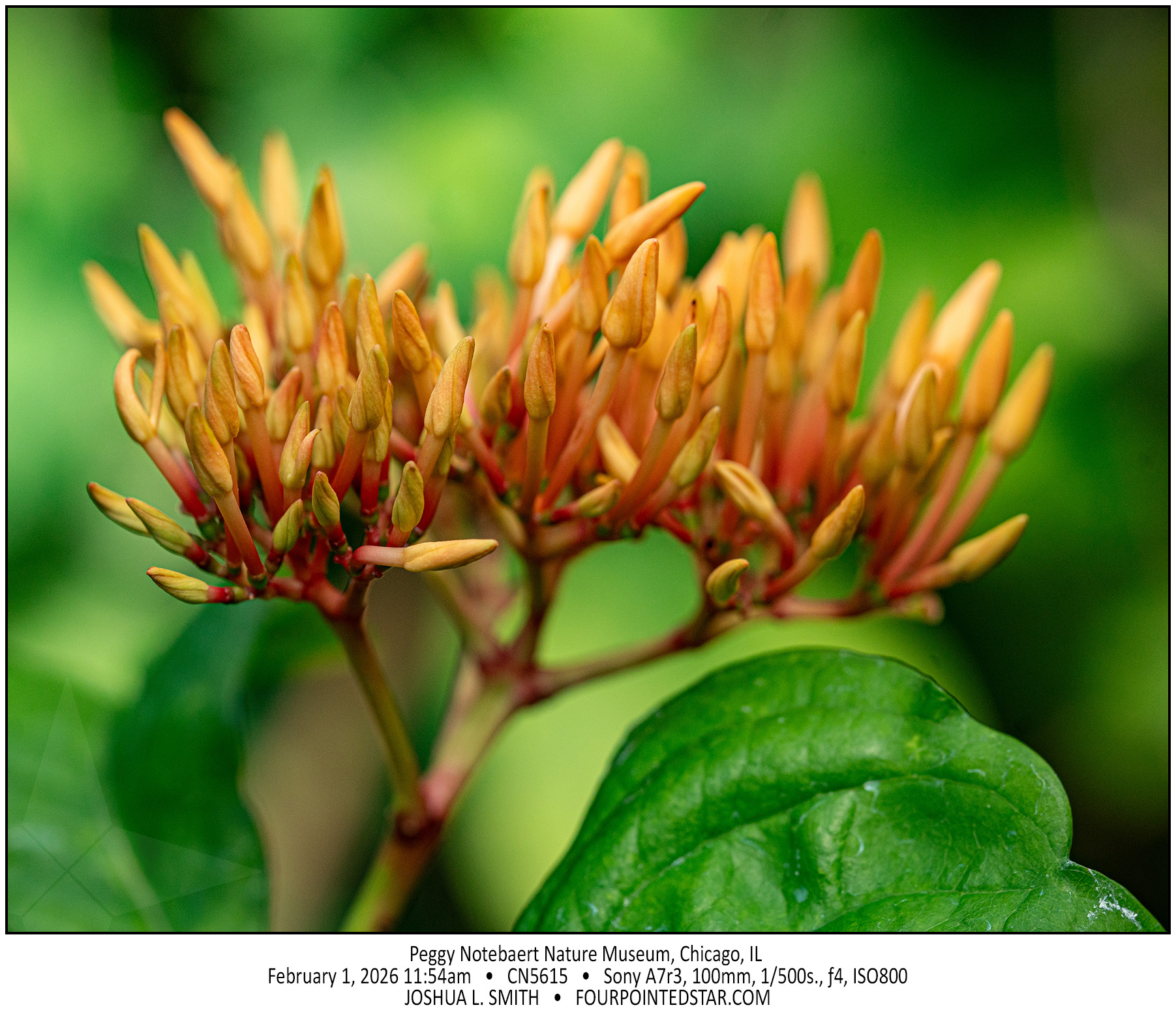
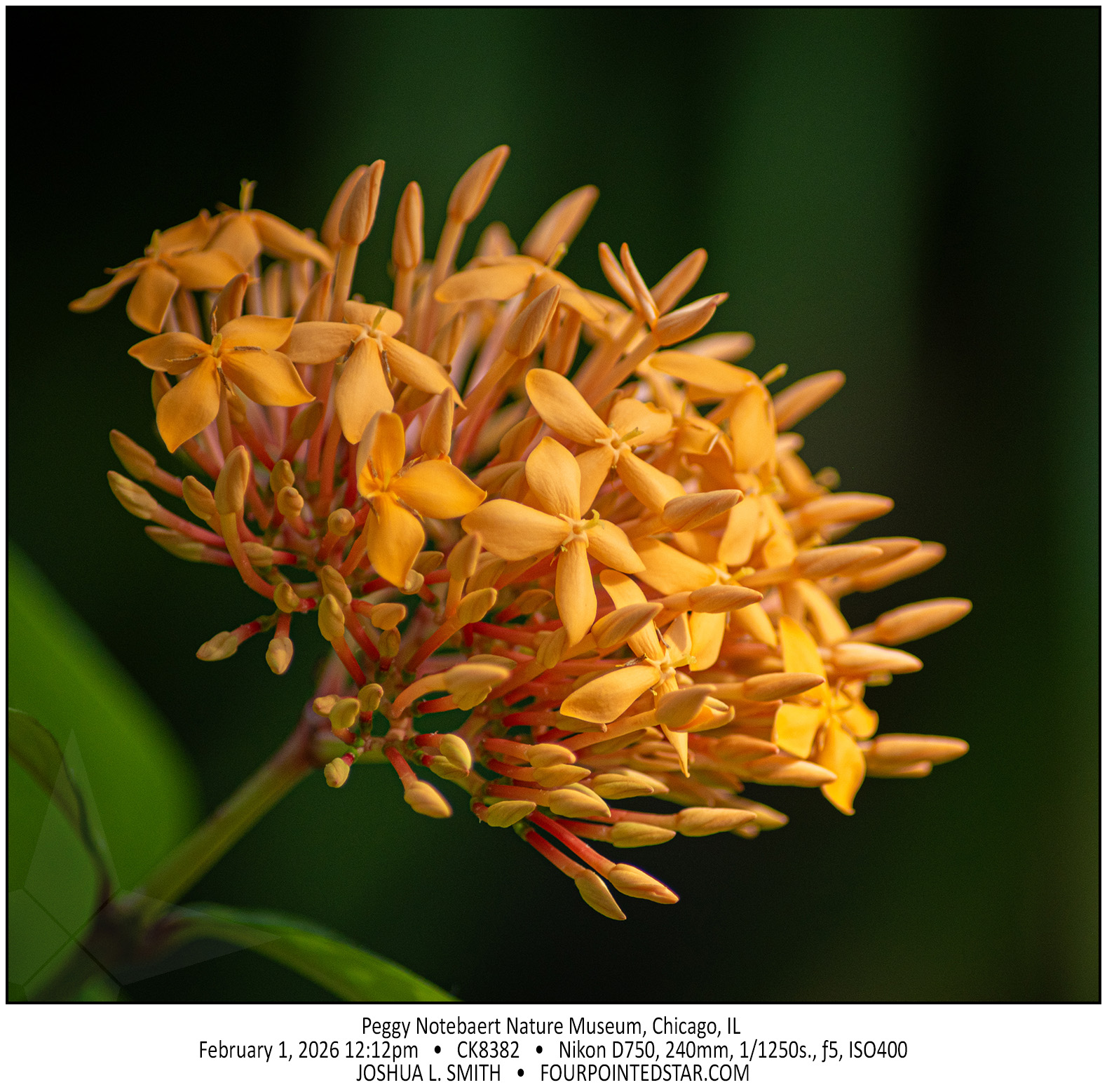
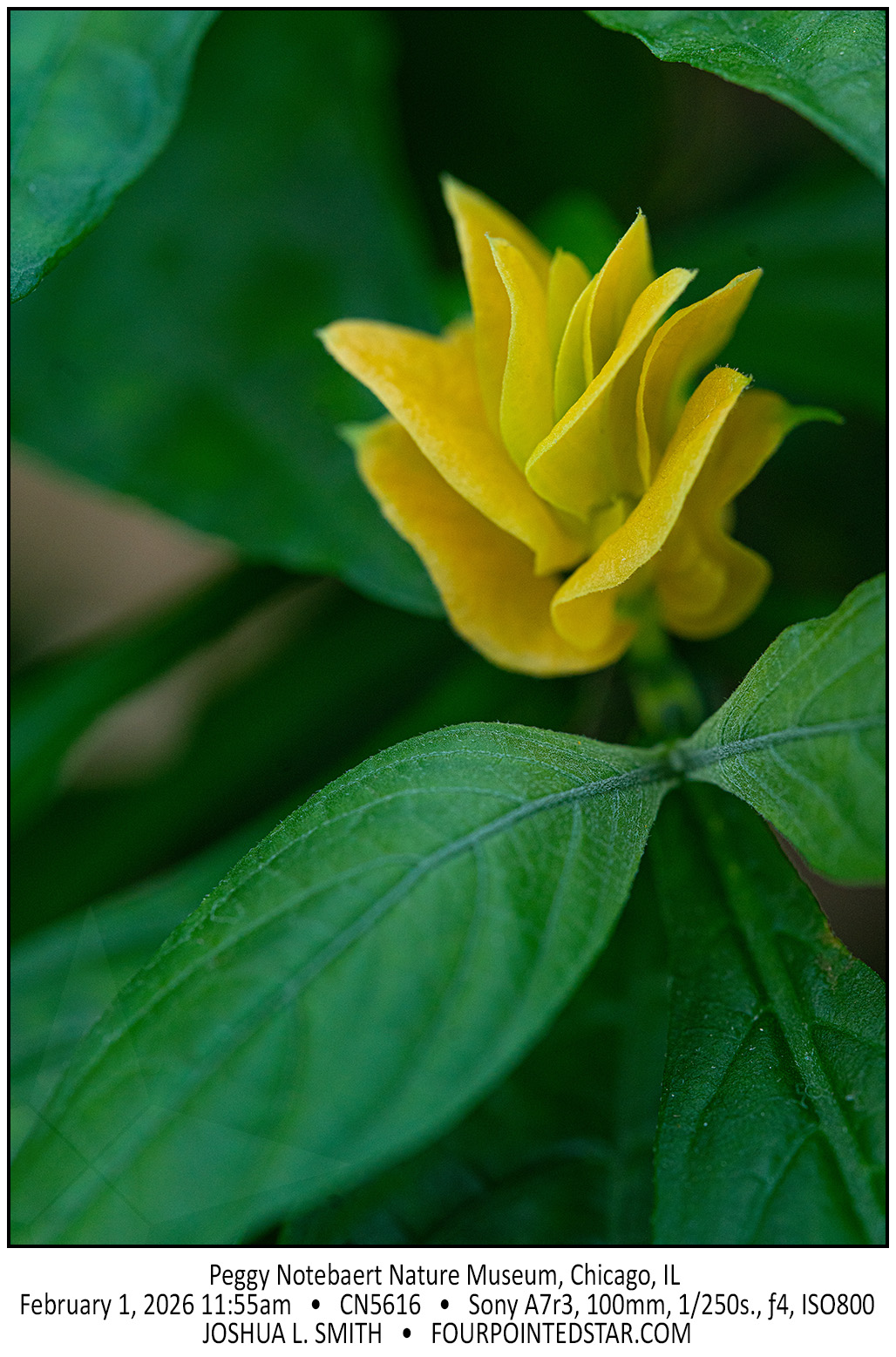
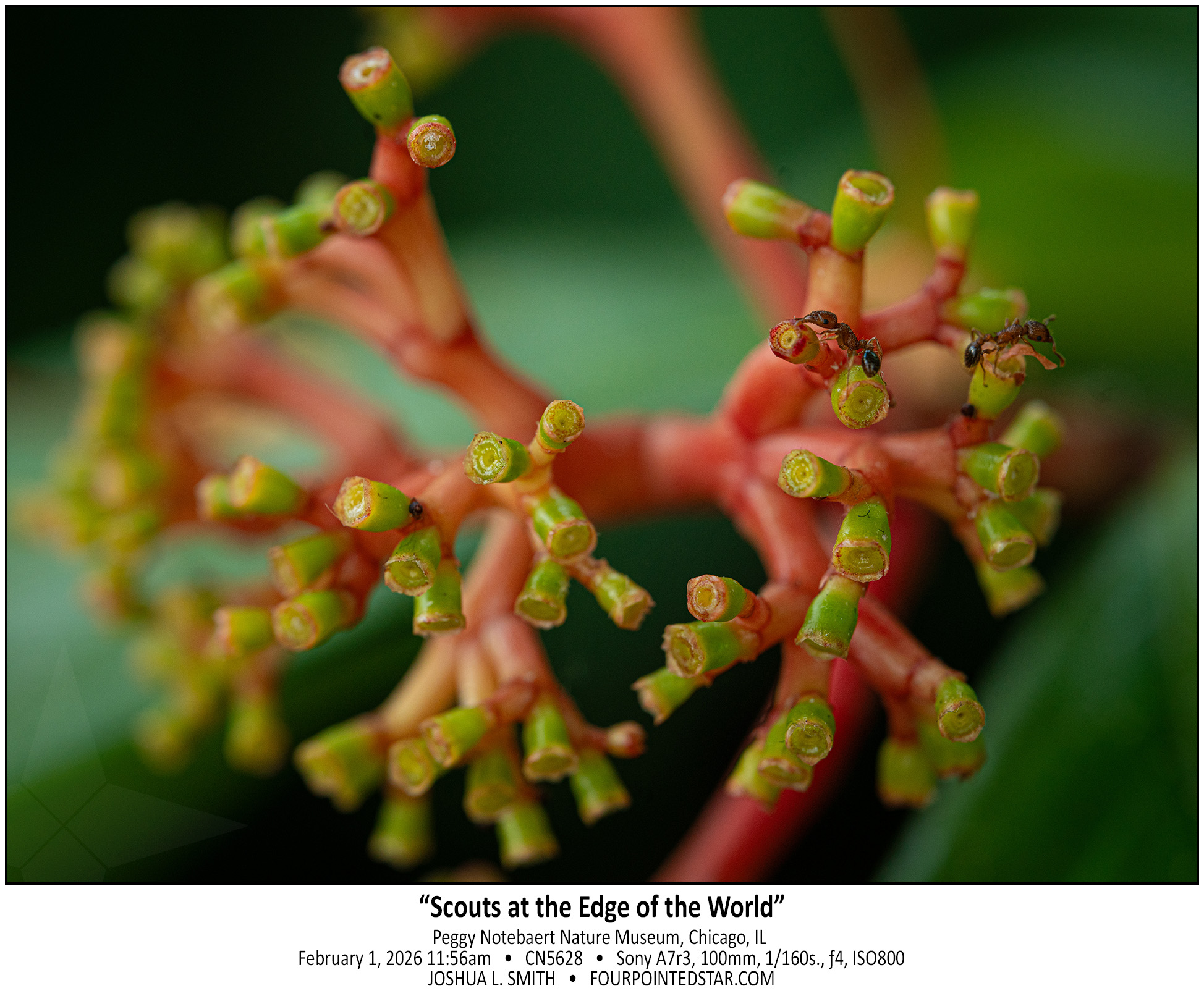
Each winter, I make a sacred trek to Peggy Notebaert Nature Museum in Chicago. They have a wonderful year-round butterfly exhibit, and those colors are the perfect break from the dull nature colors. Even when the Illinois winter blesses us with snow instead of 43 shades of brown and grey, more of nature is still monochromatic.
Typically I focus on the butterflies; small pops of color whose unpredictable nature and flight paths make them a challenge to photograph, but this visit, I was inspired by a photo that Sarah took years ago – a simple image of the end of one of the vines. What images could I create in the butterfly house that weren’t of butterflies?
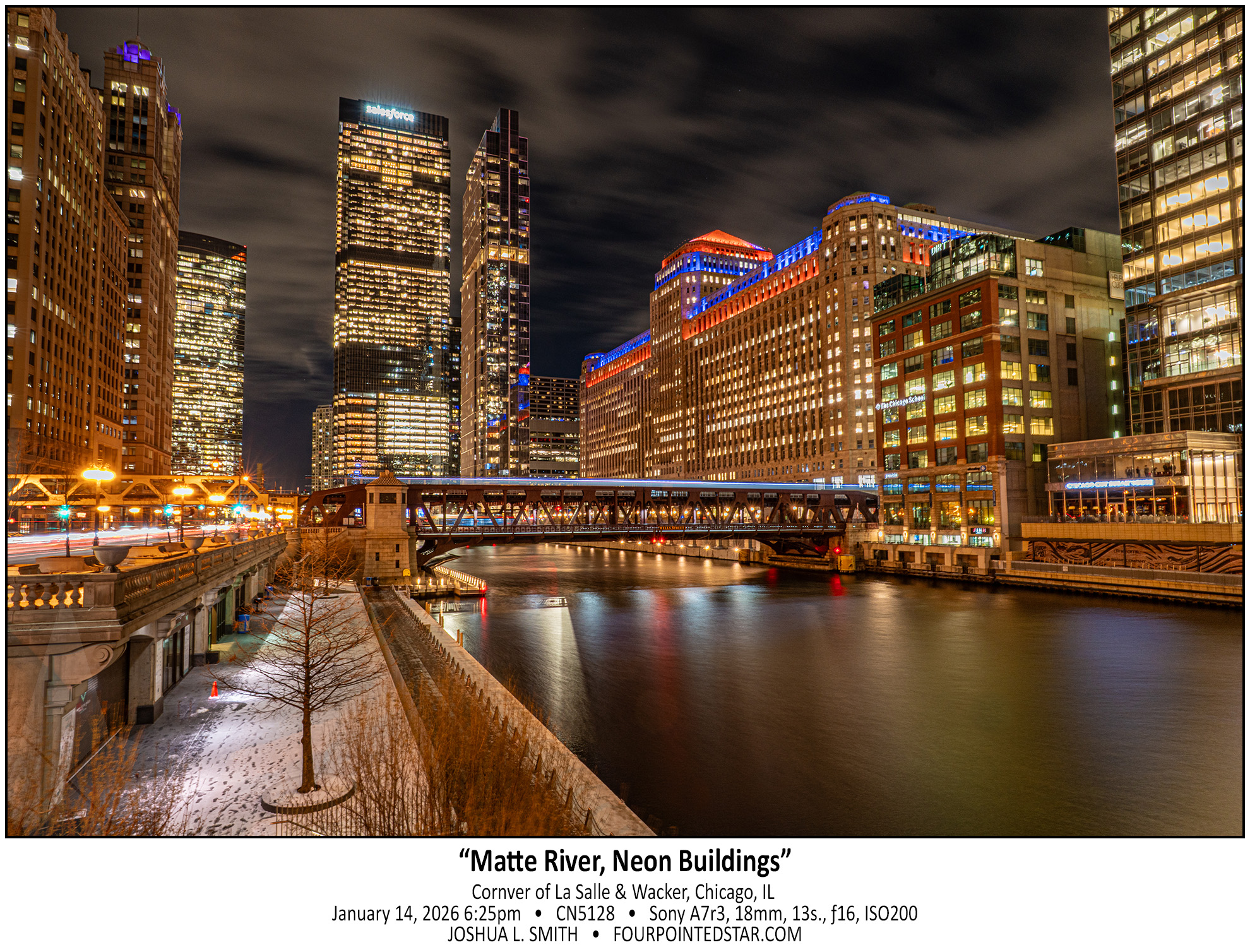
It’s no secret that I LOVE photographing light trails. I will visit the same spot OVER (January 2022) and OVER (January 2022) and OVER (April 2022) and OVER (November 2023) to see if I can get a NEW (November 2020), FRESH (January 2023), or INTERESTING (November 2023) photo.
But consistently I wonder, how can I create an image that challenges me this time – that presents a new challenge. At its core, capturing a light trail is just understanding how the light is moving and the exposure that’s need to not under or over-expose your image. So, how can I create an interesting composition with each visit?
What do you do when the light trails are from trains, when the pattern will only repeat over and over? The backdrop, scenery, and angle can change as seen in the two contrasting images: January 2021 & November 2023
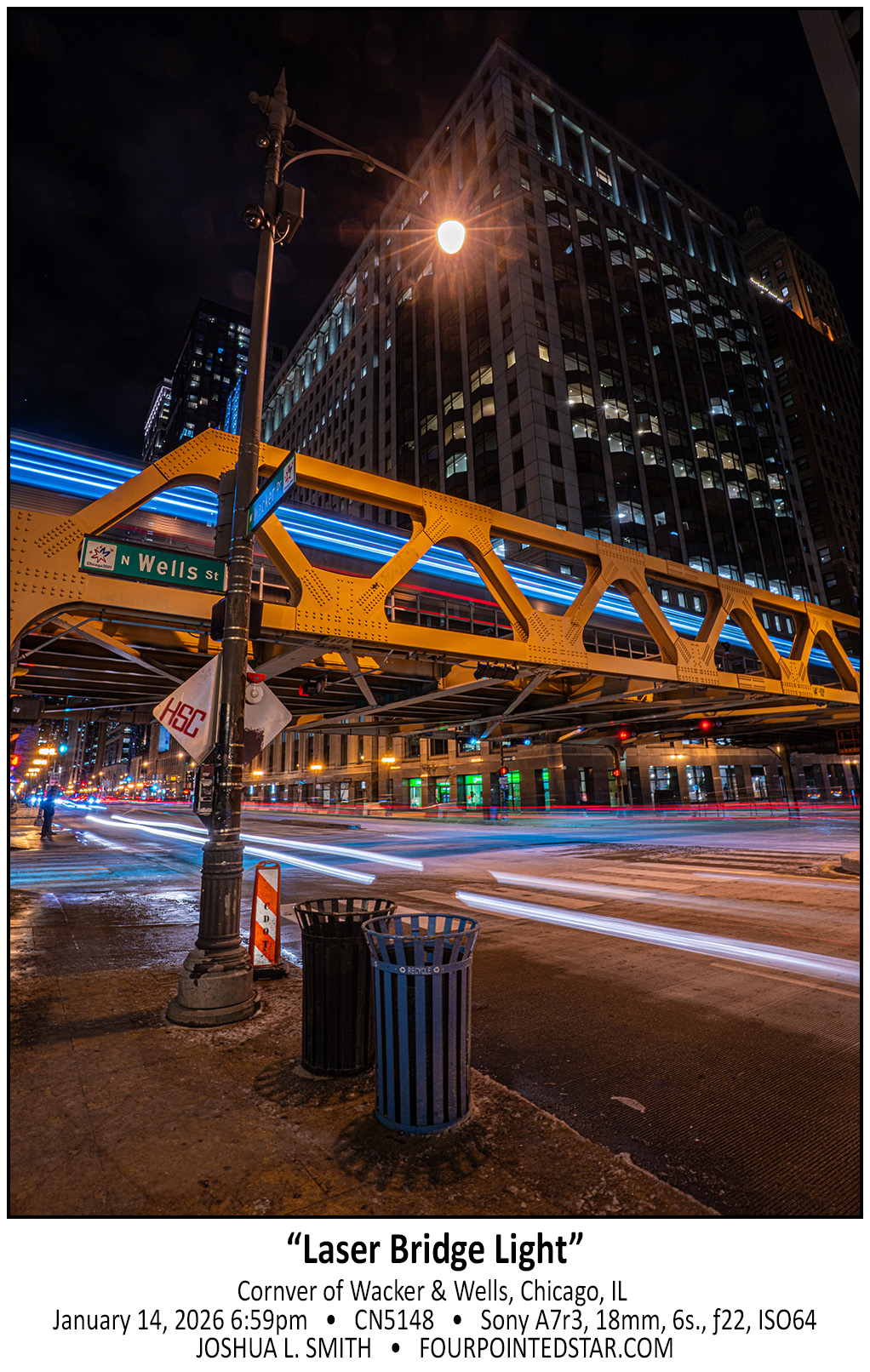
How about if the space is tight and you’re below the action? Maybe you can lean on the really strong angles (November 2023) or depend on the architectural elements and allow the light trails to be an accent instead of the star of the show (also November 2023)? As it turns out, “Laser Bridge Light” (above) is one of my favorite compositions not just from that recent trip downtown, but also of light trails along the river.
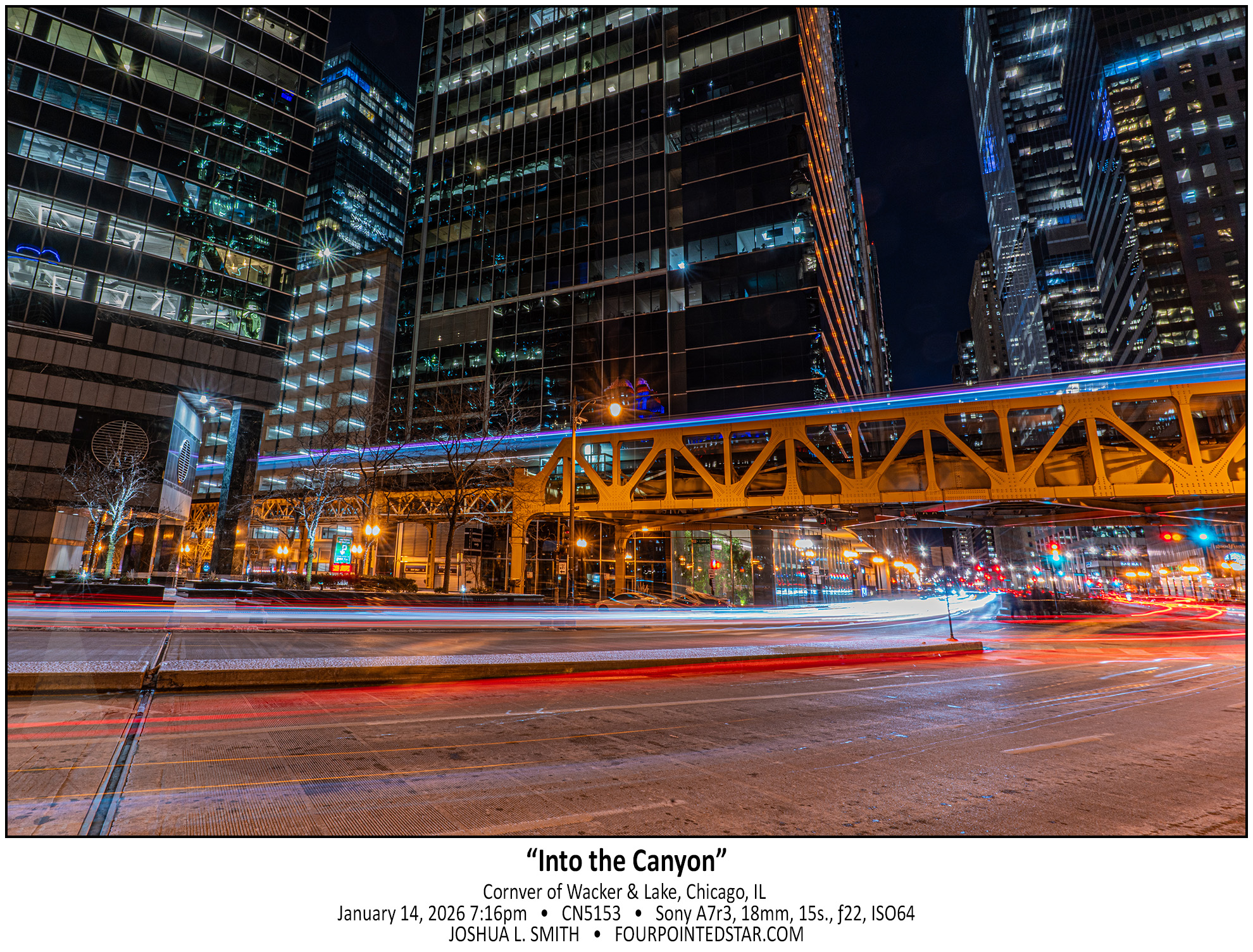
And lastly, there are the images that challenge us compositionally and technically; here the balance of a very wide flat scene combined with the oncoming lights from traffic is more than I can conquer right now. I like this image better than my last attempt (November 2020); and I’ll be honest, previously, I have would have just not attempted to capture the image; but there is a much better image in that scene – I just have to find it.
.
>alternate images<
.


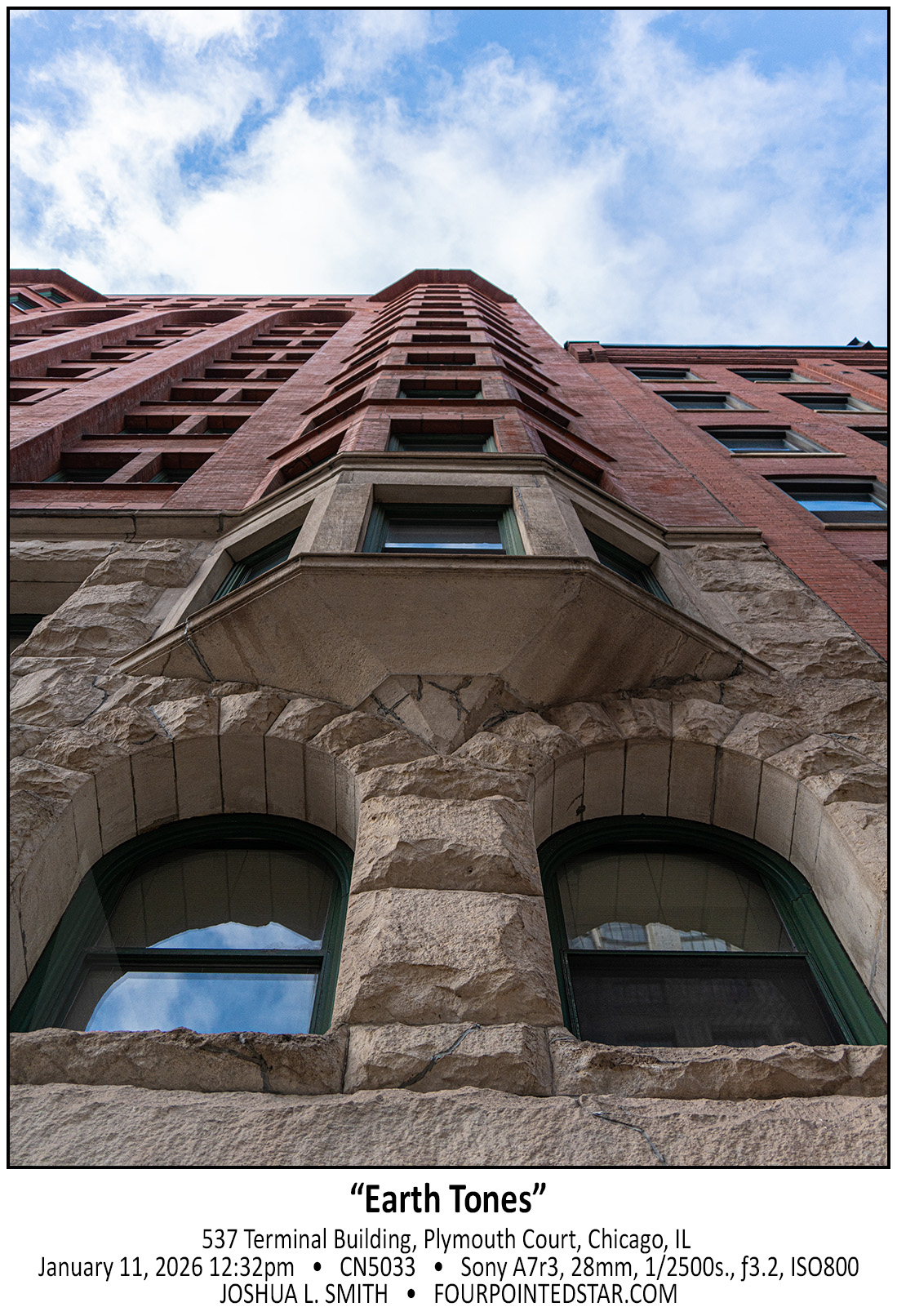
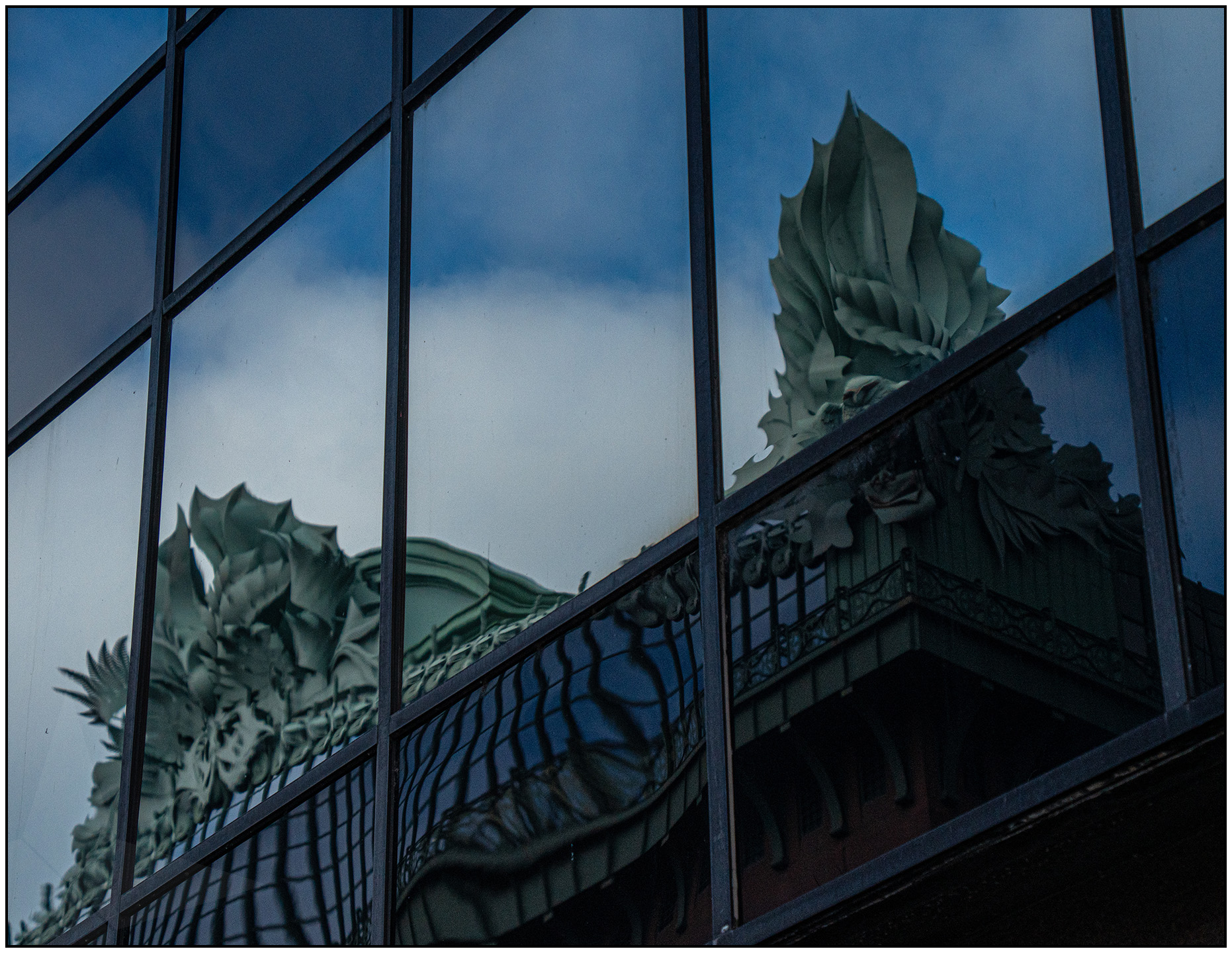
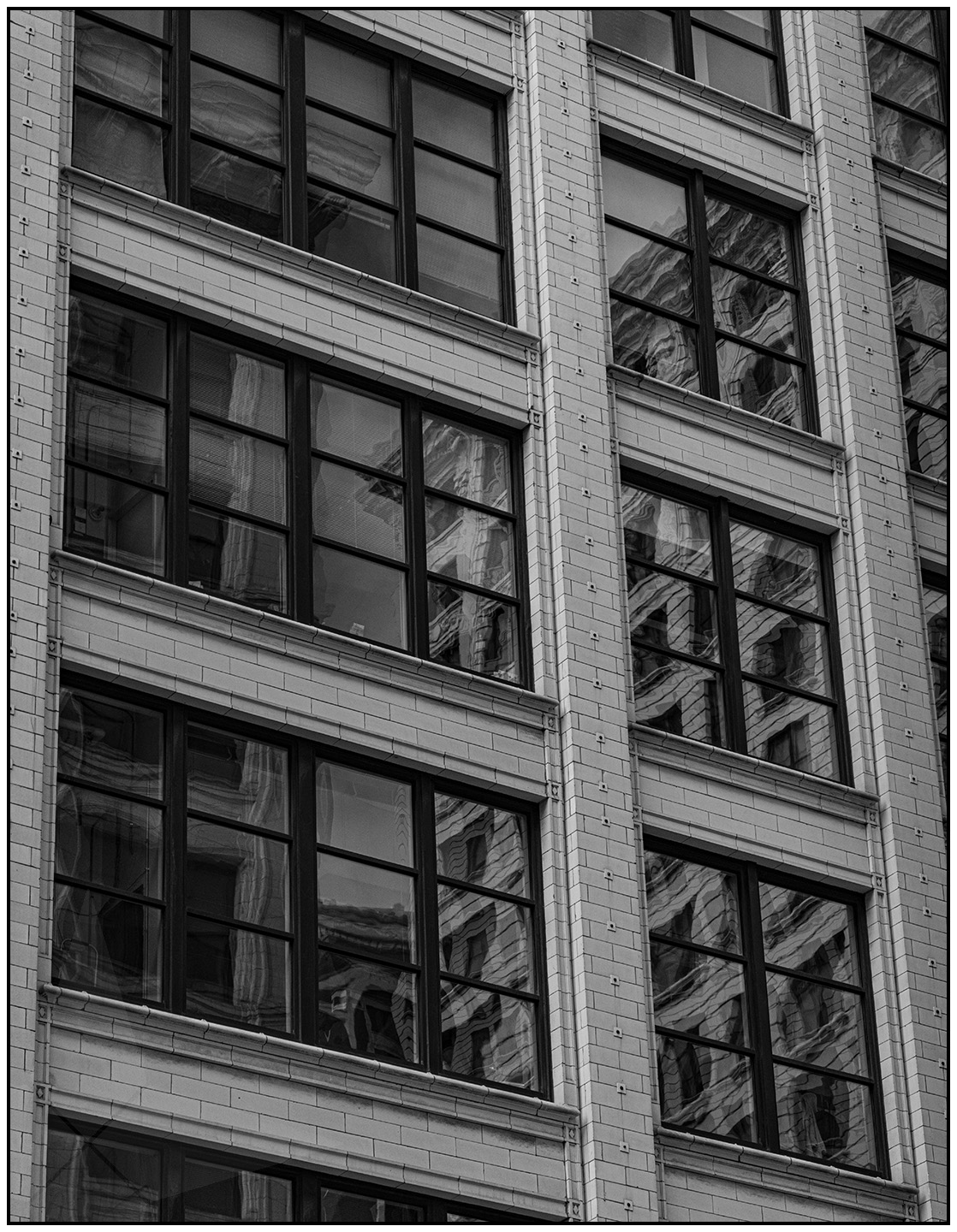
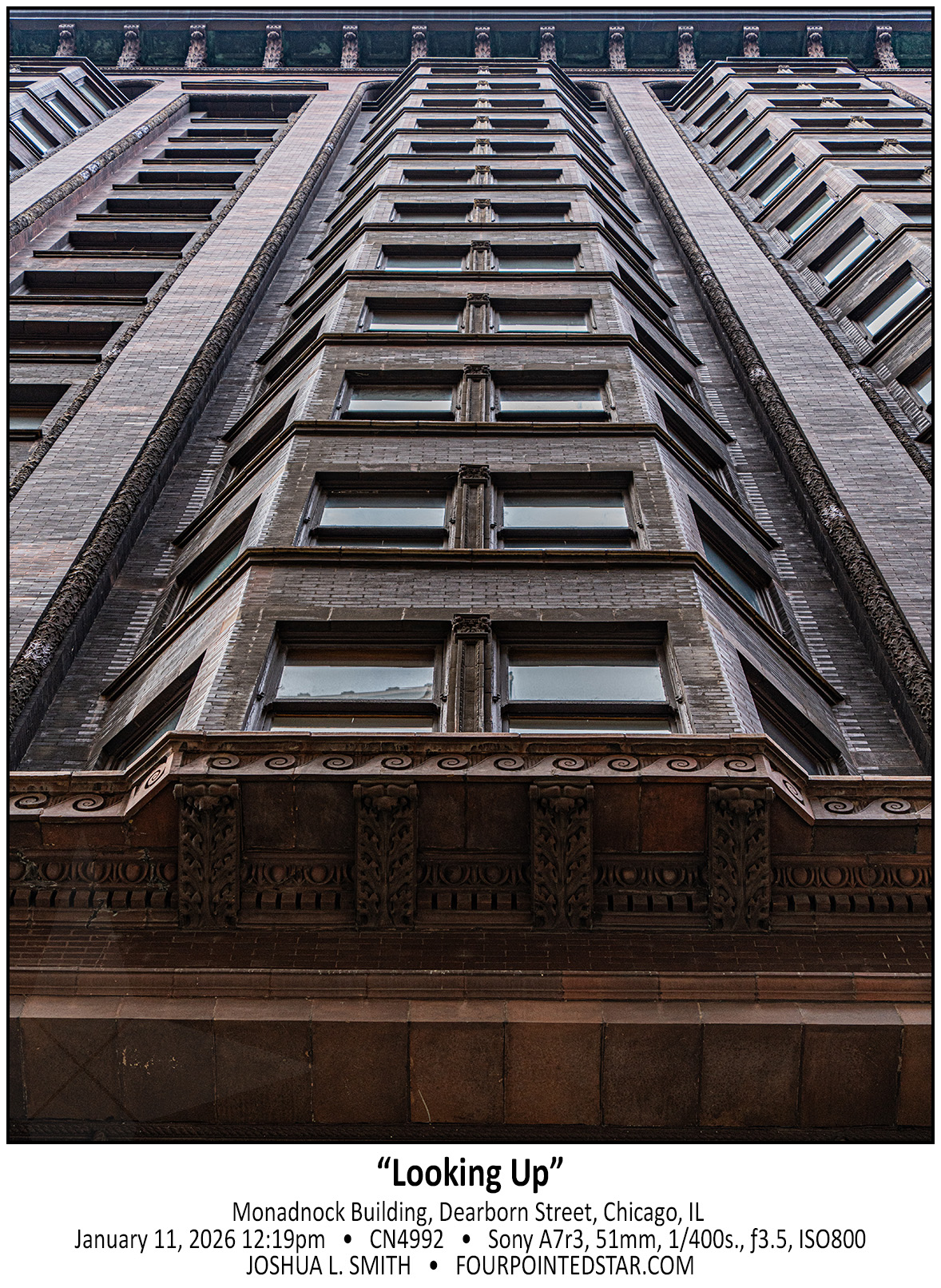
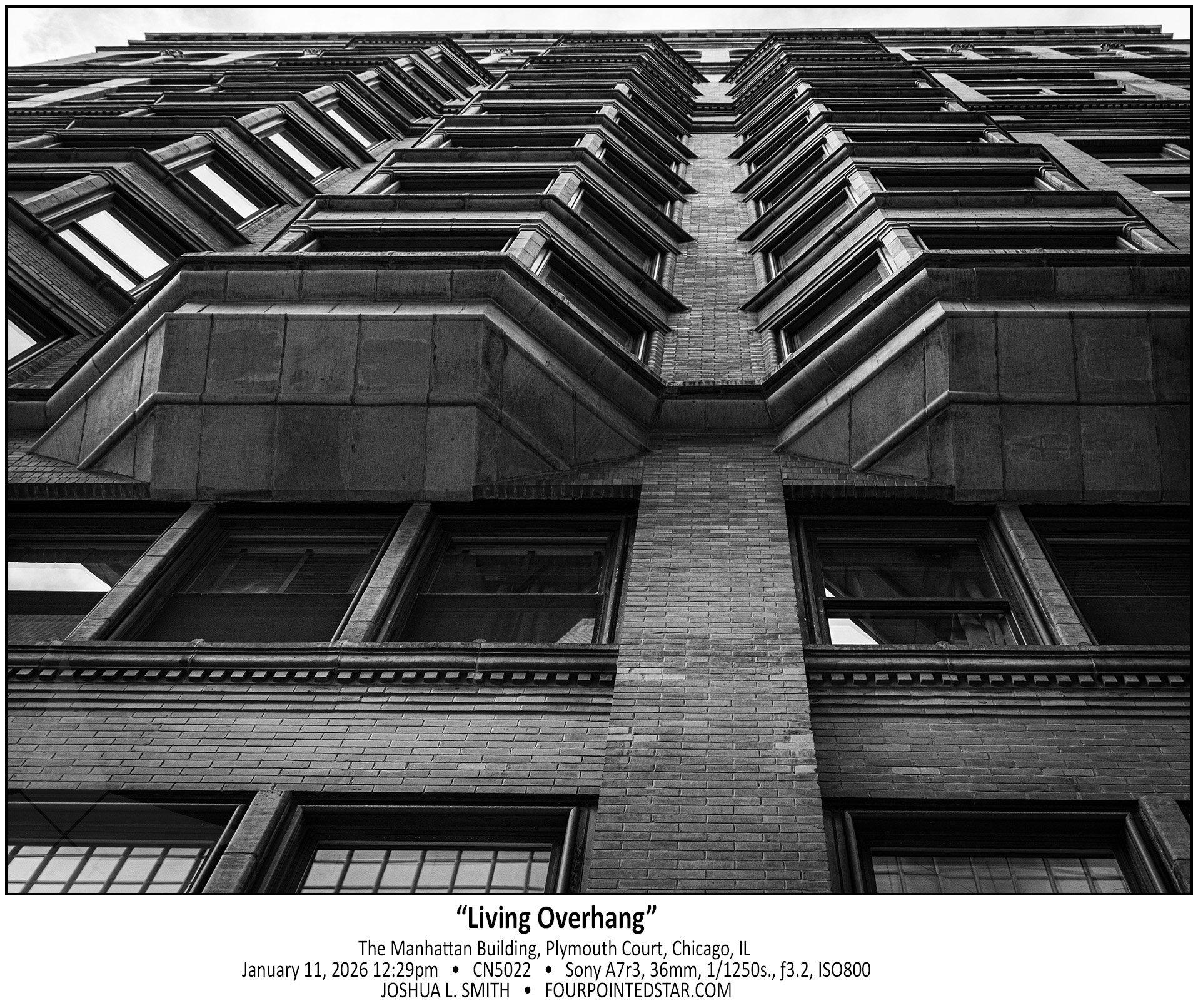
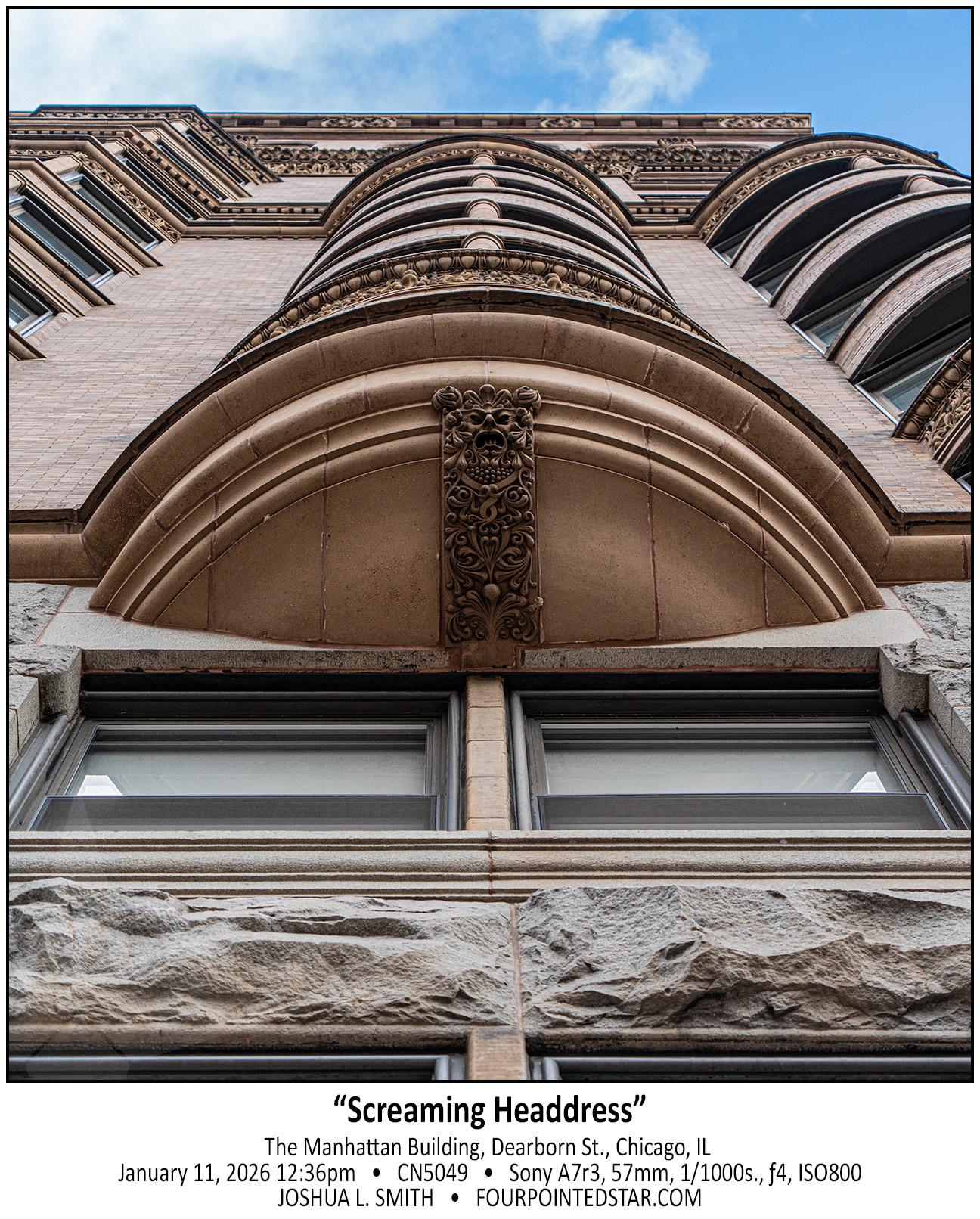
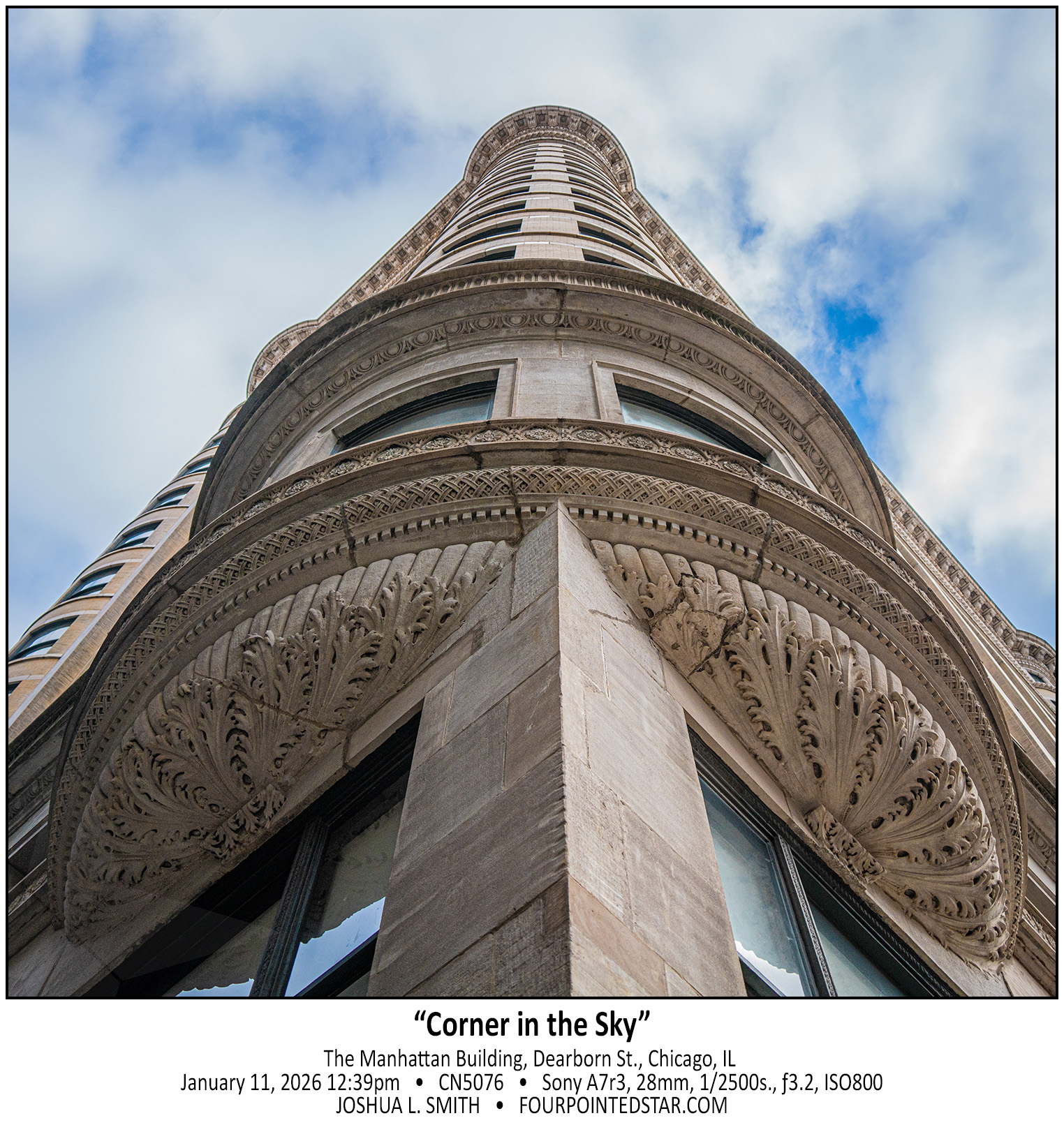
Each time that I explore a new area of Chicago, new details come to life. I’ve noticed that many of the historic buildings around Chicago have these bay windows often similar in style to the “Chicago Window” on them; but as I walked between the Fisher and Monadnock Buildings and then looked down the street, I noticed that this small area had many different examples of these historic bay windows on tall, early skyscrapers.
.
.

.
.
.
.
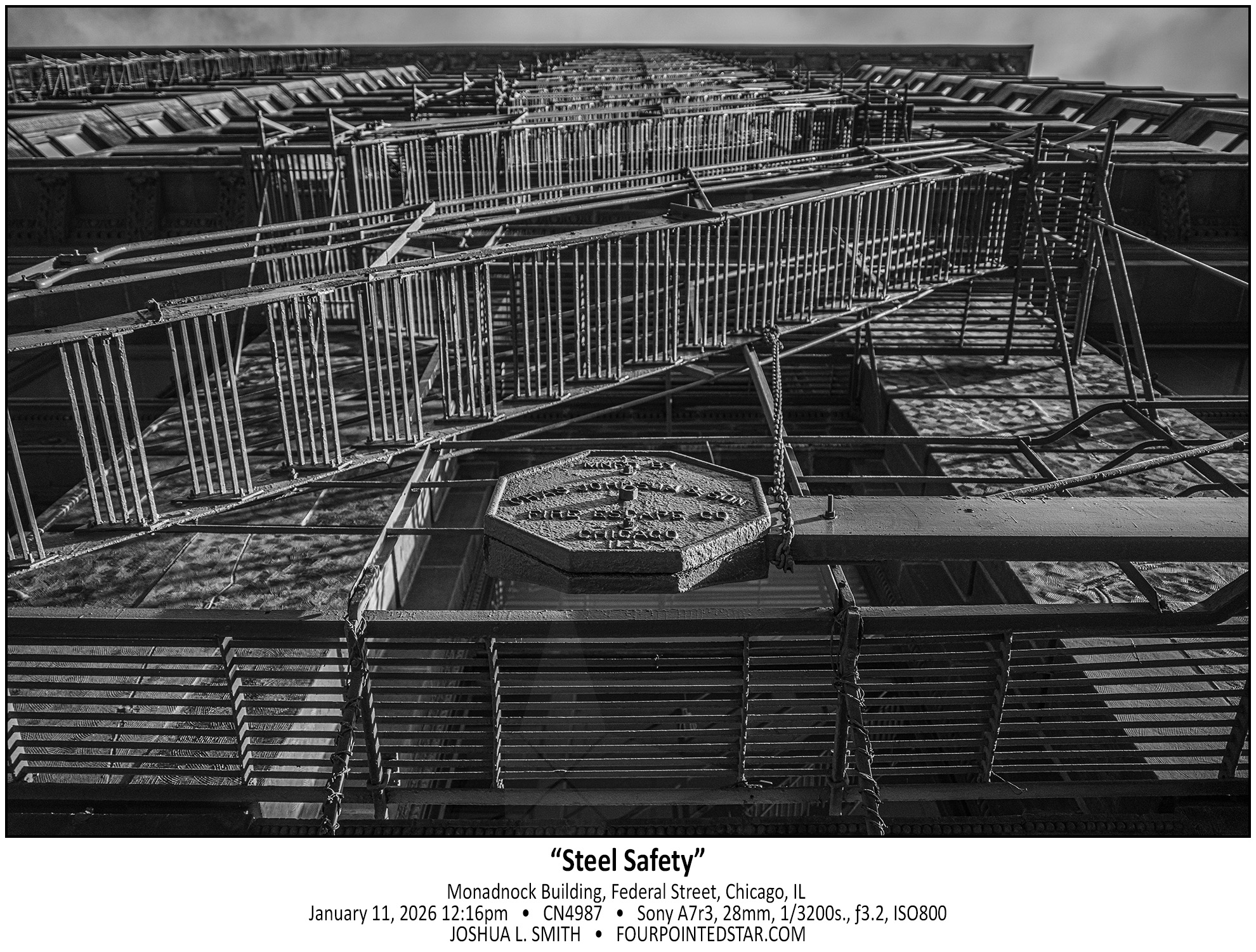
Equally interesting are the exterior fire escapes on many of the older buildings. I know that there fire escapes will lend themselves to great photos, but I’m still searching for those images.
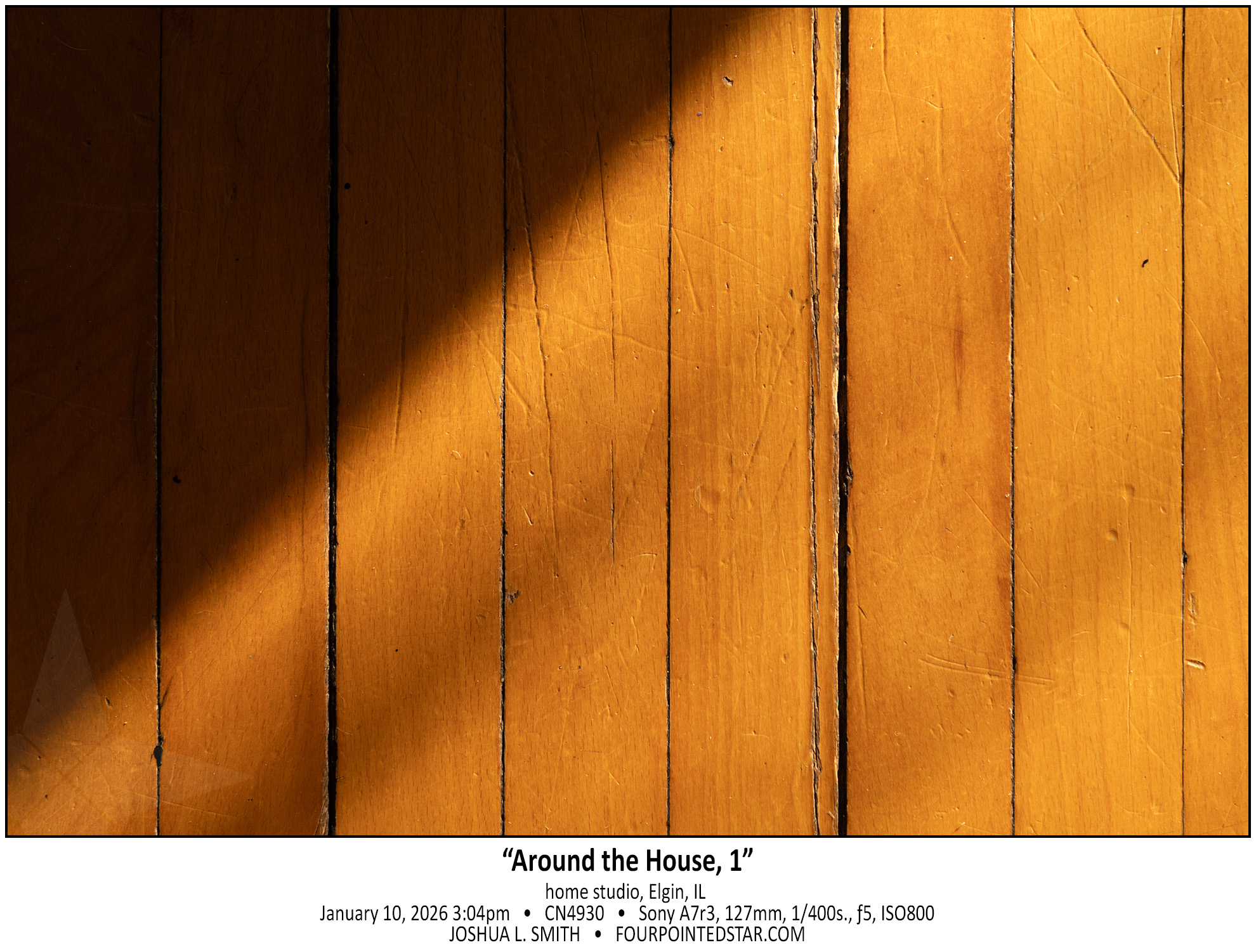
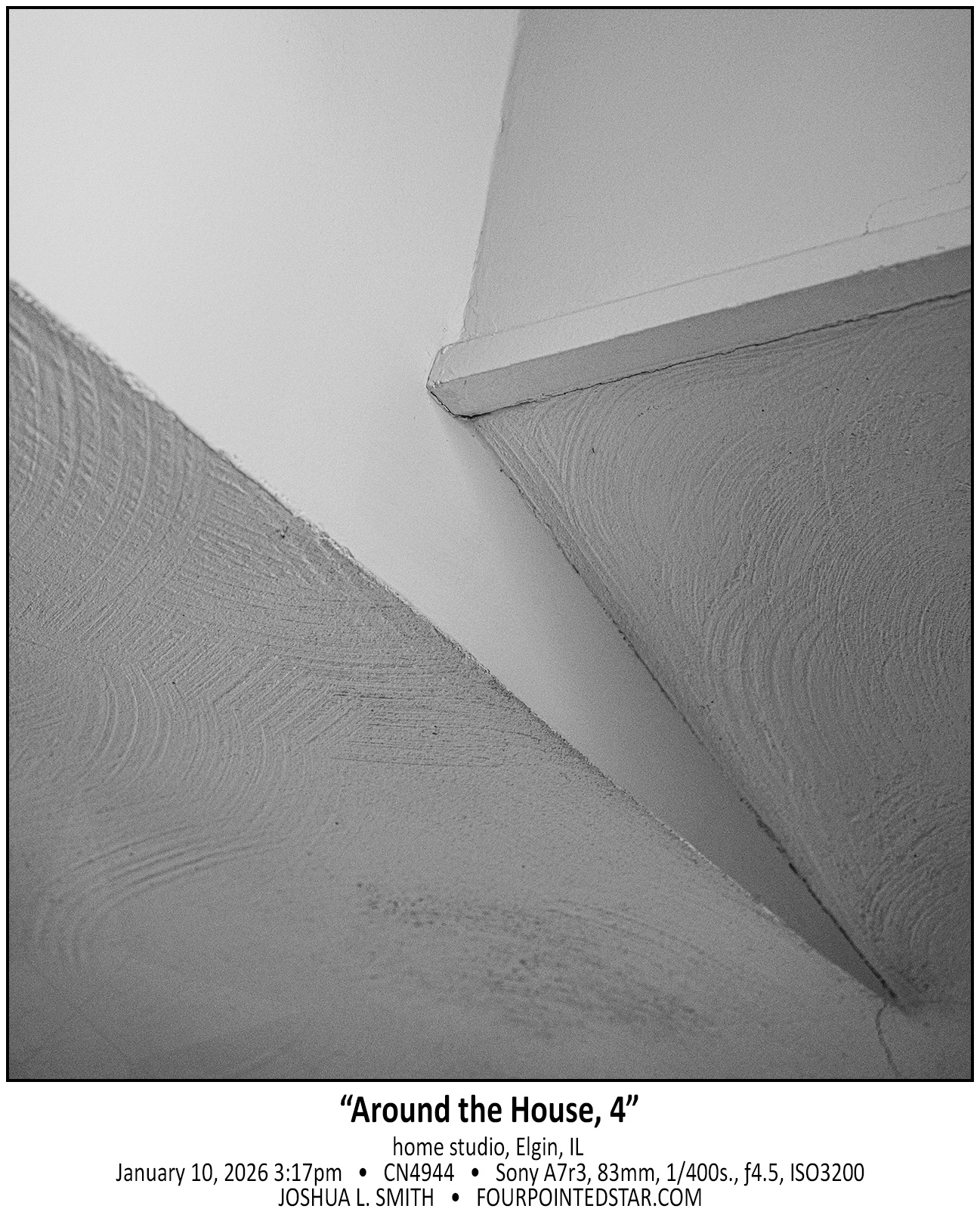
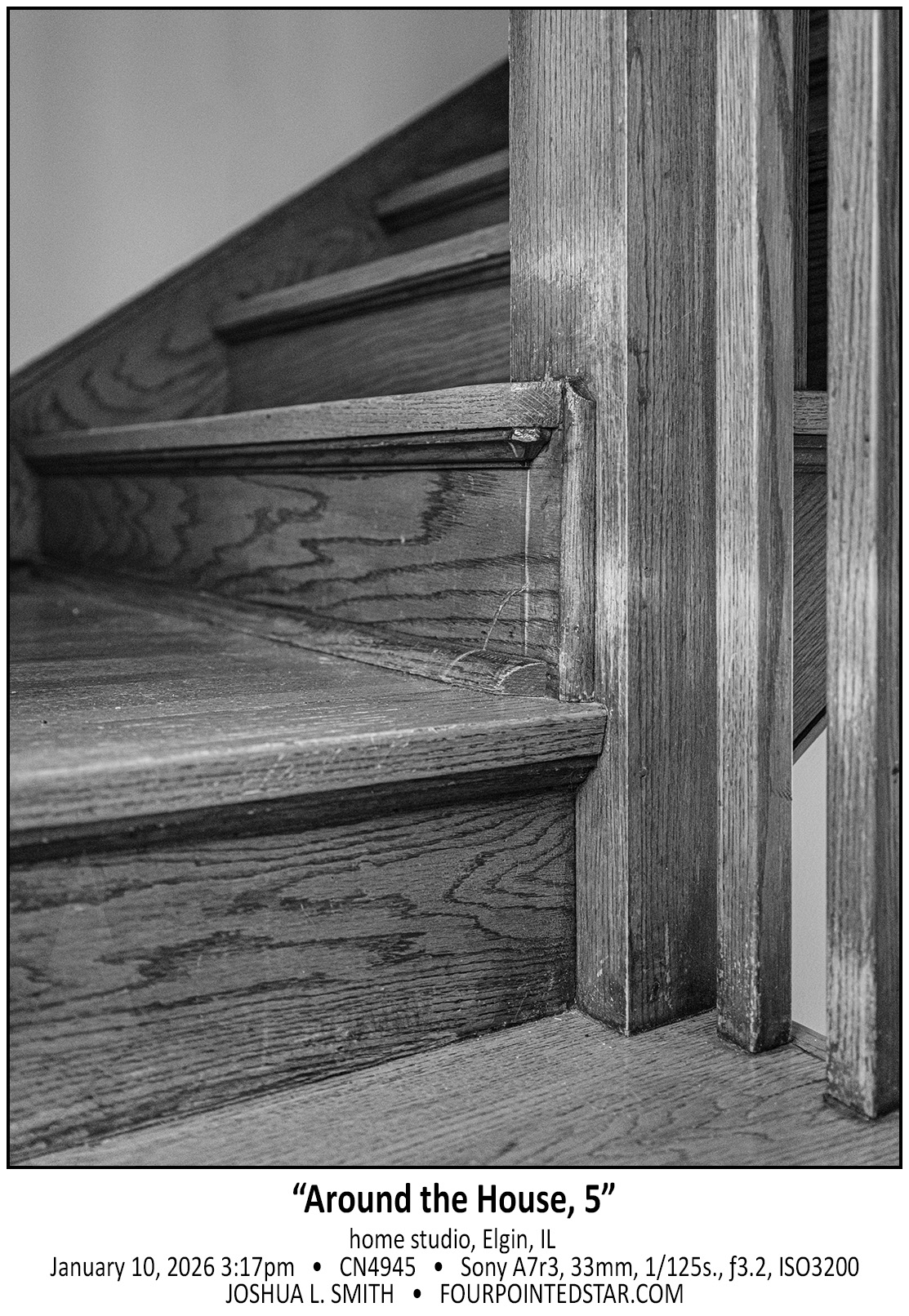
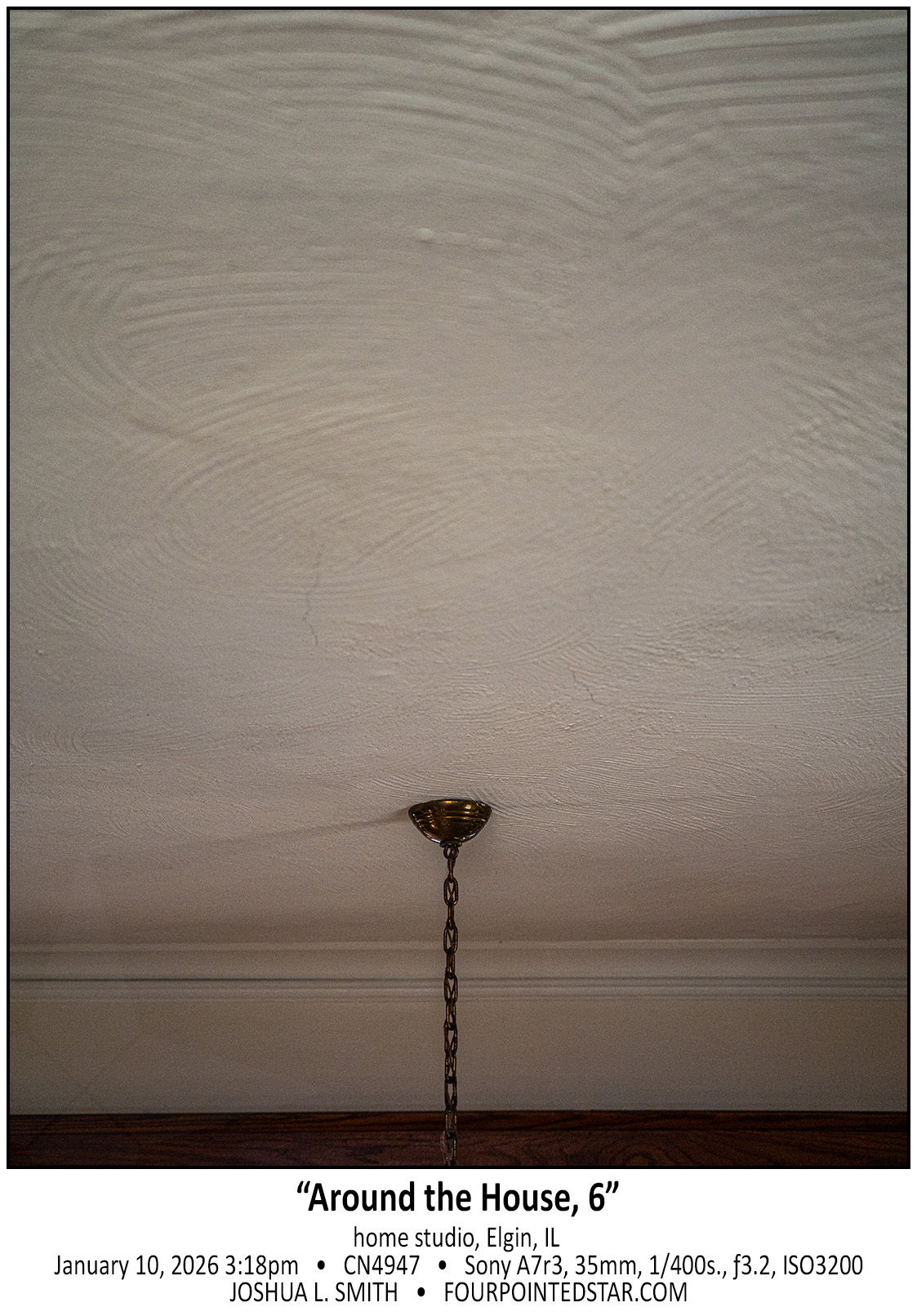
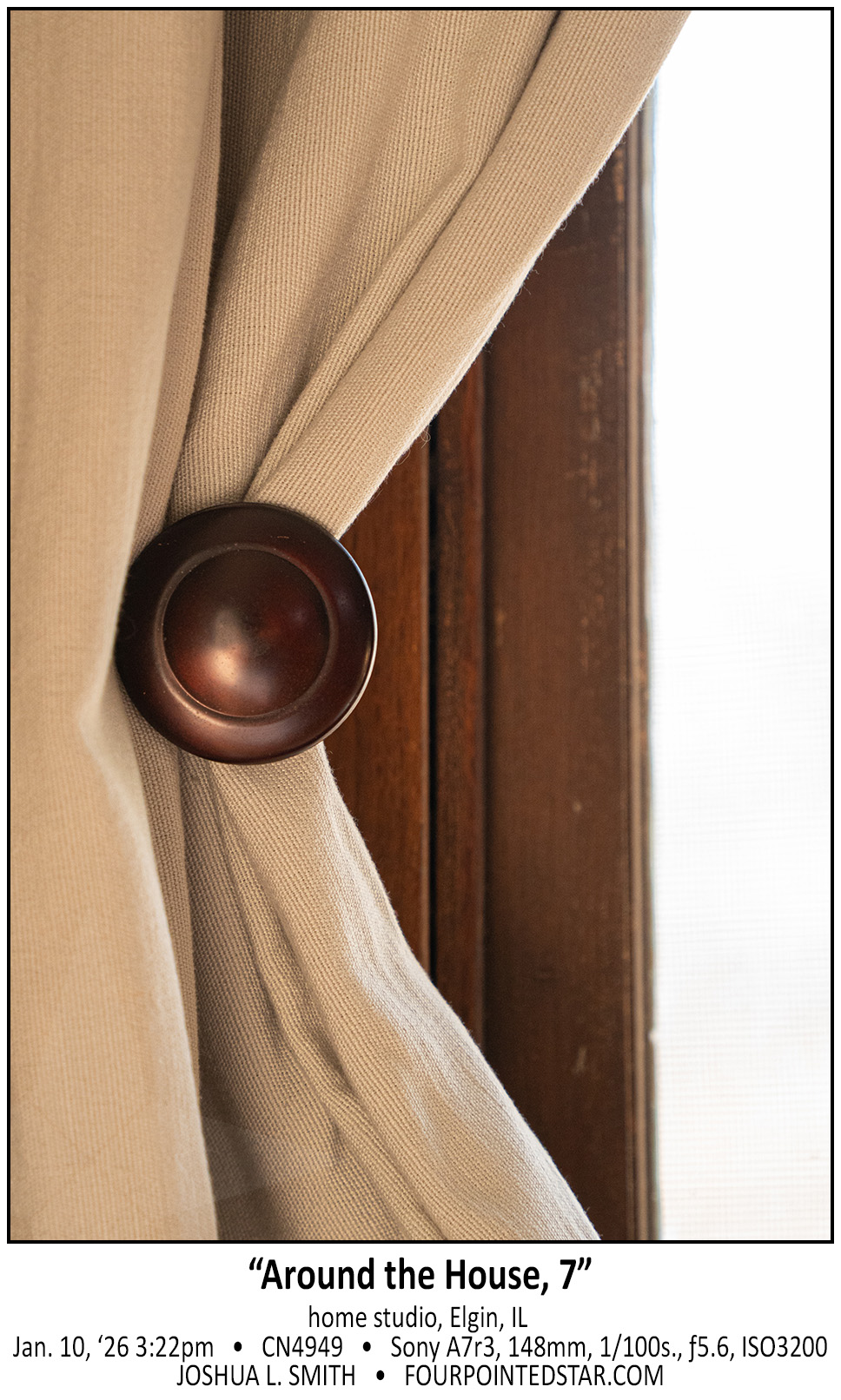
What do you SEE as you walk around your daily life? A photographer friend of mine recently asked about taking photos of another artist’s work; but in reality, aren’t photographers normally taking photos of other artist’s work? Even nature photographers are taking photos of mother nature’s work, right?
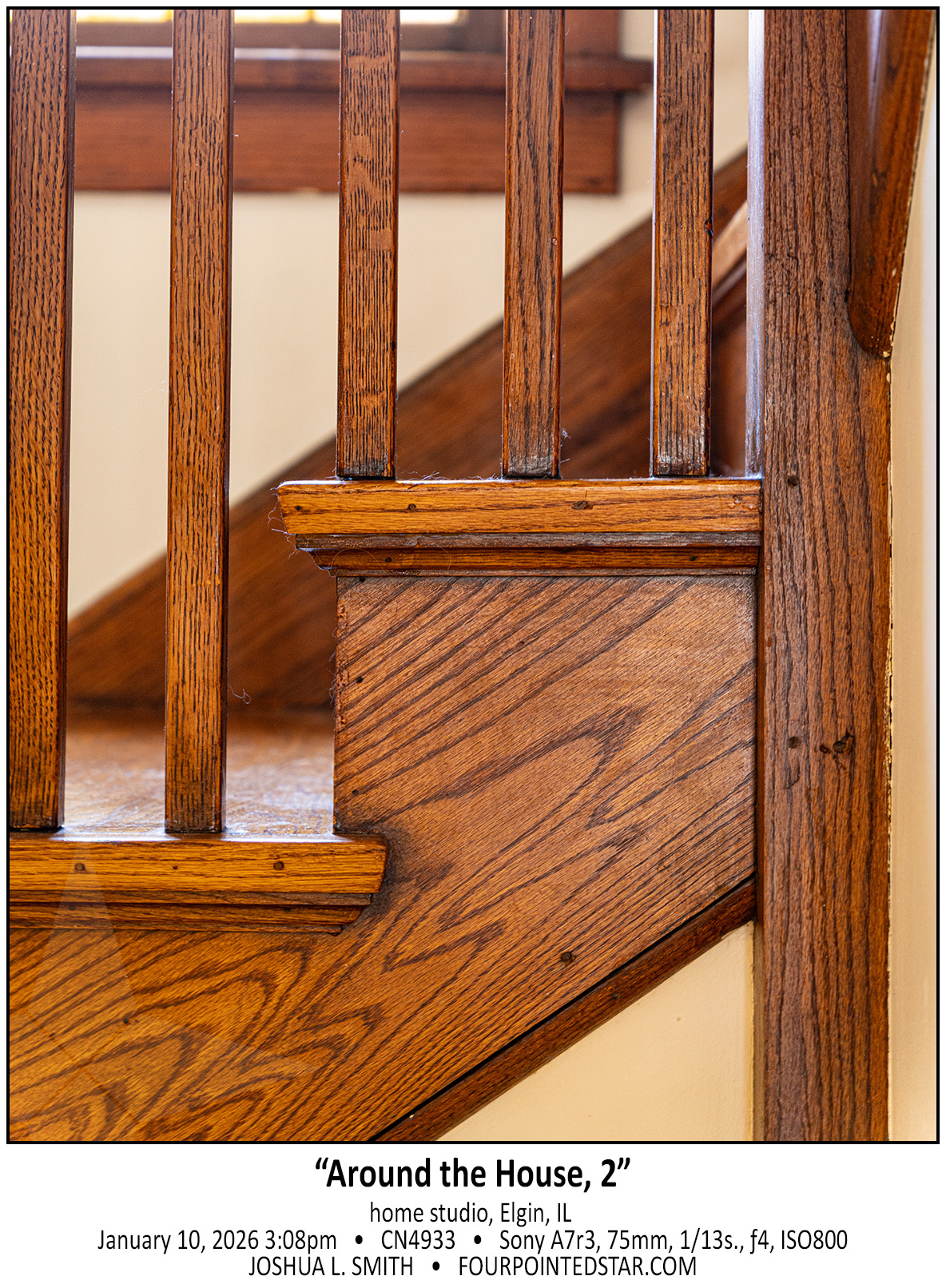
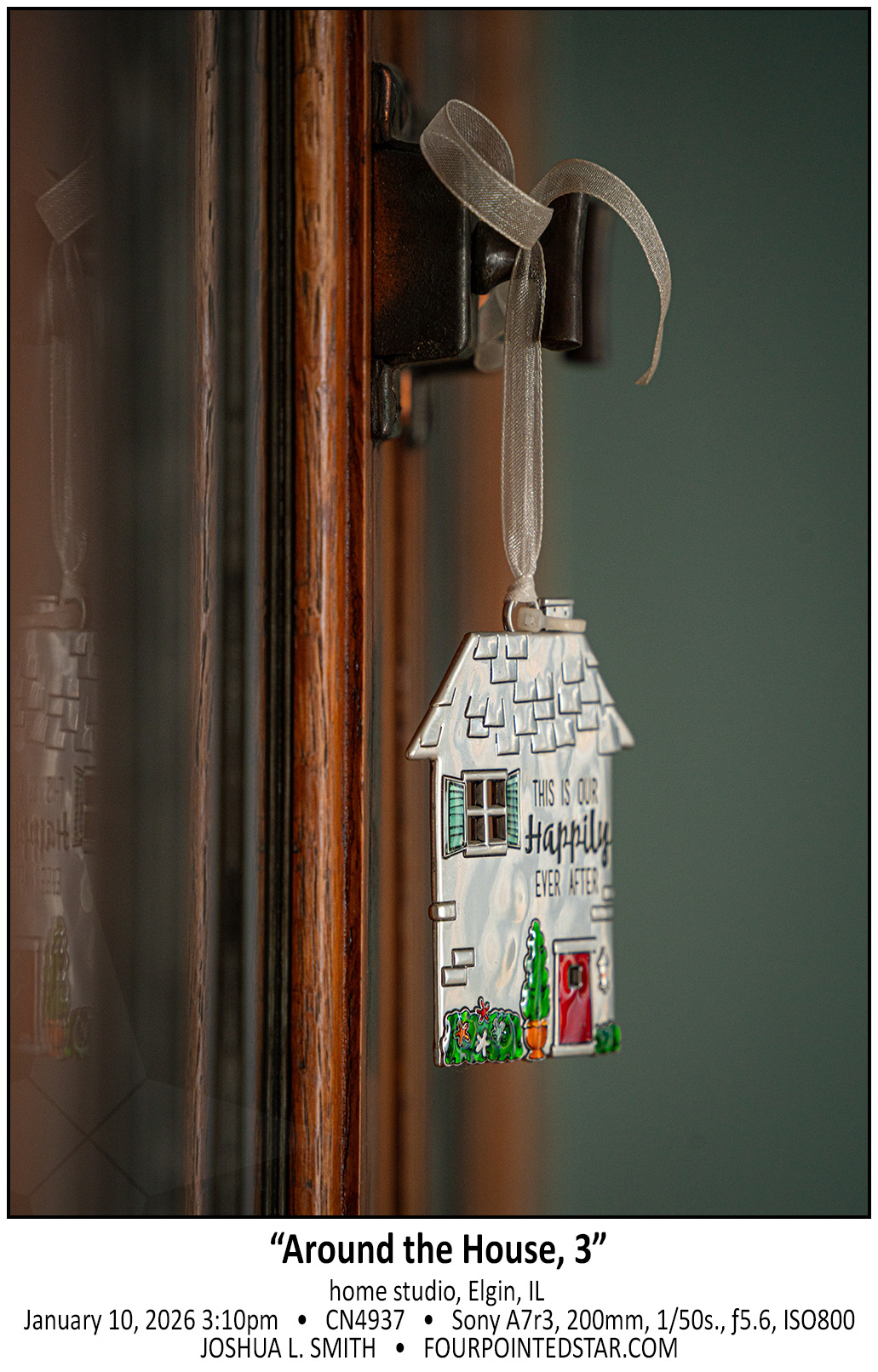
A craftsman who creates an object out of paint, clay, wood, stone, or metal can claim originality, but most of us are taking photos of something we didn’t create; instead we are creating art by adding or interpreting the existing environment or material.
With that in mind, go around your home and create art by adding or interpreting your own personal environment.
.
.
.
.
.
.
>other images<
.