Tagged: insect


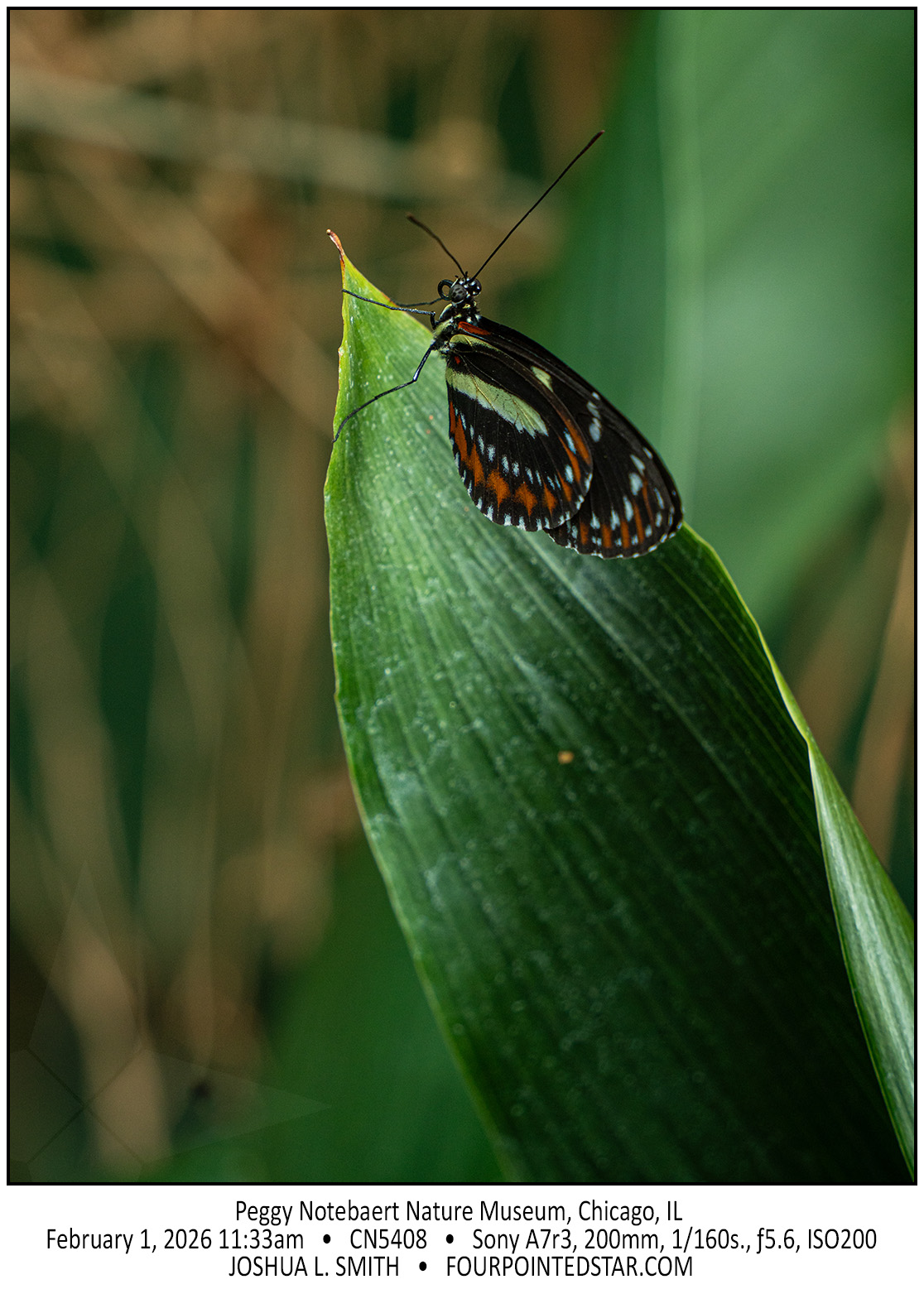
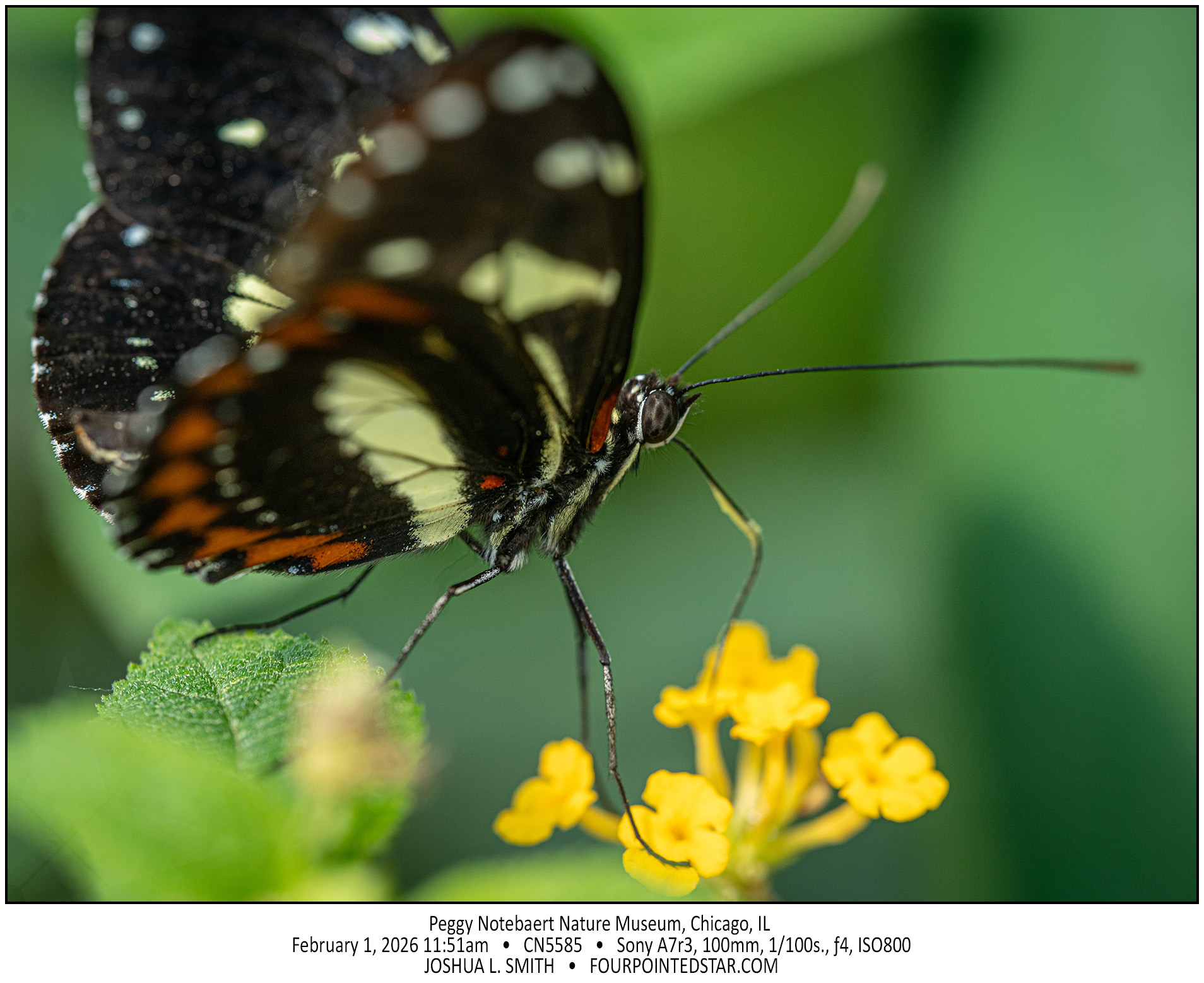
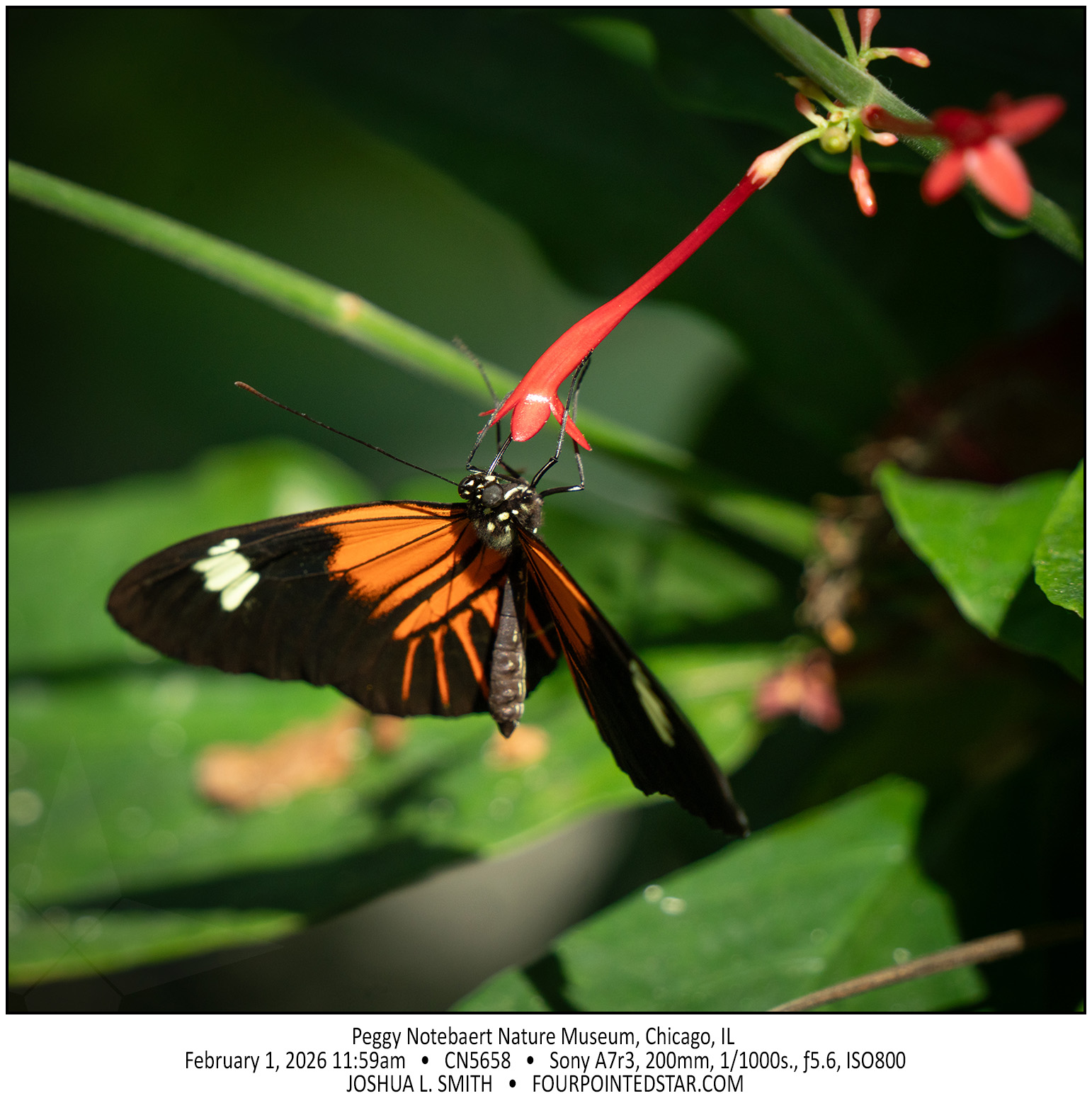
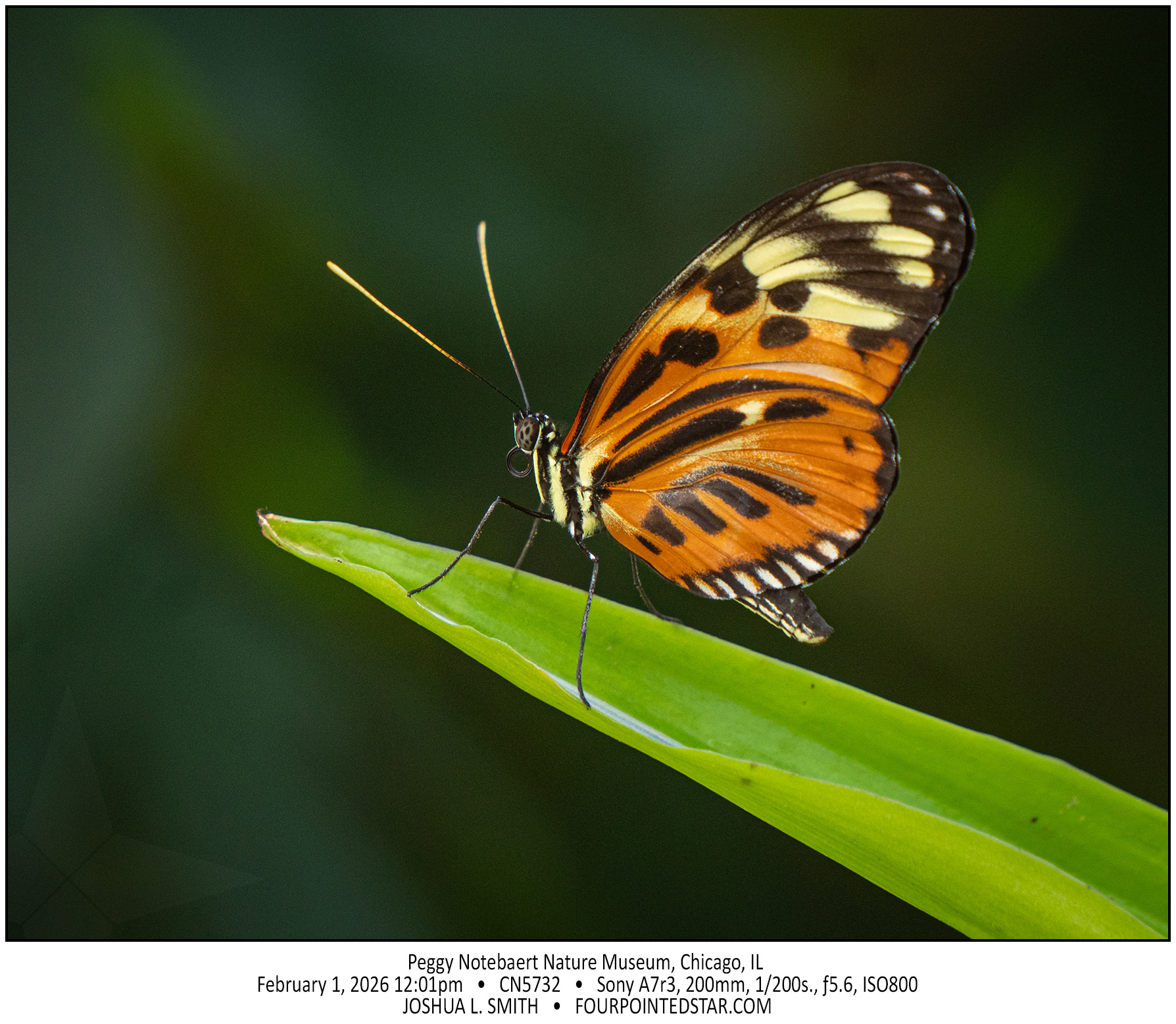
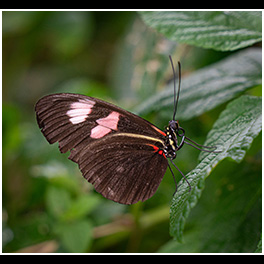
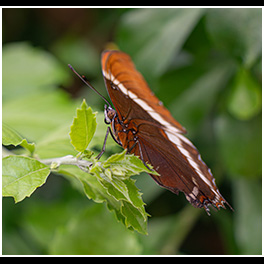
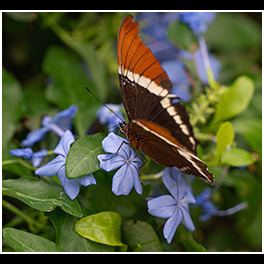
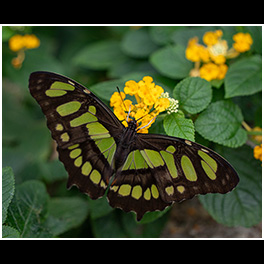
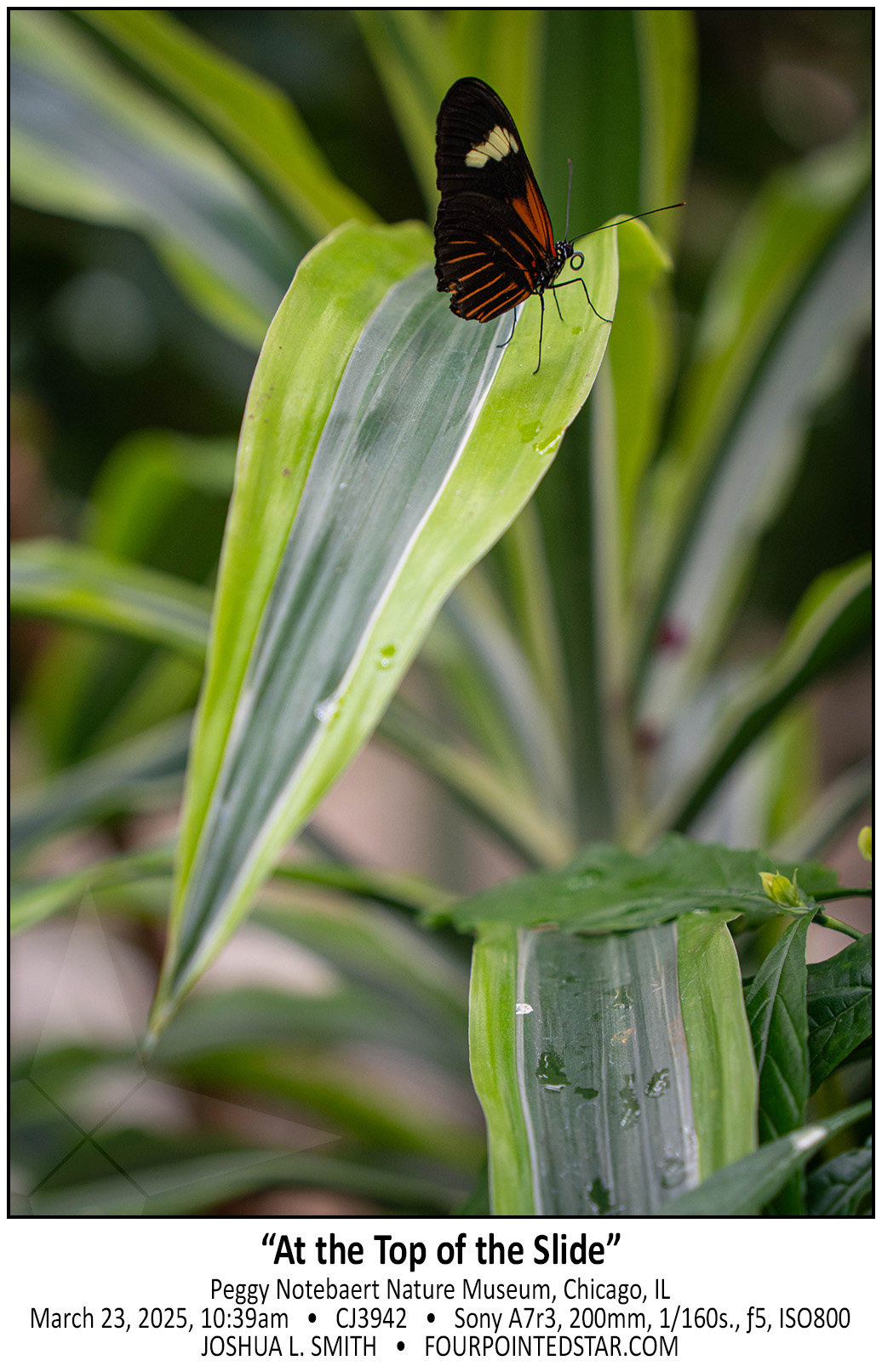
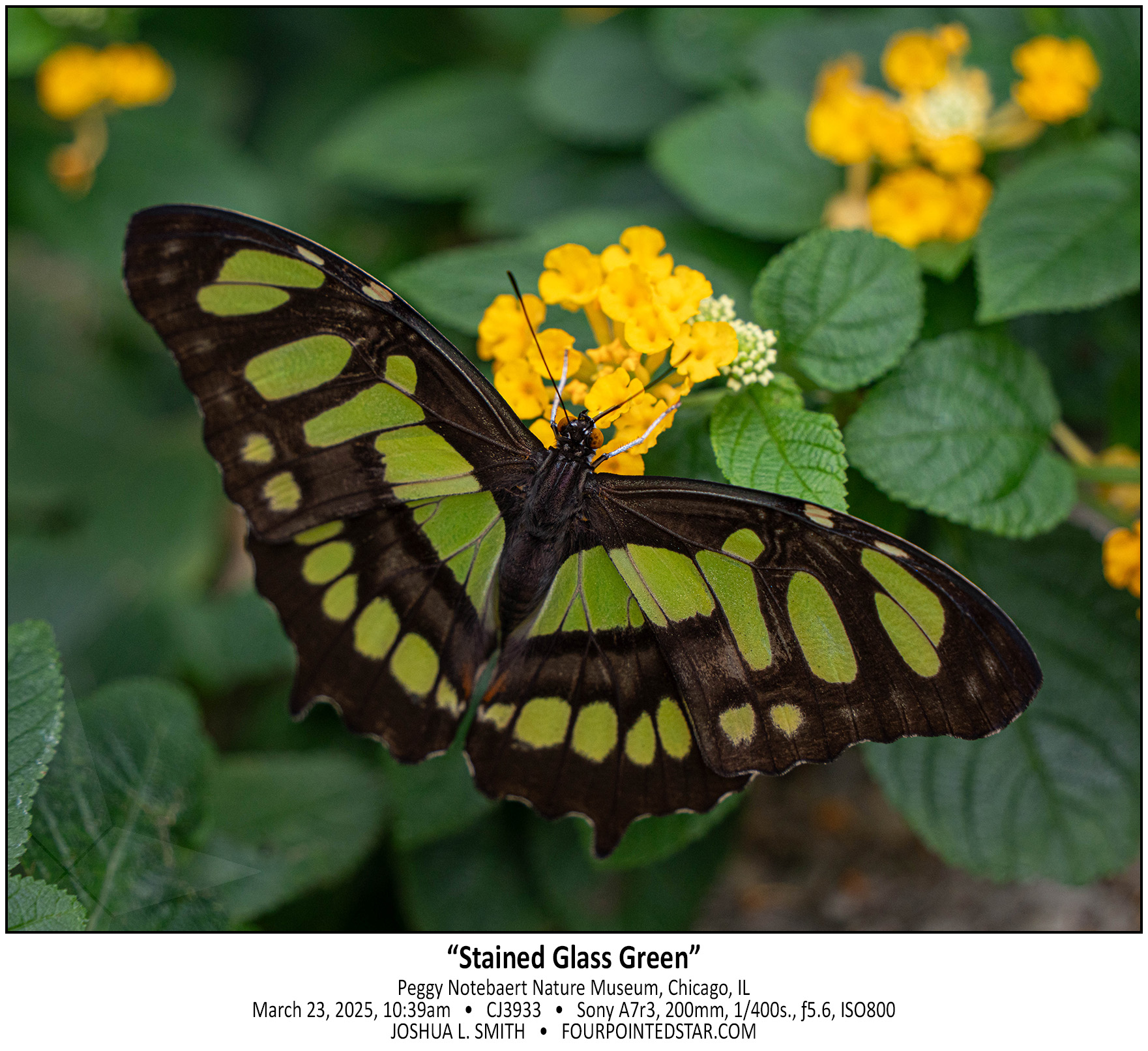
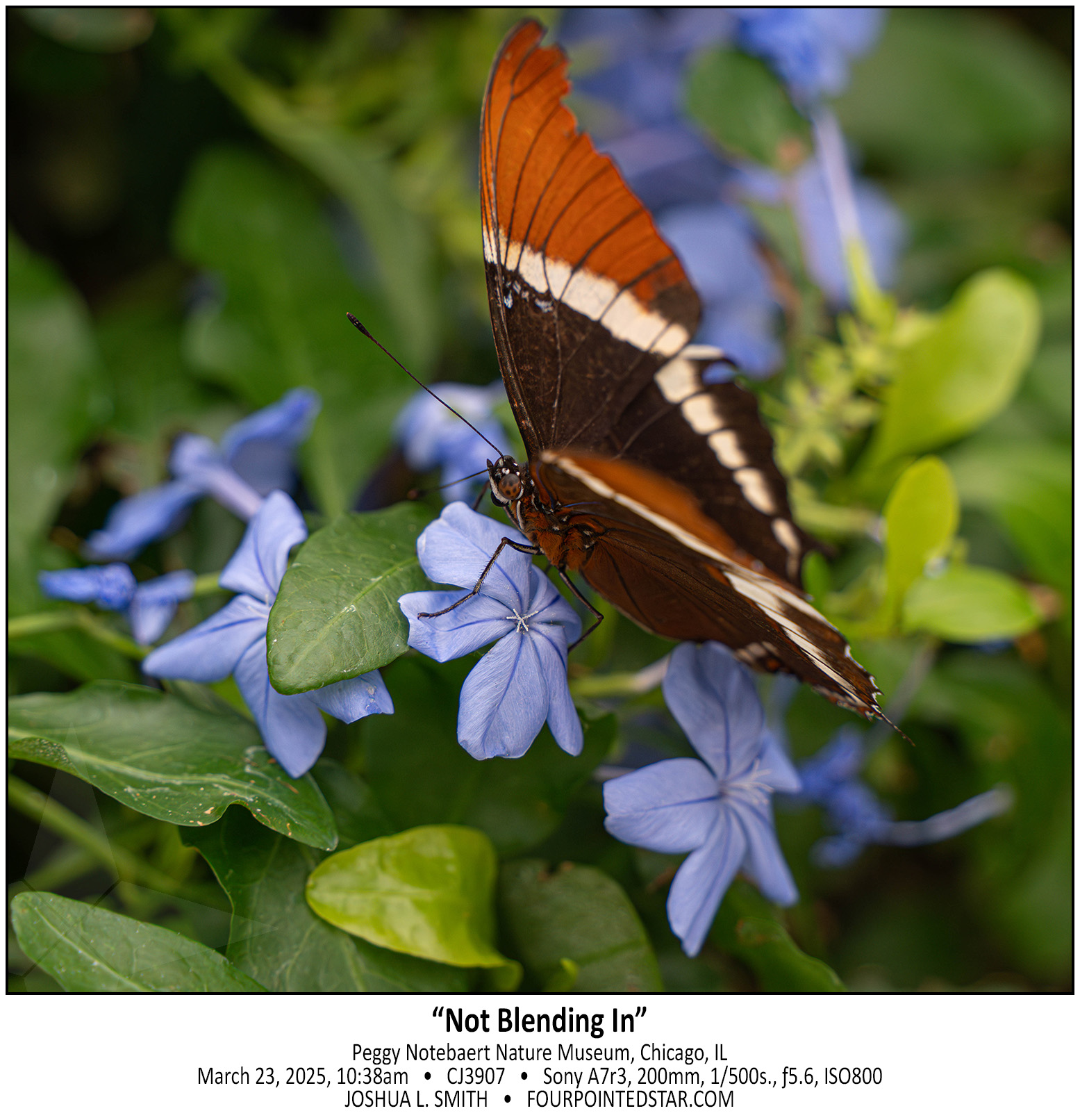
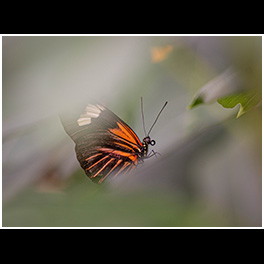
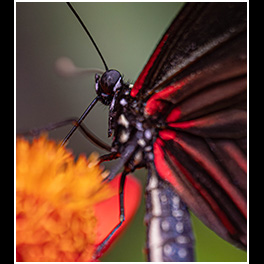
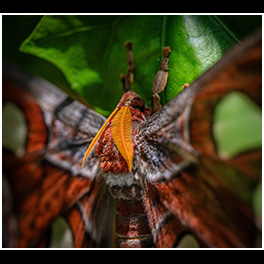
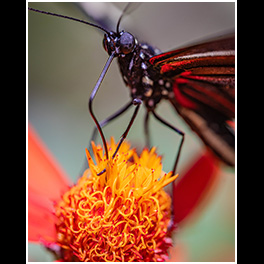
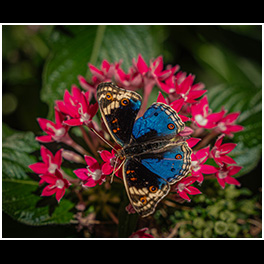
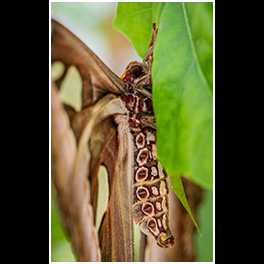
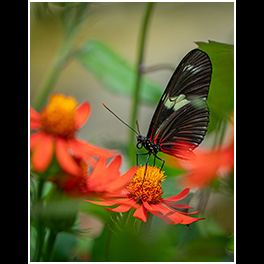
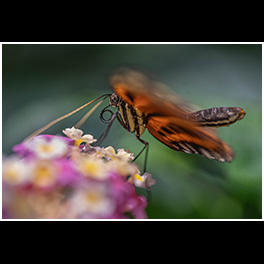
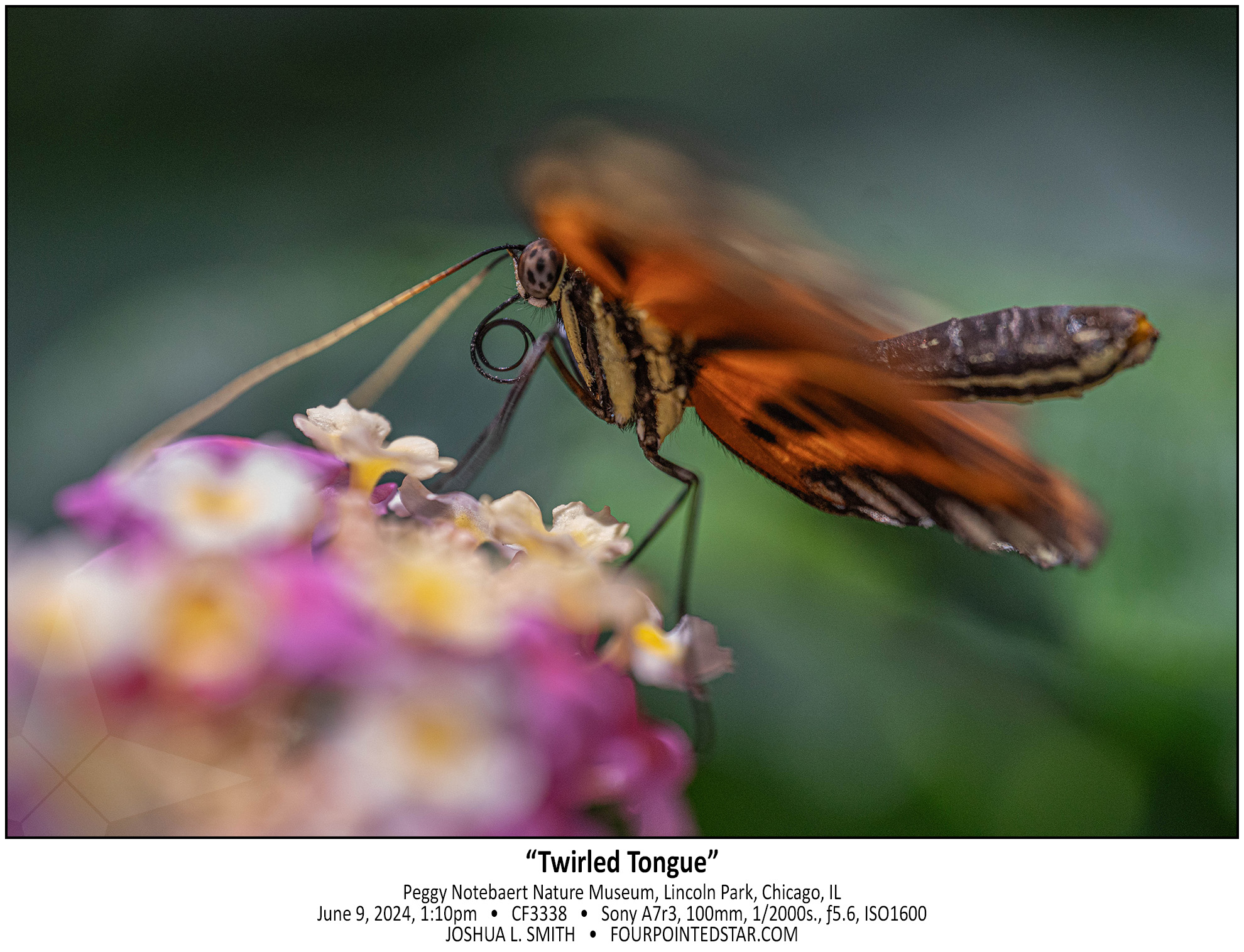
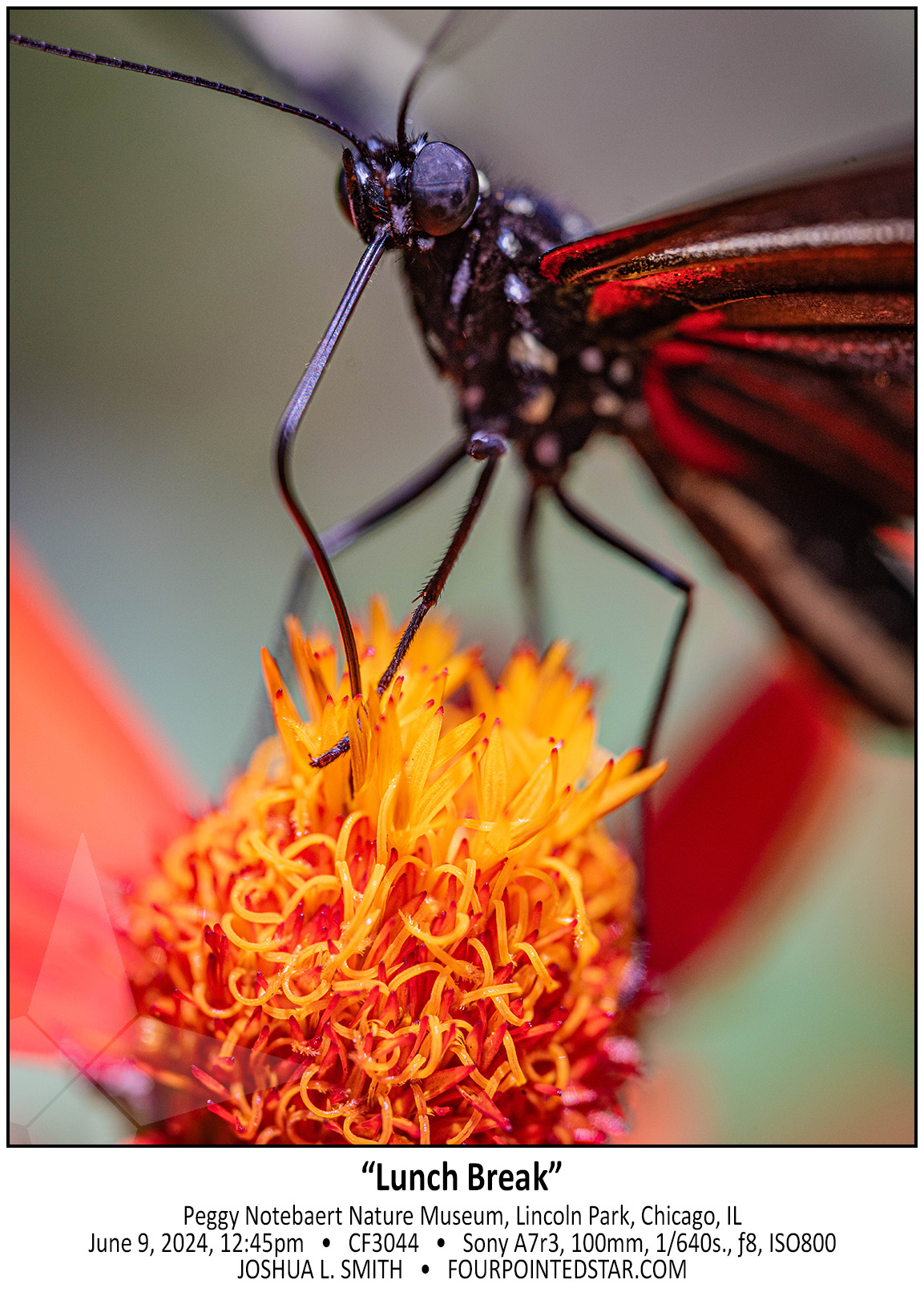
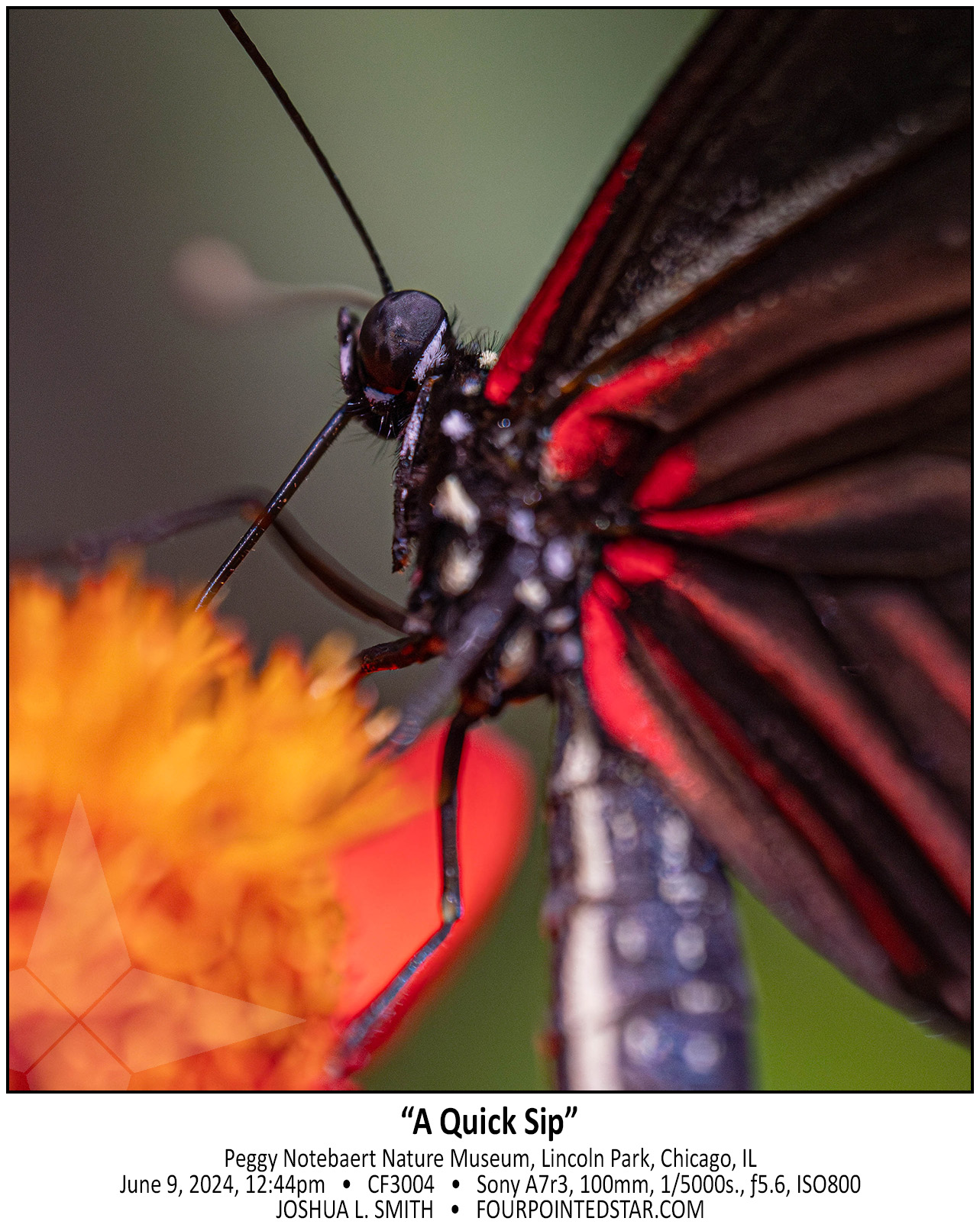
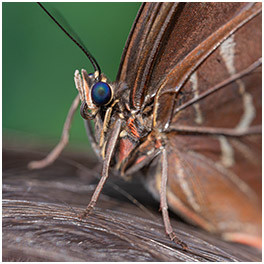
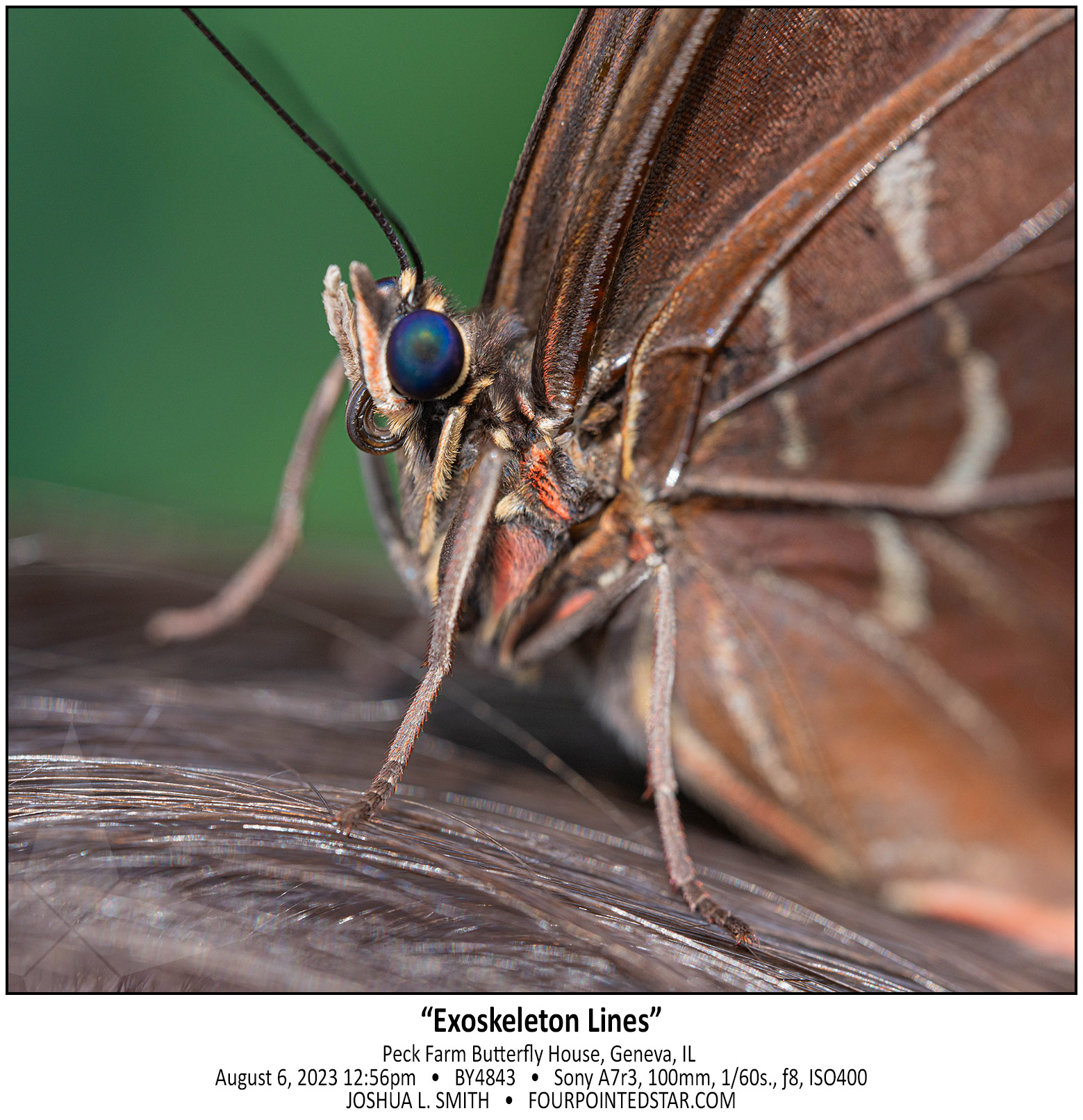
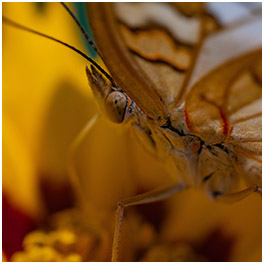
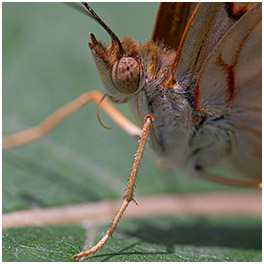
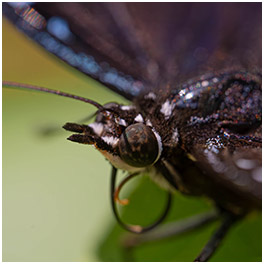
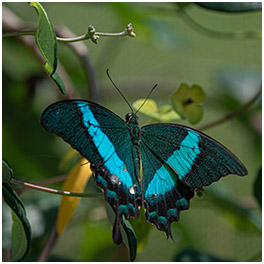
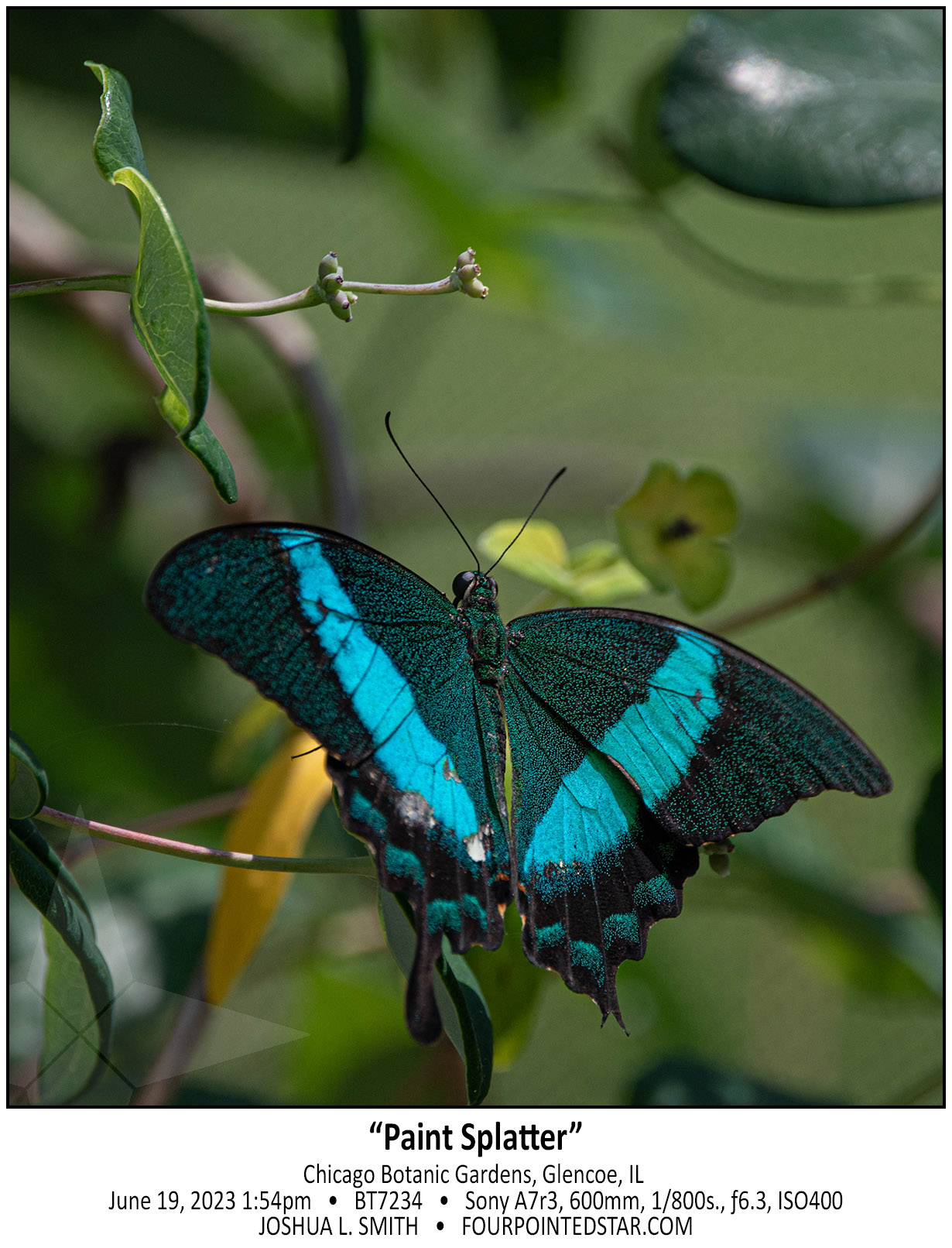
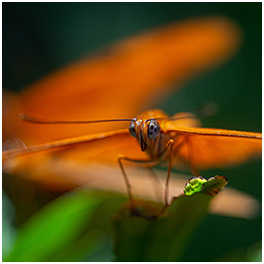
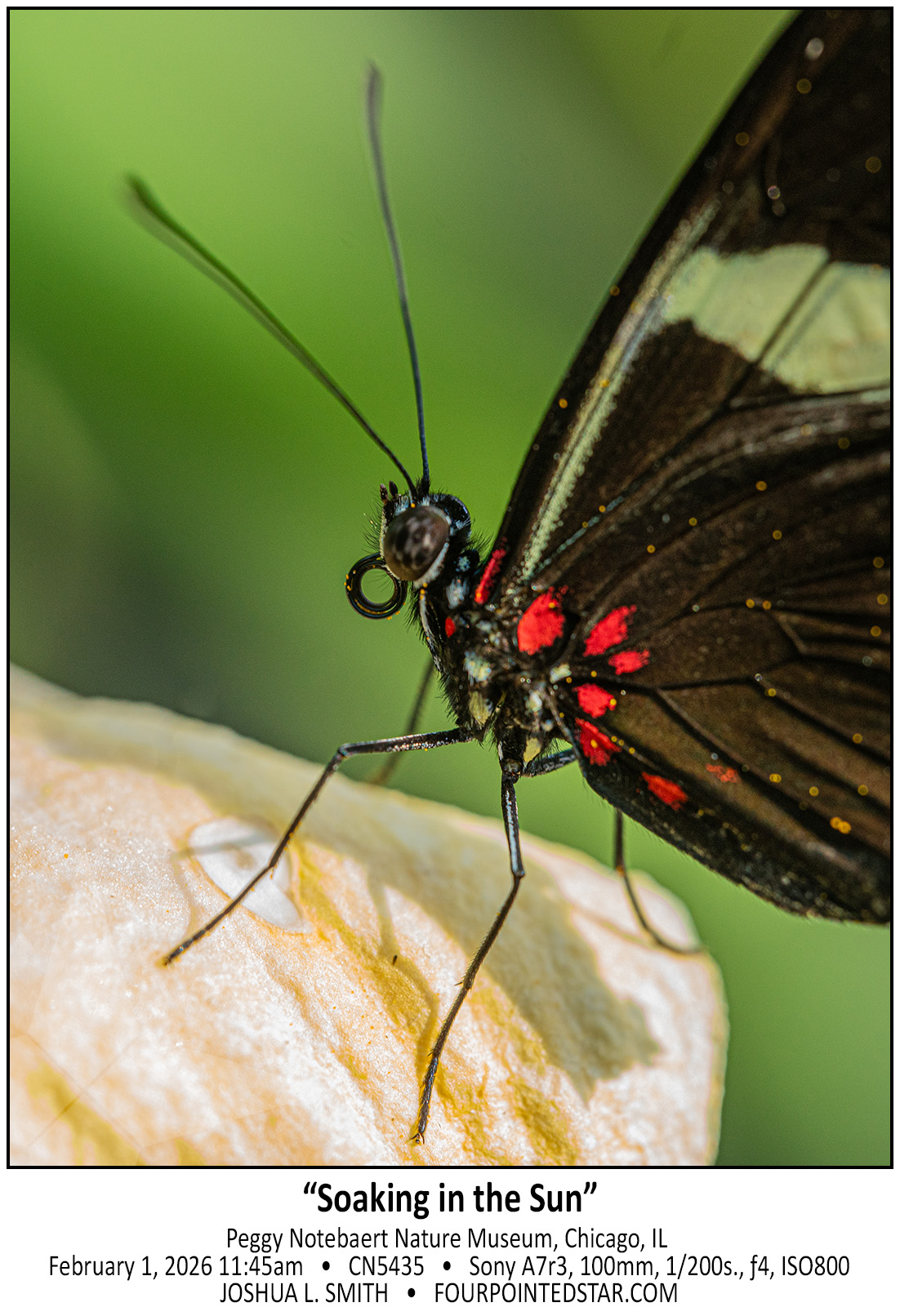
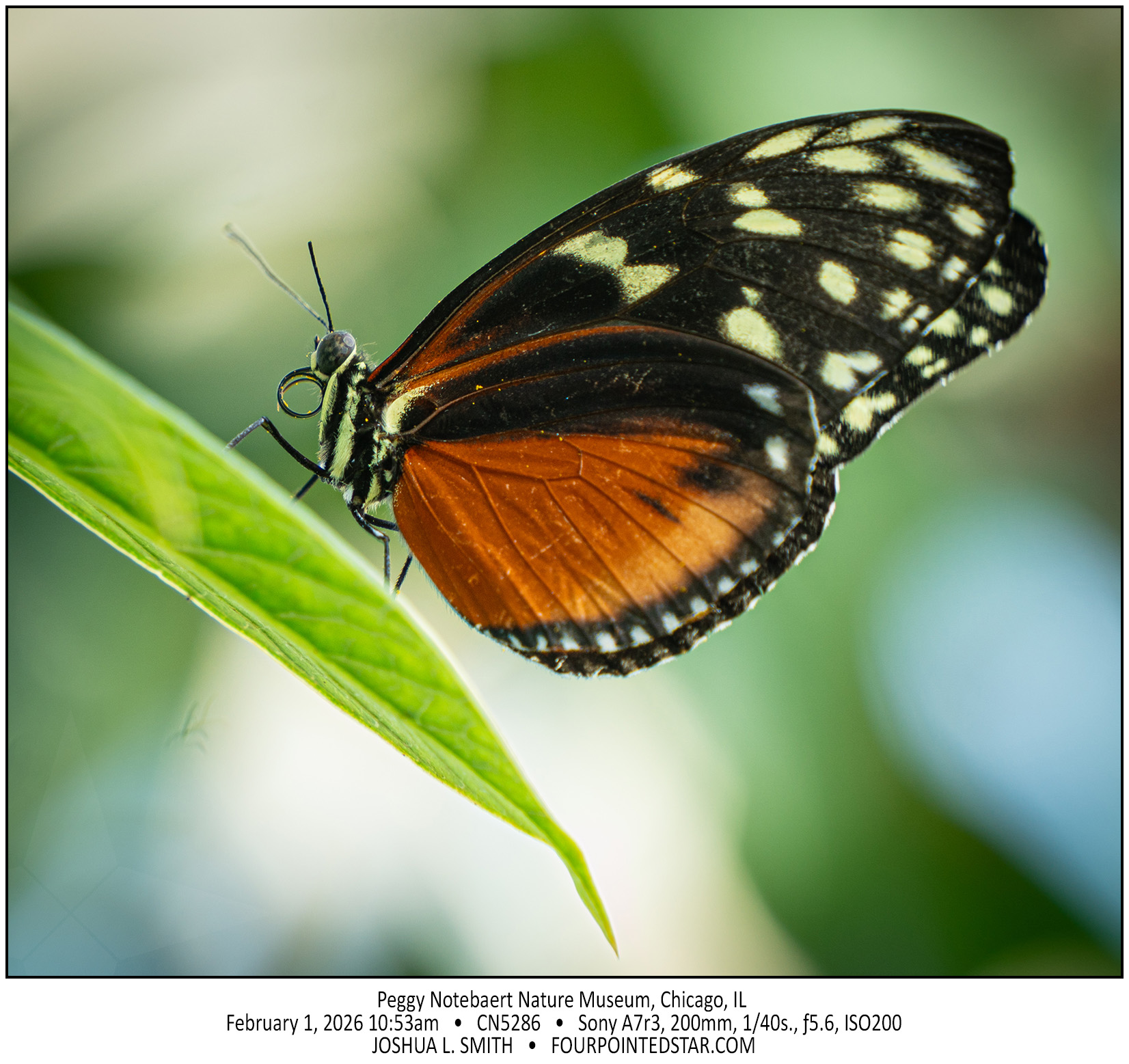
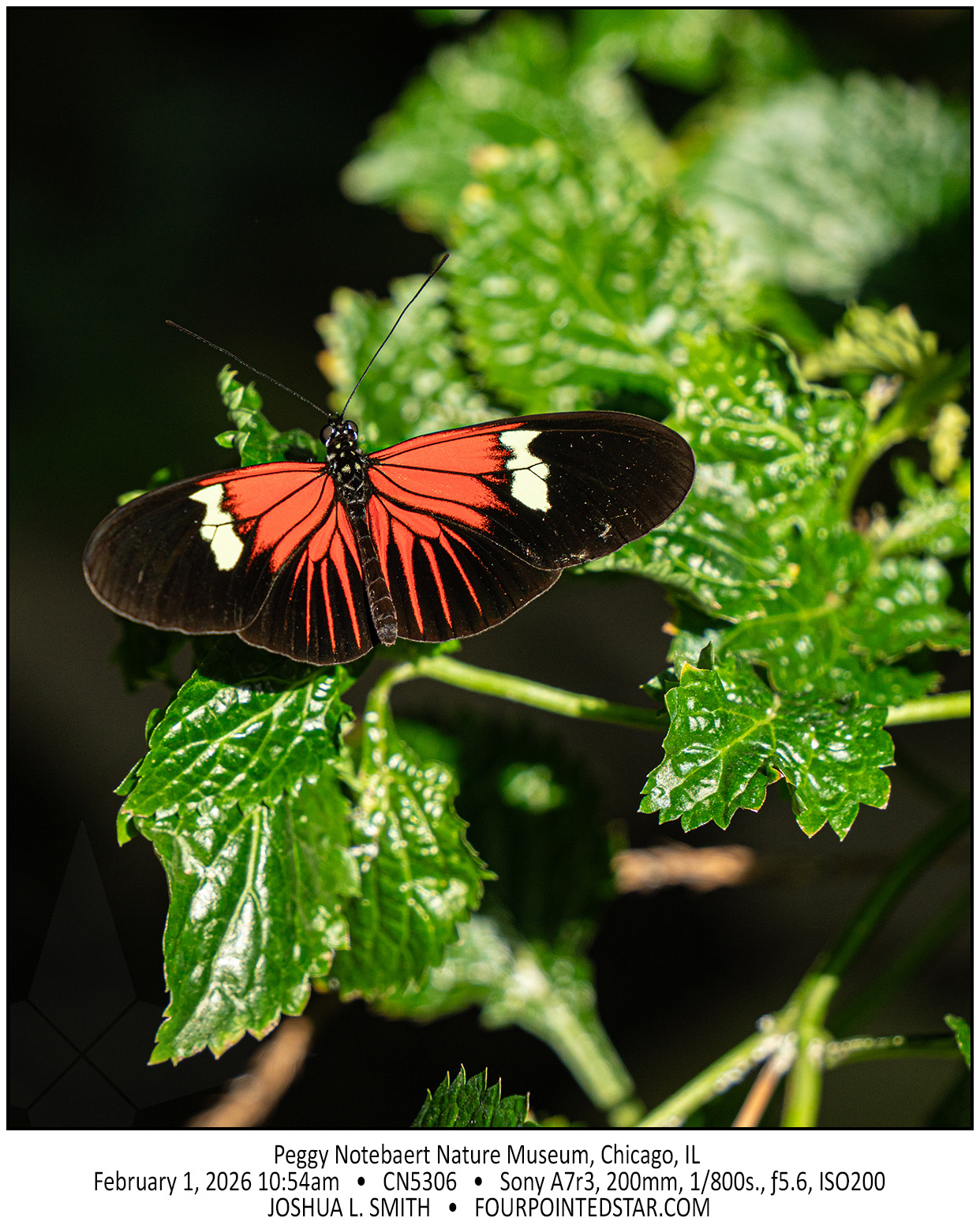
You might think that after 10 years of photographing butterflies in the same exhibit that it would be easier or boring or predictable, but during each visit, I have to search for the butterflies in a good setting within the reach of my lens, adjust for the proper lighting, and then capture the image while the butterfly is stationary.

The sunlight filters in and out, the butterflies often land far away or in an “ugly” location, or they take off right when you press the shutter button; so each year there is a challenge and a smile when I’m editing and see that I’ve captured a good image. Really, each one of those challenges is present in most photographic creation…


.

>other images<
.

Each winter, I make a sacred trek to Peggy Notebaert Nature Museum in Chicago. They have a wonderful year-round butterfly exhibit, and those colors are the perfect break from the dull nature colors. Even when the Illinois winter blesses us with snow instead of 43 shades of brown and grey, more of nature is still monochromatic.
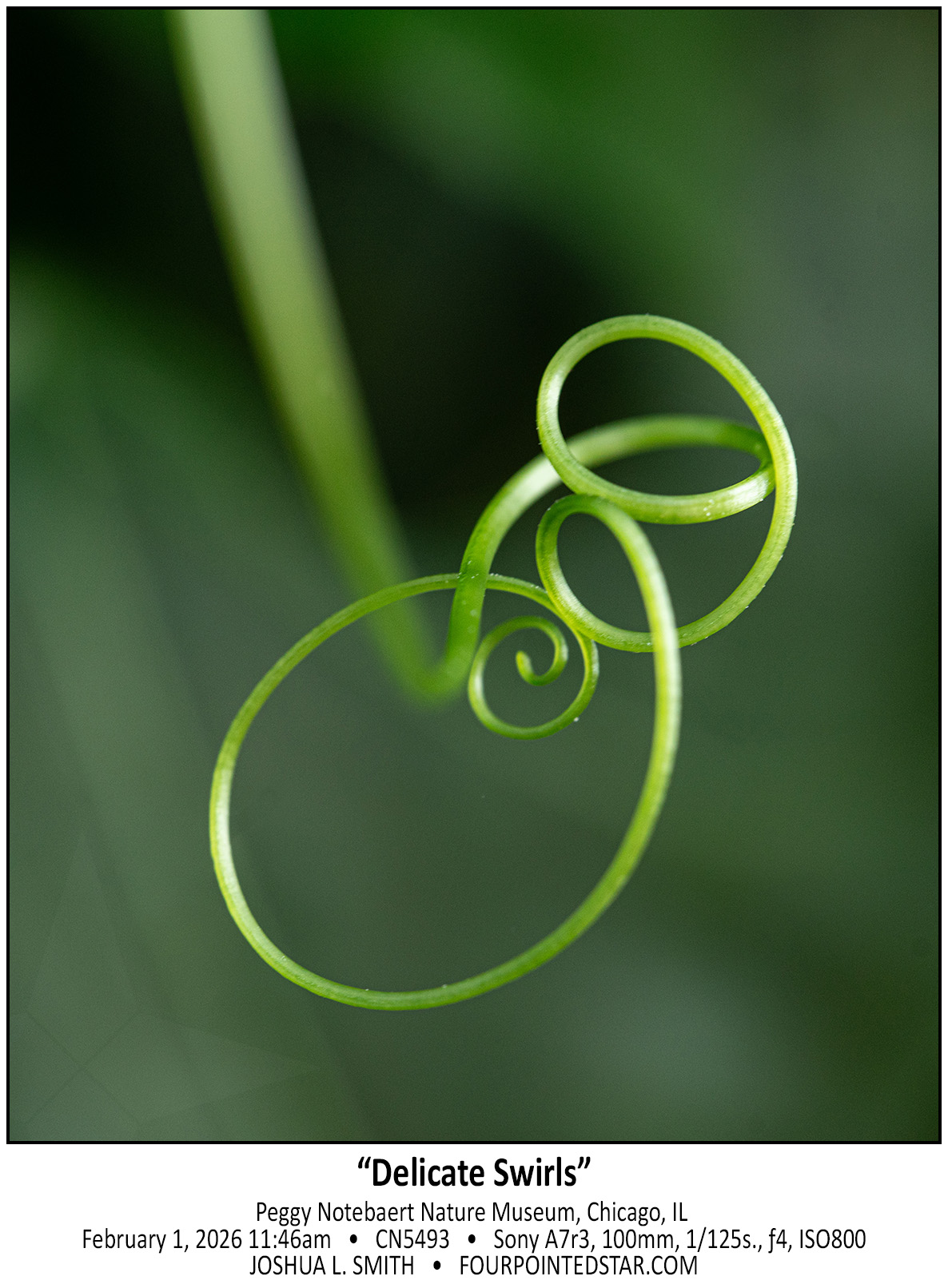
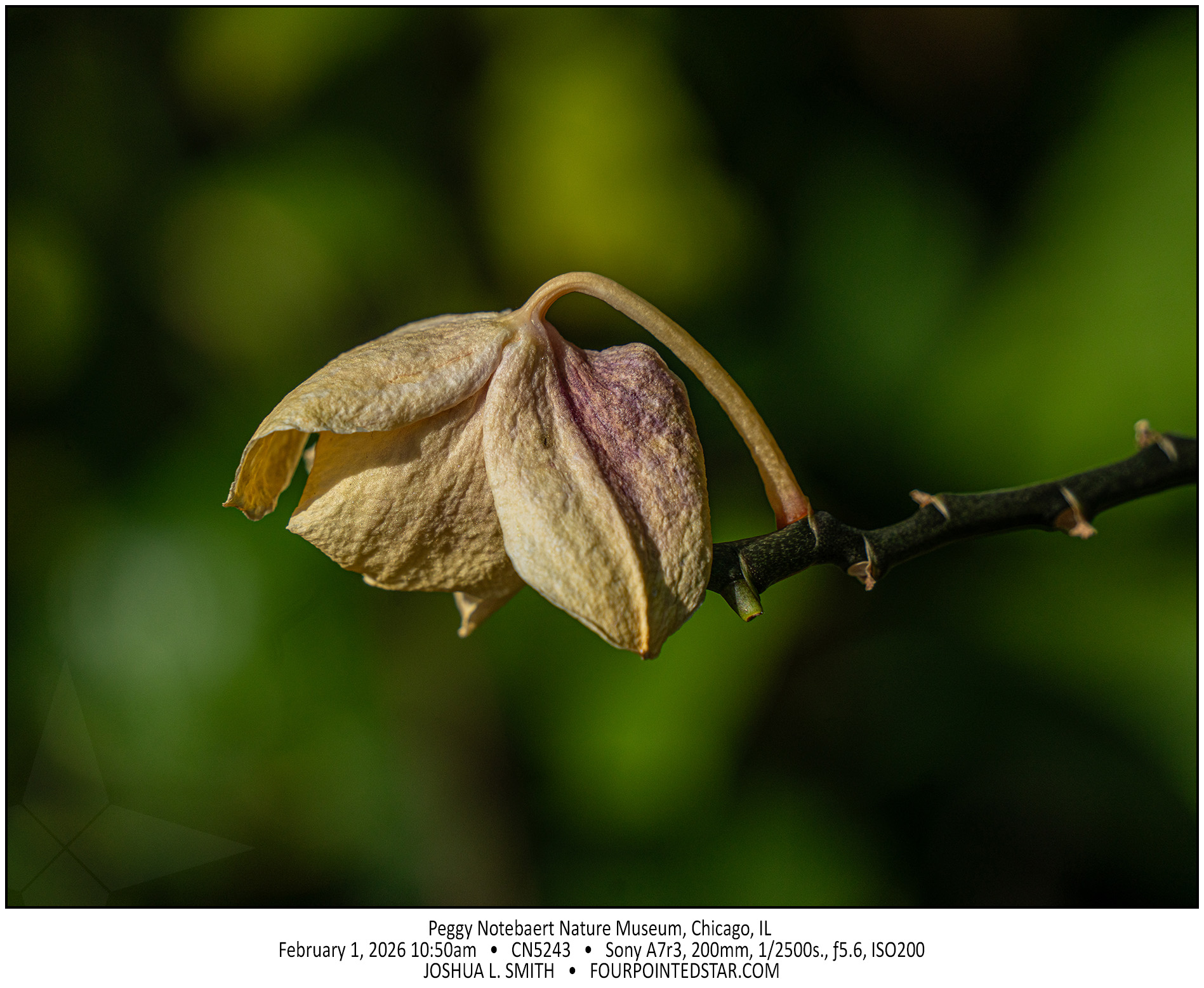
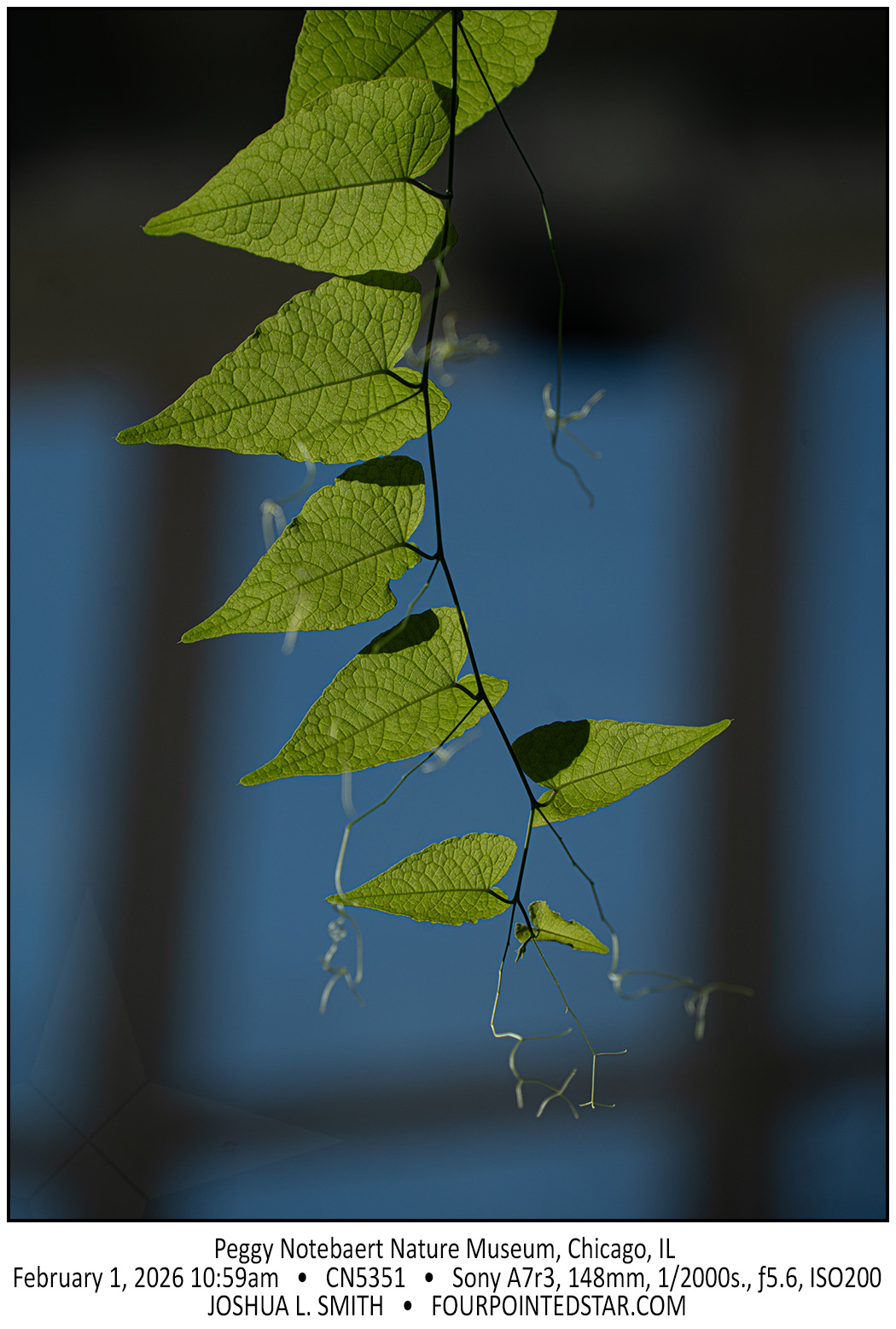
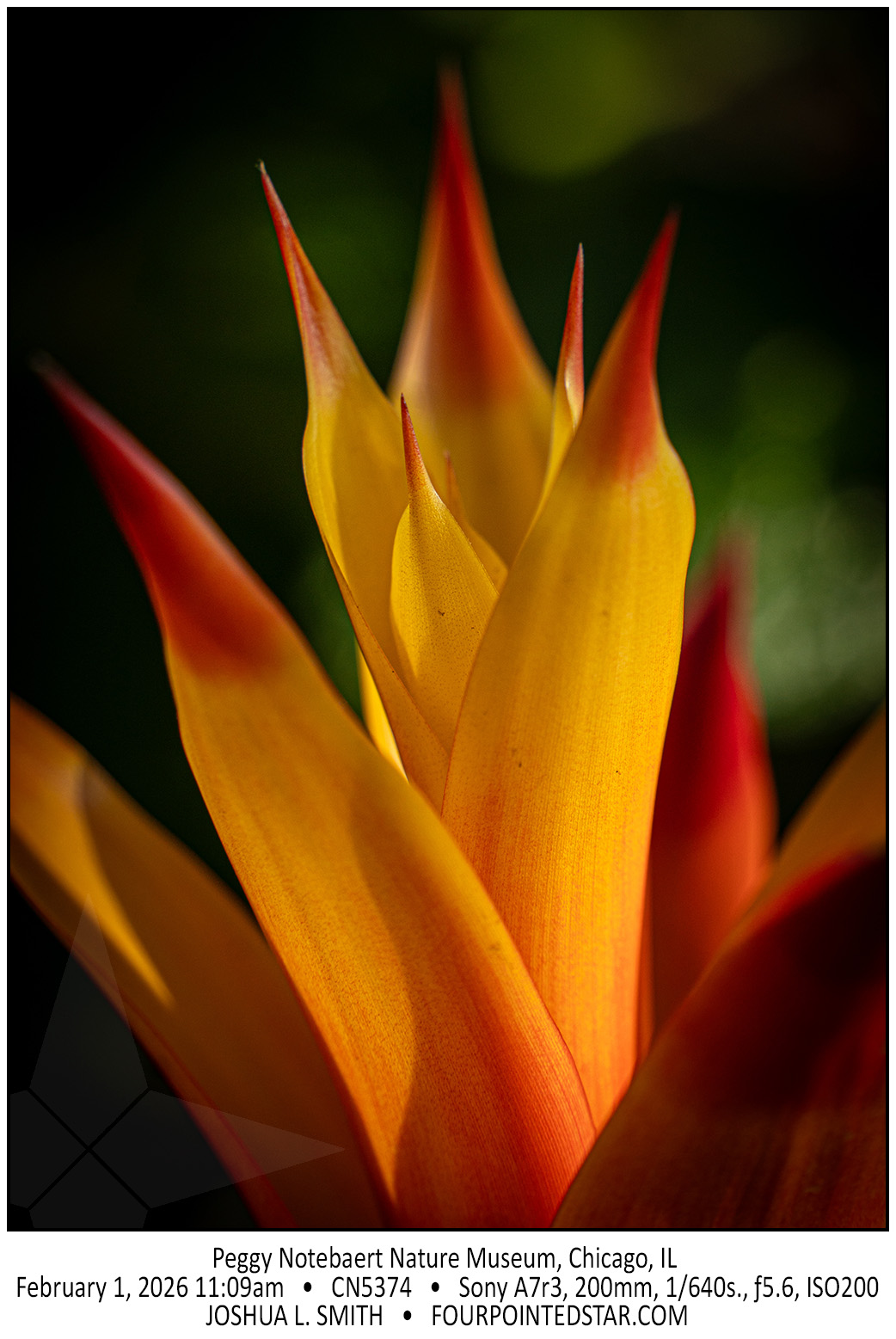
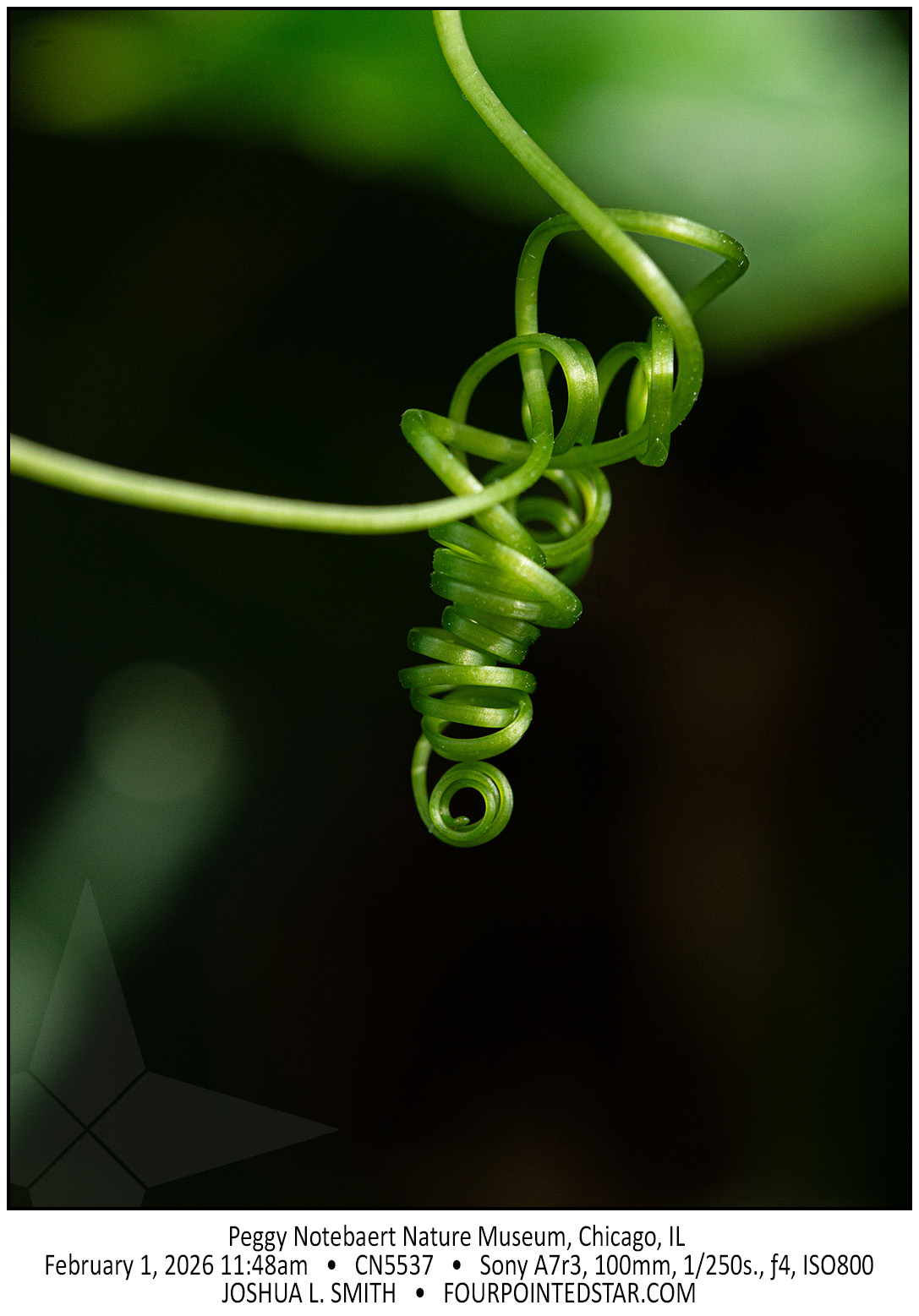
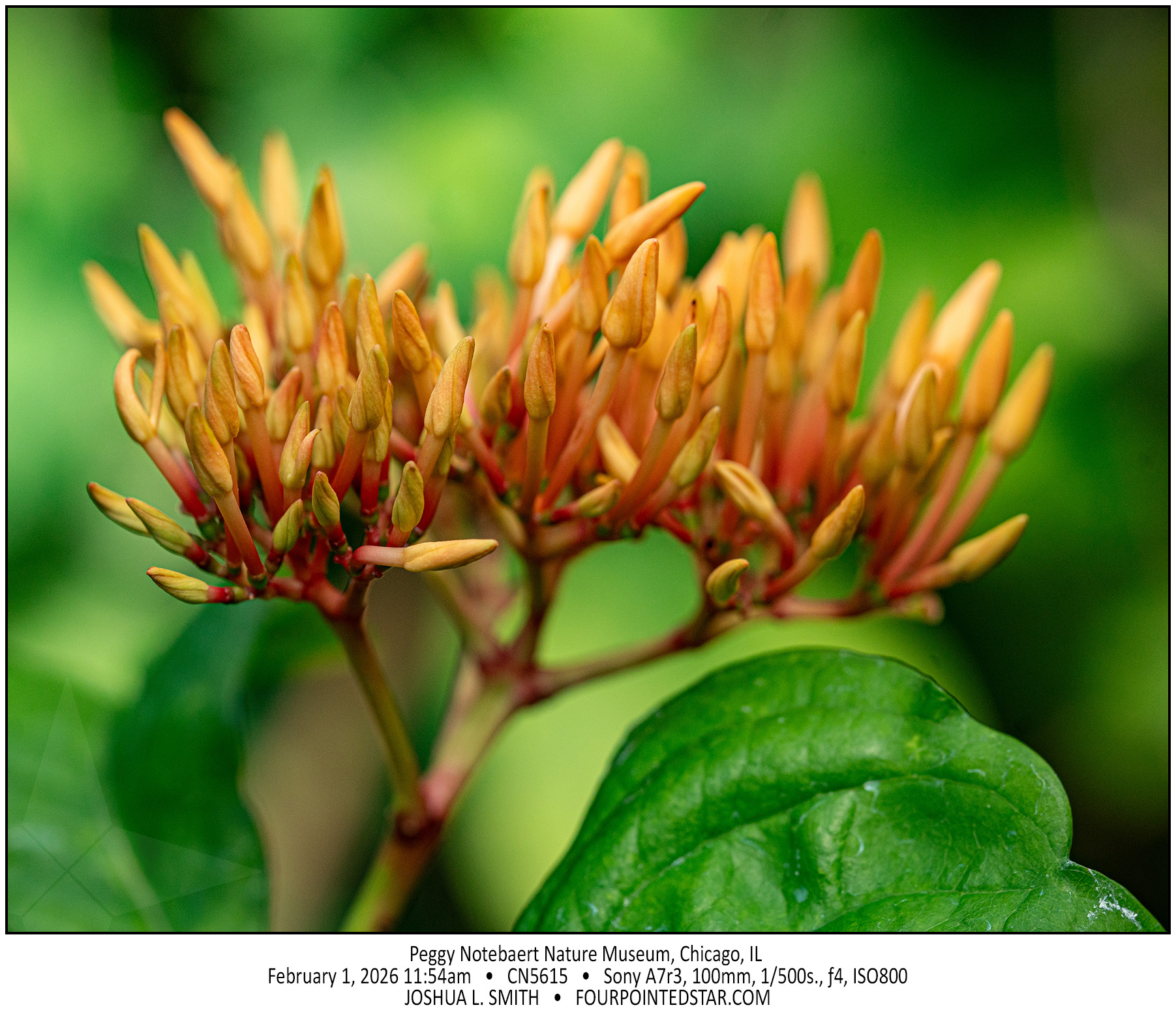
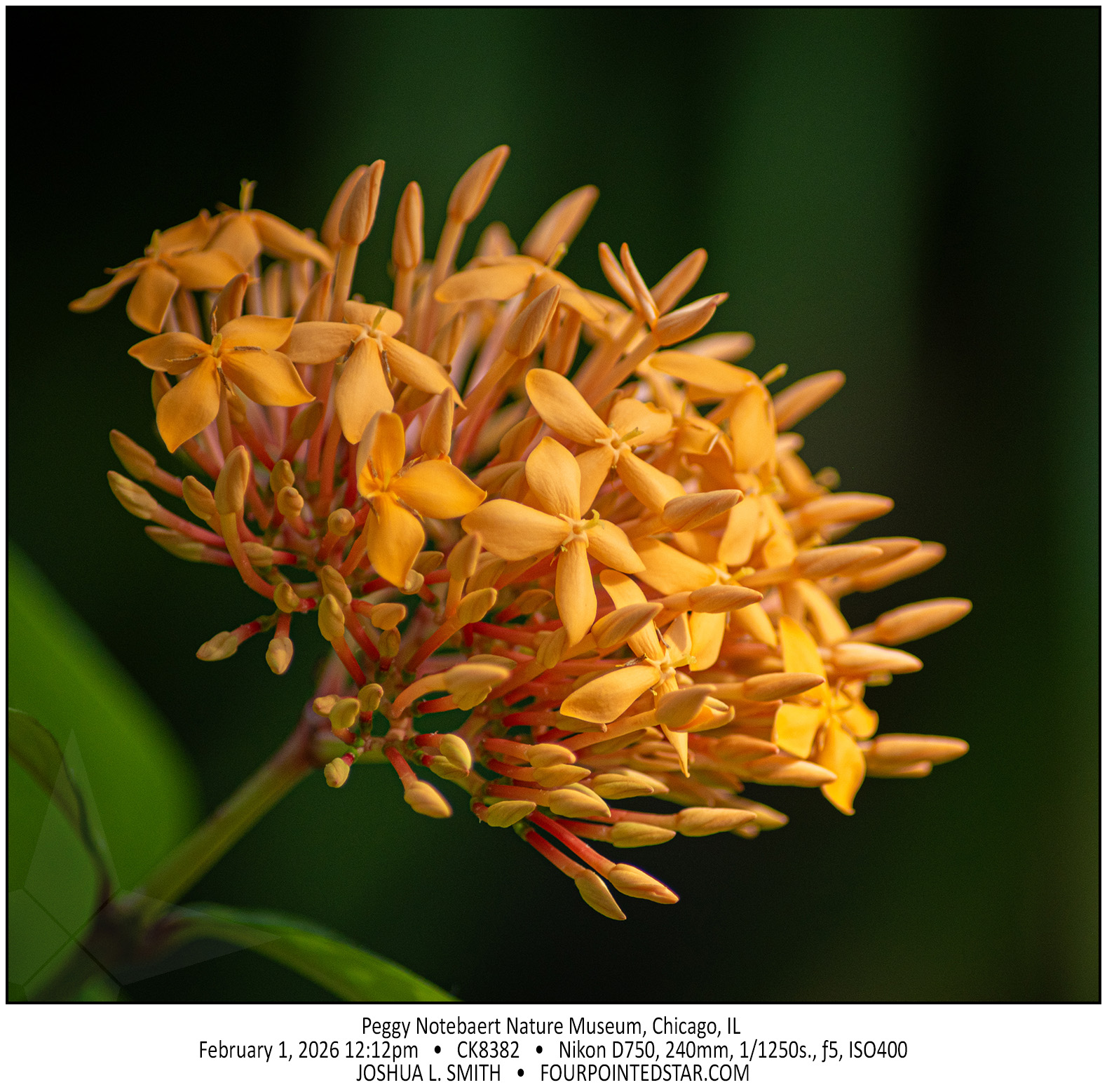
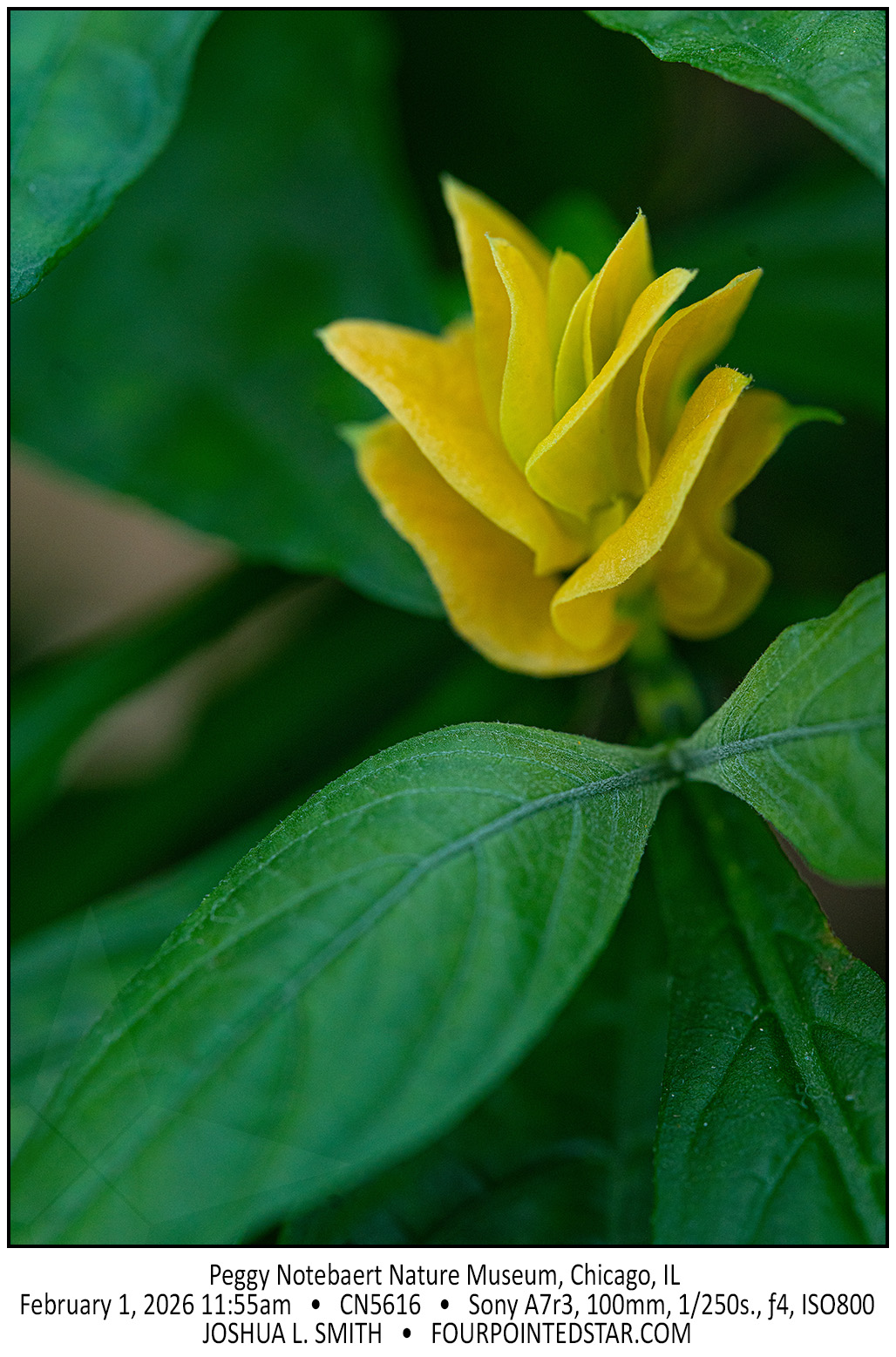
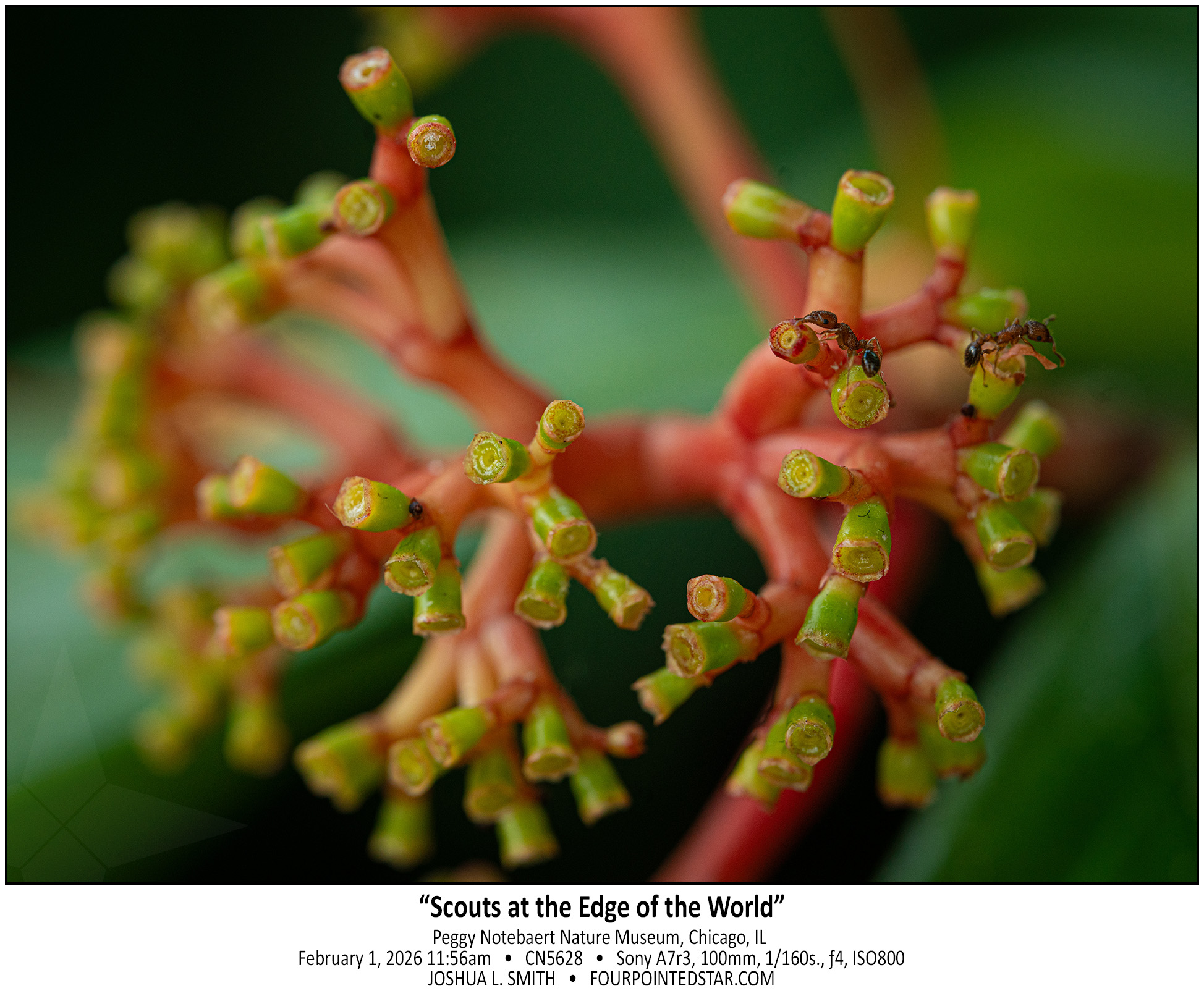
Typically I focus on the butterflies; small pops of color whose unpredictable nature and flight paths make them a challenge to photograph, but this visit, I was inspired by a photo that Sarah took years ago – a simple image of the end of one of the vines. What images could I create in the butterfly house that weren’t of butterflies?


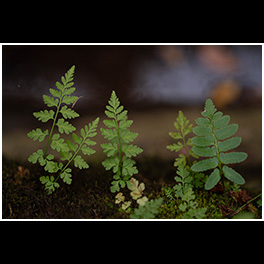
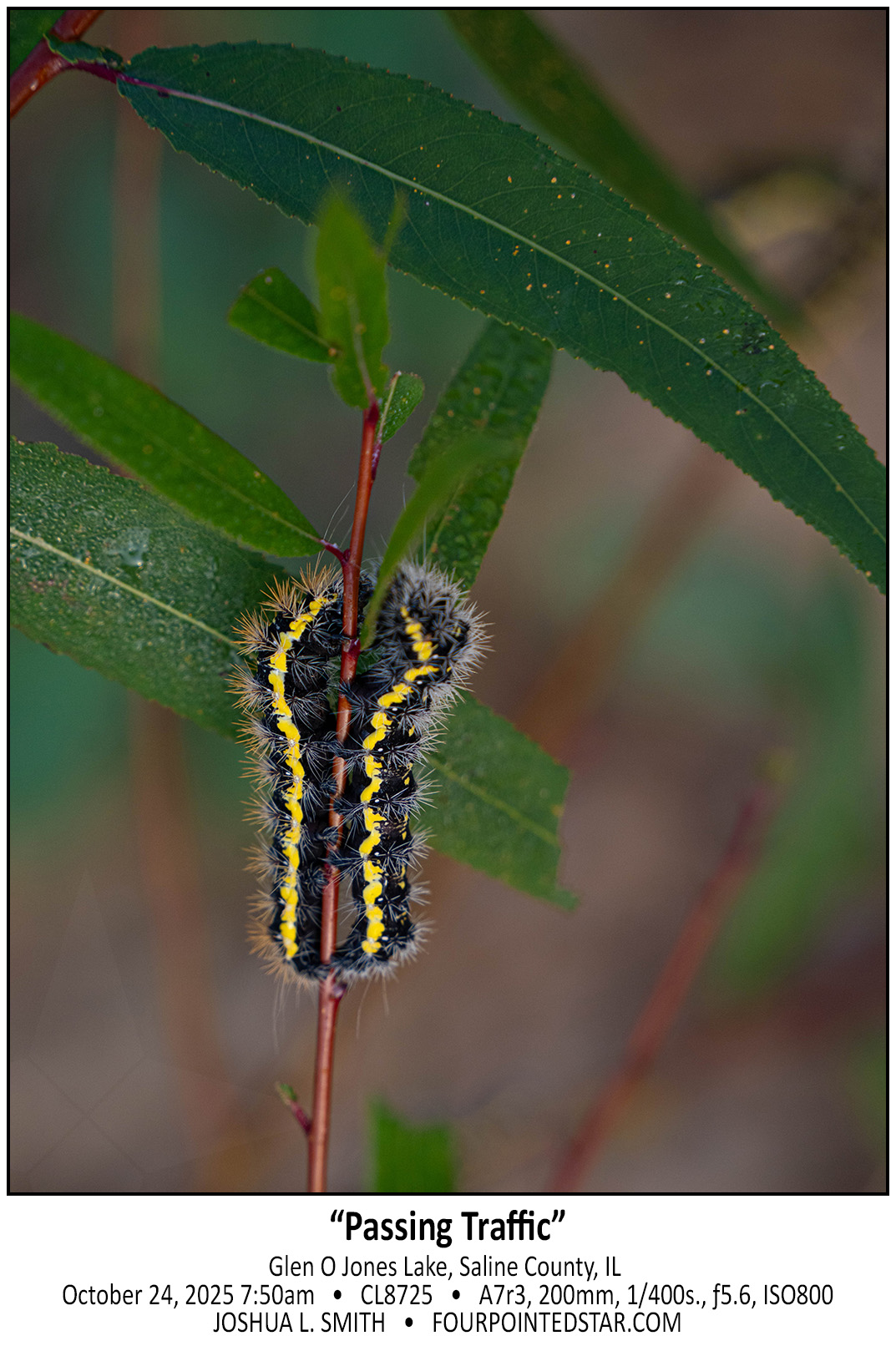
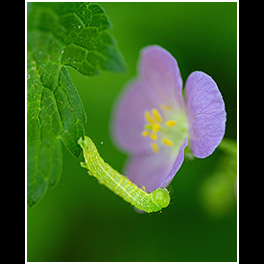
I love photographing mushrooms, and I was looking for mushrooms, but at our first stop I saw the small bush with so many caterpillars!  When I’m on a photo walk or trip, I often have to remind myself to stop and smell the roses of sorts; I’ll be so focussed on the waterfall that I’m hiking to or the reflections that I miss the other enjoyable elements that are around me … items like those fern fronds that so delicately extended from a massive stone.


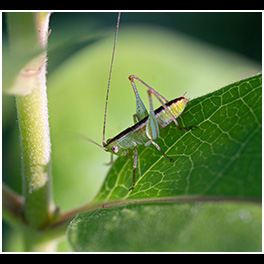
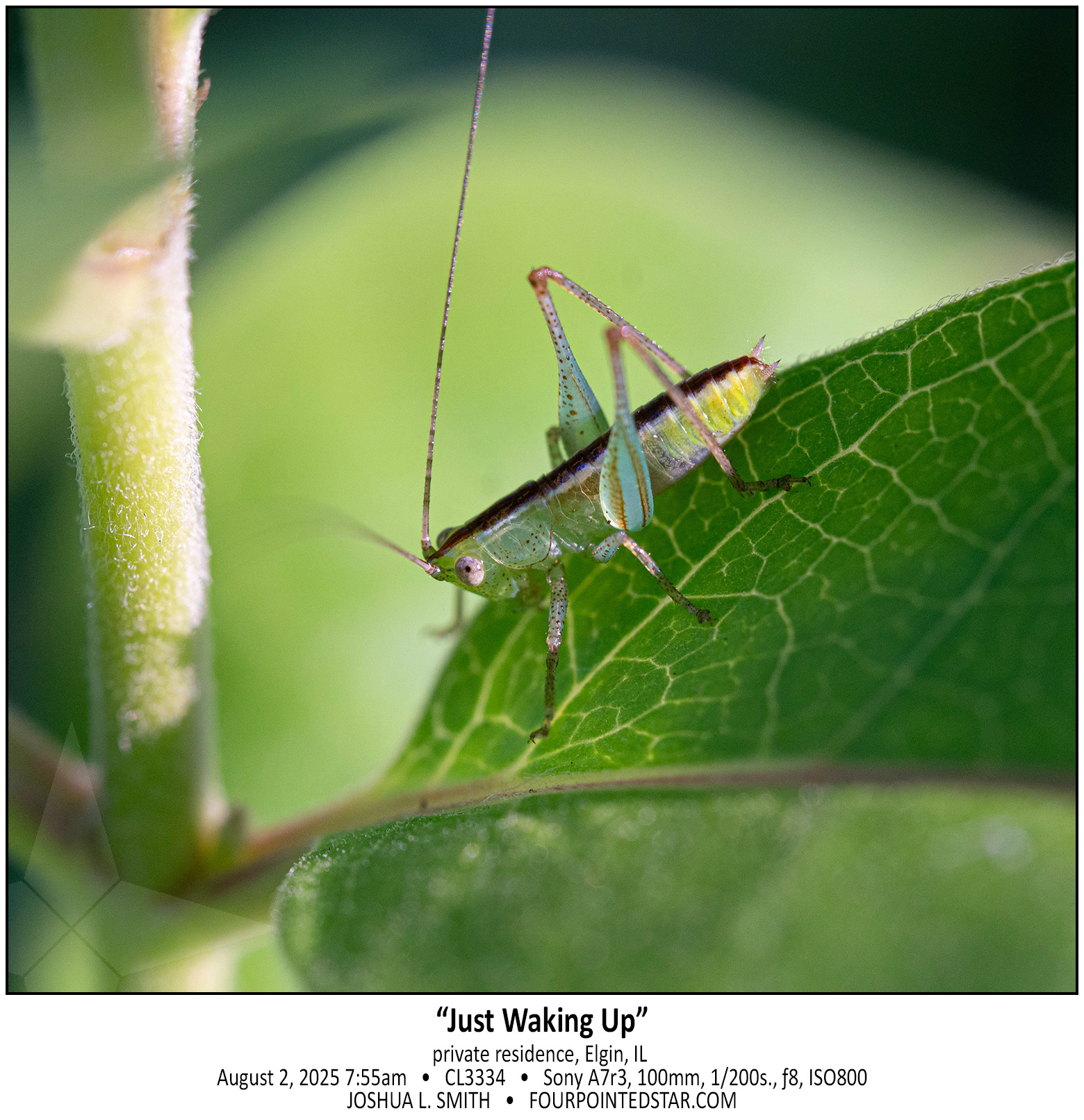
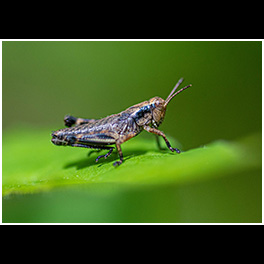
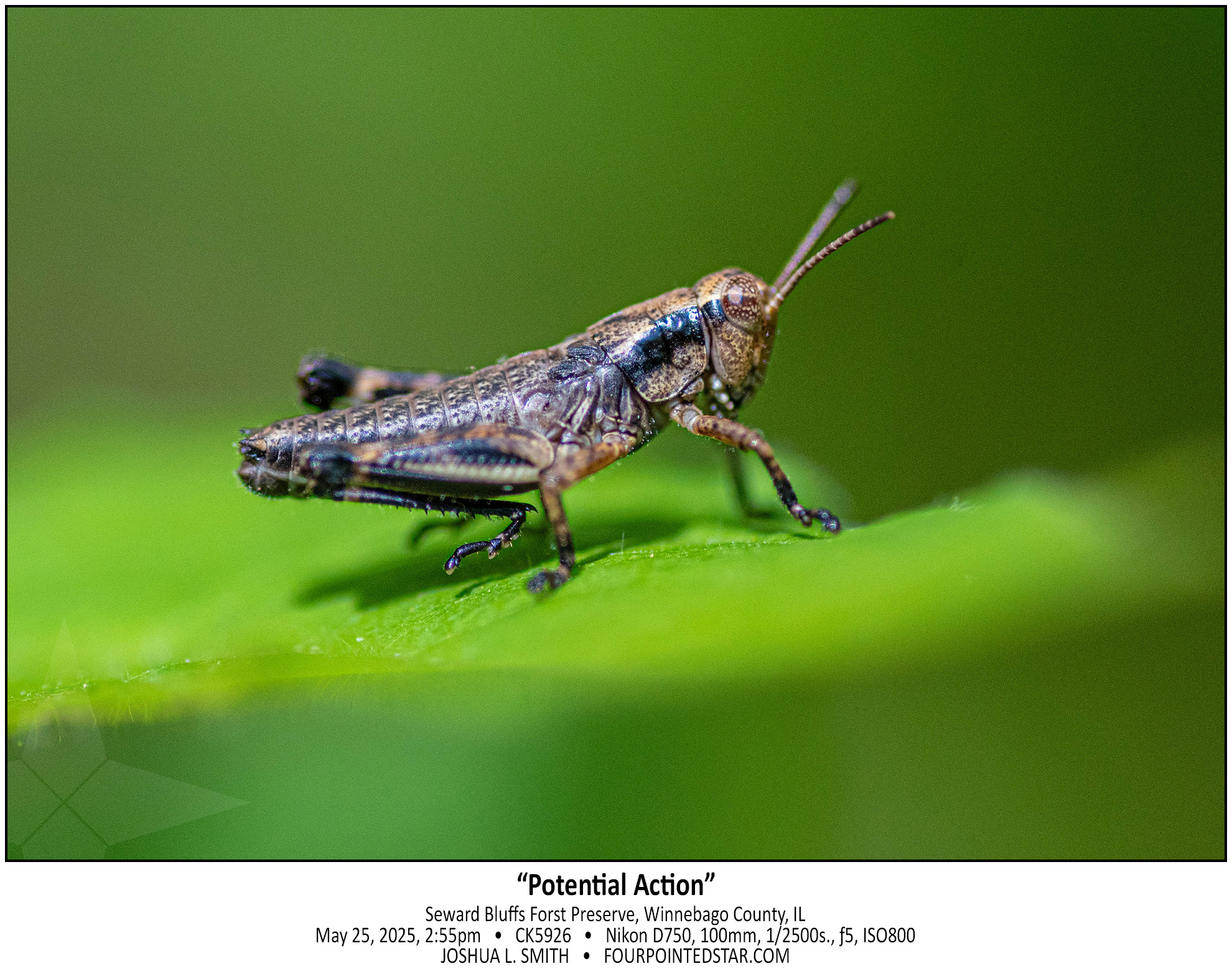
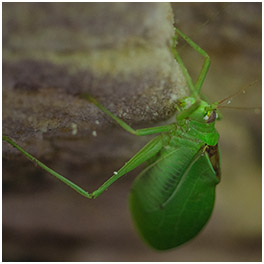
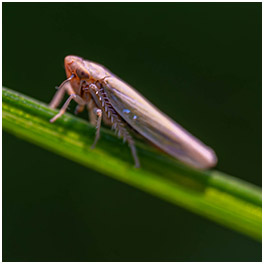
This grasshopper was so tiny that it was almost transparent, but it stood still for its portrait and even twitched its antenna when requested.  Maybe the freckles are from the sunny days before, and it didn’t tan, just got spots instead.


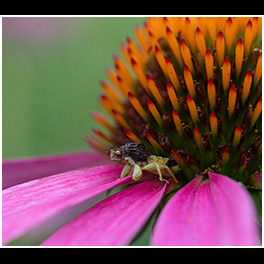
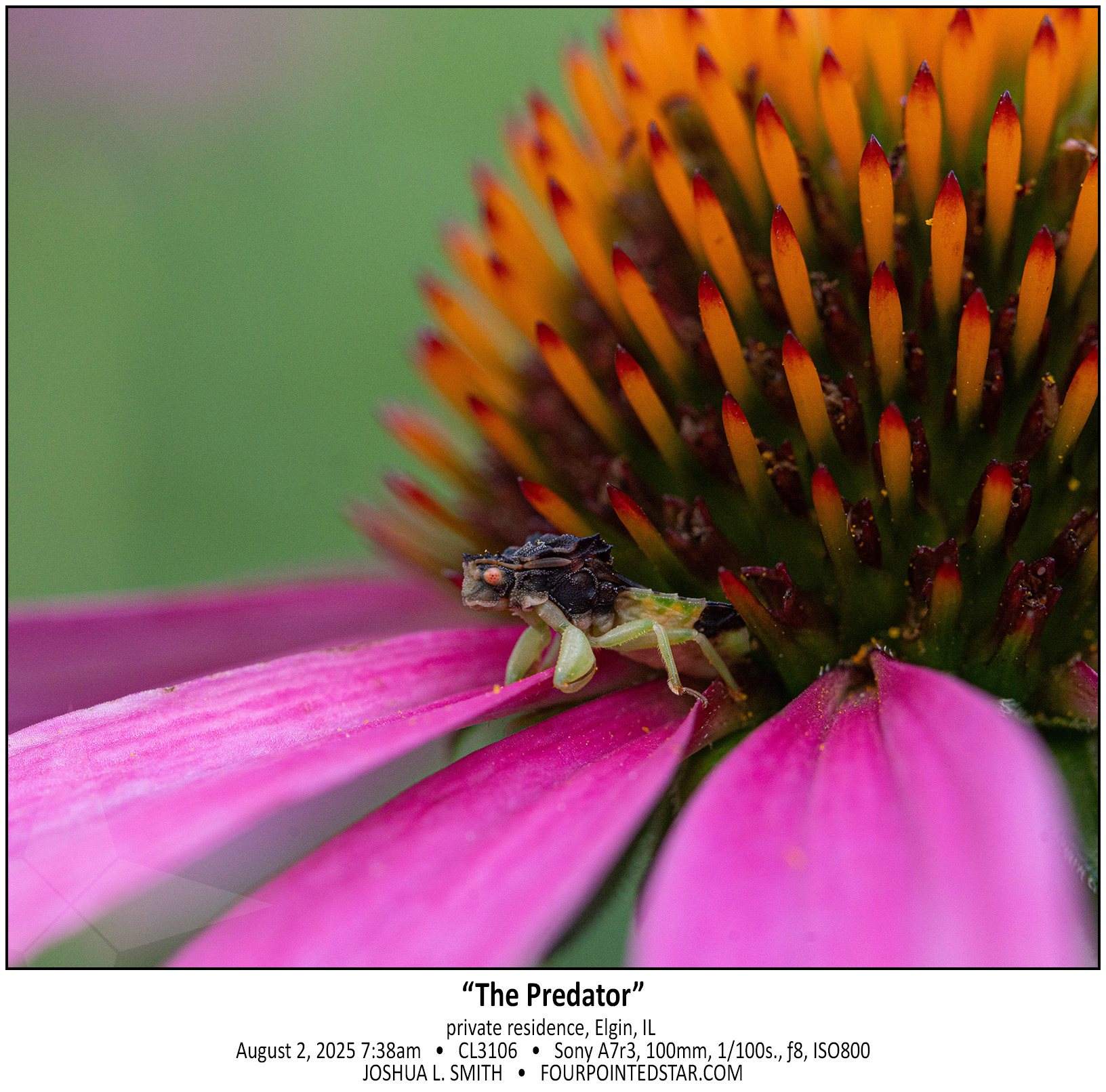
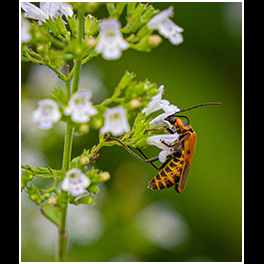
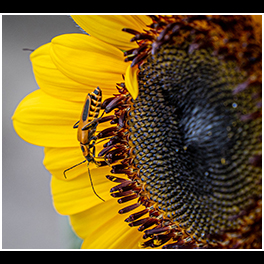
This insect would be terrifying if it were larger.  The ambush bugs can attack and eat insects that are up to 10x their weight, and those forearms are meant for holding onto the prey.  Every once in a great while, I’ll spot one of these monsters who has ventured out of their hiding spot, and their angular body makes for a fantastic photograph.


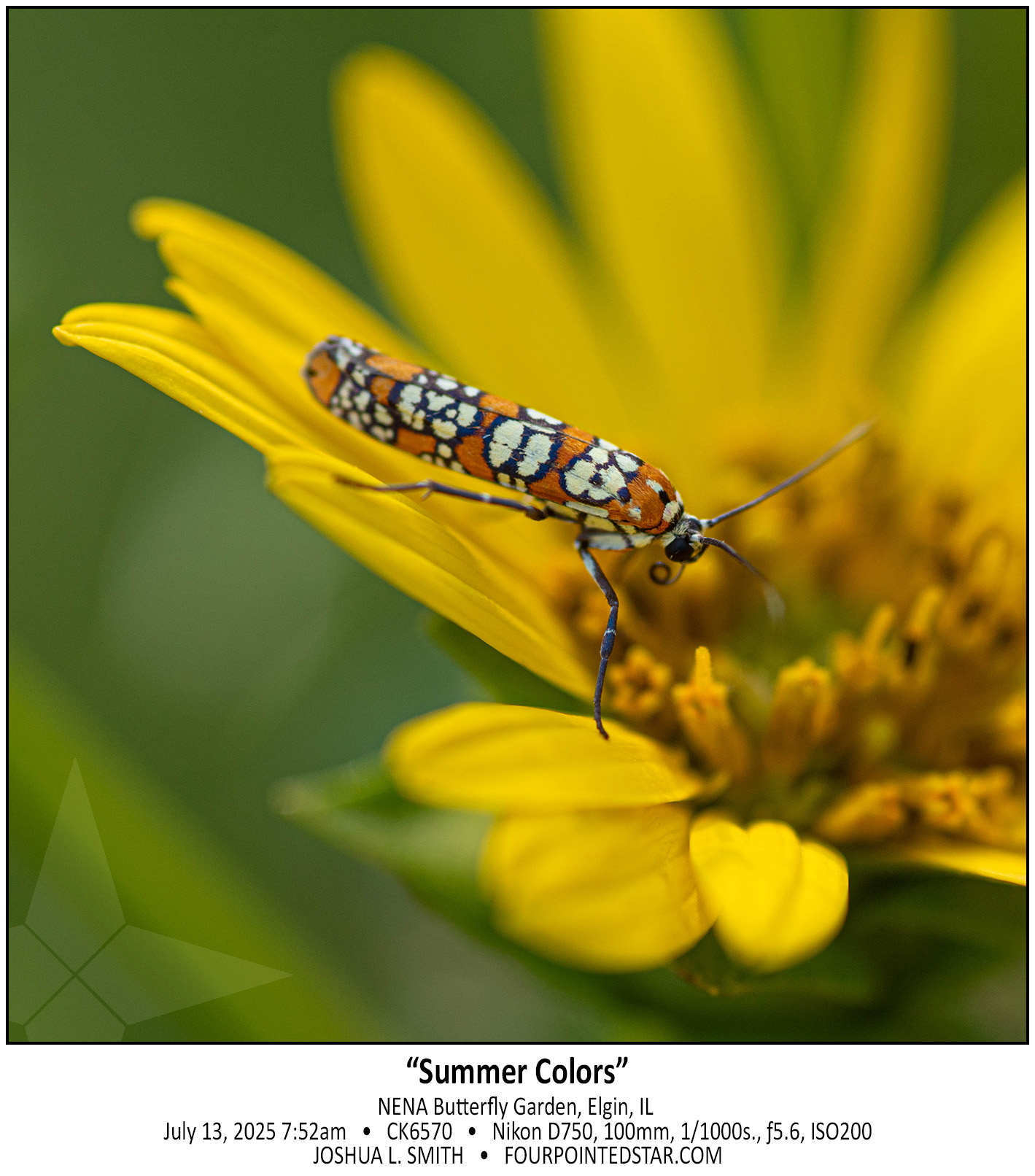
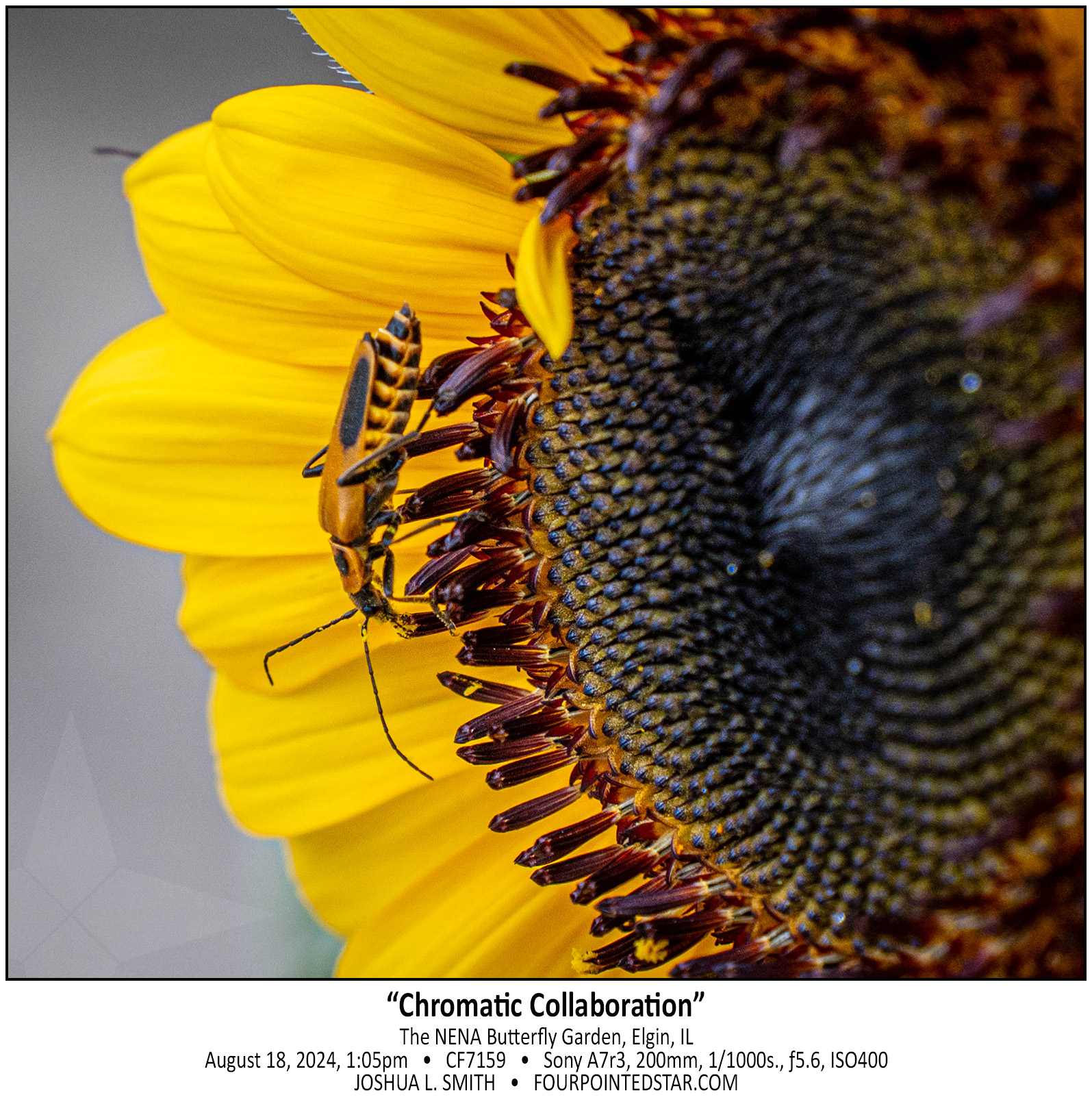
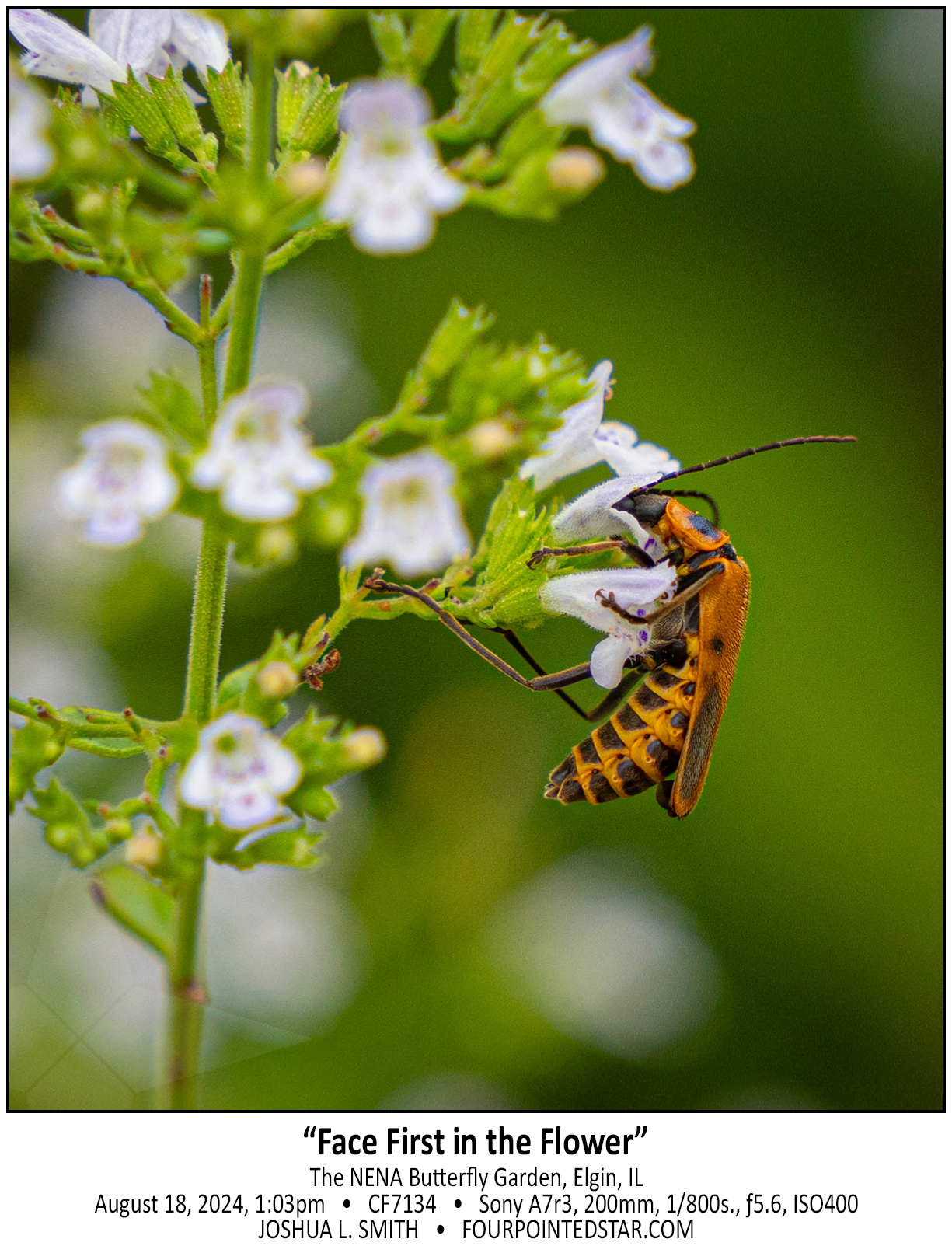
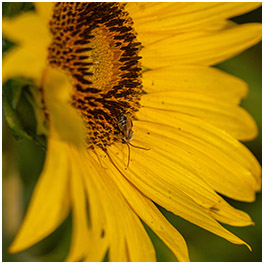
You know that feeling after your dad bought a Ford Taurus growing up, and then it seemed like you saw Ford Tauruses everywhere?  That’s how I feel about this orange speckled insect!  Back in 2010, I took a photo of one with my iPhone, and I love the photo.  Then last year, I found another one at a local butterfly garden.  This year I’ve seen them in my yard, on a client’s landscaping, and at the same butterfly garden; maybe they’re not as rare as I thought!

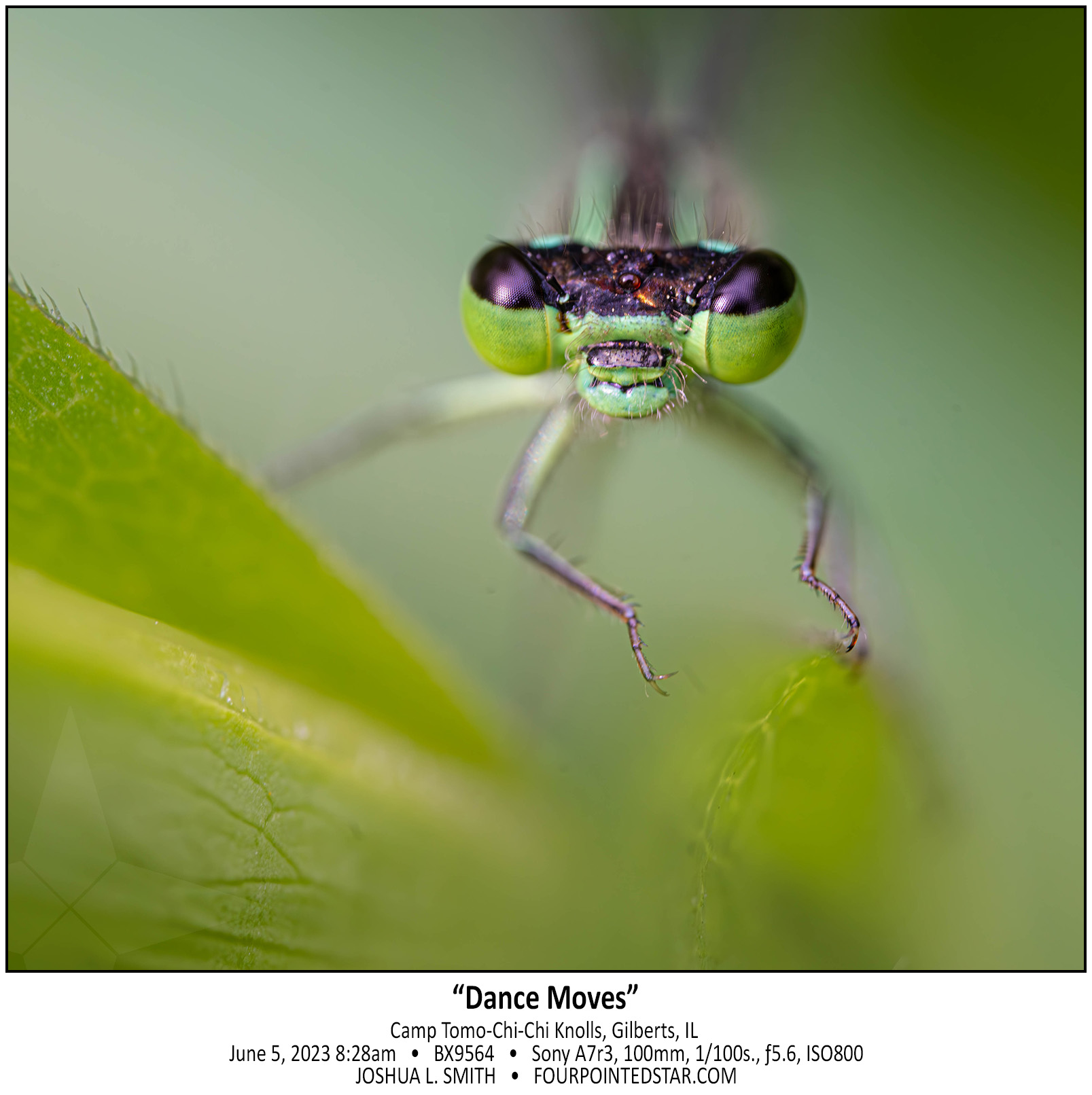
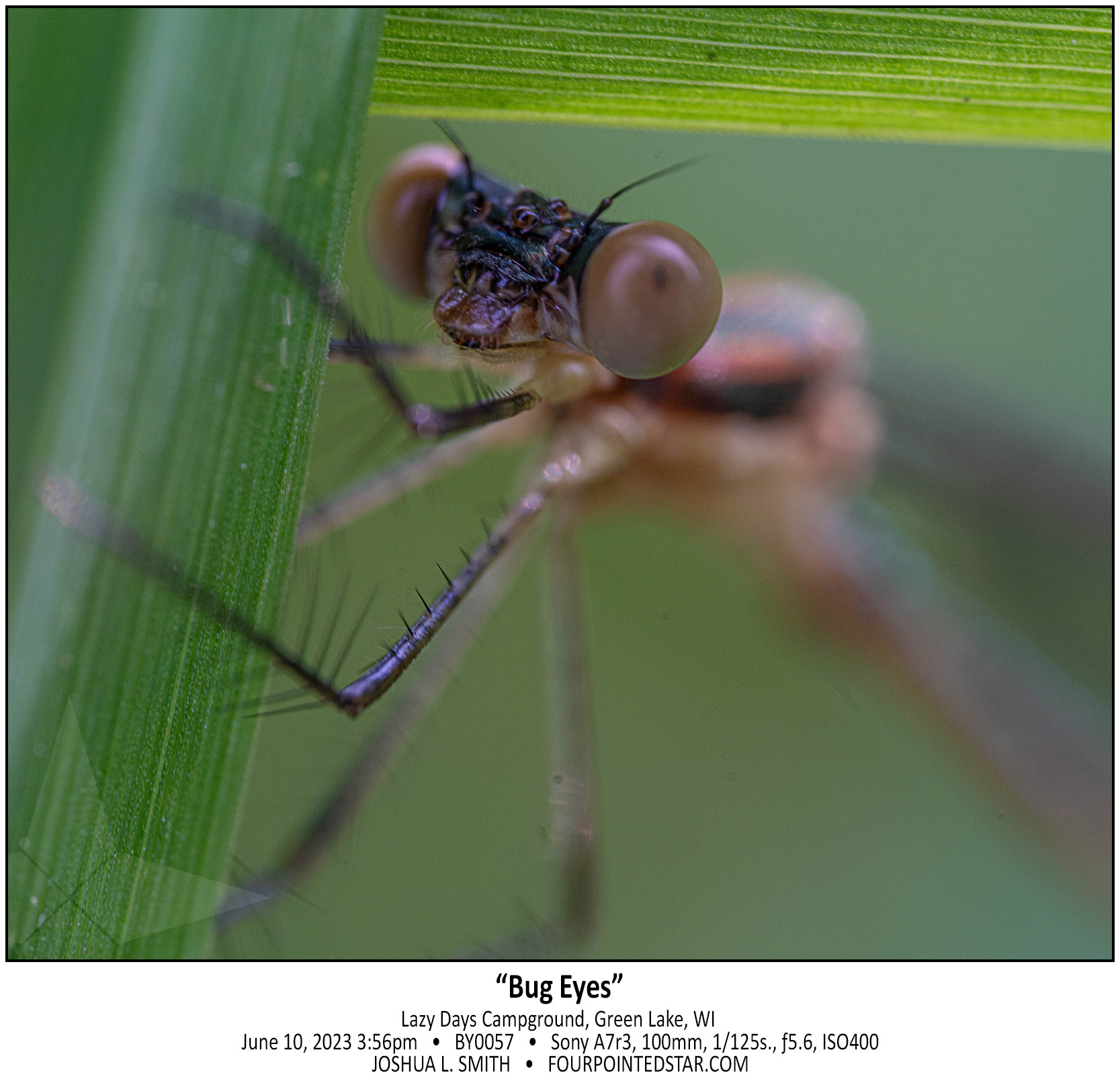
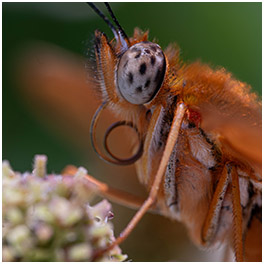
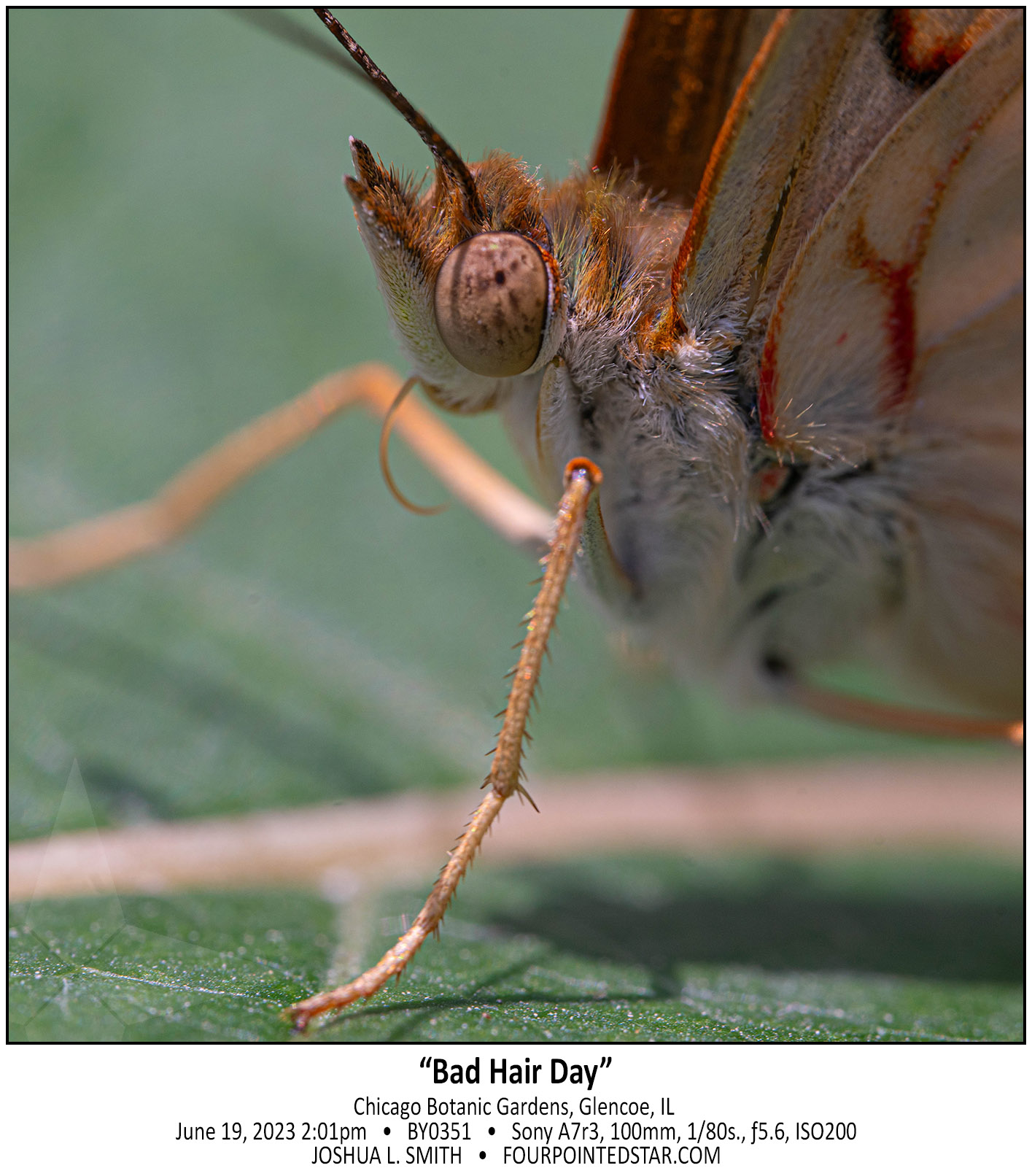
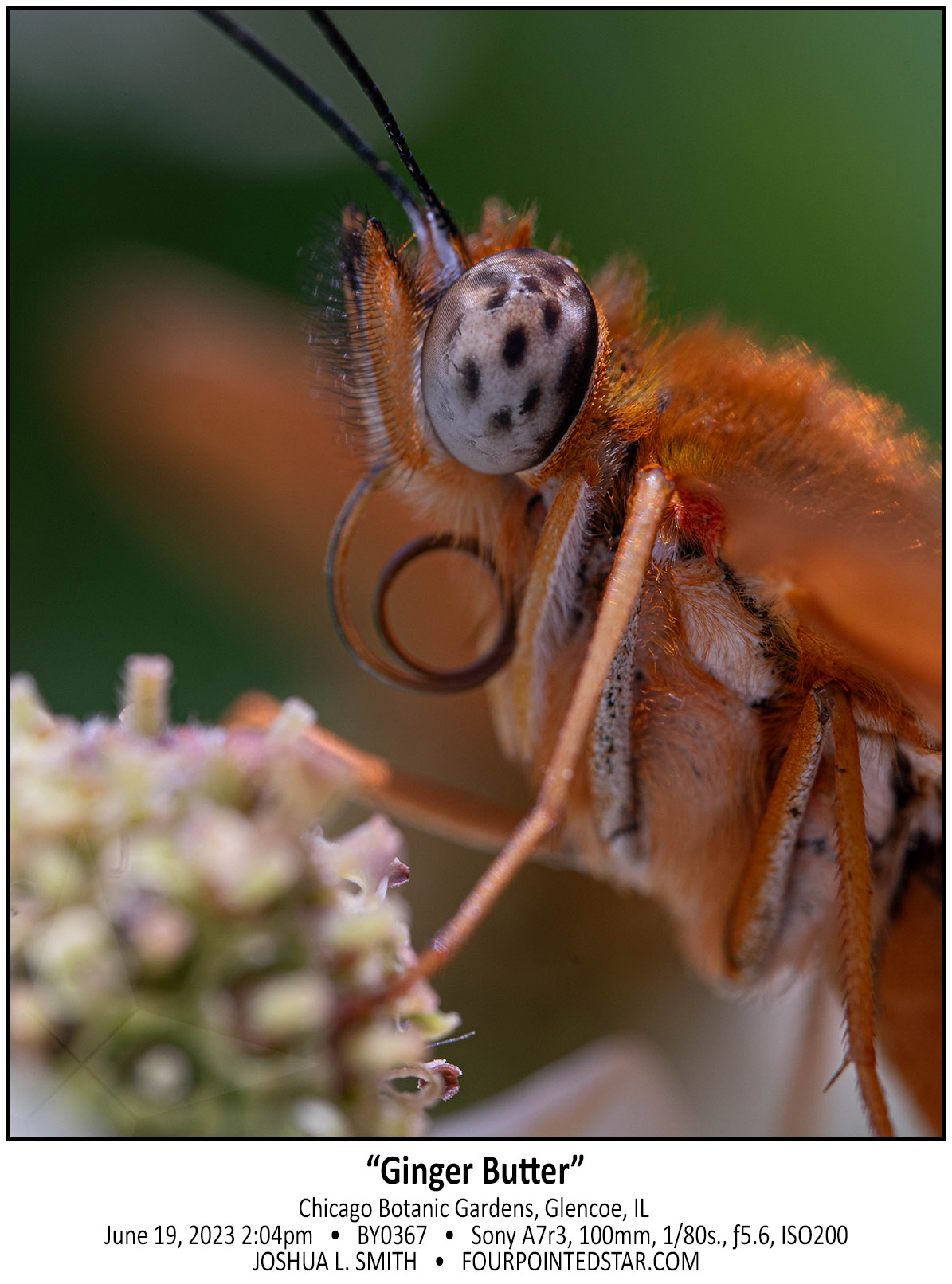
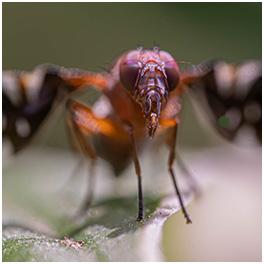
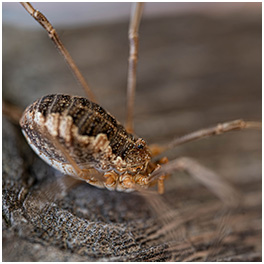
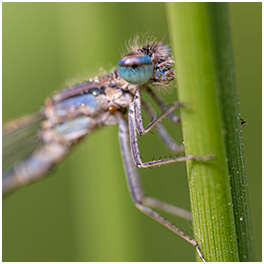
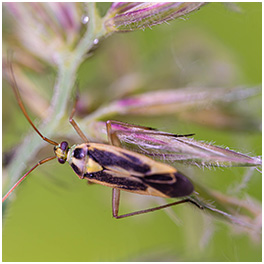
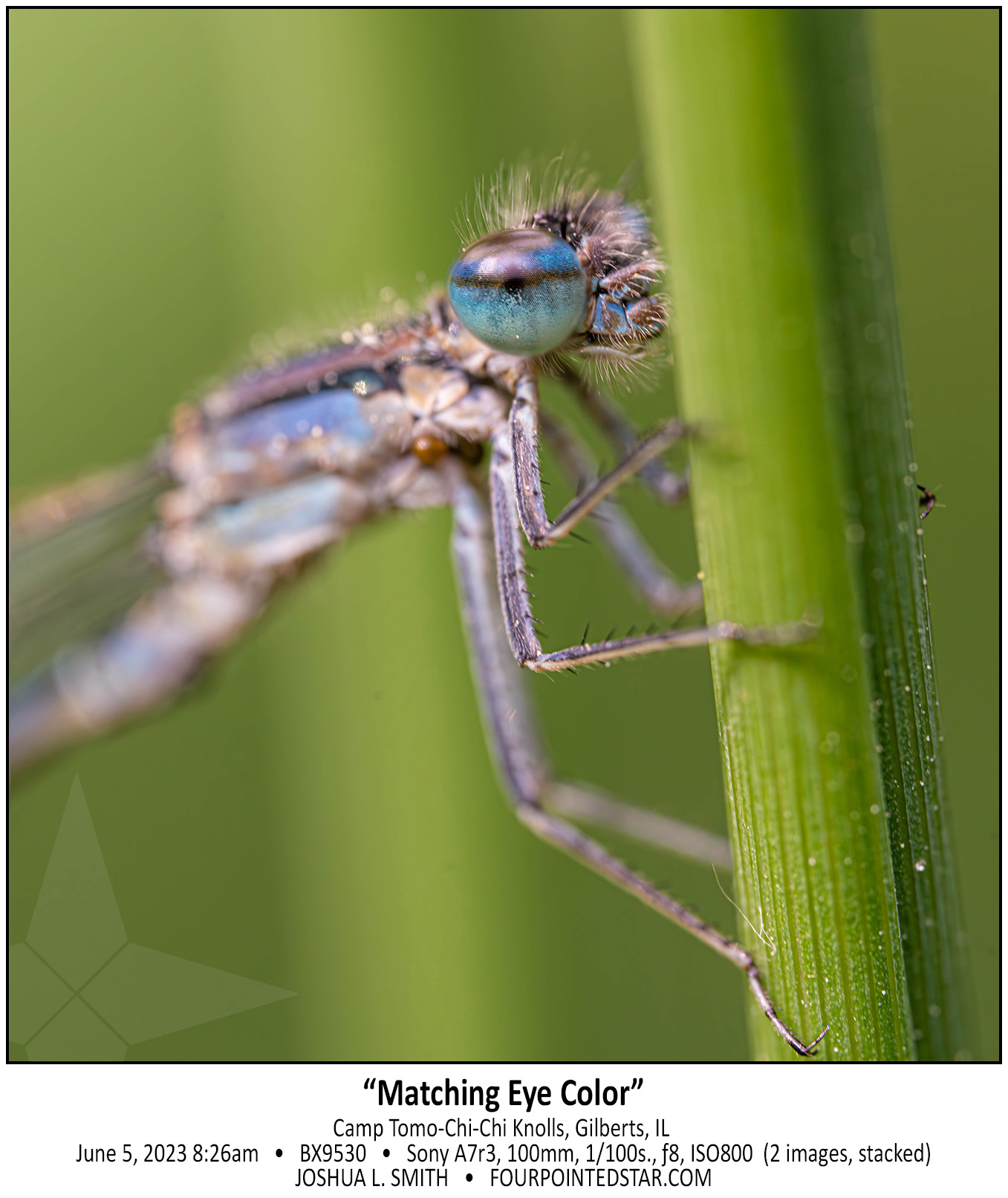
I find the tiny details fascinating; the bristling hairs, the delicate arms and toes, the color coordinating eyes, and even the mouth parts.  I suppose it will never stop amazing my that so many tiny things – insects & plants – have even tinier bristles, hairs, or peach fuzz.  Details so small that we could never see them, but so important to their existence, their safety, or even hunting.

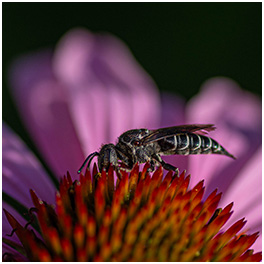
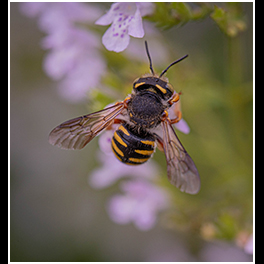
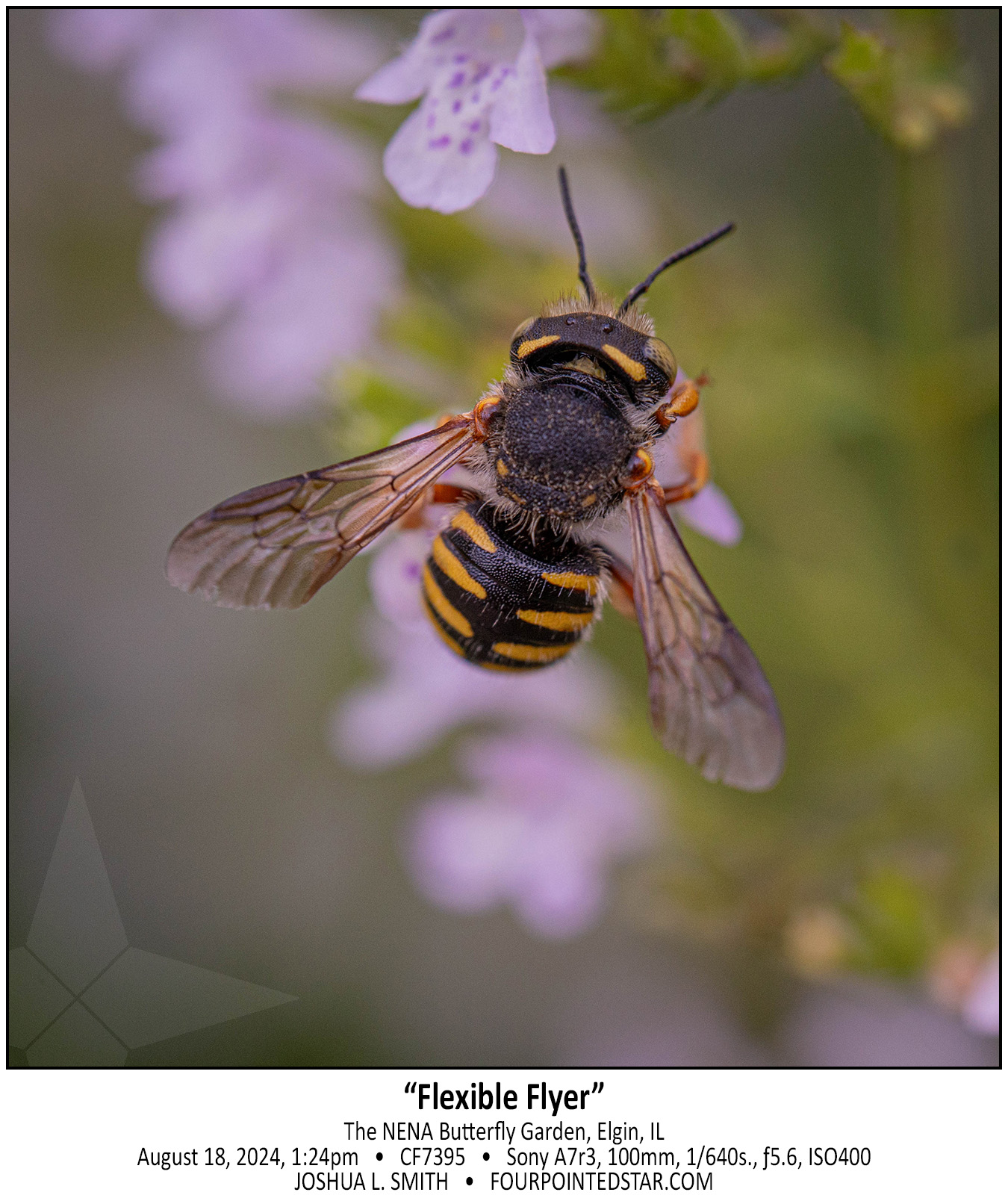
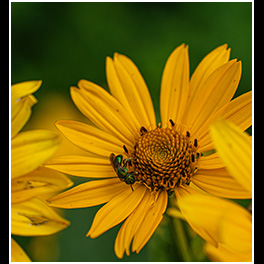
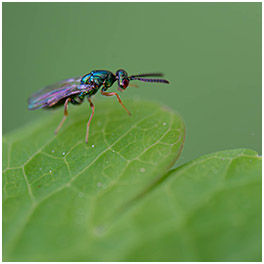
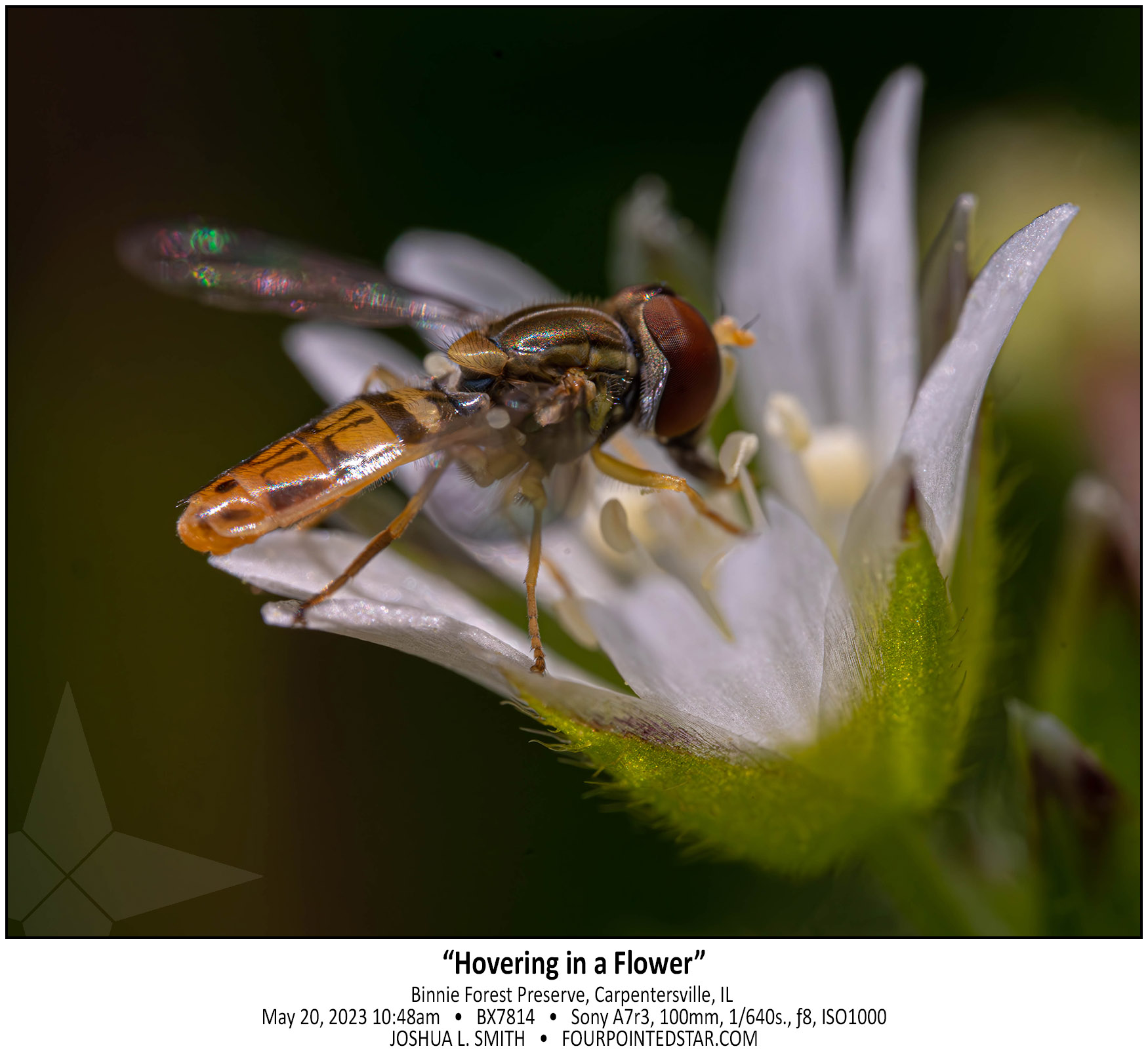
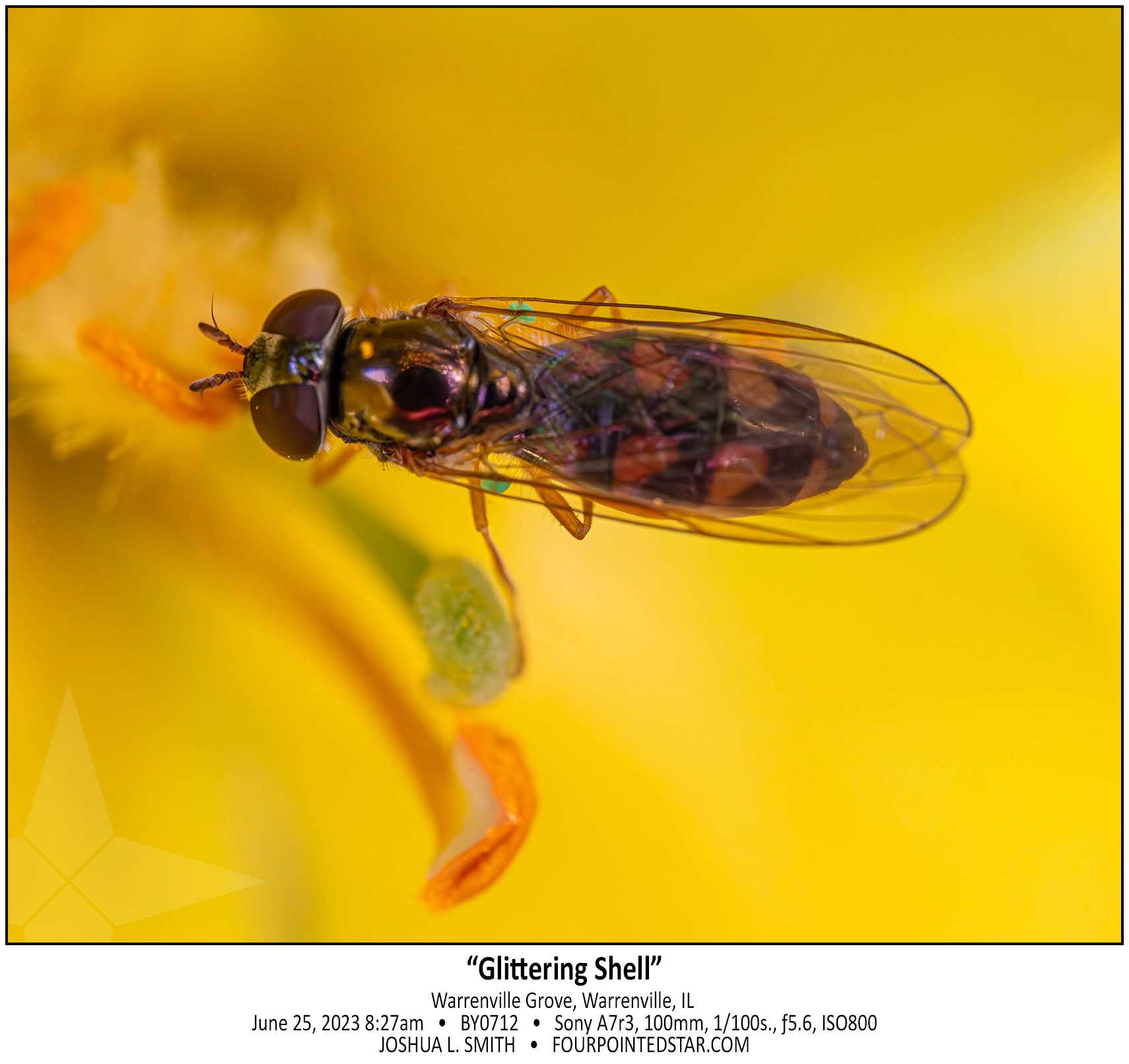
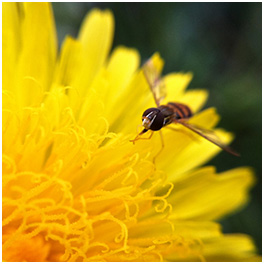
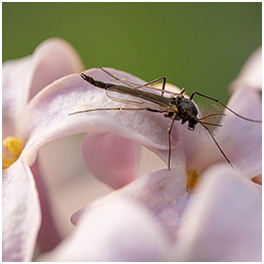
There is something magical about a bee that is the size of a grain of rice.  Well technically, it’s not a bee; maybe a hover fly or a sweat bee, I can never remember which is which.  Either way, the way they flit and float around is wonderful, and then they choose a spot to land; but I can’t imagine that the tiny fraction of an ounce is even noticeable.


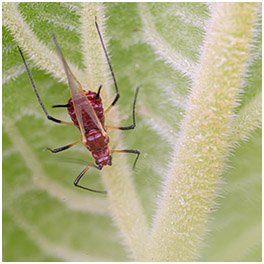
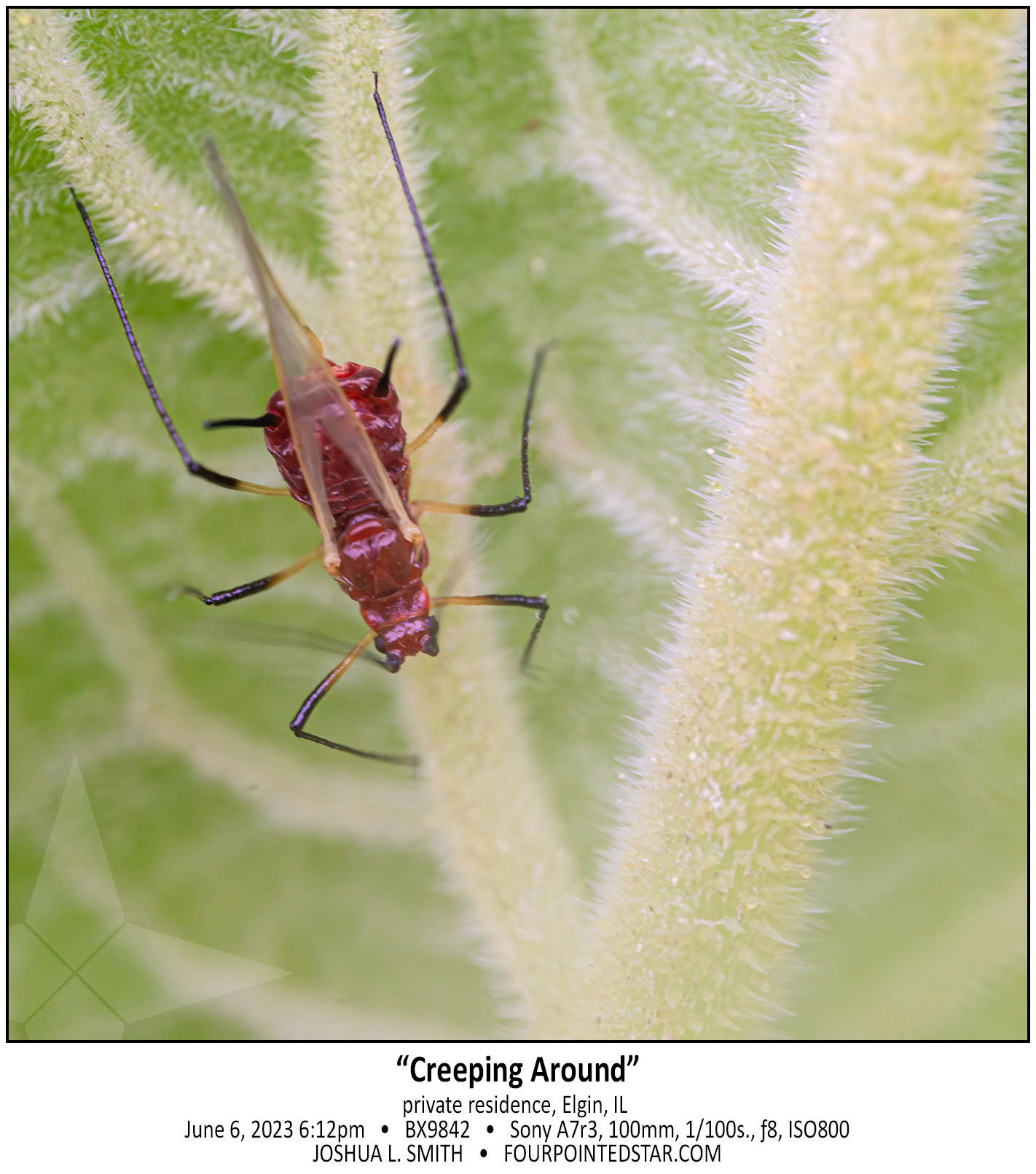
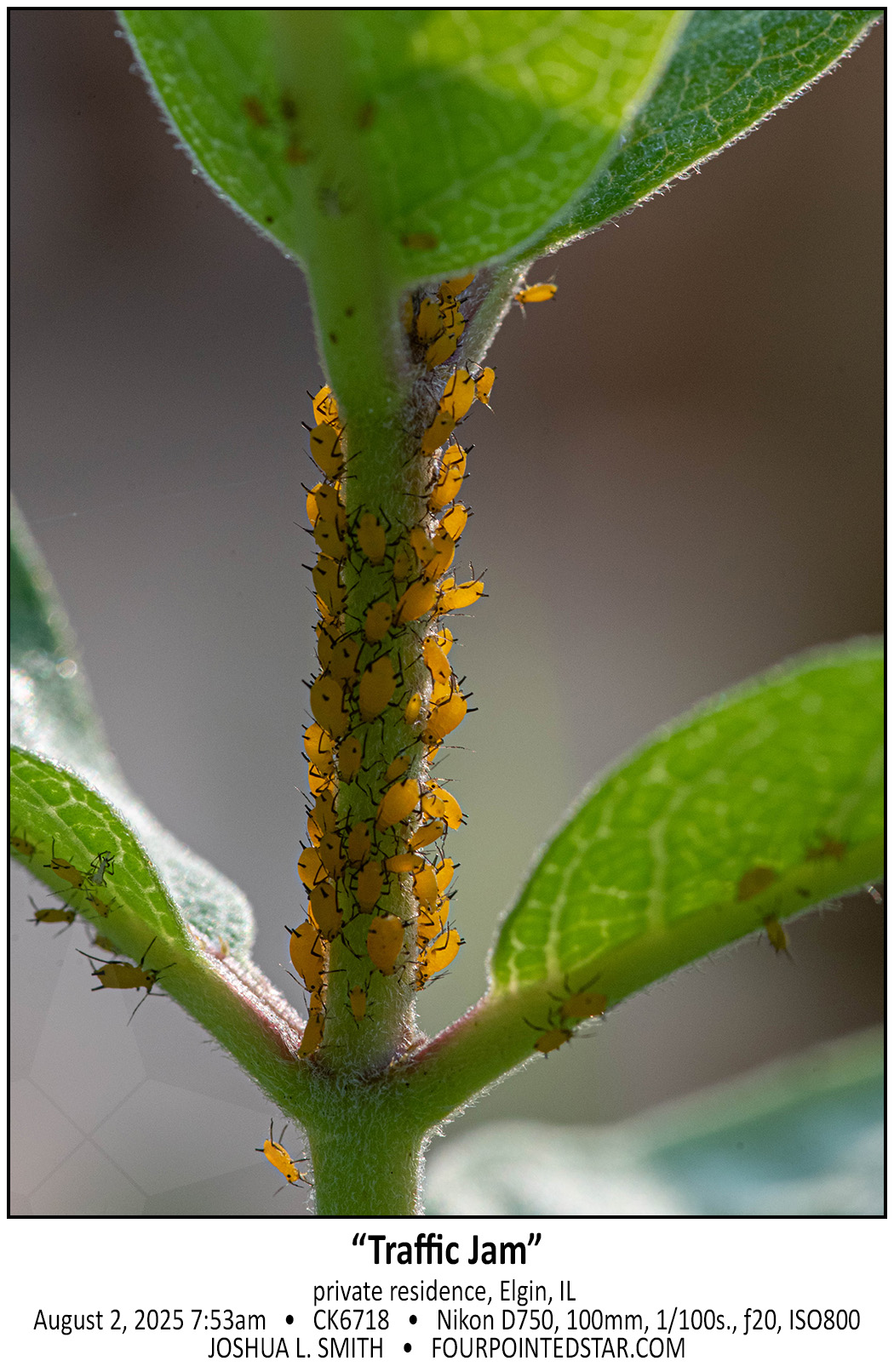
What a perfect metaphor for a Monday!  A traffic jam of aphids sucking the life out of this plant!
I am fascinated by aphids visually; they definitely follow a “pack” mentality, and hilariously are often only hanging on by their front feet and jaws. And their bodies are so simple or small that they just glow in the sunlight.

I don’t think anything better exemplifies “if you build it, they will come” than nature.  When we purchased our home, the previous owner had already planted an extensive garden, but the previous tenant had not kept up with it.  Over the almost 10 years, we have gradually expanded the garden and focussed on planting native plants; and this means that we see all sorts of pollinators as well as other creepy crawlies that are a bit higher up the food chain.  Perhaps “if you plant it, they will come” is our interpretation.


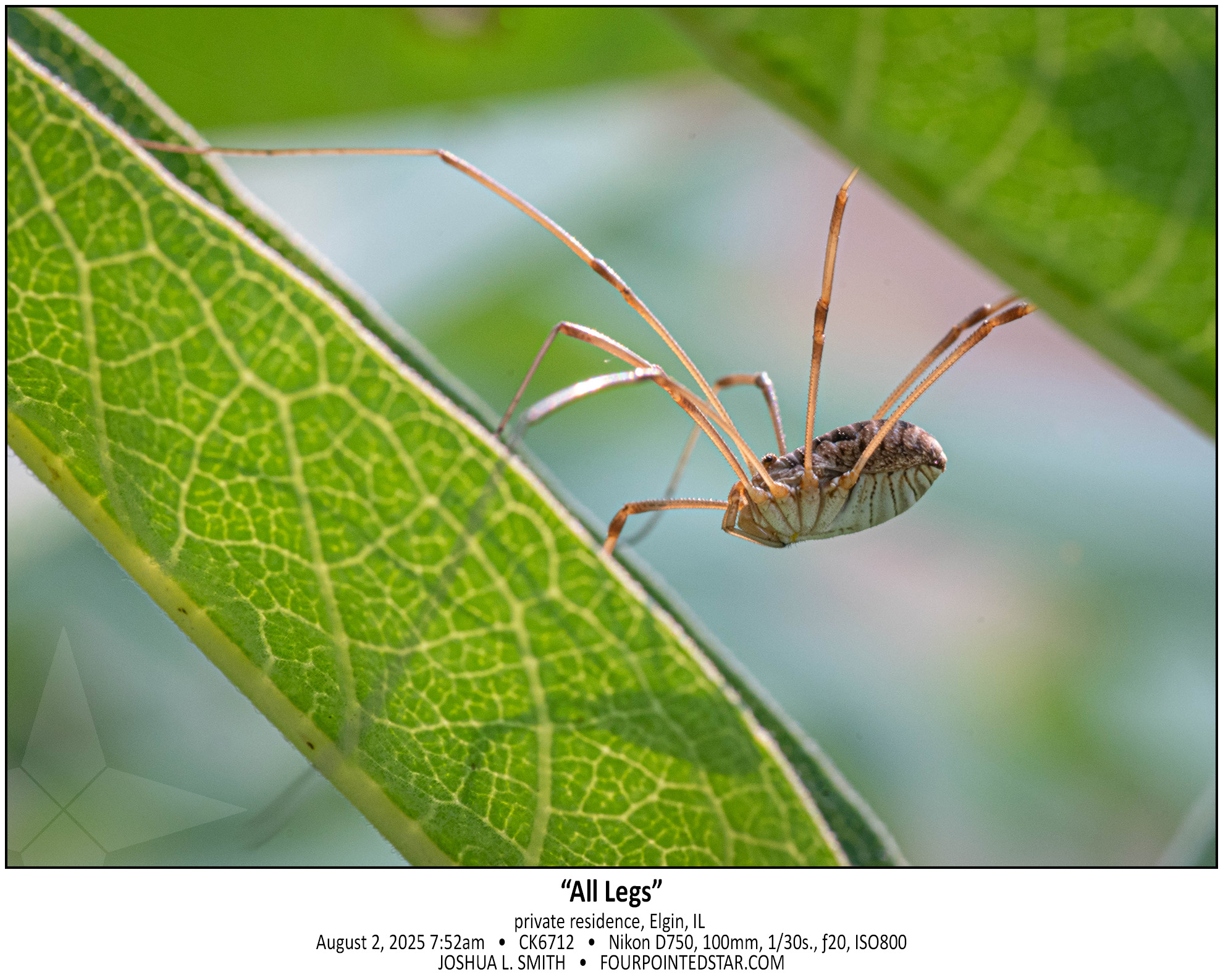
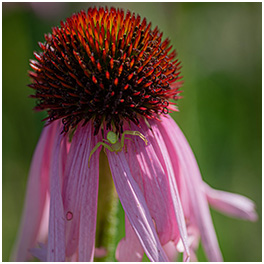
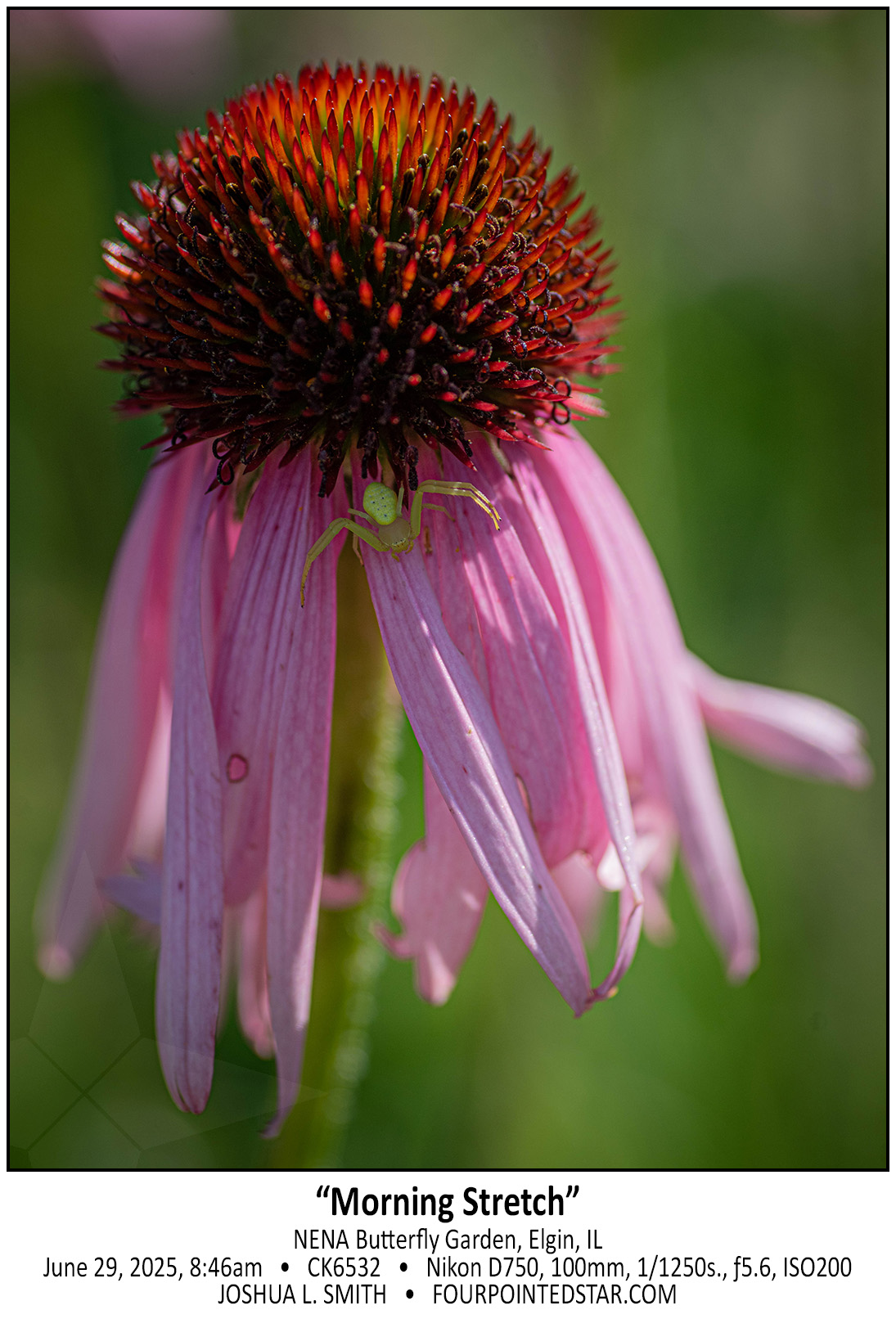
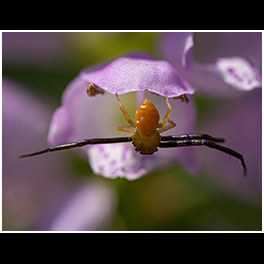
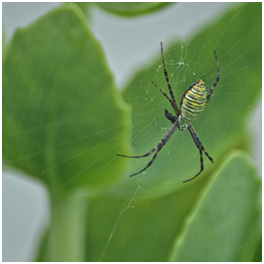
This particular morning, I saw very few spiders. While I do enjoy capturing a bee in a flower, it’s more fun to photograph other insects as they pollenate.  Spiders are even more unique; typically they’re “hiding”, hunched in an area of the plant that is out of the way, but paying attention to YOU the photographer.  It’s a cat-and-mouse game, but for the spider, it’s a monster-and-mouse game.

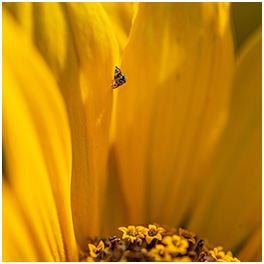
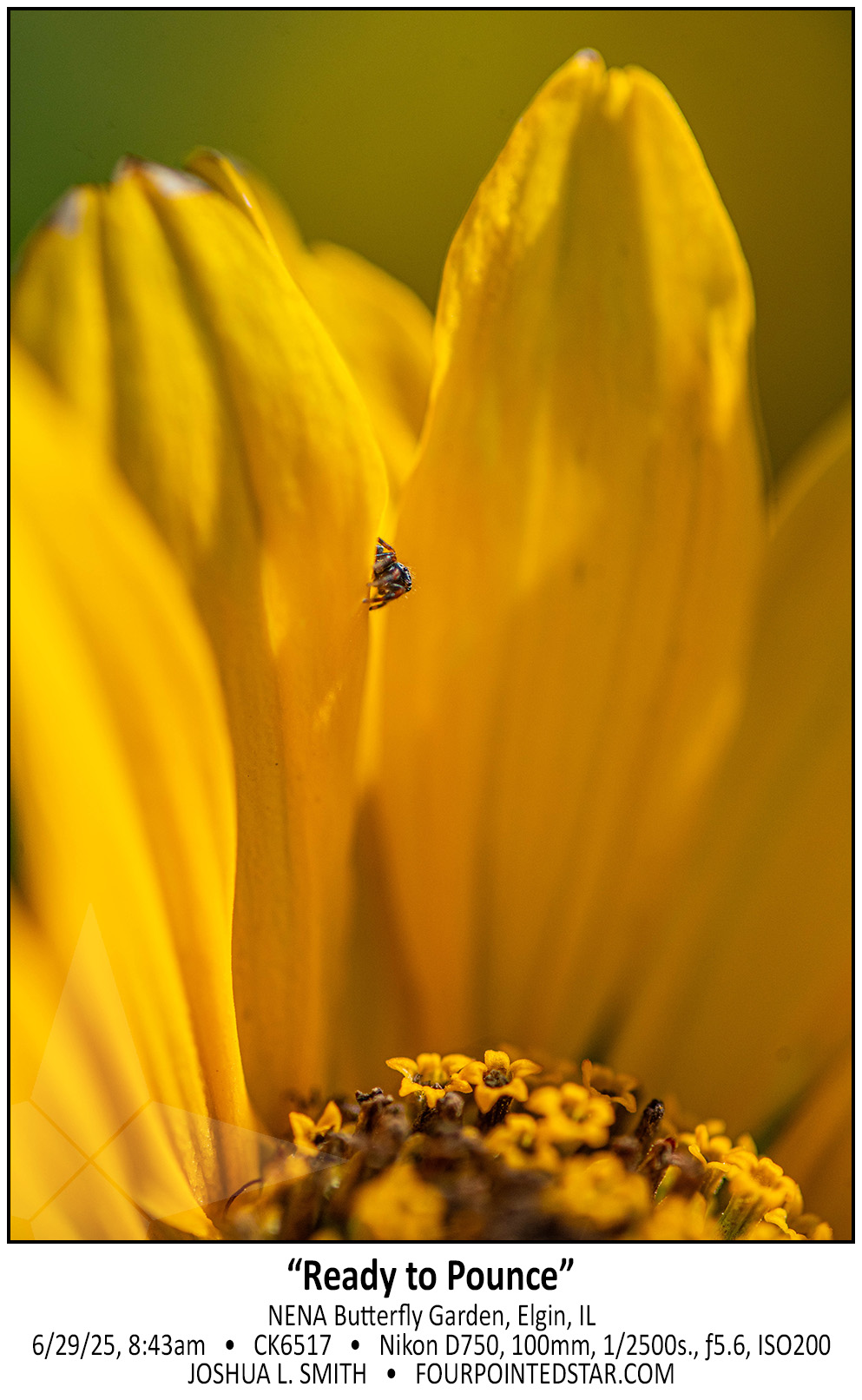
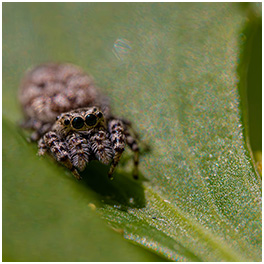
I took a much closer photo of this tiny jumping spider but the photo lacked any sense of scale. While the photo doesn’t show nearly any detail for the spider, this photo gives a much better sense of scale and shows how hard it can be to see these spiders, let alone capture them.

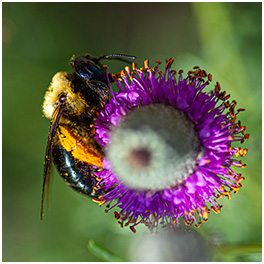
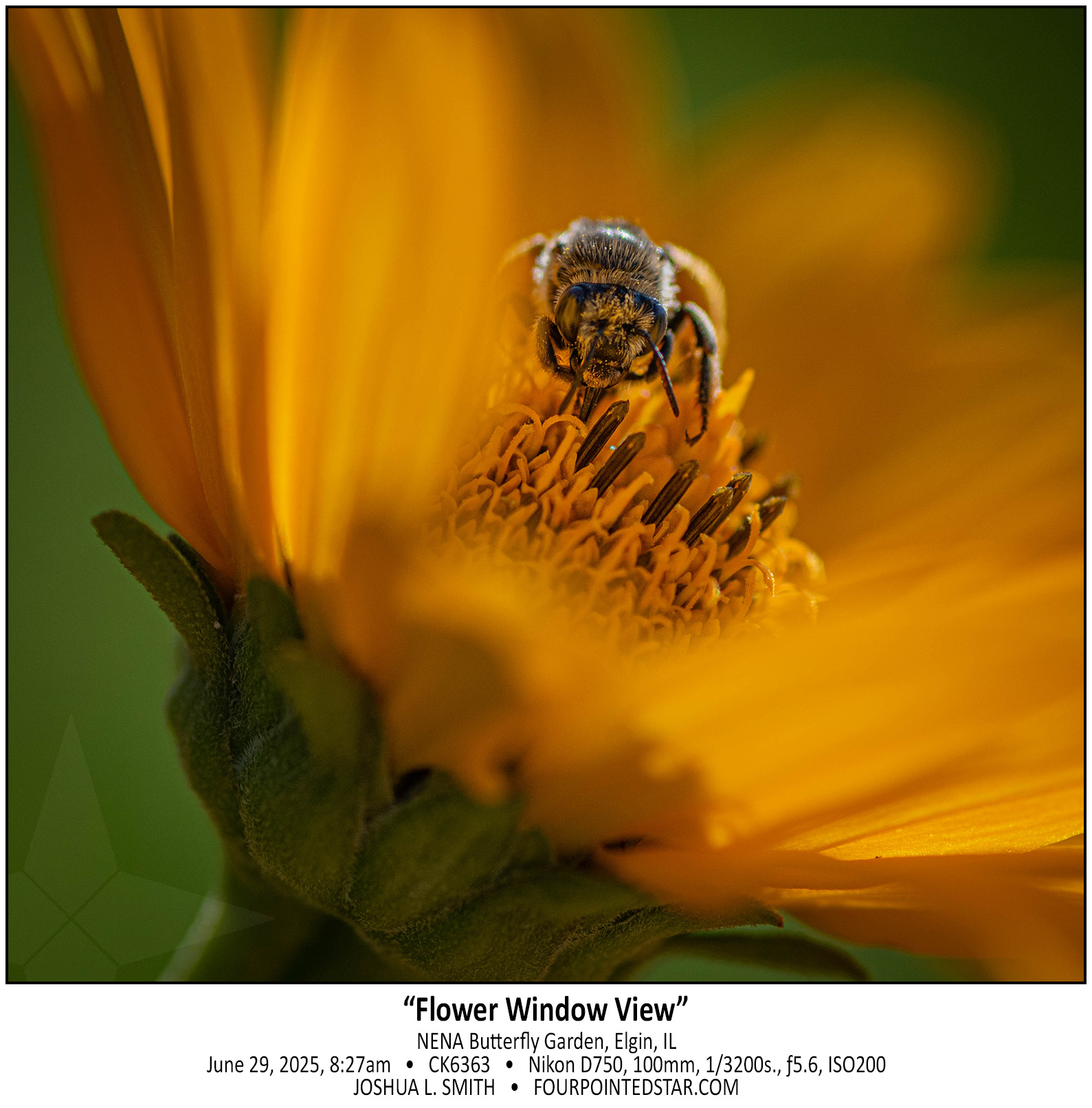
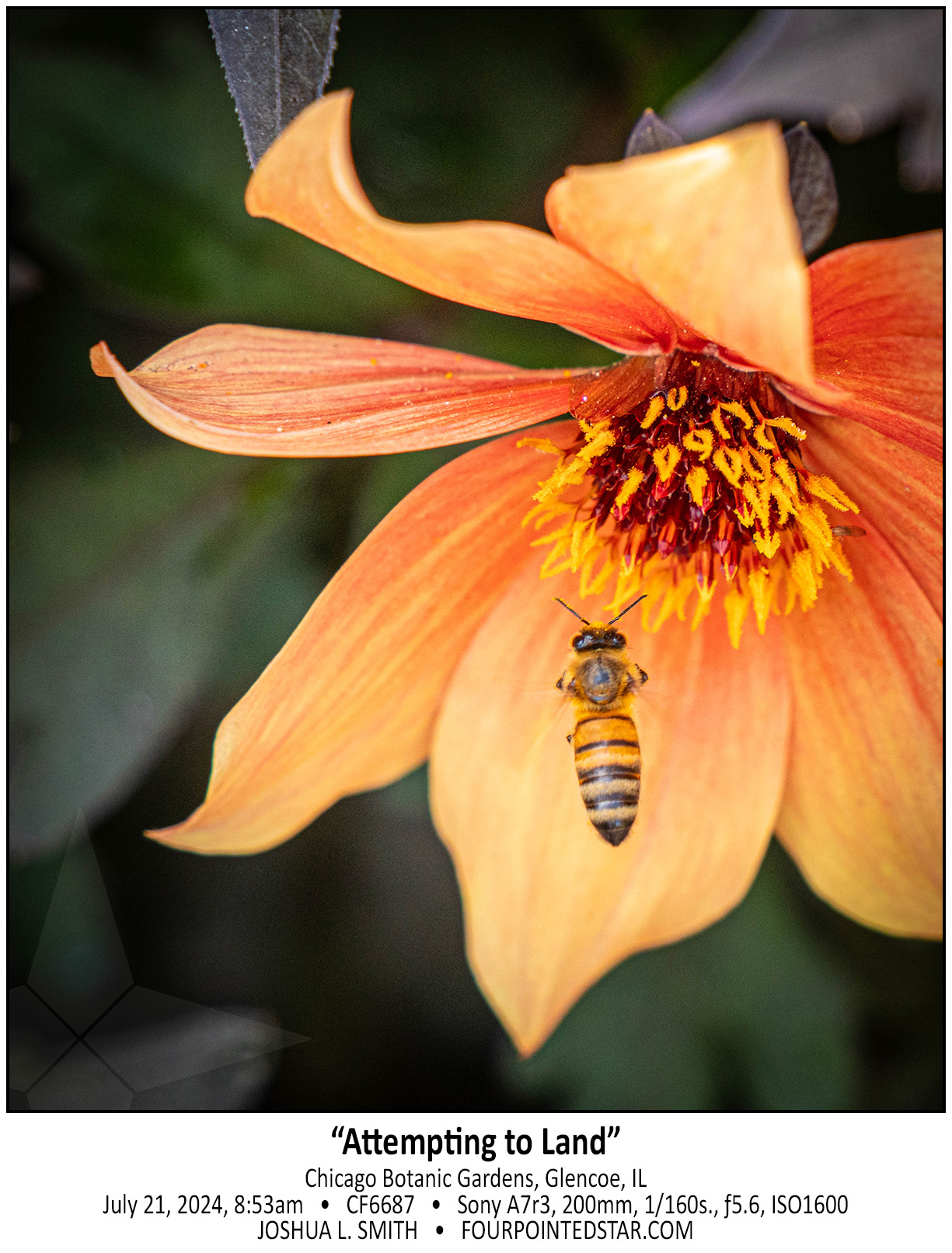
I will never admit how many photos it took to get this particular image: the bee would fly off, the bee’s face would be too dark or too light, the focus wouldn’t be correct, etc. As it is, there are still elements that I wish I could fix; I dislike that the center is so out of focus, and I wish that the bee’s were just a little more in the sunlight. But I love that the image implies that the bees are circumnavigating the flower, an insect Juan Elcano if you will.

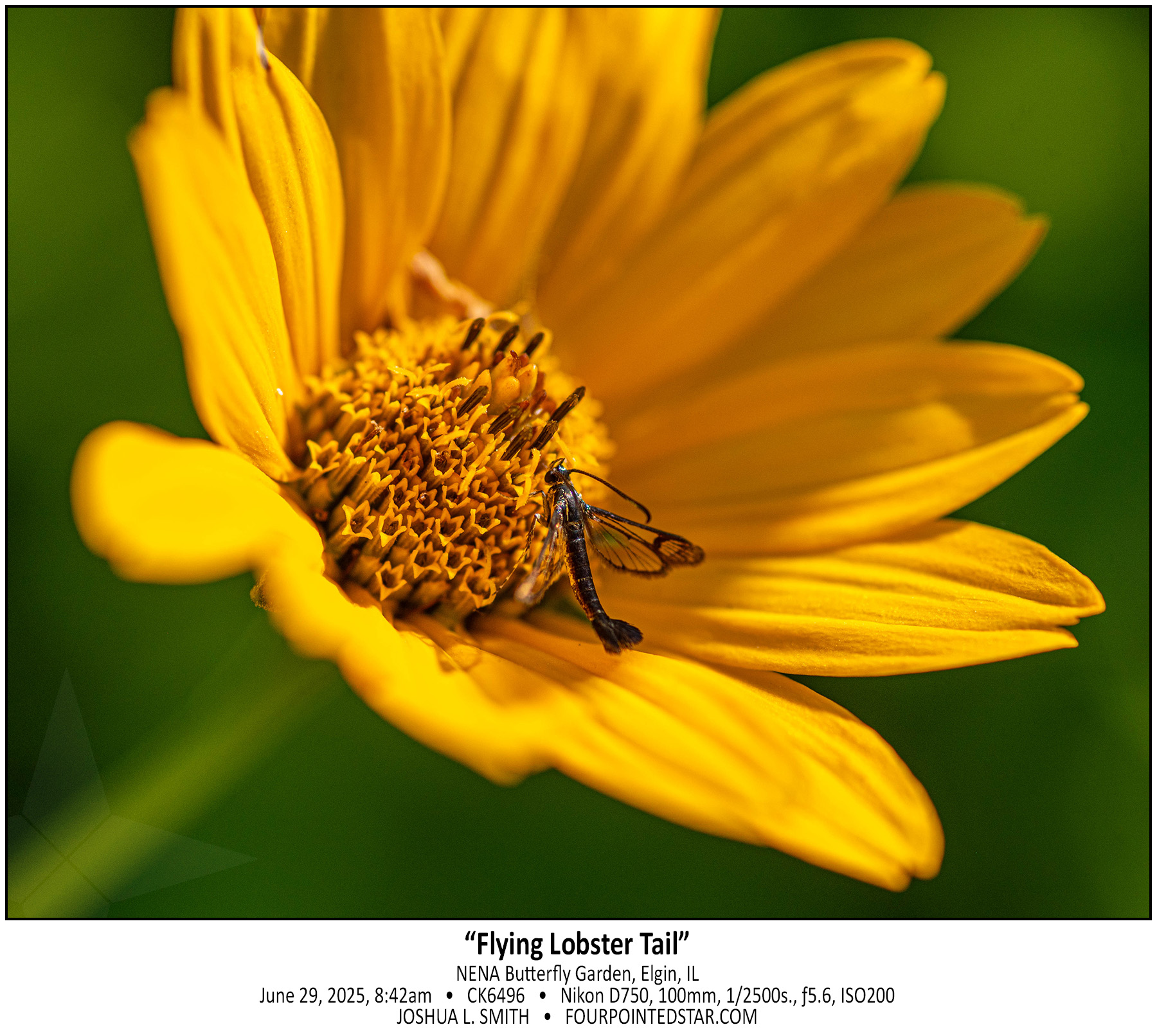
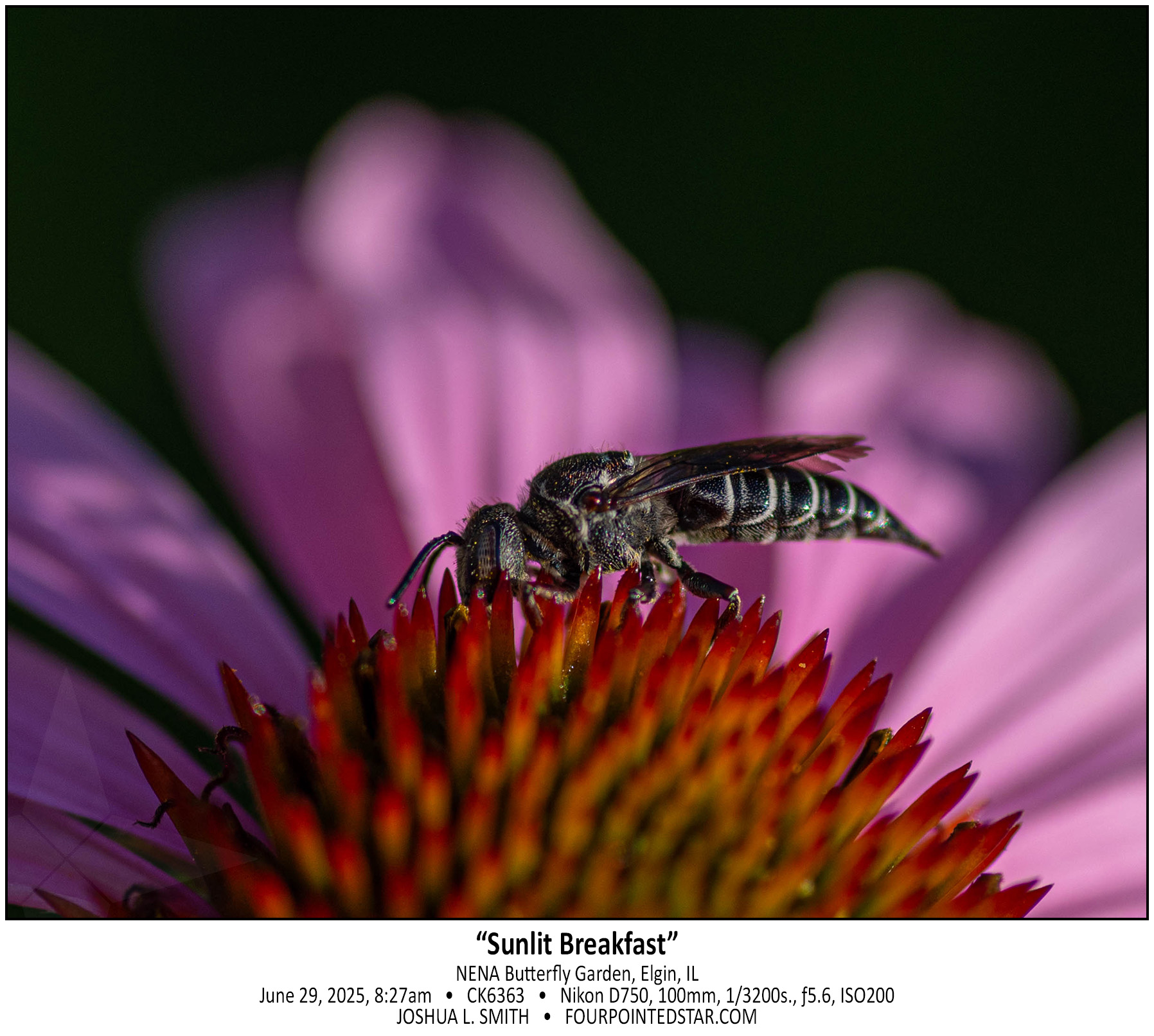
It’s amazing how the simple addition of the pointy tail on this insect makes it go from “cute, like a bee” to “terrifying and menacing”.  I love photos like this one; all the texture in the head and torso, the contrast in the vibrant flower and the insect body, and the hint of sunlight in the eye.


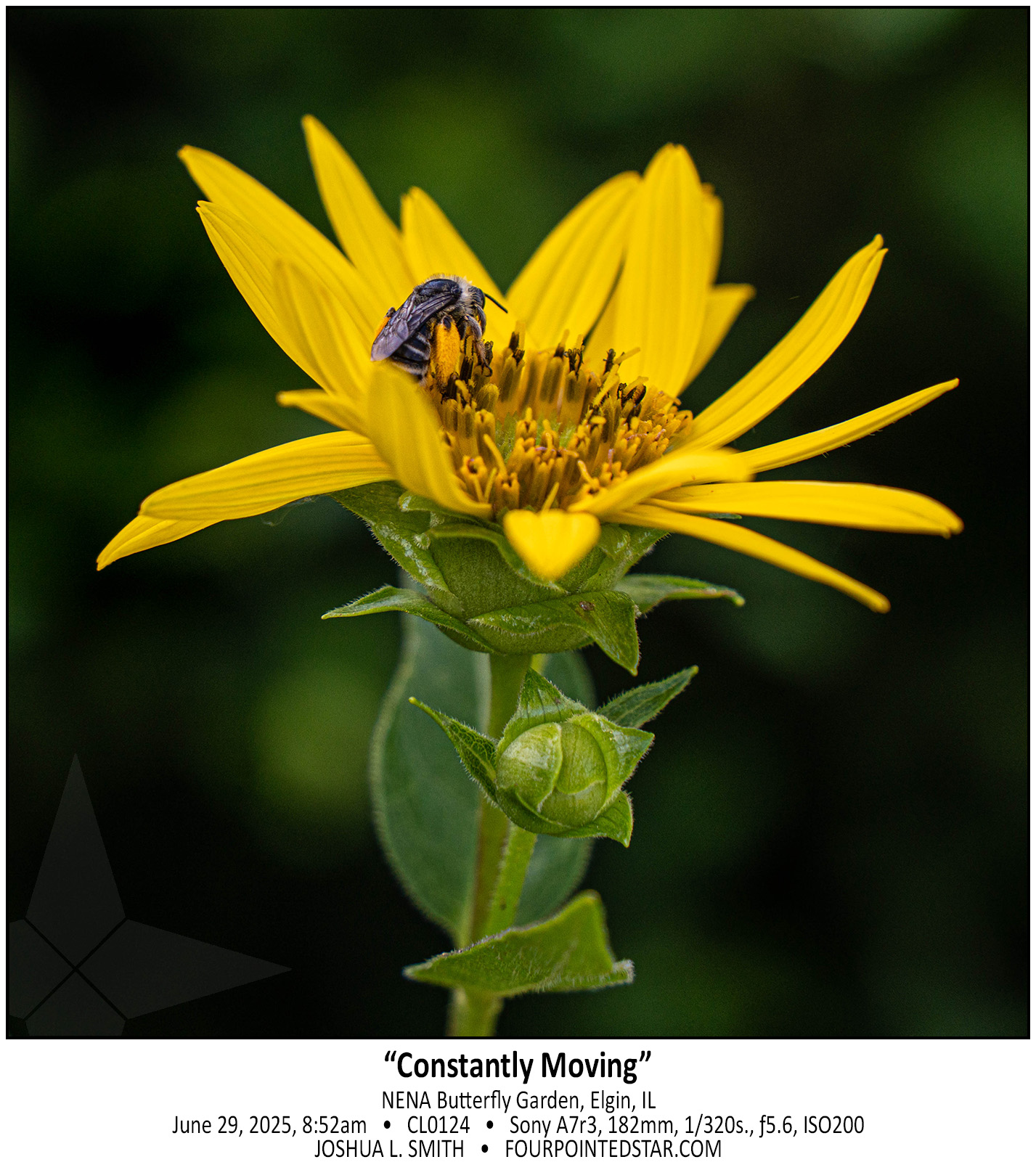
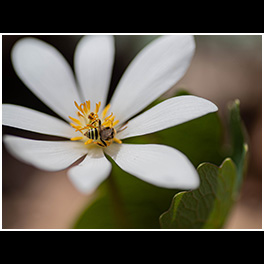
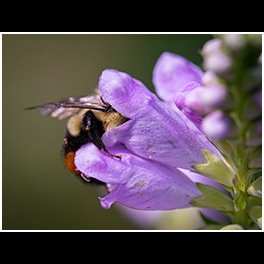
Any photographer knows that there are acceptable photos, there are good photos, and then there are photos that you feel lucky to capture; and you have to display all three types.  Bees rarely stay on a flower for longer than a few seconds, and this image took advantage of a flower’s askew petals; lining the two up wasn’t skill, it was luck.  But a good photographer knows that the more often you go out to take photos, the more likely you are to get lucky. 


CK5926 250525 145514

…view older images with the thumbnails below…


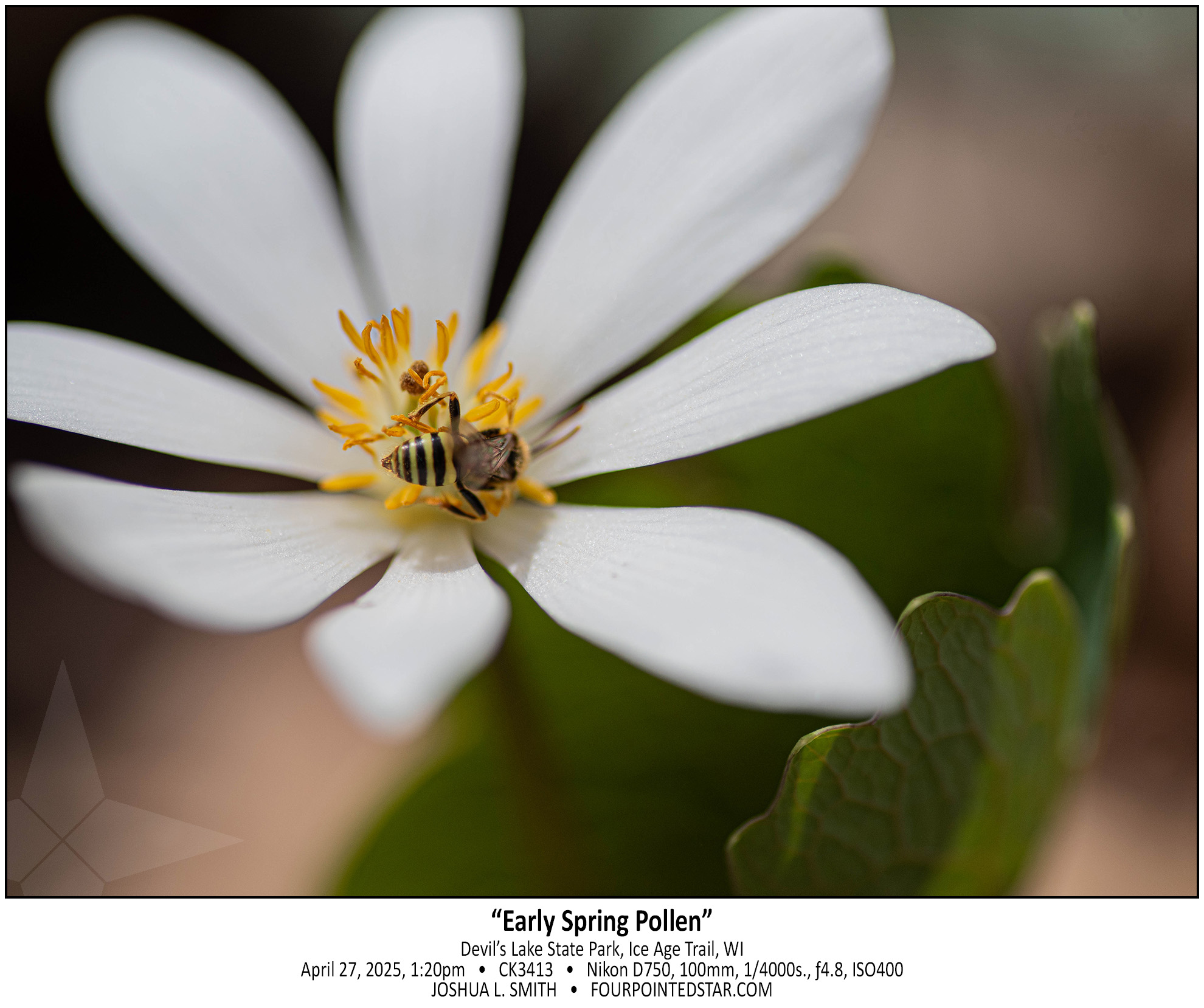
CK3413 250427 132001

…view older images with the thumbnails below…


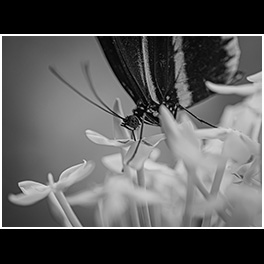
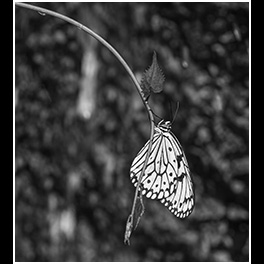
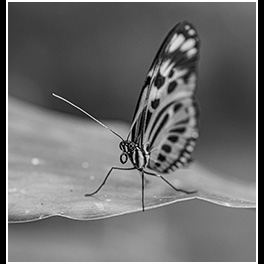
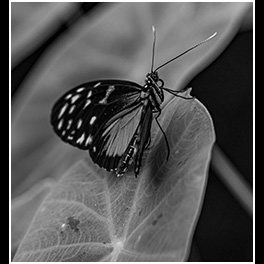
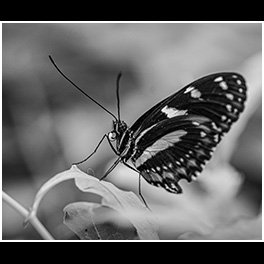
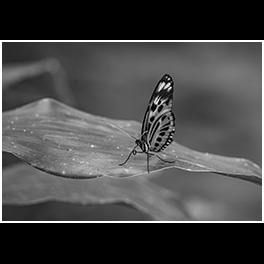
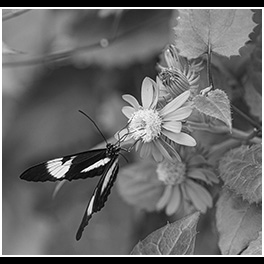
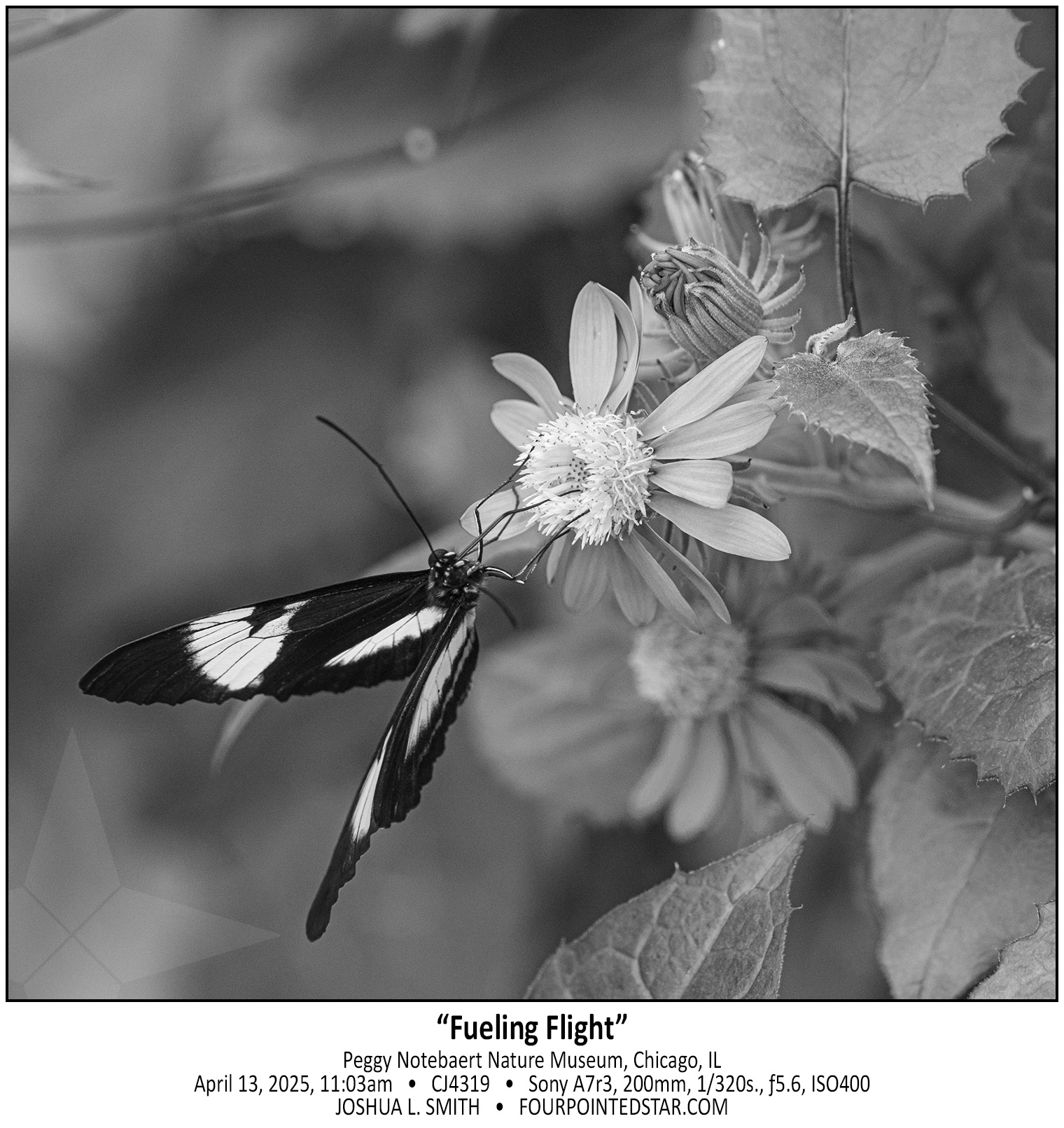
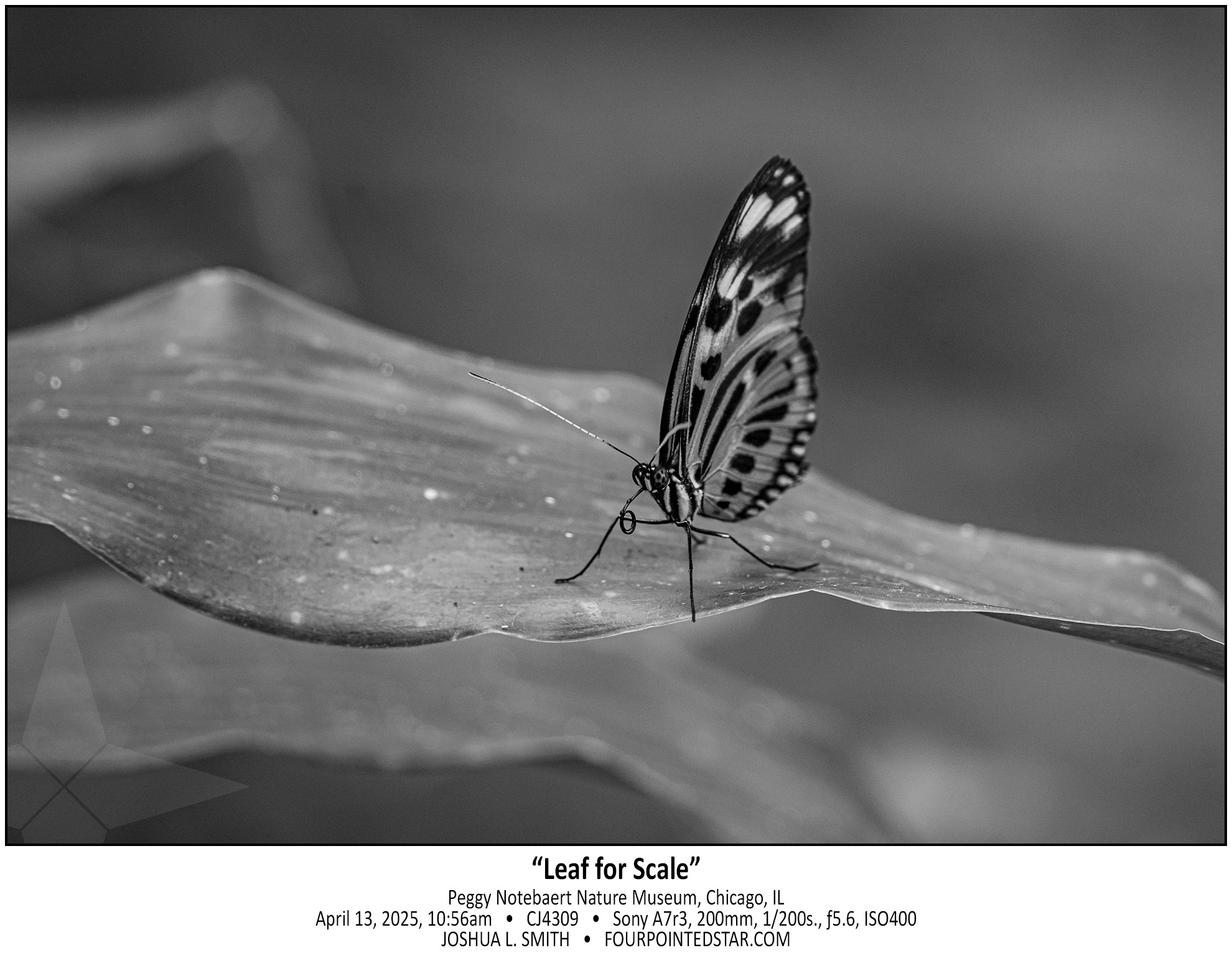
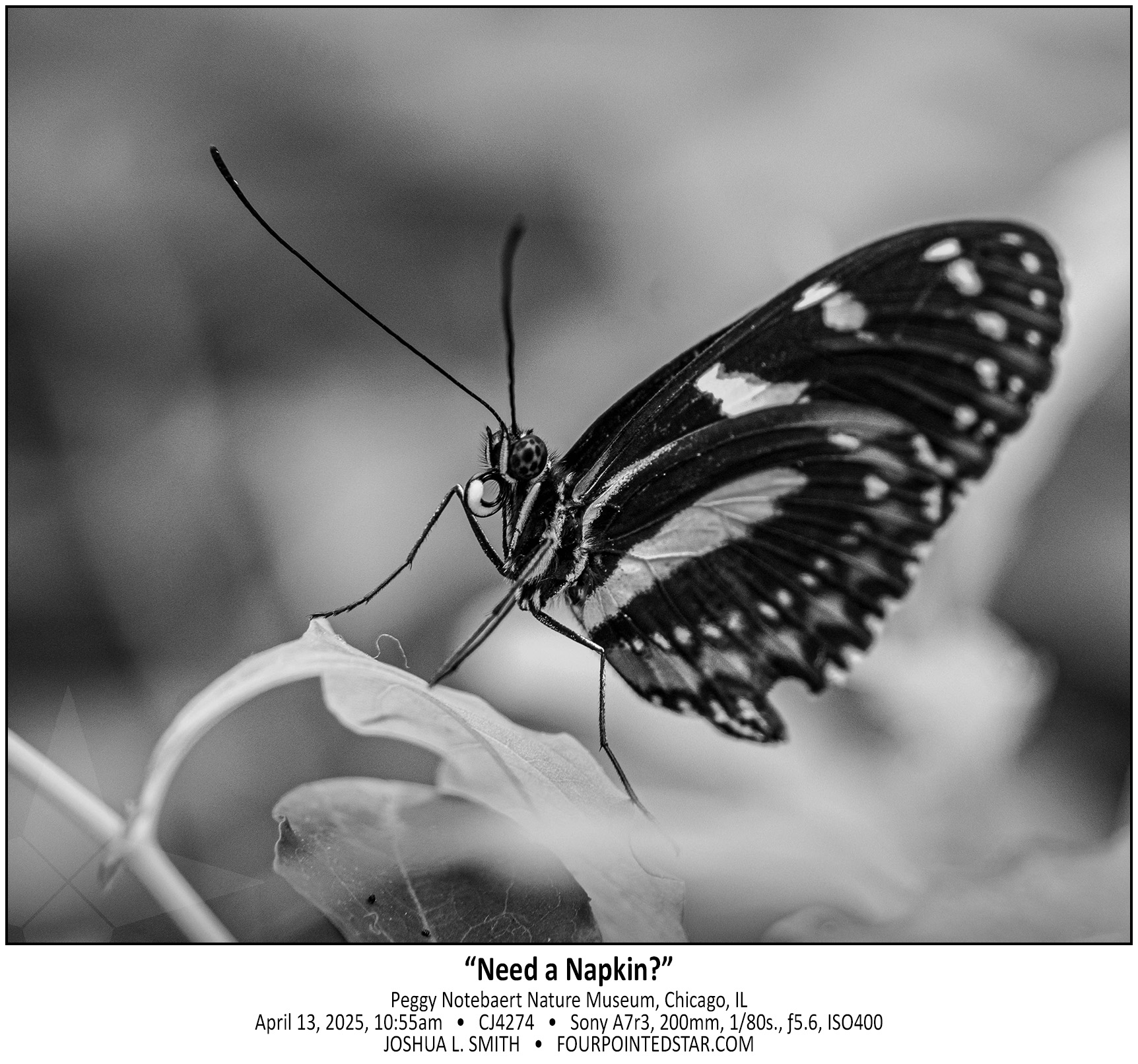
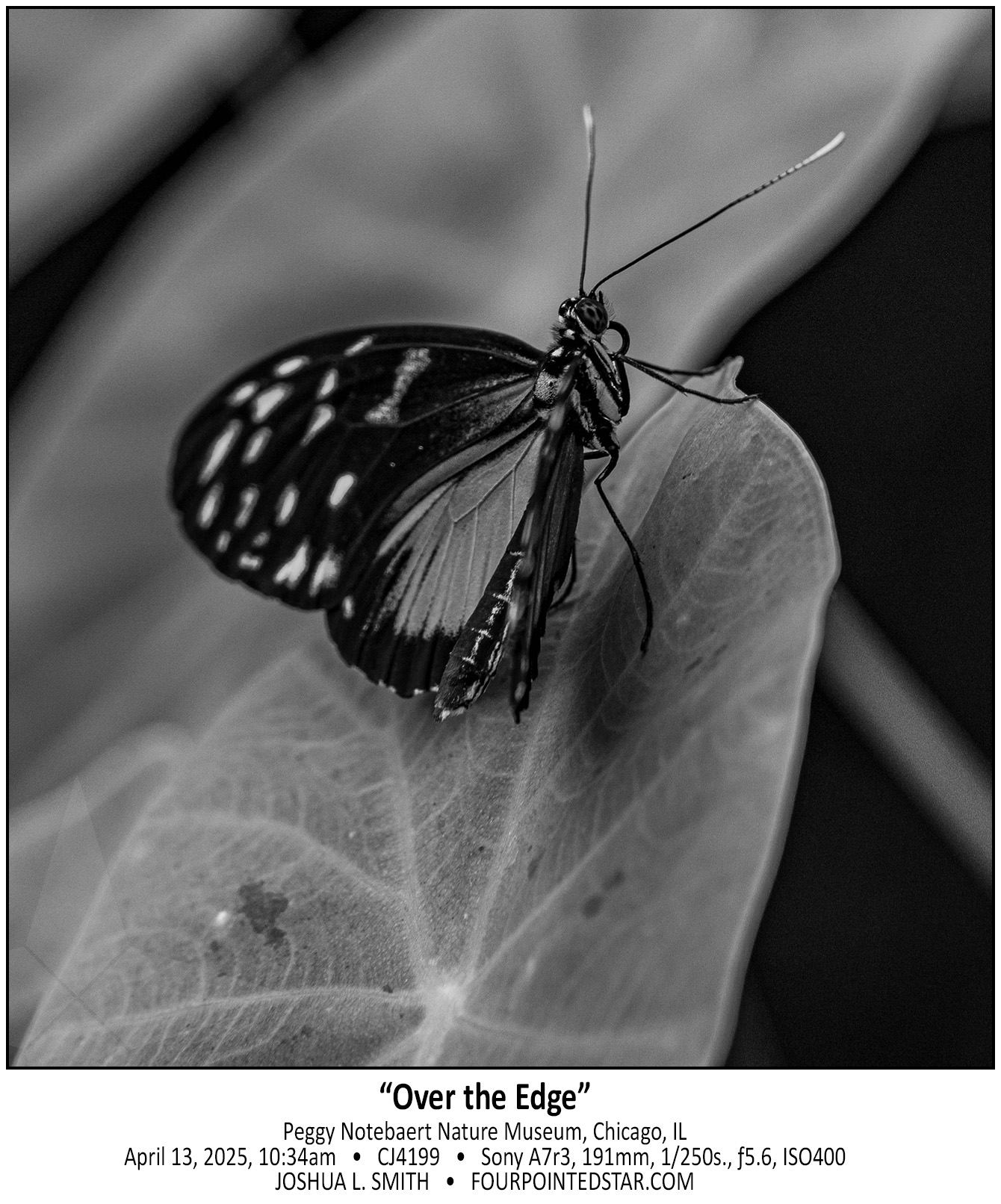
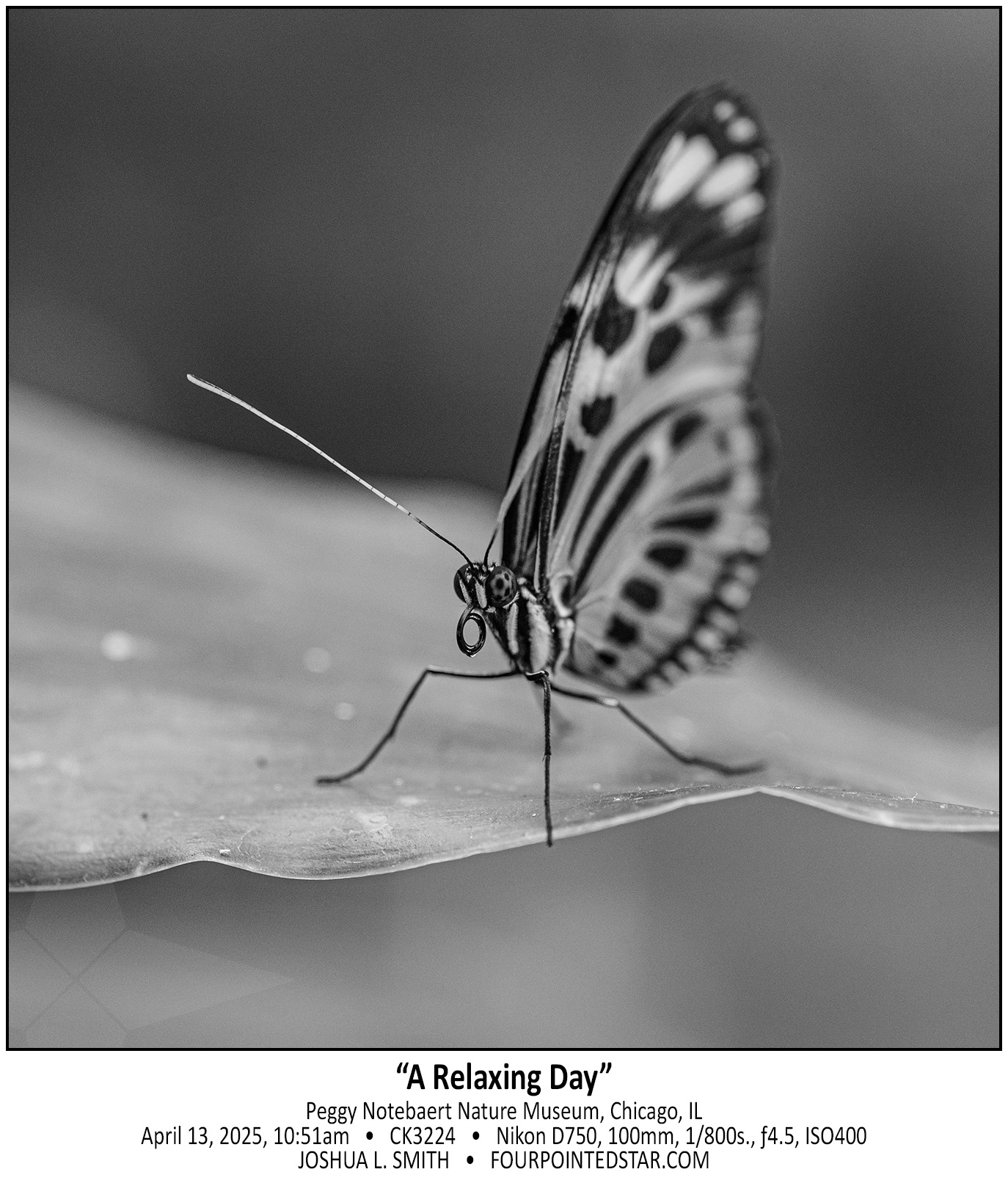
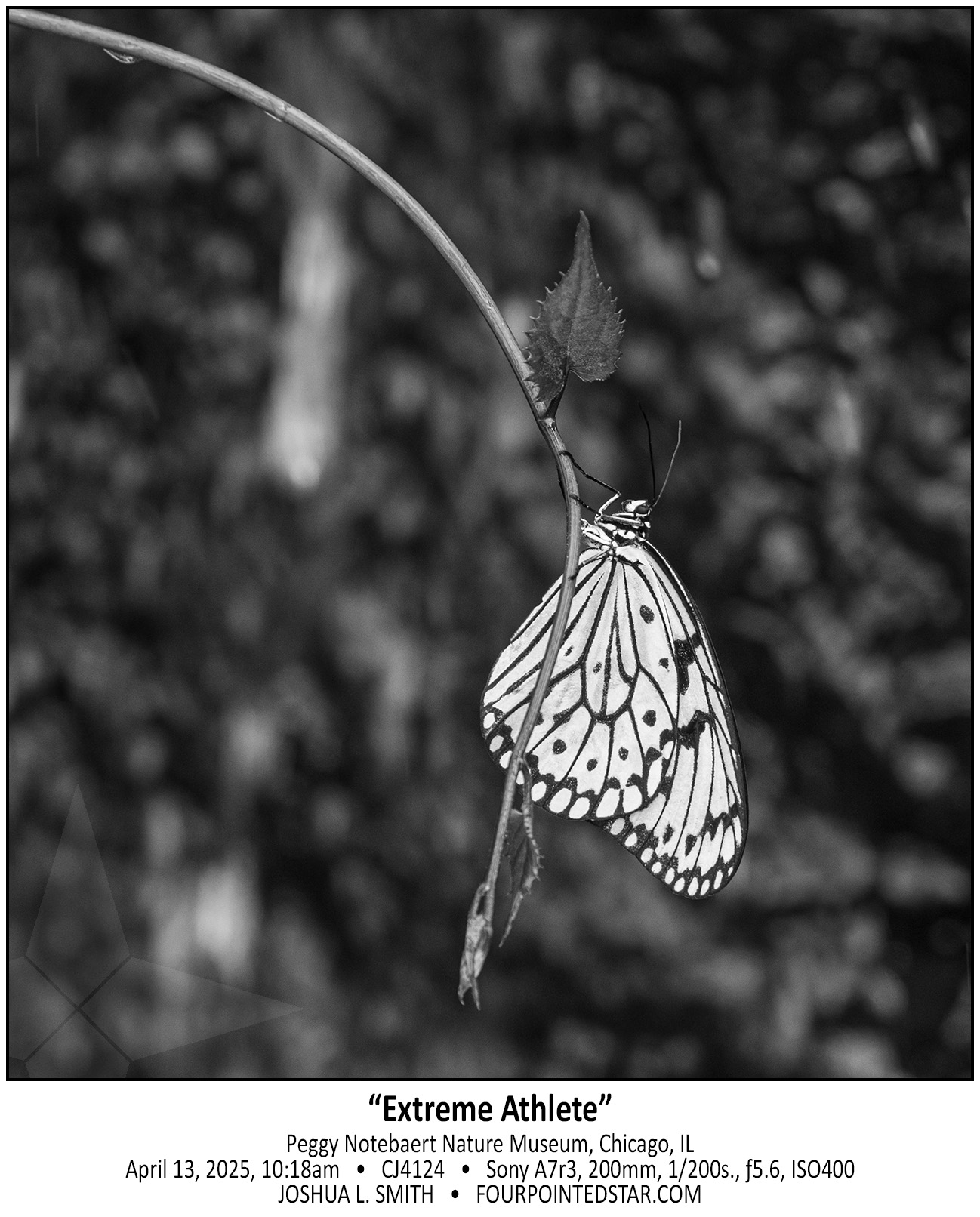
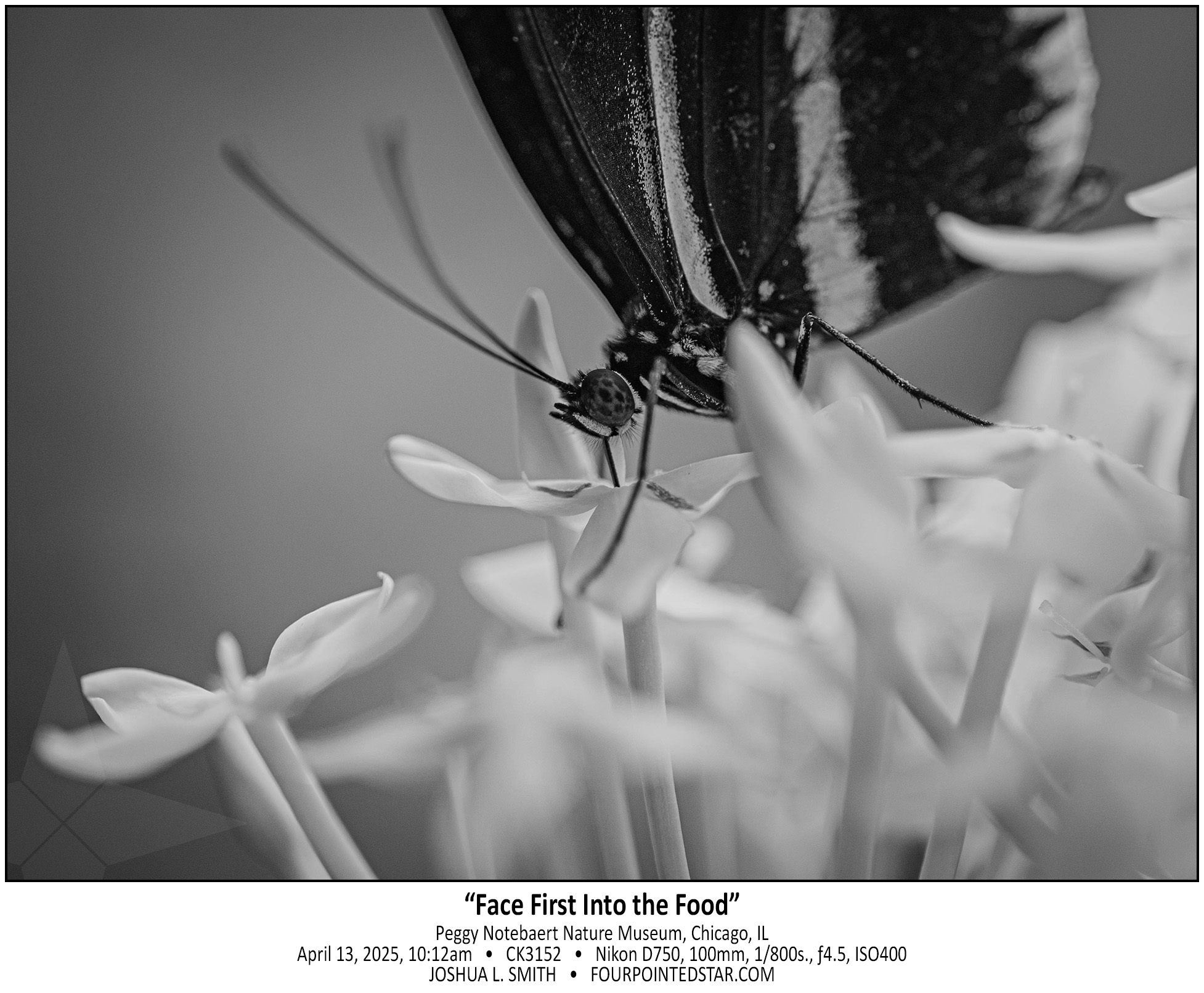
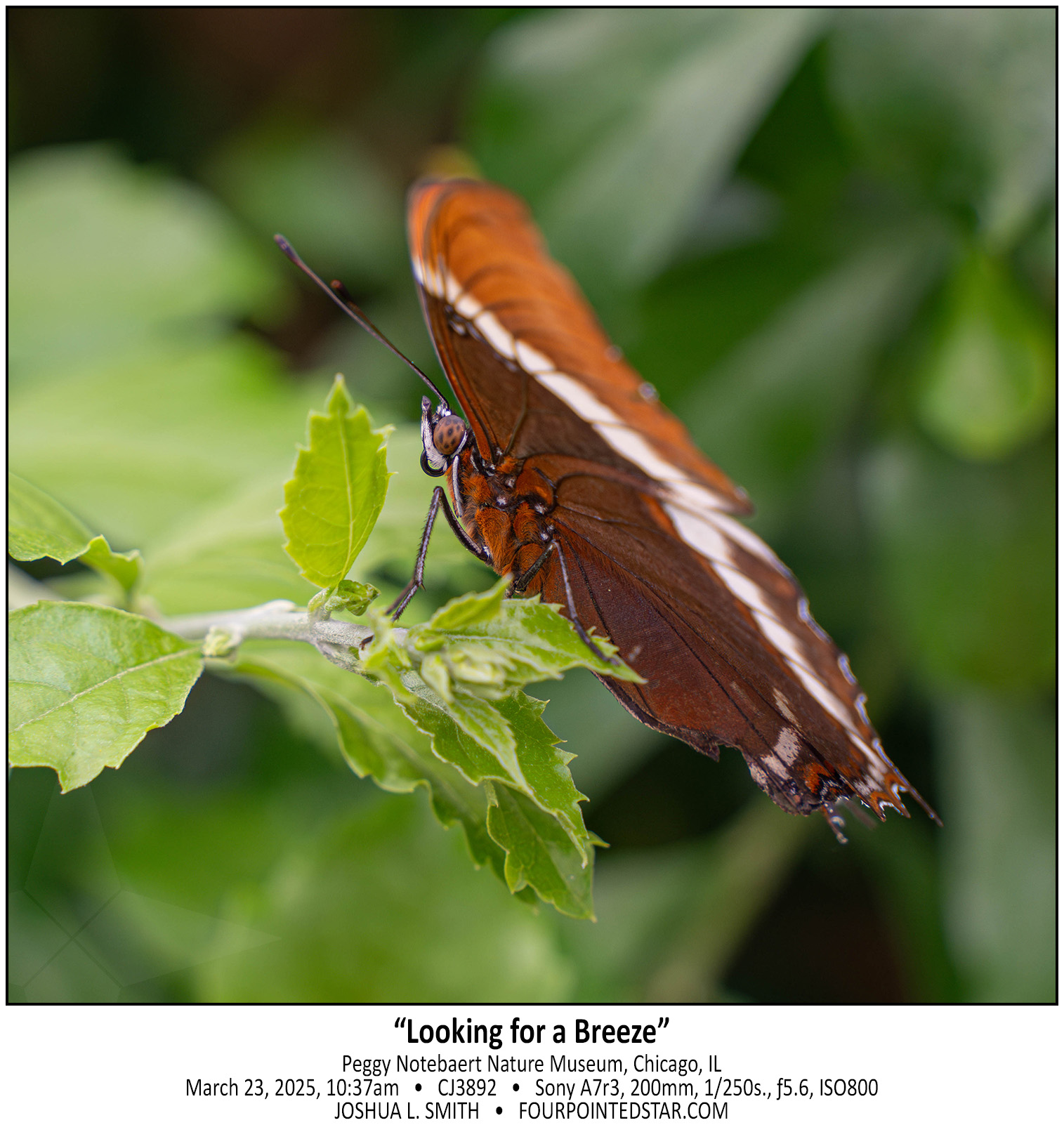
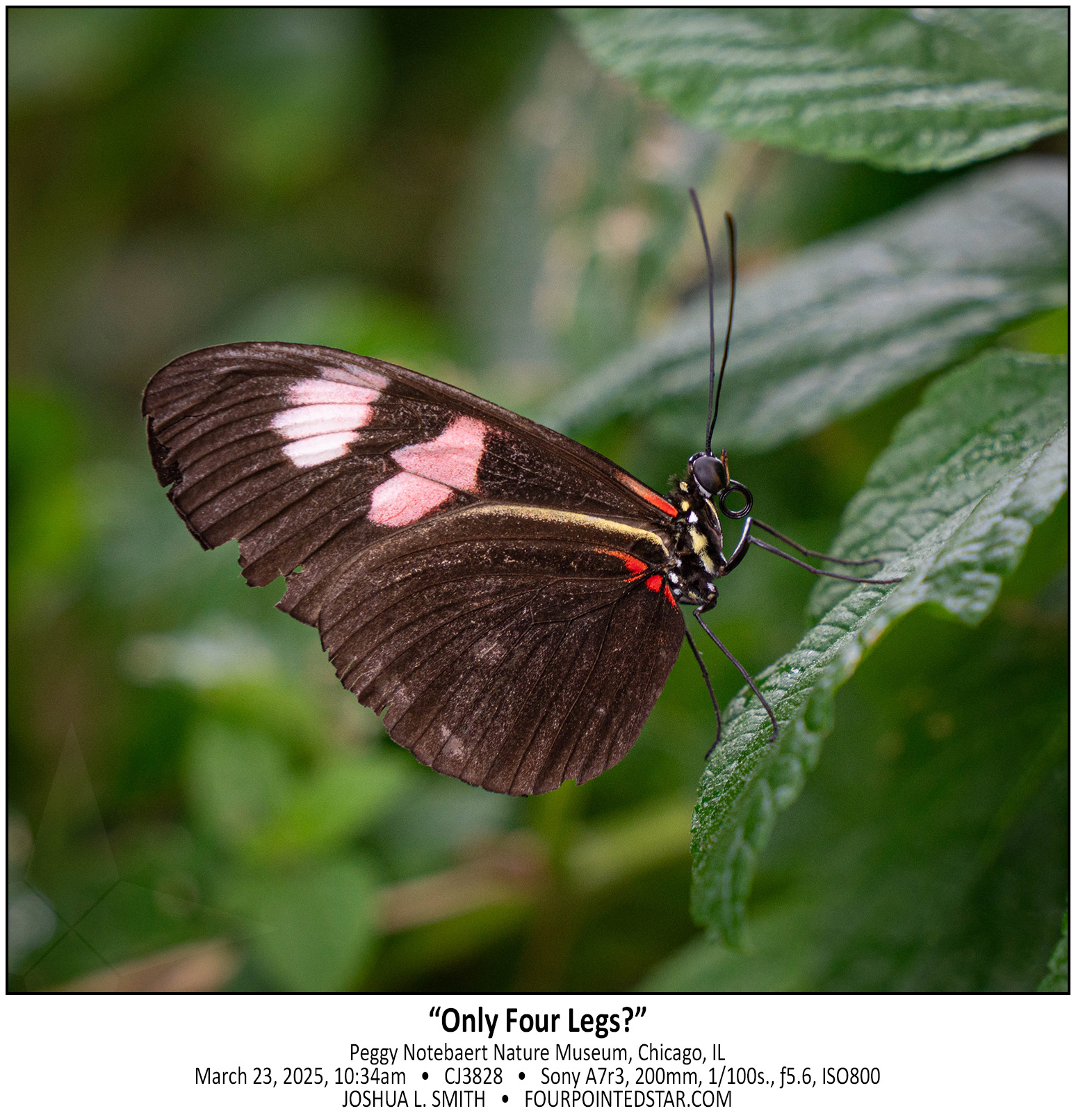
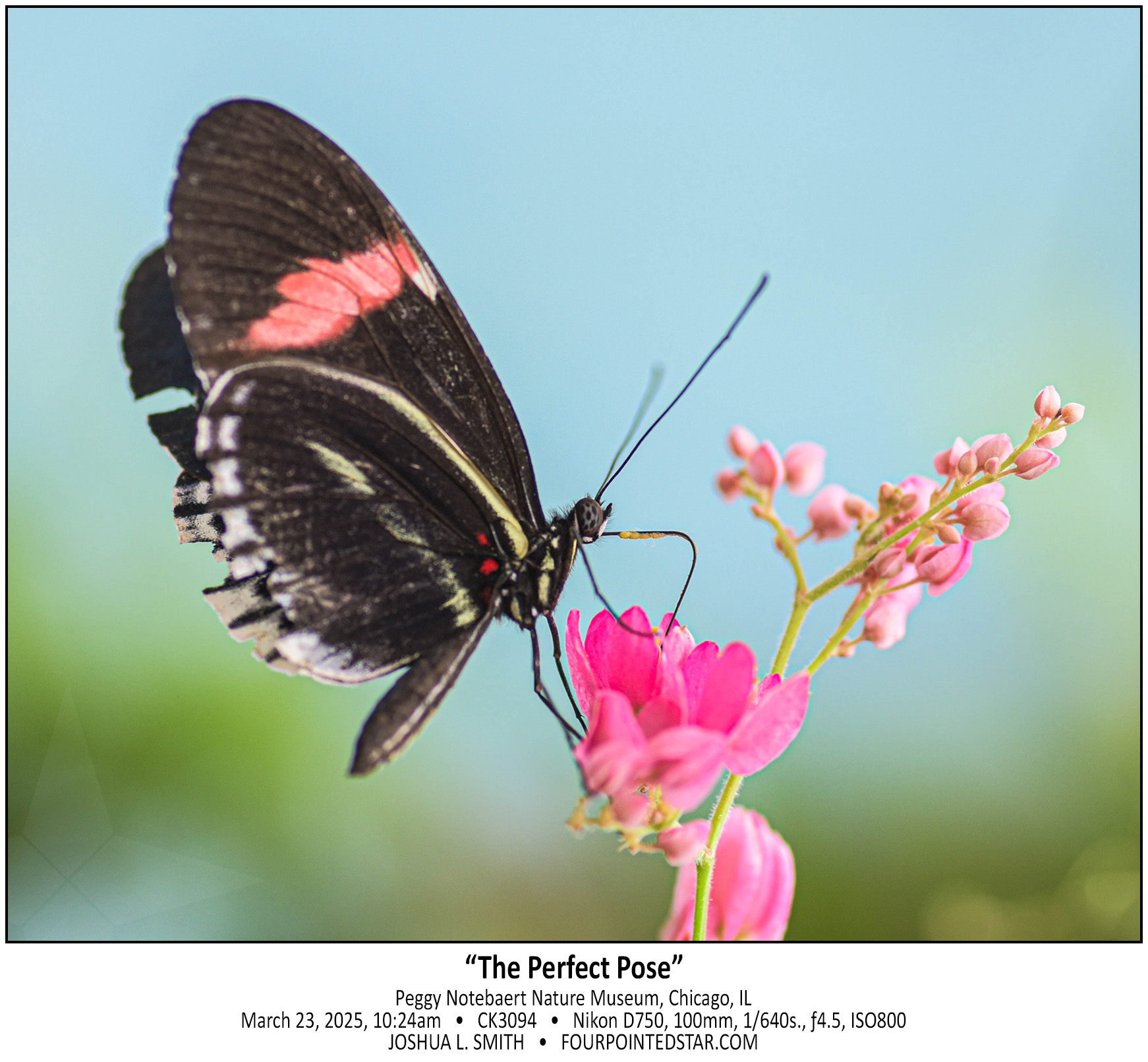
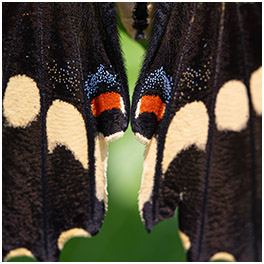
Nearly every year, I take at least one trip down to Peggy Notebaert Nature Museum to photograph the butterflies. The Nature Museum has a wonderful year-round habitat for the butterflies, and in the middle of winter with all of the dull colors of nature, it’s relaxing to photograph something with rich colors.

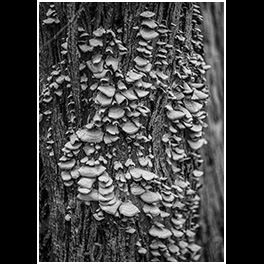
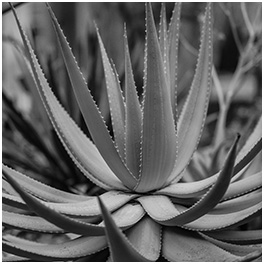
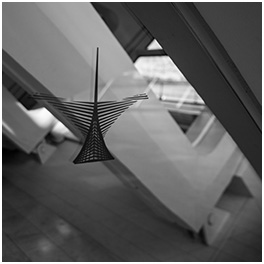
But a friend challenged me to photograph something unusual in black & white; so I chose the butterflies in my second trip to Peggy Notebaert. Can I create interesting images without depending on the vibrant colors of the plants and insects? I am very pleased with the results of my experiment.

CJ4319 250413 100323

CJ4309 250413 095625

CJ4274 250413 095532

CJ4199 250413 093446

CK3224 250413 105146

CJ4124 250413 091843

CK3152 250413 101245


CJ3942 250323 093942

CJ3907 250323 093833

CJ3892 250323 093757

CJ3828 250323 093407

CK3105 250323 103550

CK3094 250323 102459


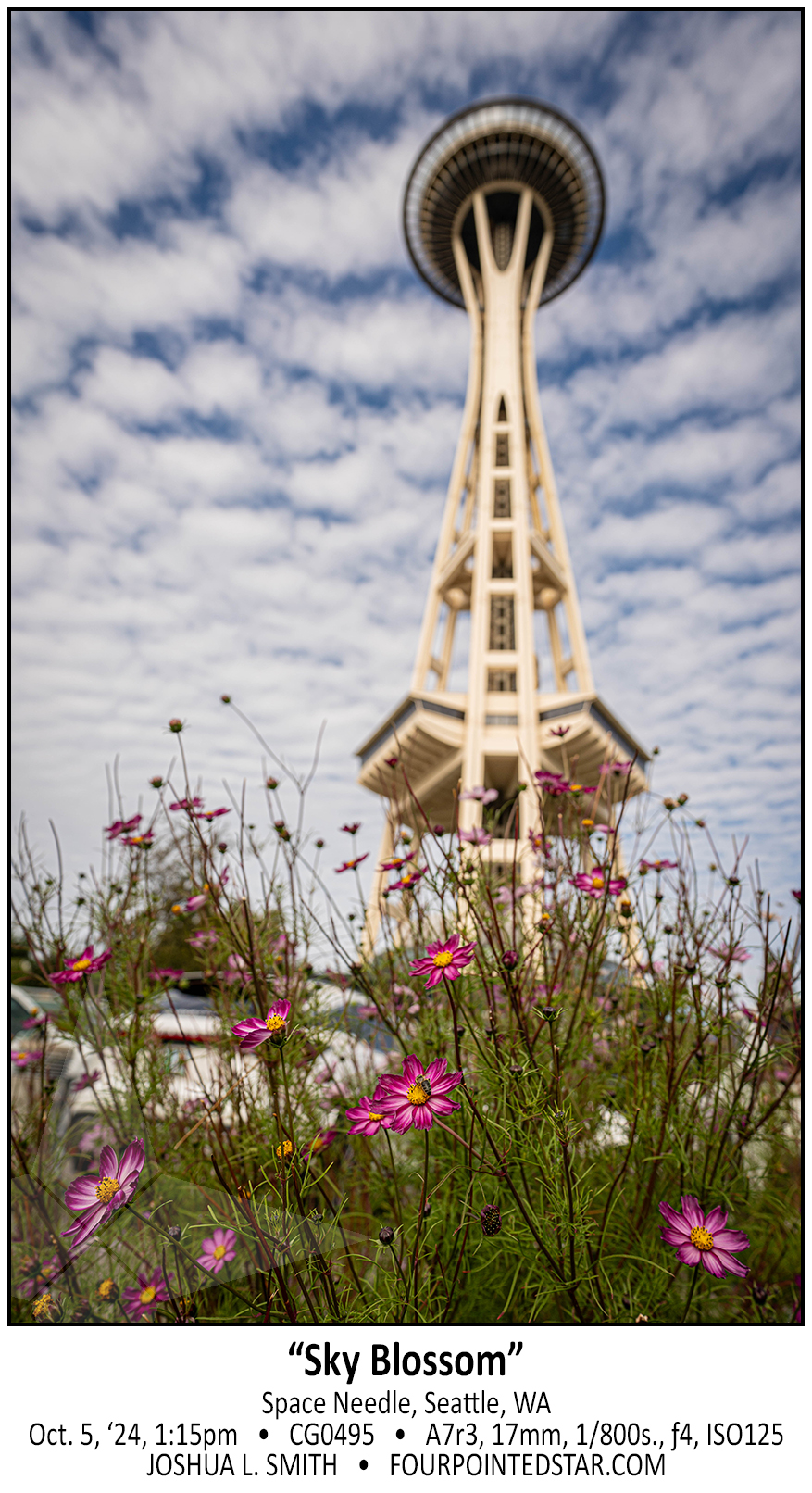
CG0495 241005 151524


CF7632 240824 112559

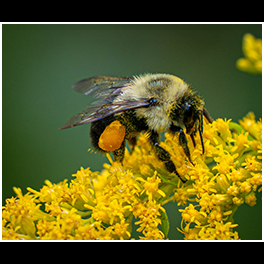
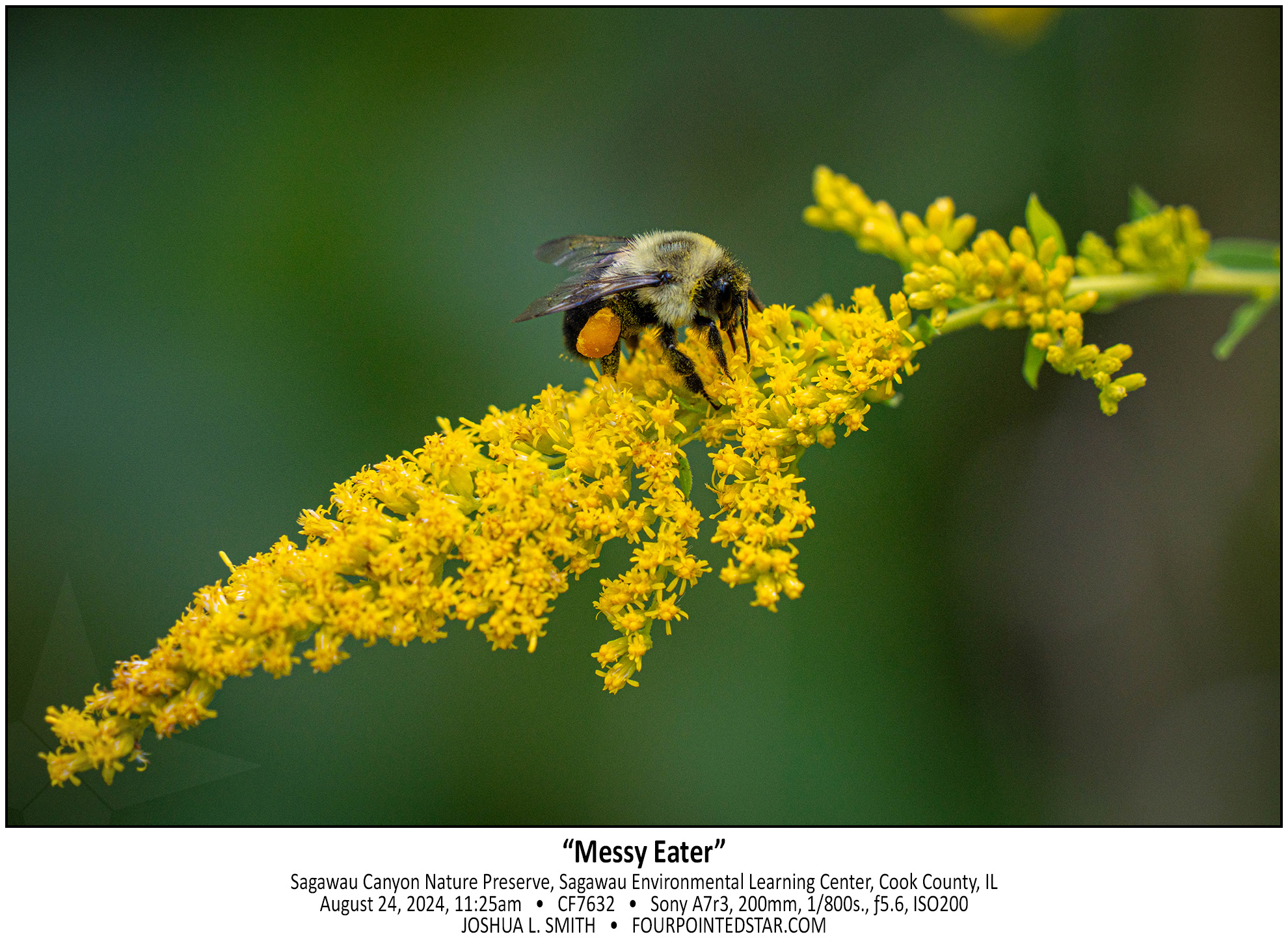
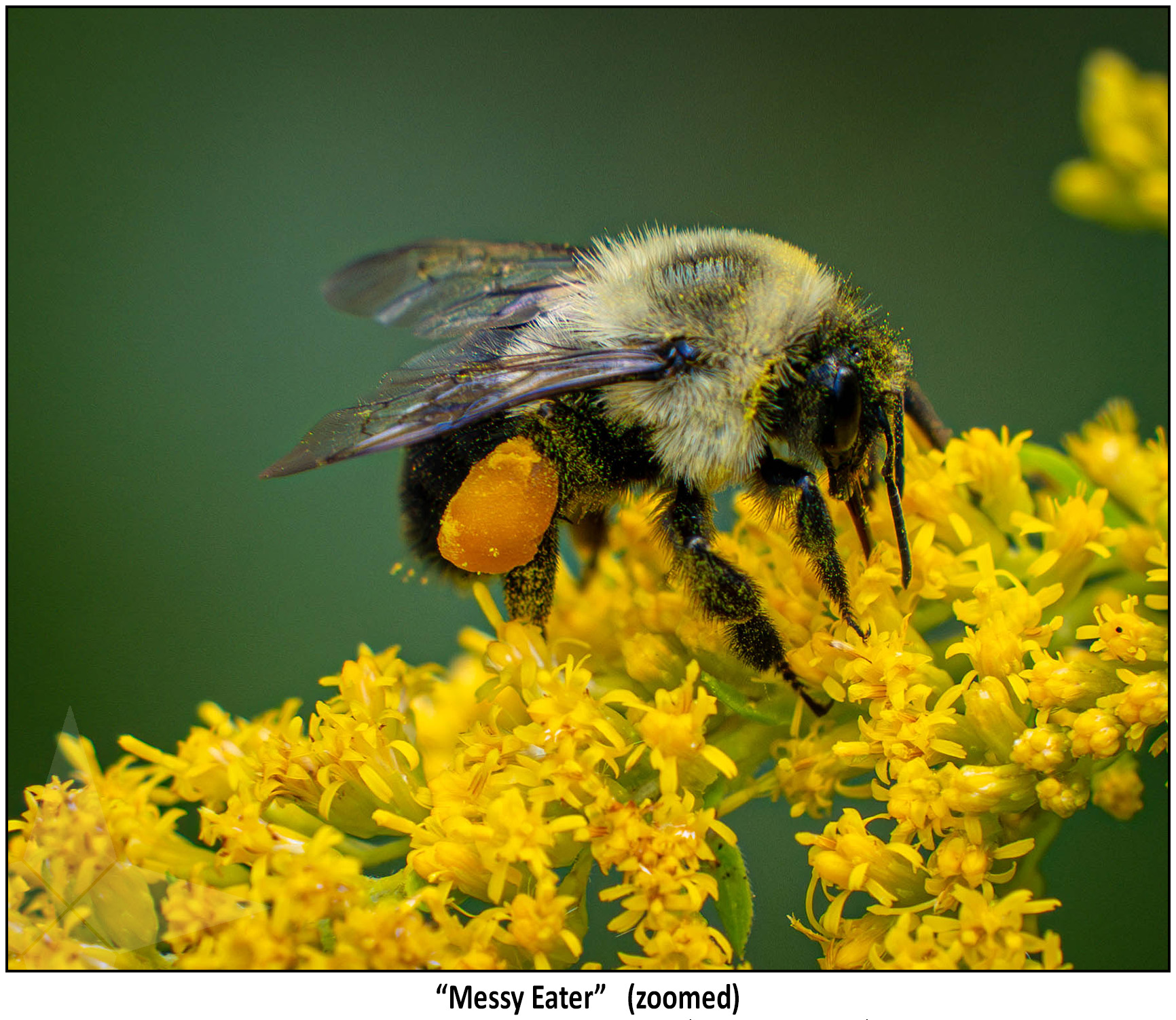
This was the busiest of the busy busy bees. This little worker buzzed all over gathering pollen and in the meantime, got themselves absolutely covered in pollen. Just take a look at this zoomed in version of the same photo!

CF7632 240824 112559-2

CF7531 240818 133348

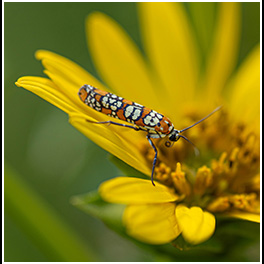
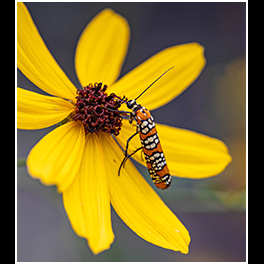
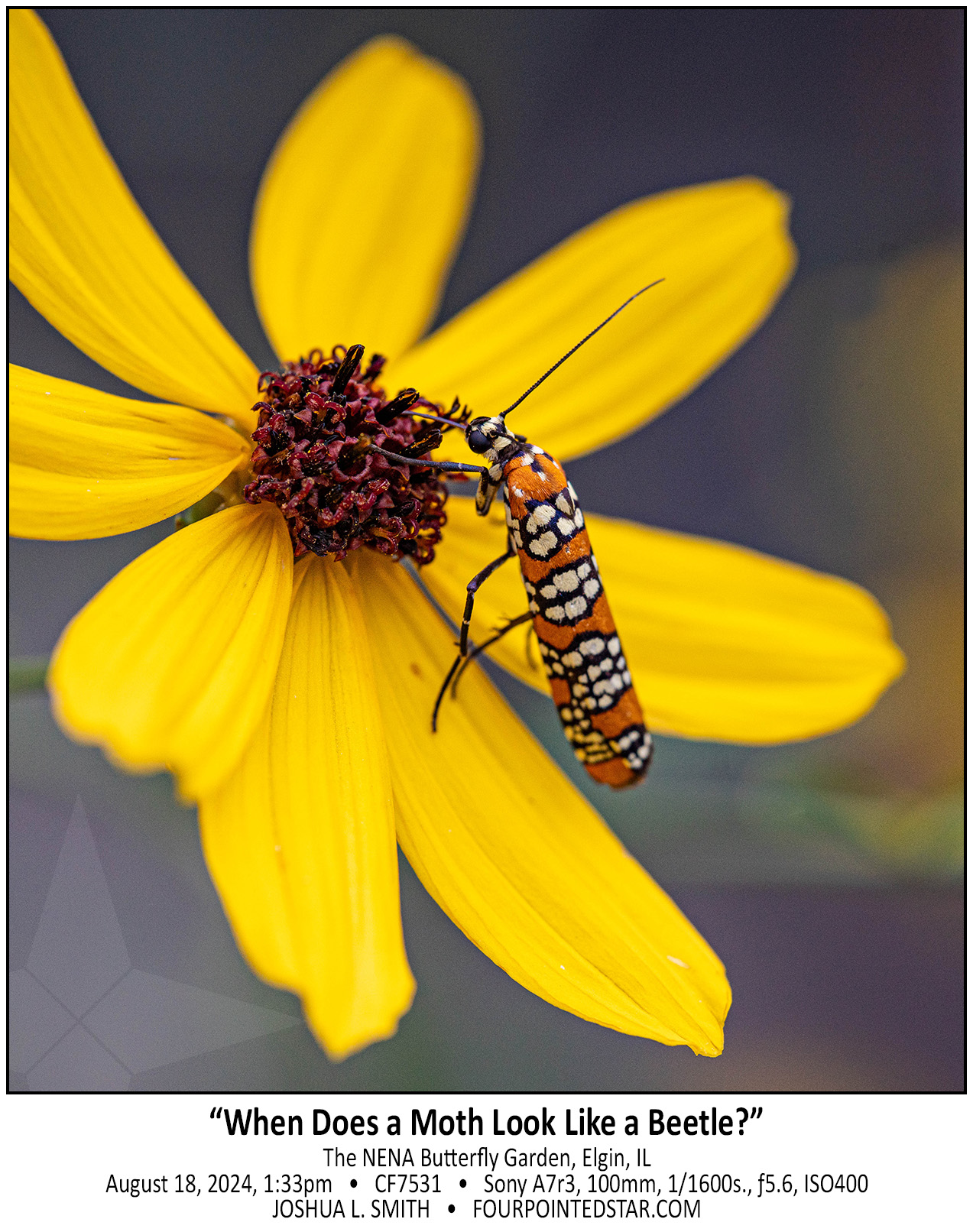
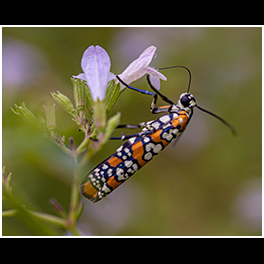
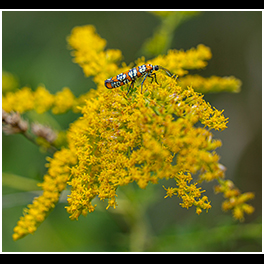
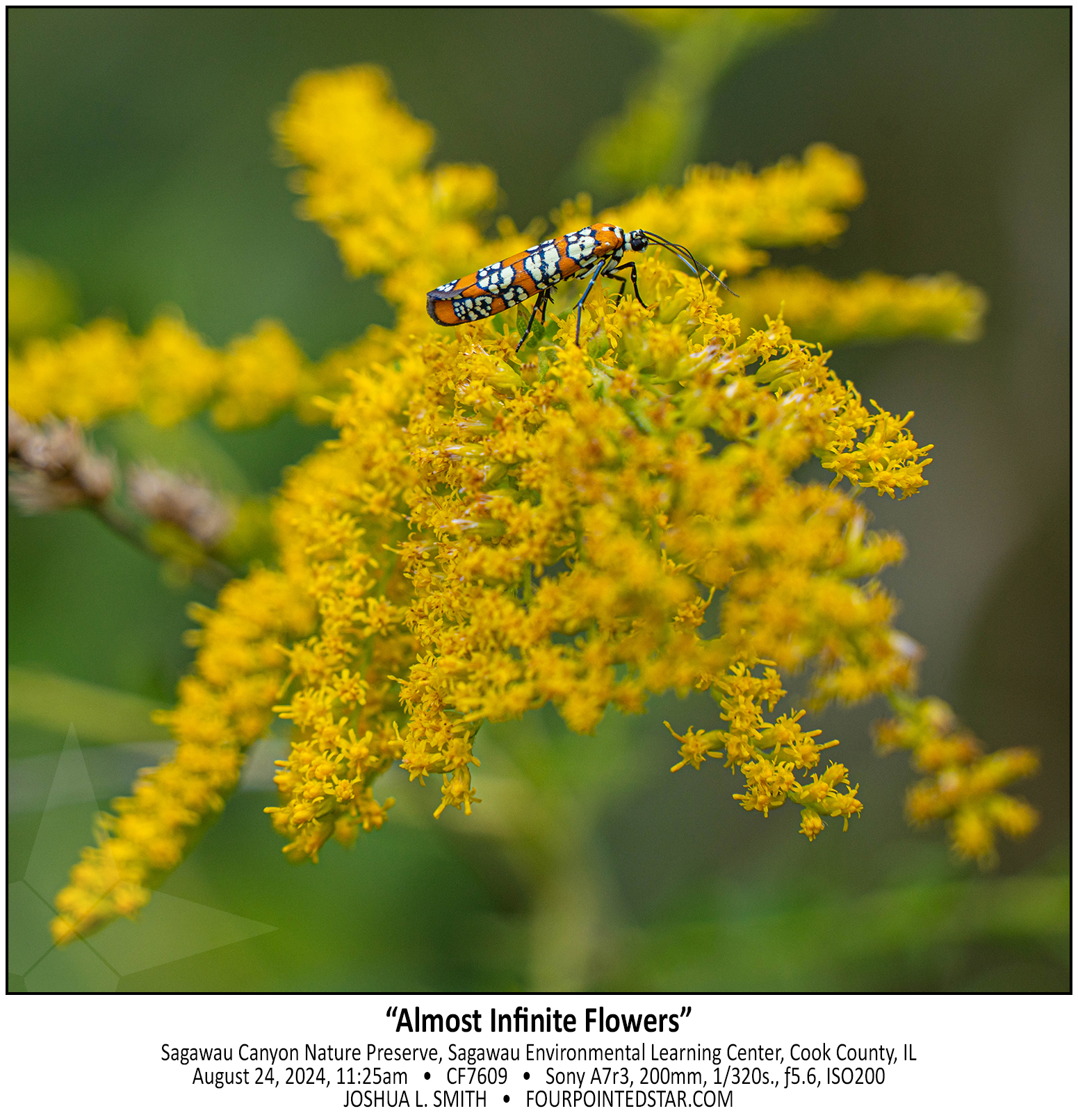
When you’re growing up, you learn “facts” that stick with you and you later learn are more “general rules”. Two that come to mind are “humans have five senses” and “moths have antenna that are fuzzy or comb-like”. Well, this is a Ailanthus Webworm Moth, and not only does it not have fuzzy antenna, but Wikipedia says that until it’s in flight, it resembles a beetle. Second grade science class was just full of lies!
(The senses of motion and balance are great examples of “other” senses.)

CF7395 240818 132426

CF7159 240818 130509

CF7134 240818 130329


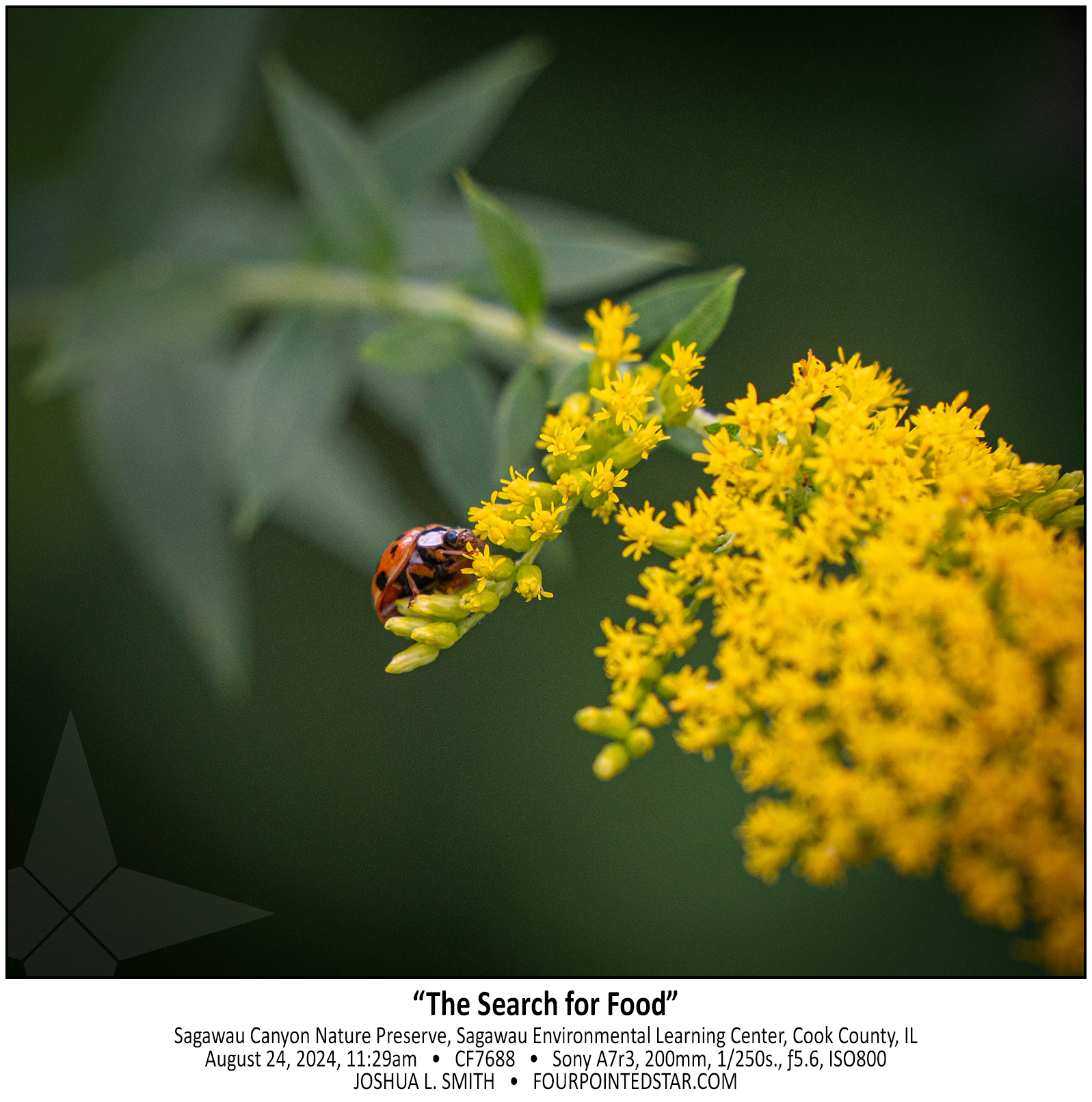
CF7688 240824 112925

CF7609 240824 112529

On my visit to the Sagawau Canyon waterfall, you can imagine my surprise when I encountered the same ailanthus webworm moth from the previous photo (and from the photo in 2010.) However, when I looked up the photo from 2010, I found that the photo was from the Sag Quarries Forest Preserve, which is right next to the Sagawau Environmental Learning Center (where the canyon waterfall is located).

This moth wandered all over this particular group of blossoms, seemingly enjoying the buffet. I would love to read an explanation of the coloring for this moth; it doesn’t appear to blend into any flower that I’m aware of.

CF7451 240818 132550

Back in 2010, I photographed this type of insect with my iPhone. We were on a trip to see a friend on the south side of Chicago, and I remember the photograph because it was one of the first “good enough quality” photos with an iPhone that I’d taken.

Two weeks ago, when I took the above photograph of the same type of insect, I thought to myself “that’s odd that I haven’t see an insect like that in a very long time.” I photograph insects every year, and I wondered why I hadn’t seen such a unique insect in over ten years. According to Wikipedia, they only travel this far north some summers and are more of a southern insect.

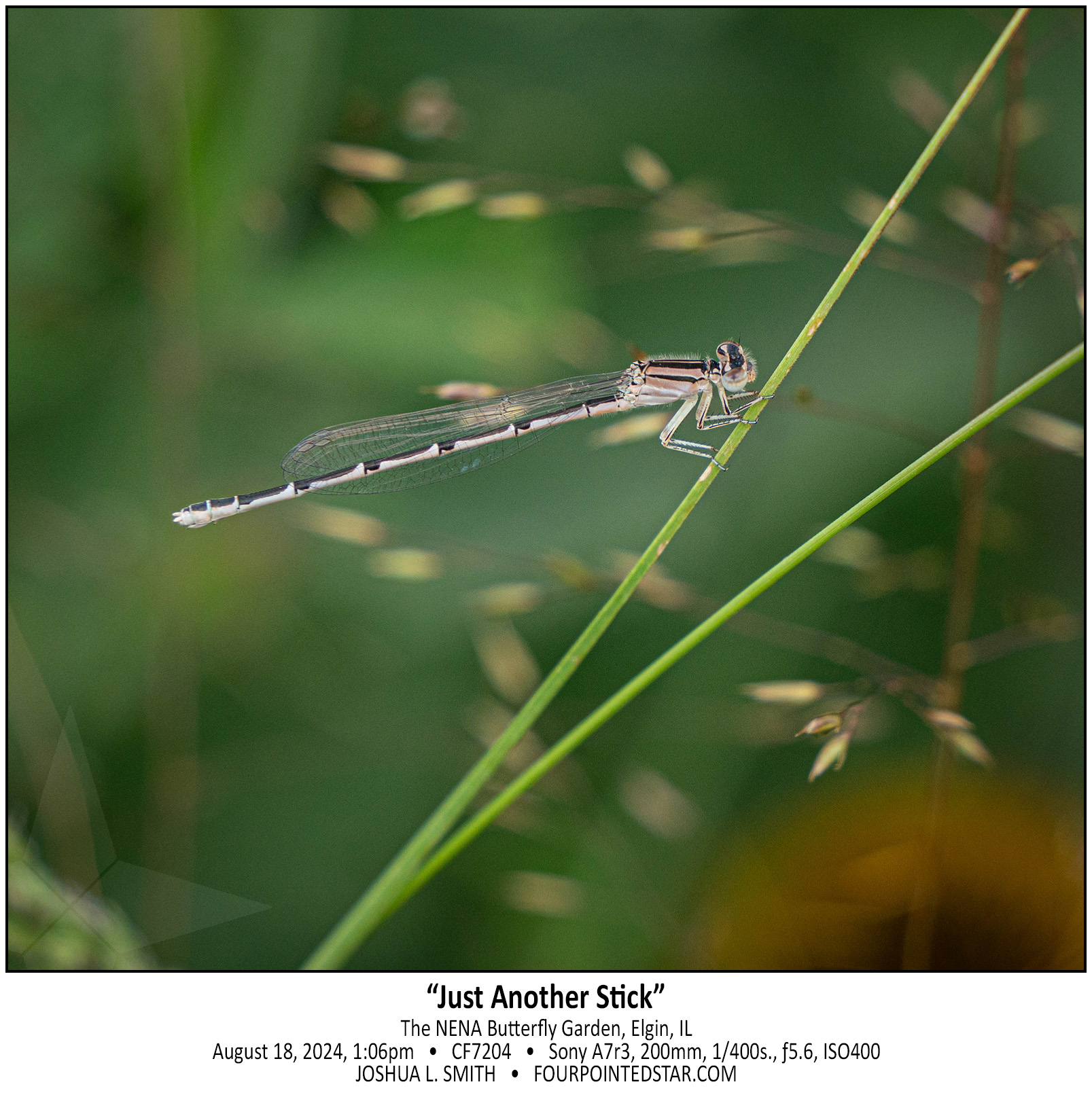
CF7204 240818 130630

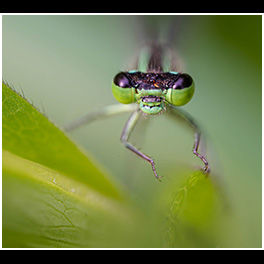
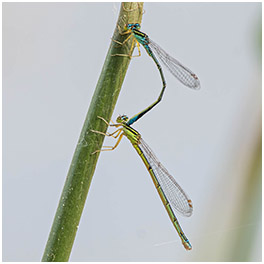
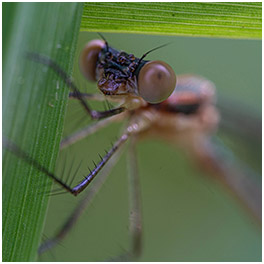
The NENA Butterfly Garden doesn’t just have butterflies, but like the variety of plants and flowers, there is a variety of insects as well. I always love finding these damsel flies and watching their movements.

CF7144 240818 130402


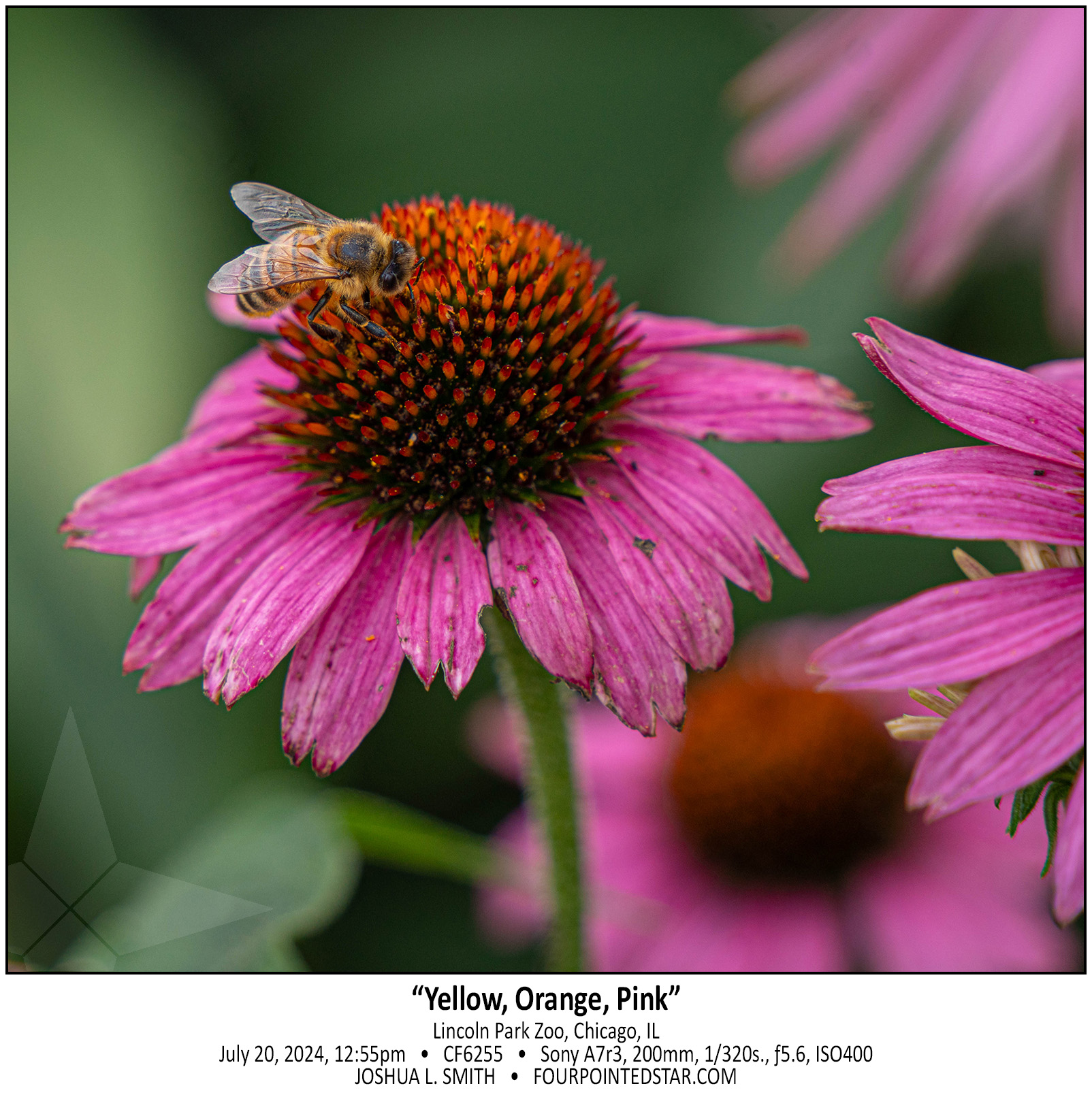
CF6255 240720 125543

CF6275 240720 134910

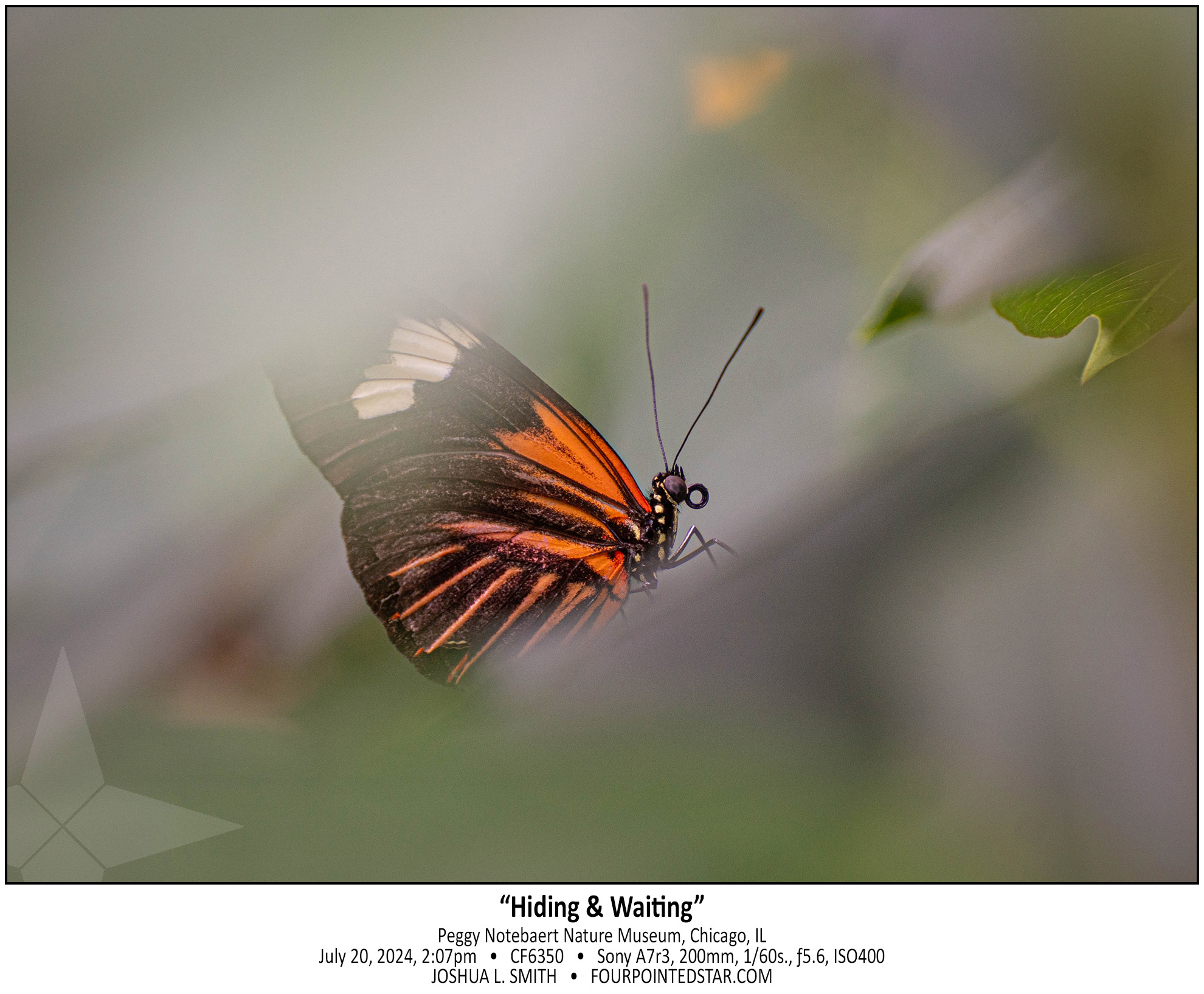
CF6350 240720 140734

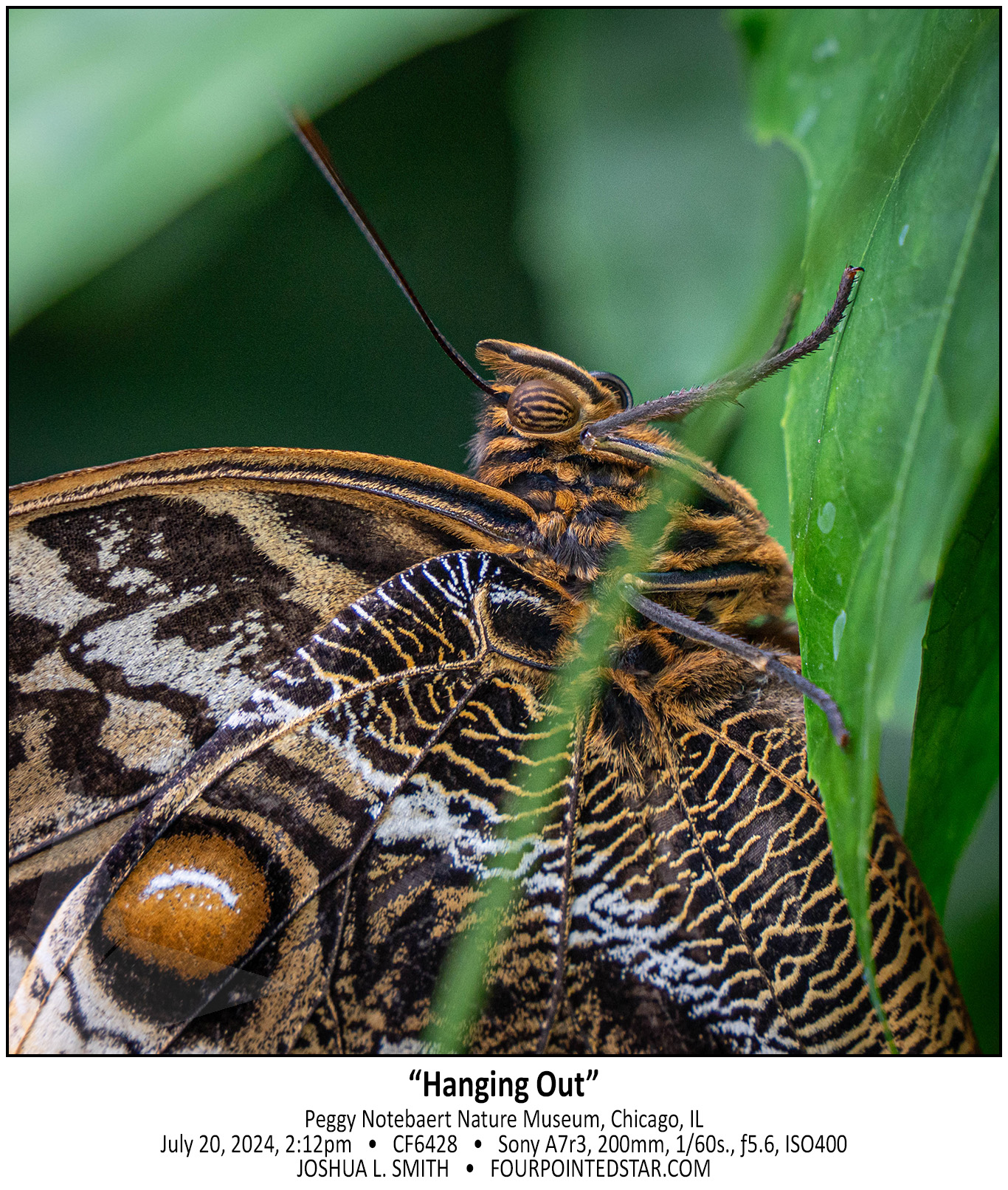
CF6428 240721 141251

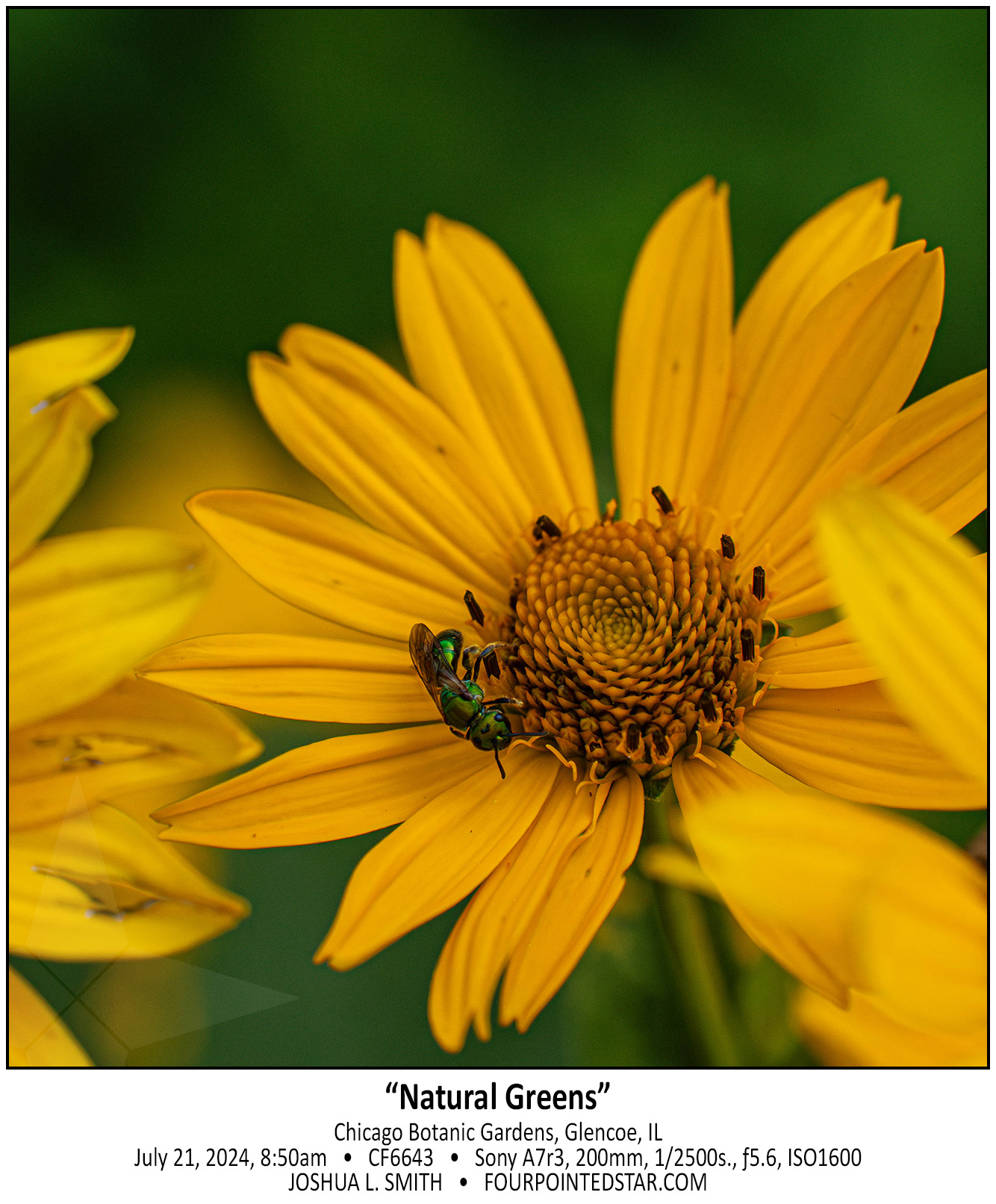
CF6643 240721 085054

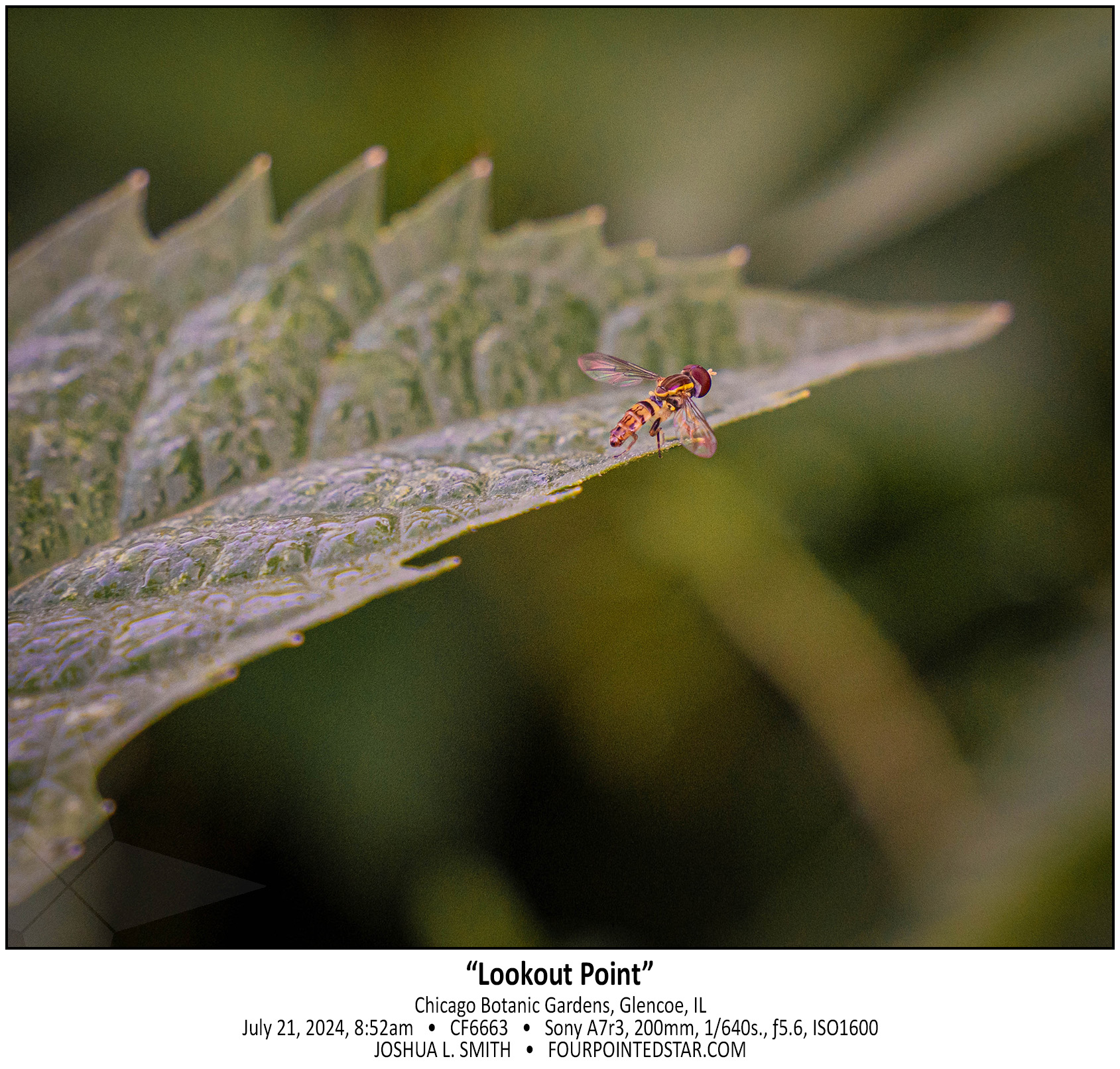
CF6663 240721 085213

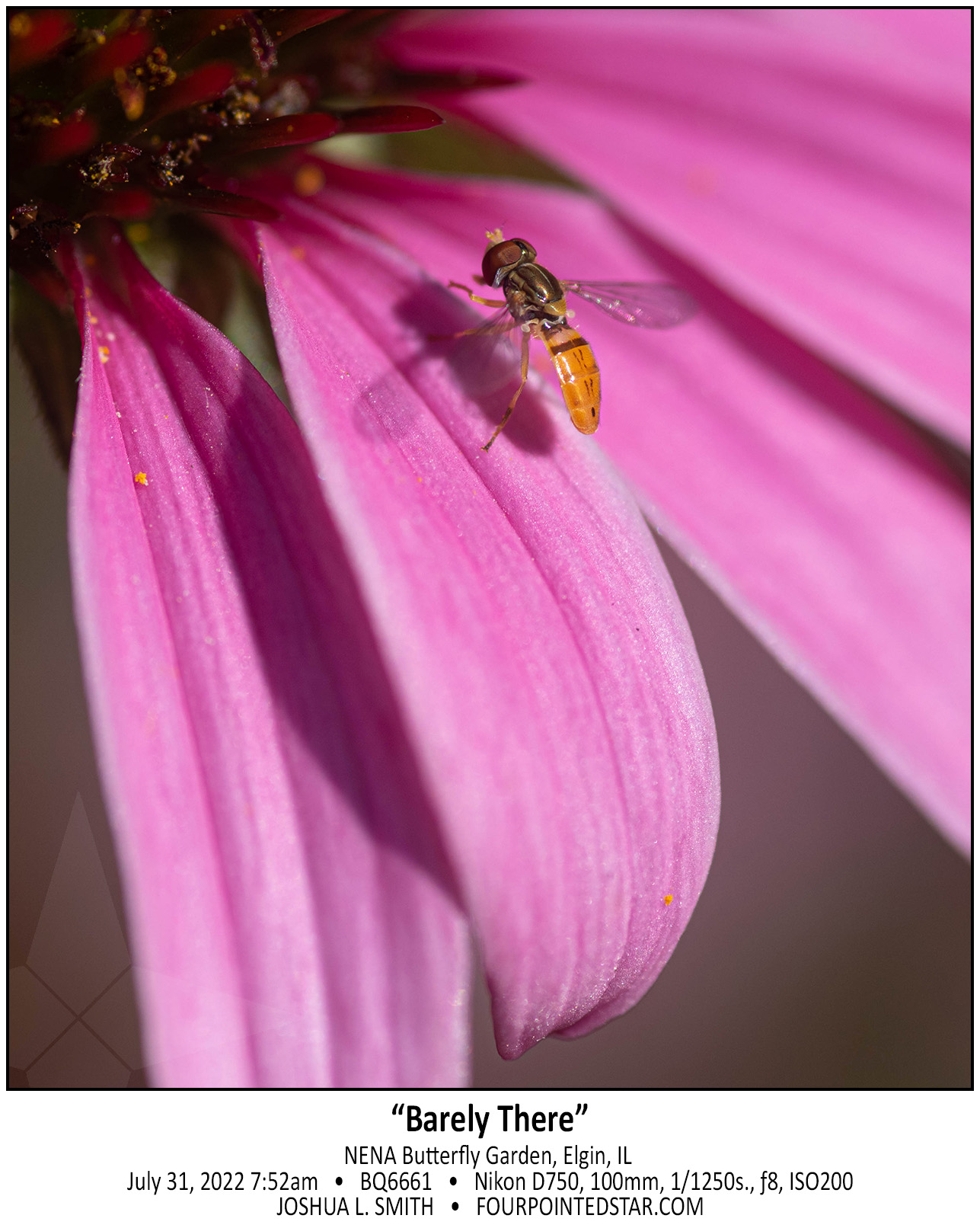
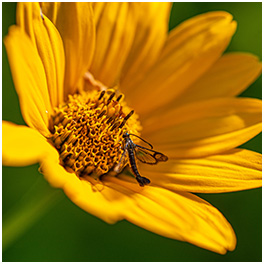
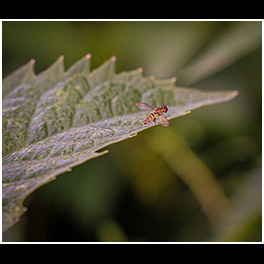
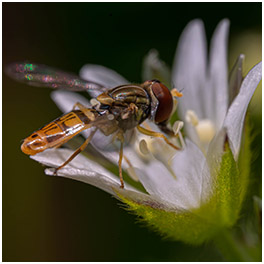
I love photographing these little hoverflies; they’re so tiny and true to their name, tend to hover from location to location. This little one seemed to be waiting for the sun to reappear.

CF6687 240721 085306


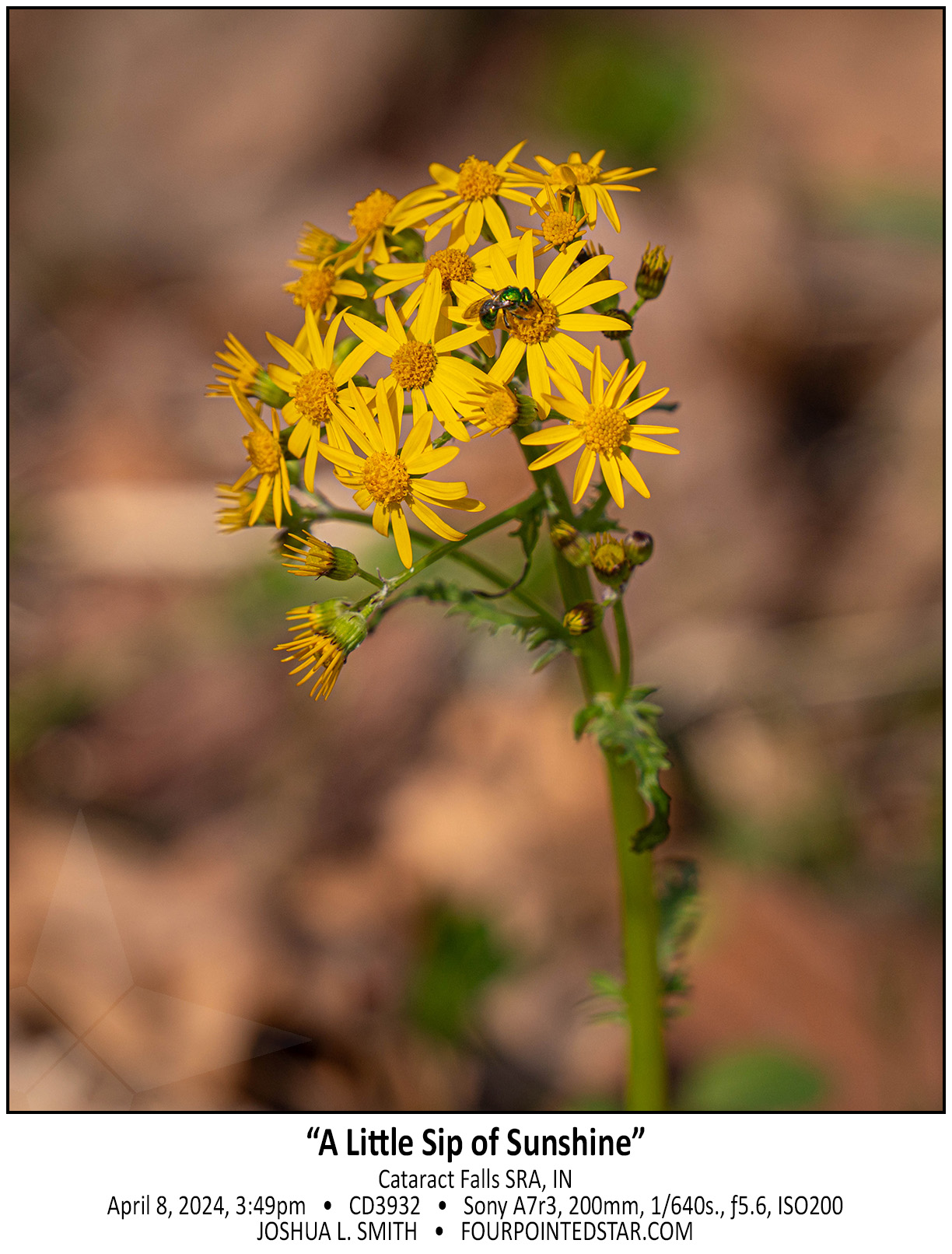
CD3932 240408 154915

The day of the most recent solar eclipse was very sunny in southern Indiana, and this little hoverfly was taking full advantage of the sun and the spring flowers.


CF3338 240609 131040

…view older images with the thumbnails below…


“This is MY Flower!”

June 21st, 2024

…view older images with the thumbnails below…  

CF3373 240609 131619

…view older images with the thumbnails below…


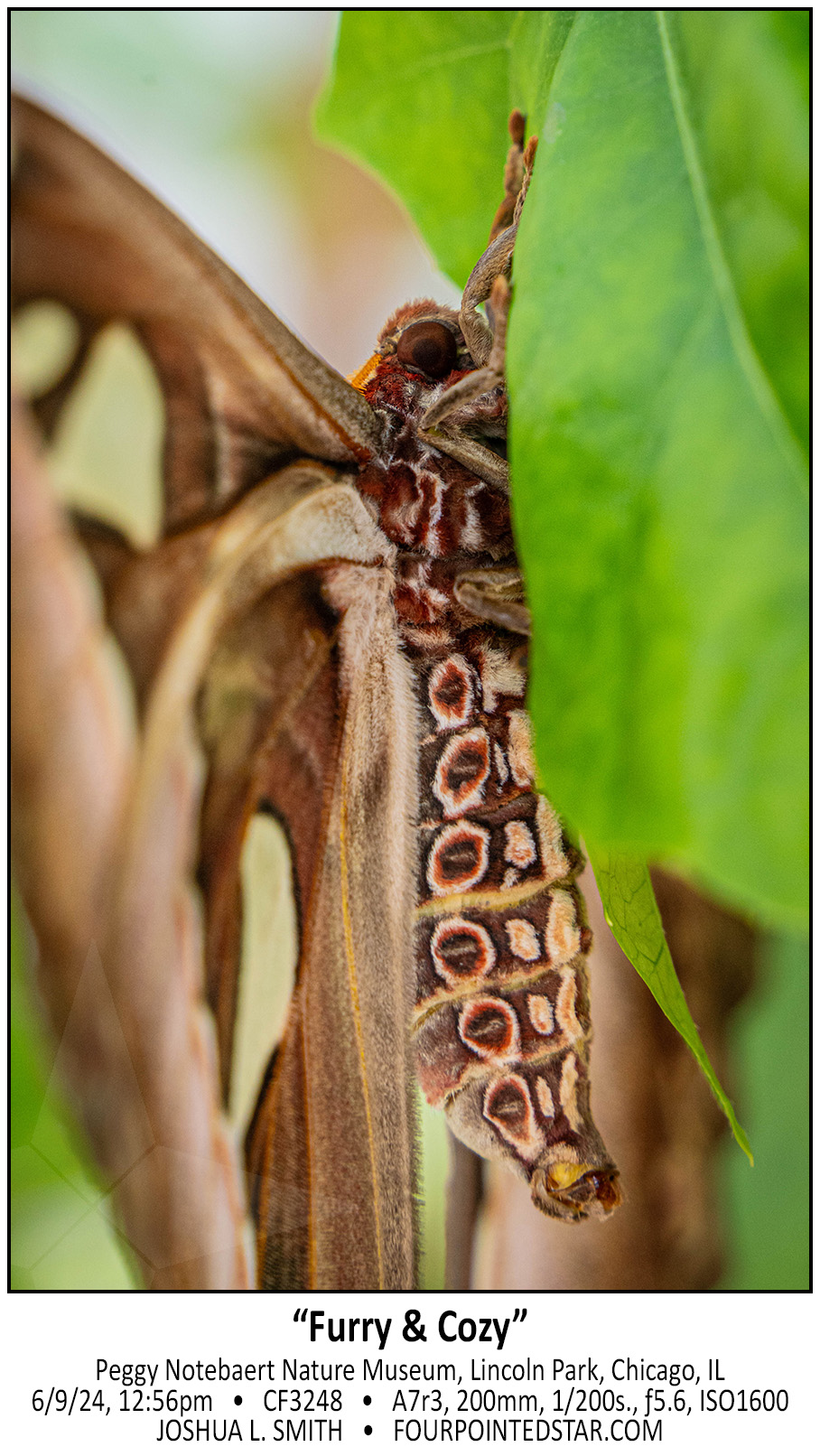
“Furry & Cozy”

June 20th, 2024

…view older images with the thumbnails below…  

CF3248 240609 125621

…view older images with the thumbnails below…


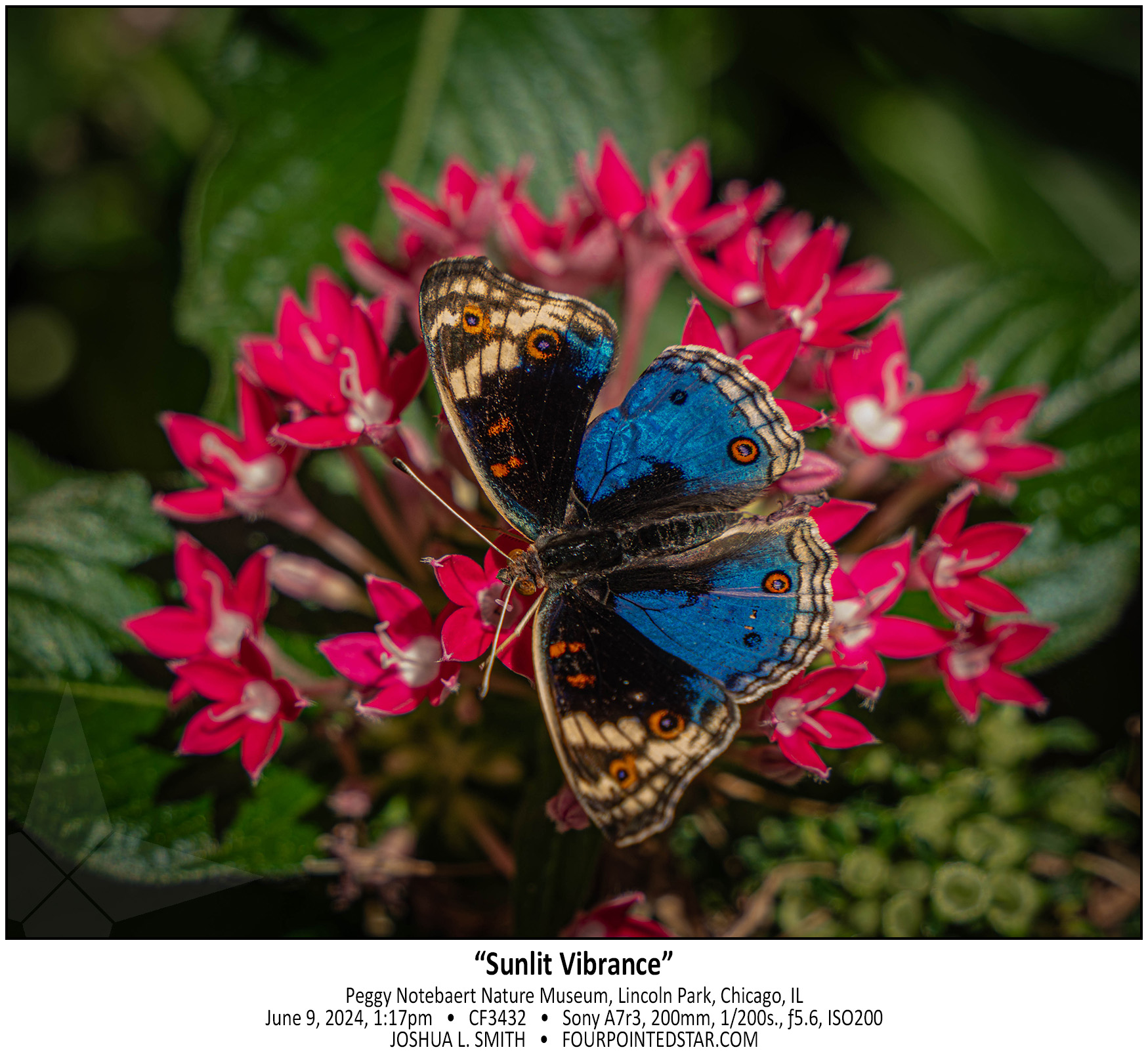
“Sunlit Vibrance”

June 19th, 2024

…view older images with the thumbnails below…  

CF3432 240609 131738

…view older images with the thumbnails below…


CF3044 240609 124551

When I purchased my Sony camera, I knew that I would want a macro lens (since my old one was for Nikon). I settled on the Laona 100mm f2.8 with manual focus – mostly because it was the least expensive 2x macro (by far). It can be exhausting to get the focus correct, but when it’s right, it’s absolutely lovely!

…view older images with the thumbnails below…


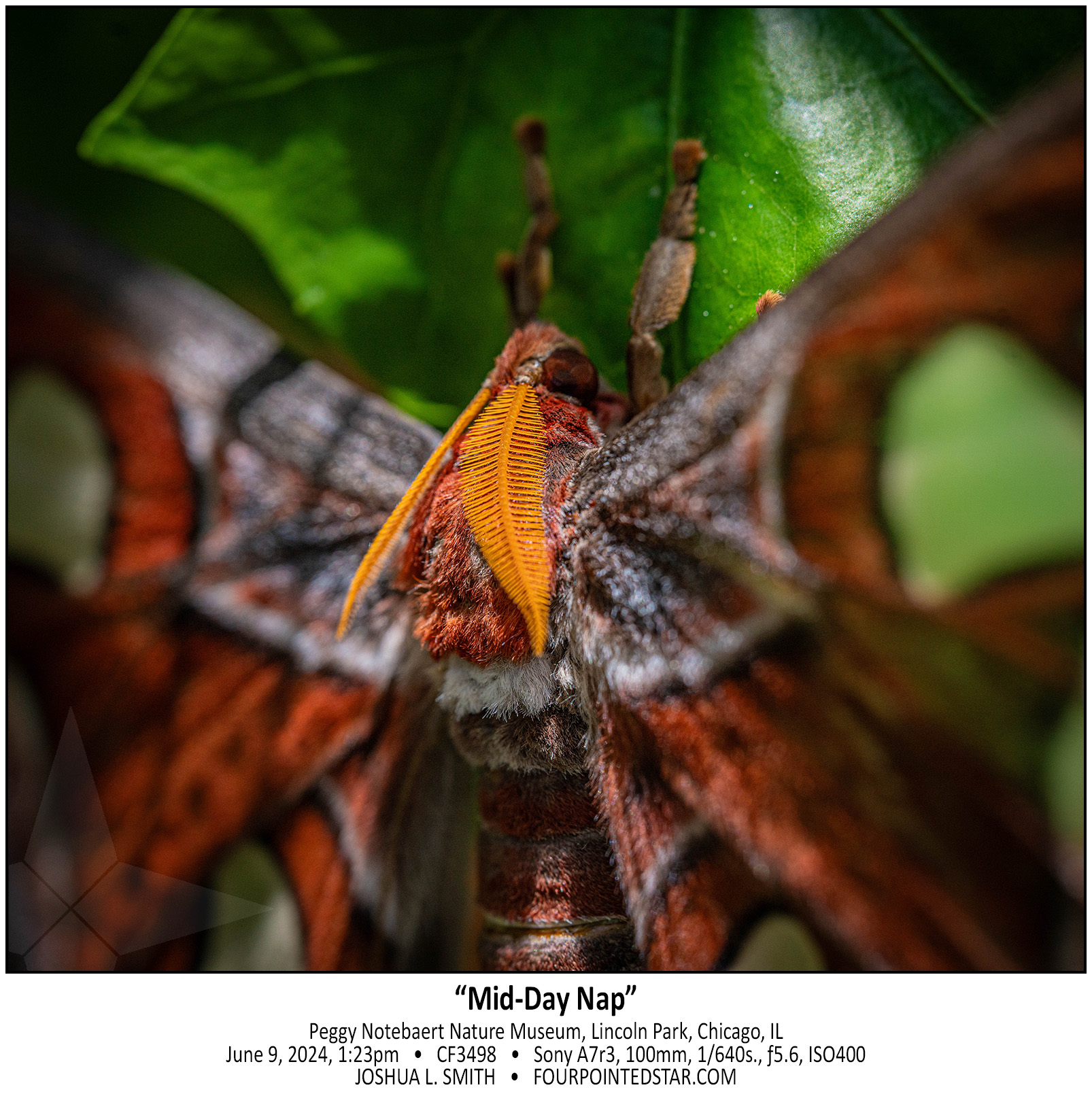
CF3498 240609 132335


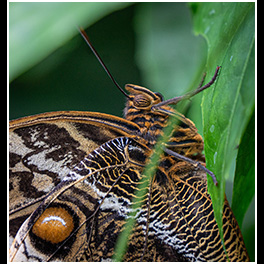
There’s a certain delight in seeing the shag carpet look of this moth in the daylight. This beautiful insect just hung there for the entire hour that we were inside the butterfly house at Peggy Notebaert.

…view older images with the thumbnails below…


CF3004 240609 124454

For the past few years, Sarah and I have visited Peggy Notebaert Nature Museum in downtown Chicago; they have a wonderful year-round butterfly sanctuary/exhibit. In the winter, it’s a wonderful break from the cold and grey.
This winter it was way too busy, but we finally made it down there for our anniversary last weekend.

…view older images with the thumbnails below…


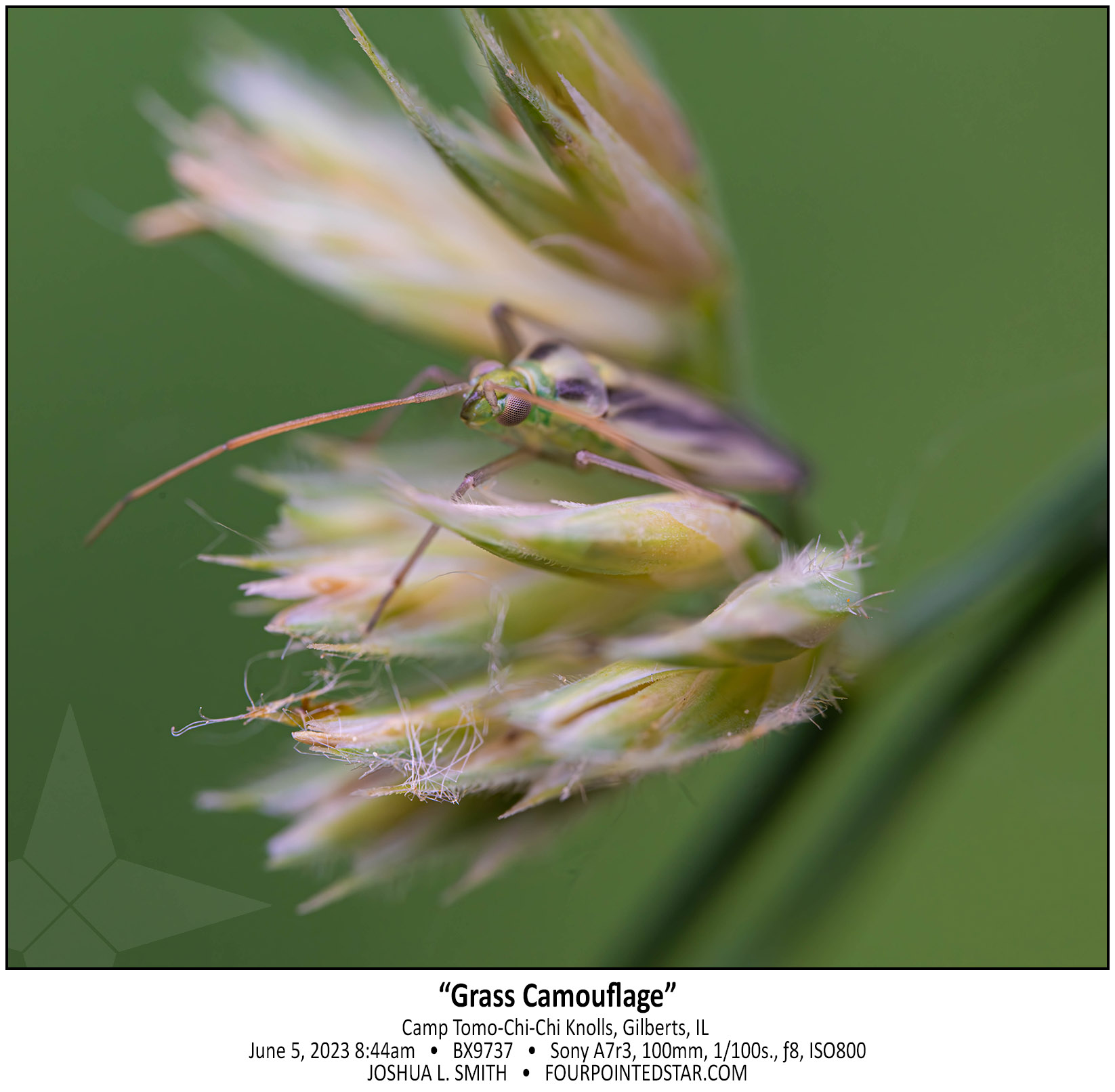
BX9737 230605 084405

…view older images with the thumbnails below…


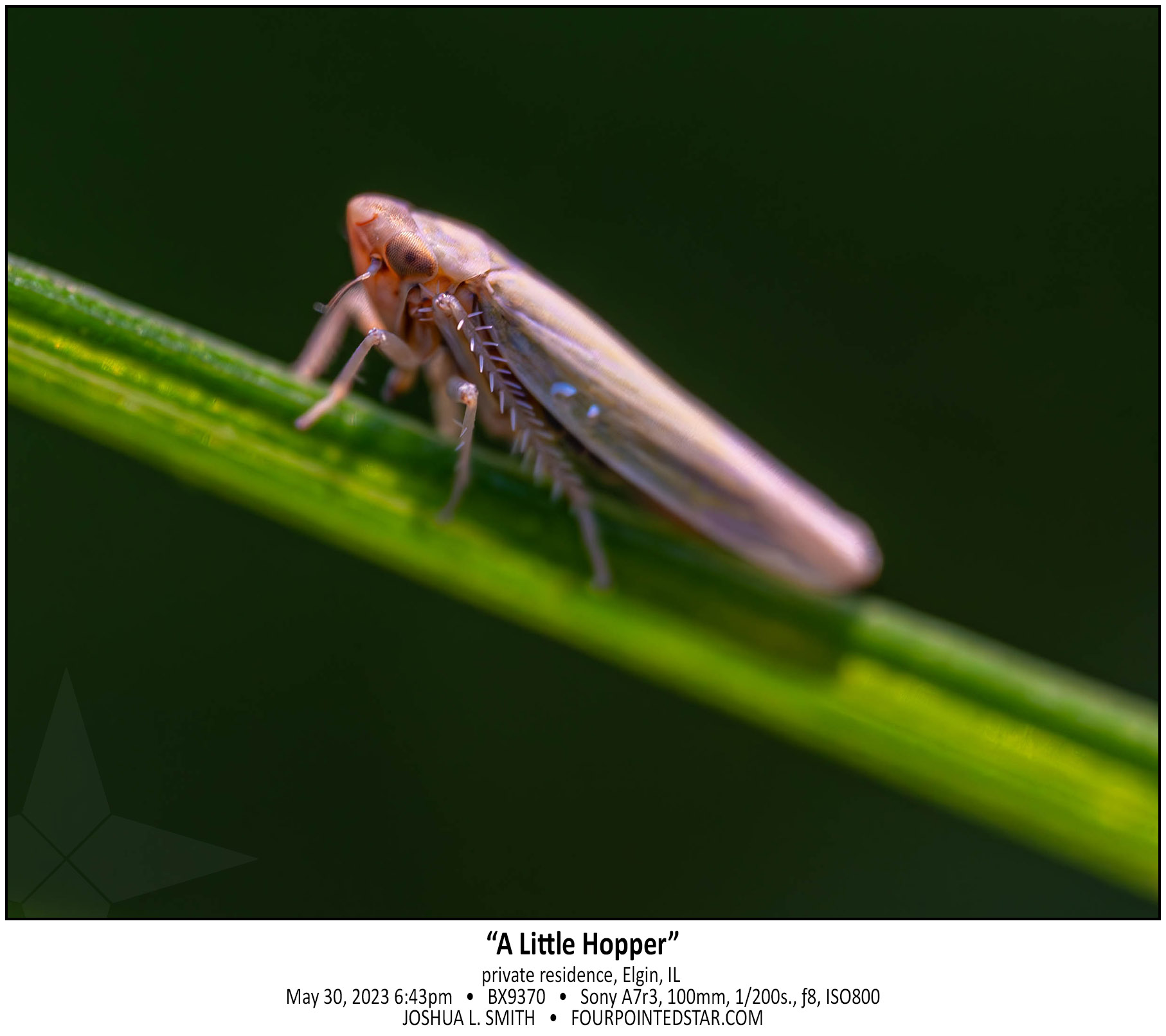
“A Little Hopper”

September 22nd, 2023

…view older images with the thumbnails below…  

BX9370 230530 184333

…view older images with the thumbnails below…


BY4843 230806 125609

…view older images with the thumbnails below…


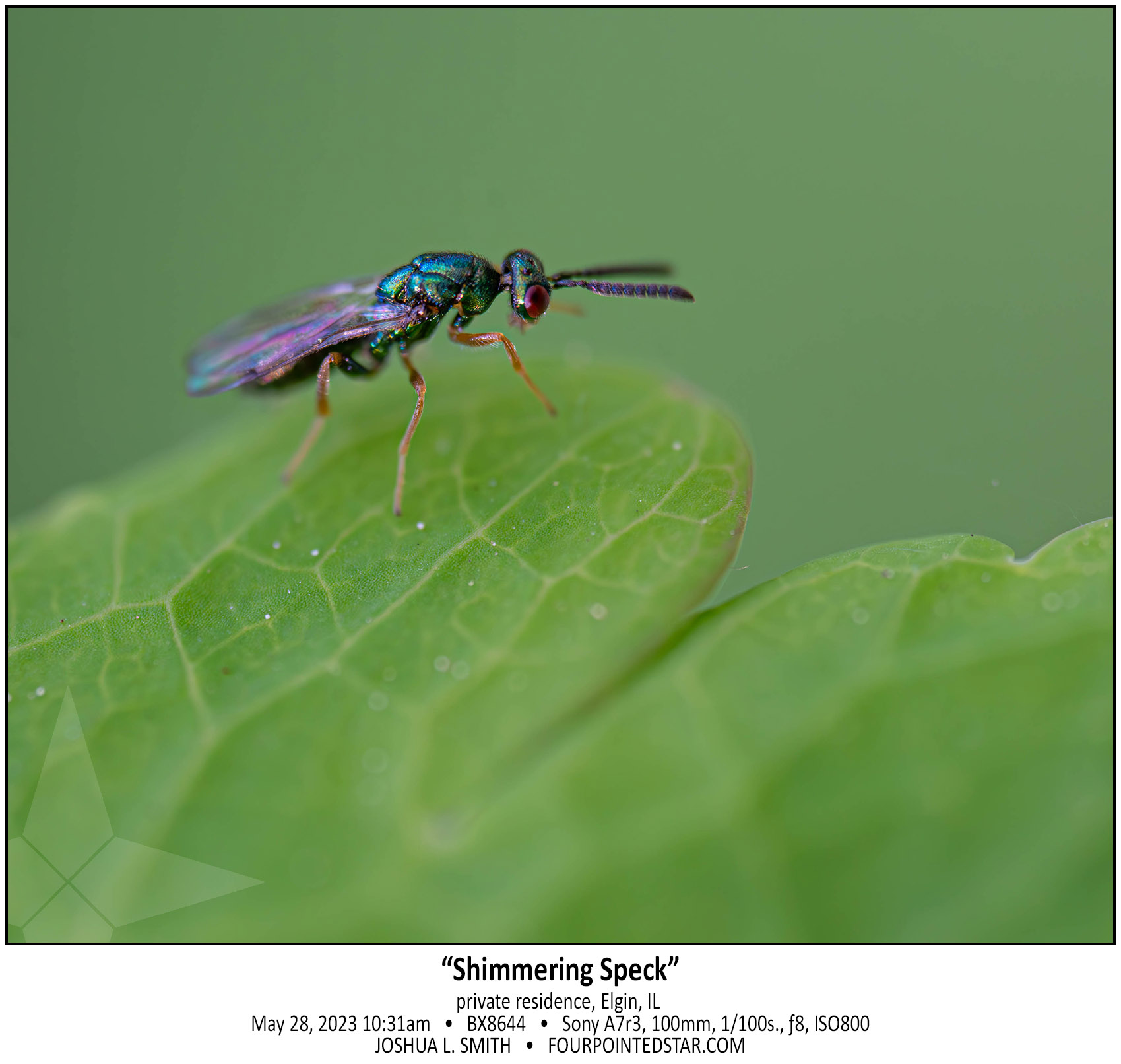
BY8644 230528 103125

…view older images with the thumbnails below…


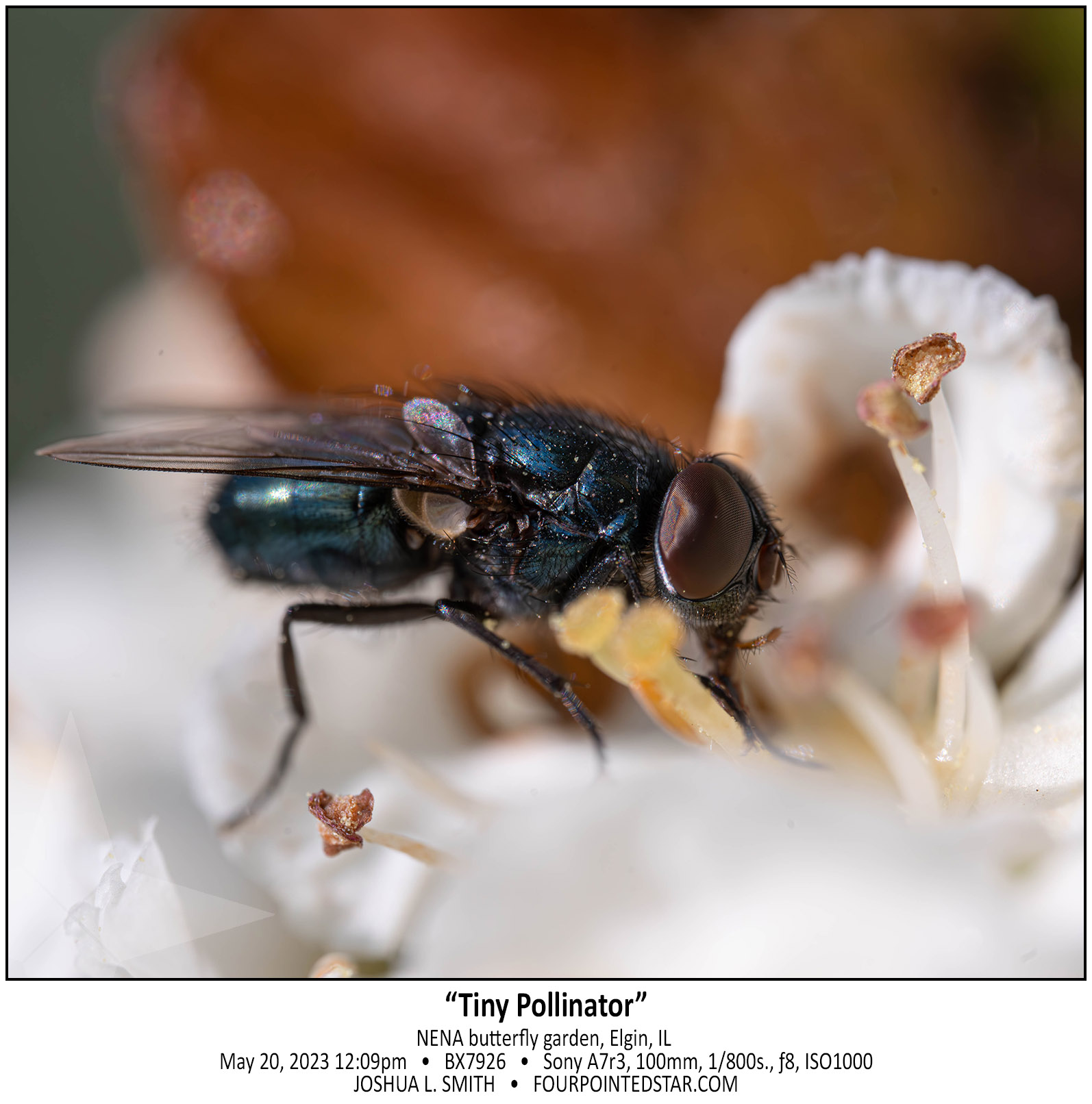
“Tiny Pollinator”

September 18th, 2023

…view older images with the thumbnails below…  

BX7926 230520 120918

…view older images with the thumbnails below…


BX7814 230520 104840

…view older images with the thumbnails below…


BY0712 230625 082720

…view older images with the thumbnails below…


“Creeping Around”

September 15th, 2023

…view older images with the thumbnails below…  

BX9842 230606 181254

…view older images with the thumbnails below…


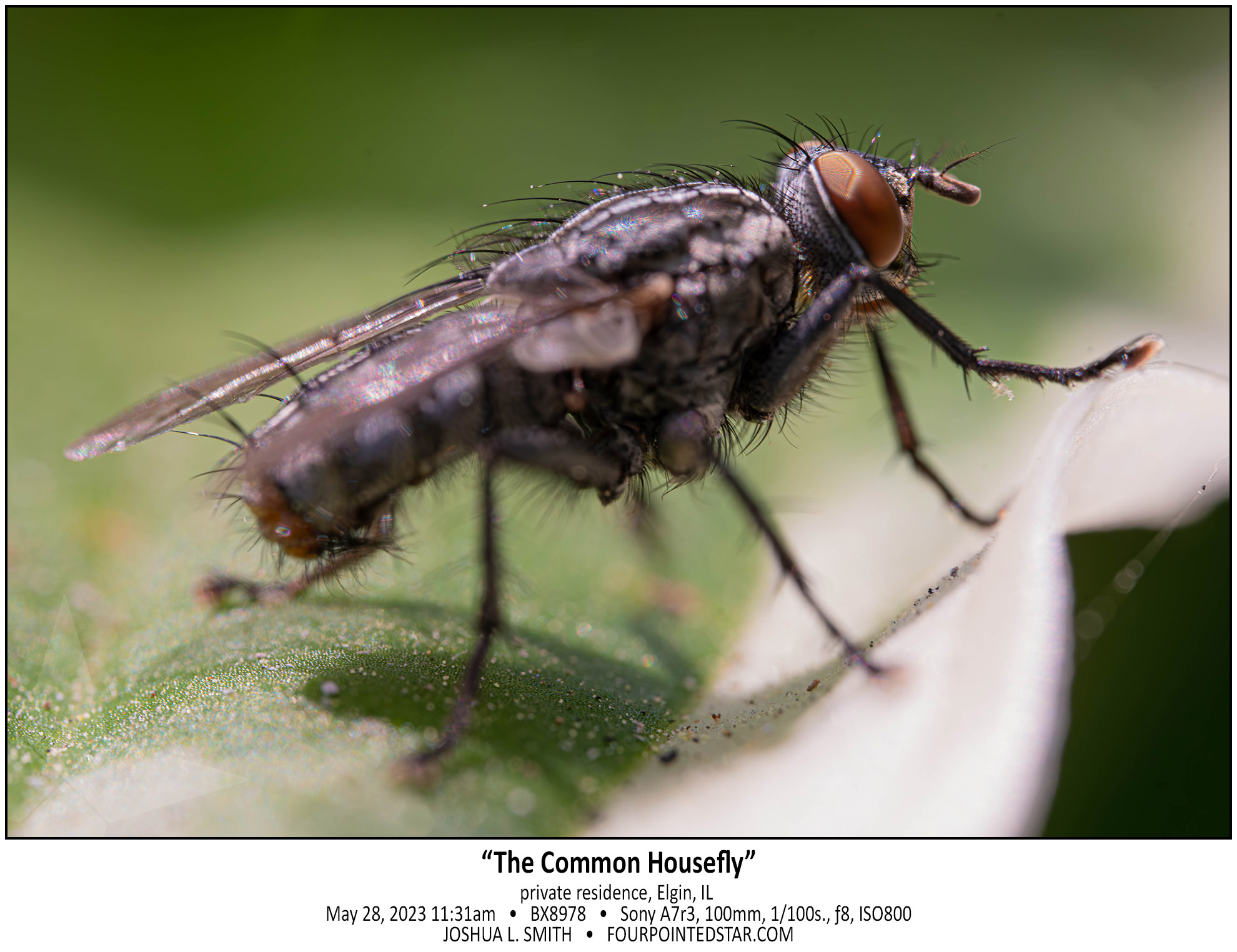
BX8978 230528 113144

…view older images with the thumbnails below…


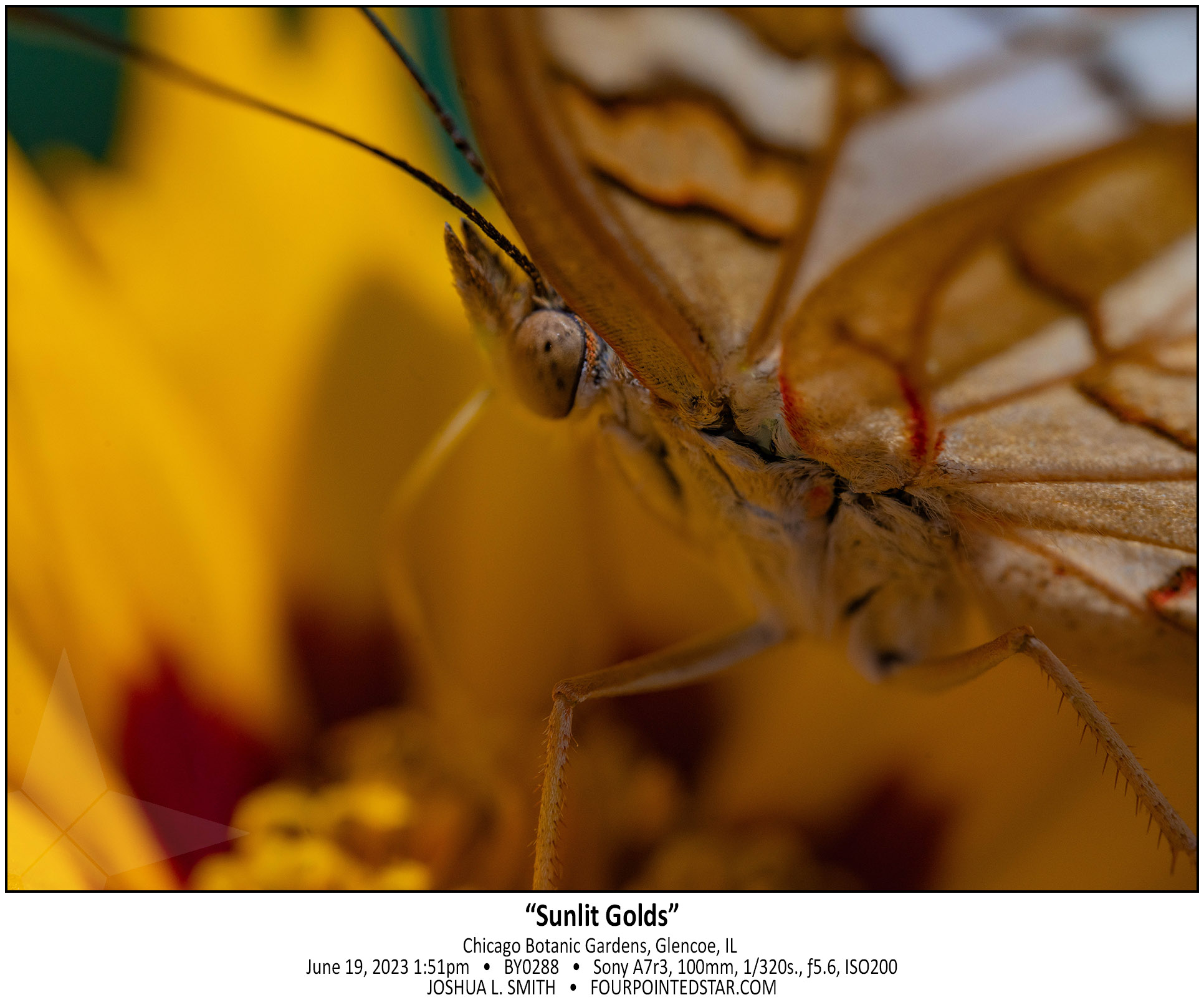
BY0288 230619 135139

…view older images with the thumbnails below…


BY0057 230610 155645

…view older images with the thumbnails below…


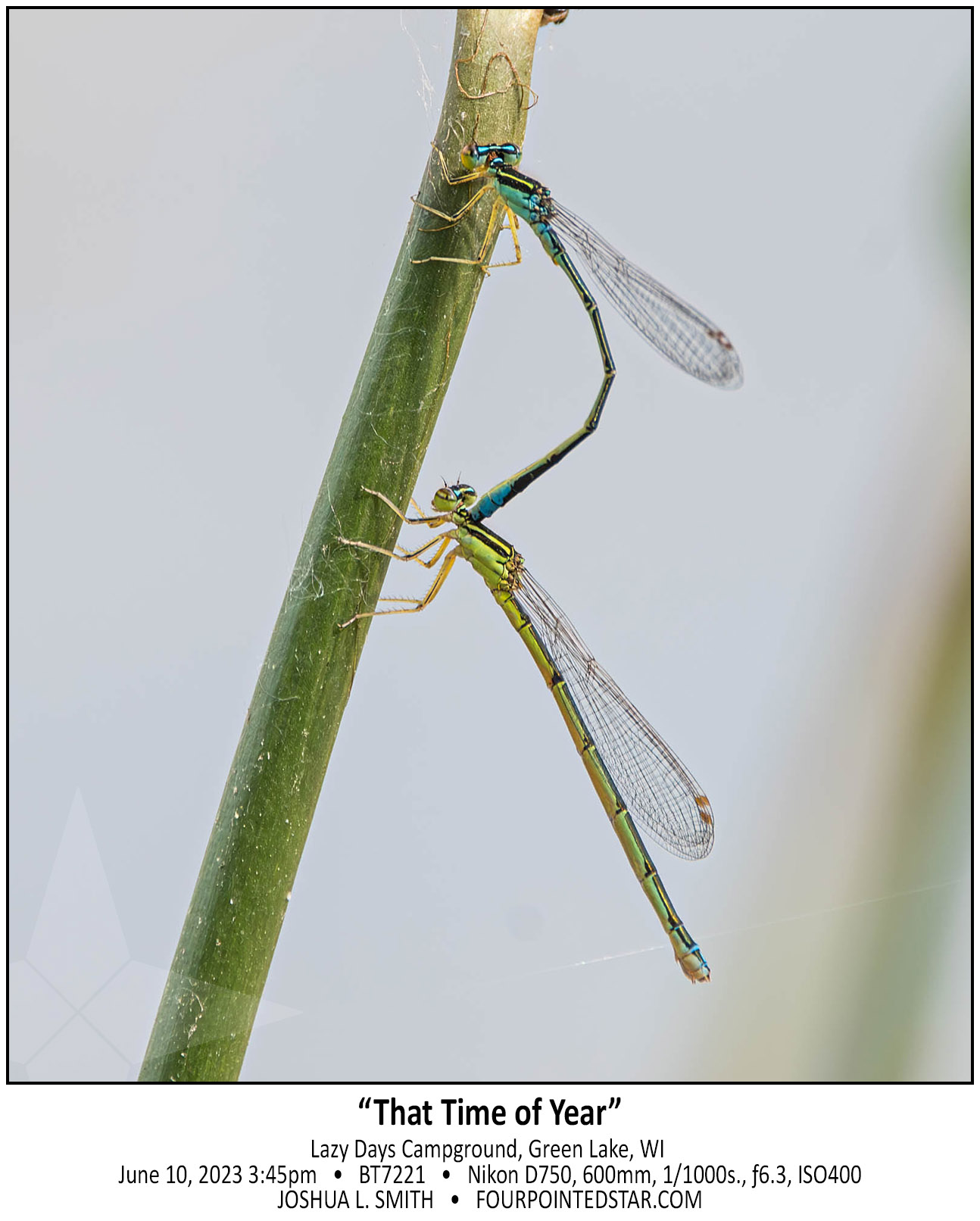
“That Time of Year”

September 11th, 2023

…view older images with the thumbnails below…  

BT7221 230610 154548

…view older images with the thumbnails below…


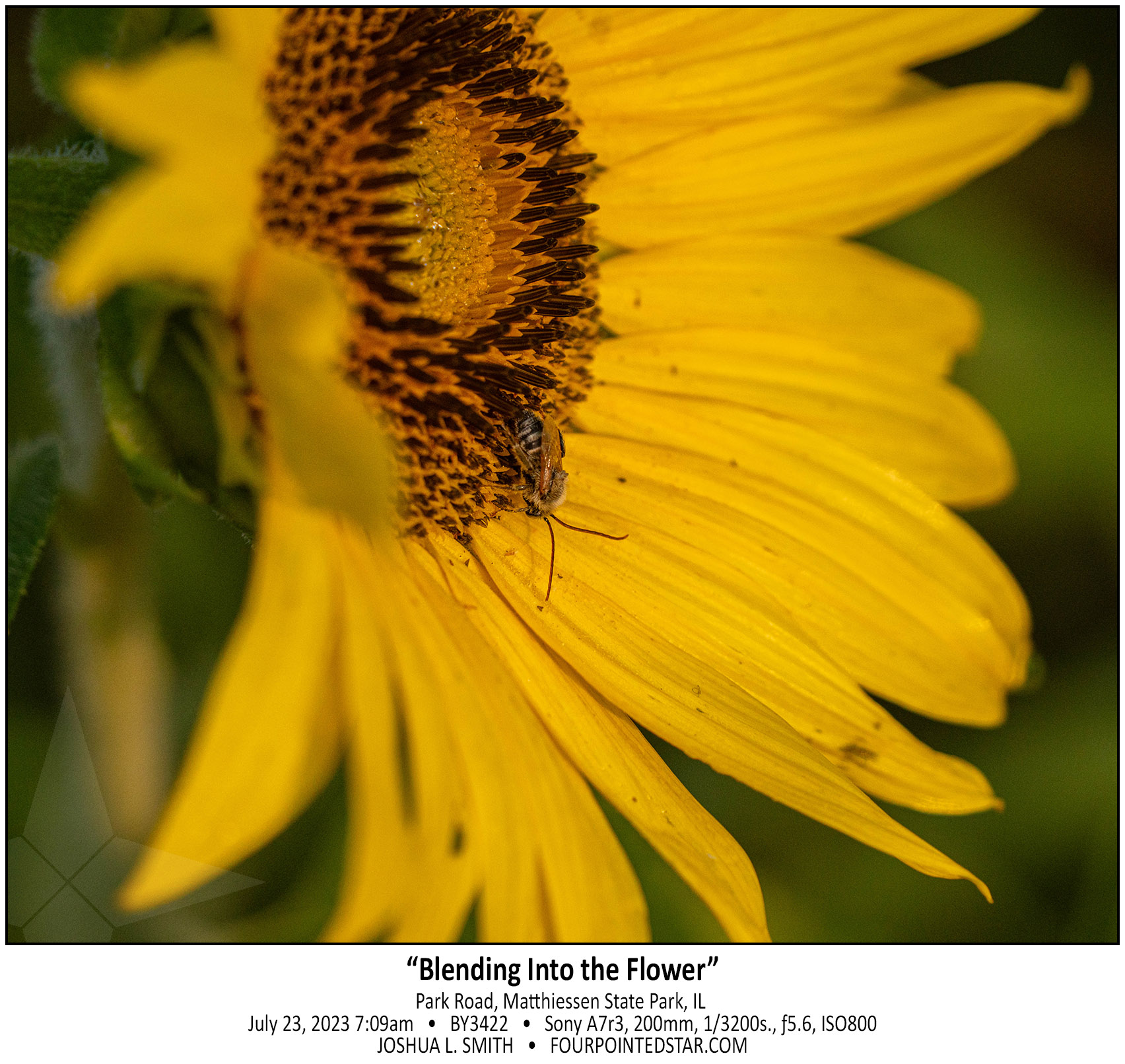
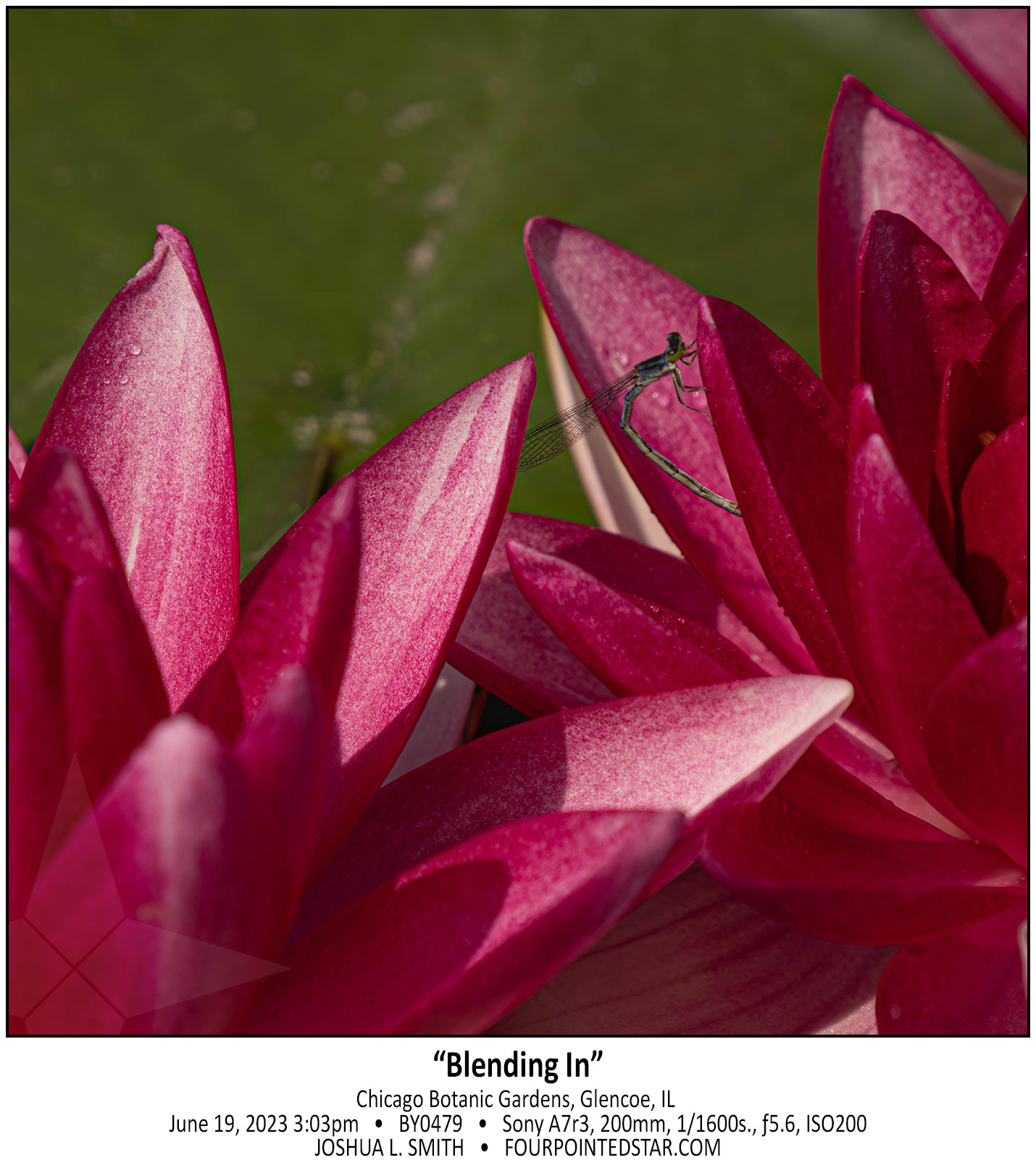
“Blending Into the Flower”

August 29th, 2023

…view older images with the thumbnails below…  

BY3422 230723 070911

…view older images with the thumbnails below…


BT7234 230619 135432

…view older images with the thumbnails below…


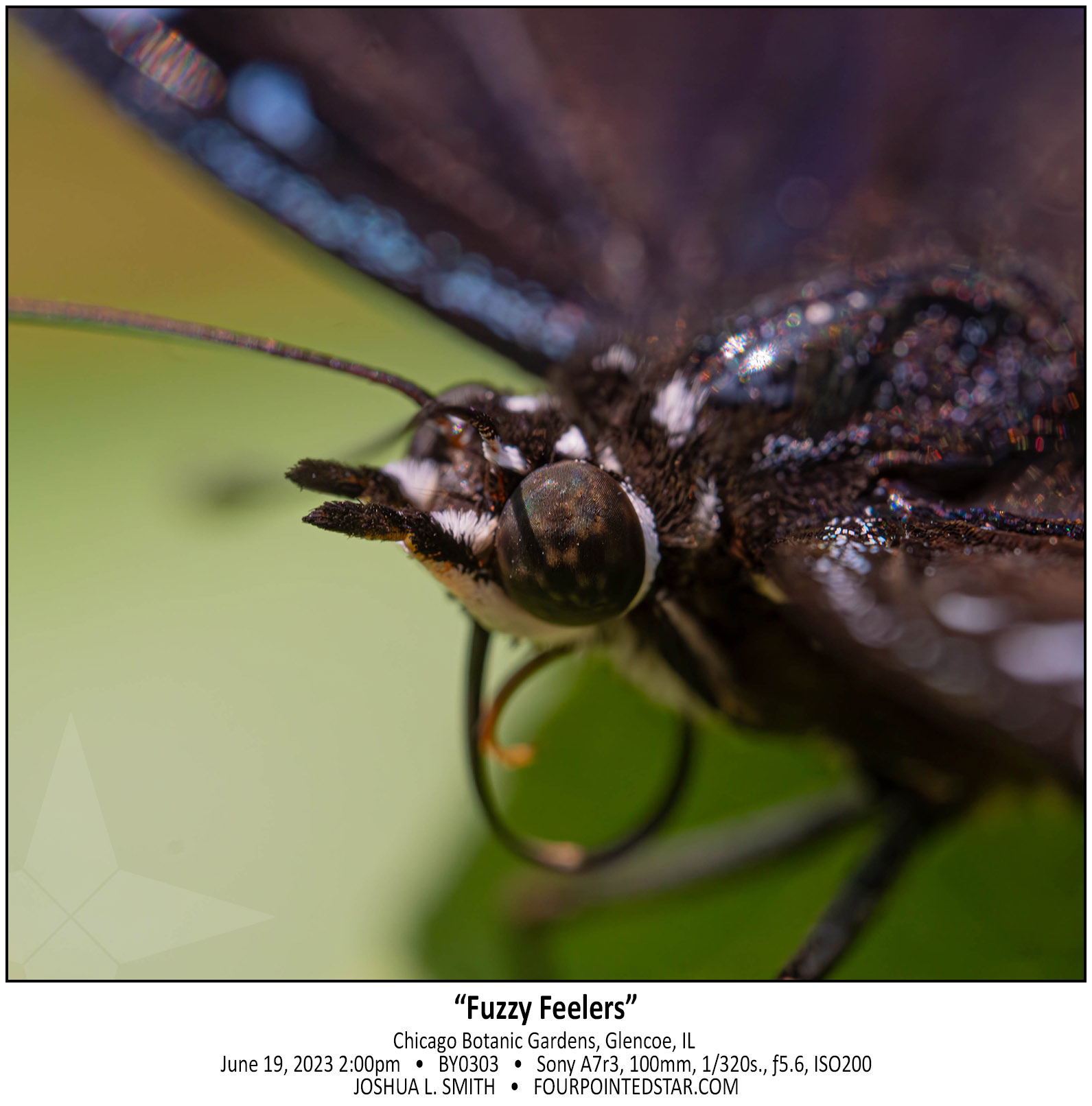
BY0303 230619 140010

…view older images with the thumbnails below…


BY0351 230619 140155

…view older images with the thumbnails below…


BY0367 230616 140411

…view older images with the thumbnails below…


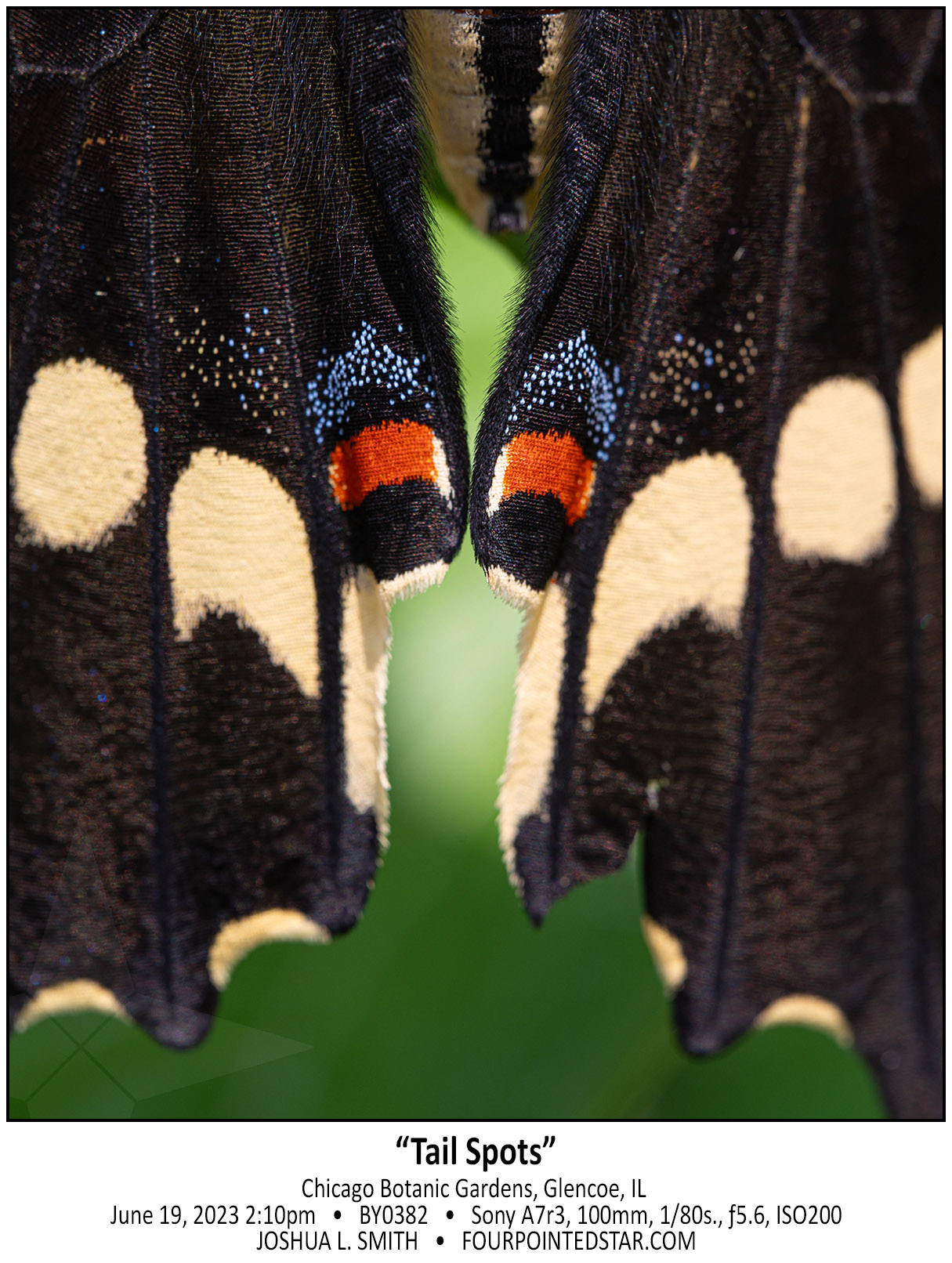
BY0382 230619 141002

…view older images with the thumbnails below…


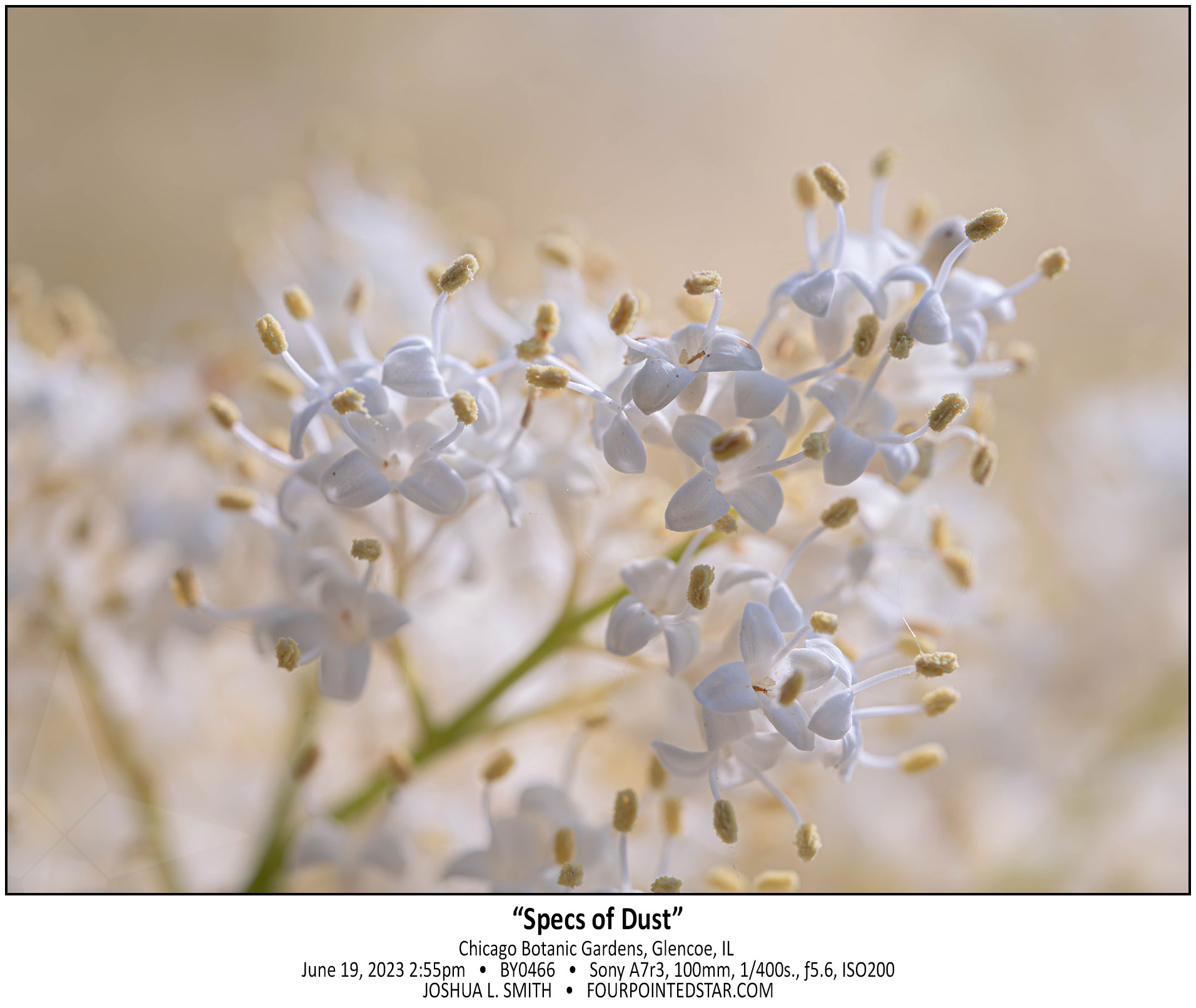
BY0466 230619 145503

…view older images with the thumbnails below…


BY0479 230619 150338

…view older images with the thumbnails below…


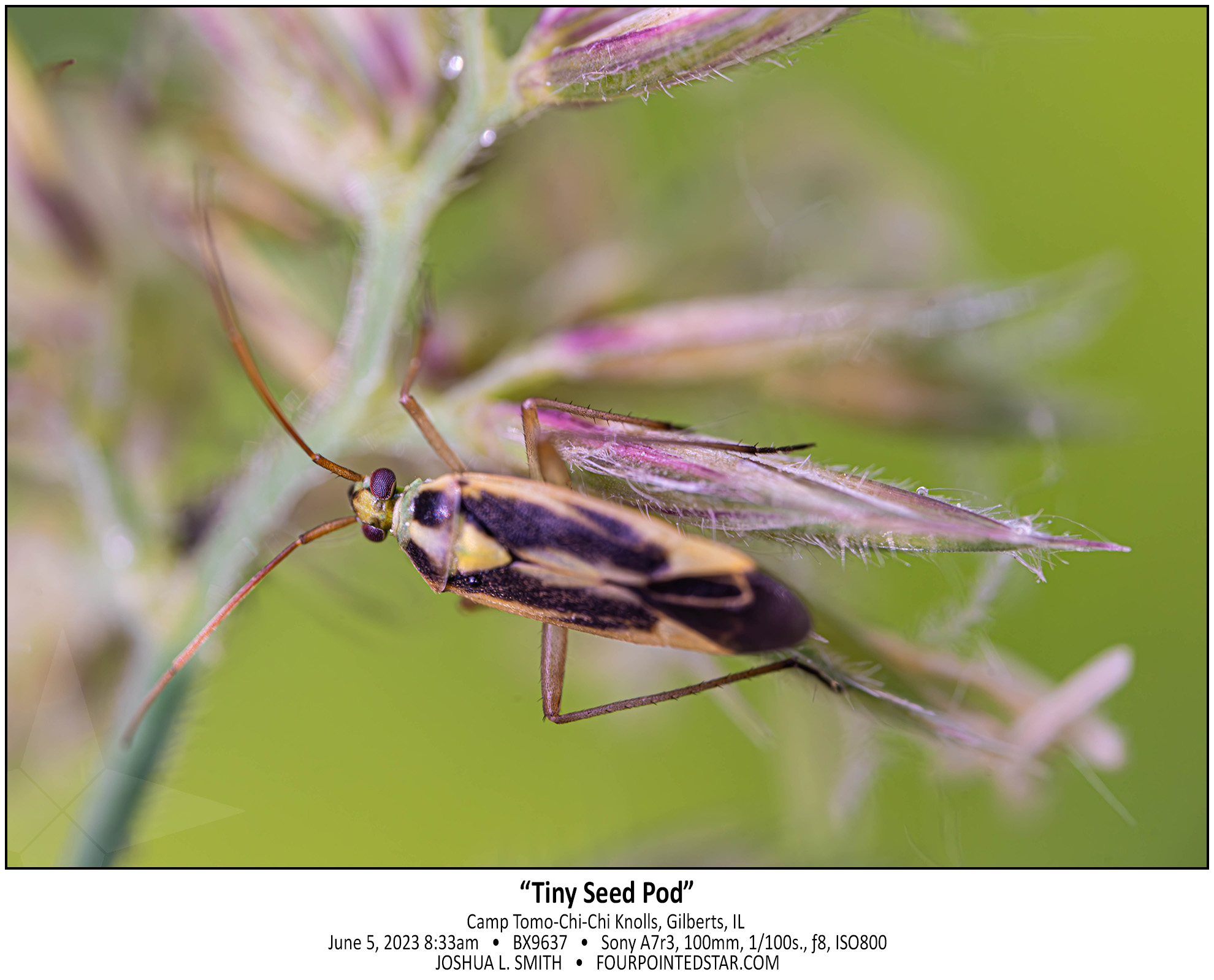
BX9637 230605 083352

…view older images with the thumbnails below…


BX9530 230605 082645

…view older images with the thumbnails below…