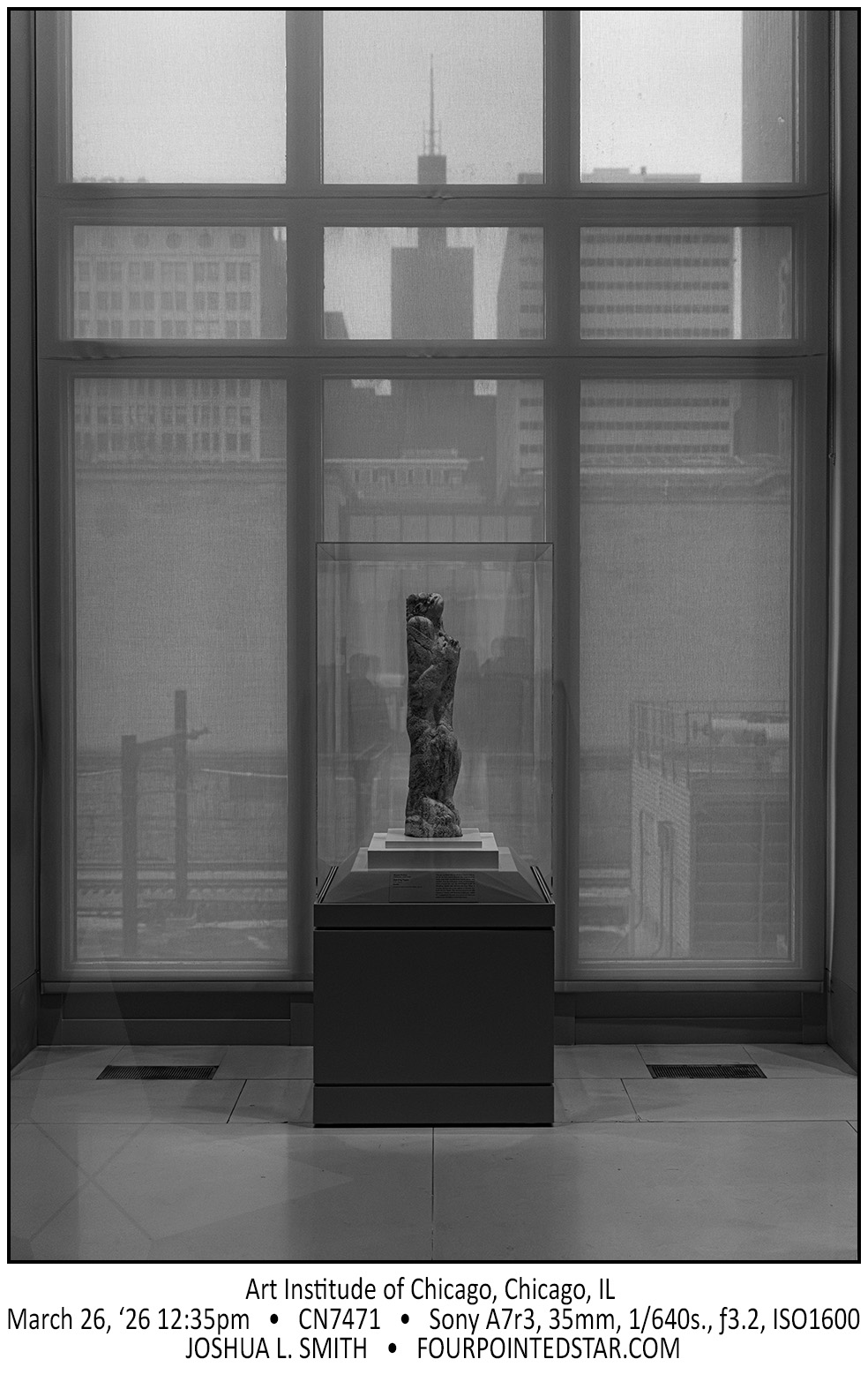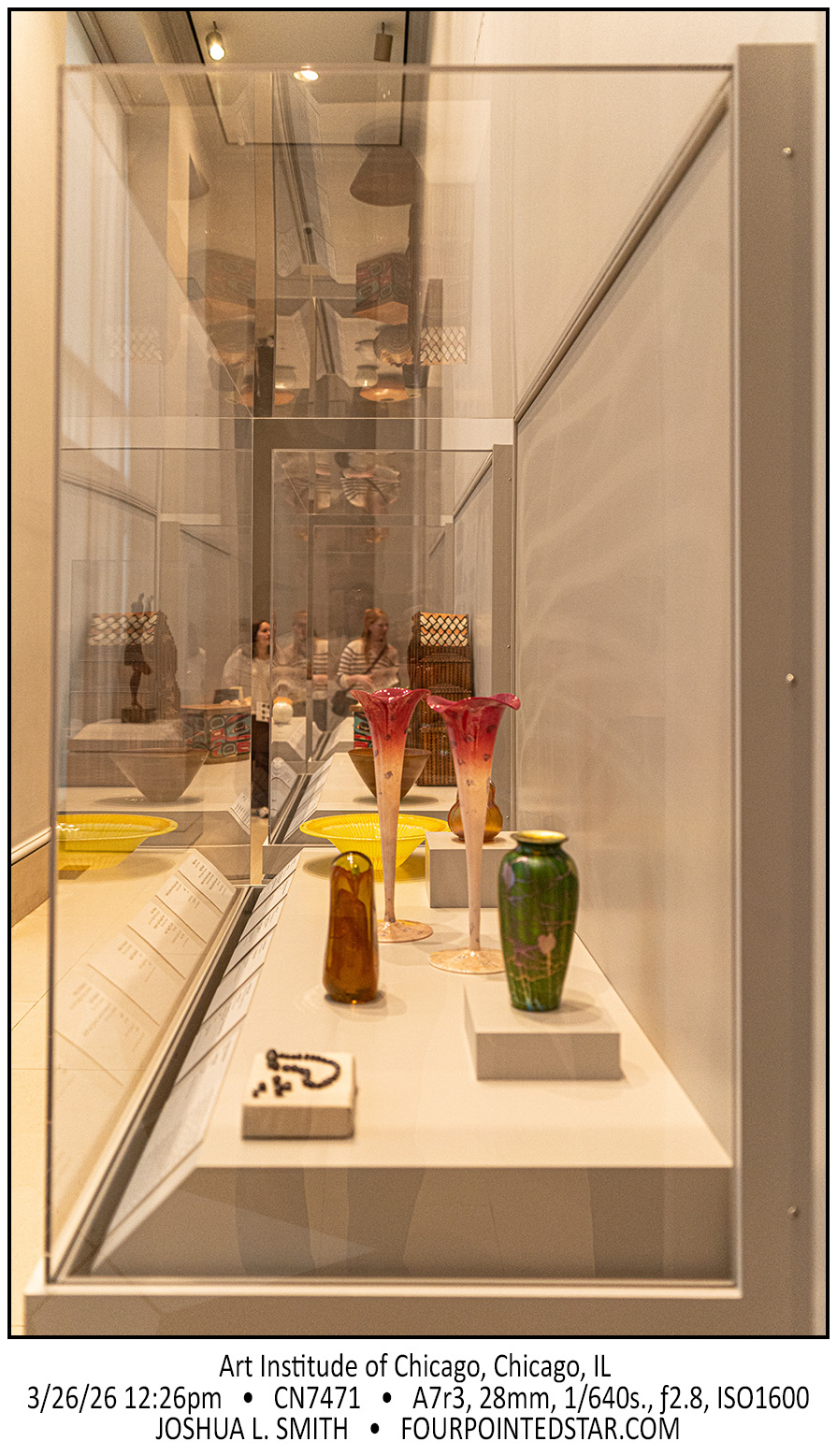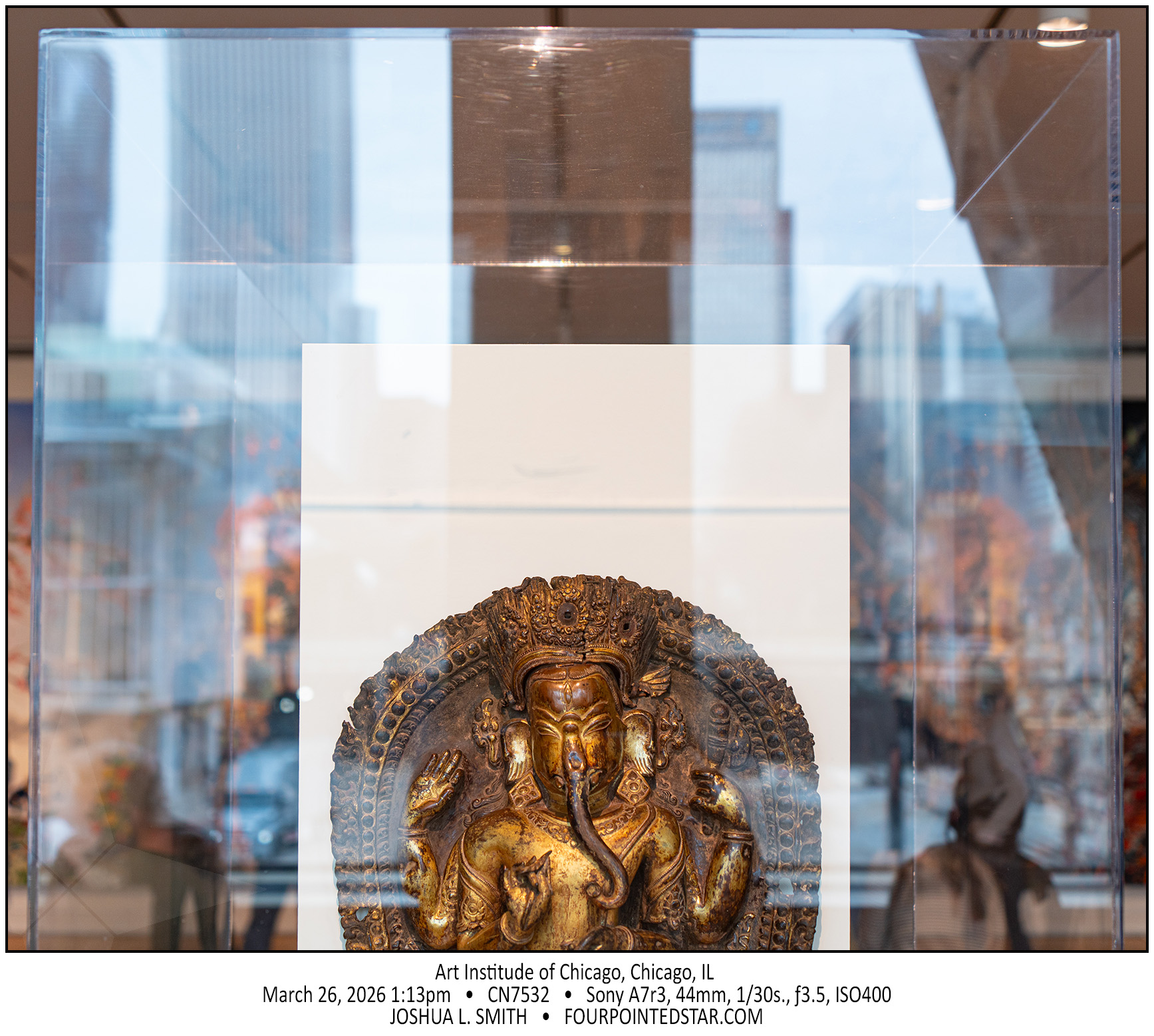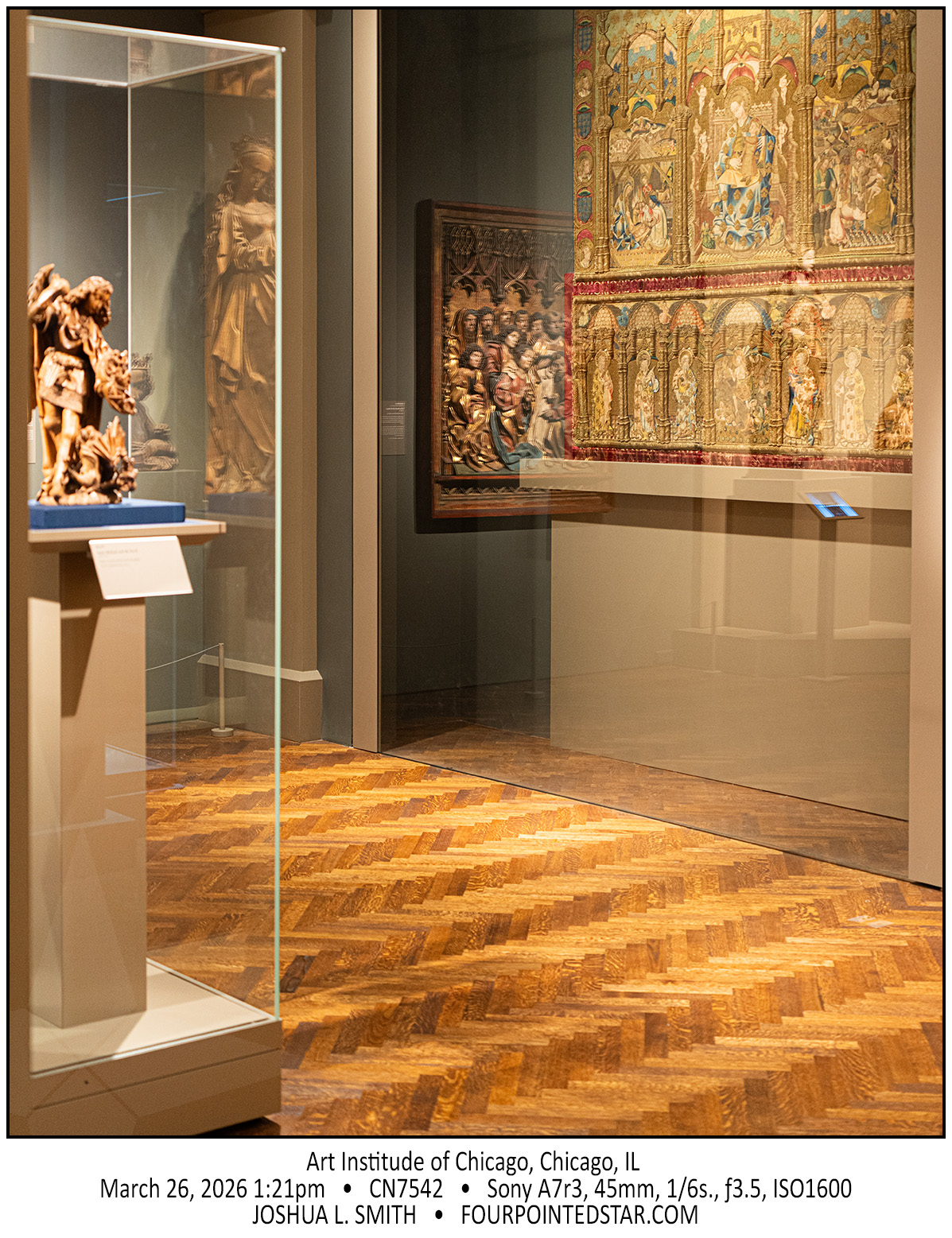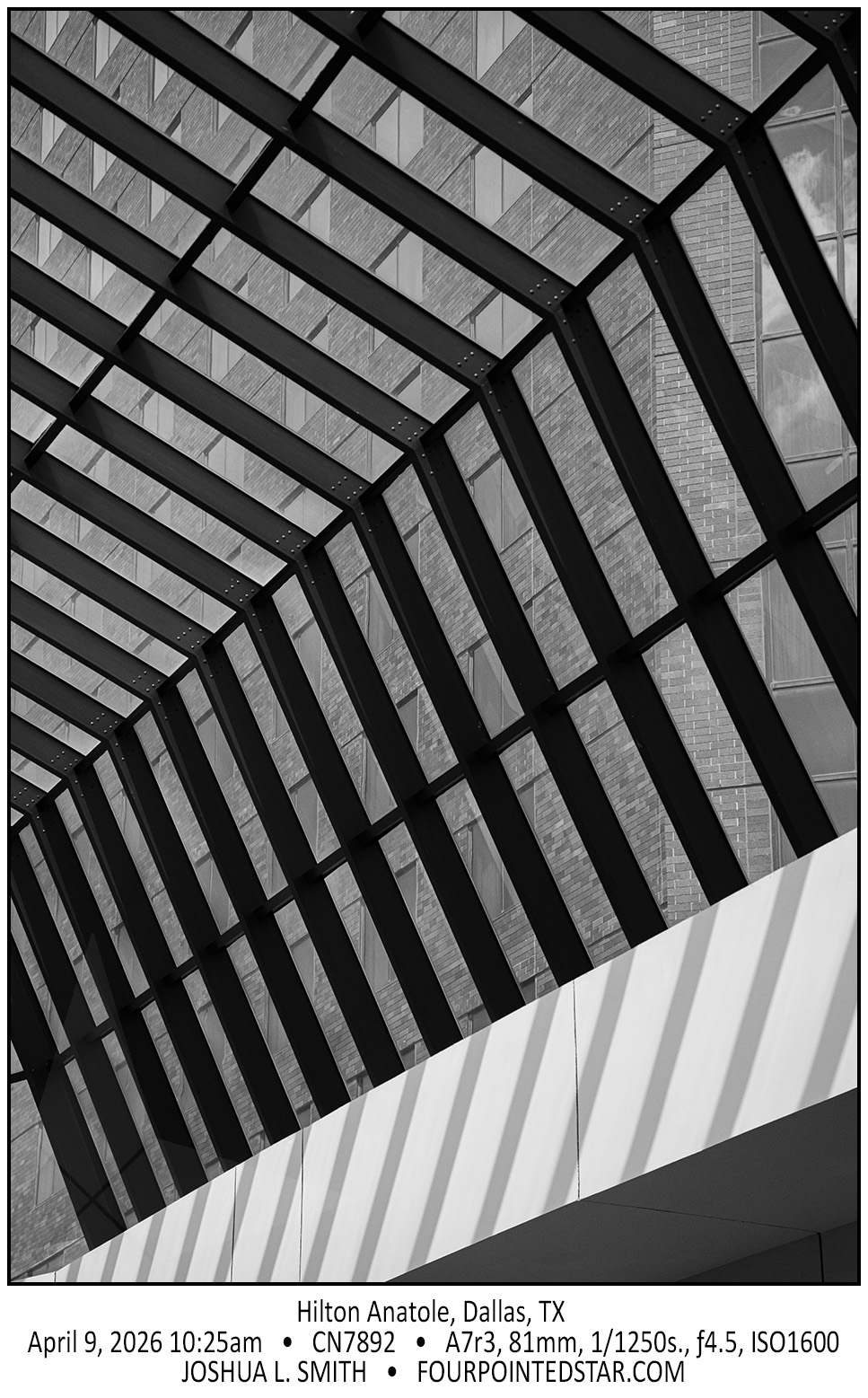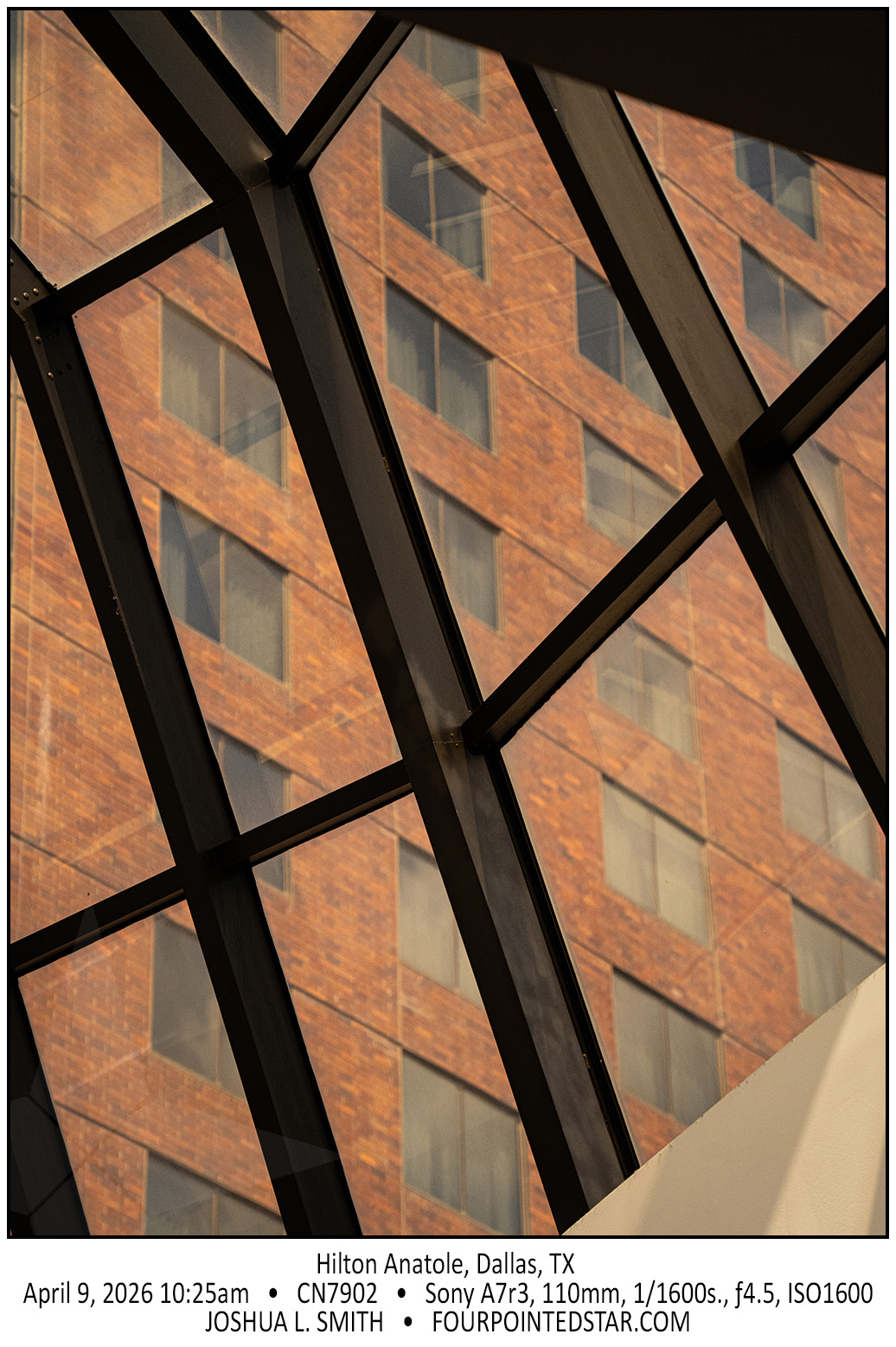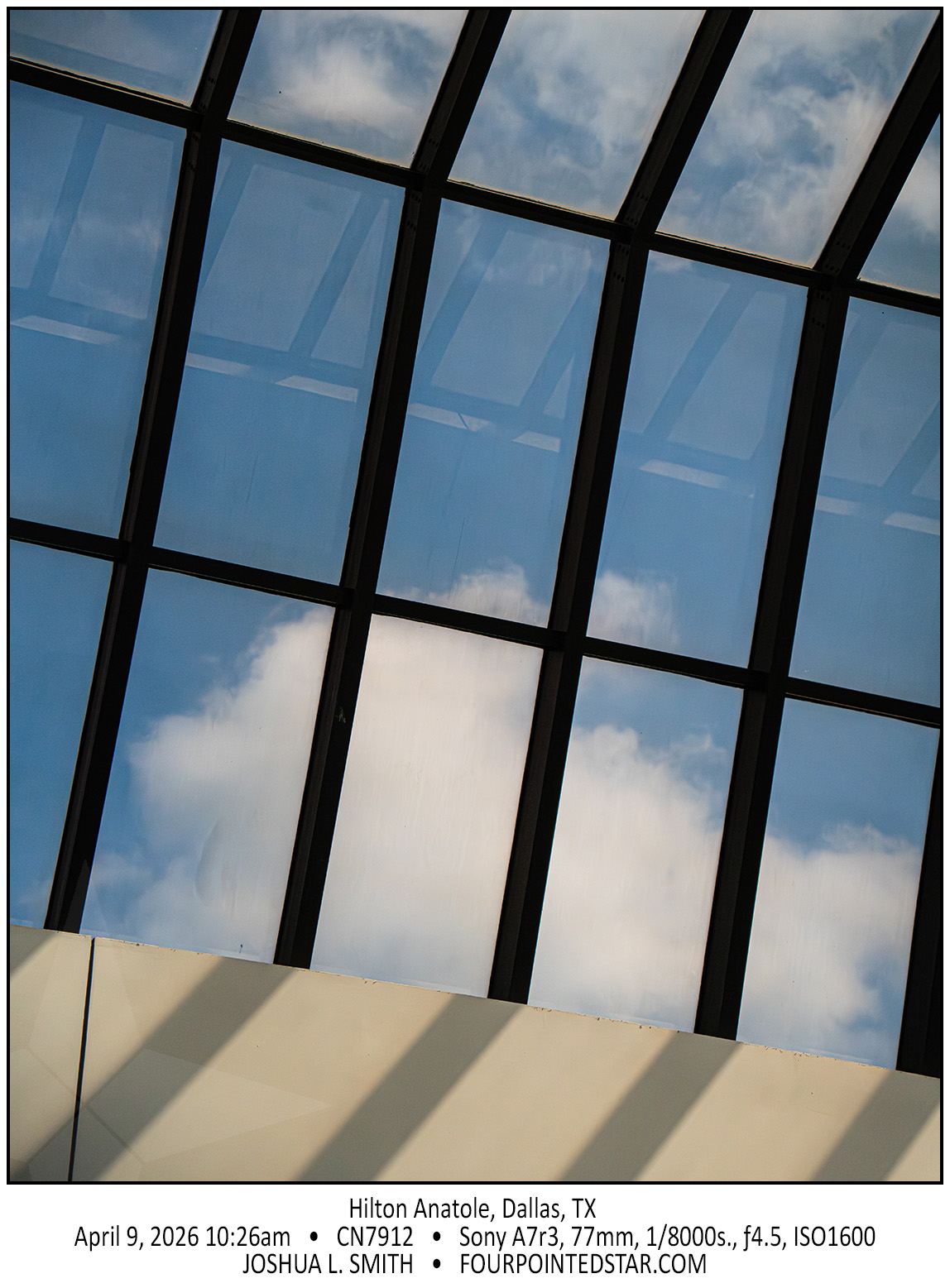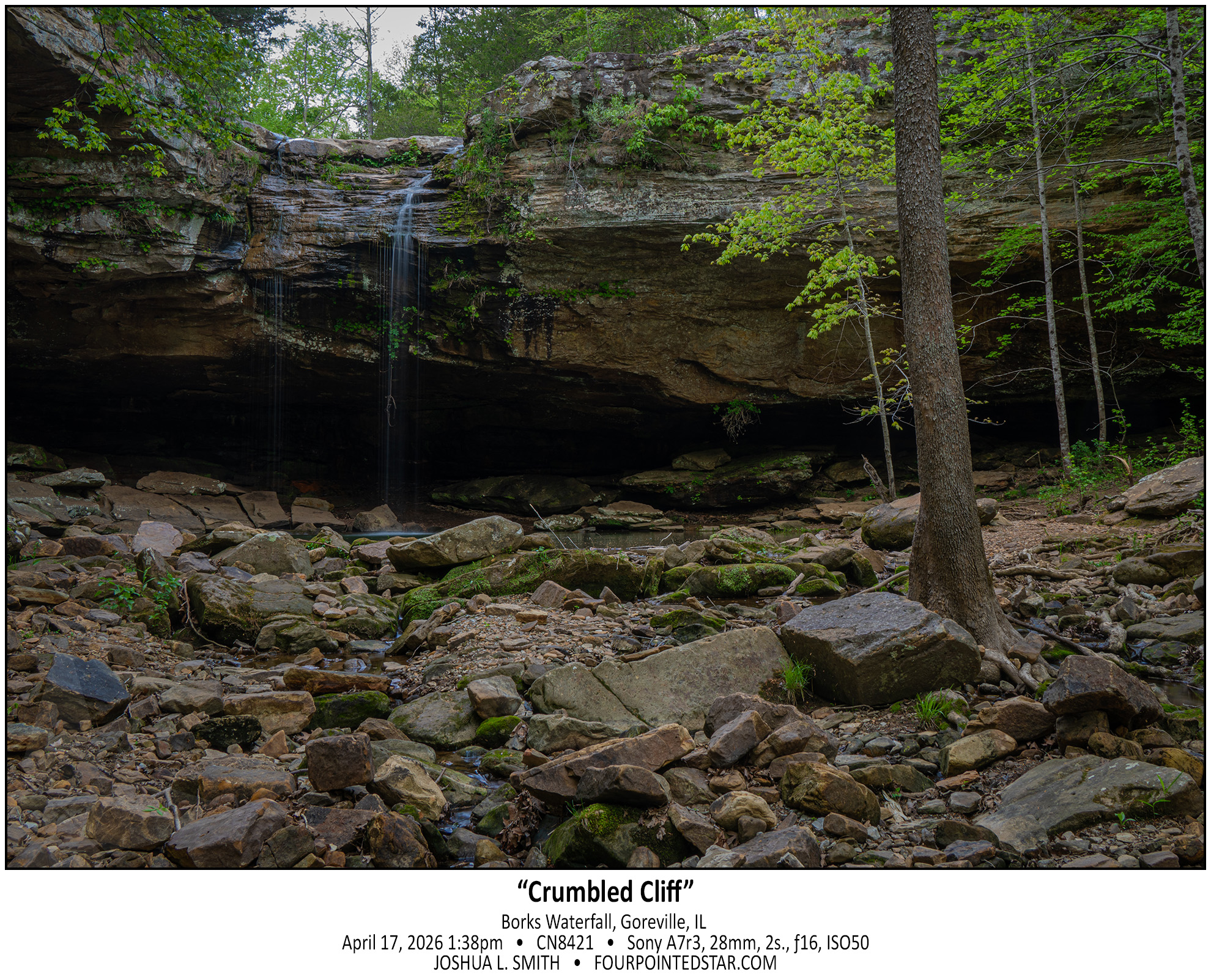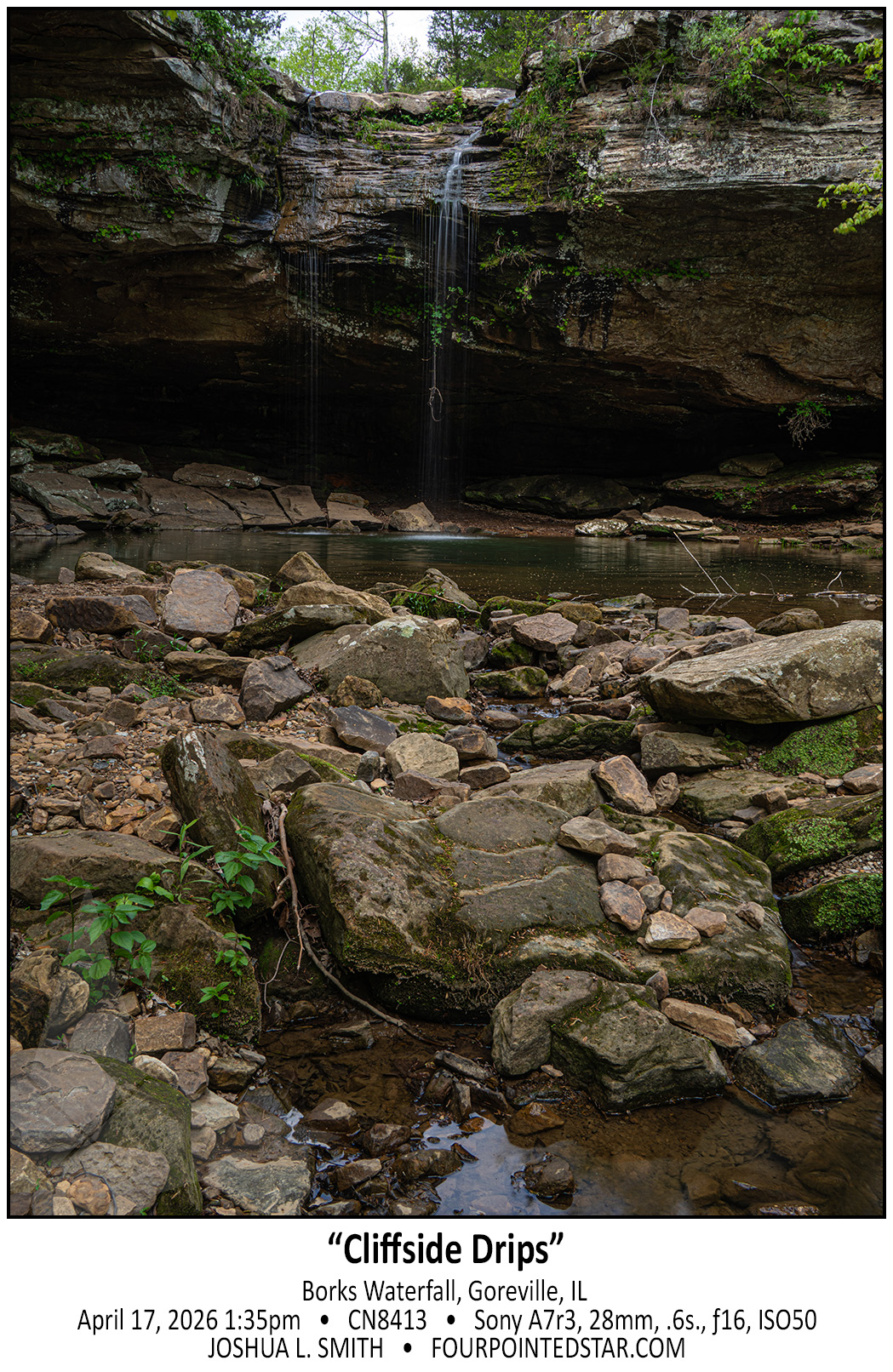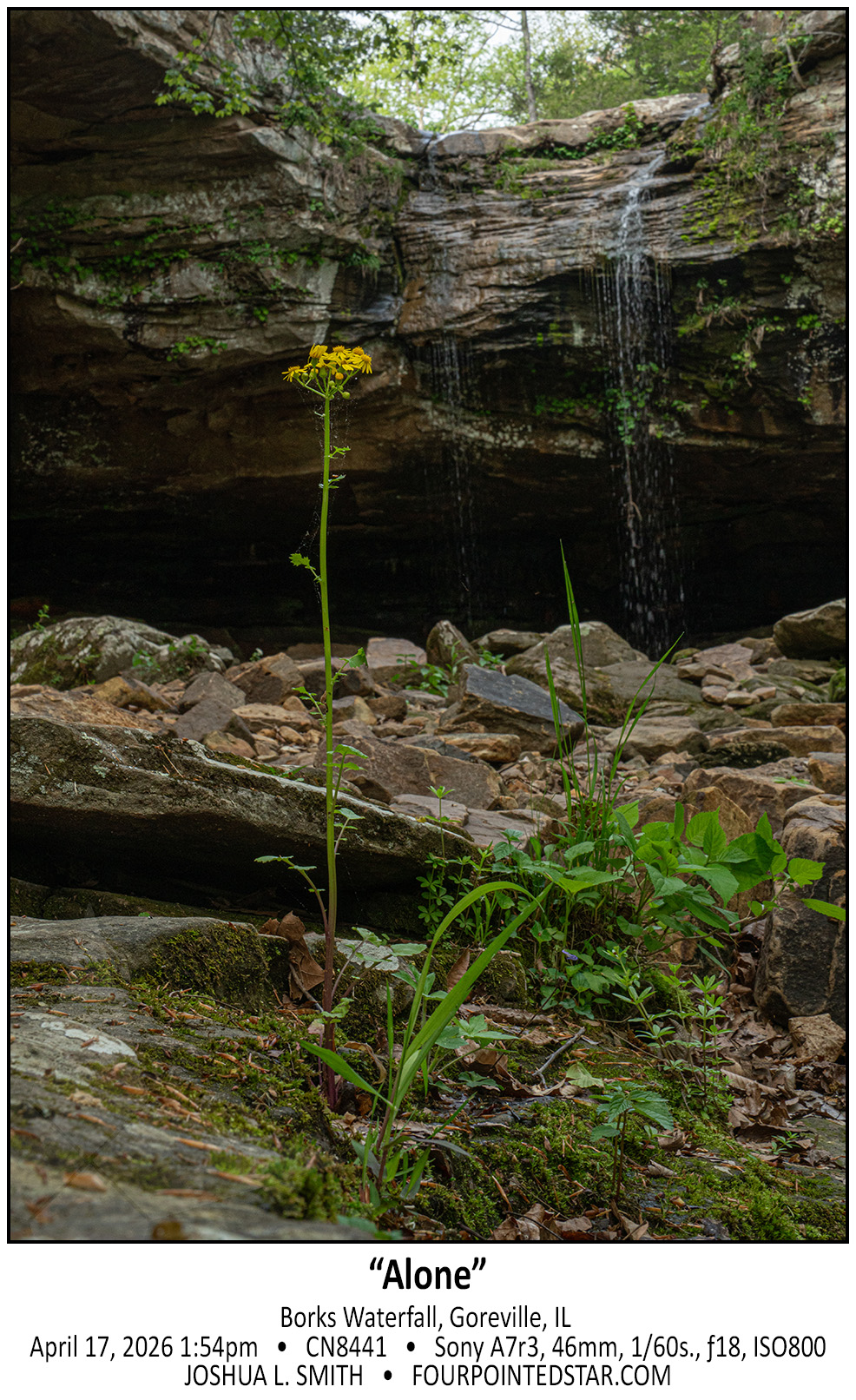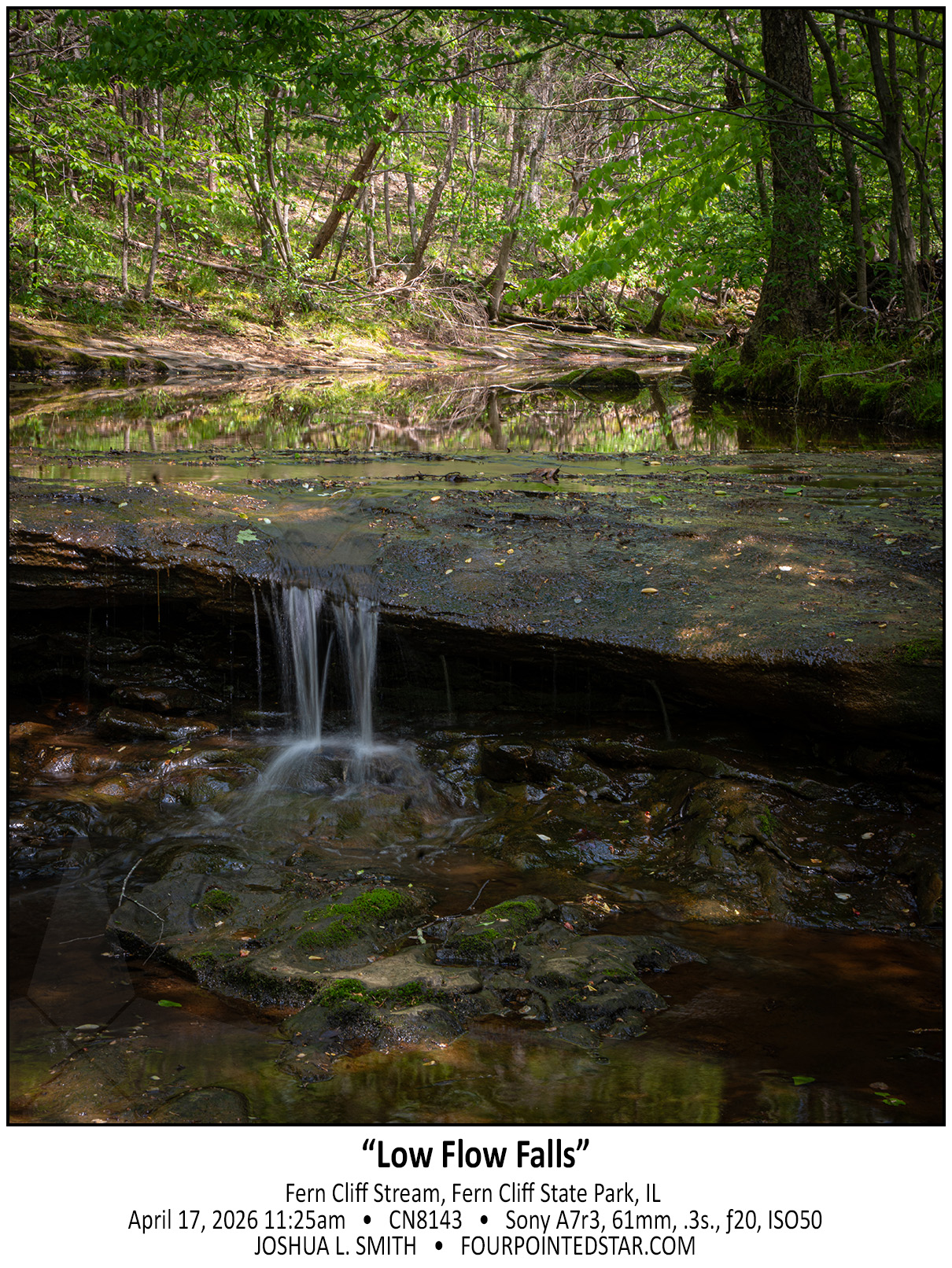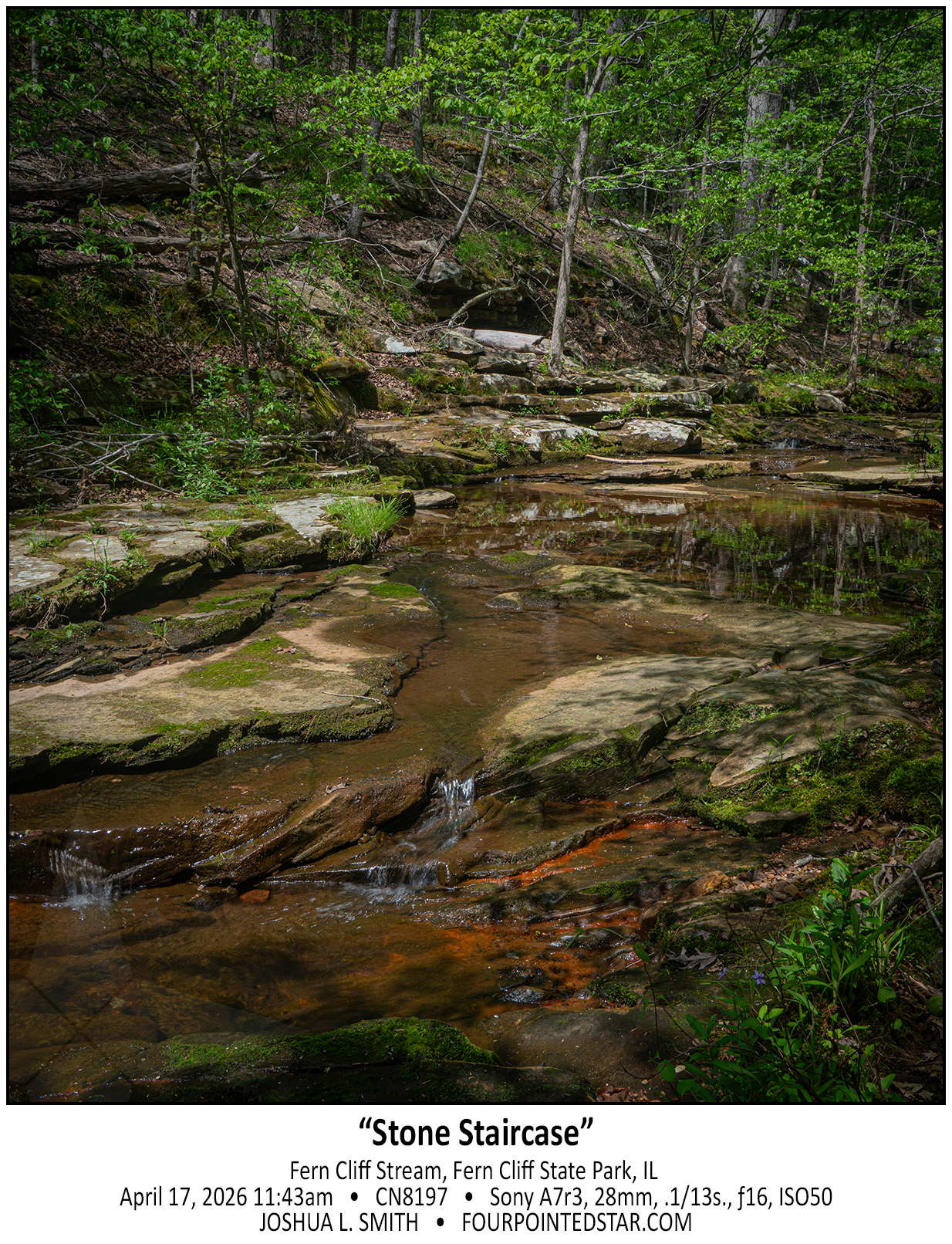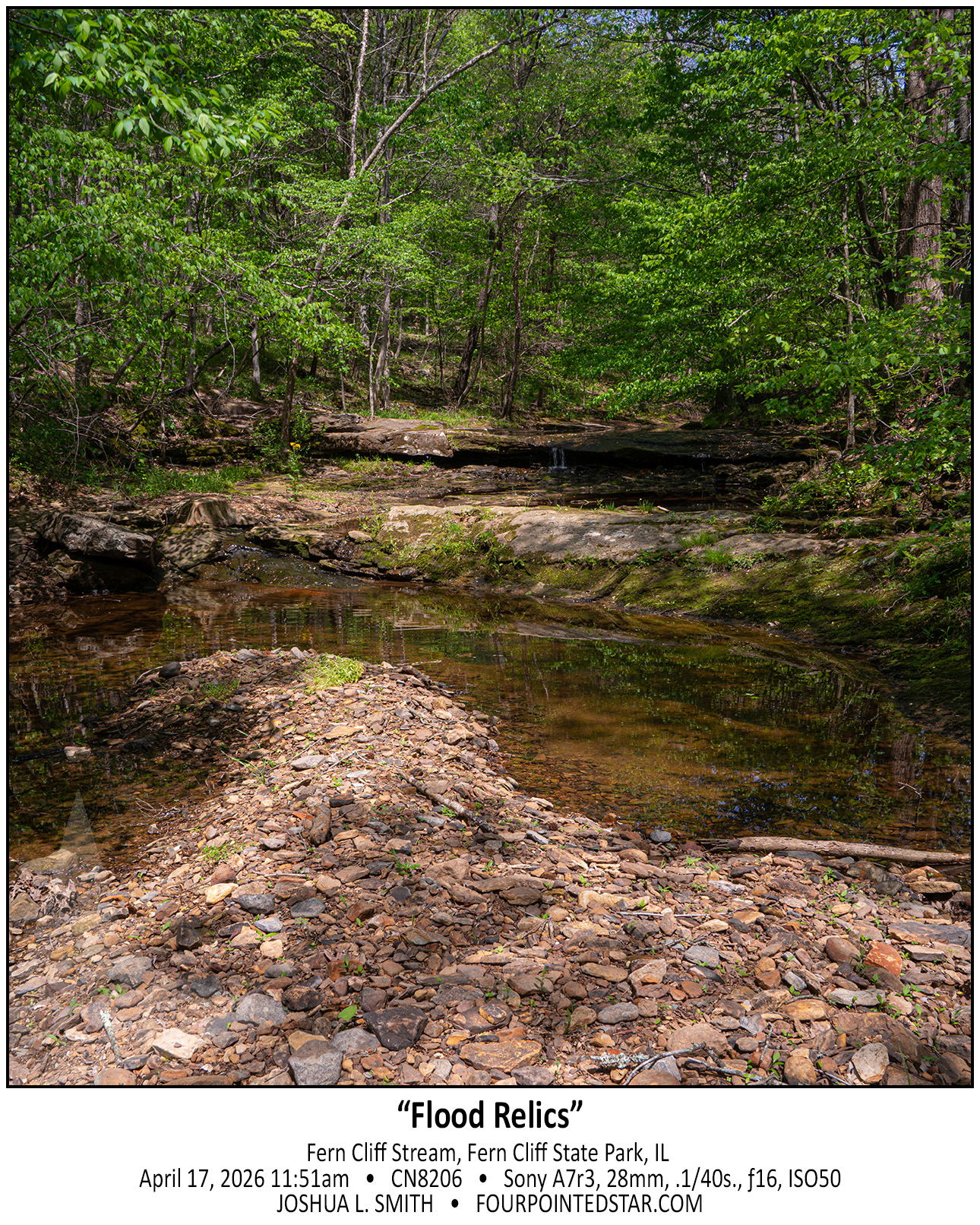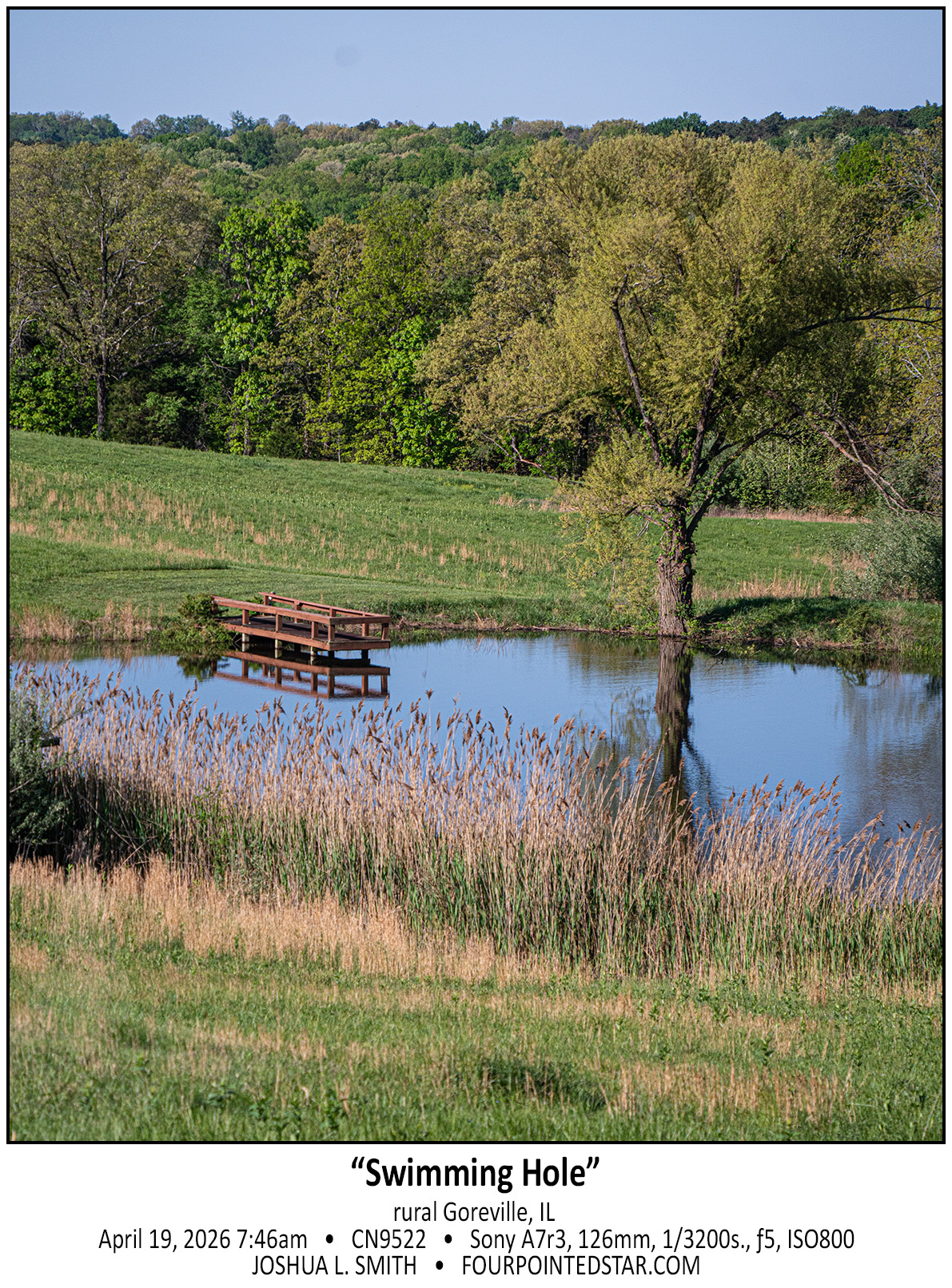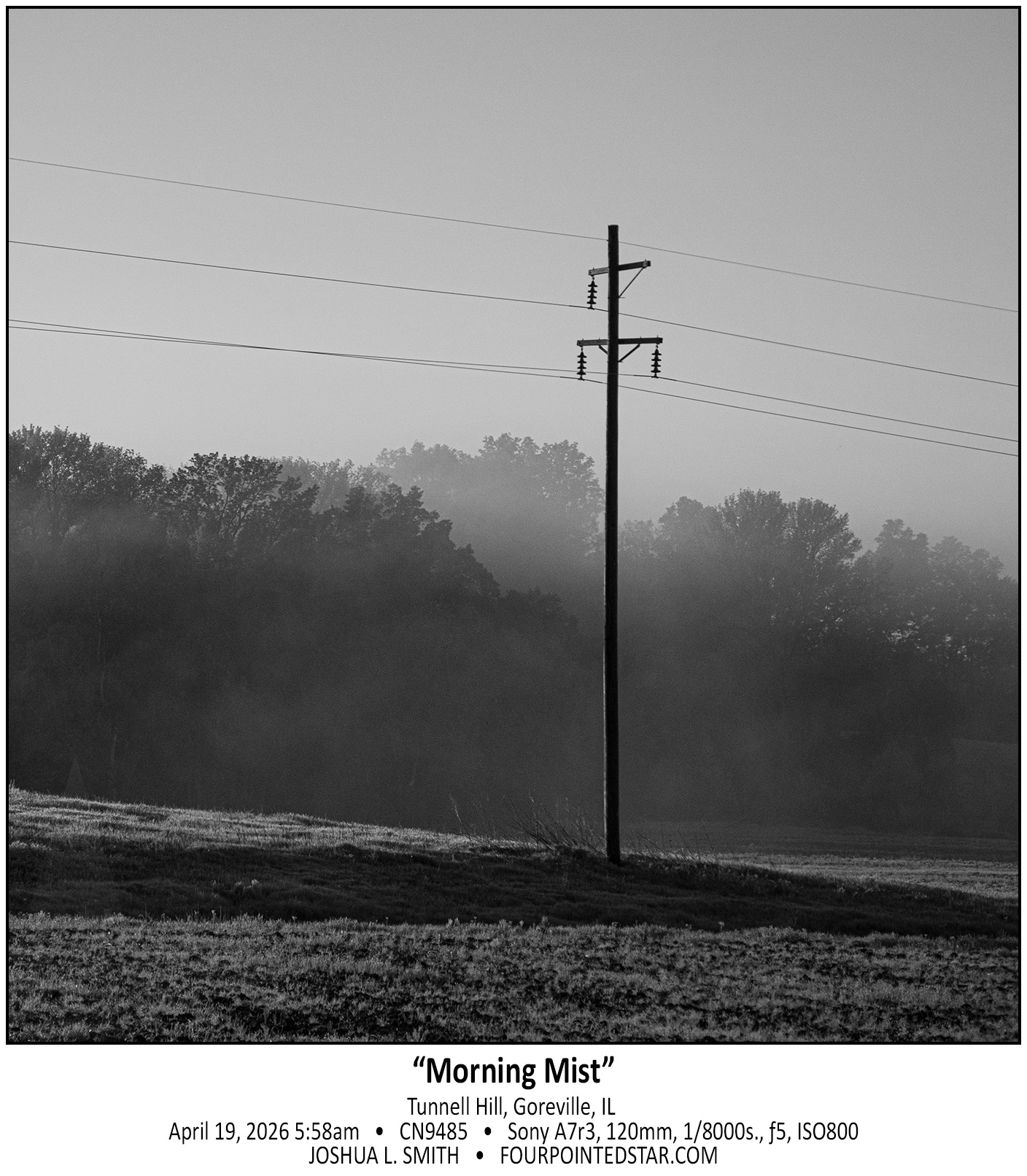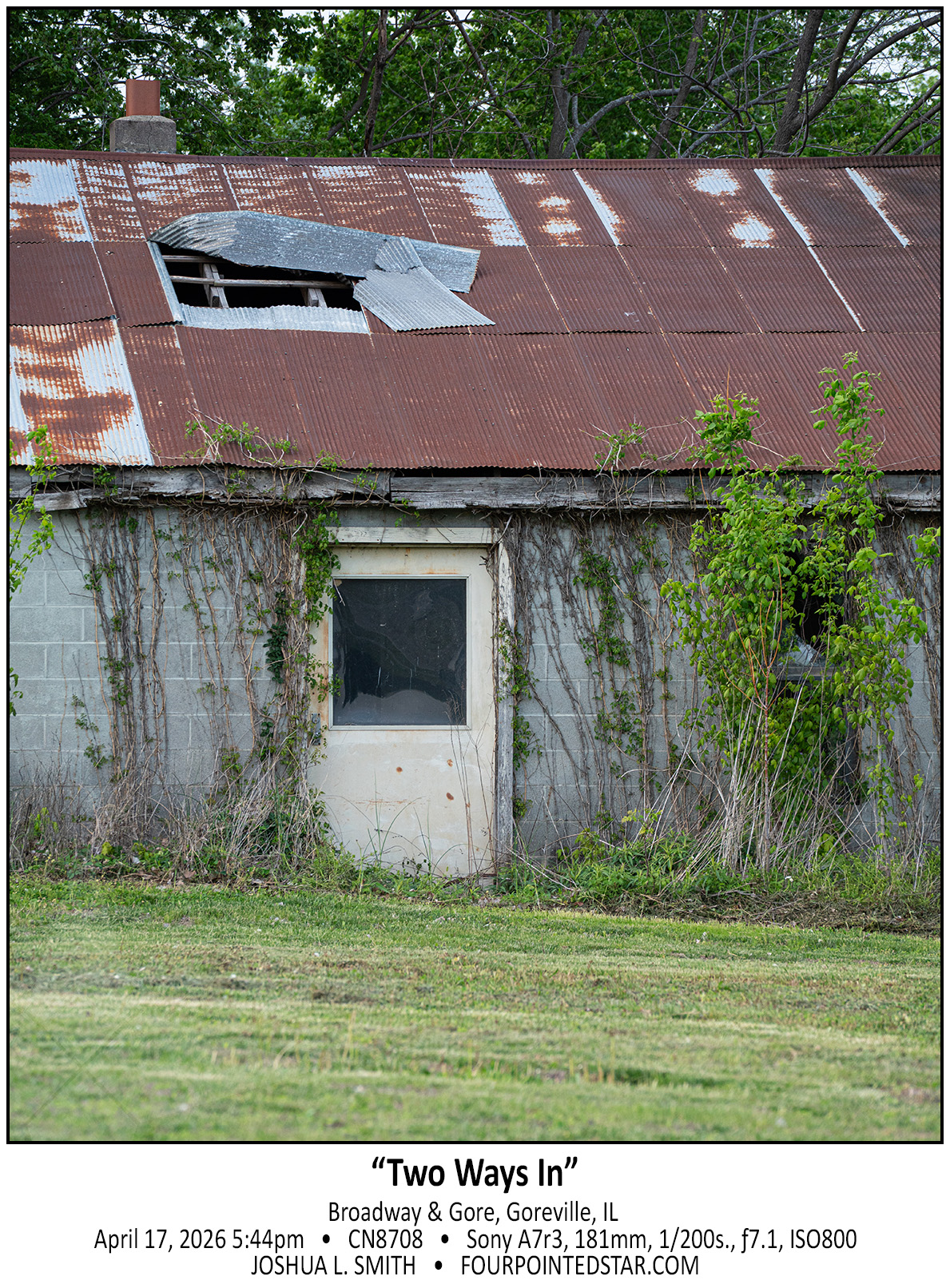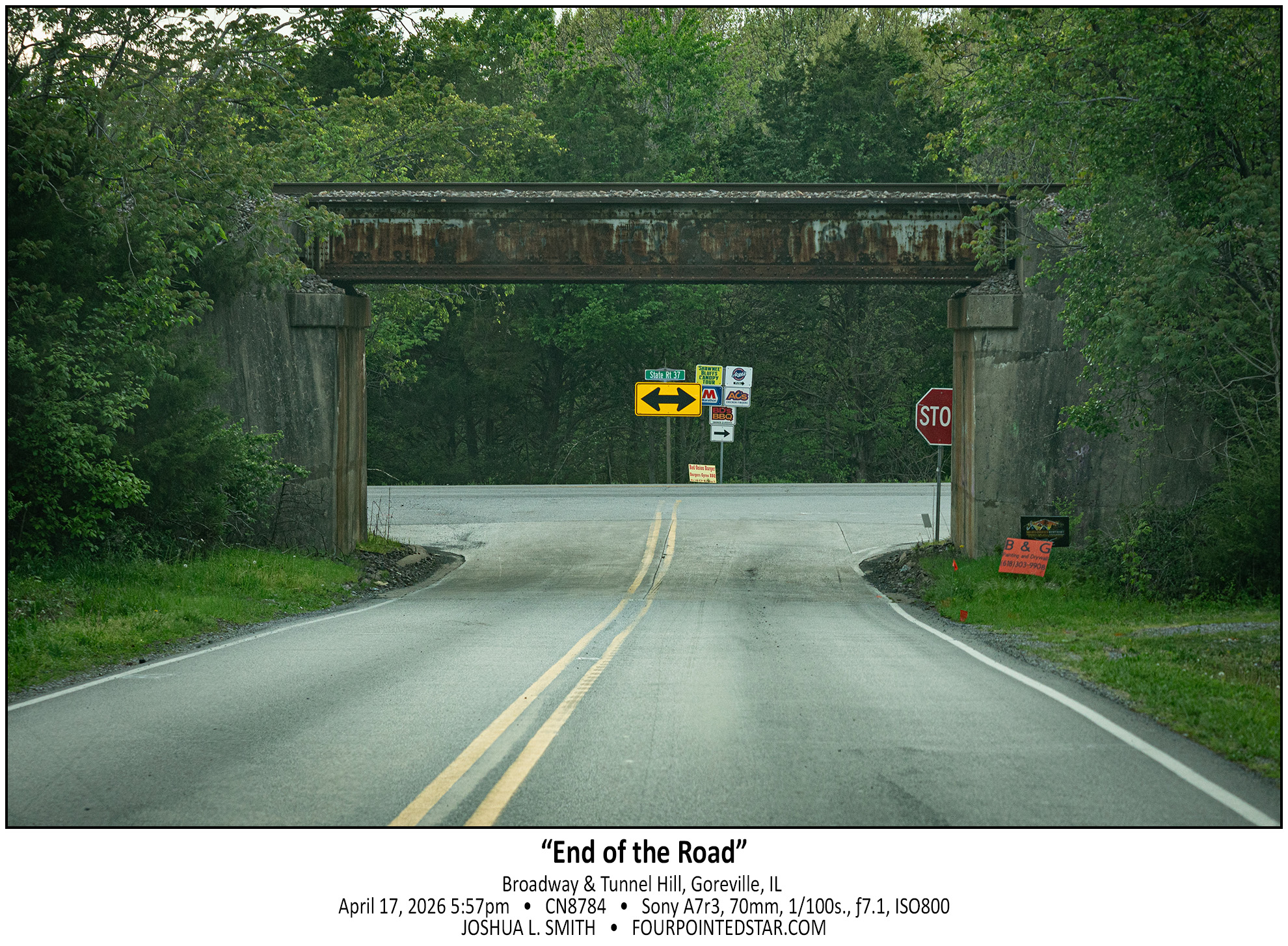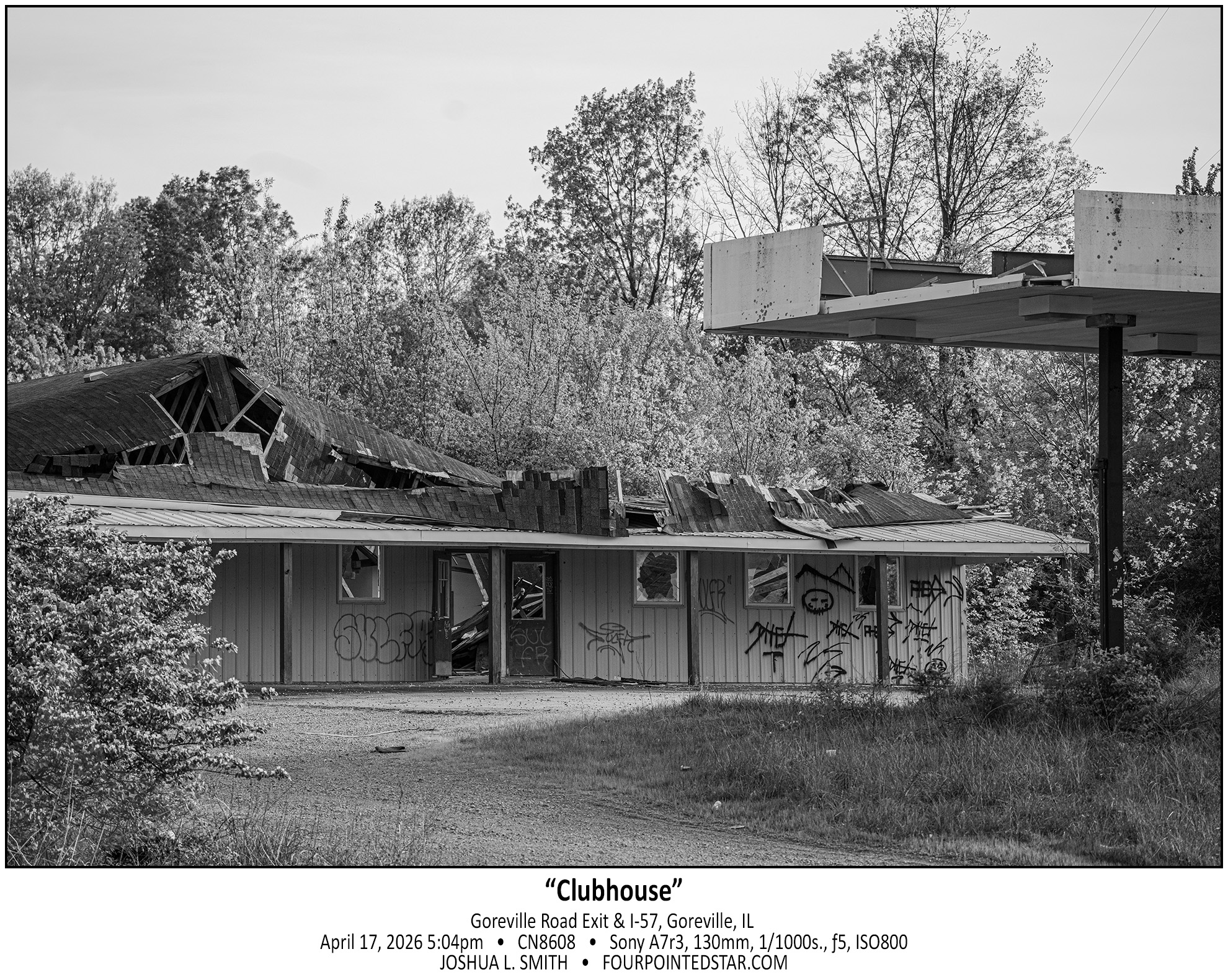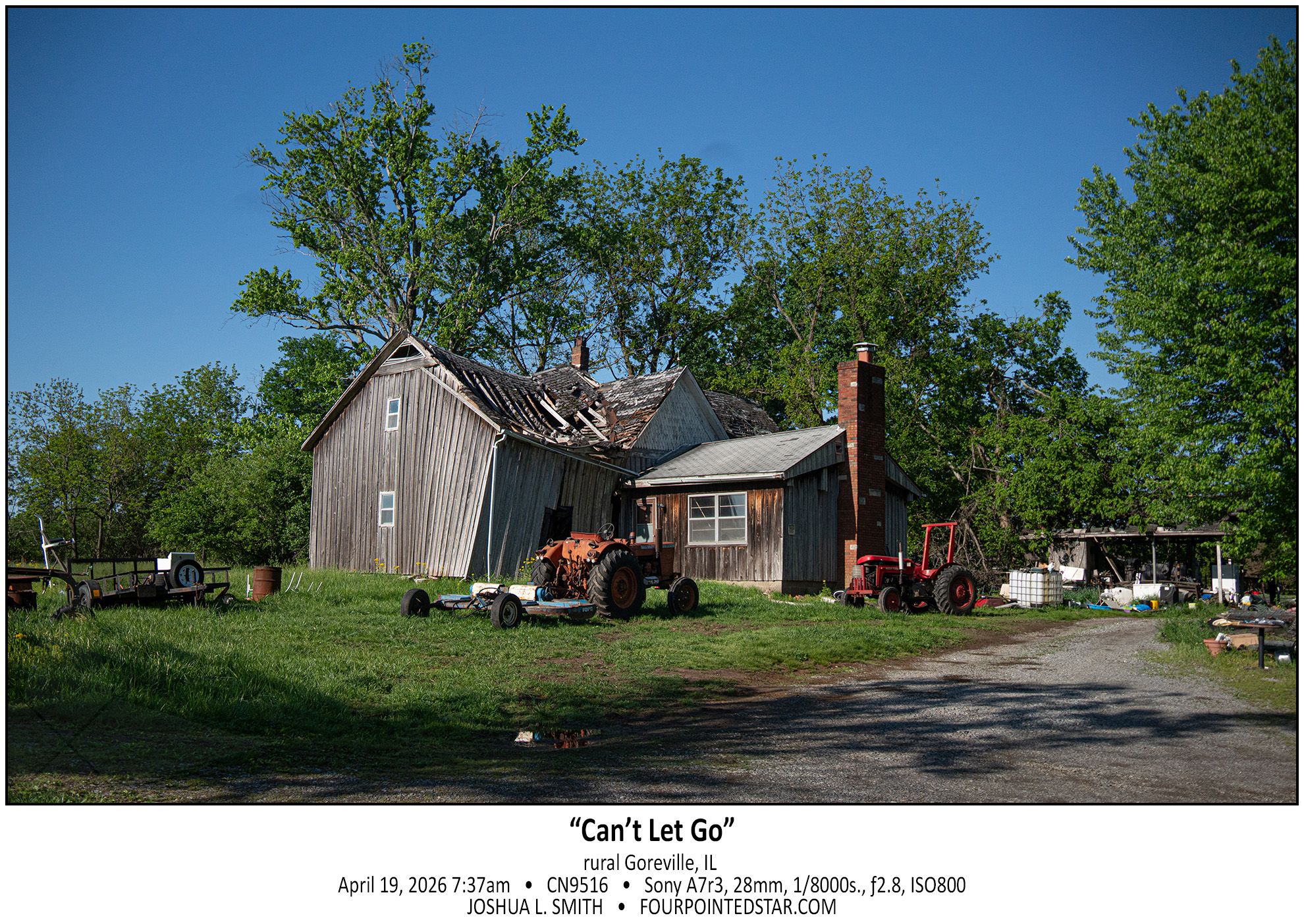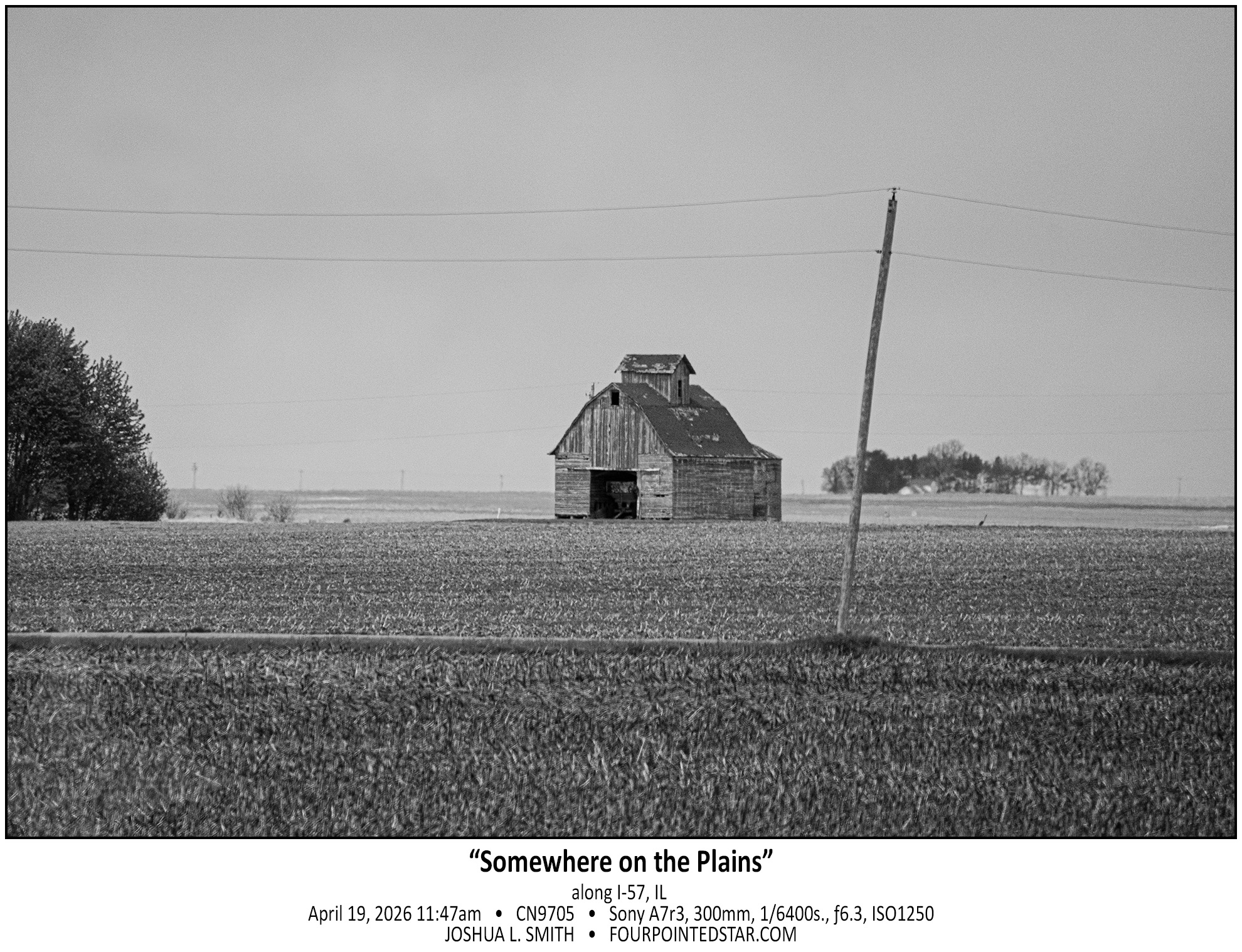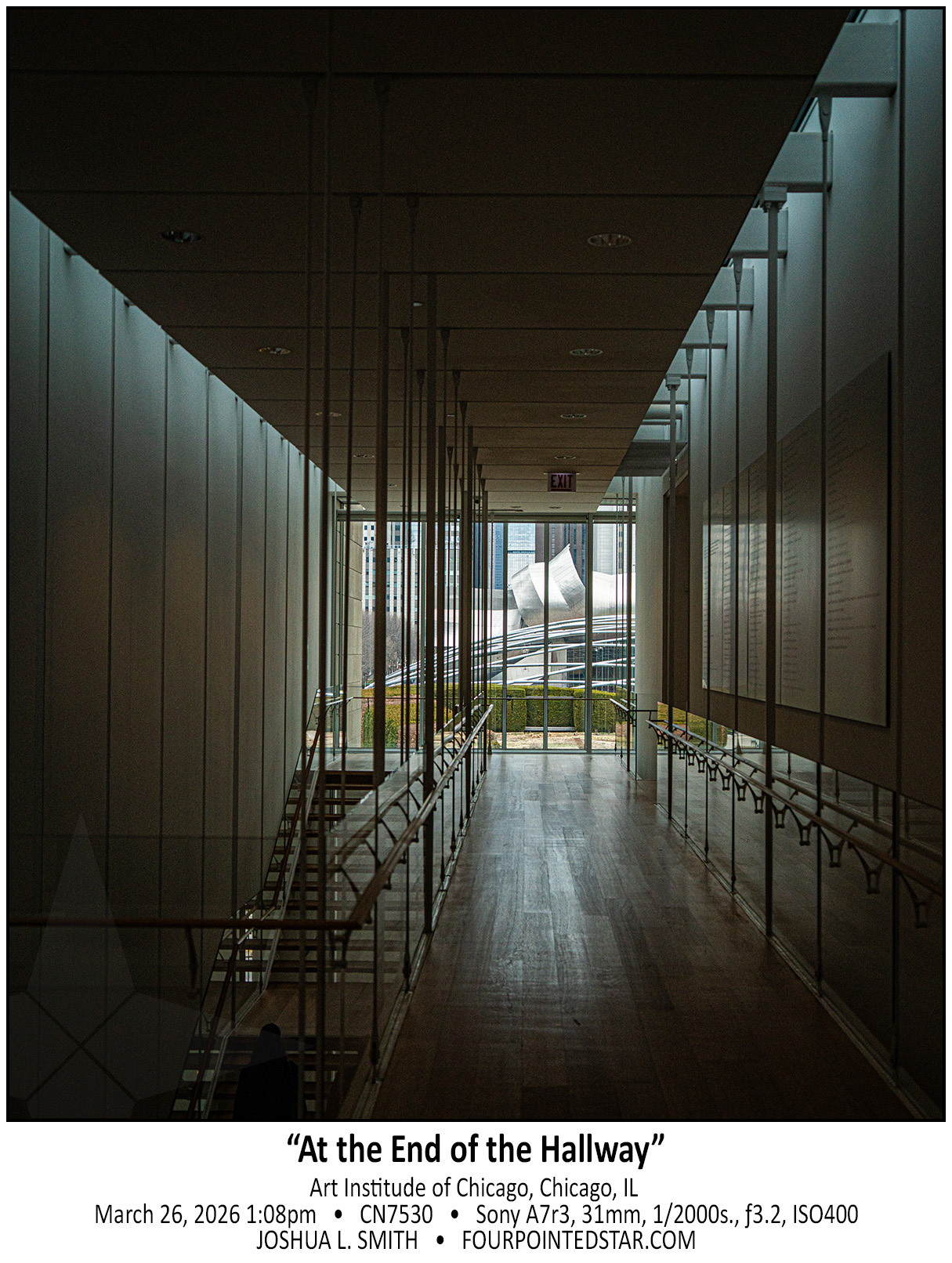
What can you do with Lines?
If you attend more than one photography presentation, you’re bound to hear “use leading lines” in some fashion. But how do you use lines in a photograph?
Are they boundaries meant to hold you in the image?
Are they pathways meant to draw you into the image?
Or perhaps they highlight a certain part of the image?
As I work more and more to define the why of how I shoot the way I shoot, I find myself wondering how I am using various items in my photograph. Most of us compose subconsciously with our subconscious forming an image out of the abstract world that we live in. The issue is – our subconscious isn’t that great at drawing rectangles; it’s not that great at noticing the distractions that are in that rectangle; and since our eyes see so much better than our cameras, our subconscious isn’t able to balance light and dark.
So back to lines, I’ve found that if I intentionally look for lines – leading lines, boxes, or highlights – I create better images that are easier to edit. After all, the creative process doesn’t end with pressing the shutter button; but that’s a topic for another day.